Bump Under Eye? What You Should Do in the First 24 Hours

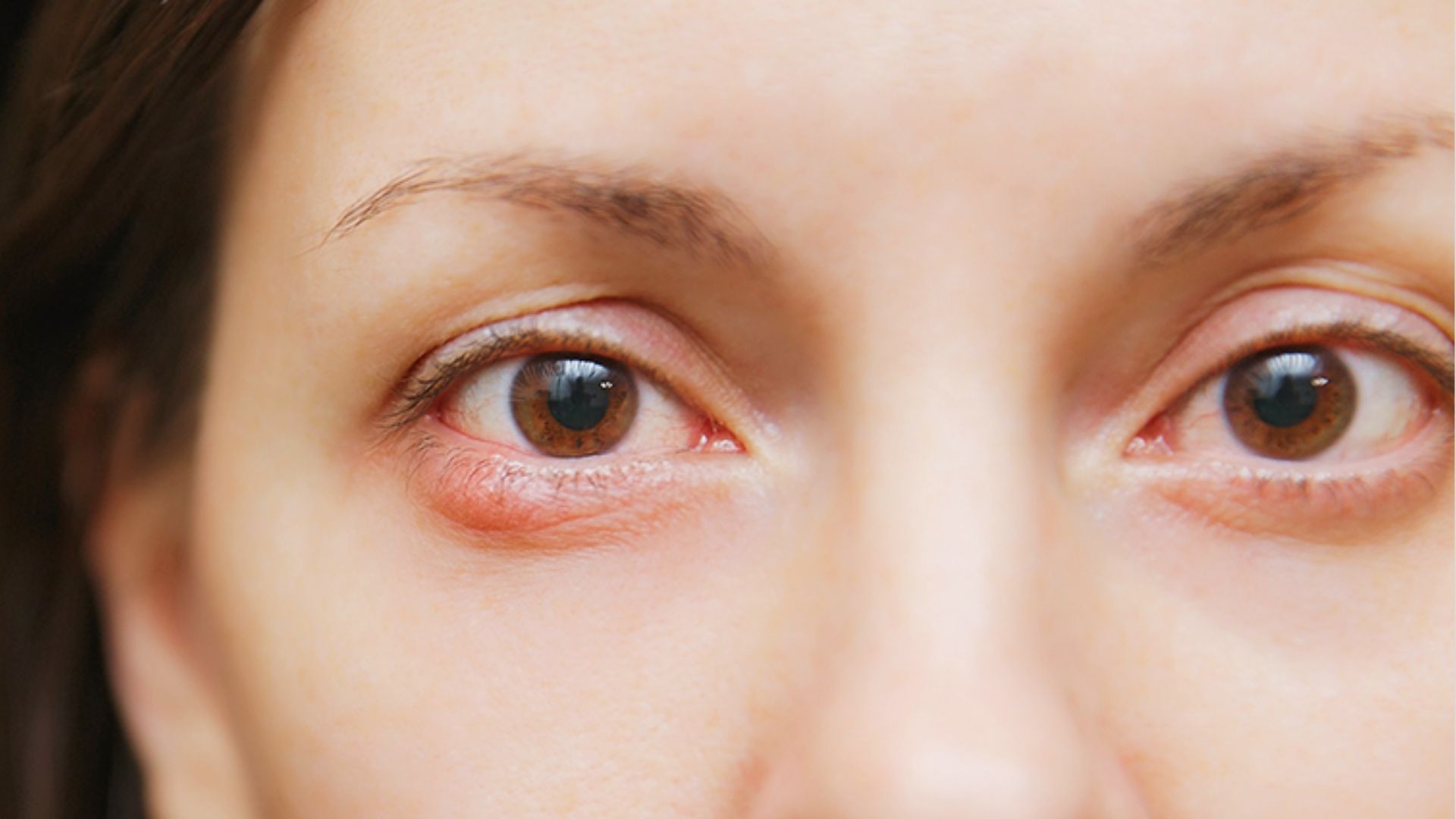
I woke up one morning with a small, weird bump under my eye. No pain. No redness. Just sitting there.
That tiny bump sent me searching for answers. But everything I found was either too medical or too vague. Sound familiar?
Here’s what I know now. A bump under eye is far more common than most people realize. And in most cases, it’s very treatable.
In this blog, I’ll cover what causes these bumps, how to tell a stye from milia, and which treatments actually work at home. I’ll also tell you when it’s time to see a doctor.
You’ll get real answers here. Simple. Clear. No confusion.
What Is a Bump Under the Eye and Why It Appears
A bump under the eye can appear out of nowhere or grow slowly over time. It usually forms when oil glands get blocked or when dead skin cells get trapped under the surface.
Most of the time, these bumps are harmless. But knowing what kind you have matters.
A white bump under the eye is often milia, which happens when keratin builds up under the skin.
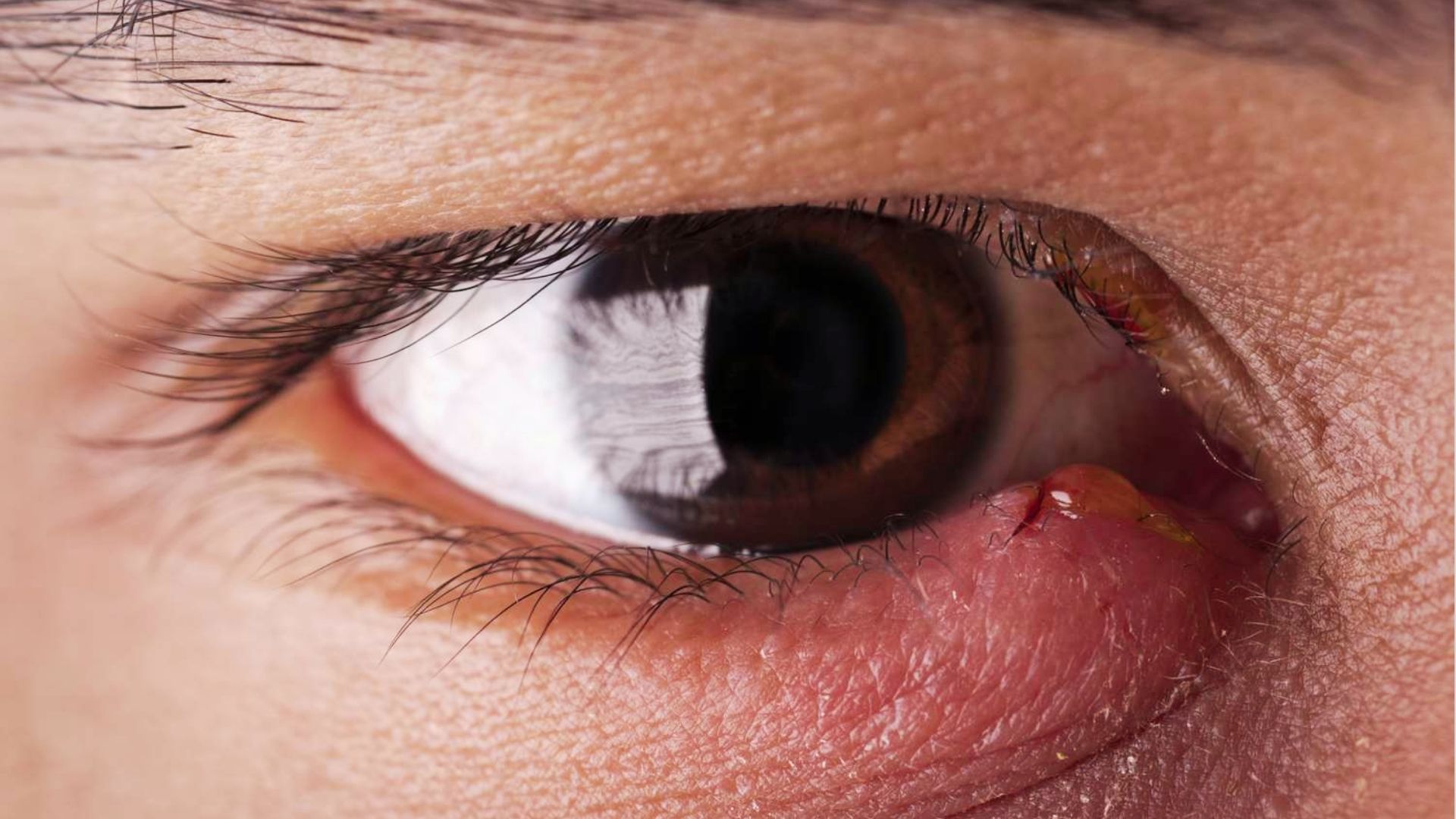
A red bump under the eye is usually a stye caused by inflammation or bacterial infection. Getting that difference right helps you pick the right treatment and avoid making things worse.
Common Causes of Bump Under Eye
Bumps under the eye have a few specific causes, and knowing which one you have makes treatment much easier.
Milia (White Bump Under Eye)
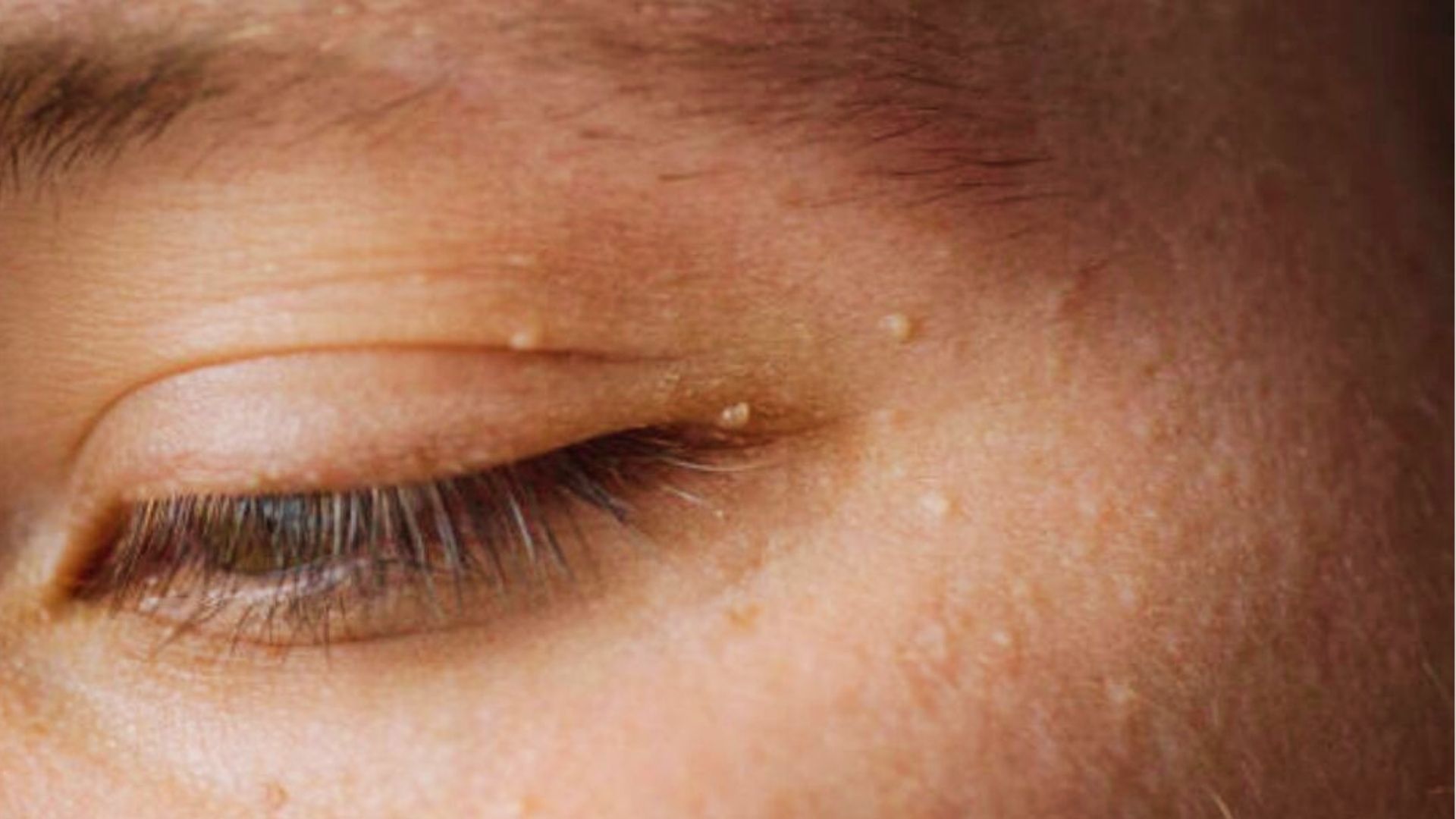
Milia are tiny, firm white bumps that form when keratin gets trapped under the skin. They’re very common in the under-eye area because the skin there is thin and sensitive.
They don’t hurt, but they don’t go away easily on their own. You can’t pop them like a pimple.
A skin care professional can remove them safely without causing damage or scarring.
Stye (Red Bump Under Eye)
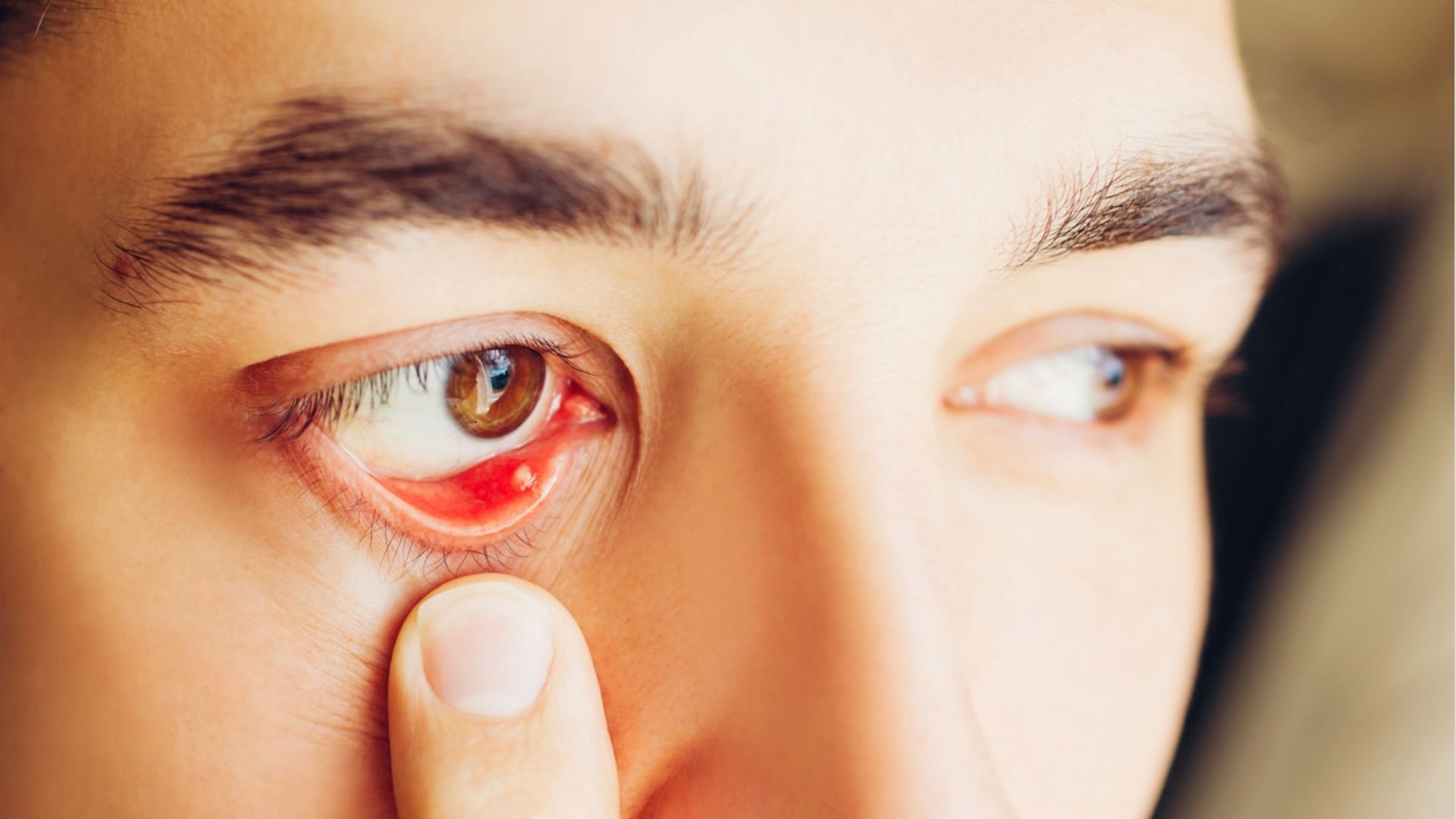
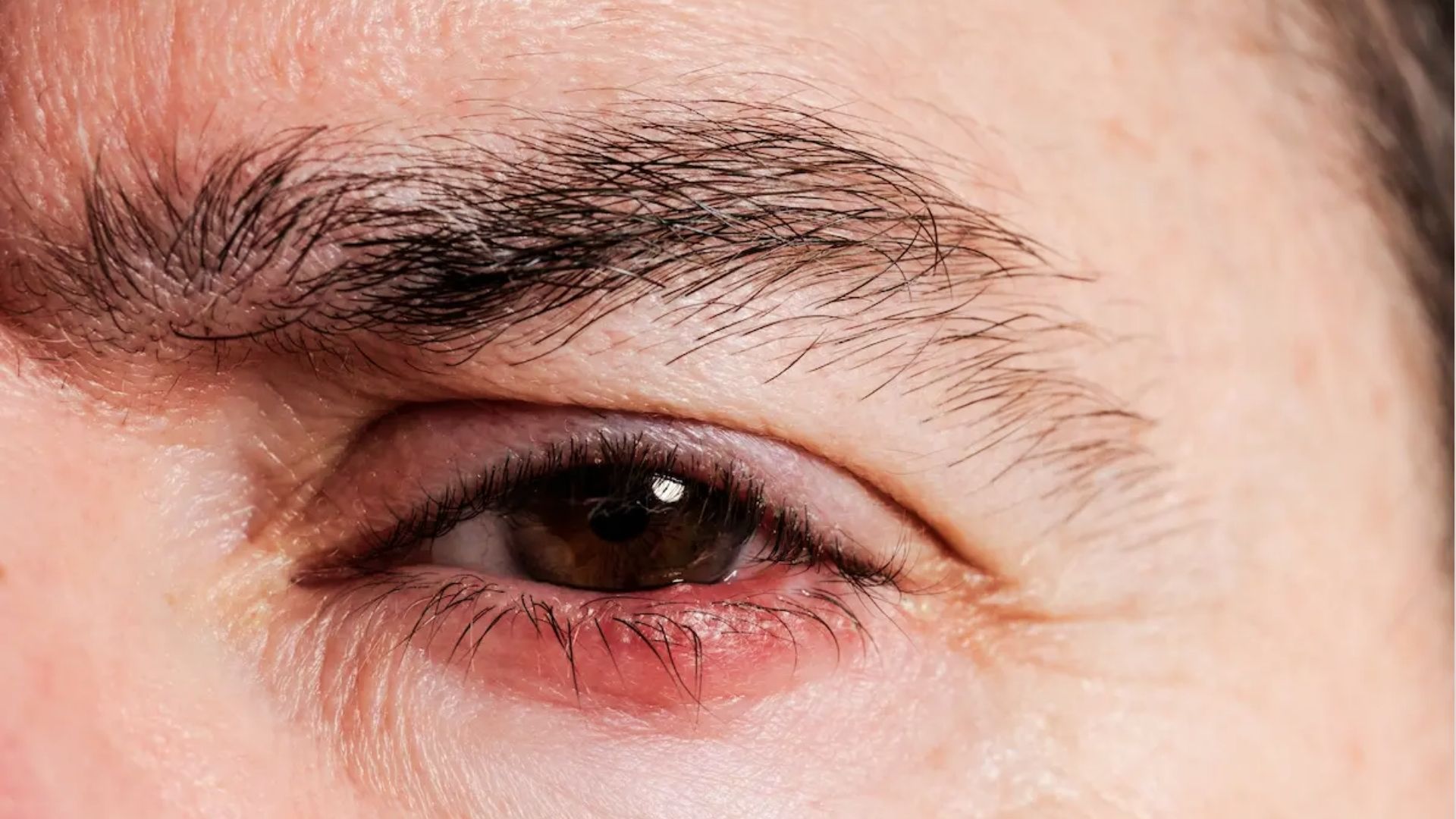
A stye is a red, painful bump that forms when bacteria infect an eyelash follicle. It can feel sore to touch and may fill with pus over time.
Styes usually appear along the lash line but can show up just under the eye too.
Most styles clear up within a week with warm compresses and basic daily hygiene habits.
Chalazion (Small Hard Bump Under Eye)
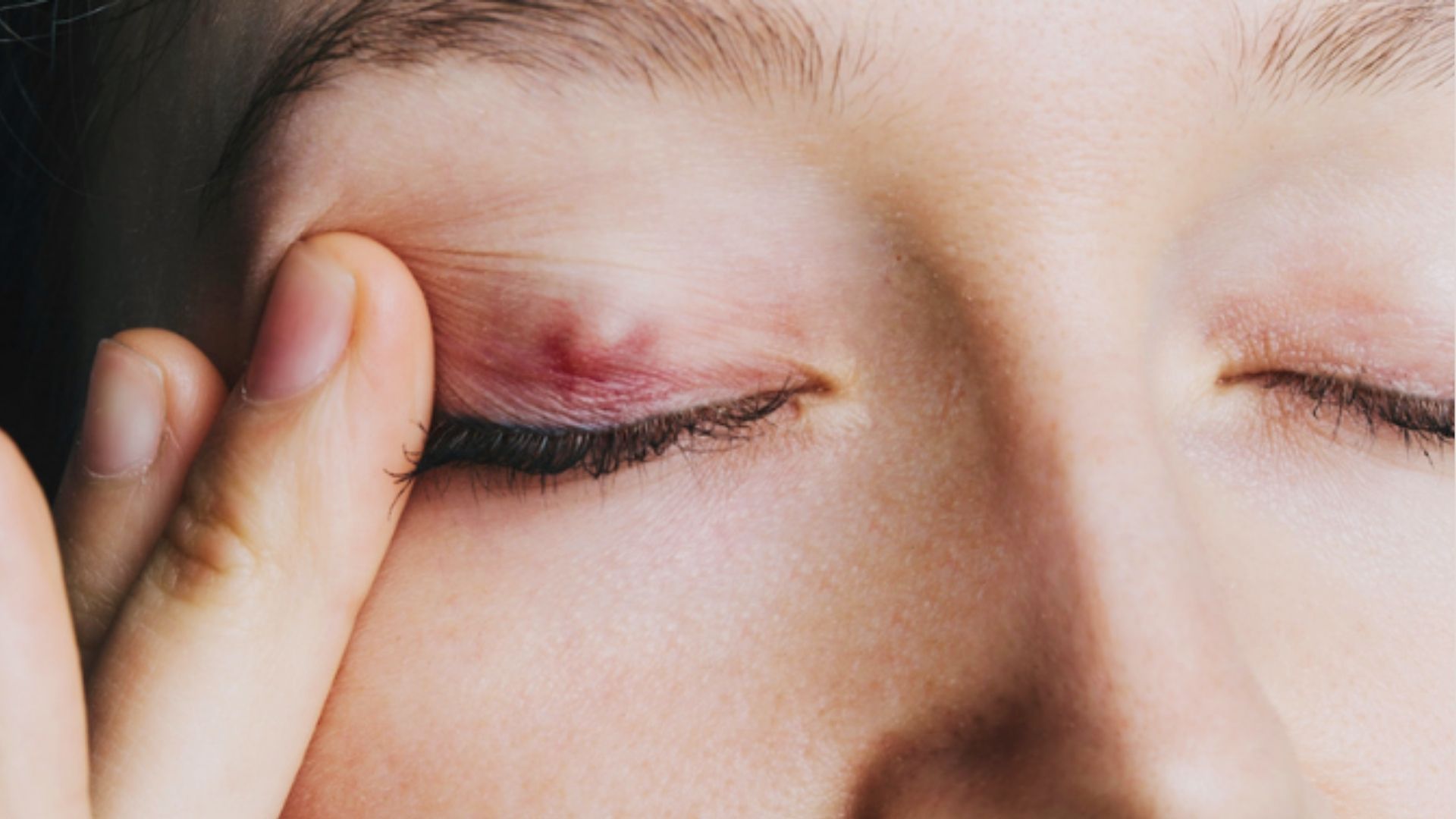
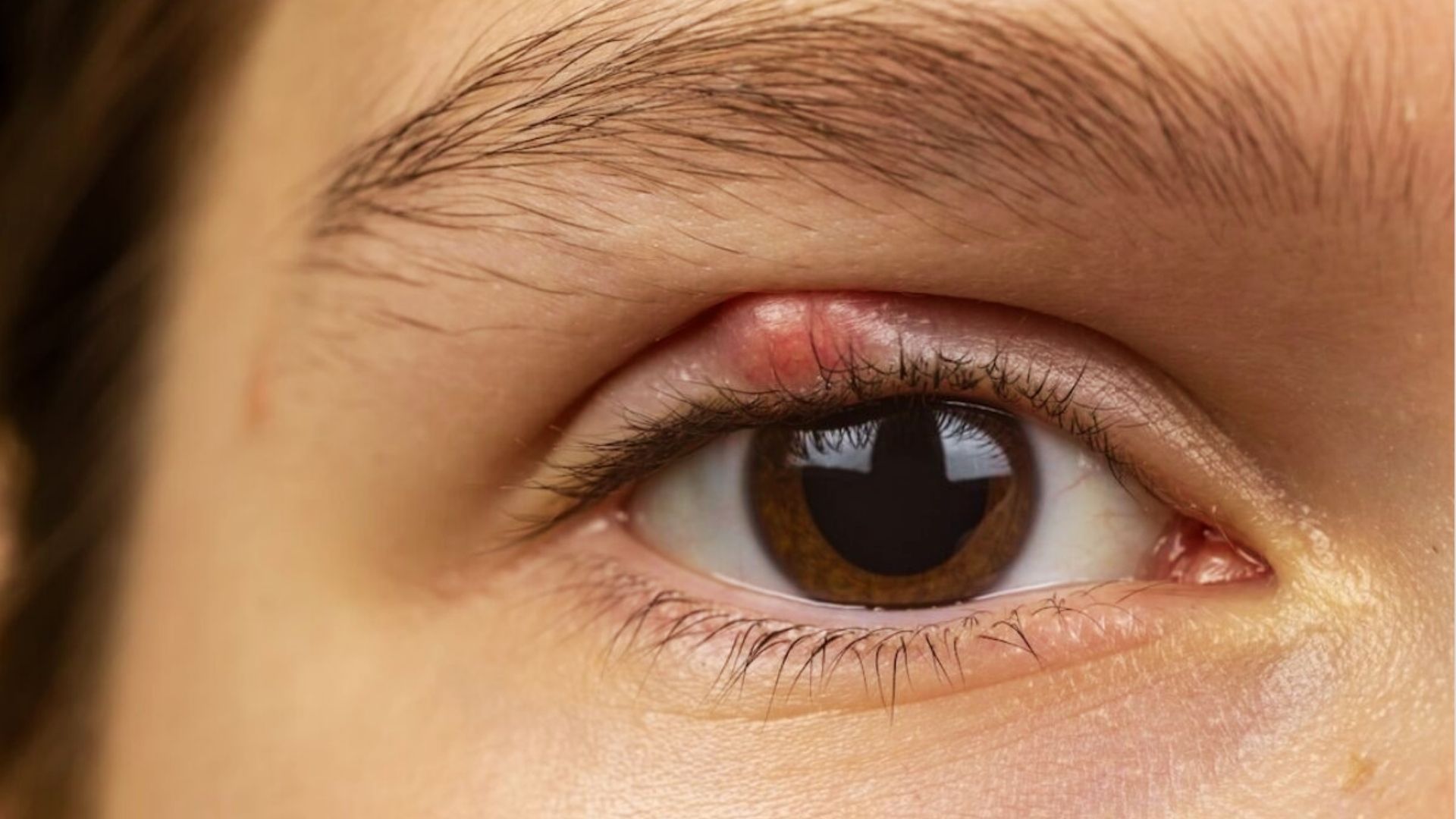
A chalazion forms when an oil gland in the eyelid gets blocked. Unlike a stye, it’s usually painless but feels firm under the skin.
It can grow slowly if left untreated and may become more noticeable over time. A chalazion won’t always go away on its own.
Some cases need medical treatment to fully clear up.
Under-Eye Cysts
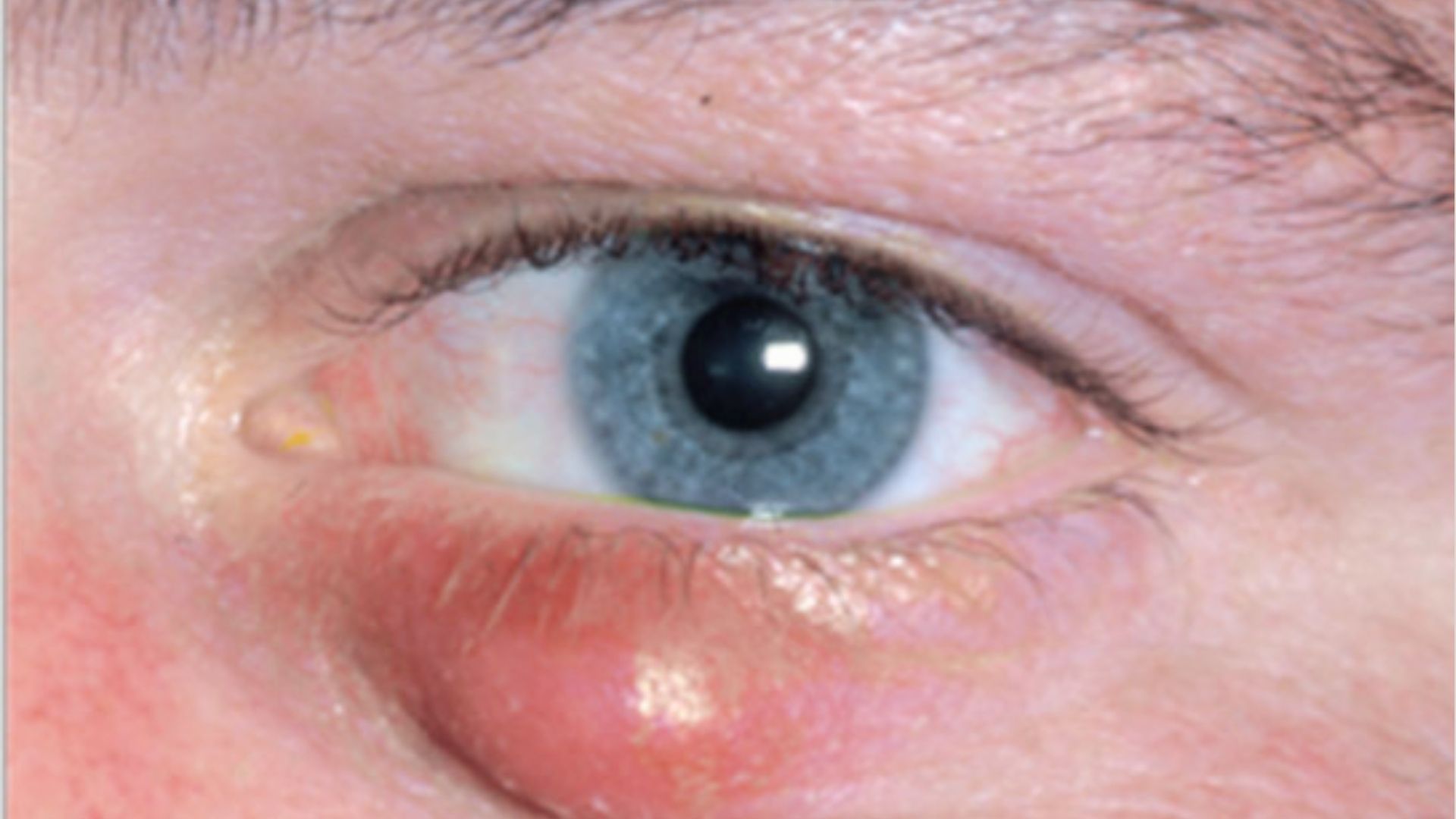
Under-eye cysts are bumps filled with fluid or semi-solid material. They form when glands get blocked or when the skin gets irritated over time.
They’re usually painless but can grow larger. Some cysts shrink on their own, but many need medical removal.
Trying to pop or drain them at home can lead to infection and permanent scarring.
Safe Remedies to Treat Bump Under Eye at Home
Before heading to a doctor, a few simple home remedies can help reduce or clear a bump under the eye.
Warm Compress for Small Bumps Under Eye

A warm compress is one of the easiest ways to treat bumps caused by blocked glands.
Soak a clean cloth in warm water, wring it out, and hold it gently against the bump for 10 to 15 minutes.
Do this two to three times a day. It helps soften the blockage, reduce swelling, and speed up healing. It works best for styes and chalazions.
Gentle Eyelid Cleaning Routine
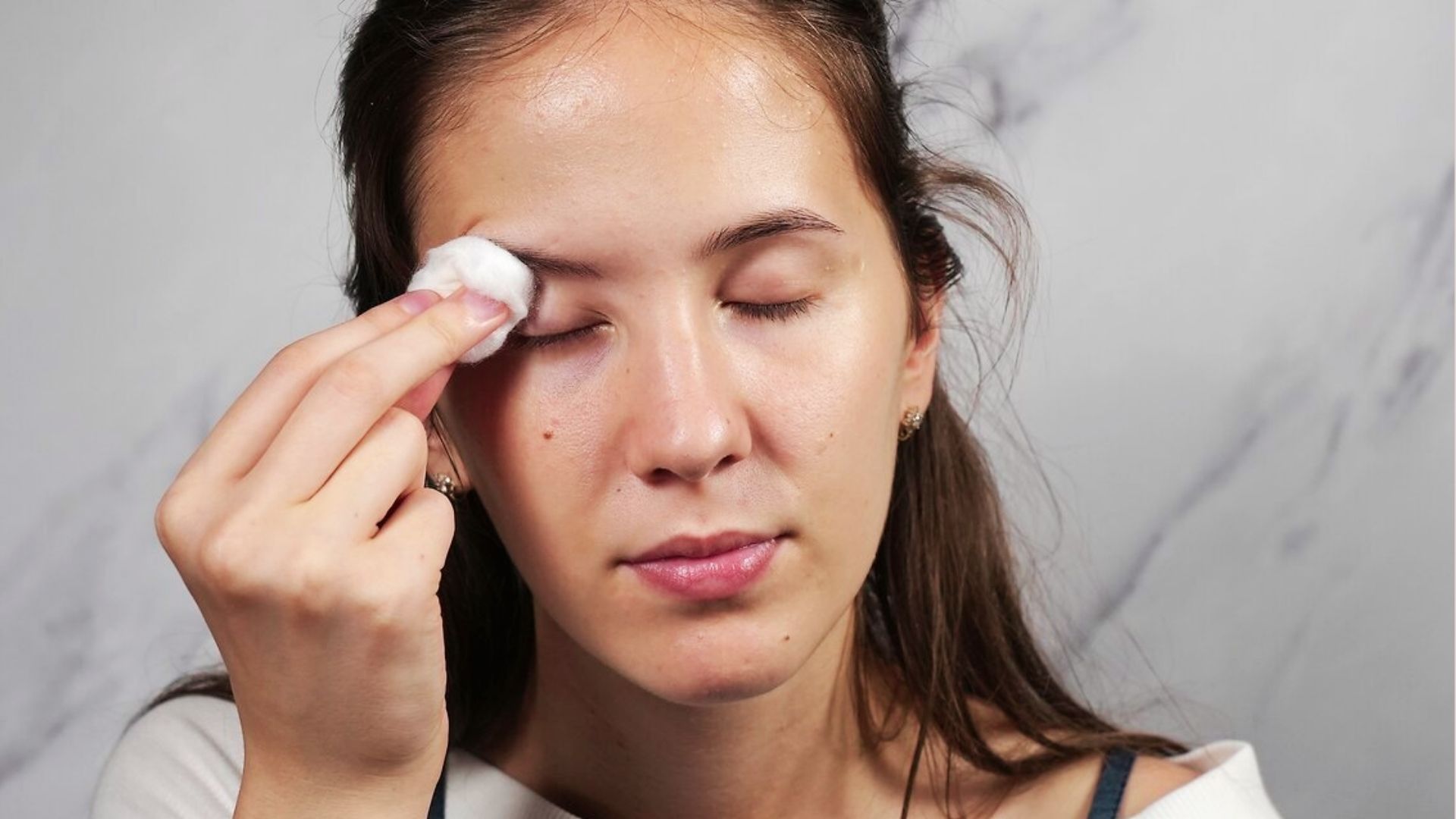
Keeping your eyelids clean every day stops bumps from getting worse. Use a gentle cleanser or diluted baby shampoo on a cotton pad.
Wipe carefully along the lash line. This removes oil buildup, dirt, and bacteria that block glands and trigger infections.
A clean eyelid area heals faster and is far less likely to develop new bumps over time.
Avoid Popping or Squeezing the Bump
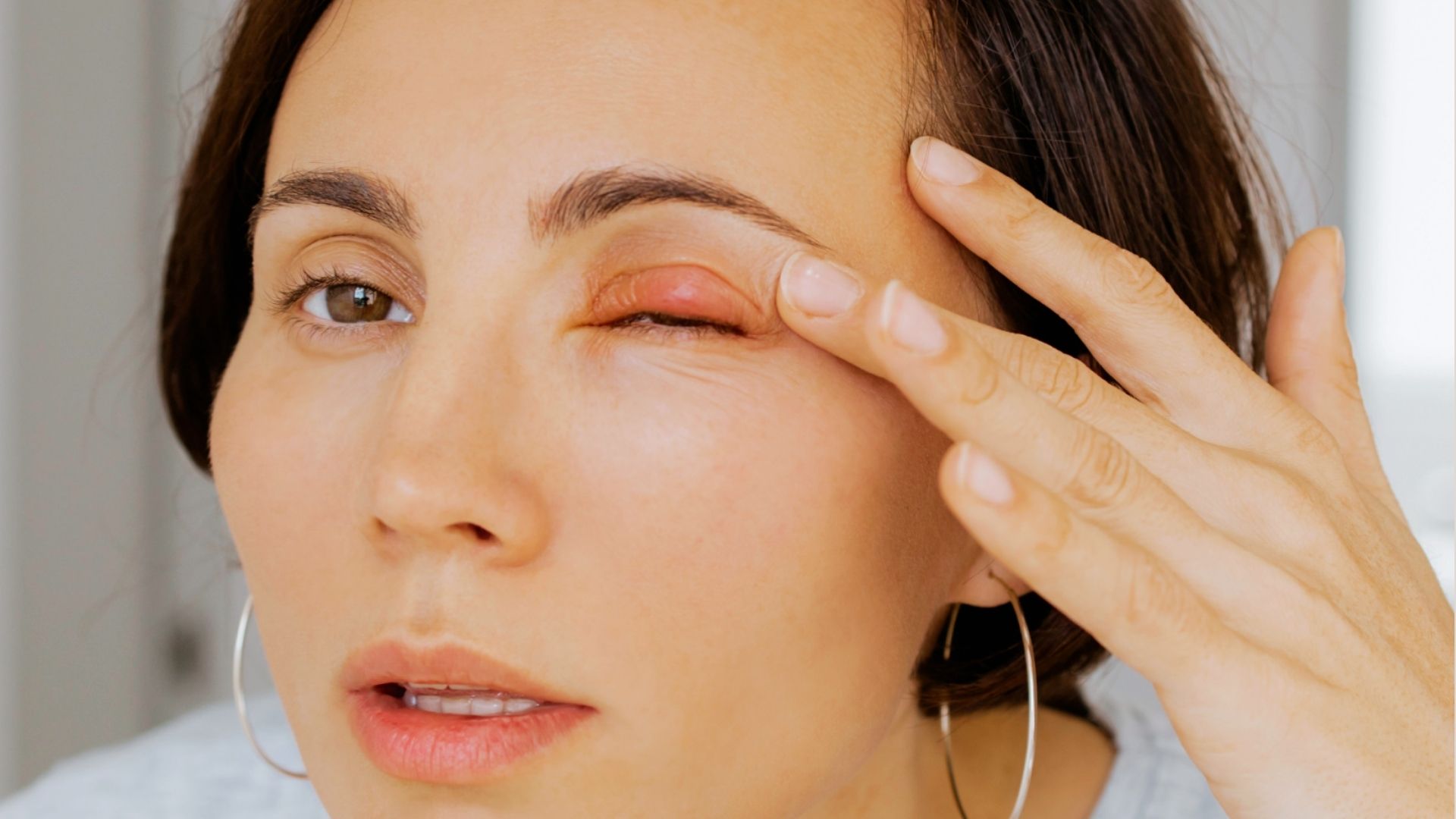
It’s tempting to squeeze a bump, but doing so causes real damage. Popping a bump under the eye pushes bacteria deeper into the skin.
That leads to infection, more swelling, and possible scarring. The skin under the eye is very thin and sensitive.
Let the bump heal on its own or get proper treatment from a professional instead.
Tea Tree Oil Spot Treatment
Tea tree oil has natural antibacterial properties that fight bacteria causing minor bumps. Never apply it directly.
Mix one drop with a teaspoon of coconut or jojoba oil. Dab a tiny amount on the bump using a clean cotton swab.
Do this once daily. Keep it away from your eyes. It works best on small pimple-like bumps.
Aloe Vera Gel for Soothing the Bump
Aloe vera is gentle on thin, sensitive skin under the eye. It has anti-inflammatory properties that calm redness and reduce minor bumps.
Use pure aloe vera gel with no added fragrance. Apply a small amount directly on the bump.
Leave it on for 15 minutes, then rinse with cool water. Do this once or twice daily for best results.
Medical Treatment for Bump Under Eye
When home remedies aren’t enough, a doctor can offer safe and effective options to remove or reduce the bump.
Cortisone Injection
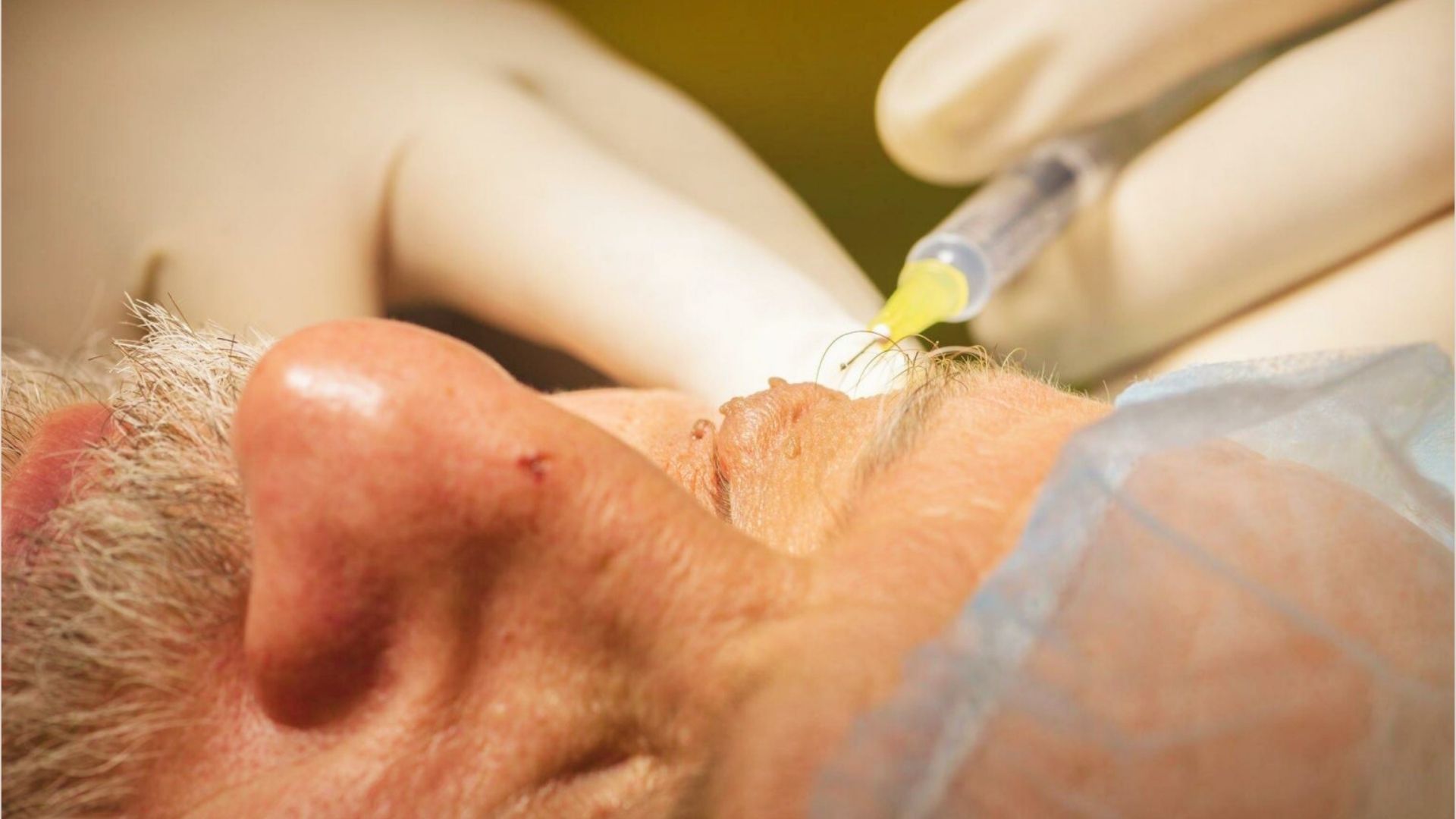
A cortisone injection is a quick in-office procedure used to reduce swelling in larger, cyst-like bumps.
The doctor injects a small amount of cortisone directly into the bump. It works by calming the inflammation from the inside out.
Results can show within a few days. This works well for chalazions and inflamed bumps that don’t respond to home care.
Drainage Procedure

For infected or fluid-filled bumps, a doctor may drain the contents in a controlled setting. A tiny incision is made and the fluid is removed safely.
This is especially helpful for styes or cysts that have grown large or become painful.
The procedure is quick and done under local anesthesia. Recovery is usually fast with proper aftercare and hygiene.
Surgical Removal
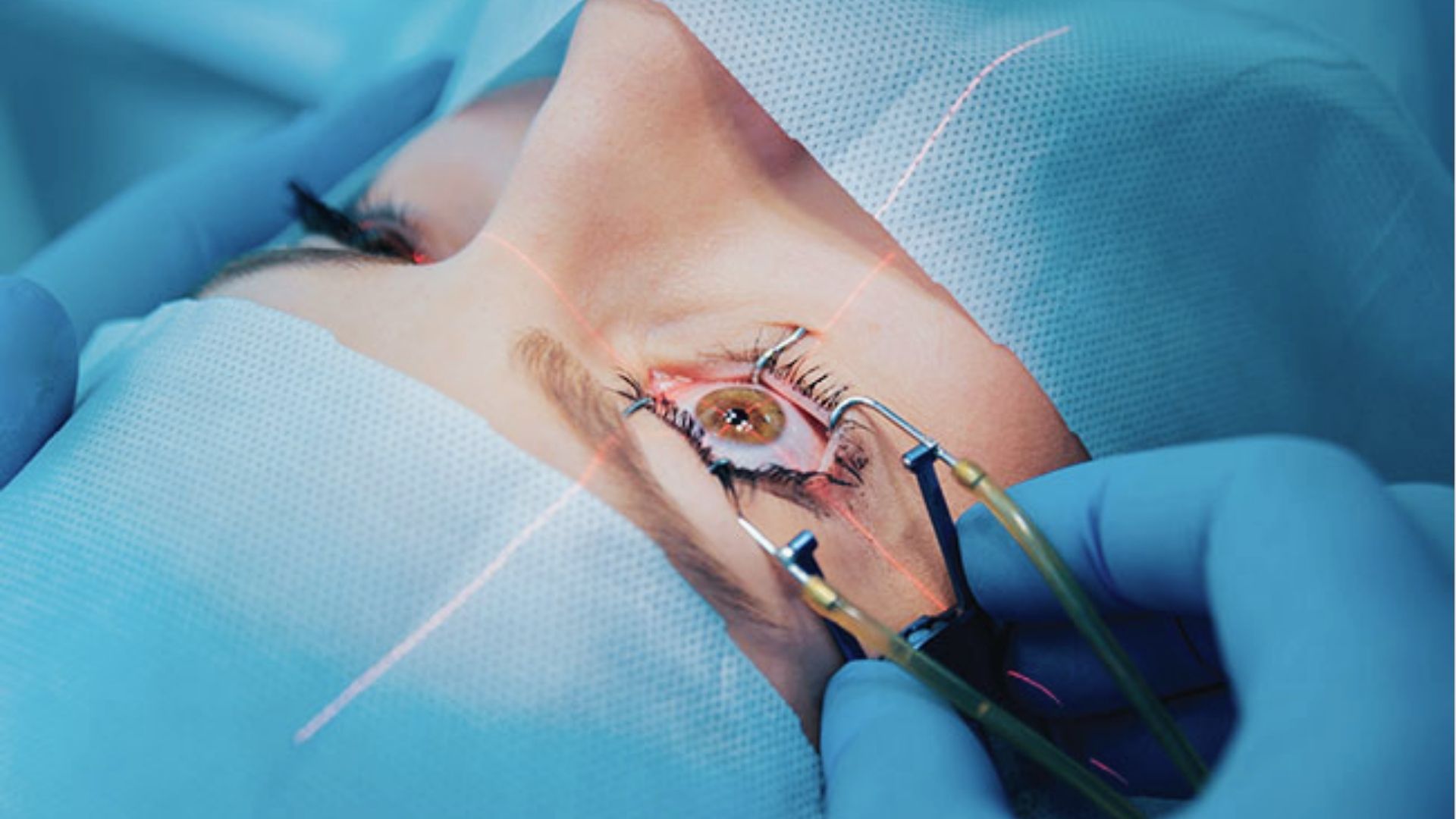
When a cyst keeps coming back or grows too large, surgical removal is the best option. The doctor removes the entire sac so it doesn’t grow back.
The procedure is minor and done under local anesthesia. Scarring is minimal when done by a skilled professional.
Surgical removal gives a lasting fix and removes the risk of the bump returning.
Warning Signs That Need Medical Attention
Most bumps are harmless. But some signs mean it’s time to see a doctor right away.
- Bump lasting more than a week with no sign of improvement
- Increasing redness or pain around the affected area
- Discharge or swelling that keeps getting worse
- Blurred vision or any change in your eyesight
- Difficulty opening your eye fully or worsening irritation
Don’t wait if you notice any of these. Getting checked early can stop a small problem from turning into something more serious.
How to Prevent Bump Under Eye
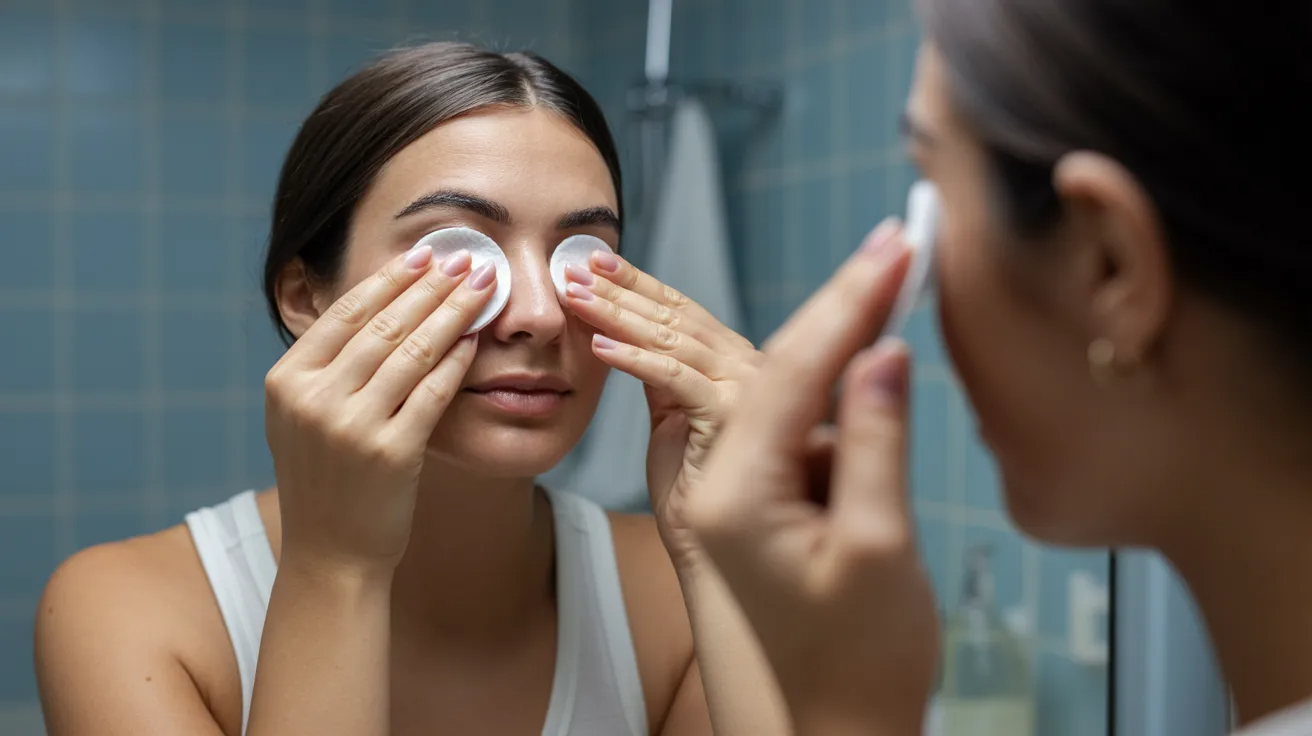
Keeping bumps away comes down to daily habits. Clean your eyelids every day to remove oil and dirt that can block glands.
Use a gentle cleanser and be soft around the eye area. Always remove your makeup before sleeping.
Leaving mascara or eyeliner on overnight clogs pores and raises your infection risk. Stop touching or rubbing your eyes during the day.
Your hands carry bacteria that transfer easily to the sensitive skin around your eyes.
These three habits take less than five minutes a day, but they can save you a lot of discomfort in the long run.
Conclusion
I’ve had a small bump under my eye before, and I know how unsettling it feels.
The good news is that most bumps are harmless and very treatable. A stye, milia, or cyst. Each one has a clear path forward.
Start with simple home care. If nothing improves, see a doctor without delay.
Have you dealt with a bump under eye? Drop a comment below and share what worked for you.
It might help someone else going through the same thing.
Frequently Asked Questions
Can a bump under the eye go away on its own?
Yes, many bumps like styes and milia clear up on their own within one to two weeks with basic care.
Is a white bump under the eye dangerous?
No, white bumps are usually milia, which are harmless and caused by trapped keratin under the skin.
How long does a stye under the eye last?
Most styes heal within 7 to 10 days with warm compresses and proper daily eyelid hygiene.
Can makeup cause bumps under the eye?
Yes, leaving makeup on overnight can clog oil glands and lead to milia or styes over time.
When should I see a doctor for a bump under the eye?
See a doctor if the bump lasts more than a week, grows larger, or causes pain, discharge, or vision changes.