High Fade vs Low Fade: Key Differences Explained

I’ve sat in that barber’s chair, unsure what to say. You want a fresh look, but the options feel confusing.
High fade vs low fade, what’s the real difference? And which one actually works for your face and hair type?
In this guide, I’ll break it all down. We’ll cover placement, face shape, hair type, maintenance, and style options.
You’ll leave knowing exactly what to ask your barber. I’ve researched and tested these styles hands-on, so you’re getting real advice here, not just theory.
By the end, the choice will feel obvious and your next haircut will finally feel right.
What Is a High Fade Haircut?
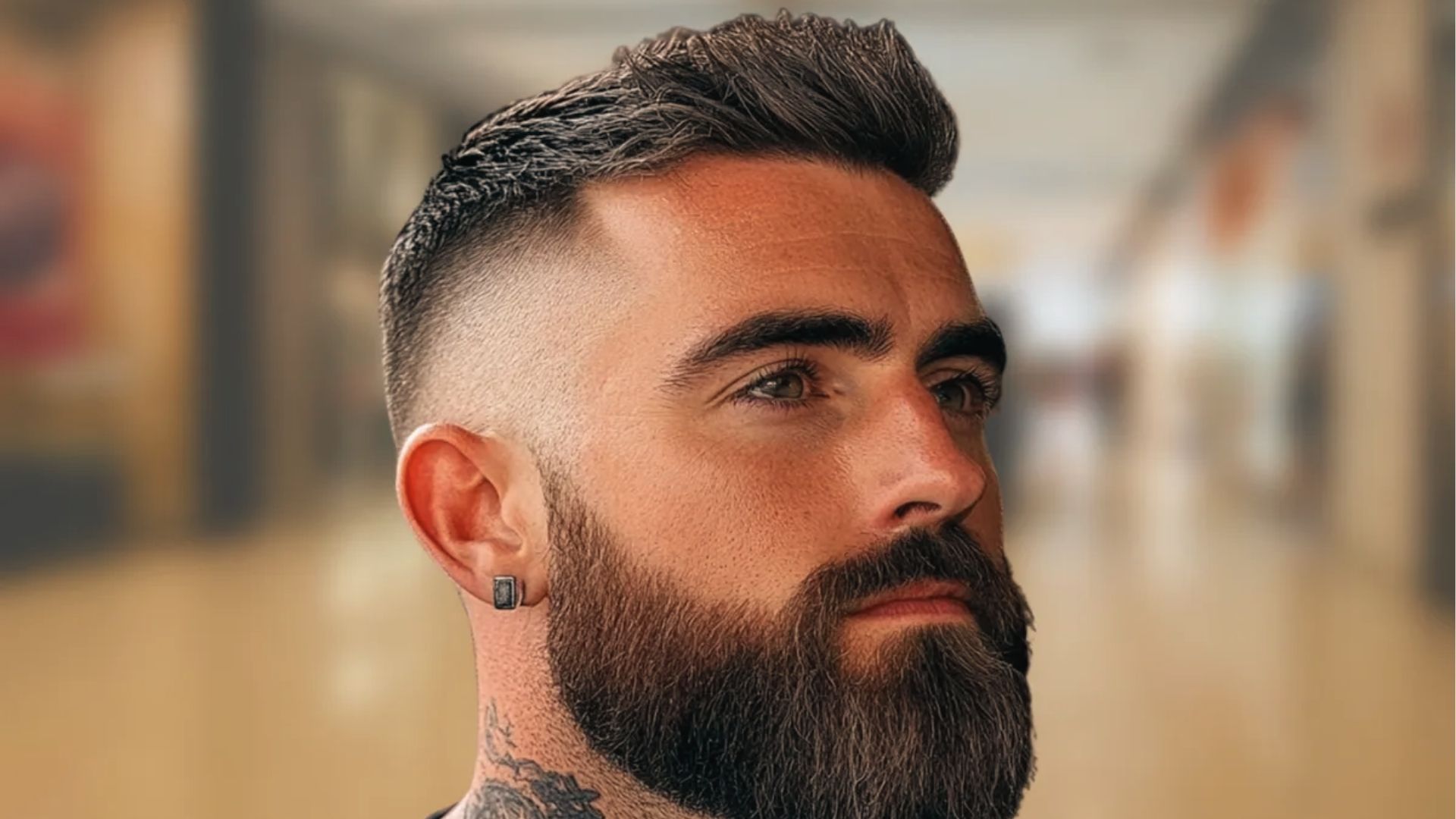
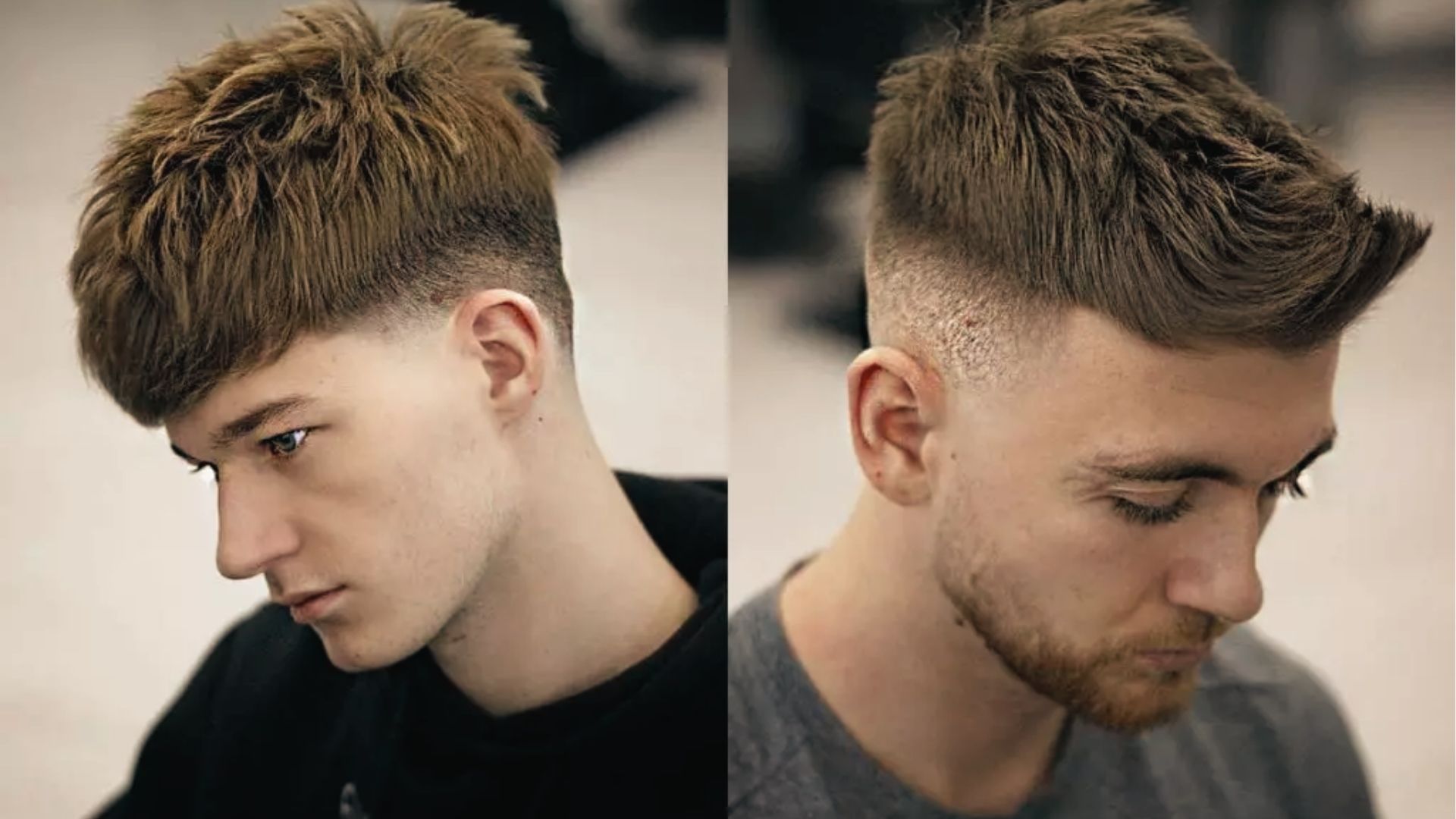
A high fade starts cutting close to the skin near the top of the head. The skin or very short hair begins around the temples and above the ears.
It gives a bold, sharp look. The contrast between the top and sides is very strong. Because the fade sits so high, it makes the hair on top stand out more.
This works great if you want a statement haircut. It also makes the sides look very clean and tight. Most people who want a modern, edgy style go for a high fade.
What Is a Low Fade Haircut?
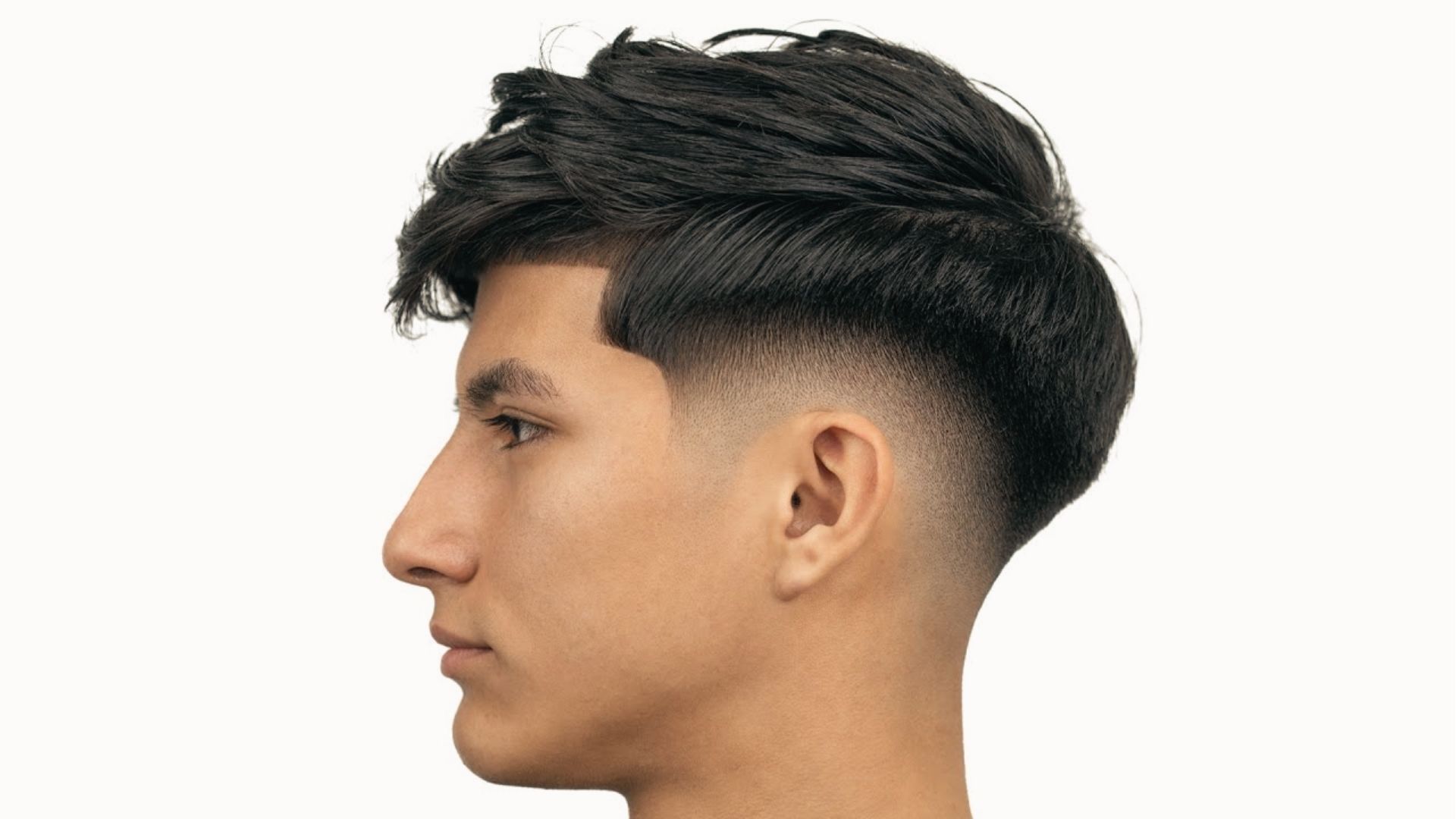
A low fade starts much lower, close to the neckline and just above the ears. The transition from short to longer hair is gradual.
It looks more subtle and clean. It works well for professional settings because it is not too bold or dramatic.
The sides still look neat, but the contrast is softer. There is more hair left on the sides compared to a high fade.
This makes it a great choice for people who want a sharp look without going too dramatic. It is also easier to grow out between barber visits.
High Fade vs Low Fade Men: Which One Suits You?
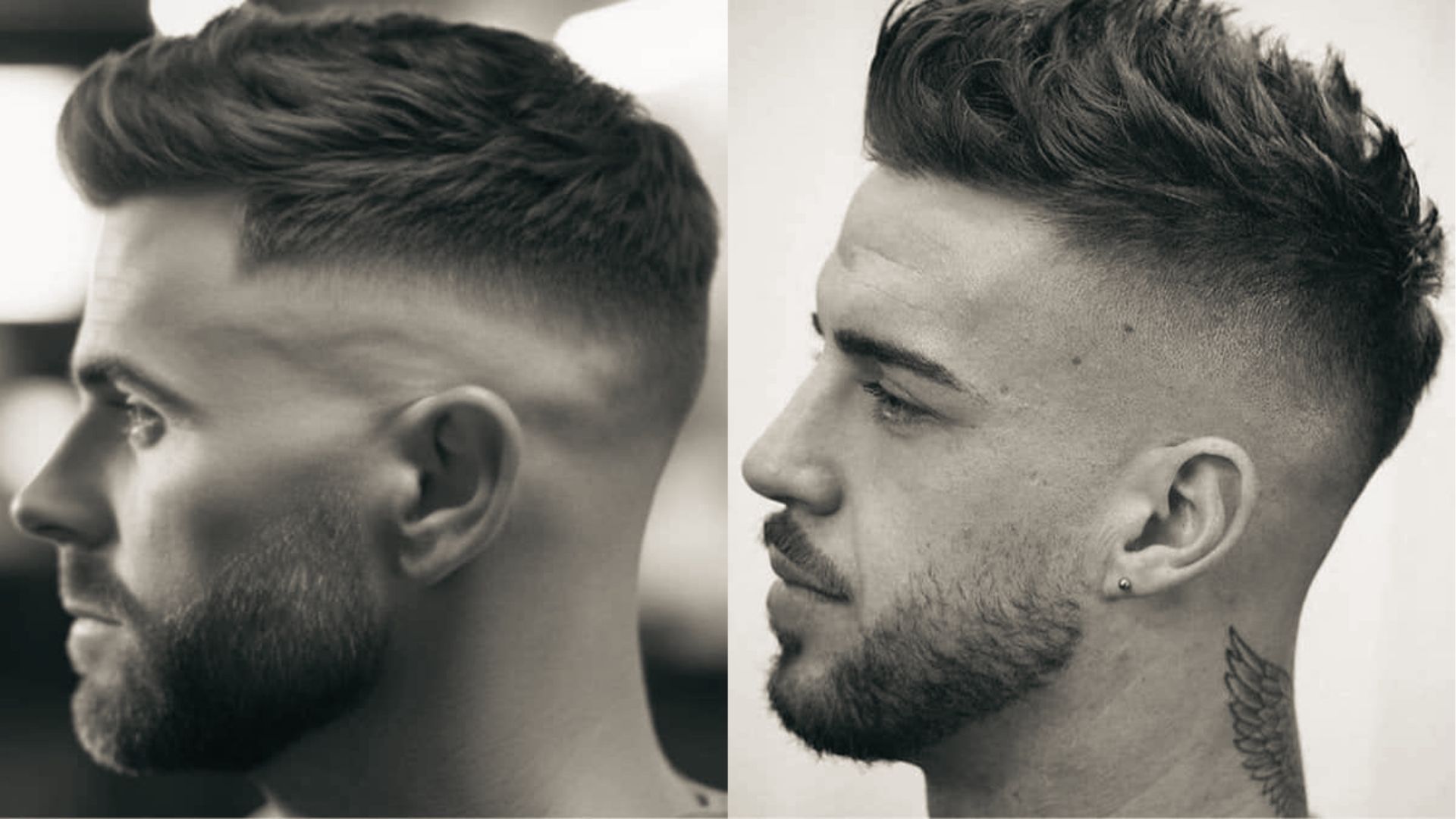
Your face shape and hair type should guide your decision, not just trends.
Best Choice for Round Face Shapes
A high fade works better here. It adds height and makes the face look longer. The strong contrast on the sides pulls focus upward. This balances out the roundness.
Best Choice for Square and Angular Faces
A low fade softens strong jawlines. It keeps more hair on the sides, which reduces the sharpness of a square face. A high fade on a square face can sometimes look too intense.
Best Choice for Oval and Heart-Shaped Faces
Oval faces work well with both. For heart-shaped faces, a low fade is better. It adds some width at the sides near the jaw, which balances the narrower chin.
How Hair Type Affects Your Choice (Thick, Fine, Curly)
Thick hair looks great with a high fade. It removes bulk and makes styling easier. Fine hair benefits more from a low fade since it keeps more volume on the sides.
Curly hair suits both, but a low fade with natural curls on top looks really sharp.
Mens High Fade vs Low Fade: Style Options You Can Try
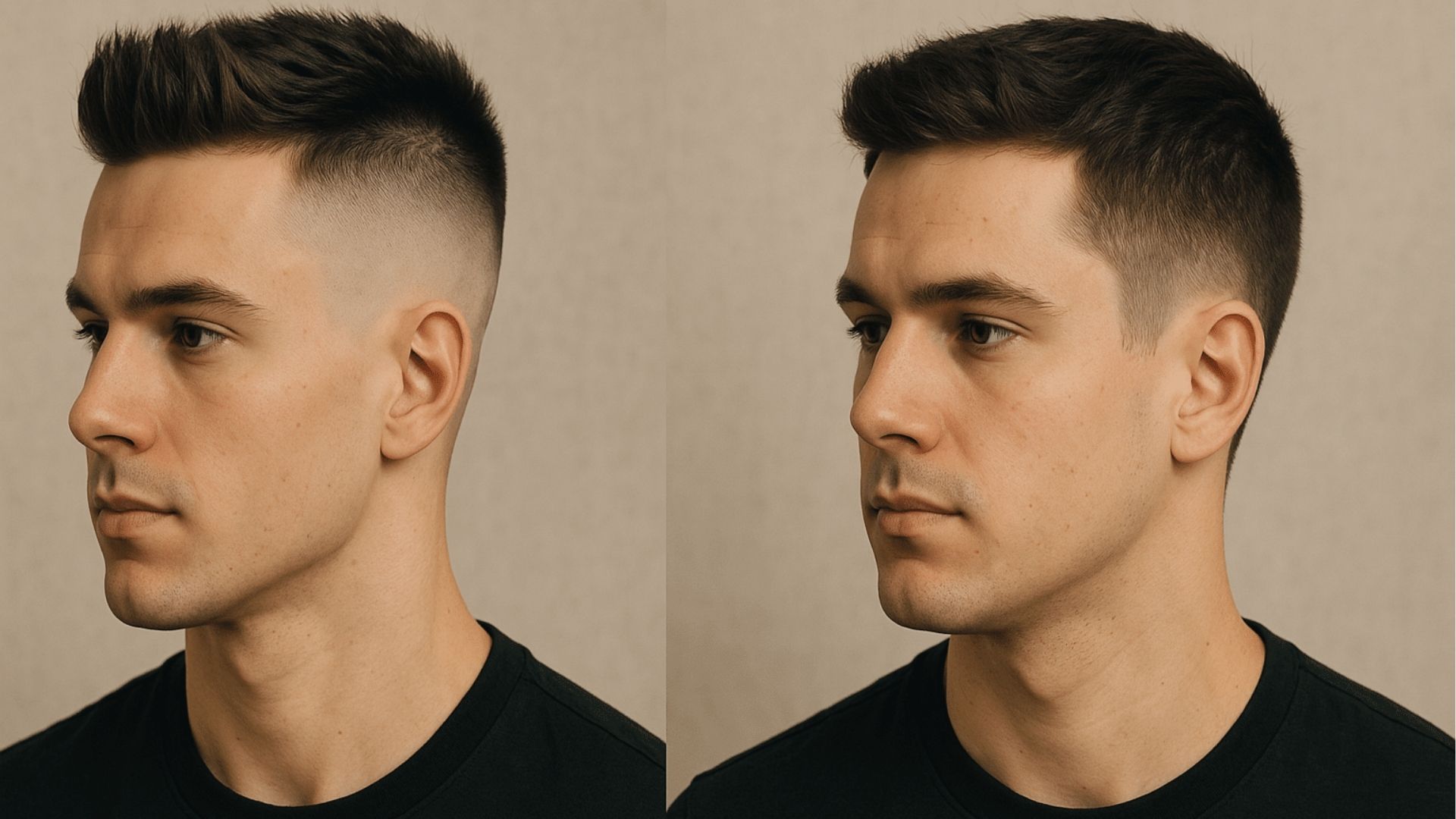
There are many style combinations that work with both types of fades.
High Fade Pompadour, Quiff, and Textured Crop
These styles rely on strong volume on top. A high fade frames that volume by keeping the sides very short. The result looks bold and intentional.
High Fade Buzz Cut and Sharp Modern Styles
A buzz cut with a high fade looks clean and minimal. It’s low effort but very sharp. Modern crew cuts and French crops also pair well with a high fade.
Low Fade Comb Over and Classic Looks
A low fade comb over is one of the most popular office-friendly styles. The sides stay neat, and the top combs over smoothly. It’s a classic that hasn’t gone out of style.
Low Fade Curly and Natural Hairstyles
If you have natural curls or coils, a low fade lets them shine. The longer sides support the curl pattern better. It looks both styled and natural at the same time.
Which Fade Works Best for Daily Wear
For everyday wear, a low fade is easier to maintain. It grows out slower and still looks decent between cuts. A high fade needs more frequent trims to stay sharp.
High Fade vs Low Fade Comparison: Pros, Cons and Maintenance
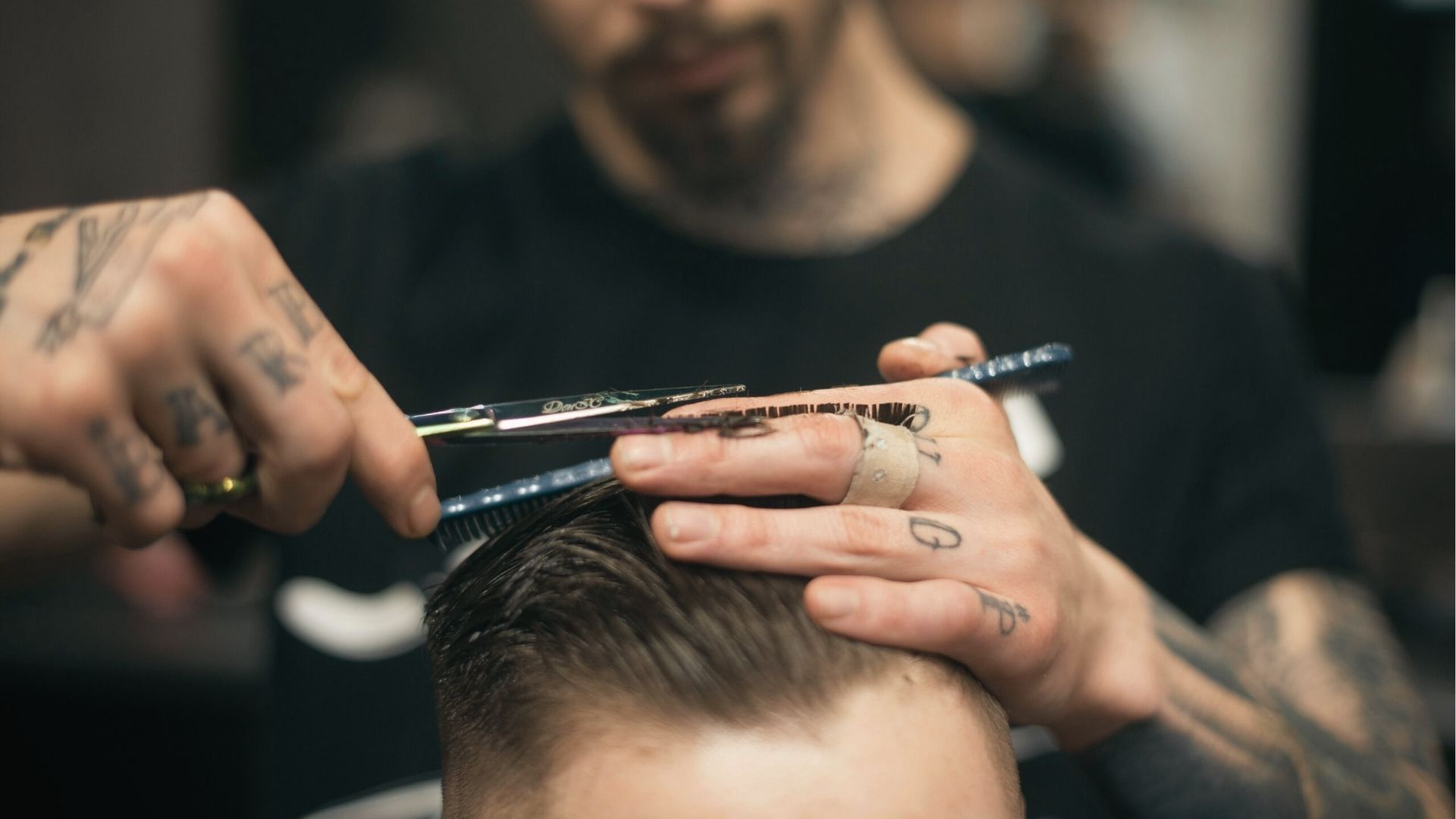
Knowing the trade-offs helps you pick a style that fits your real life.
Benefits of a High Fade Haircut
It looks very sharp and modern. It works well with bold top styles. It makes thick hair more manageable.
Drawbacks of a High Fade
It grows out fast. You’ll need a trim every two to three weeks. It can look uneven if not done by a skilled barber.
Benefits of a Low Fade Haircut
It suits almost every face shape. It looks clean in professional settings. It lasts longer between cuts.
Drawbacks of a Low Fade
It doesn’t create as much contrast as a high fade. For some styles, it may not give enough visual punch. Bold top styles can look underwhelming with a low fade.
Maintenance Difference Between High Fade vs Low Fade
A high fade needs more upkeep. The sharp line fades fast as hair grows. A low fade stays looking clean for longer. If you don’t visit the barber often, a low fade is the practical choice.
Tips to Choose the Right Fade at the Barber
The right communication at the barber makes all the difference in getting the cut you want.
- Be specific with your barber. Say “high fade at the temple” or “low fade above the ear” using the exact terms.
- Bring reference photos. Show 1 to 2 images that match your fade height, top length, and hair type.
- Know your face shape. Tell your barber if you are unsure what works so they can guide you.
- Pick your finish. Ask for a skin fade for a sharp look or a taper fade for a softer, natural grow-out.
- Match it to your routine. Choose a low fade if you skip trims, or a high fade if you visit the barber every two weeks.
Conclusion
A high fade is bold, sharp, and modern. A low fade is clean, subtle, and long-lasting. Round face? Go high. Square face?
Try low. Want something classic? Low fade wins. Want fresh and sharp? High fade is your pick.
Choosing between high fade vs low fade doesn’t have to be stressful. I remember overthinking my first fade, and honestly, my barber knew best once I explained my lifestyle.
Trust your instincts, grab a reference photo, and talk to your barber. Drop a comment below sharing which fade you’re going with!
Frequently Asked Questions
Is a high fade or low fade better for a professional setting?
A low fade looks more formal and works better in office or professional environments. It keeps more hair on the sides and blends in a subtle way.
How often do I need to trim a high fade vs low fade?
A high fade needs a trim every two to three weeks to stay sharp. A low fade can last three to four weeks before it starts looking grown out.
Can curly hair work with both high fade and low fade?
Yes, curly hair works with both. A low fade tends to suit curly hair better since it gives the curls more support and volume on the sides.
What is the main visual difference between a high fade and low fade?
A high fade starts near the temple and creates a strong contrast. A low fade starts closer to the ear and gives a softer, more blended look overall.
Which fade is easier to maintain at home between barber visits?
A low fade is easier to maintain since it grows out more slowly and still looks decent for a few extra weeks between cuts.