Is It Possible to Regrow Hair Naturally in 3 Weeks Fast?

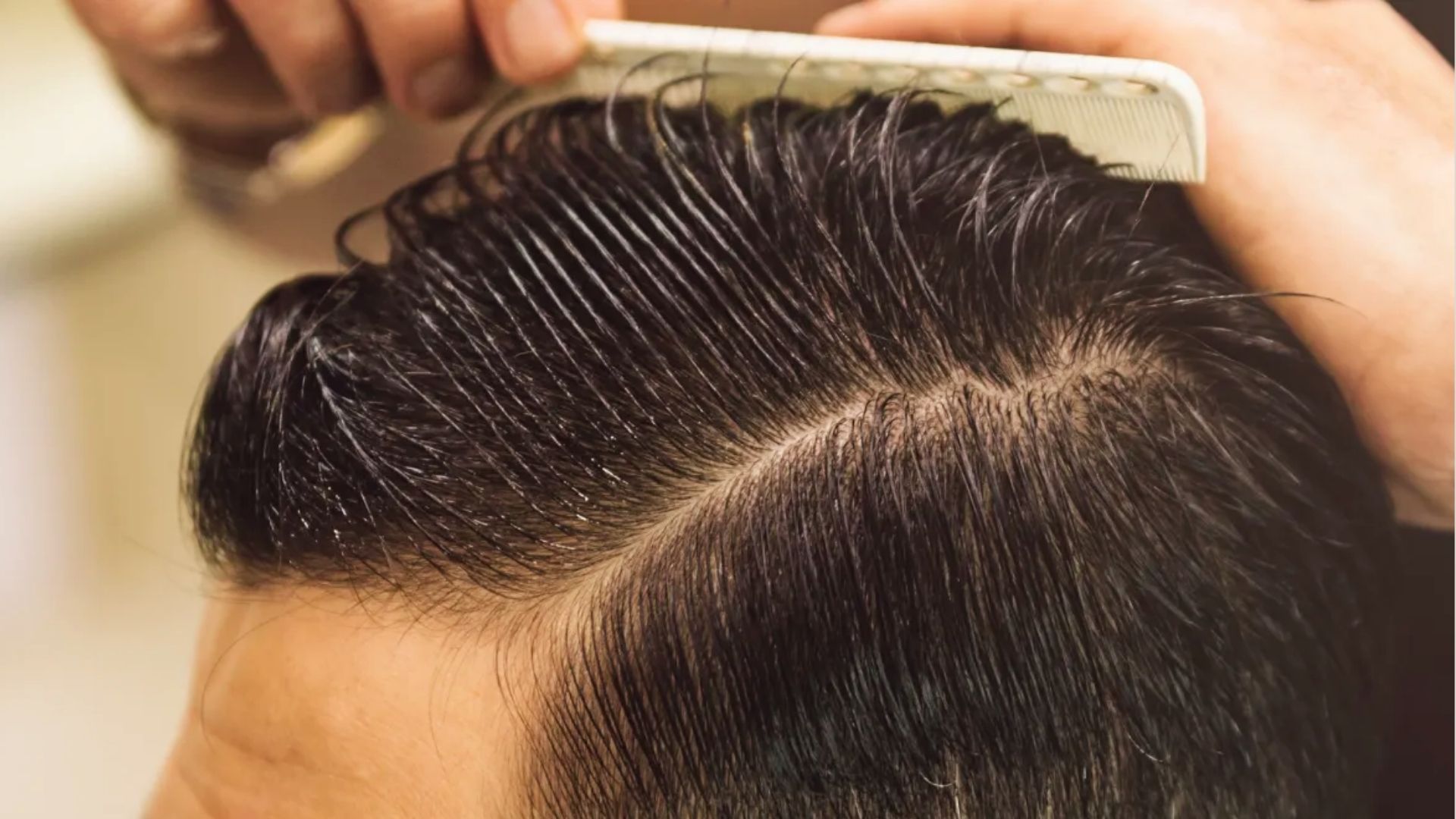
There was a point where I avoided photos because of how much my hair had thinned.
I felt like I was losing a part of myself. No matter what I tried, nothing seemed to move fast enough.
If you feel that way right now, I get it completely.
This blog is the guide I needed back then. I’ll break down how to regrow hair naturally in 3 weeks, what you can realistically expect, and which habits make the most difference early on.
From the best oils to daily routines, diet changes, and 17 natural home methods, everything you need is right here.
Simple steps. Clear answers. Honest advice you can actually use today.
Why 3 Weeks Is Too Short for Visible Regrowth
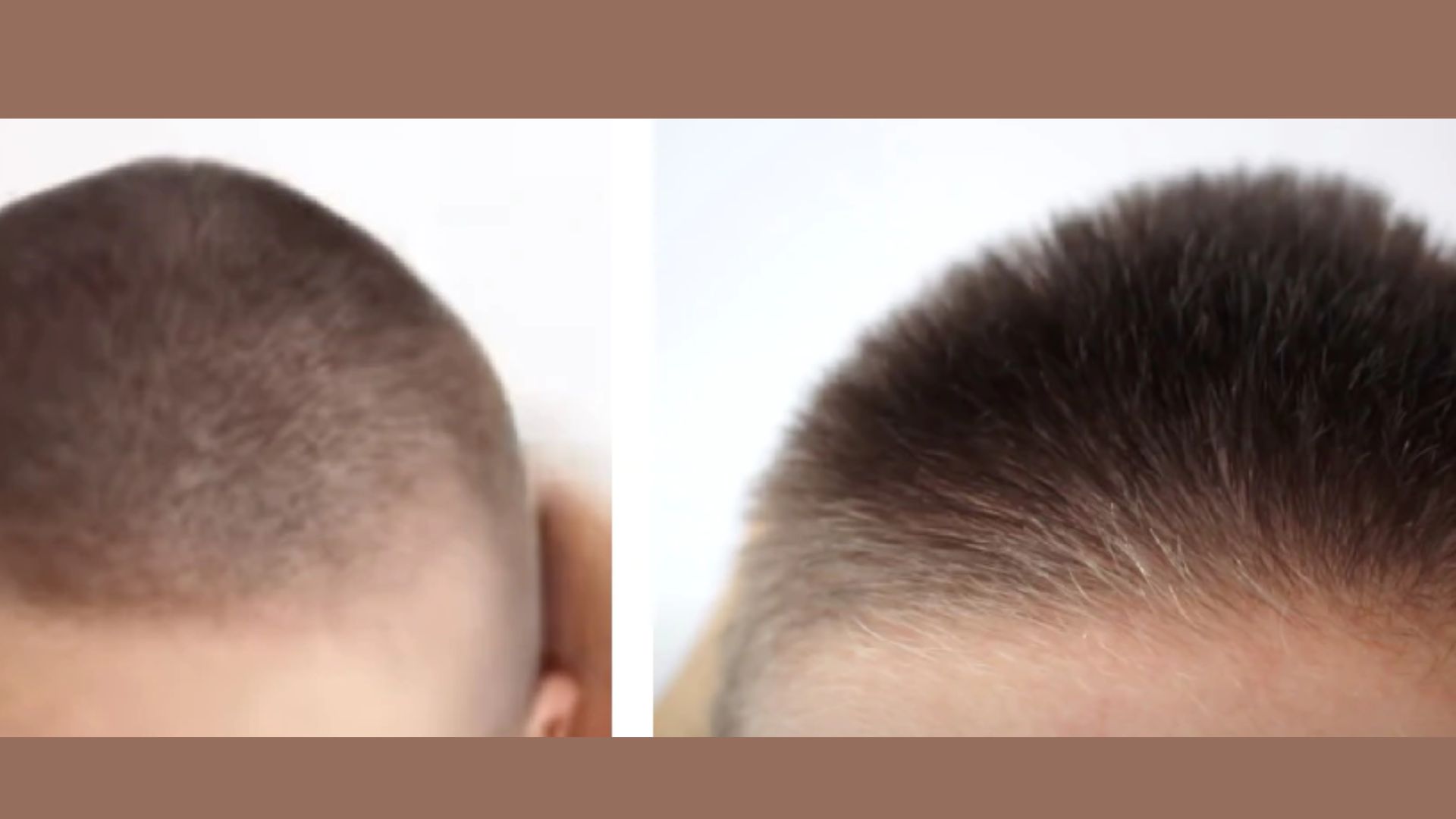
Here’s the truth most people don’t want to hear. Hair grows about half an inch per month.
That means in 3 weeks, you’re looking at roughly a third of an inch, if your follicles are even active. Hair goes through growth, rest, and shedding phases.
You can’t rush those phases. What you can do in 3 weeks is reduce shedding, improve scalp health, and set up the right conditions so your hair grows better going forward.
That’s the real win here.
Best Oils for Hair Growth in 3 Weeks + How to Use Them Effectively
The right oils can support healthier follicles, reduce shedding, and improve scalp conditions over time.
Rosemary Oil for Hair Growth and DHT Blocking
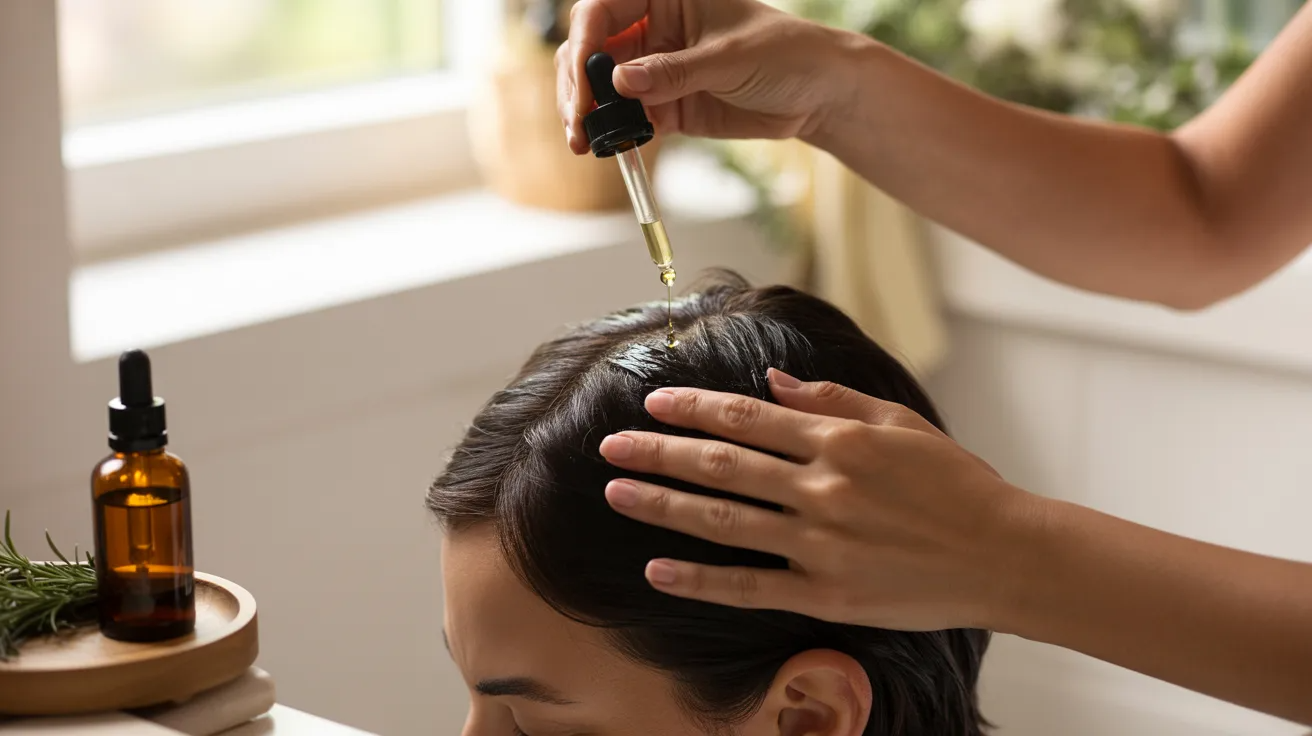
Rosemary oil may improve scalp circulation and help reduce DHT-related hair thinning. Mix 2 to 3 drops with a carrier oil like jojoba or coconut oil.
Massage it into your scalp two to three times a week. Leave it on for at least 30 minutes before washing.
With regular use, it can support healthier follicles and reduce shedding over time, though visible regrowth takes longer than 3 weeks.
Coconut Oil for Reducing Protein Loss and Breakage
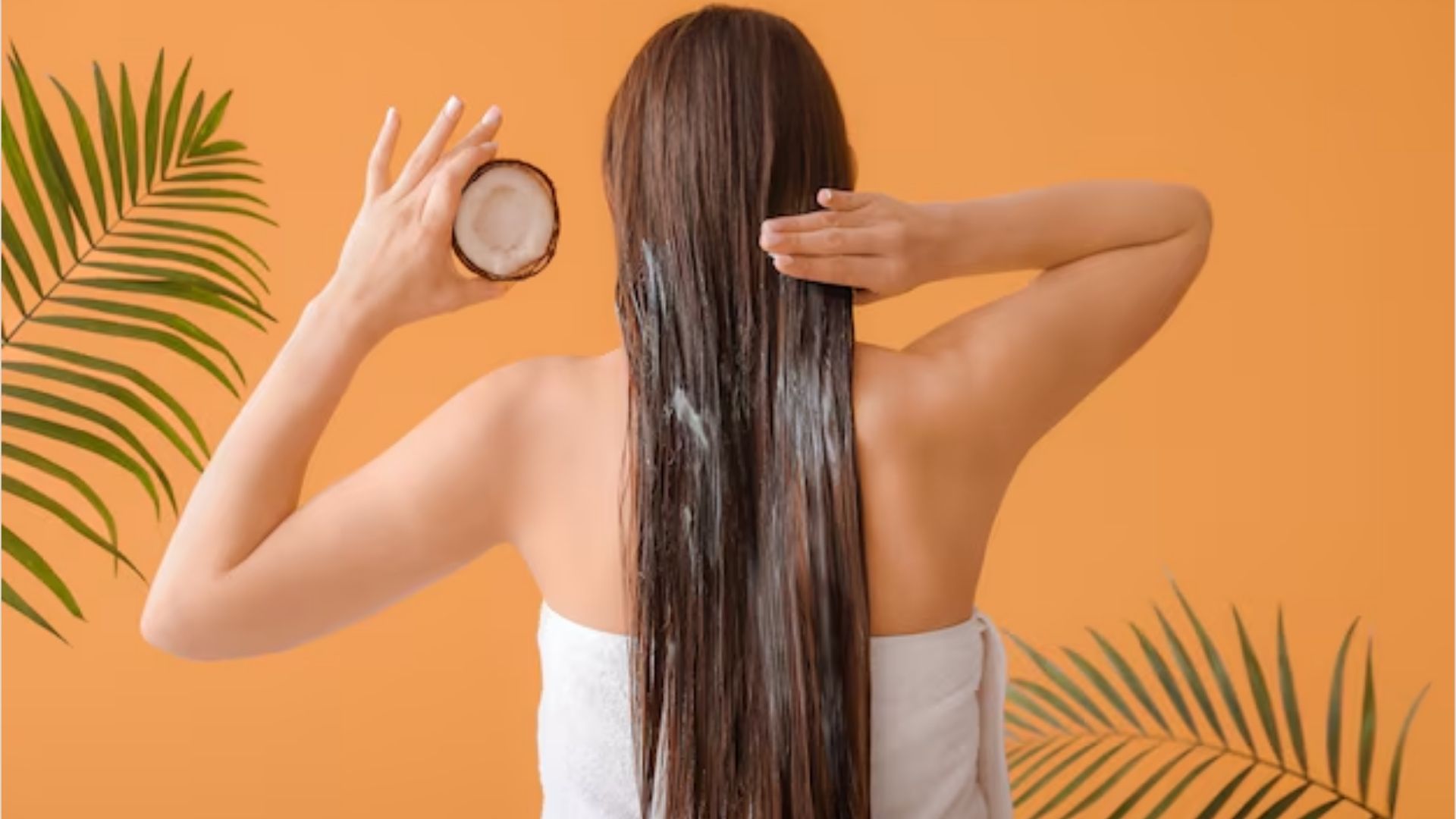
Coconut oil protects hair by reducing protein loss, making strands stronger and less prone to breakage.
Apply it from roots to ends before washing as a pre-shampoo treatment. Leave it on for 20 to 30 minutes. It also works as a light daily moisturizer for the ends.
This helps hair look thicker and healthier while supporting overall hair retention during growth routines.
Castor Oil for Scalp Nourishment and Thickness
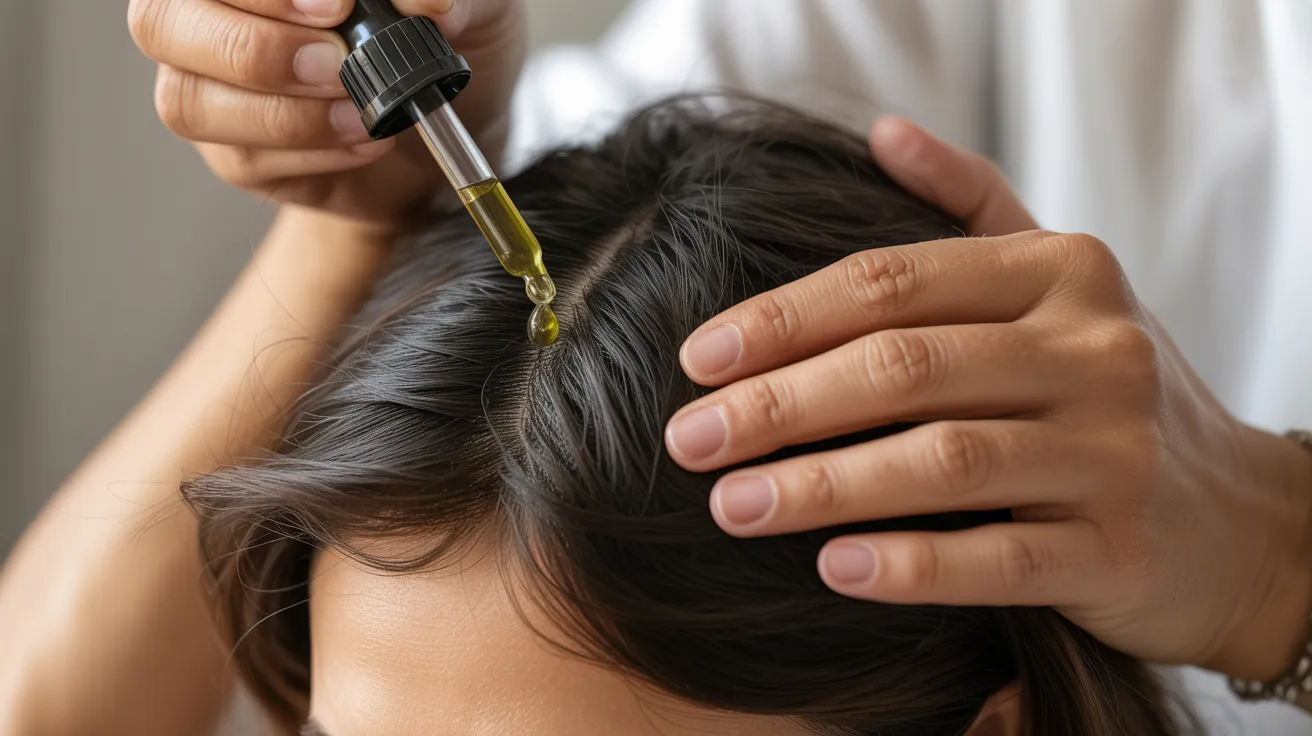
Castor oil moisturizes the scalp and reduces inflammation, helping improve hair density appearance. It’s thick, so mix it with a lighter oil before applying.
Focus on the scalp and roots. Massage gently and leave it on overnight for best results.
It coats strands for a fuller look and supports healthier scalp conditions, making it a solid choice in any natural hair care routine.
17 Natural Ways to Speed Up Hair Growth at Home
These methods won’t work overnight, but each one supports the conditions your hair needs to grow stronger and fall out less.
1. Scalp Massage
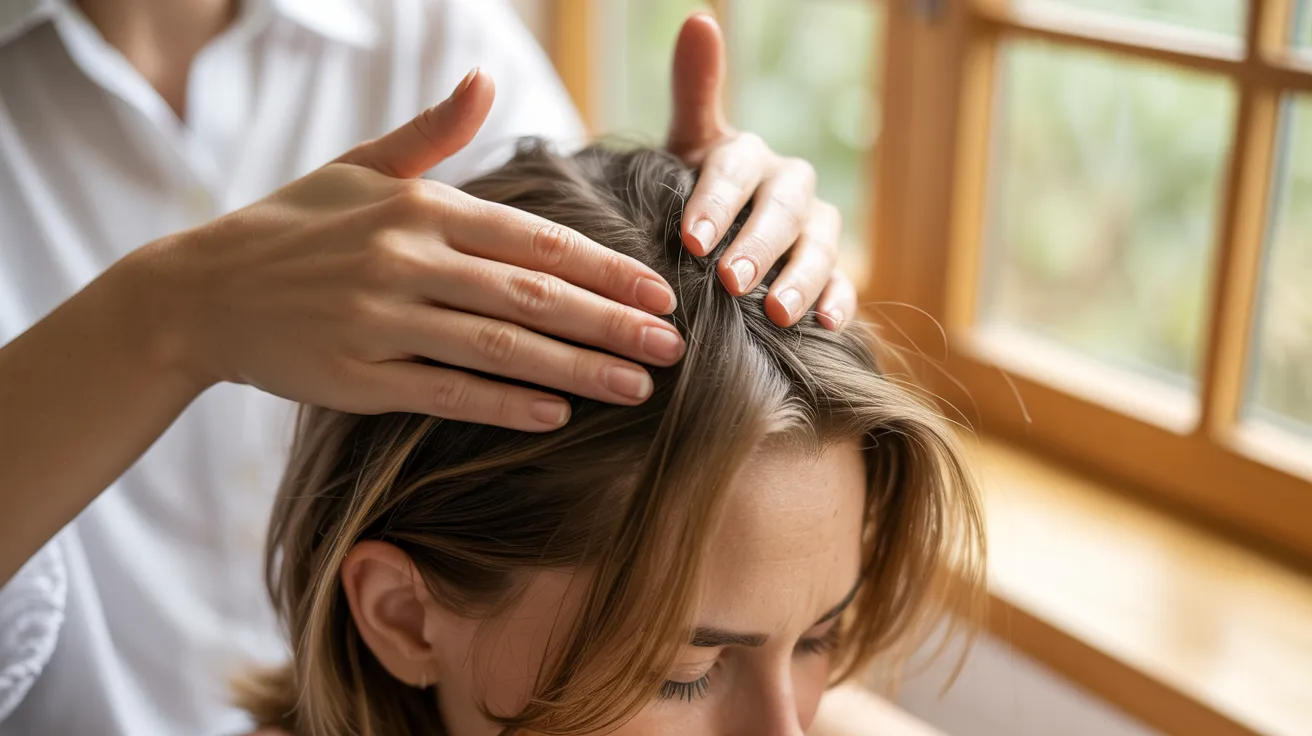
A 4 to 5 minute daily scalp massage increases blood flow to follicles. Use your fingertips in slow circular motions.
You can do it dry or with a small amount of oil. Studies suggest regular scalp massage may help with hair thickness over time.
It’s free, quick, and one of the easiest habits to add to your morning routine right now.
2. Rosemary Oil Application

Apply diluted rosemary oil to your scalp two to three times a week. Mix it with a carrier oil first to avoid irritation.
Massage it in and let it sit for 30 minutes before rinsing. Research shows it may work as well as minoxidil for some people.
It’s a natural option worth adding if hair thinning is your main concern.
3. Coconut Oil Treatment
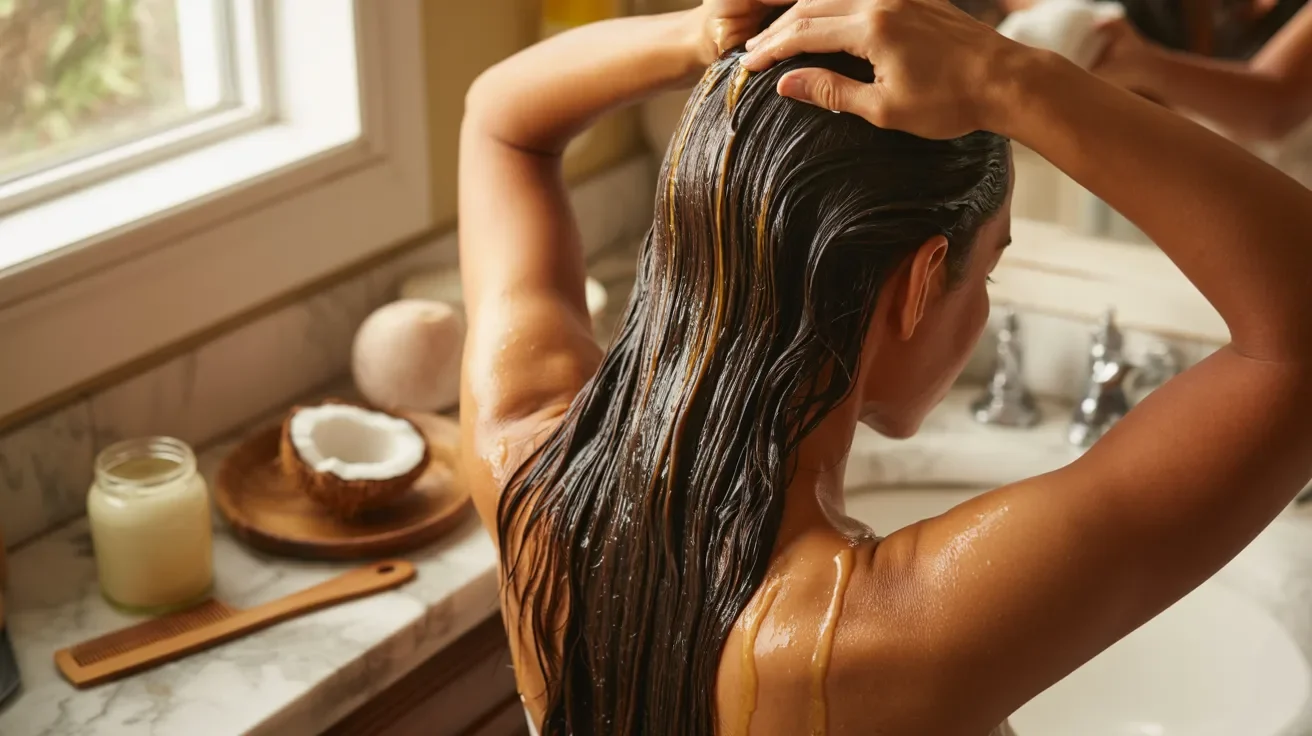
Use coconut oil as a weekly pre-wash treatment. Apply it generously from roots to ends, leave it on for 20 to 30 minutes, then shampoo as usual.
It reduces protein loss in hair strands, which helps prevent breakage. Less breakage means more length retention.
This simple step can make your hair noticeably stronger within a few weeks of consistent use.
4. Castor Oil Scalp Use
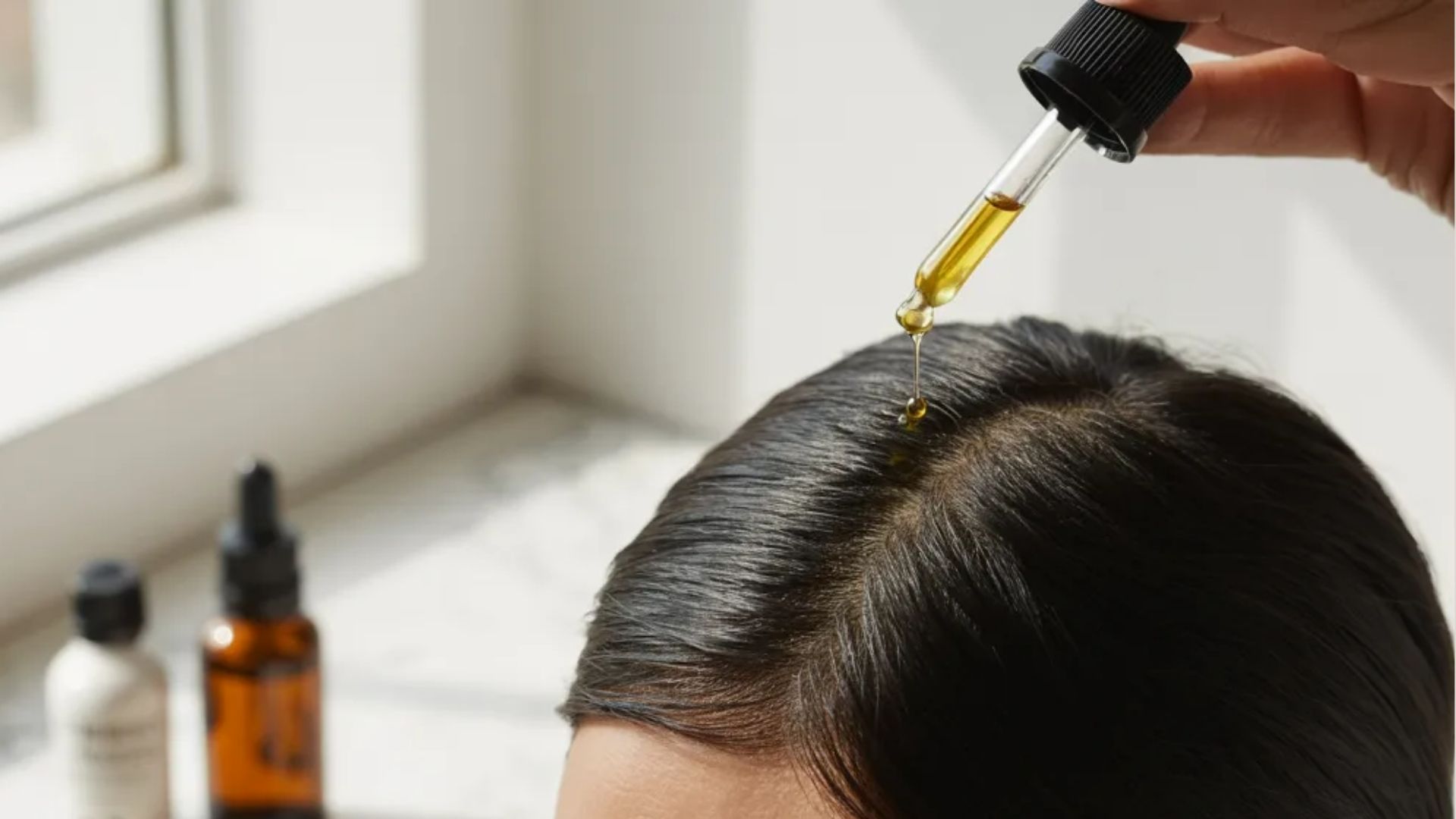
Massage castor oil into your scalp once or twice a week. Because it’s thick, mix it with coconut or jojoba oil to make it easier to apply and wash out.
Focus on areas where thinning is most visible. Leave it on for a few hours or overnight.
It nourishes the scalp and may help improve the appearance of fuller hair over time.
5. Black Seed Oil Use
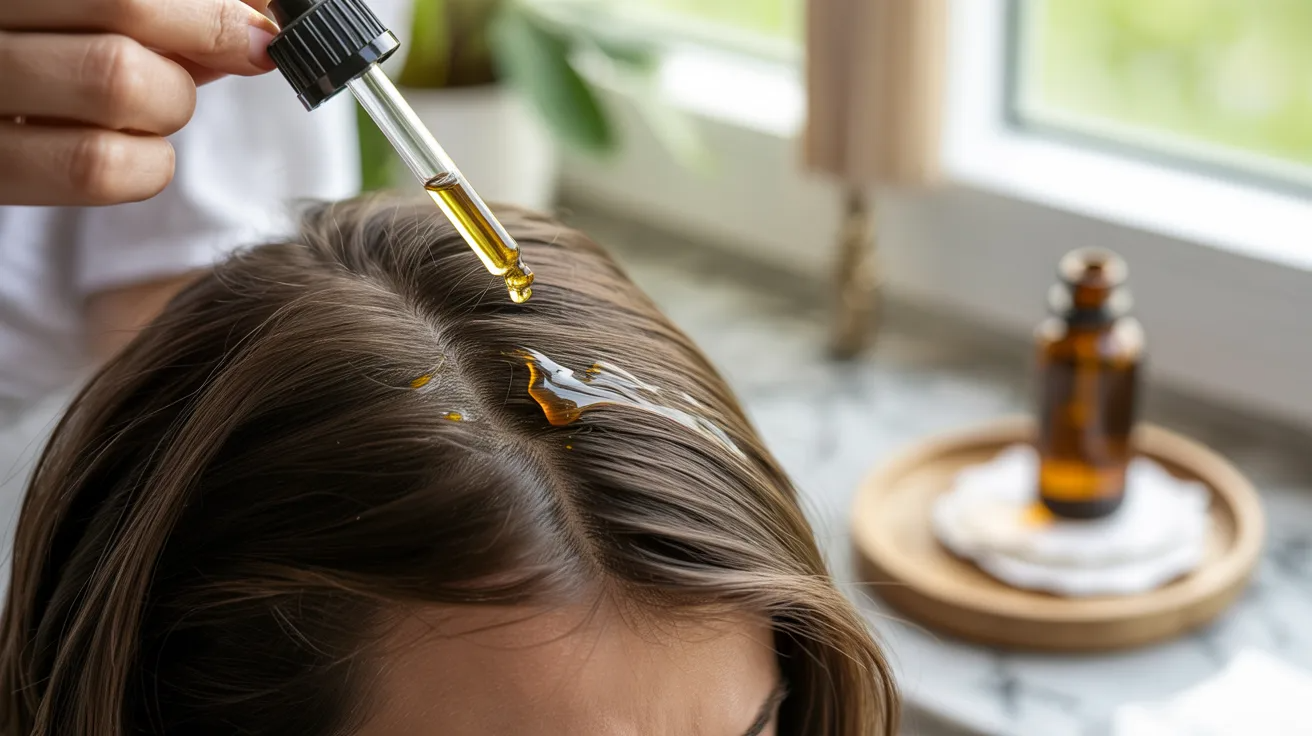
Black seed oil, also called Nigella sativa oil, has antioxidant and anti-inflammatory properties. Apply a small amount to your scalp two to three times a week.
It may help reduce scalp inflammation that contributes to hair loss. Some early research supports its role in reducing shedding.
It’s a good addition to your oil rotation if you’re dealing with an irritated or sensitive scalp.
6. Pumpkin Seed Oil Intake or Application
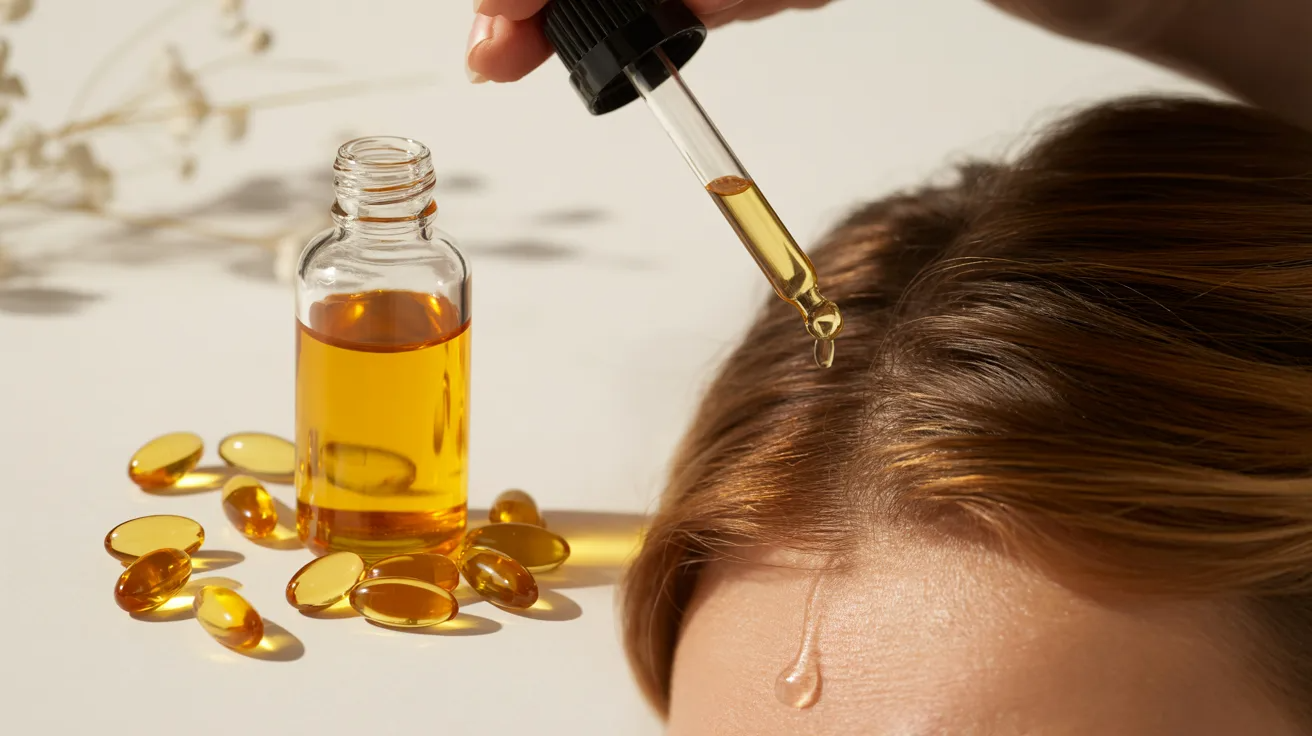
Pumpkin seed oil can be taken as a supplement or applied topically to the scalp. It may help block DHT, which is linked to hair thinning in both men and women.
Take one capsule daily with food, or massage a few drops into your scalp before bed.
It’s especially useful if hormonal hair loss is a concern. Results build over several weeks of consistent use.
7. Aloe Vera Scalp Gel Application
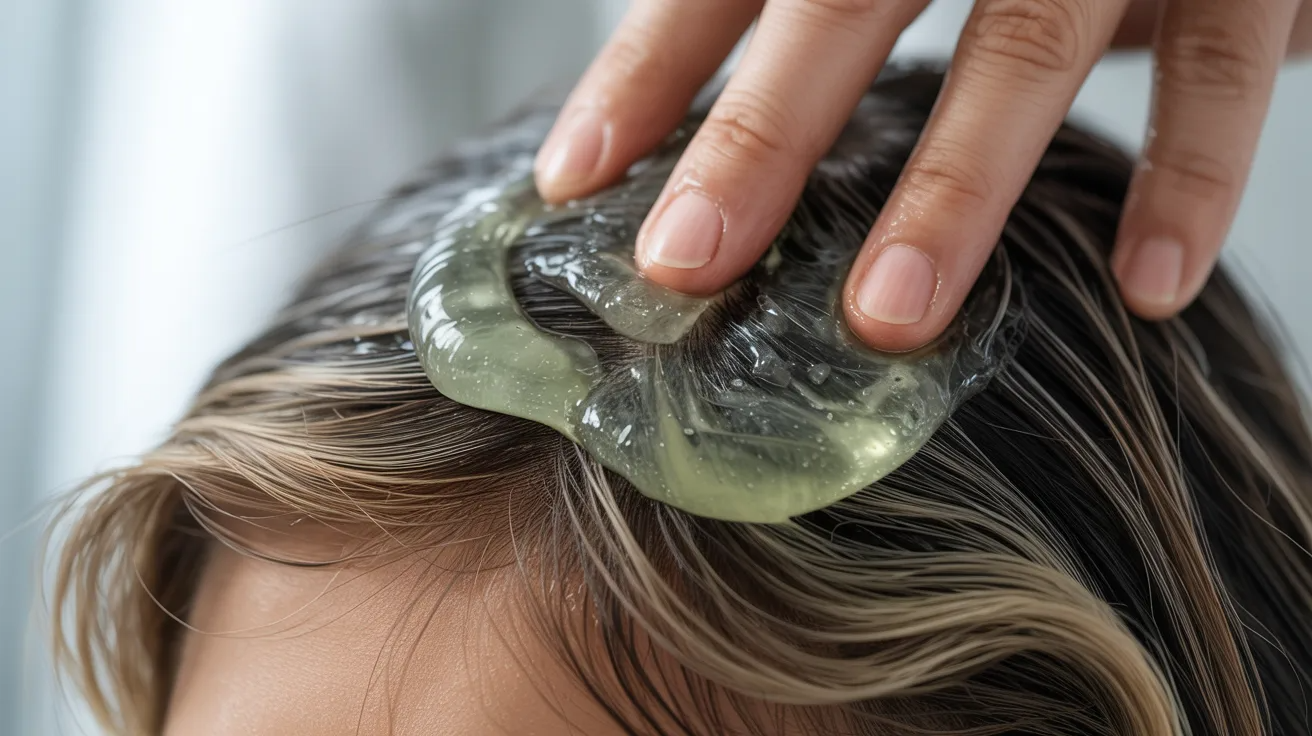
Apply fresh aloe vera gel directly to your scalp and leave it on for 30 to 45 minutes before rinsing.
Aloe soothes irritation, balances scalp pH, and may help clear clogged follicles. It also works as a light conditioner on the hair shaft.
Use it two to three times a week. It’s gentle enough for daily use on sensitive scalps and pairs well with other treatments.
8. Caffeine Shampoo Use
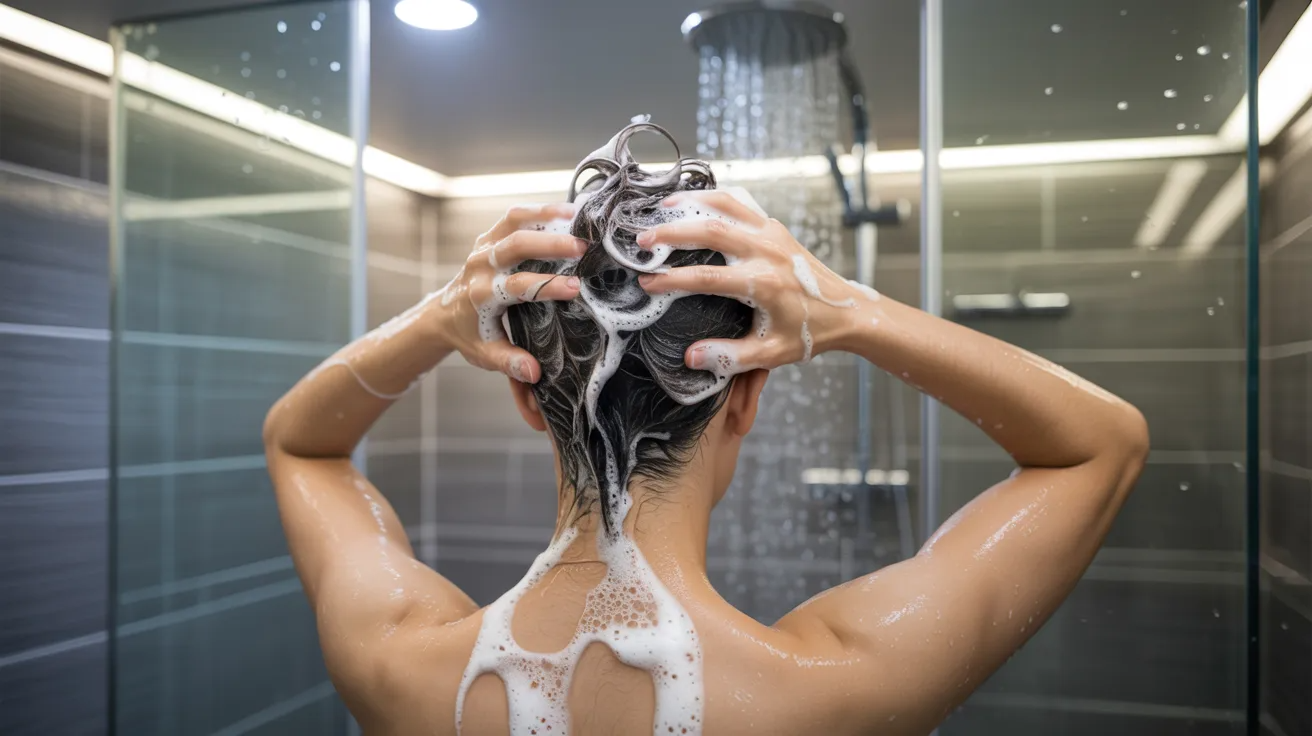
Switch to a caffeine-based shampoo a few times a week. Caffeine may stimulate hair follicles and extend the growth phase when it penetrates the scalp.
Leave the shampoo on for a minute or two before rinsing for better absorption.
It’s not a cure, but as part of a full routine, it adds an extra layer of follicle support. Look for products with caffeine listed near the top of ingredients.
9. Microneedling (Derma Rolling)
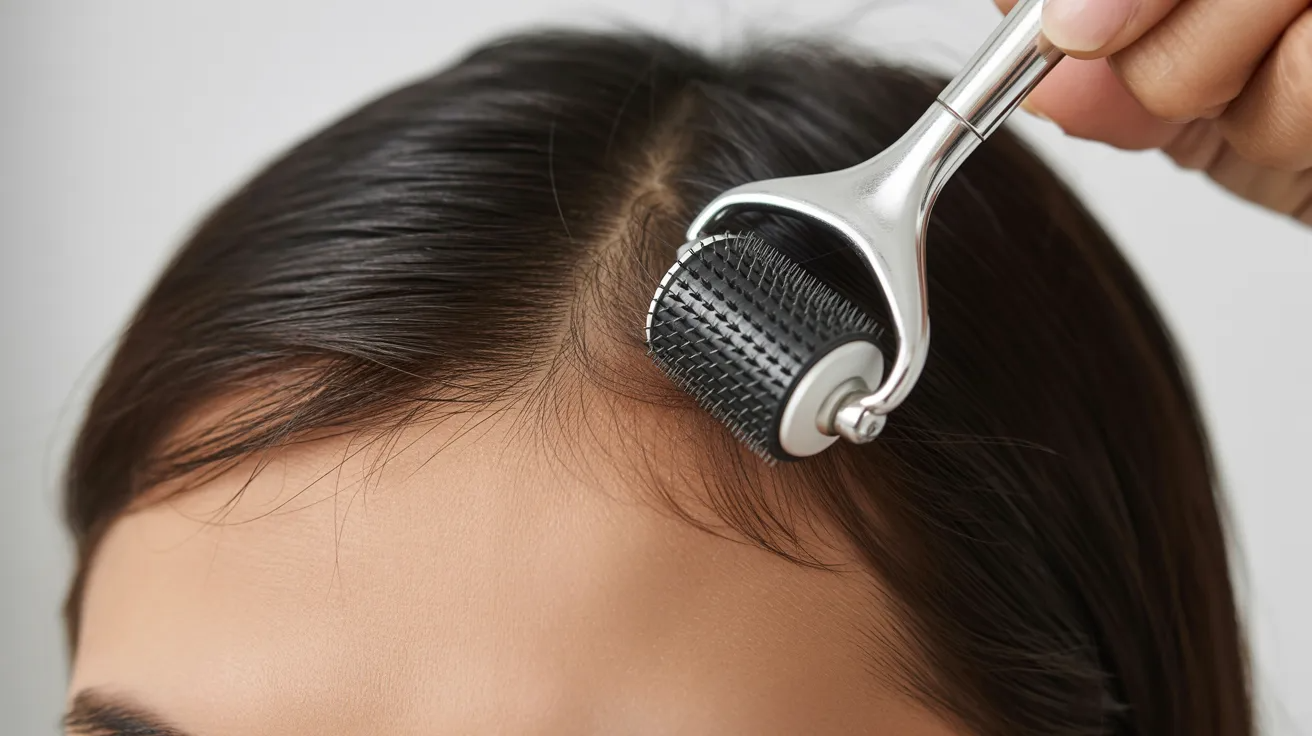
A 0.5mm derma roller used on the scalp once a week can stimulate collagen and improve absorption of topical treatments applied afterward.
Roll gently over thinning areas. Clean the roller before and after each use. Always apply rosemary or another growth-supporting oil after rolling while the scalp is most receptive.
Derma rolling pairs well with other treatments and is one of the more studied home methods.
10. Reduce Heat Styling
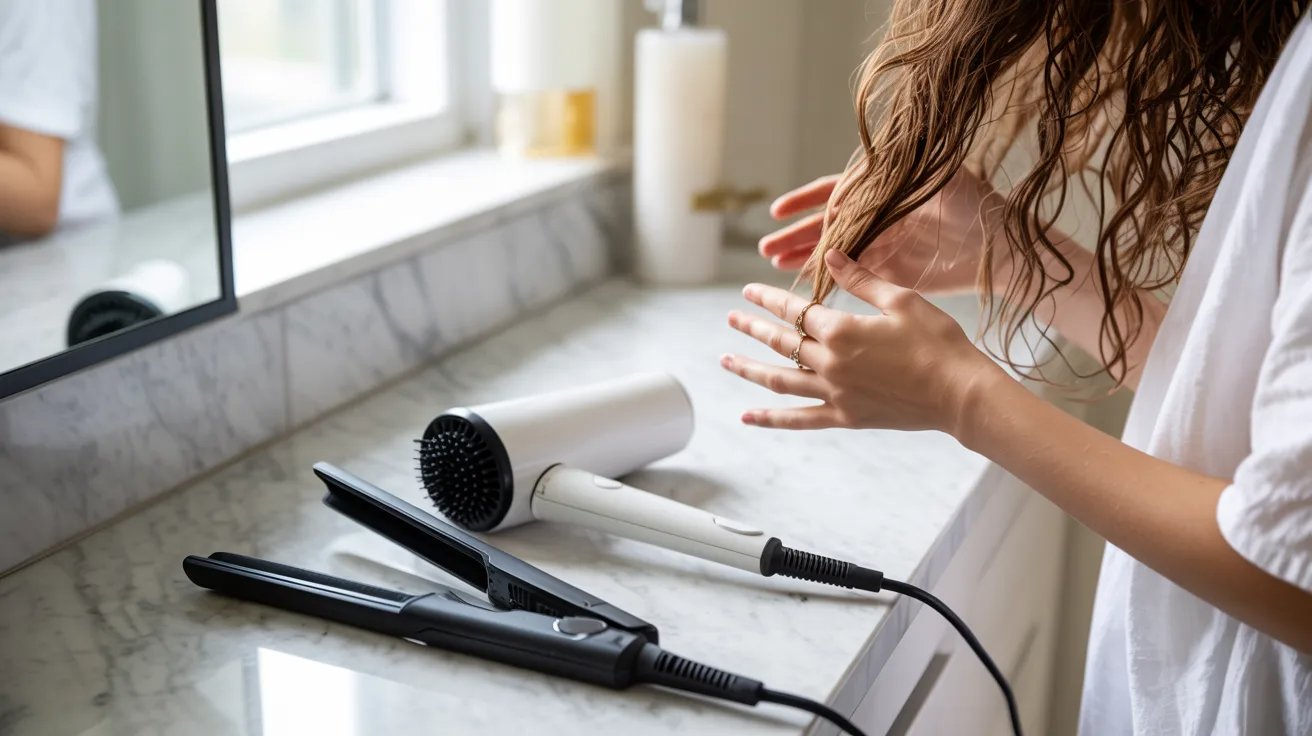
Heat is one of the biggest causes of breakage and damage. Air dry your hair when possible.
If you use heat tools, always apply a heat protectant first and use the lowest effective setting. Limit flat irons and blow dryers to two to three times a week at most.
Reducing heat damage immediately helps your hair retain length and look visibly healthier within days.
11. Avoid Chemical Hair Treatments

Chemical treatments like bleaching, perming, and relaxing weaken the hair shaft significantly. If you’re trying to grow hair back, now is the time to take a break.
Let your hair rest and recover. The damage from these treatments can take months to grow out.
Going natural during your growth phase protects what you have and gives new growth a better chance to come in strong.
12. Eat a Protein-Rich Diet

Hair is made of keratin, which is a protein. If you’re not eating enough protein, your body slows hair production.
Aim for at least 50 to 60 grams of protein per day from eggs, chicken, fish, lentils, or Greek yogurt.
This doesn’t have to be complicated. Just make sure protein is part of every meal. Your hair needs it to build new strands from the root up.
13. Increase Iron and Zinc Intake
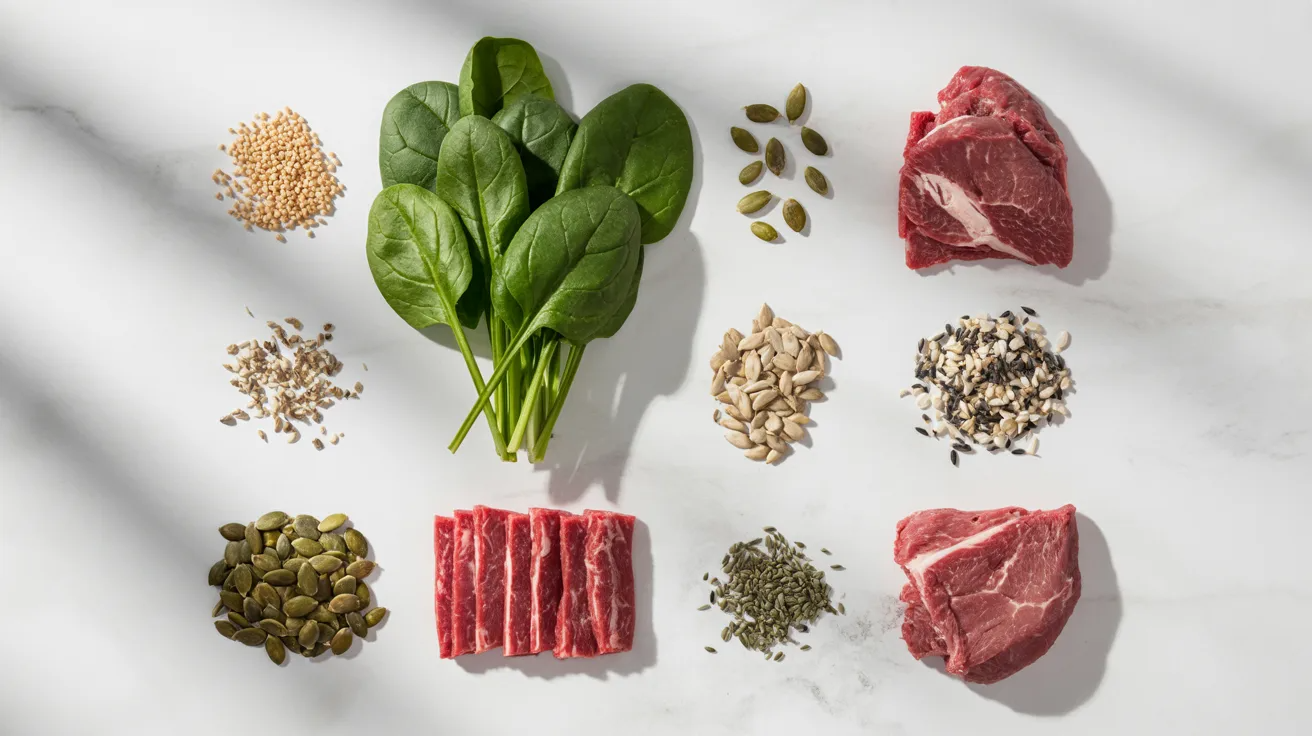
Low iron and zinc are two of the most common causes of hair loss in women. Iron helps carry oxygen to follicles.
Zinc supports repair and growth at the root level. Eat spinach, lentils, seeds, and red meat regularly.
If your levels are low, a supplement can help. Get a blood test first to know where you stand before adding supplements on your own.
14. Take Omega-3 Fatty Acids

Omega-3s support scalp health and reduce inflammation. You can get them from fatty fish like salmon and mackerel, chia seeds, walnuts, and flaxseeds.
If you don’t eat these foods regularly, a fish oil supplement works well. Omega-3s also support shine and hydration in the hair shaft.
They’re not a quick fix, but they’re a strong long-term habit for overall hair health.
15. Manage Stress Levels

High stress raises cortisol, which can push follicles into a resting phase and trigger shedding. This type of hair loss is called telogen effluvium.
Managing stress is not optional when you’re trying to grow hair back. Try short walks, breathing exercises, journaling, or anything that genuinely calms you down.
Even 10 minutes of stress relief daily can make a difference in how your body functions overall.
16. Improve Sleep Quality

Your body repairs itself during deep sleep, including your hair follicles. Aim for 7 to 8 hours each night.
Poor sleep raises stress hormones and reduces the nutrients available for hair growth. Set a consistent bedtime, reduce screen time an hour before bed, and keep your room cool and dark.
Good sleep costs nothing and supports every other habit on this list at the same time.
17. Trim Split Ends Regularly
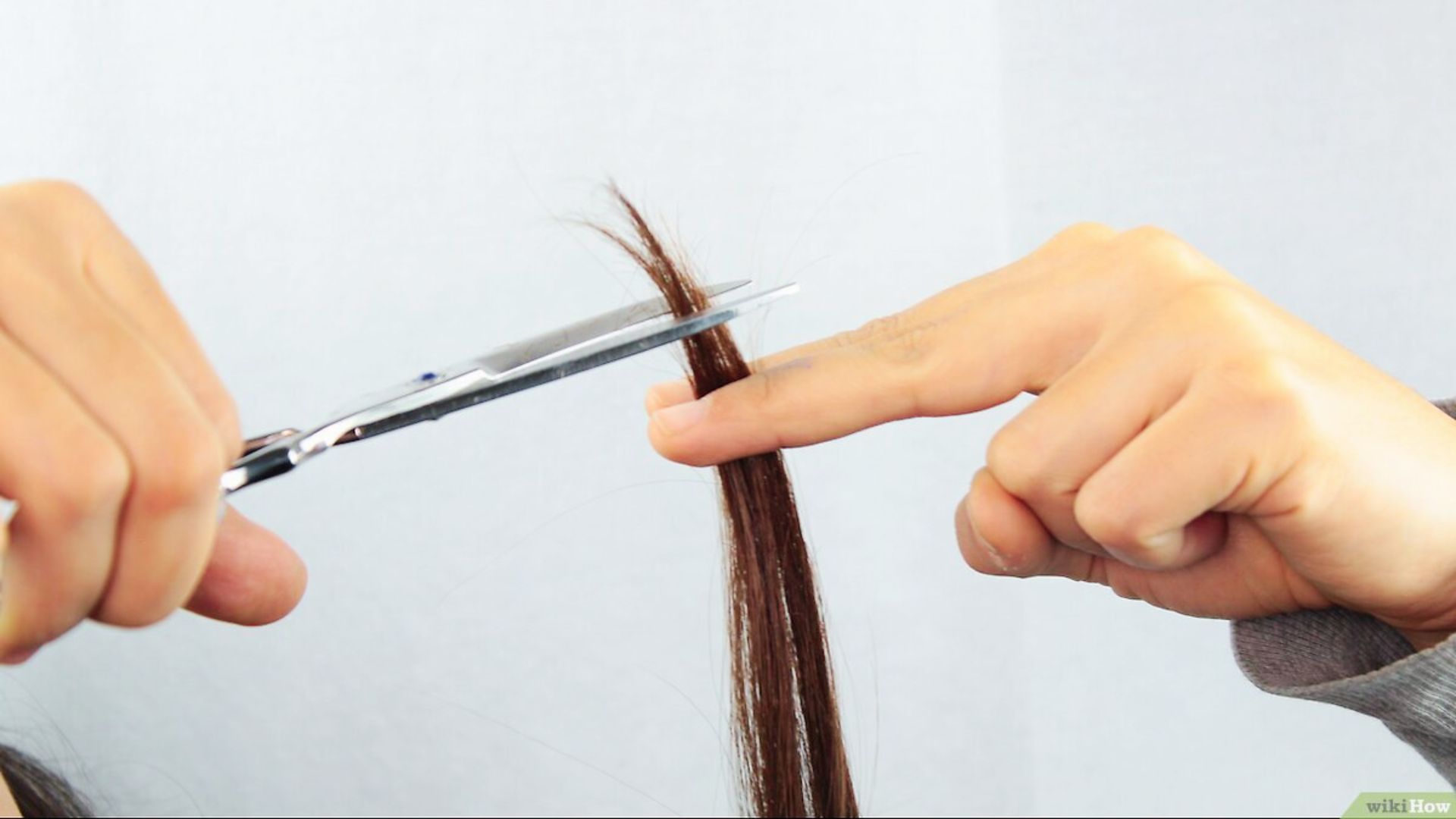
Split ends travel up the hair shaft if left untreated. This leads to more breakage and the appearance of thinning hair.
A small trim every 6 to 8 weeks keeps your hair looking healthy and prevents damage from spreading.
Trimming doesn’t make hair grow faster. But it does help your hair retain the length it’s already grown. That’s a win when you’re focused on seeing progress.
What Actually Happens in 3 Weeks of Hair Regrowth?
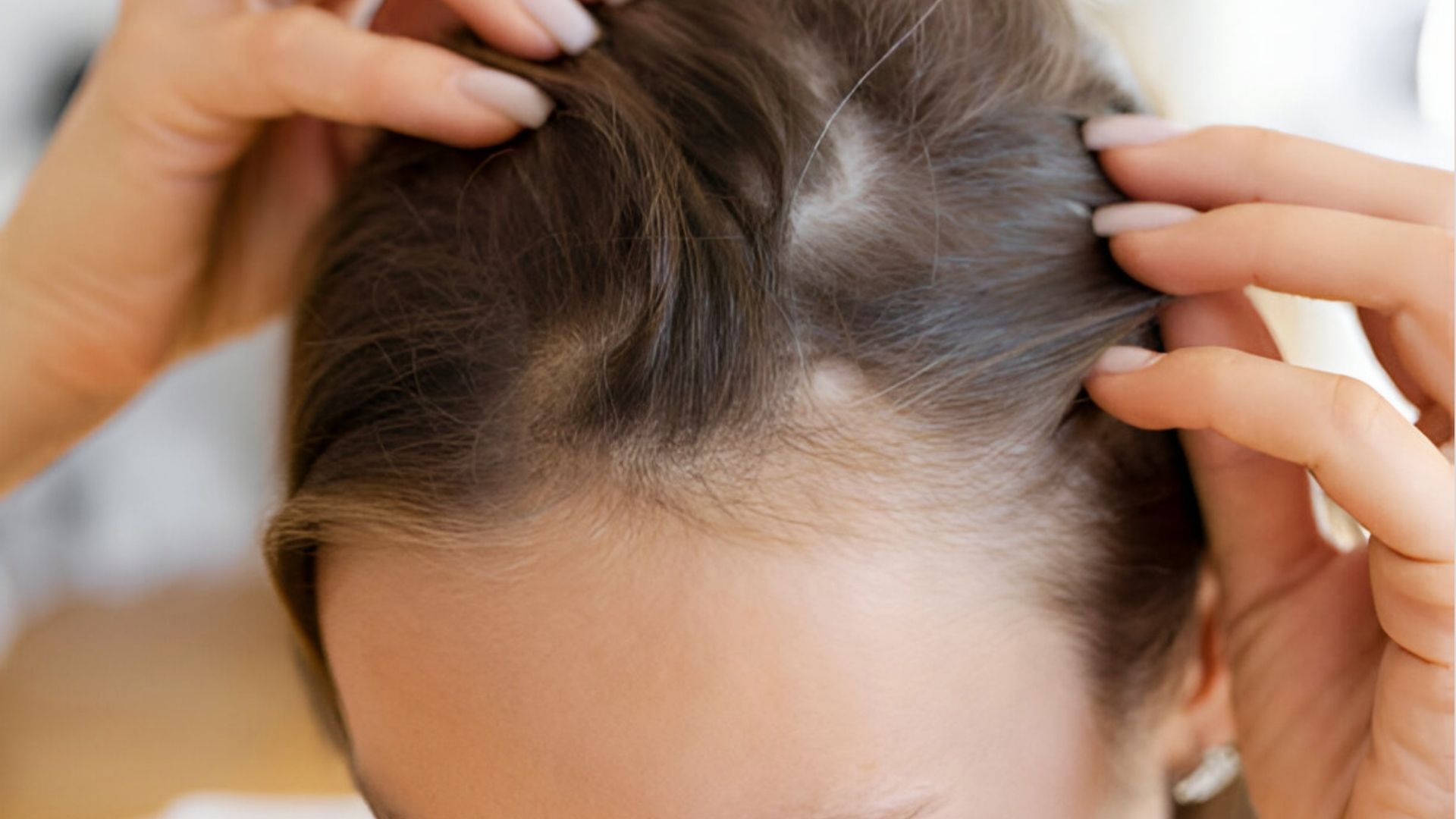
In 3 weeks, you won’t see a dramatic change in length. But you can see real shifts if you’re consistent.
Shedding may decrease as your scalp becomes less inflamed and your nutrition improves. Your existing hair may feel stronger and less prone to breakage.
The scalp can become less oily, itchy, or dry depending on your starting condition. What’s happening beneath the surface matters more.
Follicles that were stressed or dormant start receiving better blood flow and nutrients. That sets the stage for visible growth in weeks 4 through 12. Think of the first 3 weeks as prep work.
You’re building the environment your hair needs to actually grow back. That’s not a small thing. That’s the foundation everything else stands on.
Conclusion
I started focusing on my scalp health before worrying about length, and that one shift made everything click.
If you’re trying to regrow hair naturally in 3 weeks, start with consistency. Pick three habits from this blog and do them every day. Your hair will respond.
It just needs time and the right conditions.
Found this helpful? Drop a comment below and tell me what’s working for you. Share this with someone who needs it right now.
Frequently Asked Questions
Can you actually regrow hair in 3 weeks?
Not fully, but you can reduce shedding and improve scalp health in 3 weeks, which sets up real growth.
Which oil is best for hair growth in 3 weeks?
Rosemary oil is one of the most researched options and works well when applied consistently two to three times a week.
Does scalp massage really help hair grow?
Yes, regular scalp massage improves blood flow to follicles and has been shown to support hair thickness over time.
What foods help hair grow faster?
Eggs, lentils, spinach, fish, and seeds are among the best foods because they supply protein, iron, zinc, and omega-3s.
Why is my hair falling out more than growing?
Common causes include low iron, high stress, poor sleep, protein deficiency, or scalp conditions like inflammation or buildup.