
DevaCut vs. Rezo vs. Curl-by-Curl: What’s the Best Curly Haircut Method?

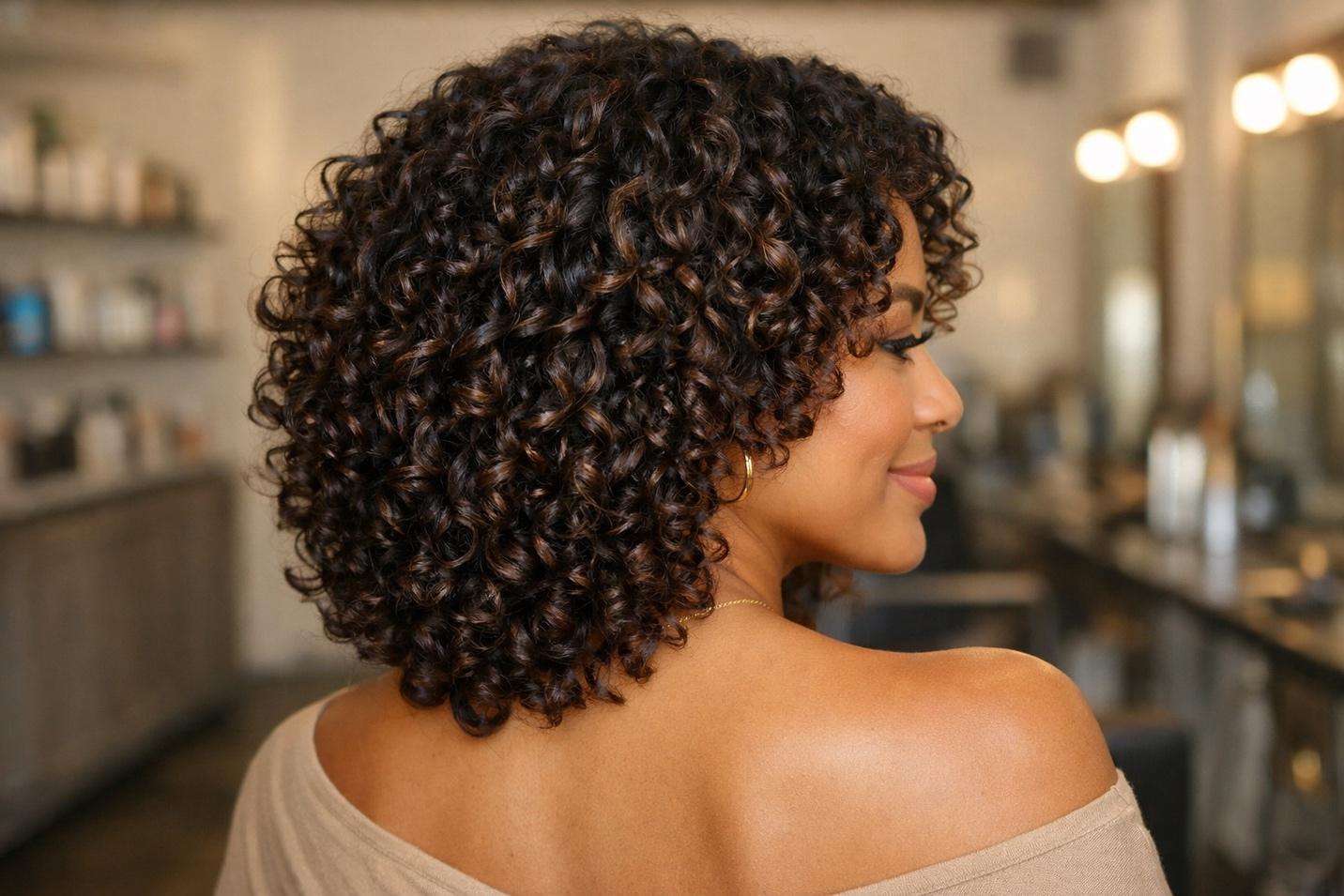
The best curly haircut method depends on your curl type, density, and personal goals. DevaCut focuses on cutting dry hair curl-by-curl for personalized shape. Rezo Cut creates interior layers for maximum volume and definition. Curl-by-Curl is a general dry-cutting approach that shapes each ringlet individually. All three methods honor natural texture, but they differ in technique, price, and results. When searching for the best curly hair stylist near me, knowing which cutting method you prefer helps you find a professional trained in the right technique for your curls.
Why Traditional Haircuts Don’t Work for Curls
For decades, curly-haired people walked out of salons disappointed. Stylists trained on straight hair would cut curls wet, pull them straight, or thin them out with razors—resulting in pyramid shapes, uneven lengths, and frizz for days.
Then came a shift. Curl specialists began developing techniques that work with the curl, not against it. Instead of fighting texture, these methods celebrate it. That’s where DevaCut, Rezo Cut, and Curl-by-Curl techniques come in.
Each method was created by professionals who specialize in curly hair, and each has a unique philosophy. Understanding the differences helps you choose the right cut for your curls, your lifestyle, and your budget.
DevaCut: The Original Dry Cutting Technique
What Is a DevaCut?
The DevaCut method was developed by Lorraine Massey, founder of Devachan Salon in New York City and author of Curly Girl: The Handbook. It revolutionized curly haircuts by introducing the concept of cutting hair dry, in its natural state, curl by curl.
Stylists trained in the DevaCut technique cut each curl individually while the hair is completely dry and styled as you’d normally wear it. This allows them to see exactly how each curl falls, where it sits, and how it interacts with the curls around it. The result is a highly customized cut that accounts for shrinkage, volume distribution, and natural curl behavior.
How Does DevaCut Work?
Your stylist will start by washing and styling your hair using Deva-approved products. Once your curls are dry and fully formed, the cutting begins. The stylist will section your hair and work through each curl, trimming based on its unique pattern and position. The goal is to create shape, remove weight where needed, and enhance your curl’s natural movement.
Because the hair is dry, there are no surprises when you leave the salon. What you see is what you get—no shock when your wet hair dries three inches shorter than expected.
Who Should Get a DevaCut?
DevaCut works well for people with defined curl patterns—typically Type 3A to 4A. It’s ideal if you wear your hair down most of the time and want a wash-and-go style that holds its shape. If you have multiple curl types on your head, this method can address each section’s unique needs.
However, DevaCuts are often more expensive than traditional cuts, ranging from $75 to $200+ depending on location and stylist experience. In cities like Houston, you’ll find certified DevaCut stylists at select salons, so availability and cost can vary.
Pros and Cons of DevaCut
Advantages: You get a truly personalized haircut tailored to how you actually style your hair. There’s no guessing about shrinkage or curl behavior. Many people report that their curls look more balanced, with better volume distribution and less triangle shape. The technique also reduces the need for frequent trims since the cut grows out more evenly.
Drawbacks: The price point can be a barrier for some clients. Additionally, because it’s a trademarked method, not every curly hair specialist is trained in it. You may need to travel to find a certified stylist. Some people with very tight coils (Type 4B or 4C) find that other methods work better for their hair’s density and shrinkage.
Rezo Cut: Volume, Layers, and Definition
What Is a Rezo Cut?
The Rezo Cut was created by Nubia Suarez, a curly hair specialist who wanted to give her clients more volume and movement. Unlike DevaCut, which focuses on the exterior shape, the Rezo Cut emphasizes creating internal layers that lift the hair from the roots and allow curls to expand naturally.
This technique also works on dry hair, but the approach is different. The Rezo method involves sectioning the hair into specific zones and cutting layers in a way that removes weight from the interior without sacrificing length on the exterior. The result is big, bouncy, voluminous curls with tons of movement.
How Does the Rezo Cut Work?
Your stylist will wash, condition, and style your hair first, allowing it to dry naturally. Once dry, they’ll section your hair and begin cutting interior layers using a technique that releases hidden curls and reduces bulk. The cutting pattern is designed to maximize volume at the crown while maintaining length and fullness throughout.
Because the focus is on interior layering, the Rezo Cut is especially effective for people with thick, dense curls who struggle with flatness at the roots or a heavy, triangular shape. It’s all about lifting and separating the curls so they can breathe.
Who Should Get a Rezo Cut?
The Rezo Cut is perfect for people with thick, dense curly hair—especially Type 3B, 3C, and 4A textures. If your curls feel heavy, flat at the roots, or lack volume, this technique can transform your shape. It’s also great if you want to keep your length but add movement and bounce.
However, if you have fine or low-density curls, the Rezo Cut might remove too much hair and leave you with less fullness than you’d like. It’s also not ideal for people who prefer sleek, controlled styles or who frequently wear their hair in updos.
Pros and Cons of Rezo Cut
Advantages: This method delivers dramatic volume and movement, making it ideal for people who want big, statement curls. It’s particularly effective for reducing bulk and creating shape without losing length. Many clients say their curls feel lighter and more defined after a Rezo Cut. The interior layering also helps curls dry faster and absorb products more efficiently.
Drawbacks: The aggressive layering isn’t for everyone. If you prefer a more uniform, blunt look or have thinner hair, the Rezo Cut might leave you with too much layering. Like DevaCut, it requires a trained stylist, and the technique is still gaining traction, so finding a Rezo-certified professional might be challenging depending on where you live. Pricing is similar to DevaCut, often ranging from $100 to $200+.
Curl-by-Curl: The Flexible Approach
What Is Curl-by-Curl Cutting?
Curl-by-Curl isn’t a trademarked method like DevaCut or Rezo—it’s more of a general philosophy that many curly hair specialists use. The idea is simple: cut each curl individually, on dry hair, to honor its unique shape and position.
While DevaCut and Rezo have specific training protocols and techniques, Curl-by-Curl is an adaptable approach. Many experienced curly hair stylists use this method, customizing it to fit their client’s hair type, goals, and lifestyle. Some stylists blend elements of DevaCut, Rezo, and their own techniques to create a hybrid style.
How Does Curl-by-Curl Work?
Your stylist will assess your curl pattern, density, and texture, then cut your hair dry, one curl at a time. They’ll remove bulk where needed, create shape, and address problem areas like uneven lengths or awkward curls. The cutting technique can vary from stylist to stylist—some use slicing, others use point-cutting, and some combine methods.
Because Curl-by-Curl isn’t bound by a strict protocol, it allows for more creativity and personalization. Your stylist can adjust their approach based on what they see in your hair and what you want to achieve.
Who Should Get a Curl-by-Curl Cut?
This method works for all curl types, from loose waves (Type 2) to tight coils (Type 4C). It’s especially good for people who want a customized cut but may not have access to certified DevaCut or Rezo stylists. It’s also more budget-friendly in many cases, as stylists don’t need to be certified in a specific trademarked technique.
If you have mixed curl patterns, fine curls, or unique texture challenges, a skilled stylist using the Curl-by-Curl approach can tailor the cut to your specific needs.
Pros and Cons of Curl-by-Curl
Advantages: This approach is highly flexible and widely available. Many experienced curly hair specialists use Curl-by-Curl techniques without formal certification, which means you may have more options locally. It’s often more affordable than DevaCut or Rezo, and it can be adapted to any curl type or goal. Because it’s not tied to a single method, you benefit from your stylist’s full range of skills and experience.
Drawbacks: Since Curl-by-Curl isn’t standardized, results can vary widely depending on your stylist’s skill level and training. Unlike DevaCut or Rezo, there’s no certification process to guarantee expertise. You’ll need to do your research—look at portfolios, read reviews, and ask questions during consultations to make sure your stylist truly understands curly hair.
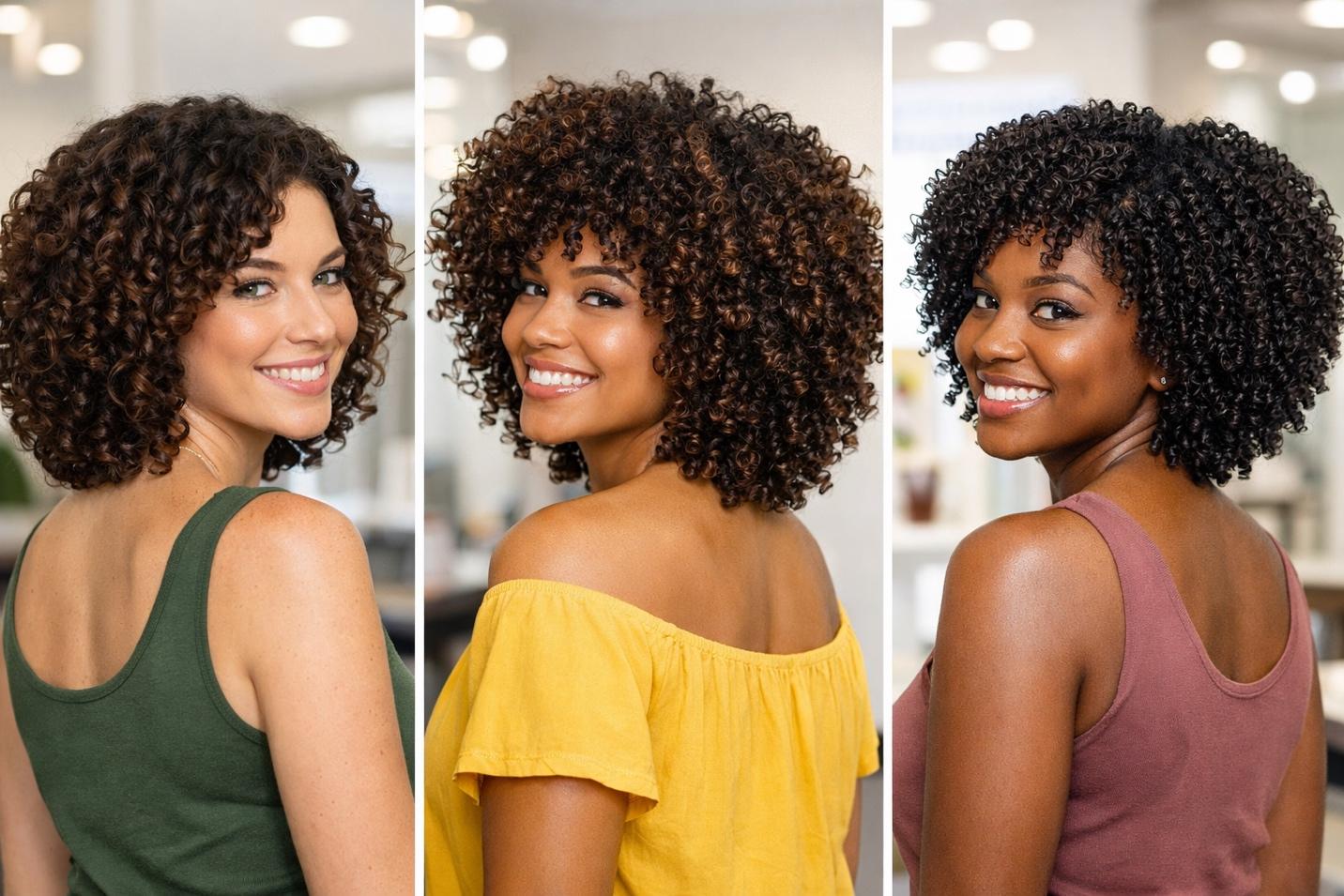
Side-by-Side Comparison: Which Method Is Right for You?
DevaCut
- Best For: Type 3A–4A curls, people who want personalized shaping
- Focus: Exterior shape, curl-by-curl customization
- Result: Balanced, natural shape with even volume
- Price: $75–$200+
- Availability: Requires certified stylist
Rezo Cut
- Best For: Type 3B–4A, thick and dense hair
- Focus: Interior layers, maximum volume
- Result: Big, bouncy, voluminous curls
- Price: $100–$200+
- Availability: Requires trained stylist
Curl-by-Curl
- Best For: All curl types, budget-conscious clients
- Focus: Flexible, personalized approach
- Result: Customized to your goals
- Price: $50–$150
- Availability: Widely available with experienced curly specialists
Questions to Ask Your Stylist
Before booking any curly haircut, ask these questions to make sure you’re in good hands:
Are you trained in DevaCut, Rezo, or another curly cutting method? This tells you whether they have formal training or use their own approach.
Can I see before-and-after photos of curly clients with my hair type? Portfolios reveal skill level and experience with your texture.
Do you cut curly hair wet or dry? Dry cutting is generally preferred for curls, as it accounts for shrinkage and natural shape.
How do you approach volume and layering for my curl type? This shows they understand the nuances of different curl patterns.
What’s your pricing and how long does the appointment take? Curly cuts often take longer and cost more than traditional cuts, so it’s good to know upfront.
A stylist who specializes in curly hair will answer these questions confidently and may even ask you questions in return about your routine, goals, and lifestyle.
The Bottom Line: Choose Based on Your Hair and Your Goals
There’s no universal “best” curly haircut method. DevaCut offers precision and personalization. Rezo Cut delivers volume and drama. Curl-by-Curl provides flexibility and accessibility.
The right choice depends on your curl type, density, texture, budget, and what you want from your haircut. If you have thick, dense curls and crave volume, Rezo might be your answer. If you want a tailored, balanced cut and don’t mind the investment, DevaCut is a solid choice. If you prefer flexibility and affordability, find a skilled stylist who uses Curl-by-Curl techniques.
Ultimately, the stylist matters more than the method. A talented professional who understands curls, listens to your needs, and customizes their approach will give you a great cut—no matter which technique they use.
FAQ: Curly Haircut Methods Answered
Can I get a DevaCut if I have wavy hair?
Yes, but it’s more commonly recommended for tighter curl patterns (3A and up). Wavy hair may benefit more from a Curl-by-Curl approach.
How often should I get a curly haircut?
Most curly-haired people need a trim every 8–12 weeks to maintain shape and remove split ends. Dry cutting methods tend to grow out more gracefully.
Will a Rezo Cut work on fine curls?
It depends on your density. If you have fine but dense hair, it can work. If your hair is both fine and low-density, too many layers might reduce fullness.
Do I need to style my hair a certain way before a dry cut?
Your stylist will usually wash, condition, and style your hair during the appointment. Arrive with your hair in its natural state so they can assess your true curl pattern.
Can I still straighten my hair after a curly cut?
Yes, but curly cuts are designed to look best when worn naturally. If you frequently heat-style, let your stylist know so they can adjust the cut accordingly.
Ready for Your Best Curly Cut Yet?
Whether you choose DevaCut, Rezo, or Curl-by-Curl, the key is finding a stylist who truly understands your texture. A great curly haircut should make your daily routine easier, not harder. It should enhance your natural shape, reduce frizz, and leave you feeling confident every time you look in the mirror.
Looking for a curly hair specialist in Houston? Dennis Ivey specializes in curly haircuts tailored to your unique texture. Book a consultation and discover what your curls can really do.