Double Process Color: What it is & How it Works

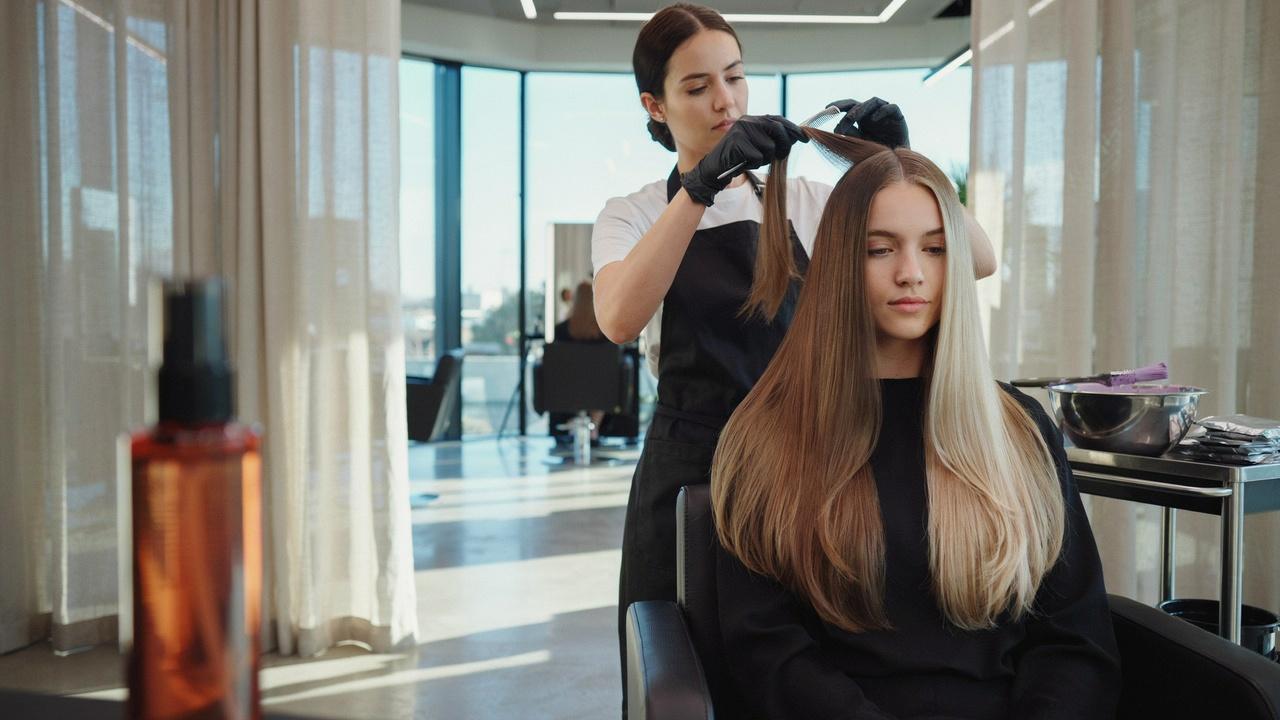
Ever wondered how hair goes from dark brown to platinum blonde? That kind of change does not happen in one step.
It takes a process called double process color, and it is more common than most people think.
This guide covers exactly how double process color works, step by step. It also explains how it differs from single process color, when you actually need it, and how long you should expect to sit in the salon chair.
Real colorist insights and client experiences went into putting this together, so you are getting practical, honest answers.
If you are prepping for your first appointment or simply want to know what the process involves, this guide has you covered.
What is Double Process Color?
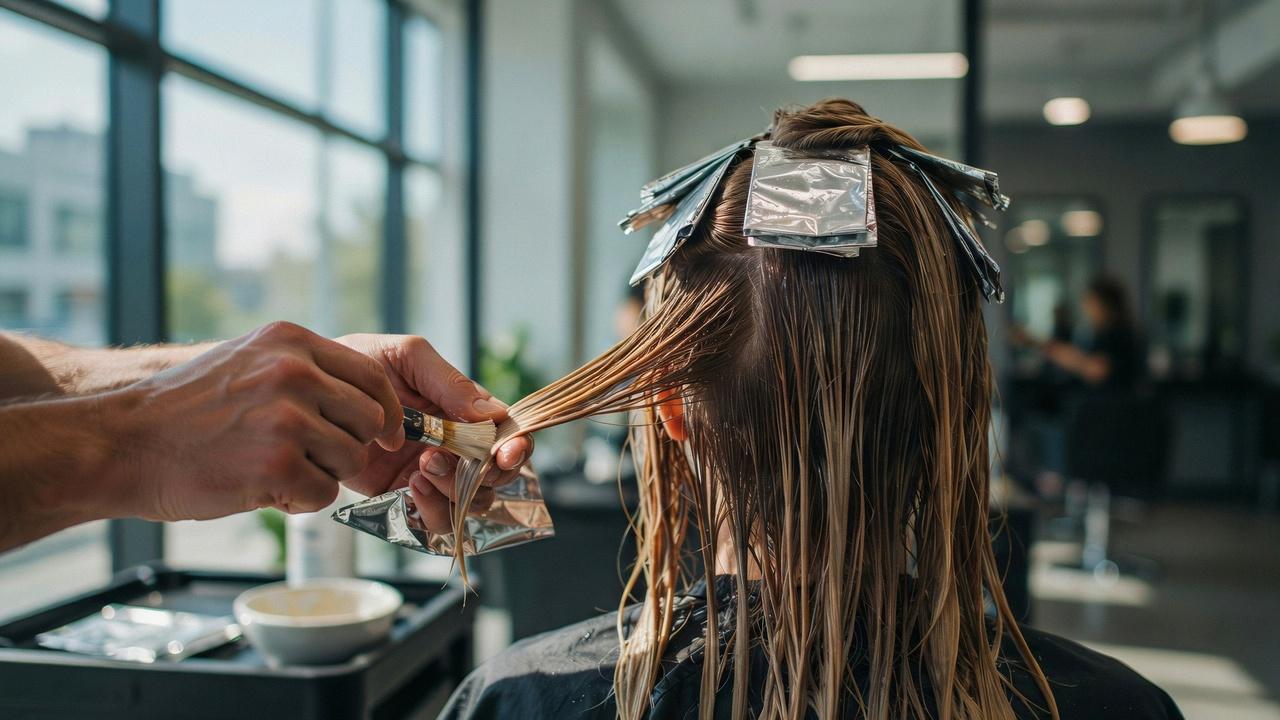
Double process color is a two step hair coloring method. The first step lightens the hair to remove its natural pigment. The second step adds a toner or shade on top.
This method works well for big changes, like going from dark hair to blonde. It also suits bold colors that need a light base to look right.
It takes more time and often costs more than a single process color, since it involves two separate steps.
Hair also needs extra conditioning afterward, since it goes through more chemical treatment. A trained colorist can help you decide if this method fits your hair goals.
How Does Double Process Color Work?
Double process color uses two separate steps to get hair from its natural shade to a completely new color, often much lighter or brighter than before.
Step 1: Lighten the Hair
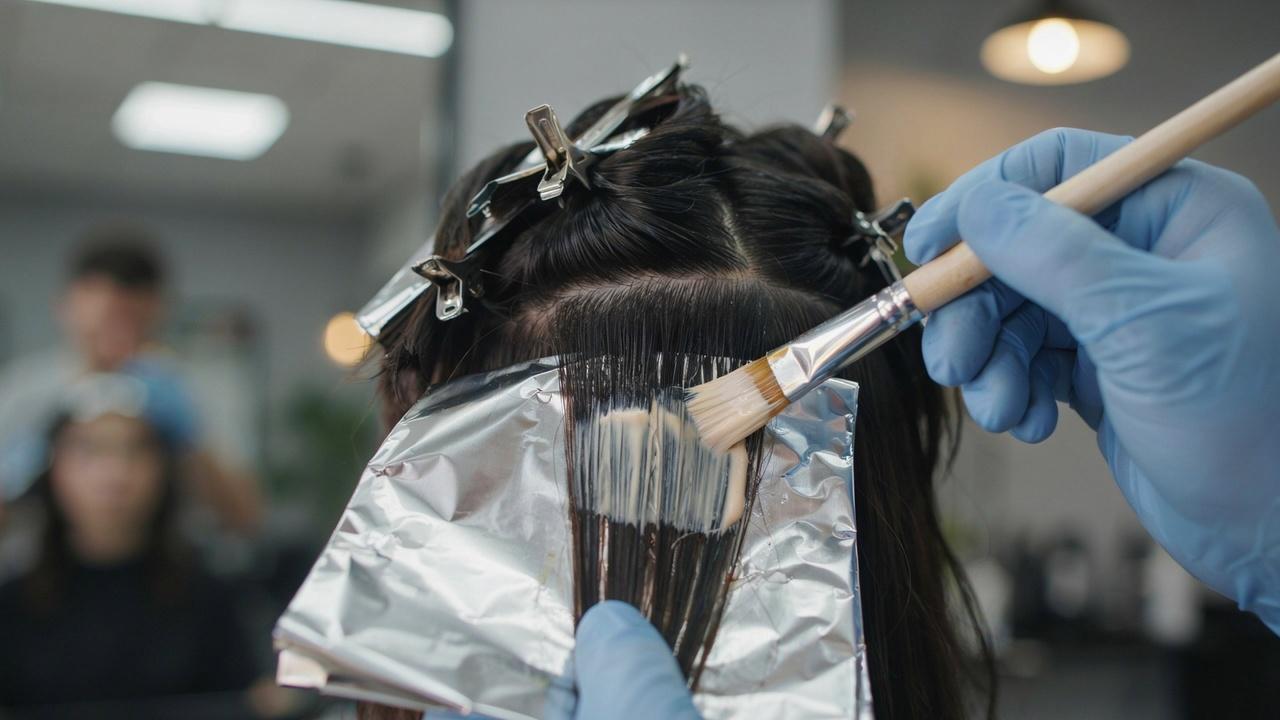
The colorist uses bleach or a lightener to strip away the natural pigment. This step gets the hair to a pale base, ready for the next stage.
Step 2: Rinse and Evaluate the Hair
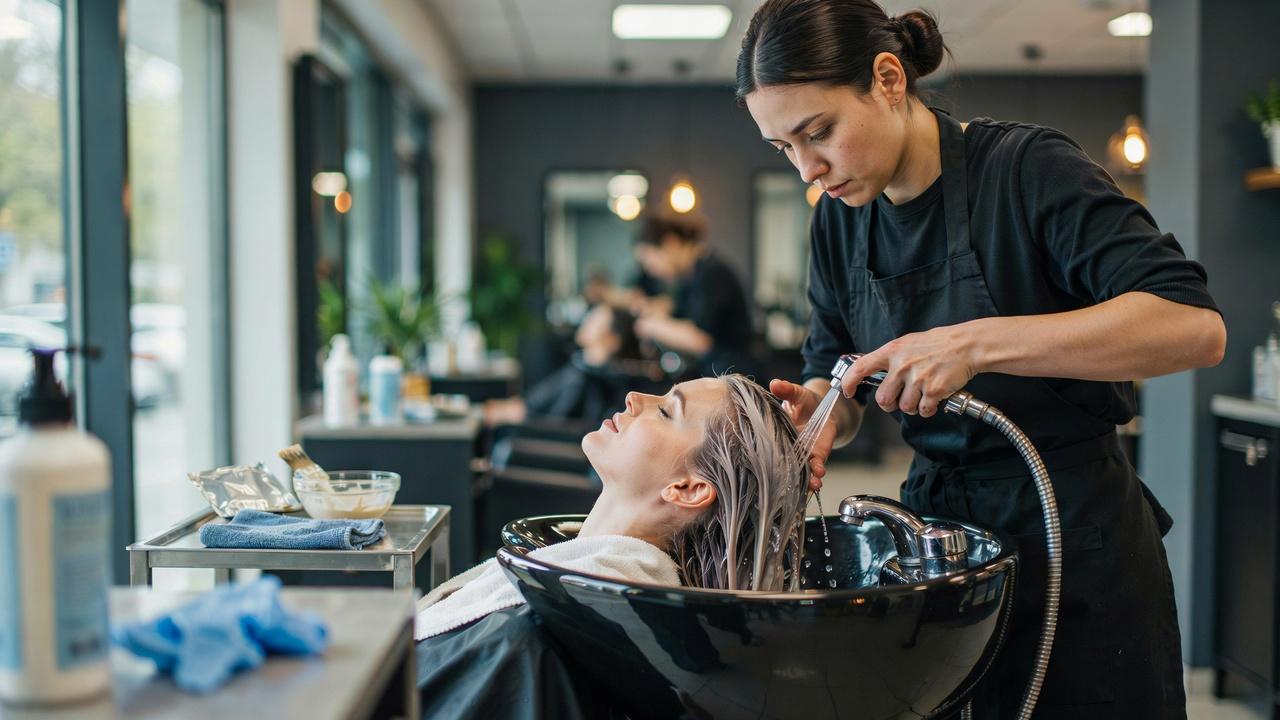
Once the lightening is done, the colorist rinses out the bleach and checks the hair. They look at the level of lift and decide what comes next.
Step 3: Tone or Apply the Final Hair Color
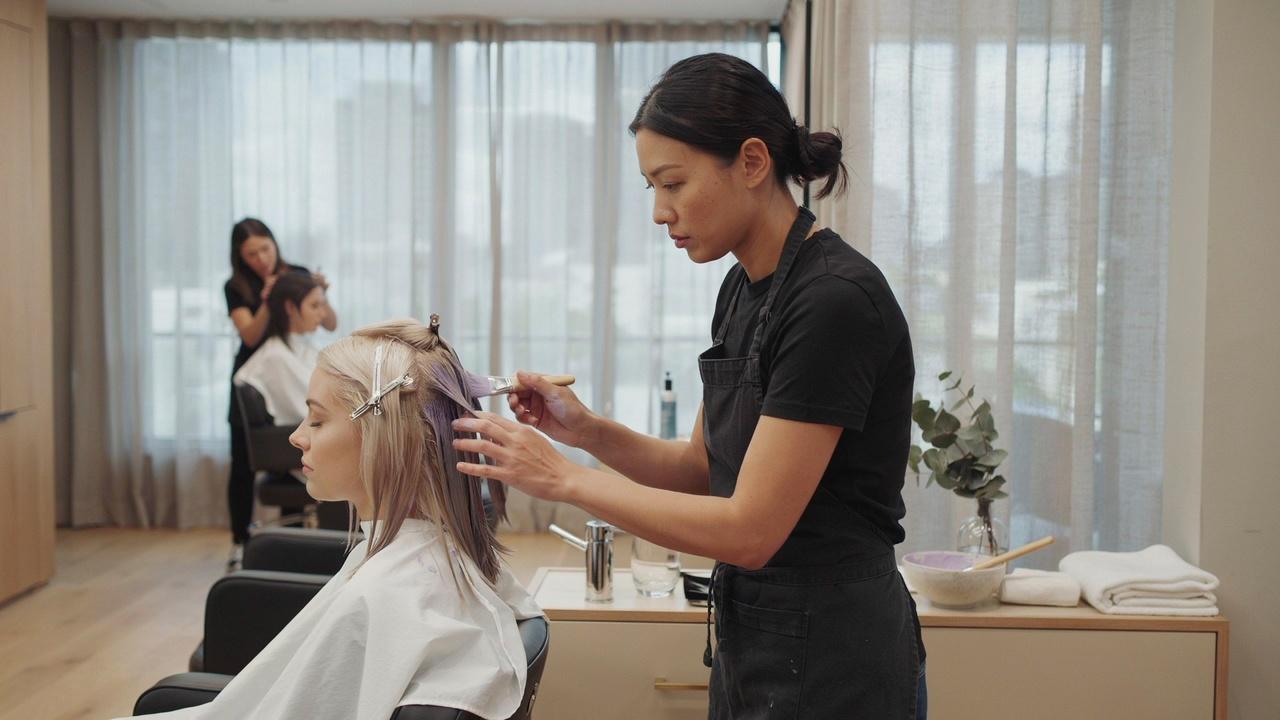
This is where the real color goes on. A toner or dye is applied to cancel out brassy tones and give the hair its finished shade.
Step 4: Condition and Style the Hair
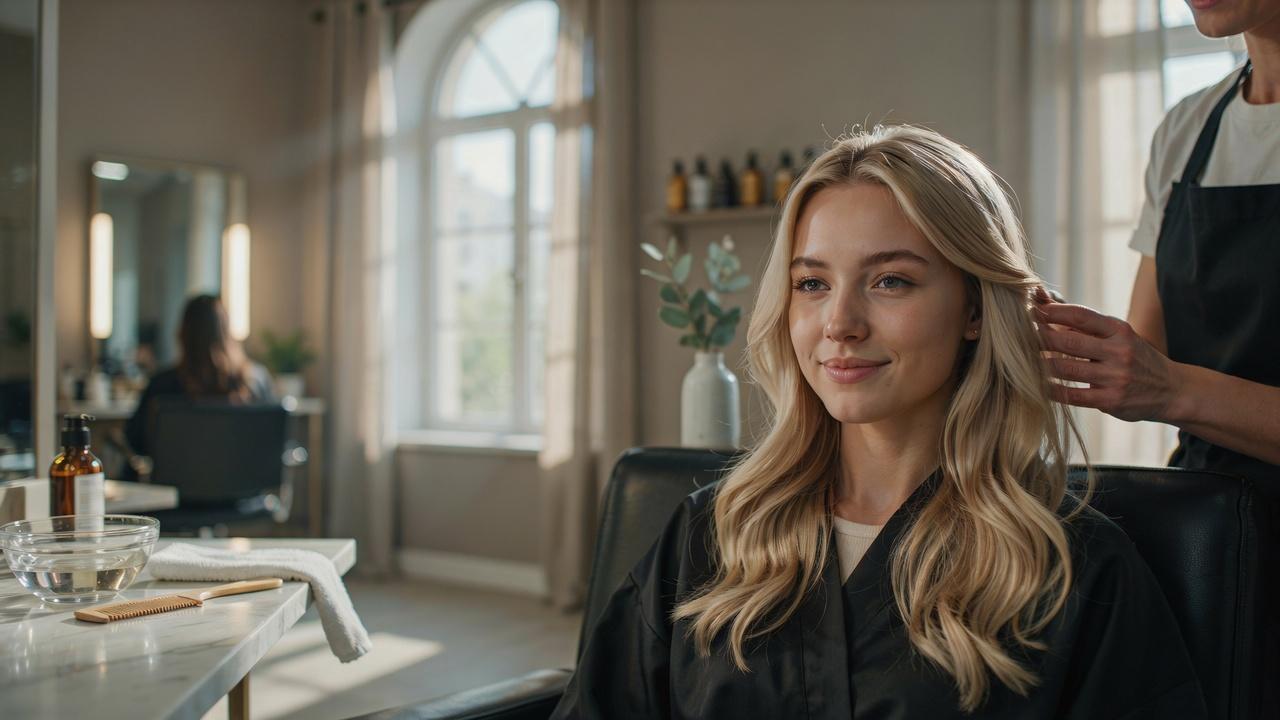
After the color sets, deep conditioning treatments help restore moisture. The hair is then dried and styled to show off the final look.
Single vs Double Process Color: What's the Difference?
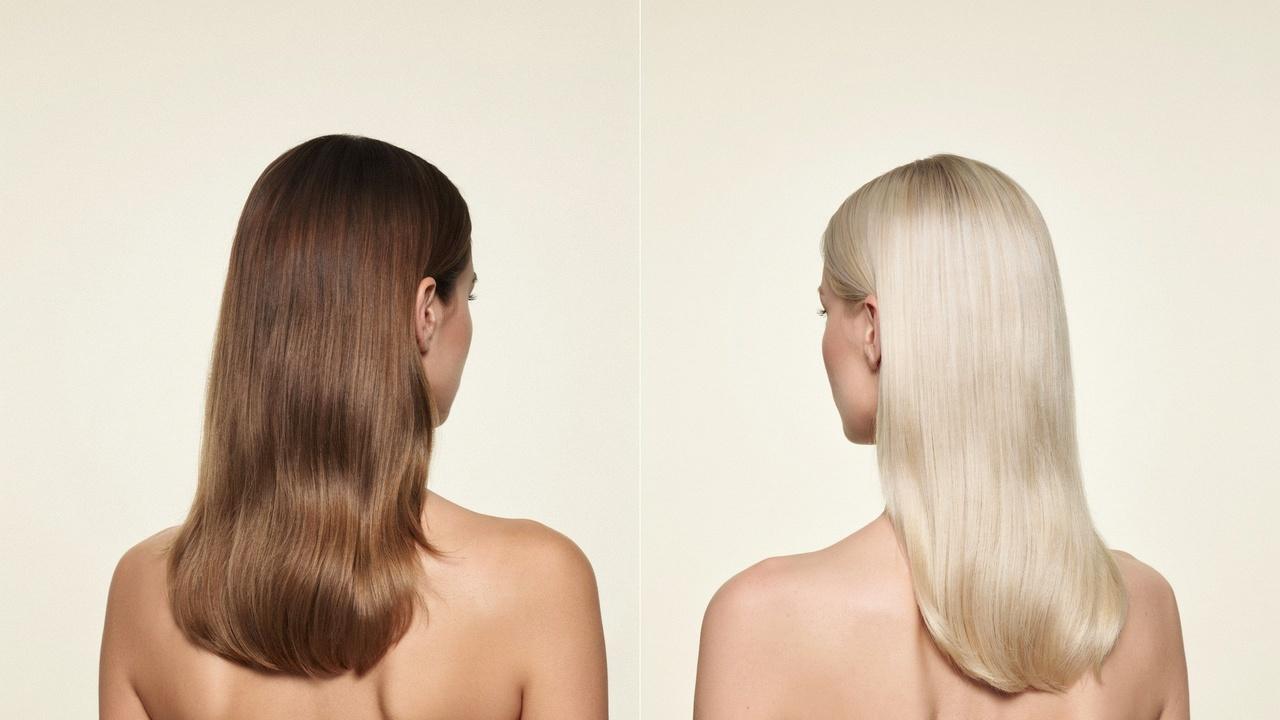
The single process uses one step to color hair, while the double process needs two steps to lighten first and then apply color on top.
Single process color is a one-step method. Dye and lightener are mixed together and applied in one sitting to change or cover the hair color. The double process takes longer, involves two steps, and usually causes more stress on the hair.
| Aspect | Single Process Color | Double Process Color |
| Number of steps | One | Two |
| Method | Dye and lightener mixed and applied together | Hair is lightened first, then color is applied separately |
| Time needed | Faster | Longer |
| Effect on hair | Gentler | More stress on the hair |
| Best for | Small changes | Big shifts, like going from dark to light |
The right choice depends on your goal. Small changes suit a single process. Big shifts, like going from dark to light, need a double process.
When Do You Need Double Process Color?
Double process works best when someone wants a dramatic change, especially moving from dark hair to a much lighter or brighter shade.
Blonde and Platinum Hair

Getting to a true blonde or platinum shade almost always needs a double process. The hair must be lightened well before the final tone goes on.
Brunette to Lighter Shades
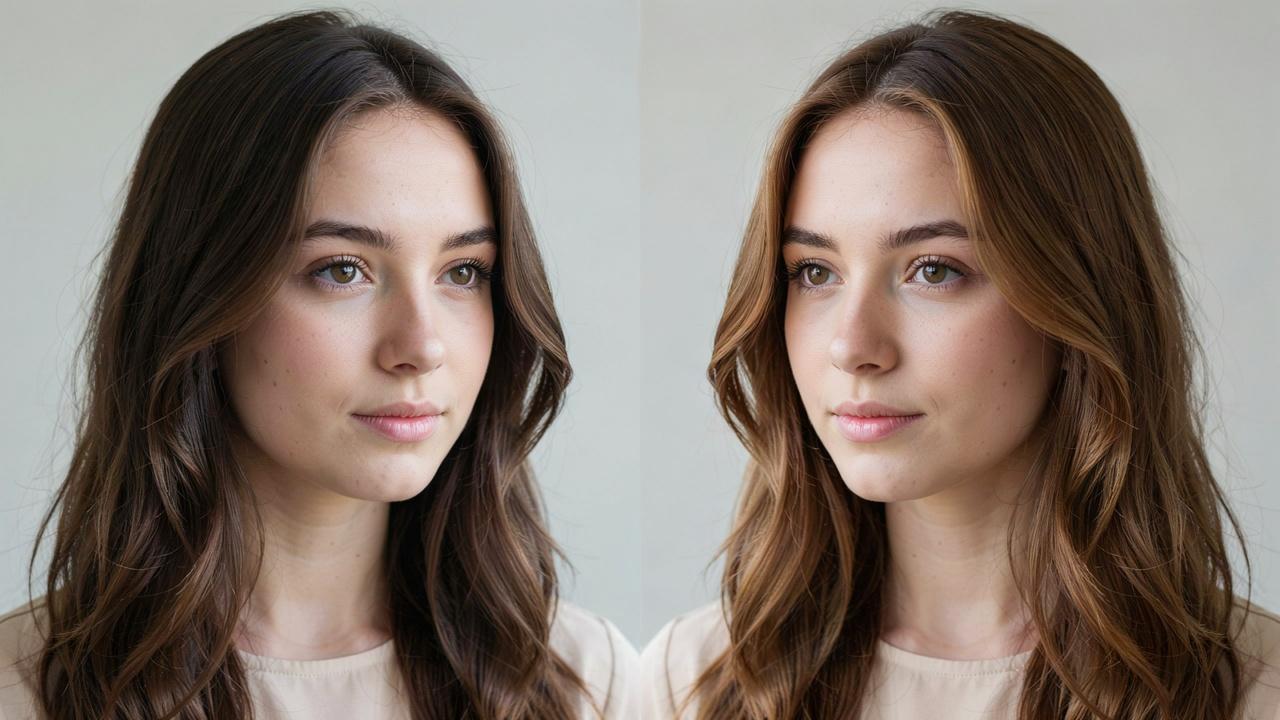
Dark hair holds a lot of pigment. Lightening it enough to reach caramel, honey, or golden tones usually takes more than one step.
Fashion and Pastel Colors
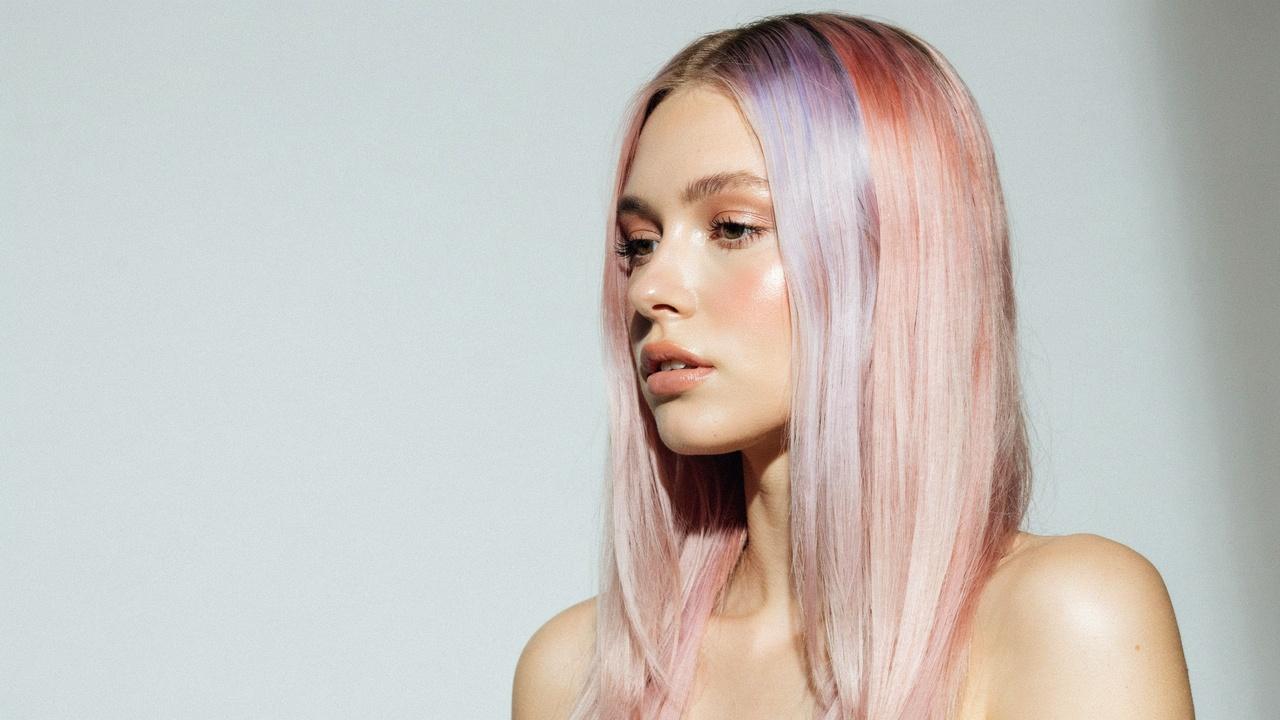
Bright fashion shades like pink or blue show up best on very light hair. Double process gets the hair pale enough for these colors to pop.
Popular Double Process Color Ideas
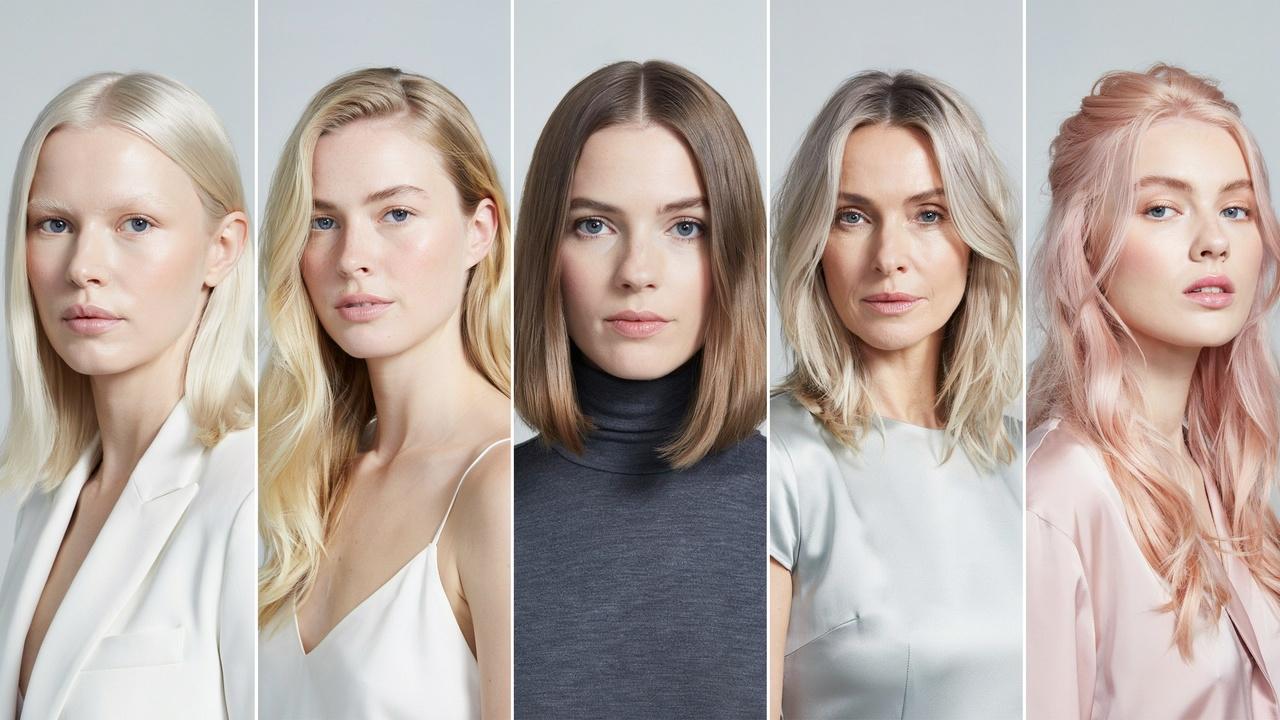
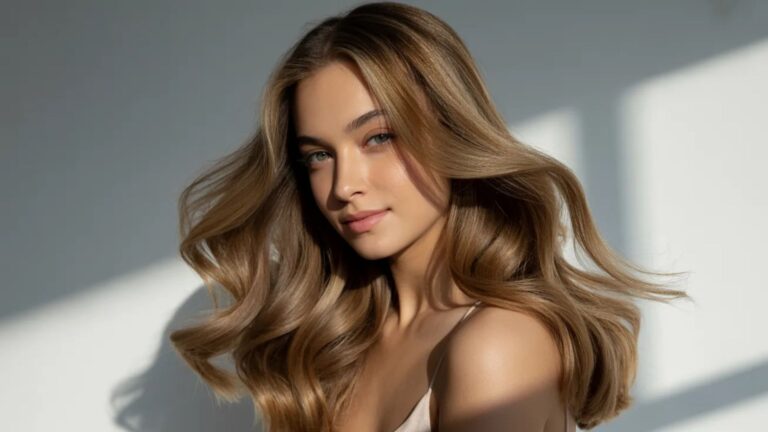
There are many shades people ask for with double process color, ranging from bright platinum to soft pastel tones.
Platinum Blonde
Platinum blonde is a bright, near white shade. It needs heavy lightening followed by a cool toner to remove any yellow tones.
Icy Blonde
Icy blonde has a cool, blue-toned finish. It works well on hair that has already been lightened to a pale yellow base.
Mushroom Brown
Mushroom brown mixes ash and beige tones for a soft, muted brown. Lightening first helps the ash tone show up clearly.
Silver or Ash Blonde
Silver and ash blonde shades need a very light base. A purple or blue based toner cancels warmth for that cool grey look.
Pastel Pink, Lavender, and Coral
These soft shades need pale, almost white hair underneath. Without proper lighting, pastel colors fade fast or look muddy.
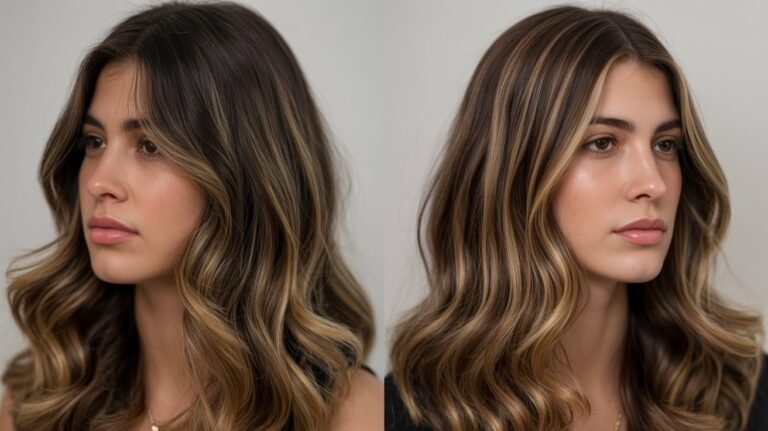
Double Process Color Before and After
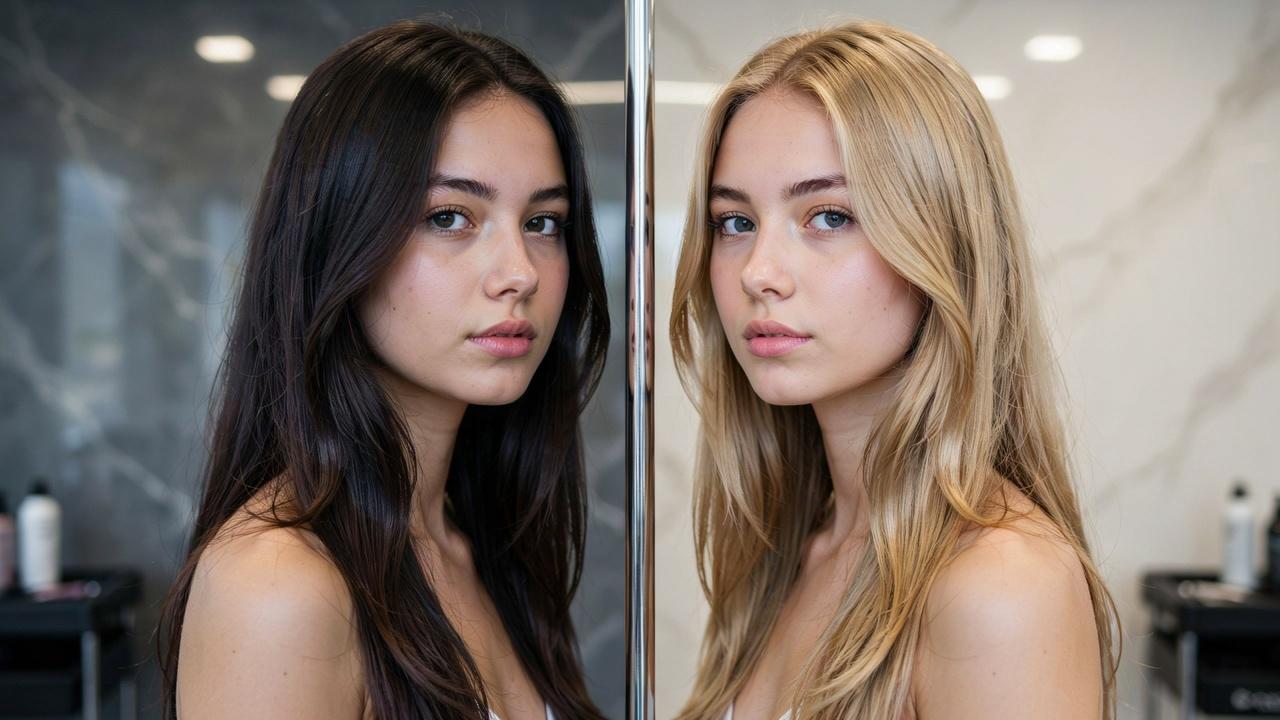
Seeing before and after photos helps set realistic expectations for how much the hair color can actually change.
What Results Can You Expect?
Results vary based on your starting hair color. Someone with dark hair may need more sessions than someone starting from a lighter shade.
Factors That Affect the Final Color
Hair texture, previous color treatments, and how much pigment the hair holds all affect how the final color turns out.
How Long Does Double Process Color Take?
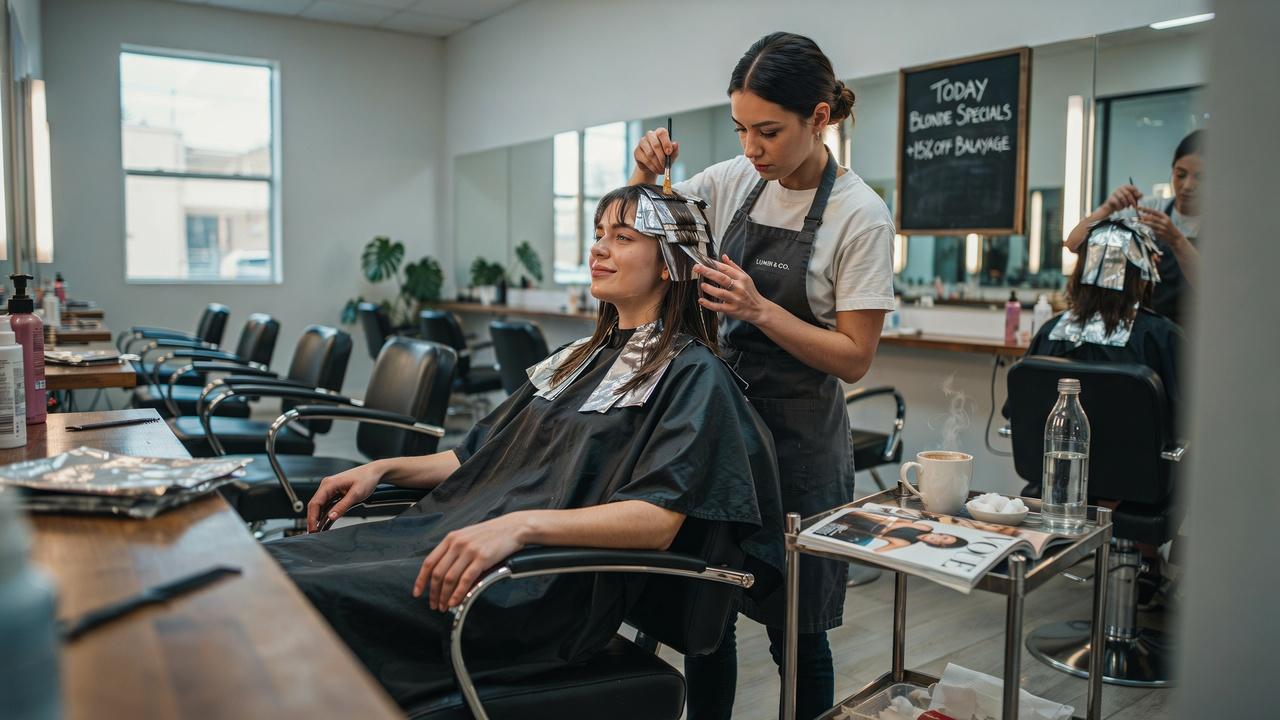
A full double process service can take anywhere from two to five hours, depending on hair length, thickness, and how much lightening is needed.
Longer or thicker hair takes more time to lighten evenly. Dark hair often needs extra processing time to reach a light, even base.
Toning adds more time on top, usually another twenty minutes to an hour depending on the shade.
If hair cannot handle full lightening at once, the process may be split into two appointments, which adds to the overall time.
Does Double Process Color Damage Hair?
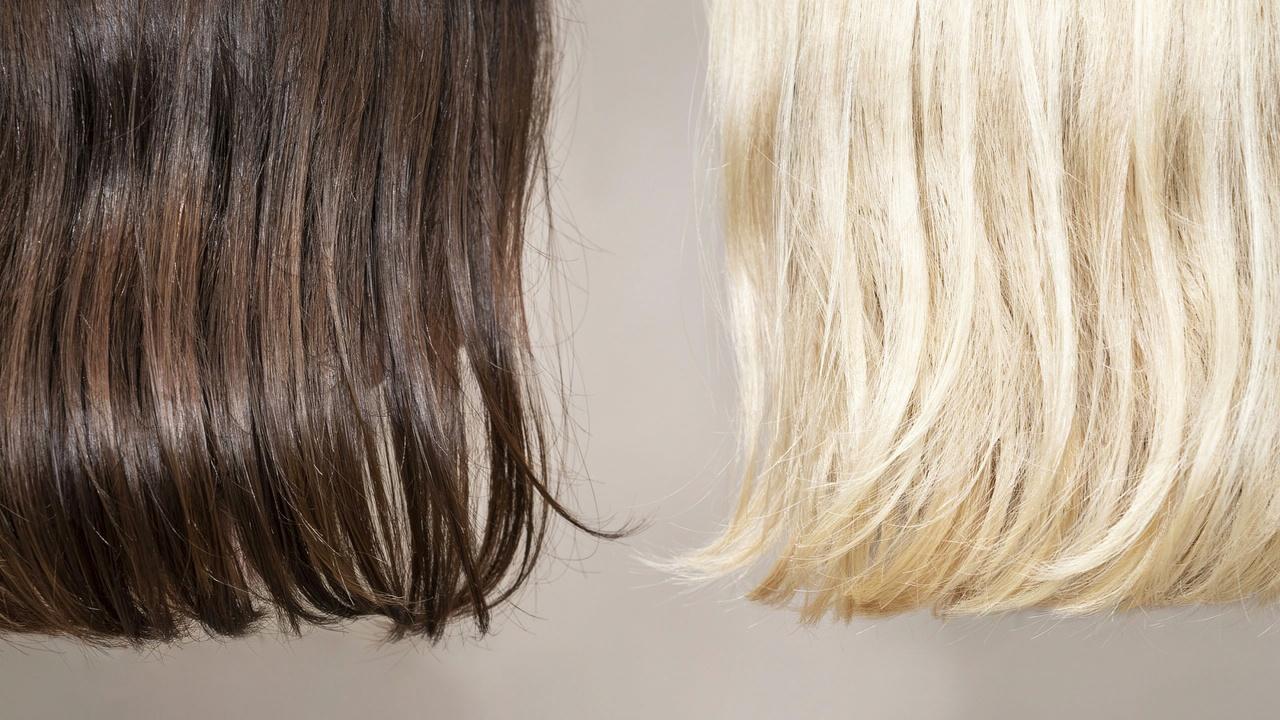
Yes, the double process can cause dryness and weaken hair strands, since bleach removes natural oils and proteins during the lightening step.
Hair may feel rougher and more porous after treatment, which can lead to breakage over time.
The amount of damage depends on how dark the starting hair color is and how healthy the hair was before treatment.
Deep conditioning and protein treatments can help hair recover. Some colorists also split the process into two sessions to reduce stress on the hair.
Tips for Getting the Best Double Process Color Results
A few simple steps can help protect your hair and get better results from a double process service.
- Choose an experienced colorist. Look for someone who has real skill with double process work, since it takes practice to avoid damage and uneven color.
- Start with healthy hair. Hair that is already dry or damaged handles bleach poorly, so it helps to begin with hair in good condition.
- Bring reference photos. Photos help your colorist understand exactly what shade you want, making it easier to match your expectations with the final result.
- Follow the recommended maintenance schedule. Regular toning and deep conditioning keep the color fresh and the hair healthy between salon visits.
- Be patient if multiple sessions are needed. Some hair needs more than one appointment to reach the desired shade safely, and rushing the process can lead to breakage.
Conclusion
Double process color can give you exactly the look you have been picturing, but it takes patience and the right hands.
I have seen friends walk into a salon nervous and walk out thrilled with their new shade, and honestly, that moment makes the whole process worth it.
If you are thinking about trying double process color, talk it through with your colorist first and go in with realistic expectations.
Got questions or your own coloring story to share? Drop a comment below, share this post with a friend, or check out our other hair color guides.
Frequently Asked Questions
Is double process color the same as bleaching?
Not exactly. Bleaching is part of the process, but the double process also includes a toning or coloring step after the hair is lightened.
Can double process color be done at home?
It is not recommended. The lightning step needs careful timing and skill, and mistakes can lead to serious damage or uneven color.
How often do I need to touch up double process color?
Most people need a touch up every six to eight weeks, especially at the roots, to keep the color looking fresh and even.
Will double process color work on previously colored hair?
Yes, but it may need extra care. Hair that has been colored before can react differently to bleach, so a patch test helps.
Is double process color more expensive than single process?
Usually, yes. It takes more time, more product, and more skill, so double process color often costs more than single process.