Is Moroccan Oil Good for Your Hair? Truth Revealed

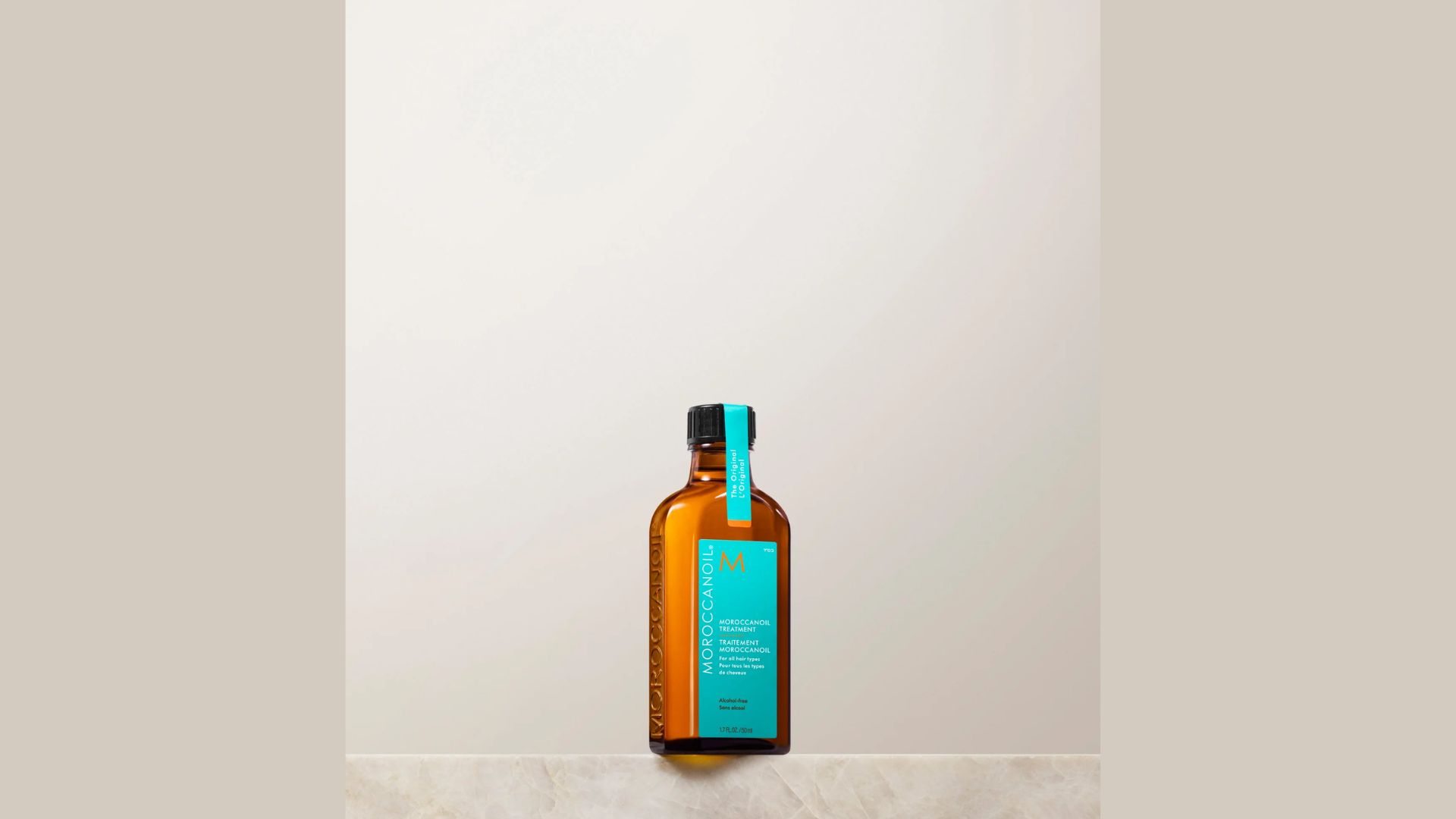
I spent $40 on a tiny bottle of Moroccan oil without knowing if it would even work. My hair was a frizzy mess, and I was desperate.
Three months later, my hairstylist asked what I’d changed. She said my hair looked healthier than she’d seen it in years.
But here’s what nobody tells you about Moroccan oil. It can also ruin your hair if you use it wrong. I learned this the expensive way.
So is Moroccan oil good for your hair? The answer isn’t as simple as yes or no.
Let me explain what actually matters.
What is Moroccan Oil?
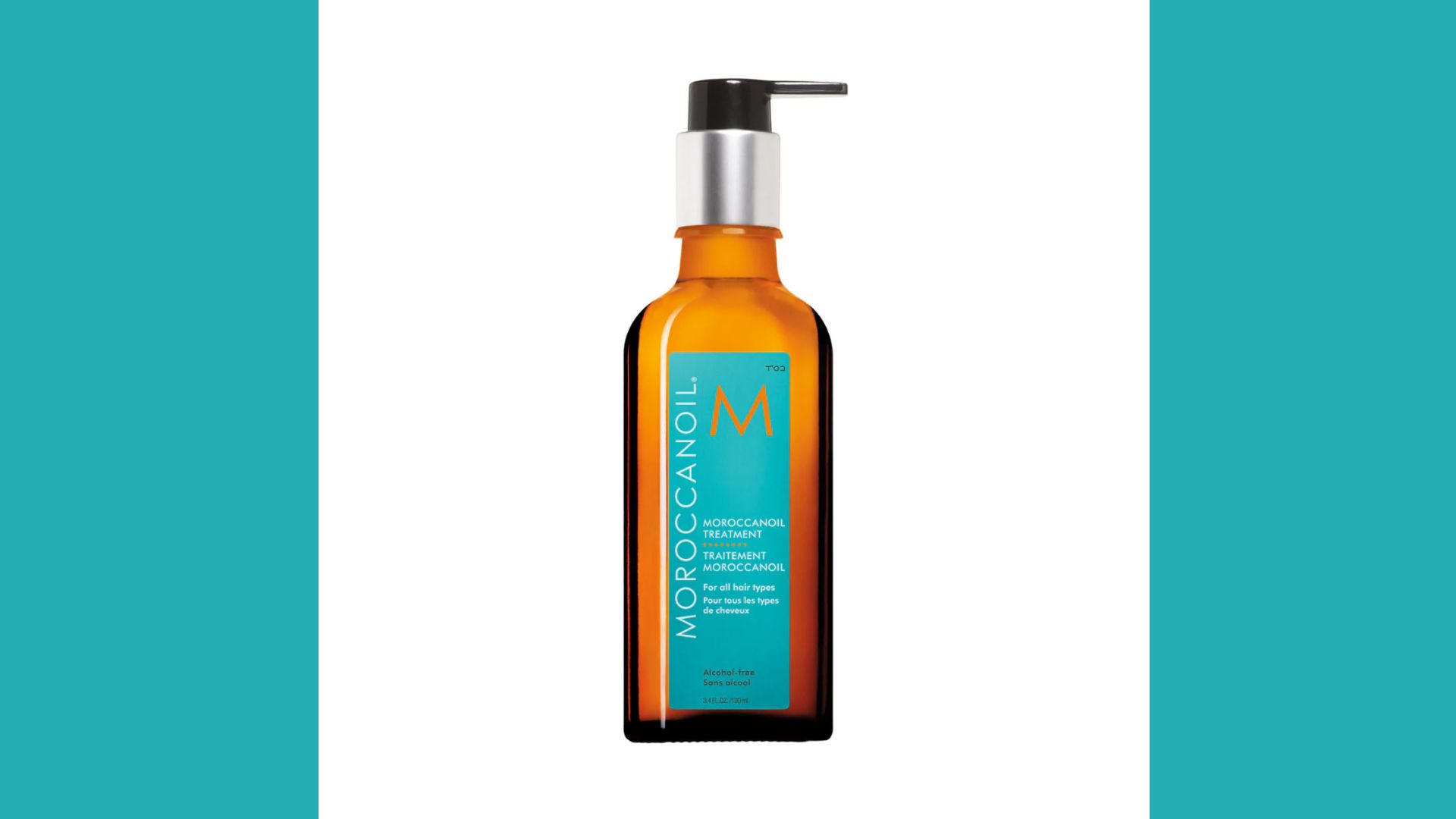
Moroccan oil is basically argan oil with a fancy name. Real argan oil comes from argan trees in Morocco.
The oil is packed with vitamin E, fatty acids, and antioxidants. These ingredients actually do help your hair, which is why the product got popular.
Pure argan oil has been used for centuries in Morocco. Women there have incredible hair, and this oil is part of their routine.
But here’s the catch. Most “Moroccan oil” products you buy aren’t pure argan oil. They’re blended with added ingredients.
Types of Moroccan Oil Products
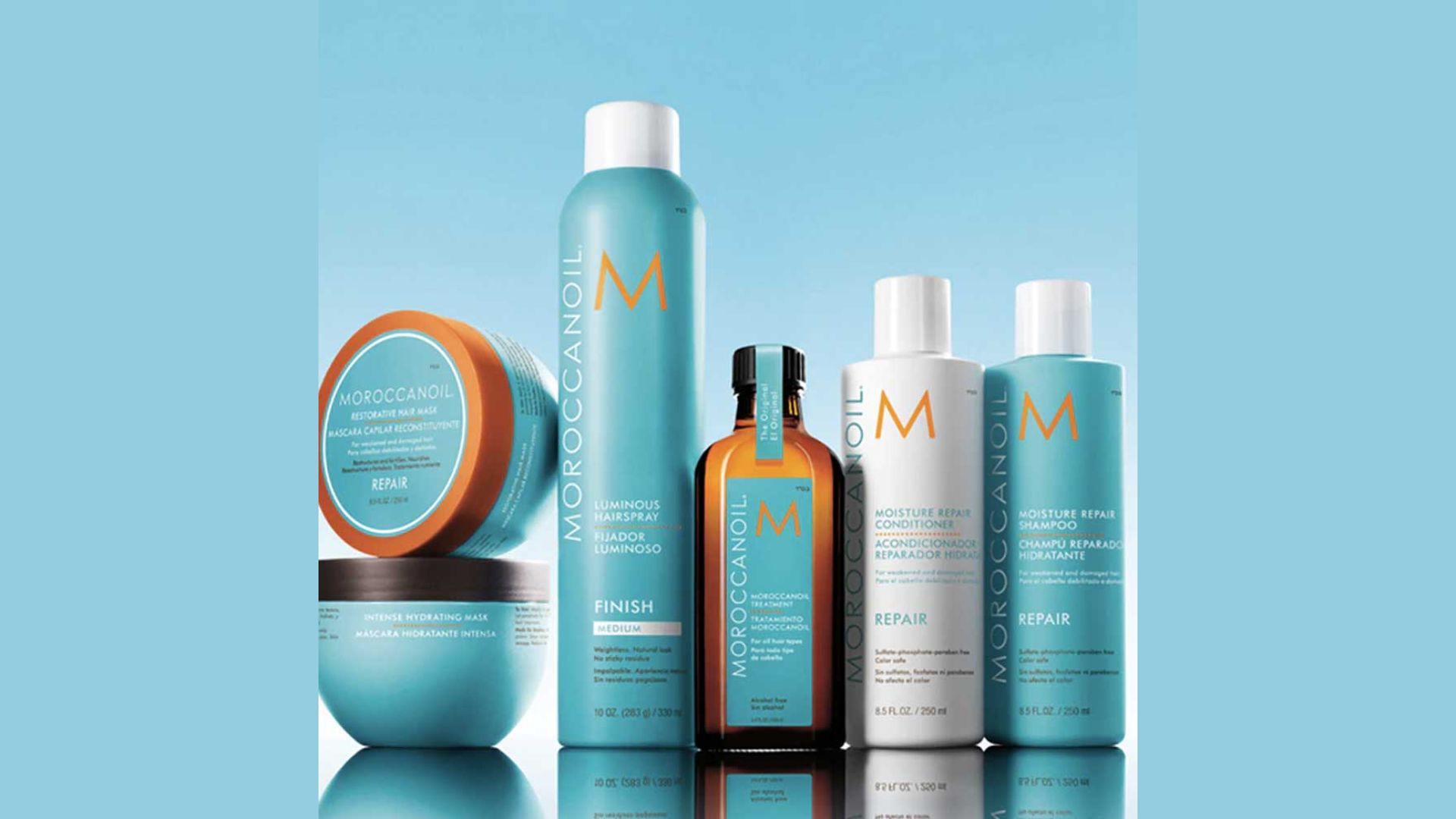
The market is flooded with Moroccan oil products now. I’ve tried at least a dozen different brands over the years.
You’ll find these main types:
- Pure hair oils (treatment oils you apply to damp or dry hair)
- Shampoos and conditioners (contain argan oil but aren’t pure oil)
- Hair masks (deep conditioning treatments with argan oil)
- Leave-in treatments (lighter formulas for daily use)
- Heat protectant sprays (contain argan oil for styling protection)
Different formulas work for different hair types. What works for my thick, wavy hair might be too heavy for fine, straight hair.
I learned this the hard way when I recommended my favorite oil to a friend with thin hair. It weighed her hair down terribly.
How Does Moroccan Oil Work on Hair?
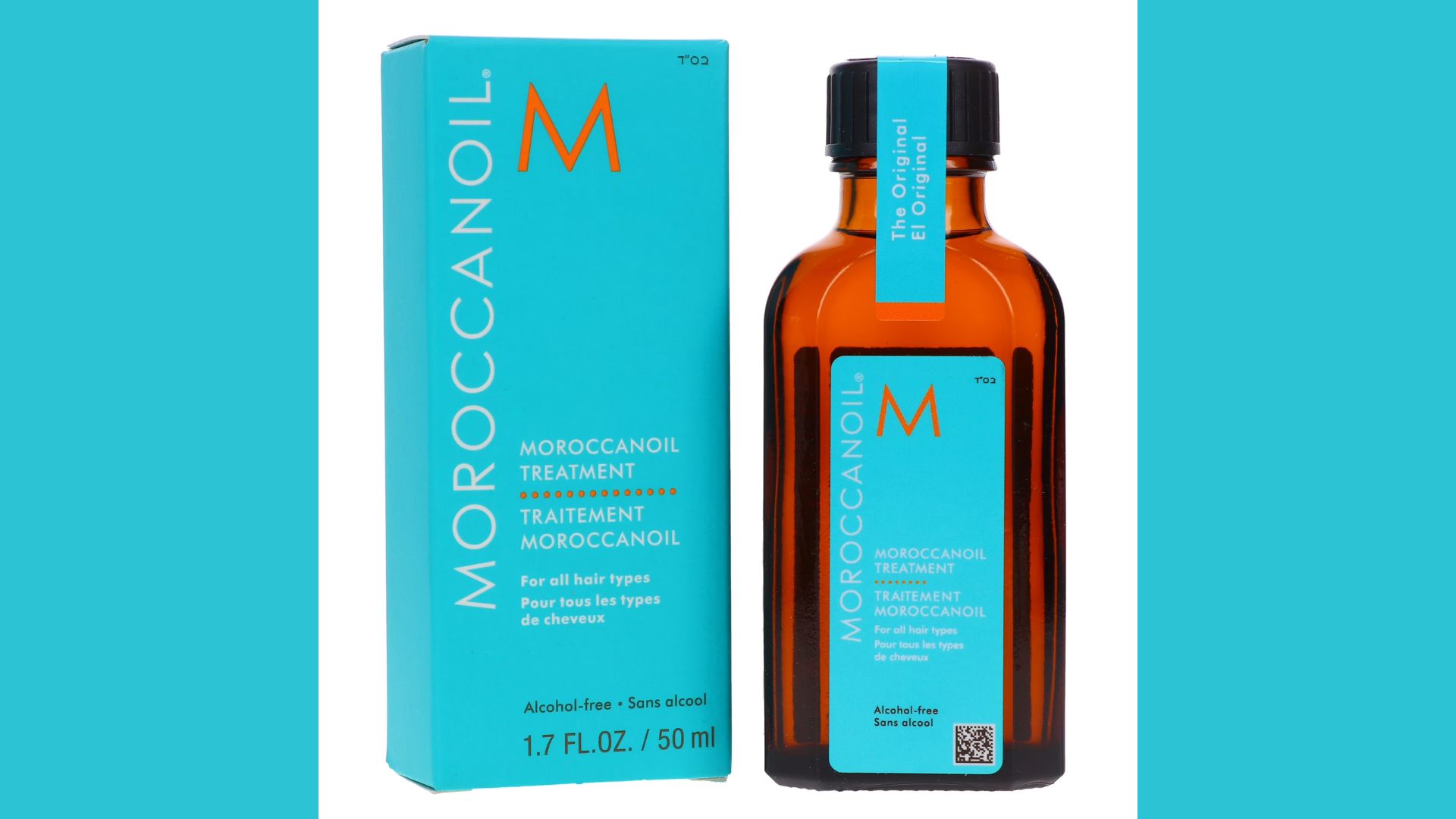
The science behind it is actually pretty straightforward. Moroccan oil penetrates your hair shaft better than heavier oils. It moisturizes from the inside out.
Your hair cuticle is like tiny shingles on a roof. When they’re damaged or open, your hair looks dull and feels rough. Moroccan oil smooths those cuticles down.
The vitamin E acts as an antioxidant. It protects your hair from environmental damage like pollution and UV rays. Moroccan oil also forms a protective layer around each strand.
I noticed less breakage after I started using it before heat styling. My ends stayed healthier longer. The oil doesn’t repair split ends, though. Nothing can truly fix those except scissors.
Benefits of Using Moroccan Oil for Hair
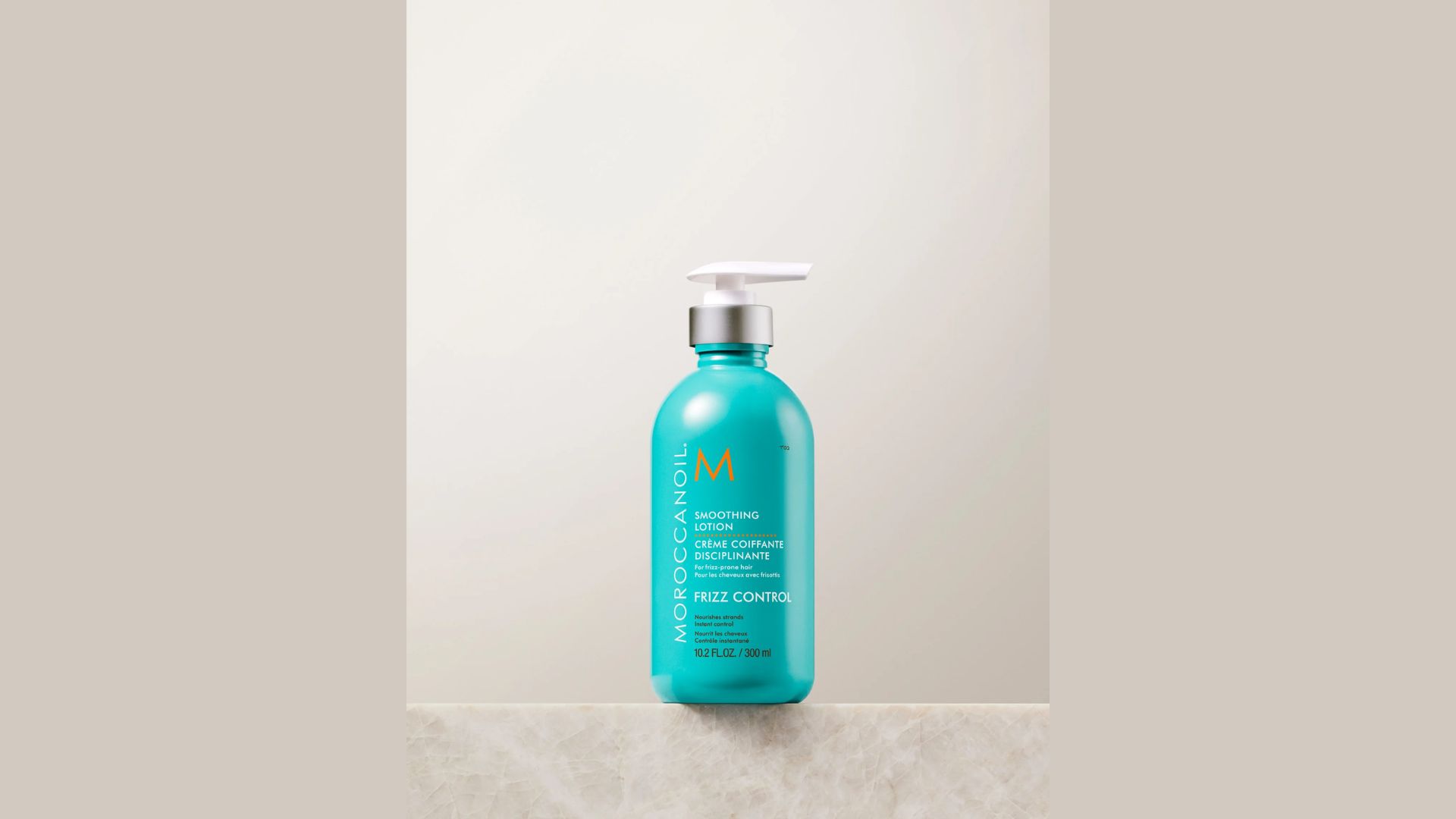
I’ve seen real improvements in my hair texture since adding Moroccan oil to my routine. Not overnight miracles, but gradual positive changes.
Here’s what actually worked for me:
- Reduces frizz significantly (especially in humid weather)
- Adds natural shine without looking greasy
- Makes hair softer and smoother to touch
- Helps detangle knots and reduces breakage during brushing
- Protects against heat damage from styling tools
- Tames flyaways and baby hairs around my hairline
- Absorbs quickly without leaving residue on pillows
- Works as a finishing serum for polished looks
- Conditions dry ends without weighing down roots
- Smells pleasant (most formulas have a subtle scent)
The biggest benefit for me was frizz control. I live in a humid climate, and my hair used to puff up like a cloud.
Moroccan oil keeps my hair manageable even on the worst humidity days. That alone makes it worth buying.
Potential Drawbacks of Moroccan Oil
Nothing works perfectly for everyone. I’ve experienced some downsides with Moroccan oil that you should know about.
These issues came up for me I know:
- Too heavy for very fine or thin hair (can make it look flat and greasy)
- Builds up if you use too much (leaves hair looking dirty)
- Some formulas contain silicones (create coating that needs clarifying shampoo to remove)
- Expensive compared to pure argan oil (you’re paying for branding)
- Added fragrances can irritate sensitive scalps (I had mild itching with one brand)
- Not all products are authentic (some barely contain any argan oil)
- Can stain light-colored pillowcases if you apply too much before bed
The biggest mistake I made was using too much. A little goes a long way with this stuff. I was dumping it on my hair and wondering why it looked greasy.
Start with just a few drops. You can always add more if needed.
How to Use Moroccan Oil for Best Results
I wasted half a bottle before I figured out the right way to apply it. Let me save you from my mistakes.
- Apply to damp hair, not soaking wet (towel dry first for better absorption).
- Use 2-3 drops for short hair, 4-5 drops for medium hair, 6-8 drops for long hair, rub between palms before applying.
- Focus on mid-lengths to ends, avoid roots unless hair is extremely dry.
- Can be used on dry hair as a finishing touch (use 1-2 drops).
- Apply before blow-drying for heat protection.
- Add a tiny bit after styling for extra shine.
- Do not use every day if hair is normal or oily, 3-4 times per week is sufficient.
- For deep conditioning, warm the oil slightly, massage into hair, leave 30 minutes, then shampoo out.
Moroccan Oil vs Other Hair Oils
I’ve tried pretty much every hair oil out there. Here’s how Moroccan oil compares to the popular ones.
| Oil Type | Absorption | Best For | Weight | Price |
|---|---|---|---|---|
| Moroccan/Argan Oil | Fast | All hair types | Light-Medium | $$$ |
| Coconut Oil | Slow | Thick, coarse hair | Heavy | $ |
| Jojoba Oil | Medium | Oily scalp, normal hair | Light | $$ |
| Olive Oil | Slow | Very dry, damaged hair | Heavy | $ |
| Grapeseed Oil | Fast | Fine, oily hair | Very Light | $$ |
Moroccan oil absorbs faster than coconut or olive oil. I can apply it in the morning without my hair looking greasy by afternoon.
Coconut oil is great for deep treatments but too heavy for daily use. It also solidifies in cold weather, which is annoying.
Jojoba oil is closest to Moroccan oil in texture. It’s lighter but doesn’t provide as much shine.
The main advantage of Moroccan oil is versatility. It works for most hair types without adjustment.
Expert Opinions & Customer Reviews
I asked my hairstylist about Moroccan oil when I first started using it. She was honest about its pros and cons.
She said most salon professionals recommend it because it’s effective and safe for color-treated hair. It doesn’t strip color or cause damage.
Dermatologists point out that argan oil is non-comedogenic. This means it won’t clog pores on your scalp or cause acne along your hairline.
Customer reviews are mostly positive across different brands. The main complaints come from people who used too much or bought fake products.
I’ve read hundreds of reviews over the years. Most people love it for frizz control and shine. Some with very fine hair say it’s too heavy.
Is Moroccan Oil Worth the Hype?
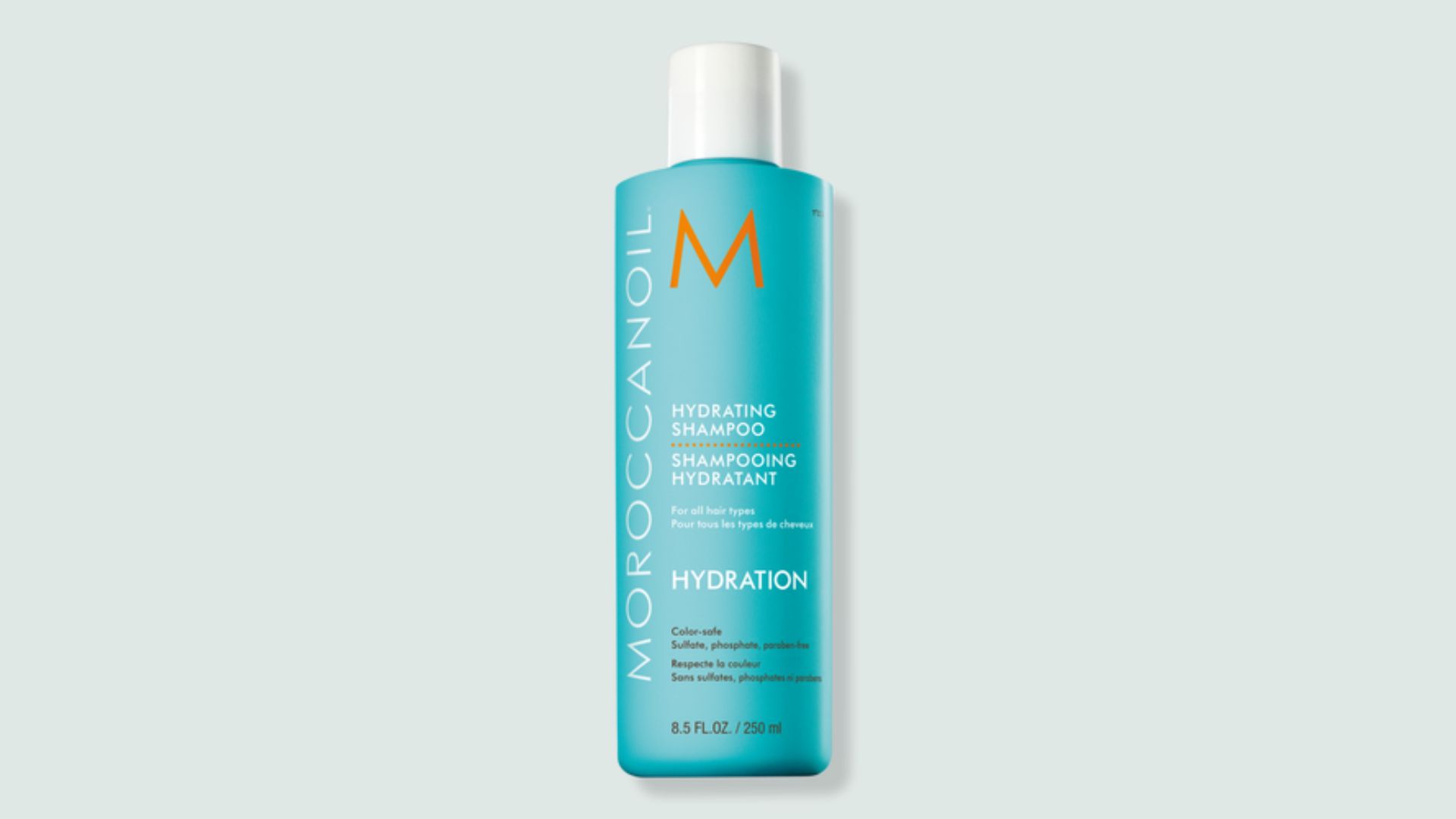
After two years of regular use, I think it’s worth it for most people. But not for everyone. It works best if you have normal to thick hair that’s dry, frizzy, or damaged. I saw real improvements in these areas.
If you have very fine or oily hair, you might want to skip it. Or use it very sparingly only on your ends.
The price is high compared to pure argan oil. You’re paying for branding and added ingredients. Sometimes that’s worth it for convenience.
I keep buying it because it genuinely makes my hair look better. The frizz control alone is worth the cost to me.
Try a small bottle first before committing to the expensive salon sizes. See how your hair responds to it.
If you like it, consider buying pure argan oil instead. It’s cheaper and you can add your own essential oils for scent.
Conclusion
Is Moroccan oil good for your hair? For me, absolutely. But your hair might tell a different story.
The only way to know is trying it yourself. Start small, use less than you think you need, and give it two weeks.
What’s stopping you from testing it out? The price? Worried it’ll make your hair greasy? Drop your concerns in the comments.
And if you’ve already used it, I want to hear your honest review. Did it live up to the hype or disappoint you?
Share this with anyone who’s been eyeing that bottle at the store. Help them decide.
Frequently Asked Questions
Can Moroccan oil make my hair grow faster?
No, it doesn’t directly stimulate hair growth. However, it keeps your scalp healthy and prevents breakage, which helps you retain length as your hair grows naturally.
Is Moroccan oil suitable for oily hair?
Use it sparingly only on your ends, avoiding the roots completely. Apply a tiny amount to damp hair, not wet or dry.
How often should I use Moroccan oil on my hair?
Daily for very dry or damaged hair, 2-3 times a week for normal hair. Oily hair types should use it just once or twice weekly.
Can I use Moroccan oil with other hair products?
Yes, it layers well with leave-in conditioners, heat protectants, and styling creams. Apply Moroccan oil last as a finishing product for best results.
Are all Moroccan oil products the same quality?
No, quality varies significantly between brands. Look for authentic argan oil as the first ingredient and avoid products heavy in silicones or artificial fragrances.