
How Often Should You Wax Your Armpits: A Complete Guide


I know the struggle of trying to figure out how often you should wax your armpits. Too soon and your skin gets angry. Wait too long and stubble makes an unwanted comeback.
I’m here to help you find the perfect timing for your underarm waxing routine. In this guide, I’ll walk you through the ideal waxing schedule based on your hair type and skin needs.
You’ll learn what affects waxing frequency, how to prep your skin, and aftercare tips that actually work.
I’ve researched the facts and talked to experts to give you reliable information you can trust. Let’s cover everything from beginner schedules to signs you need to adjust your routine.
By the end, you’ll know exactly when to book your next session.
Why Armpit Waxing Frequency Matters

Getting the timing right keeps your underarms smooth while protecting your skin from unnecessary irritation.
Waxing at the right intervals prevents redness, bumps, and ingrown hairs. Your skin needs time to recover between sessions.
Here’s the good news. Consistent waxing changes your hair texture. It grows back softer and finer over time.
You’ll also notice slower regrowth, which means longer gaps between sessions.
Proper timing protects your skin while giving you smooth results.
Factors That Affect Armpit Waxing Frequency
Your waxing schedule depends on hair growth speed, skin type, preferences, and the wax you choose.
1. Hair Growth Rate

Everyone’s hair grows at a different pace. Some people see regrowth in two weeks. Others stay smooth for a month.
Faster growth means you’ll need more frequent sessions. Slower growth gives you longer breaks between appointments.
Pay attention to your own patterns. Your body will tell you what works best.
2. Skin Sensitivity

Sensitive underarms need extra care. Give your skin more recovery time if it gets irritated easily.
Before your first wax, try a patch test.
This helps you avoid nasty reactions.Skip harsh deodorants and fragrances a day before waxing. Your skin will thank you.
3. Personal Preferences
How smooth do you want to stay? That’s totally up to you.
Some people prefer perfectly hair-free underarms at all times. Others are fine with a little regrowth between sessions.
Balance your comfort with your schedule. There’s no wrong answer here.
4. Wax Type
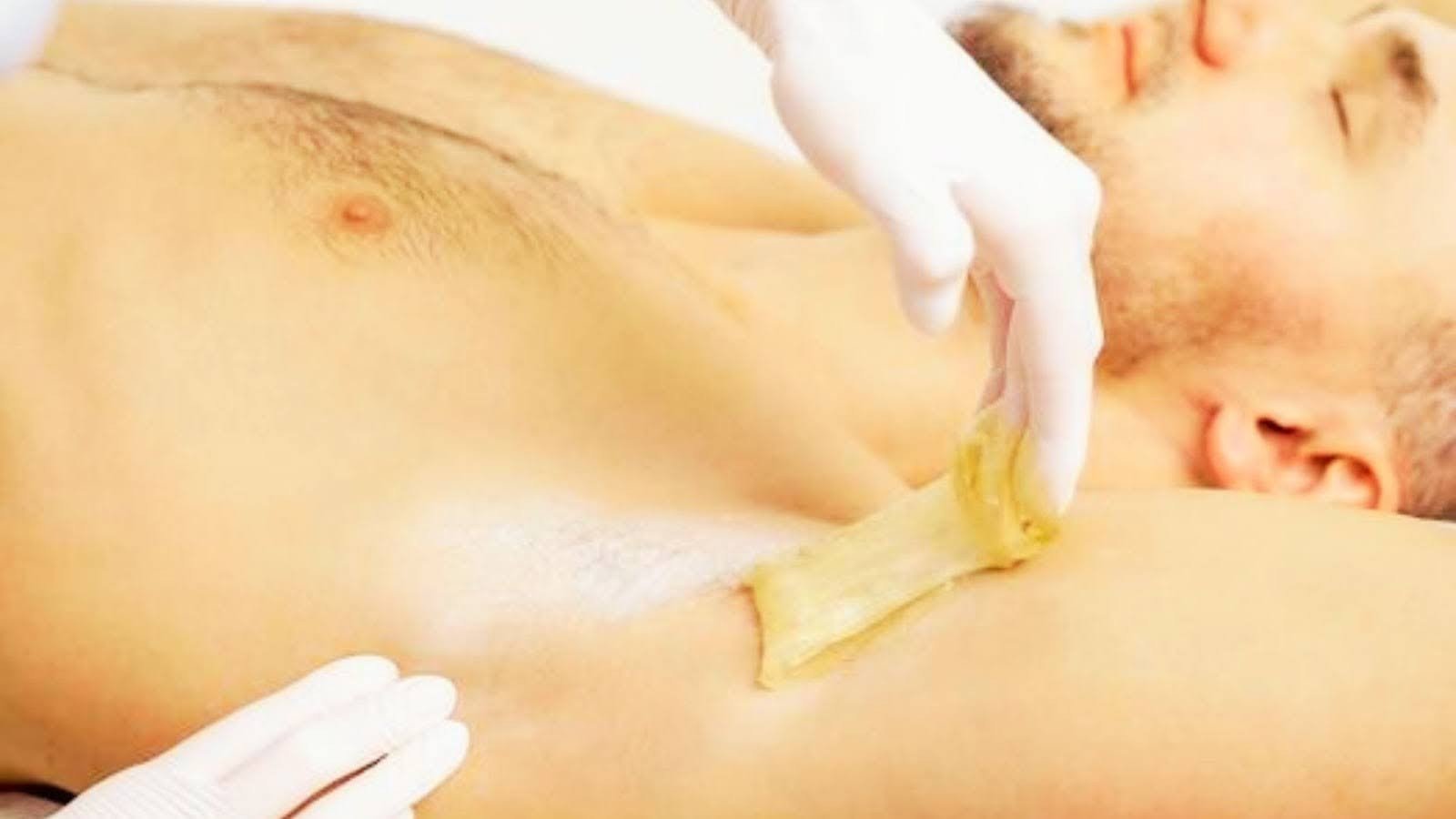
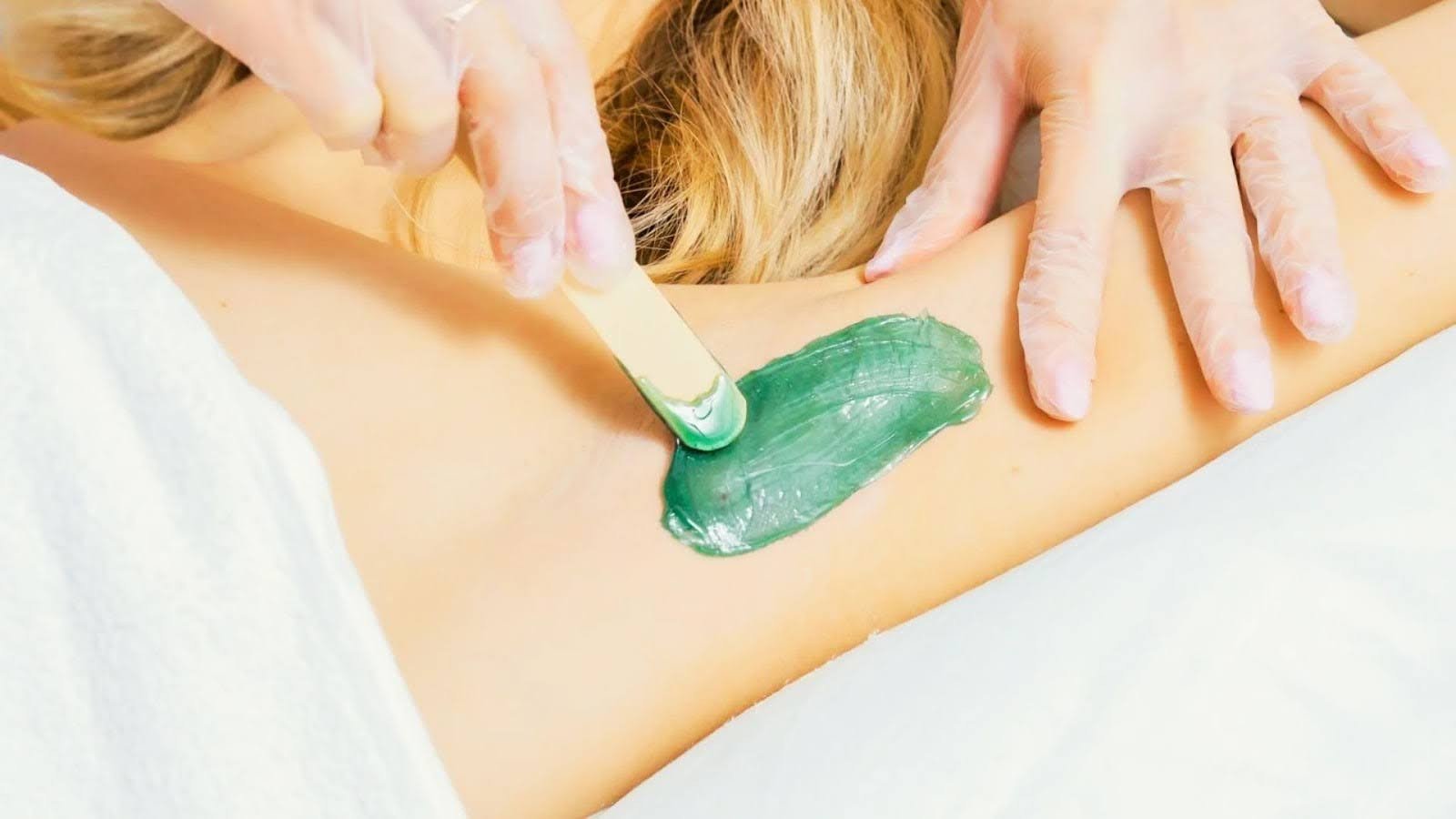
Hard wax works great for sensitive underarm skin. It’s gentler and causes less pain.
Strip wax handles fine or shorter hair well. It’s effective but can be more intense on delicate skin.
The right wax makes your experience much better.
Recommended Armpit Waxing Schedule
Follow these timing guidelines to maintain smooth underarms while keeping your skin happy and healthy.
Beginners
Start with sessions every 3 to 4 weeks. Your hair needs about a quarter inch to grip properly.
Don’t stress if your first few sessions feel awkward.
Regular Waxers
Once you’re in a routine, aim for every 2 to 3 weeks. Your hair grows back finer and softer with each session.
Many people also notice less odor between waxing.
Expert Tips
Never wax the same area twice in one session.
Keep a consistent schedule and mark your calendar after each appointment to stay on track.
Preparing Your Armpits for Waxing
Clean, exfoliated underarms and proper technique help you get the best results with less pain.
Start with clean, dry skin. Wash your underarms with gentle soap and pat them completely dry.
Exfoliate lightly 1 to 2 days before your appointment.
This removes dead skin cells and helps prevent ingrown hairs. Don’t scrub the day of waxing, though.
When you’re ready to wax, pull your skin taut. Work in small sections for better control.
Take your time. Rushing leads to missed spots and more discomfort.
Aftercare Tips for Smooth, Healthy Underarms
The 24 hours after waxing are critical for preventing irritation and keeping your skin soft.
- Apply fragrance-free moisturizer right after waxing to help your skin heal
- Wait 24 hours before using deodorant or antiperspirant to avoid stinging
- Skip tight clothing and choose loose, breathable fabrics instead
- Avoid hot showers and intense workouts for a full day
- Keep it simple and give your underarms gentle care
Signs You May Need to Wax More Frequently
Listen to your body to know when it’s time to adjust your waxing schedule.
Hair showing up before your planned session? That’s your cue to book sooner next time.
Itching and discomfort from regrowth means your schedule needs tweaking.
Don’t ignore these signals.Hormonal shifts can change everything. Pregnancy, menopause, or new medications might speed up hair growth or make it thicker.
Watch for these signs. They help you find your ideal timing.
Conclusion
Finding how often you should wax your armpits really comes down to listening to your body. I’ve found that most people do best with sessions every 2 to 3 weeks.
Your underarms stay smooth, your hair grows back finer, and the whole process gets easier with time.
Start with this schedule and adjust based on what your skin tells you. Remember, consistency matters more than perfection.
What’s your current waxing routine? Drop a comment below and let me know what works for you!
Frequently Asked Questions
How long should armpit hair be before waxing?
Your hair needs to be at least a quarter inch long, roughly the size of a grain of rice. If it’s too short, the wax won’t grab it properly and you’ll miss spots.
Can I wax my armpits every week?
Weekly waxing is too frequent and will irritate your skin badly. Your underarms need at least 2 to 3 weeks between sessions to recover properly and let hair grow to the right length.
Does armpit waxing hurt less over time?
Yes, it definitely gets easier with regular sessions. Your hair grows back finer and your skin builds tolerance. Most people notice a big difference after their third or fourth waxing.
Should I exfoliate before waxing my armpits?
Light exfoliation 1 to 2 days before waxing helps remove dead skin and prevents ingrown hairs. Just avoid scrubbing on the actual day of waxing because it makes your skin too sensitive.
Why do my armpits get bumps after waxing?
Bumps usually happen from irritation, ingrown hairs, or applying products too soon. Use fragrance-free moisturizer, wait 24 hours before deodorant, and exfoliate gently between sessions to prevent them.