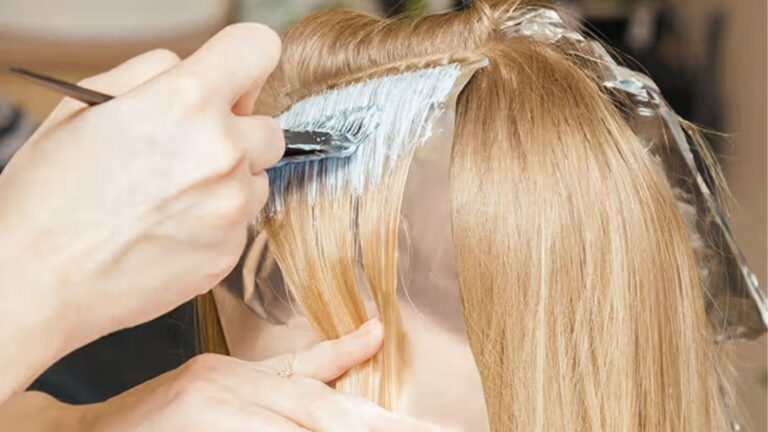
Box Dye vs Salon Hair Color: Choose What Suits You Best


What if the hair color you apply at home could look just as polished as a salon finish without harming your hair?
In this guide, we’ll learn about box dye vs salon so you can understand which option fits your style, schedule, and hair needs.
I’ve spent years helping clients choose the right hair color, and I know how confusing the choices can feel.
From application steps and ingredients to longevity and cost, you’ll get clear insights based on real experience.
By the end, you’ll feel confident in picking a method that protects your hair while giving you the color results you actually want.
What Is Box Dye and How Does It Work?

Box dye is an easy option for coloring hair at home. It is designed to help most users change or refresh their hair color without needing a salon visit.
How Box Dye Is Formulated
Box dye comes as a pre-packaged mixture, usually including the colorant, developer, and sometimes conditioning agents.
The formula works for different hair types, allowing most users to achieve noticeable results. It is created for a safe and simple at-home application without professional guidance.
Step-by-Step Application Process
Applying box dye involves mixing the components as instructed. Next, the mixture is applied evenly through the hair, left to process for the recommended time, and rinsed thoroughly.
Following these steps carefully helps achieve more even and consistent color results.
Common Ingredients in Box Dye
Typical ingredients include ammonia or substitutes to allow color penetration, hydrogen peroxide to lighten natural hair pigment, synthetic pigments for the chosen shade, and basic conditioning agents to reduce dryness and keep hair smooth after coloring.
What Is Salon Hair Color and How Does It Work?
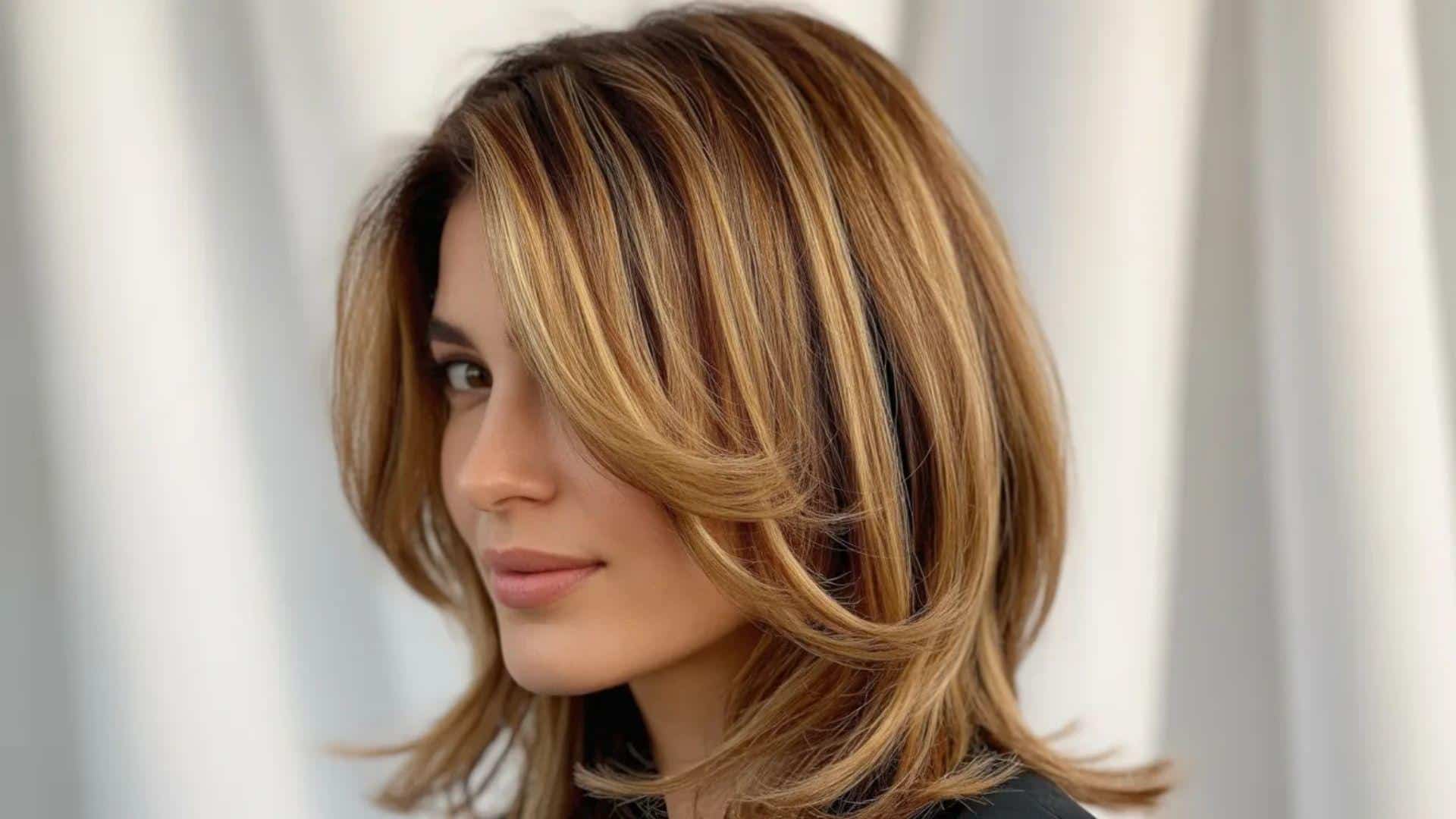
Salon hair color is applied by professionals for precise, customizable results with consistent outcomes.
How Salon Color Is Prepared
Before applying salon color, a hair assessment is done to check texture, condition, and previous treatments. The colorist then custom-mixes the shade and developer to suit the client’s hair.
This preparation ensures the chosen color matches expectations and minimizes the risk of damage.
Professional Application Process
Salon coloring is applied in sections with controlled placement to ensure even coverage. Professionals adjust timing based on hair condition and desired results.
This careful method reduces patchiness and ensures the color develops uniformly across all areas of the hair.
Ingredients Used in Salon Color
Salon formulas often include adjustable developer strengths, conditioning agents, and bond-supporting components.
They also use higher-quality pigments to achieve accurate shades. These ingredients work together to provide long-lasting color while maintaining hair health and reducing potential damage.
Box Dye vs. Salon Dye: Key Differences
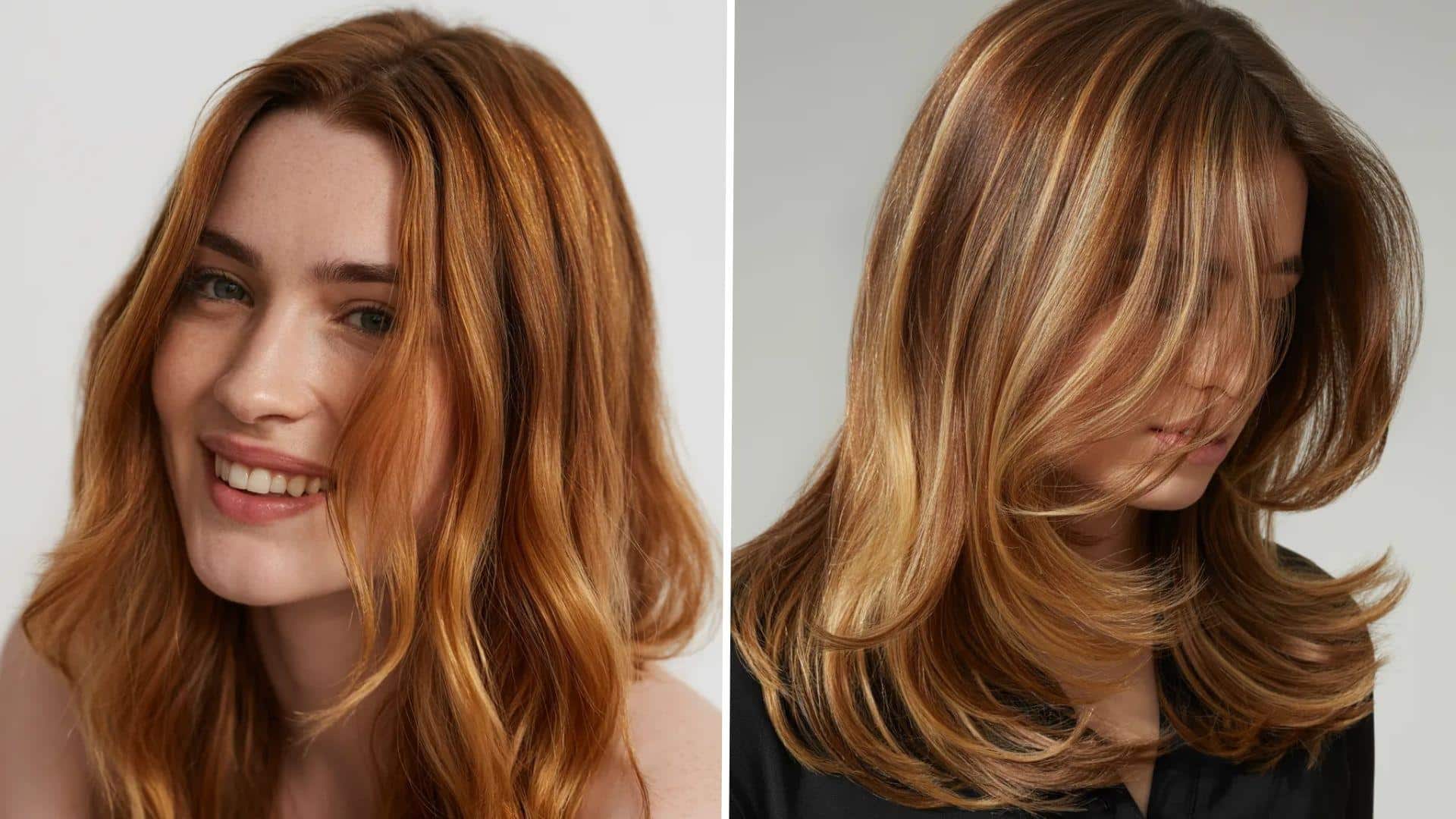
Knowing the differences between box dye and salon color helps you pick the best option. Application, results, hair health, and cost vary, making some choices more suitable than others.
1. Application Method
Box dye is applied at home with a simple one-size-fits-all process. It does not require professional training, making it convenient, but results can be uneven if instructions are not followed carefully.
Salon hair color is applied in sections with controlled placement. Professionals adjust timing and technique to ensure consistent coverage, reduce mistakes, and achieve a polished, uniform look across the hair.
2. Color Results
Box dye results are less predictable and may vary depending on your natural hair color and condition. It can sometimes produce uneven tones or unexpected shades if the hair has previous coloring.
Salon hair color provides more accurate results. Professionals tailor the shade, tone, and formula to your hair, ensuring the intended color is achieved evenly with minimal surprises.
3. Customization Level
Box dye has limited shade options and flexibility. You can only use the shades available in the package, which may not perfectly match your desired color or suit complex color goals.
Salon color allows full customization of tones and techniques. Professionals can mix shades, adjust developers, and create highlights, lowlights, or other effects to match exactly what you want.
4. Hair Health Impact
Box dye carries a higher risk of over-processing. Chemicals may damage hair if left on too long or applied incorrectly, particularly on previously treated or fragile strands.
Salon techniques focus on minimizing damage. Professionals control developer strength, application time, and use conditioning treatments to maintain hair health while achieving the desired color.
5. Longevity and Fade Pattern
Box dye fades more quickly and unevenly. Repeated washing can cause tone shifts, and roots may show faster, requiring frequent touch-ups to maintain the color.
Salon color lasts longer and fades gradually. The professional application and higher-quality pigments help preserve tone, and regular maintenance keeps hair looking consistent over time.
6. Cost and Time Commitment
Box dye is relatively inexpensive and quick. At-home application takes less time, but mistakes or uneven results may require additional products or corrections later.
Salon coloring involves higher upfront costs and longer appointments. The investment provides professional results and reduces the need for frequent corrections, saving time and potential frustration in the long term.
Quick Comparison Table: Box Dye vs. Salon Hair Color
Quickly see how box dye and salon hair color differ across key factors to help you choose the right option for your hair.
| Factor | Box Dye | Salon Hair Color |
|---|---|---|
| Cost | Affordable, lower upfront cost | Higher upfront cost, professional service |
| Application Process | At-home, one-size-fits-all | Professional, sectioned, controlled |
| Customization Level | Limited shades, basic options | Fully customizable tones and techniques |
| Hair Condition Impact | Higher risk of damage if misused | Techniques minimize hair damage |
| Longevity of Color | Fades faster, may require frequent touch-ups | Lasts longer, gradual fading |
| Maintenance Requirements | Frequent reapplication needed | Less frequent maintenance needed |
| Ingredient Strength | Stronger chemicals to ensure coverage | Controlled formula based on hair needs |
| Risk of Uneven Color | Higher, especially on previously colored hair | Low, professional application ensures even results |
Box dye is best for quick, budget-friendly color, while salon hair color offers professional results, longer-lasting tones, and reduced risk of damage.
When to Choose Box Dye or Salon Hair Color
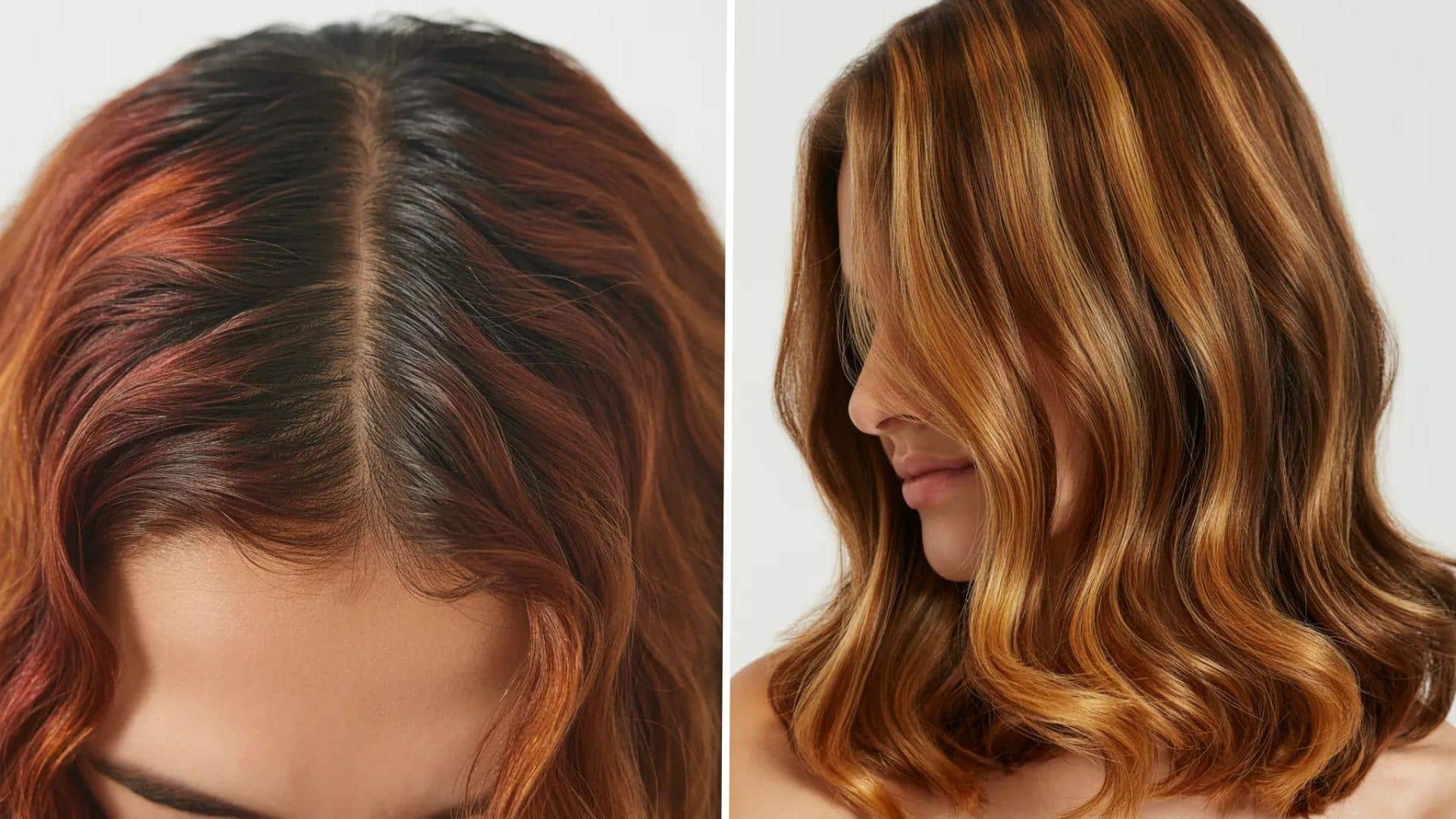
Choosing between box dye and salon color depends on your goals, budget, and desired results. This section shows when each option works best.
When to Choose Box Dye
Box dye is ideal for simple, at-home color updates and touch-ups.
Minor shade refresh or going slightly darker: Box dye works well for small color adjustments without a salon visit.
Budget-focused or quick color needs: It is a cost-effective and convenient solution for at-home coloring when time or money is limited.
Covering early grey growth at home: Box dye can cover emerging grey strands efficiently without professional help.
Maintaining an already similar shade: It is ideal for touch-ups or keeping your current hair color consistent between salon visits.
When to Choose Salon Hair Color
Salon coloring is best for professional, precise, and more complex hair changes.
Major shade changes, such as lightening: Salon professionals can safely lighten hair while minimizing damage.
Balayage, highlights, or blended color work: Complex techniques are best done in a salon for even and precise results.
Correcting uneven or damaged color: Professionals can fix previous color mistakes or inconsistencies effectively.
Coloring fragile, chemically treated, or textured hair: Salon color uses controlled formulas and methods to protect delicate or treated hair.
Overall, choosing the right option depends on your goals, hair condition, and how much control or convenience you want.
Expert Tips for Choosing the Right Hair Coloring Method
Consider these tips to help you select the most suitable hair coloring approach for your needs.
- Assess your current hair condition before deciding on a coloring method.
- Consider any past chemical treatments, as they can affect results.
- Think about long-term maintenance, including touch-ups and care routines.
- Perform patch and strand tests to check for allergies and see how the color develops.
Following these tips can make your hair coloring process safer and more likely to give the results you want.
Common Mistakes to Avoid with Hair Coloring
Avoiding common mistakes can help you get the best hair coloring results without damage or uneven tones.
| Common Mistake | How to Avoid It |
|---|---|
| Skipping strand tests | Always test a small section of hair before full application to check color and reaction. |
| Choosing the wrong shade | Compare swatches and consider your natural hair tone before selecting a color. |
| Overlapping color | Apply new color carefully, section hair properly, and avoid reapplying on already colored areas. |
| Ignoring hair condition | Assess hair health first and use treatments if needed to prevent damage or breakage. |
Being mindful of these mistakes can make your hair coloring experience safer and give you more consistent, professional-looking results.
Final Thoughts
Choosing between box dye vs salon depends on your hair type, goals, and how much control you want over the outcome.
Box dye is convenient for simple touch-ups at home, while salon coloring provides precision, longer-lasting results, and professional care for more complex needs.
Knowing the differences helps protect your hair and achieve the look you want. Make a choice that suits your lifestyle and keeps your hair healthy.
Take the first step today and pick the method that works best for you.
See the results and feel confident!
Frequently Asked Questions
Can I Mix Two Box Dye Shades At Home?
It is not recommended. Mixing shades at home can lead to unpredictable results and uneven color.
How Long Should I Wait Between Coloring Sessions?
Wait at least 4–6 weeks before recoloring to prevent damage and allow hair to recover.
Does Box Dye Work on Chemically Treated Hair?
Box dye may give uneven results on chemically treated hair. Professional consultation is safer for consistent color.
Can I Use Box Dye Over Salon Color?
Yes, but results can vary. It may alter tone or cause uneven coverage, especially on previously lightened hair.
How Can I Reduce Hair Damage After Coloring?
Use gentle shampoos, deep conditioners, and avoid excessive heat styling to maintain hair health post-color.