Is It Bad to Leave Conditioner in Your Hair?


I’ve been there. You’re rushing through your shower routine, and suddenly you’re not sure if you rinsed out your conditioner completely.
Or maybe you’ve deliberately left it in, thinking extra conditioning time equals healthier hair. I get it. We all want soft, manageable hair.
But here’s what you need to know: leaving conditioner in your hair can be problematic, depending on what type you’re using.
Regular rinse-out conditioner? That’s a no-go. Leave-in conditioner? That’s exactly what it’s made for.
The difference matters more than you think. Using the wrong product the wrong way can lead to buildup, greasiness, and even scalp issues.
I’ll walk you through everything you need to know about conditioner types, what happens when you leave them in, and how to fix any mistakes.
Is It Bad to Leave Conditioner in Your Hair?

Let me give you the straightforward answer you’re looking for.
The Short Answer
Yes, it’s bad to leave regular conditioner in your hair.
These products are formulated to be rinsed out after a few minutes. Leave-in conditioners, however, are specifically designed to stay in your hair all day.
The type of conditioner determines everything. Regular conditioners have heavier concentrations of coating ingredients that create buildup when left on your scalp and strands.
Leave-in formulas use lighter ingredients that won’t weigh down your hair or clog your follicles. They’re meant to provide ongoing benefits without causing damage.
Think of it like this: using regular conditioner as a leave-in is like using body lotion on your face. Wrong product, wrong purpose, wrong results.
Understanding the Difference
Here’s what sets these two conditioner types apart.
|
Regular Conditioner |
Leave-In Conditioner |
|
Must rinse after 1-5 minutes |
Stays in hair all day |
|
Heavy ingredient concentration |
Lightweight formula |
|
Coats hair shaft thickly |
Thin, breathable coating |
|
Can clog follicles if not rinsed |
Won’t cause buildup |
|
Designed for temporary contact |
Made for extended wear |
Regular conditioners pack concentrated ingredients like silicones and heavy oils. These create a protective barrier during your shower, but they need to be washed away.
Leave-in products use diluted versions of these ingredients, plus humectants that attract moisture without the heavy feel.
What Happens When You Leave Regular Conditioner in Your Hair
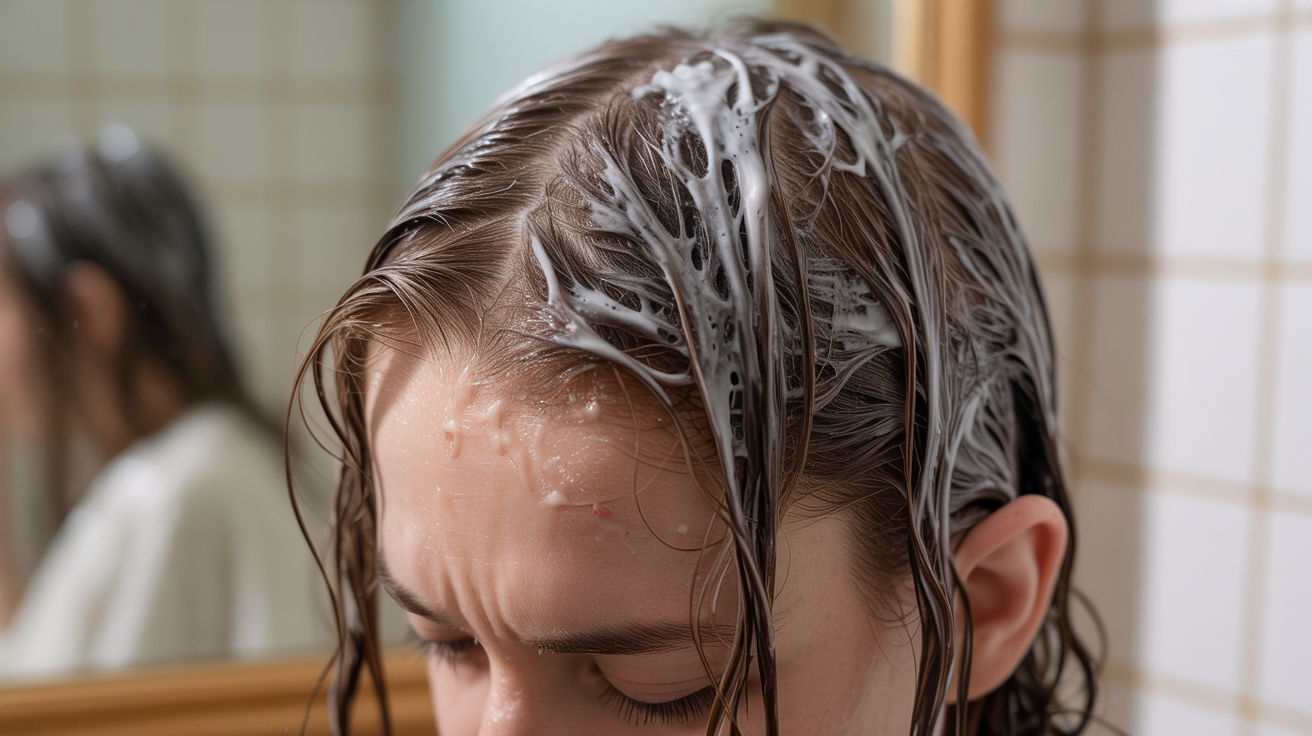
Trust me, the consequences go beyond just greasy-looking hair.
Product Buildup on Your Scalp
The heavy ingredients in regular conditioners don’t just disappear. They accumulate on your scalp over time, creating a sticky film that’s hard to remove.
This buildup blocks your hair follicles. When follicles can’t breathe properly, your scalp health suffers. You might notice slower hair growth or increased shedding.
Your hair feels stiff and almost crunchy to the touch. The texture changes completely because layers of product keep piling up with each wash.
I’ve seen people struggle with this for weeks before realizing their conditioner routine was the problem. The buildup doesn’t happen overnight, but it sneaks up on you.
Greasy and Weighed-Down Hair
That slick, oily appearance? It’s not from your natural oils. Regular conditioner left in your hair creates an artificial coating that makes everything look greasy.
Your hair loses all its volume and body. It hangs flat against your head, no matter how you style it.
Here’s the worst part: that coating attracts dirt and pollution like a magnet. Your hair gets dirty faster, so you wash it more often, which creates a frustrating cycle.
Styling becomes nearly impossible. Your hair won’t hold curls, and it slips out of updos because it’s too slippery and heavy.
Scalp Irritation and Reactions
Your scalp isn’t meant to have constant contact with concentrated conditioning ingredients. Prolonged exposure leads to sensitivity and reactions.
You might experience itchiness that won’t go away. Redness and inflammation can develop, especially if you have sensitive skin to begin with.
The discomfort gets worse over time. Some people develop small bumps or acne-like breakouts along their hairline and scalp.
Your scalp’s natural pH balance gets disrupted. This throws off the healthy bacteria and oils your skin needs to function properly.
Weakened Strands and Breakage
This one surprises people. Too much conditioner actually weakens your hair instead of strengthening it.
The excess product creates a barrier that prevents moisture from penetrating your hair shaft. Your strands become brittle and dry underneath all that coating.
Split ends multiply faster than usual. The tips of your hair fray and break off because they’re not getting proper nourishment.
You’ll notice more hair in your brush and shower drain. The weakened strands snap easily during styling and regular handling.
How Leave-In Conditioners Work Differently
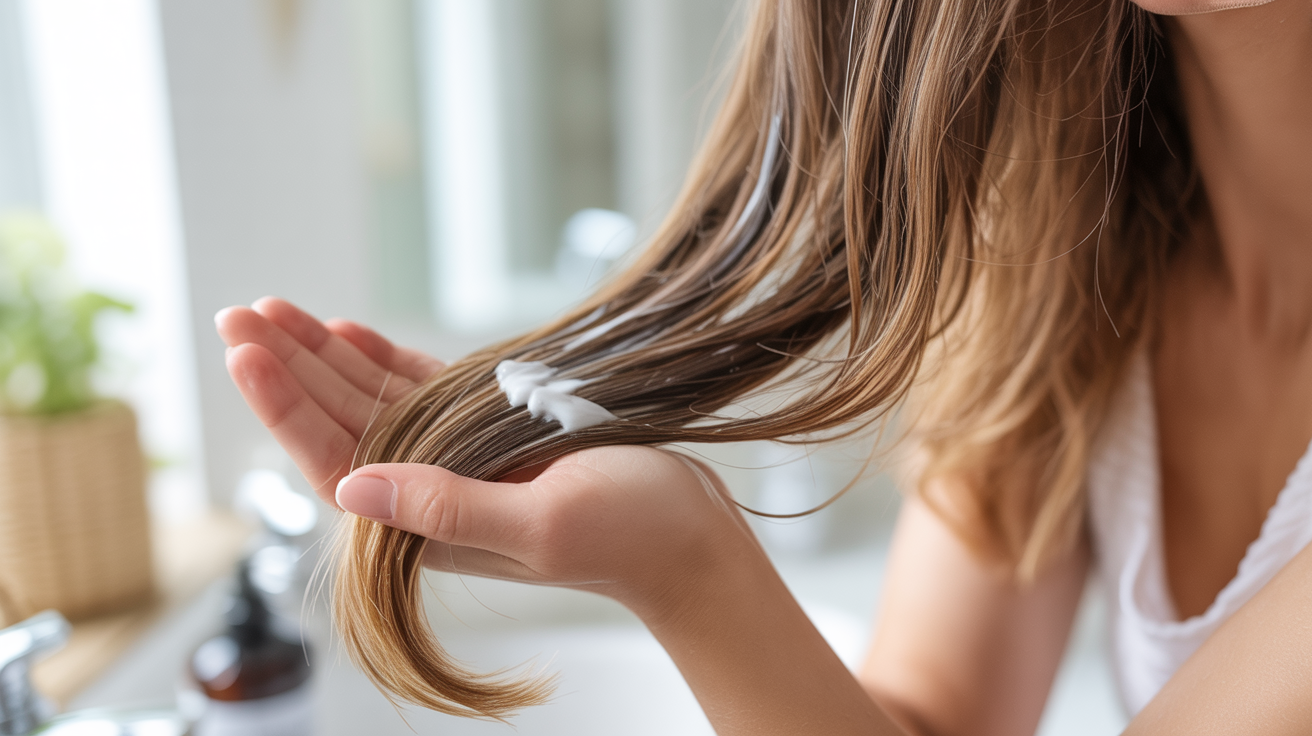
Leave-in products play by completely different rules.
These conditioners use lightweight formulations specifically designed for all-day wear. The ingredient concentrations are much lower than rinse-out products.
They provide continuous hydration throughout the day. Your hair stays soft and manageable without any heavy residue or greasiness.
Leave-in conditioners offer heat protection when you style your hair. They also make detangling easier and reduce frizz in humid weather.
Not everyone needs a leave-in conditioner, though. If you have fine or oily hair, you might find even leave-in products too heavy.
People with thick, curly, or dry hair usually benefit most from these formulas. You can even use them overnight without worrying about damage or buildup.
What to Do If You Accidentally Left Regular Conditioner In
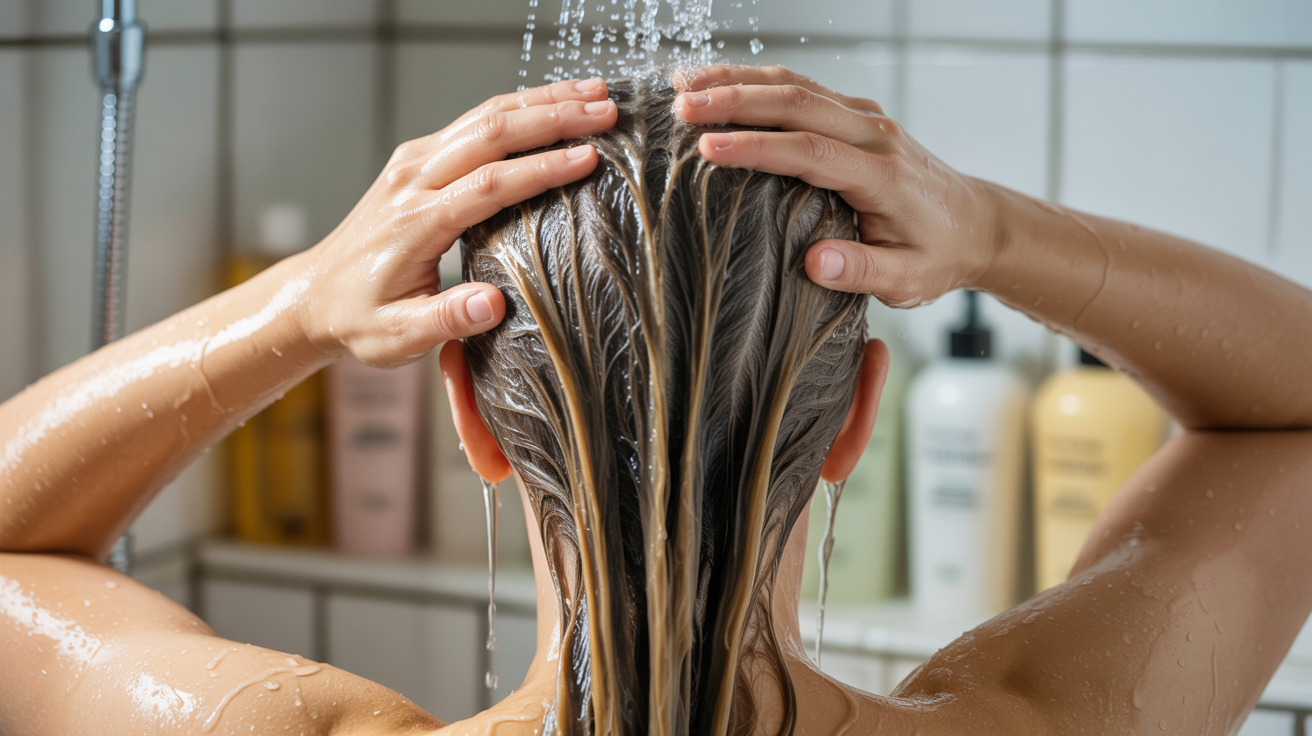
Don’t panic. You can fix this situation quickly.
Immediate Steps
The sooner you act, the easier the conditioner comes out.
- Rinse your hair thoroughly with lukewarm water as soon as you realize the mistake.
- Use a gentle shampoo to remove any lingering product. You don’t need to scrub hard or use harsh clarifying shampoos right away.
- Focus your rinsing efforts on your scalp area. That’s where buildup causes the most problems, so make sure you get all the product out from your roots.
- Pat your hair dry and check the texture. If it still feels coated or sticky, rinse again with water and a small amount of shampoo.
Preventing Future Mix-Ups
Label your bottles clearly if you keep both types of conditioner in your shower. I use waterproof labels or colored tape to tell them apart instantly.
Store your leave-in conditioner in a different spot from your rinse-out products. This physical separation helps prevent grabbing the wrong bottle when you’re half-awake.
Read product labels before buying new hair care items. Make sure you know whether something needs rinsing or not.
Get familiar with how each product feels and looks. Leave-in conditioners are usually thinner and spread more easily than regular conditioners.
How to Apply Conditioner the Right Way
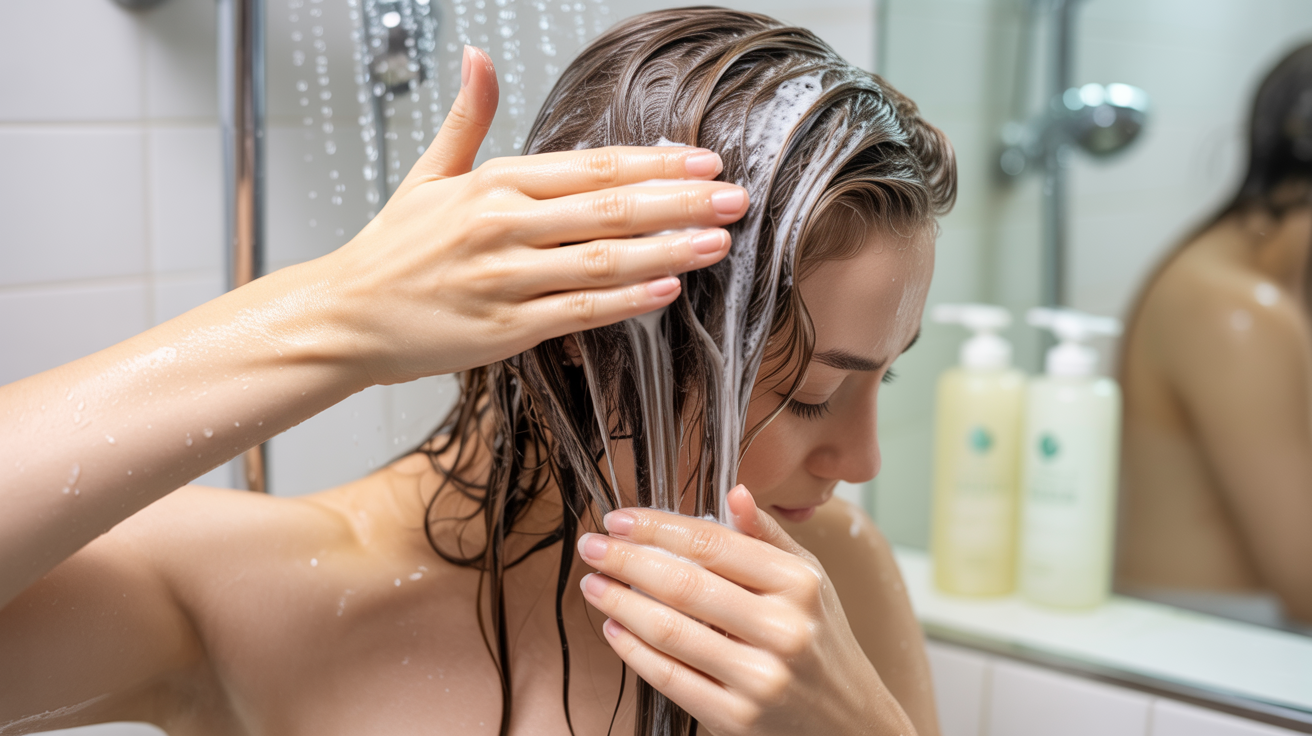
Proper application makes all the difference in your results.
Proper Technique for Regular Conditioner
Apply conditioner only after you’ve shampooed and rinsed your hair completely. Squeeze out excess water first so the conditioner can penetrate better.
Focus on your mid-lengths and ends. These areas need conditioning most because they’re older and more damaged than your roots.
Keep the product away from your scalp. Your scalp produces natural oils, so it doesn’t need the extra conditioning that your ends do.
Leave it on for 1-2 minutes maximum. You don’t need longer contact time for regular conditioner to work. Then rinse thoroughly with lukewarm water until your hair feels clean and smooth, not slippery.
Correct Application for Leave-In Products
Start with damp, towel-dried hair for best absorption. Your hair shouldn’t be dripping wet or completely dry.
Use a small amount focusing on your ends. A little goes a long way with leave-in products, so start with a dime-sized portion.
You don’t rinse leave-in conditioner out at all. That’s the whole point of this product type.
Distribute it evenly through your hair using a wide-tooth comb. This prevents concentration in one area and ensures every strand gets some product.
Conclusion
So, is it bad to leave conditioner in your hair? It depends entirely on which type you’re using.
Regular conditioner needs to be rinsed out after a minute or two, or you’ll deal with buildup, greasiness, and potential scalp problems.
Leave-in conditioner is formulated to stay put and actually benefits your hair throughout the day.
Always check your product labels and use each conditioner as intended. Your hair will thank you with better texture, healthier growth, and easier styling.
Take a minute to review your current routine and make sure you’re using the right products the right way.
Frequently Asked Questions
Can Deep Conditioner Be Left in Hair Overnight?
Deep conditioners can be left overnight occasionally for intensive treatment. Most work best with 20-30 minutes of contact time. Use overnight application only for extremely dry or damaged hair, and always cover with a shower cap to protect your pillowcase.
How Long Should You Wait Before Rinsing Out Conditioner?
Regular conditioner needs 1-2 minutes maximum before rinsing. Deep conditioning treatments require 15-30 minutes depending on the product. If your hair feels sticky or coated after rinsing, you’ve likely left it on too long or didn’t rinse thoroughly enough.
Will Leaving Conditioner in Help With Dry Hair?
Leaving regular conditioner in won’t fix dryness and actually makes it worse by blocking moisture. For dry hair, use a proper leave-in conditioner or hair oil instead. Regular conditioning followed by thorough rinsing provides better hydration than extended contact time with rinse-out products.
Can You Sleep With Conditioner in Your Hair?
Only sleep with products specifically labeled as leave-in or overnight treatments. Regular conditioner will create buildup and mess up your pillowcase. If using overnight conditioning treatments, wear a shower cap or wrap your hair in a silk scarf for protection.
Does Leaving Conditioner in Cause Hair Loss?
Heavy buildup from regular conditioner can contribute to increased shedding by clogging follicles. This isn’t permanent hair loss, but blocked follicles can slow growth and weaken new strands. Remove buildup with clarifying shampoo and resume proper conditioning techniques to restore normal growth.