Does Waxing Reduce Hair Growth? Expert Insights


Does waxing reduce hair growth? I’ve wondered this myself after years of dealing with unwanted hair. The answer isn’t simple, but it’s worth understanding.
This article breaks down the science behind hair growth and what really happens when you wax.
My goal is to give you clear, honest information backed by research. By the end, you’ll know if waxing is right for your hair removal goals.
Let’s get started!
How Waxing Works

Waxing pulls hair out from the root. This sets it apart from shaving, which only cuts hair at the surface.
When you shave, hair grows back quickly because the follicle stays intact. Waxing removes the entire hair shaft, giving you smoother skin for weeks instead of days.
Waxing keeps skin smooth for three to six weeks. Hard wax works well on sensitive areas like the face and bikini line, while soft wax covers larger areas like legs and arms.
The Science Behind Hair Growth
Your hair follows a natural growth cycle. This cycle helps explain why waxing affects hair differently at different times. Hair grows in four phases.
Anagen is the growth phase where waxing works best. Catagen is the regression phase where the follicle shrinks. Telogen is the rest phase where waxing is less effective.
Exogen is the shedding phase where old hairs fall out and new hairs start growing. Genetics play the biggest role in hair growth.
Hormones, age, diet, and overall health also influence growth. Hair type varies by body area.
Expert Insights on Waxing and Hair Growth
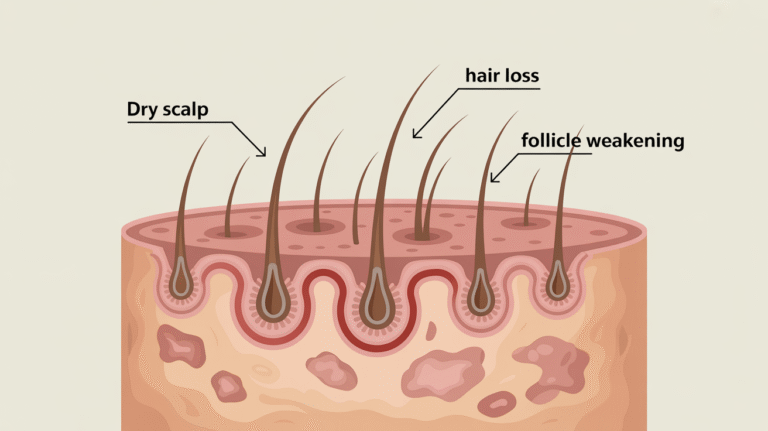
Yes, waxing can slow hair growth over time. But the effects aren’t the same for everyone. Repeated waxing weakens hair follicles gradually.
When you pull hair from the root again and again, the follicle experiences trauma that slows growth. Consistent waxing changes hair texture.
Hair often becomes softer and thinner after months of regular waxing, with less dense regrowth.
Waxing won’t permanently stop hair growth. Results depend on your body, hormones, genetics, and health conditions.
Additional Benefits of Waxing
Waxing does more than remove hair. It offers several skin benefits too.
When wax pulls off your skin, it takes dead skin cells with it. This natural exfoliation leaves skin feeling smoother and looking brighter.
You’ll deal with fewer ingrown hairs compared to shaving. Shaving cuts hair at an angle, making it easier for hair to curl back into skin.
Waxing removes the entire hair, reducing this problem. Smooth skin lasts three to six weeks. That’s much longer than shaving, which needs touch ups every few days.
Your skin may look healthier over time. Removing hair from the follicle can stimulate blood flow to the area. This promotes better skin cell turnover.
Other Hair Reduction Methods
Several alternatives exist if waxing isn’t right for you. Each method has pros and cons.
Laser Hair Removal

Laser treatment targets hair follicles with concentrated light. Studies show it provides long-term reduction. You need multiple sessions, usually six to eight.
Results last months or even years. The cost is higher than waxing. But you save time and money long term.
Electrolysis

This method destroys follicles with electrical current. It’s the only FDA-approved permanent hair removal option.
Treatment takes longer per session. You need many appointments for full results. It works on all skin tones and hair colors. Pain levels vary by person.
Sugaring and Creams

Sugaring uses a natural paste to remove hair. It’s similar to waxing but may be gentler on skin. Results are temporary, like waxing. The impact on follicles is less consistent.
Depilatory creams dissolve hair at the surface. They’re quick but need frequent reapplication. They don’t affect the follicle at all.
Tips for Optimal Results
Getting the best results from waxing takes strategy. Follow these tips for maximum benefit.
- Schedule waxing during the growth phase with hair at least a quarter inch long for wax to grip properly
- Stick to a consistent schedule with regular waxing every four to six weeks to help weaken follicles gradually
- Gently exfoliate two to three times per week and moisturize daily to prevent ingrown hairs and keep skin healthy
- Avoid sun exposure for 24 hours after waxing as your skin is more vulnerable to burns
- Consider seeing a professional for sensitive areas as they have proper training to reduce pain and improve results
Conclusion
Does waxing reduce hair growth? Yes, it can. I’ve seen it work in my own experience. Regular waxing over months led to noticeably finer, slower-growing hair.
Your results will depend on your body. Some people see dramatic changes within months. Others notice subtle improvements. The key is consistency and patience.
Ready to try it? Start with a professional wax and see how your hair responds. Share your waxing experiences in the comments below.
Frequently Asked Questions
How long does waxing slow hair growth?
With regular waxing every four to six weeks, you may notice slower growth after three to six months. Hair becomes finer and sparser over time. Results vary based on genetics and hormones.
Is waxing better than shaving for reducing hair growth?
Yes, waxing is more effective than shaving. It removes hair from the root, which weakens follicles over time. Shaving only cuts hair at the surface and doesn’t affect growth patterns.
Can waxing permanently stop hair from growing?
No, waxing cannot permanently stop hair growth. It can weaken follicles and slow regrowth, but hair will continue to grow back. For permanent removal, consider electrolysis or long-term laser treatments.
How often should I wax to see reduced hair growth?
Wax every four to six weeks for best results. Consistent sessions over several months help weaken follicles gradually. Skipping appointments allows follicles to recover and strengthen again.
Does the type of wax affect hair growth reduction?
The type of wax doesn’t significantly affect long-term growth reduction. Both hard and soft wax remove hair from the root. Proper technique and consistency matter more than wax type for reducing hair growth.