
Primer or Sunscreen First? The Right Order Explained


Primer or Sunscreen First? The Right Order Explained
Standing at the mirror with primer in one hand and sunscreen in the other can feel surprisingly confusing.
Many people pause here, unsure which step comes first and worried about making a mistake. This question is common because both products feel equally important in a daily routine.
The order matters more than most realize. Using products in the wrong sequence can affect how makeup sits and how well skin stays guarded from sun exposure. That can lead to fading makeup or reduced protection during long days outdoors.
This guide breaks the process down clearly and simply. You will learn which product goes first, how long to wait between layers, and how to help both work well together.
Once the logic clicks, your routine feels easier, your skin stays safer, and makeup looks smoother throughout the day.
The Golden Rule: Sunscreen Always Comes Before Primer

Let me clear this up once and for all: sunscreen always comes before primer. No exceptions, no debates.
Here’s the correct order for your morning routine:
- Cleanser: Wash your face
- Toner: Optional step
- Serum: Target specific concerns
- Moisturizer: Hydrate your skin
- Sunscreen: Protect from UV rays
- Primer: Smooth skin for makeup
- Foundation: Start your makeup
Think of it this way: sunscreen is skincare, primer is makeup. Skincare goes on your skin first. Makeup goes on top. That’s the whole rule.
Why Sunscreen Must Come First?

Sunscreen needs to sit directly on your skin to work. It’s the final step in your skincare routine before makeup begins.
Sunscreen’s job is to protect your skin from sun damage, sunburns, premature aging, and skin cancer. It creates a shield against UV rays. Chemical sunscreens absorb the rays, while mineral sunscreens reflect them.
Primer’s job is completely different. It bridges the gap between skincare and makeup. It smooths your skin texture and makes pores less noticeable. Primer helps makeup last longer and grip better, but it doesn’t protect you from the sun.
The Simple Memory Device
Think of the letters SPF: S for Skincare, F for Foundation. Sun protection always goes between your skincare and foundation.
Sunscreen is not makeup. It’s skin protection. Primer is the first step of your makeup routine, not skincare. Get this order wrong, and you’re compromising your sun protection.
Timing Between Sunscreen and Primer
Don’t rush from one product to the next. Your skin needs time to absorb each layer.
How Long to Wait After Sunscreen?
Wait 3 to 5 minutes for sunscreen to absorb before applying primer. This gives SPF time to sink into your skin properly. It prevents you from rubbing off the sunscreen when you apply primer.
The protective shield needs time to set in. Wait at least 15 minutes before going outside for sunscreen to start working. Patience here protects your skin.
What to Do While Waiting?
Brush your eyebrows during the wait time. Do another task, like applying eye cream. Apply makeup to different areas.
This ensures the ingredients in primer don’t dampen your SPF effectiveness. It also prevents pilling and product separation. Use the time wisely instead of standing around.
Common Mistakes and How to Avoid Them
Most people mess up the order or the timing. Here’s what to watch out for.
- Applying primer before sunscreen: Primer blocks SPF from reaching your skin and weakens protection. Sunscreen must sit directly on skin after skincare.
- Skipping the wait time: Applying primer too soon rubs off sunscreen and causes pilling. Always wait 3 to 5 minutes before layering.
- Using incompatible formulas: Heavy or mismatched textures pill and separate on the skin. Choose primers and sunscreens that layer well together.
- Relying only on SPF in makeup: Foundation SPF alone is not enough for real protection. Dedicated sunscreen is important every day.
- Uneven application risks: Poor layering leads to patchy coverage and exposed areas. Proper order and patience ensure effective sun protection.
Choosing Compatible Products That Layer Well
The right products make layering easy. The wrong ones create a pilling nightmare.
Matching Sunscreen and Primer Formulas

Consider your desired finish when picking products. For a matte look, match a velvety primer with a mattifying sunscreen. For a glowy look, choose products with radiant finishes.
Match similar textures and consistencies. Two lotion layer better than a lotion and a gel. Two gels work well together. Similar formulas create a more flawless application.
Opting for Lightweight Products
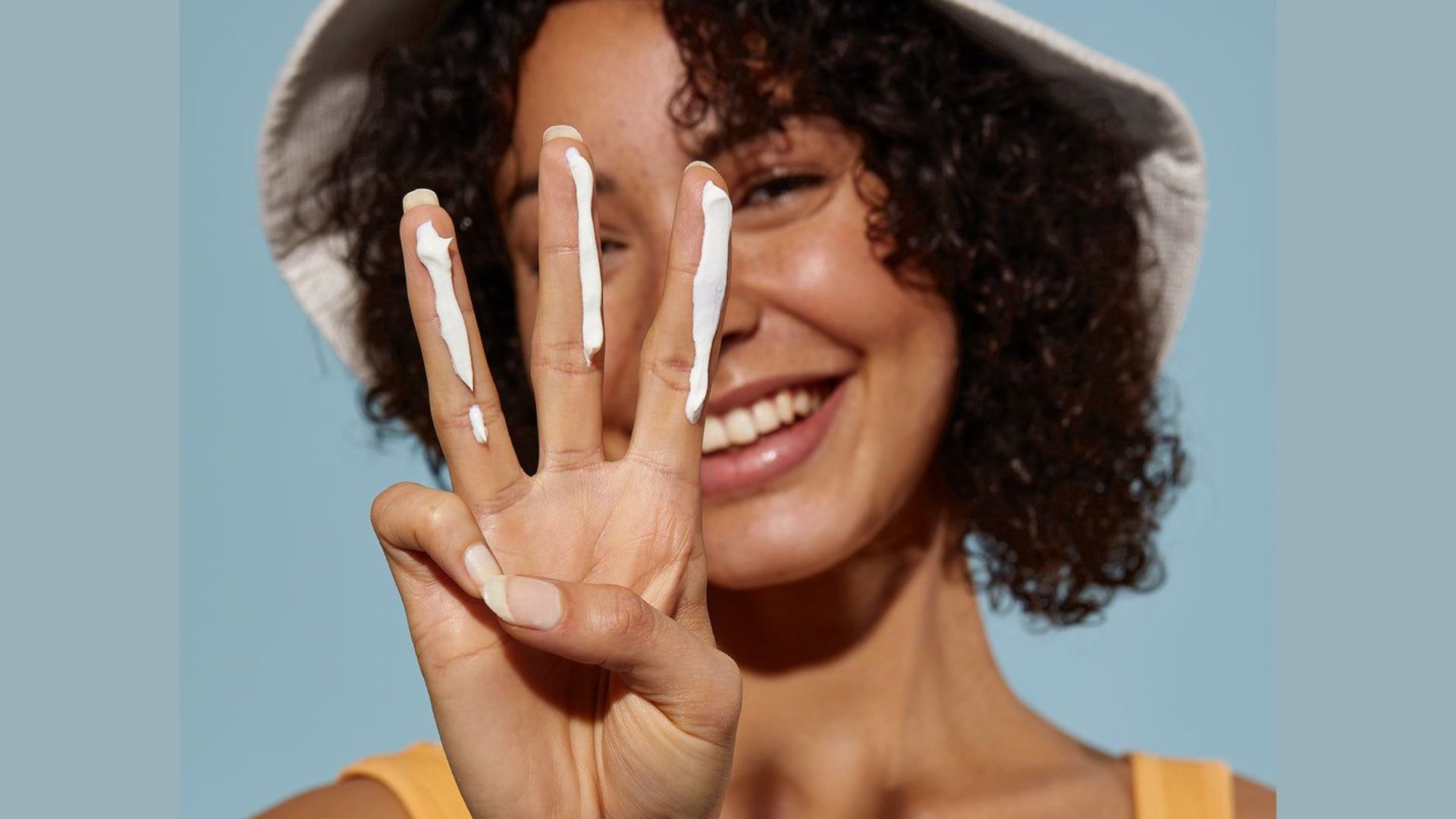
Heavy formulas are prone to pilling when layered. Look for lightweight sunscreens that feel weightless. Choose primers that blend seamlessly.
Gel formulas typically layer better than thick creams. This reduces your risk of product separation. Lighter is better when you’re stacking products.
Sunscreens That Work Well Under Primer
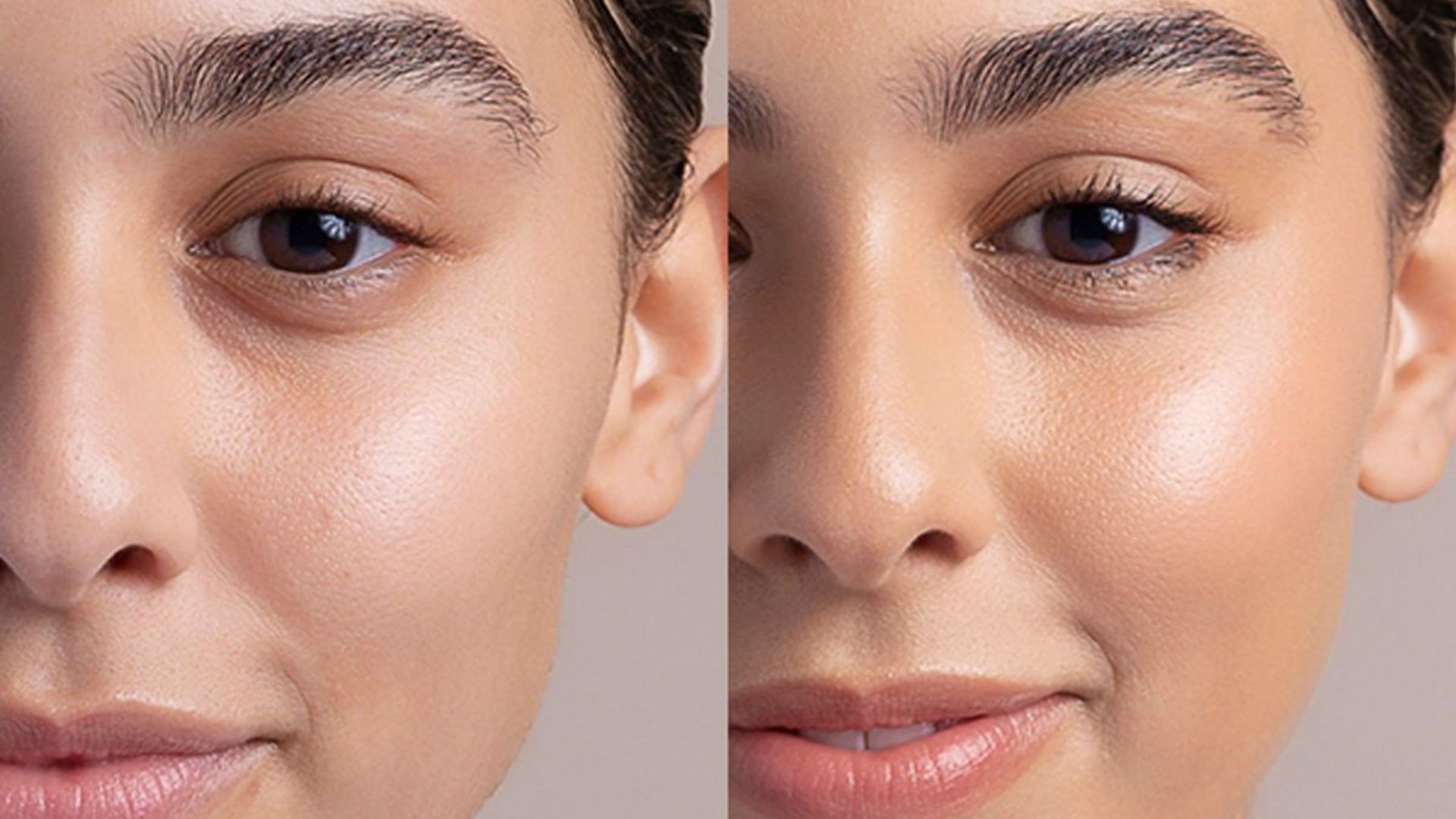
Look for lightweight, non-greasy formulas that prevent pilling. They allow makeup to sit smoothly on top. Serum-like textures absorb quickly.
Choose mattifying or radiant finishes depending on your preference. Broad-spectrum SPF 30 or higher is the minimum. Your sunscreen should feel invisible once absorbed.
Primers That Work Well Over Sunscreen
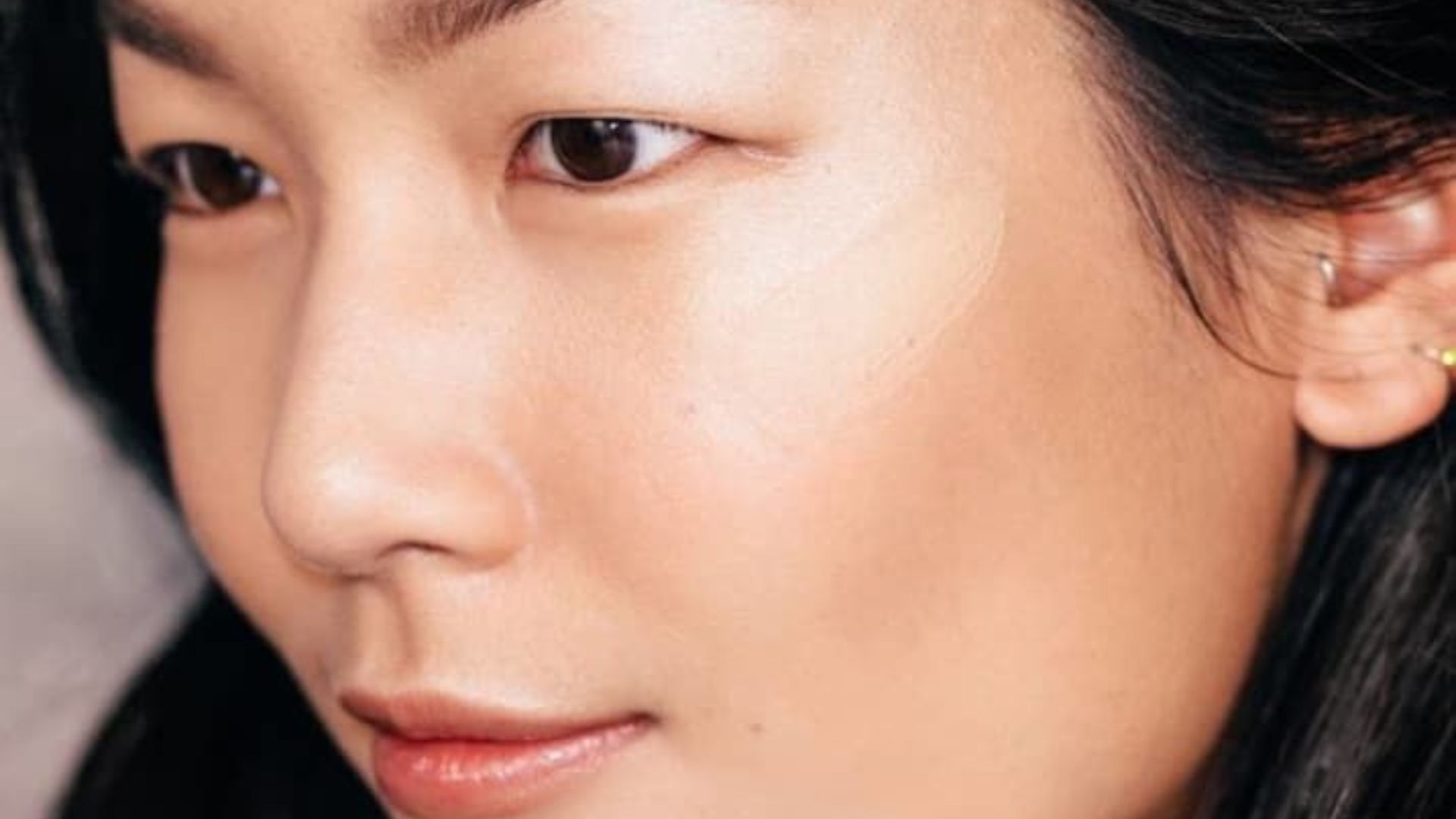
Pick blendable formulas that don’t disturb the SPF underneath. Lightweight textures layer seamlessly. Choose between silicone-based and water-based sunscreens, depending on your preference.
Look for pore-filling properties without being heavy. Your primer should extend the wear of your makeup without compromising its protection. The best primers work with your sunscreen, not against it.
Multitasking Products: Sunscreen Primer Combos
What if you could combine both steps? SPF primers do exactly that.
What Are SPF Primers?
These products combine sun protection with makeup priming benefits. They offer broad spectrum SPF while creating a smooth base. They help streamline your routine by combining two steps.
They’re designed to grip makeup while protecting your skin. They can replace a separate sunscreen and primer. One product, two jobs.
Benefits of Using Combo Products
Combo products simplify your morning routine significantly. They reduce the number of layers on your skin. This prevents pilling from too many separate products.
You save time getting ready. They’re often formulated to work together perfectly since they’re in one product. No more guessing about compatibility.
When to Use Separate vs. Combo Products?
Use a combo if you want a streamlined routine. Use separate products if you need a specific SPF level. Separate products allow more customization for your skin needs.
Combos work well for daily basic protection. Consider your skin type and coverage needs. Both approaches work when done correctly.
Tips for Seamless Application
Application technique matters as much as product order. Here’s how to do it right.
- Apply enough sunscreen: Use about two tablespoons or a shot glass amount and cover all exposed areas, including neck, ears, and chest.
- Use the right motion: Press sunscreen gently into the skin instead of rubbing to ensure even, full SPF coverage.
- Apply primer correctly: After sunscreen absorbs, dab primer using a sponge or brush, focusing on areas where makeup slips.
- Use less primer: A pea-sized amount for the whole face is enough when pressed in gently rather than dragged.
- Prevent pilling: Wait between layers, use compatible formulas, and apply thin layers with patting motions for smooth results.
Reapplying Sunscreen Over Makeup Throughout the Day
Your morning sunscreen doesn’t last all day. You need to reapply.
Why Reapplication Matters
Dermatologists recommend reapplying every two hours. This is important for prolonged sun exposure. Sunscreen effectiveness diminishes over time.
Sweating and swimming require more frequent reapplication. Indoor workers near windows need midday reapplication, too. Sun damage doesn’t stop after your morning routine.
How to Reapply Without Ruining Makeup
Use SPF setting sprays that mist over makeup. Apply SPF powder sunscreens with a brush. Use sunscreen sticks for targeted areas like your nose and cheeks.
Gently press or mist the product onto your skin. Don’t rub or you’ll smudge your makeup. These methods protect without destroying your look.
Best Products for Midday Touch-Ups
Spray sunscreens atomize into a fine mist. Powder sunscreens brush on without disruption. Setting sprays with SPF refresh and protect at the same time.
Stick formulas work great for your nose and cheeks. All are designed to layer over makeup. Keep one in your bag for easy reapplication.
Special Considerations for Different Skin Types
Your skin type affects which products work best. Here’s what to consider.
Sensitive and Acne-Prone Skin
Mineral sunscreen is often better for sensitive skin. It can be thicker, so choose lightweight mineral formulas. Look for non-comedogenic primers that won’t clog your pores.
Fragrance-free options reduce your irritation risk. Test products individually before layering them together. Your sensitive skin needs extra care in product selection.
Oily Skin Considerations
Mattifying sunscreens control shine. Oil-free primers prevent excess greasiness. Lightweight gel formulas absorb better on oily skin.
Blotting papers are helpful between layers. Look for sebum-controlling ingredients. Oily skin needs products that won’t add more oil.
Dry Skin Needs
Choose hydrating sunscreens with moisturizing ingredients. Primers with hyaluronic acid add extra moisture. You may need extra moisturizer before sunscreen.
Avoid alcohol-based formulas that dry you out more. Cream textures are often more comfortable on dry skin. Hydration is key for your skin type.
Combination Skin Balance
Use lightweight products that don’t feel heavy. You may need different products for different zones. Mattifying on your T-zone, hydrating on your cheeks.
Gel formulas typically work well for combination skin. Adjust based on seasonal changes. Your skin’s needs shift with the weather.
Conclusion
Many people get confused about the order of primer and sunscreen in a morning routine. The rule is simple and easy to remember: sunscreen always comes first. It protects your skin and sets a solid base before any makeup goes on.
After finishing skincare, apply sunscreen and give it a few minutes to settle. This short pause helps it sit well on the skin before you apply primer. Following this order helps avoid clumping and keeps makeup sitting evenly through the day.
You can use two separate products or a primer that includes sun protection. Either option works when layers are applied with care and patience. Starting your day this way supports skin health and helps makeup stay smooth longer. Share your favorite product pair in the comments so others can find options that layer well together.
Frequently Asked Questions
Should I apply primer or sunscreen first?
Always apply sunscreen first, then primer. Sunscreen needs to sit directly on your skin to protect effectively. Wait 3 to 5 minutes for sunscreen to absorb, then apply primer. Primer is the first step of makeup, not skincare. This order ensures maximum sun protection and smooth makeup application.
Can I use a primer with SPF instead of regular sunscreen?
Using primer with SPF can boost protection, but don’t rely on it alone. Makeup products with SPF typically don’t offer enough coverage. Always apply a dedicated sunscreen with at least SPF 30 first. Then you can use SPF primer as supplementary protection for added peace of mind.
How long should I wait between applying sunscreen and primer?
Wait 3 to 5 minutes after applying sunscreen before using primer. This allows the SPF to absorb properly and set into your skin. Applying primer too soon can rub off sunscreen and reduce its effectiveness. Use this time to brush eyebrows or complete other makeup prep tasks.
Will applying primer over sunscreen reduce sun protection?
No, applying primer over fully absorbed sunscreen won’t reduce protection. The key is waiting for the sunscreen to set before layering primer on top. However, applying sunscreen over primer significantly reduces SPF effectiveness. Always maintain the correct order: sunscreen first, primer second, for proper protection.
What happens if I accidentally apply primer before sunscreen?
If you apply primer before sunscreen, your sun protection will be compromised. The primer creates a barrier preventing sunscreen from reaching your skin effectively. Remove both products, cleanse gently, and restart your routine in the correct order: moisturizer, sunscreen, wait, then primer for best results.