
Hard Wax vs Soft Wax: Key Differences Explained

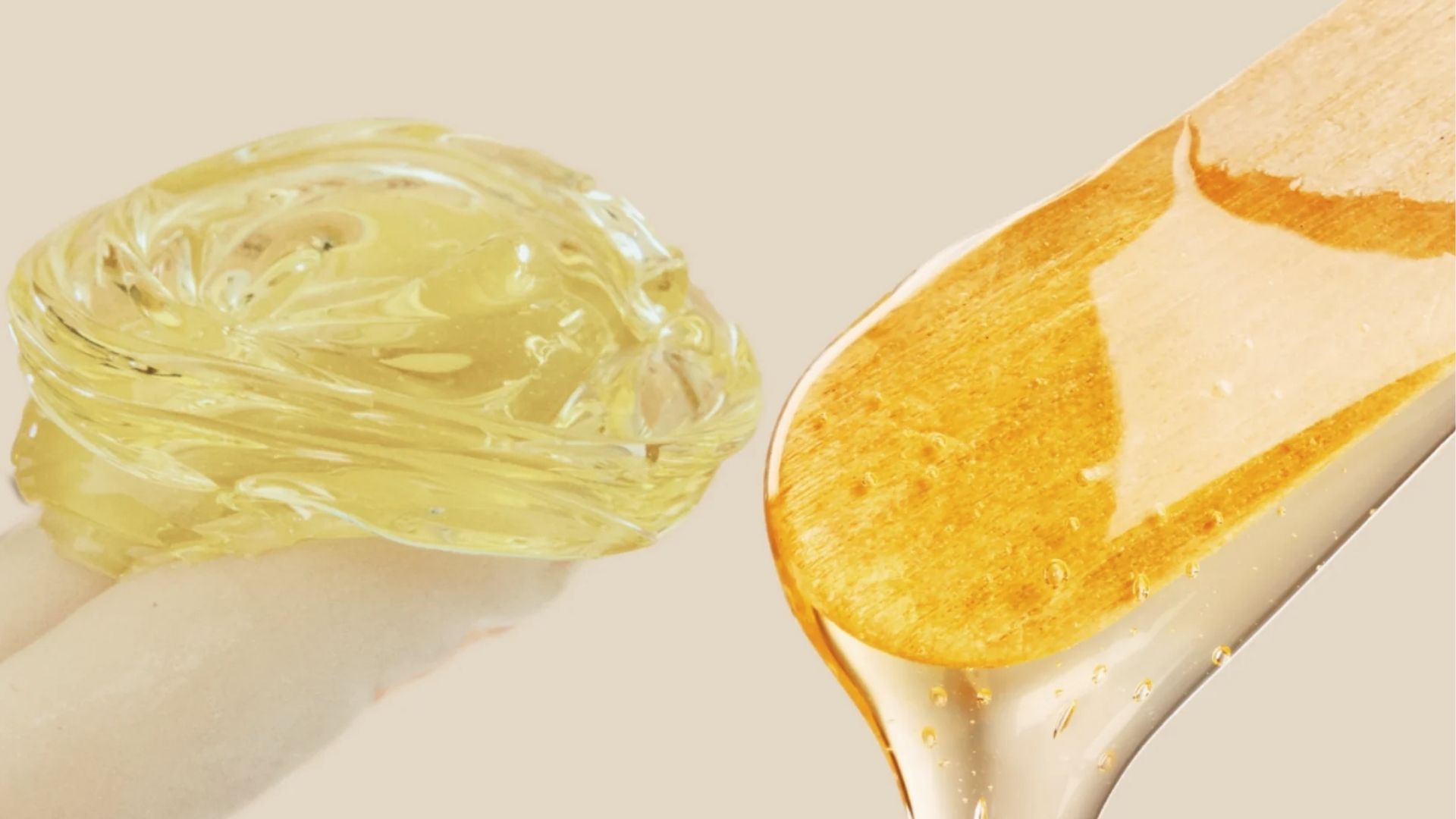
Alt Text: Closeup of clear hard wax and golden soft wax side by side comparing textures and use.
I have tried both types of wax, and I know how confusing it can feel standing in the beauty aisle wondering which one is right for you.
Hard wax vs soft wax is one of the most common questions in hair removal, and I am here to clear it up.
In this article, I will cover how each wax works, where to use them on your body, which one hurts less, and what suits different skin and hair types best.
I have spent years testing waxing methods, so you can trust what you read here. By the end, you will know exactly which wax to pick.
What Is Hard Wax?

Alt Text: Green hard wax peeled off the leg by hand, face, and delicate skin zones.
Hard wax is a thick wax that you apply warm to the skin. It dries on its own and hardens into a firm layer.
You then pull it off directly without using a strip. It grips the hair, not the skin.
This makes it a popular choice for sensitive or smaller areas of the body. It is often sold in pellet or block form and melts in a wax warmer.
What Is Soft Wax?

Alt Text: Thick creamy soft wax dripping from spatula, no strips needed for small sensitive areas.
Soft wax stays sticky after application. You spread a thin layer on the skin and press a cloth or paper strip on top.
Then you pull the strip off quickly. Soft wax sticks to both hair and skin.
It works well for large areas like legs and arms where speed matters. It is usually sold in jars or pre-made strip kits.
Hard Wax vs Soft Wax: Which Is Better for Different Body Areas?

Alt Text: Therapist applies warm hard wax directly to the leg for sensitive skin and coarse hair removal.
Not every wax works the same on every part of the body. Here is what works best where.
Hard Wax vs Soft Wax for Face Waxing
Hard wax is the better option for the face. The skin on your face is thin and sensitive.
Hard wax grips only the hair, which means less redness and irritation. It works well for the upper lip, chin, and eyebrows.
Soft wax can cause more skin sensitivity on the face, especially if used more than once in the same spot.
Hard Wax vs Soft Wax for Underarms
Hard wax wins again for underarms. Underarm skin is sensitive and the area is small.
Hard wax removes hair close to the root without tugging the skin too hard.
Soft wax can feel more painful in this area and may cause more redness post-waxing.
Hard Wax vs Soft Wax for Bikini and Brazilian Waxing
Hard wax is the go-to choice for bikini and Brazilian waxing. This area has coarse hair and very sensitive skin.
Hard wax handles both well. Most salons use hard wax for this area for good reason. It reduces pain and lowers the risk of skin irritation or bruising.
Hard Wax vs Soft Wax for Legs and Arms
Soft wax is the better pick for legs and arms. These areas are large and need quick coverage.
Soft wax spreads fast and removes a wide strip of hair in one pull. It saves time and works well on fine to medium hair.
Hard wax on large areas would take much longer and cost more product.
Best Wax for Sensitive Skin
Hard wax is the safest bet for sensitive skin. It does not stick to the skin the same way soft wax does.
This means less trauma to the skin during removal. Look for hard wax that includes soothing ingredients like chamomile or aloe. Always do a patch test first no matter which wax you use.
Benefits and Drawbacks of Hard Wax vs Soft Wax
 Alt Text: Honey-like soft wax poured on legs with rose petals for smooth hair removal on large areas.
Every wax type has its strengths and weaknesses. Knowing both helps you make a smarter choice.
Benefits of Hard Wax
Hard wax is gentle on the skin. It is great for sensitive areas. It grips short hair better than soft wax.
You do not need strips, which means less waste. It lowers the risk of skin lifting or irritation. Many people report less pain with hard wax compared to soft wax.
Drawbacks of Hard Wax
Hard wax takes more time to apply and remove. It uses more products per session, which can cost more.
It is harder to use on large areas quickly. If it gets too hot or too cool, it does not work as well. Beginners may find it tricky to get the right wax temperature.
Benefits of Soft Wax
Soft wax covers large areas fast. It is easier to apply and widely available. It works well on fine hair and larger body sections.
Soft wax kits are often more affordable. Many at-home waxing kits use soft wax, making it more accessible for beginners working on legs or arms.
Drawbacks of Soft Wax
Soft wax sticks to the skin and the hair. This can cause more pain and redness. You cannot use it twice in the same area in one session.
That is a big drawback if you miss a spot. It also needs cloth or paper strips, which adds steps and waste to the process.
Which Wax Hurts Less?
Most people find hard wax less painful. Because it does not stick to the skin, the pull is more focused on the hair.
Soft wax pulls both hair and skin together, which tends to feel sharper. That said, pain depends on your personal tolerance, skin condition, and how skilled the person doing the waxing is.
When to Use Hard Wax vs Soft Wax

Alt Text: Gloved hands holding warm soft wax pots and strips for strip waxing large body areas.
Timing and hair type matter more than most people think. Here is when each wax performs best.
Best Wax for Coarse Hair
Hard wax is better for coarse hair. It wraps around thick hair shafts and grips them firmly. This leads to cleaner removal in fewer passes.
Coarse hair is common in bikini, underarm, and facial areas, which is another reason hard wax is preferred in those spots.
Best Wax for Fine Hair
Soft wax works better on fine hair. Fine hair is harder for hard wax to grip because the strands are too thin for it to wrap around properly.
Soft wax, applied in a thin layer with a strip, catches fine hairs more effectively across wide areas like arms and legs.
Which Wax Is Better for Beginners?
Soft wax is often easier for beginners to start with for legs and arms because the technique is more straightforward.
However, hard wax is better if a beginner wants to work on smaller or more sensitive areas. It is more forgiving on the skin even if the application is not perfect.
Professional Waxing vs At-Home Waxing
Professionals use both types depending on the area. At home, soft wax strip kits are more common and easier to find.
Hard wax at home requires a wax warmer and a little more practice. If you are new to waxing, starting with a professional service first can help you learn what to expect.
Which Wax Gives Longer-Lasting Results?
Both waxes remove hair from the root, so results last about the same time, usually two to six weeks.
The difference is in how cleanly the hair is removed. Hard wax often removes coarse hair more completely in one pass, which may mean slightly smoother results in certain areas.
Tips for Choosing the Right Wax Type
Picking the right wax is simpler when you know what to look for. Here is how to decide.
- Sensitive skin does best with hard wax. It grips hair, not skin, and causes less irritation.
- Coarse or thick hair responds better to hard wax. Fine hair works well with soft wax.
- Low pain tolerance means hard wax is your friend. It is gentler and less uncomfortable overall.
- Small areas like the face, bikini line, and underarms need hard wax for precision and comfort.
- Large areas like legs and arms are faster and easier with soft wax.
Conclusion
I used to grab whatever wax was on sale without thinking twice, and my skin paid the price for it.
Once I understood the difference between hard wax vs soft wax, everything changed. The right wax makes a real difference in how your skin feels and how long the results last.
I hope this guide saves you the trial and error I went through. If this helped you, drop a comment below and share which wax you are going with.
Sharing this post might help someone else figure it out too.
Frequently Asked Questions
Can I use hard wax and soft wax in the same session?
Yes, you can. Many people use hard wax for sensitive areas like the bikini line and soft wax on larger areas like the legs in the same session.
How long does hair need to be for waxing to work?
Hair should be about a quarter inch long, roughly the size of a grain of rice, for the wax to grip and remove it properly.
Is hard wax better for ingrown hairs?
Hard wax tends to cause fewer ingrown hairs because it puts less stress on the skin and removes hair more cleanly from the root.
How often should I wax for best results?
Most people wax every three to six weeks depending on how fast their hair grows back and what area of the body is being treated.
Can I wax at home with hard wax as a beginner?
Yes, but it takes practice. You will need a wax warmer and need to learn the right temperature and application technique before you get consistent results.