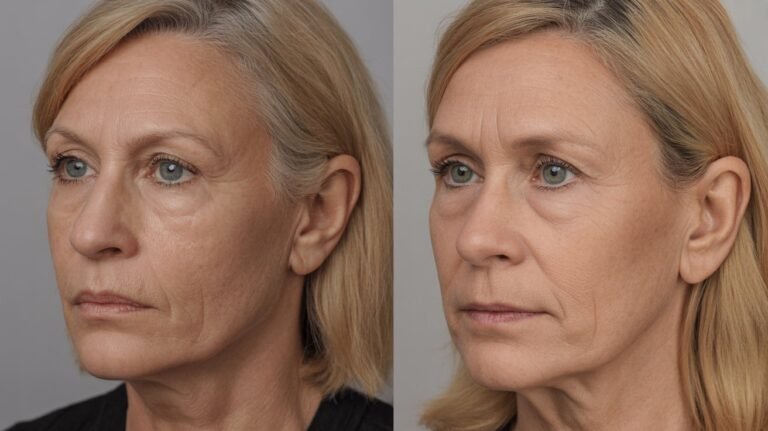
Pros and Cons of Dermaplaning You Should Know


Dermaplaning removes dead skin cells and peach fuzz using a surgical blade, giving you instantly smoother skin. But it also comes with risks like cuts, breakouts, and sun sensitivity.
The real pros and cons of dermaplaning depend on your skin type and whether you’re doing it professionally or at home.
I’ve tried this treatment twice and researched extensively to give you the facts.
In this guide, you’ll learn exactly what dermaplaning does, who should avoid it, how it compares to other exfoliation methods, and whether the results justify the cost.
As someone who’s experienced both the benefits and downsides firsthand, I’ll help you decide if dermaplaning is worth it for your skin.
Let’s get started.
What Is Dermaplaning? (Beginner Explanation)
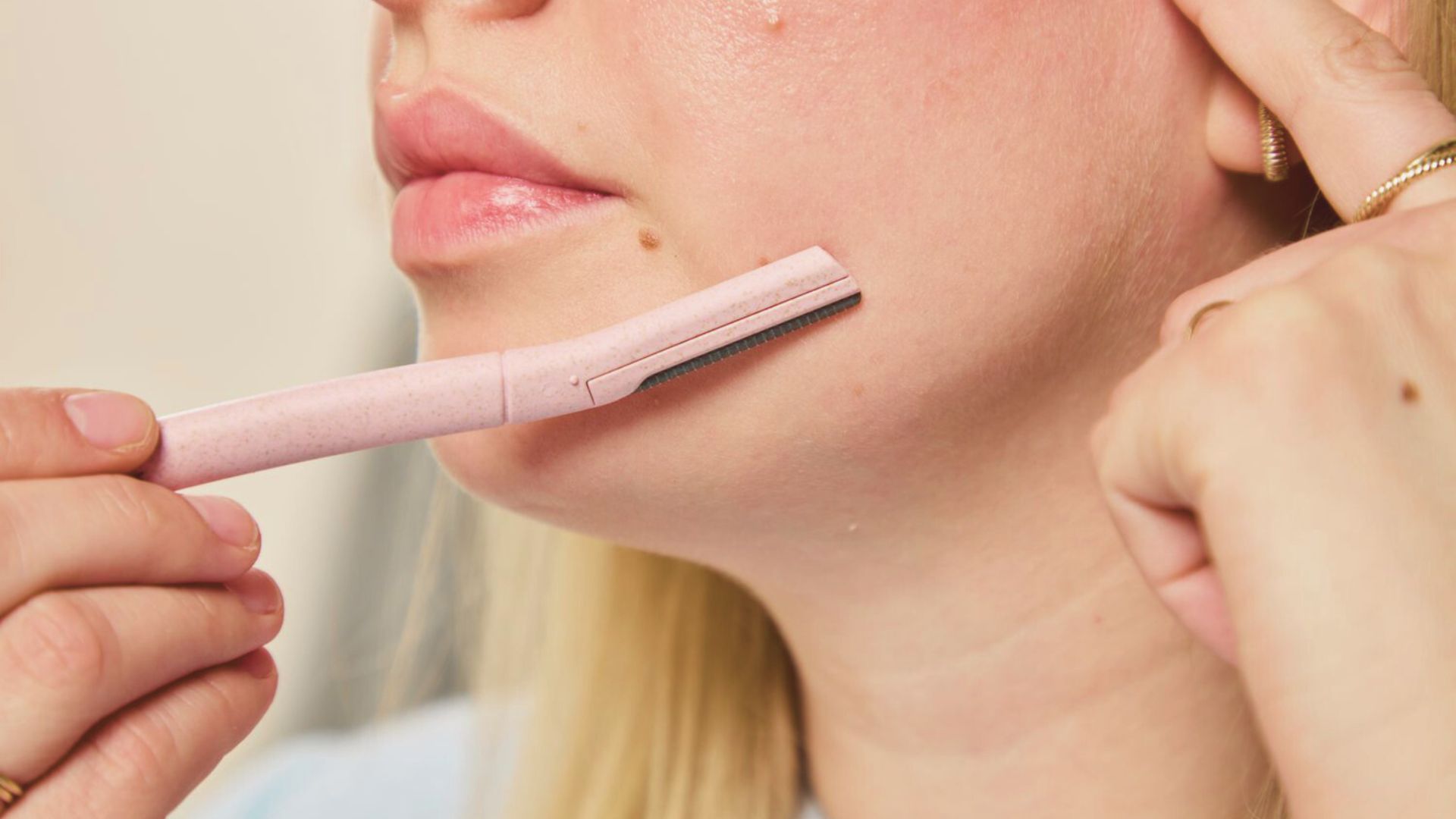
Dermaplaning is a physical exfoliation treatment using a sterile surgical scalpel held at a 45-degree angle.
The blade scrapes off the top layer of dead skin cells along with vellus hair (peach fuzz).
Licensed estheticians or dermatologists typically perform this procedure, though at-home tools are available. A full-face session takes about 30 minutes with zero downtime.
The skin cell turnover cycle is roughly 28 days. Dermaplaning removes accumulated dead cells from the surface without altering your natural regeneration cycle.
What Are the Pros and Cons of Dermaplaning? (Benefits vs Risks)
Here’s everything you need to know about what dermaplaning can do for your skin and where it falls short.
Benefits of Dermaplaning
Let’s start with the good stuff and why so many people love this treatment.
1. Instant Exfoliation and Smoother Skin
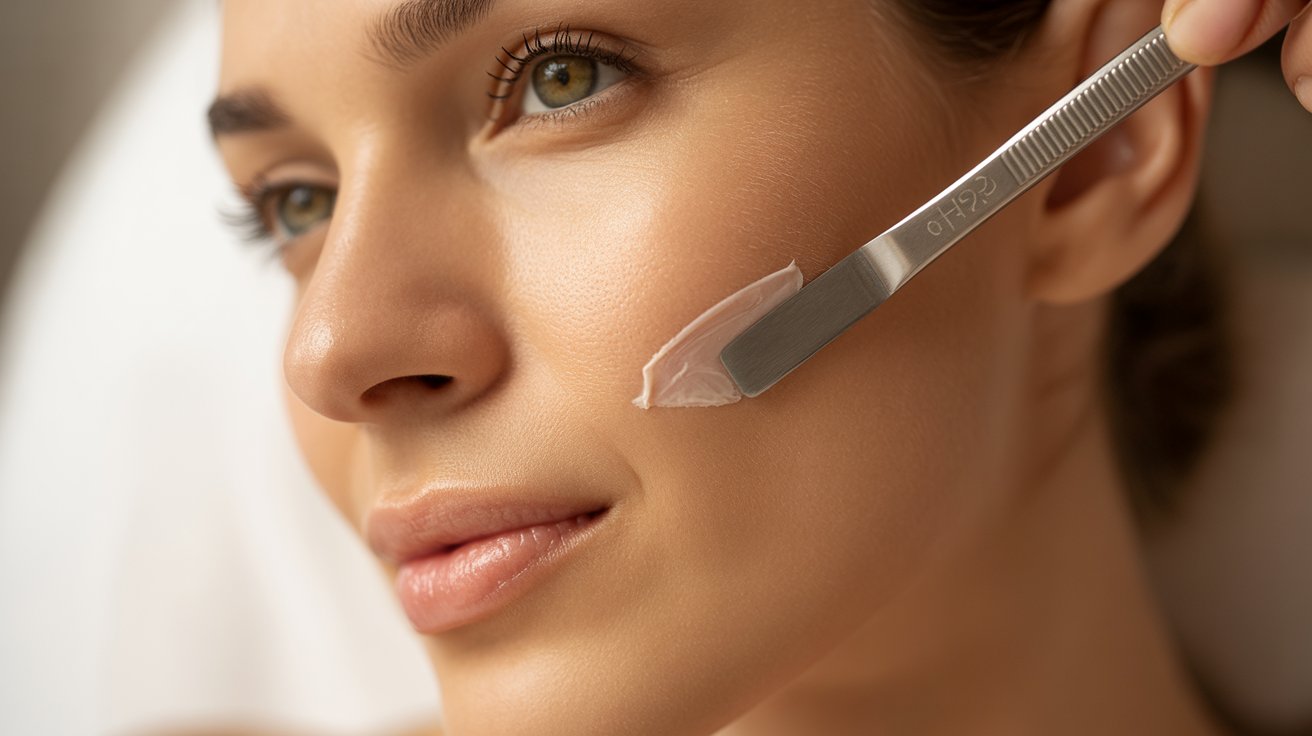
The scalpel removes built-up dead cells immediately. Studies on manual exfoliation show it can improve skin texture within one session. My face felt noticeably smoother for about two weeks afterward.
2. Removes Peach Fuzz (Vellus Hair)
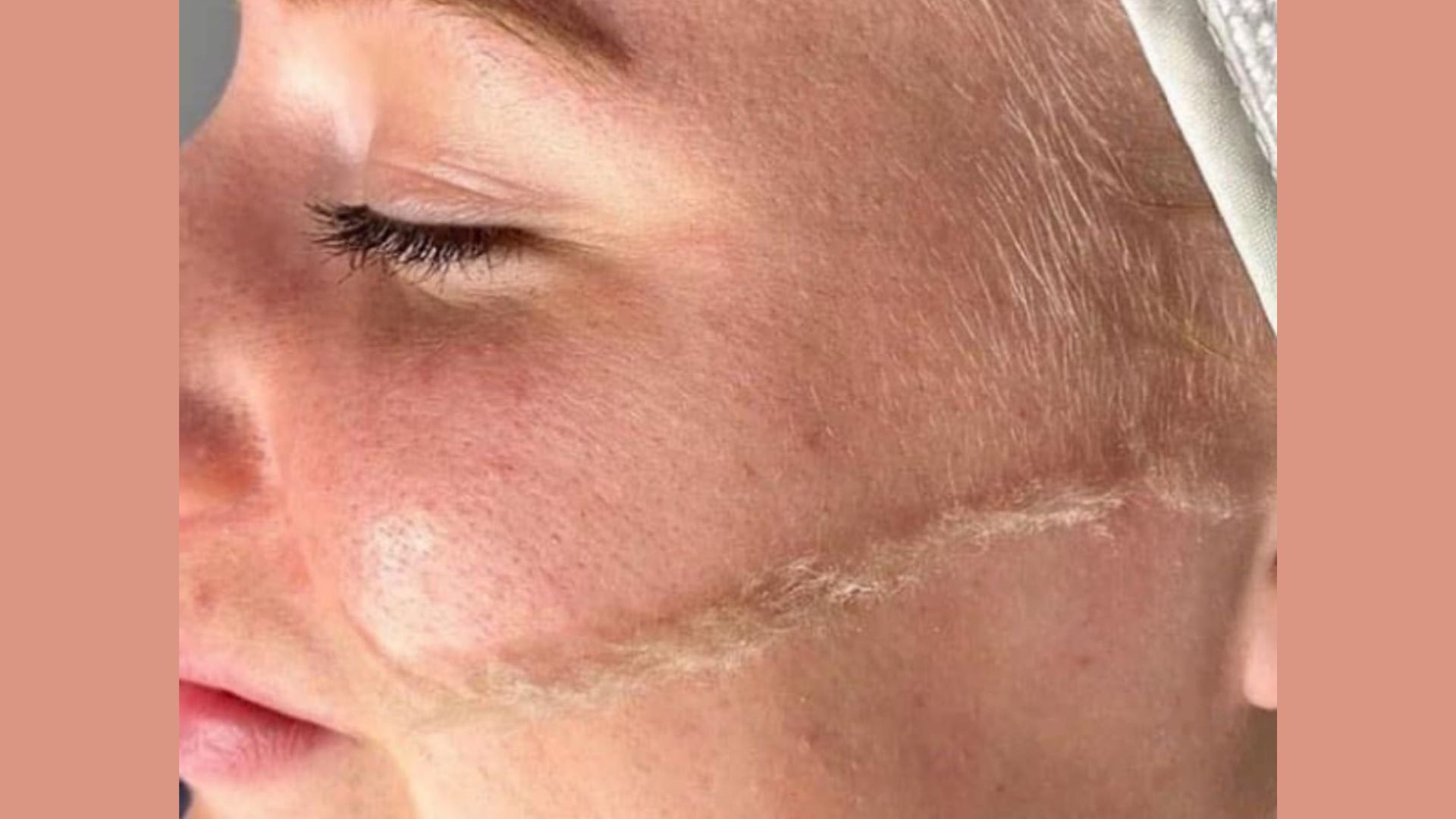
Vellus hair can collect oil and debris, making skin appear dull. Removing it creates a clearer complexion and affects how light reflects off your face. Makeup sits flatter against the skin without fine hairs interfering with application.
3. Improves Skincare Product Absorption

Dead skin creates a barrier that blocks product penetration. Research suggests that exfoliated skin may absorb active ingredients more effectively. Serums and treatments work better after this facial exfoliation treatment.
4. Creates Brighter, More Even Skin Tone

Fresh skin cells reflect light better than dead, dull cells. Dermatologists note that removing surface dead skin from the stratum corneum can temporarily reduce the appearance of hyperpigmentation.
5. Non-Invasive and Painless Procedure
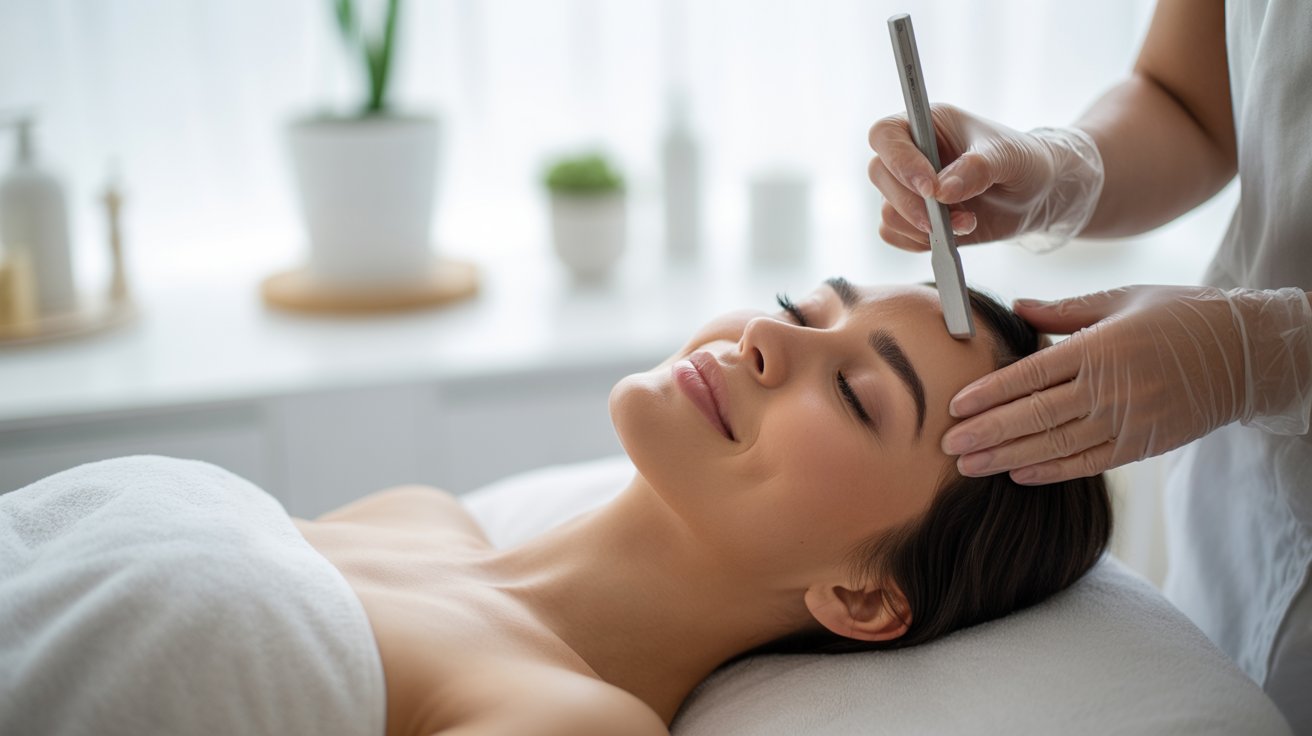
Unlike microneedling or laser treatments, this manual exfoliation requires no anesthesia. Most people feel only a light scratching sensation. There’s no heat, chemicals, or recovery period needed.
6. May Reduce Appearance of Fine Lines
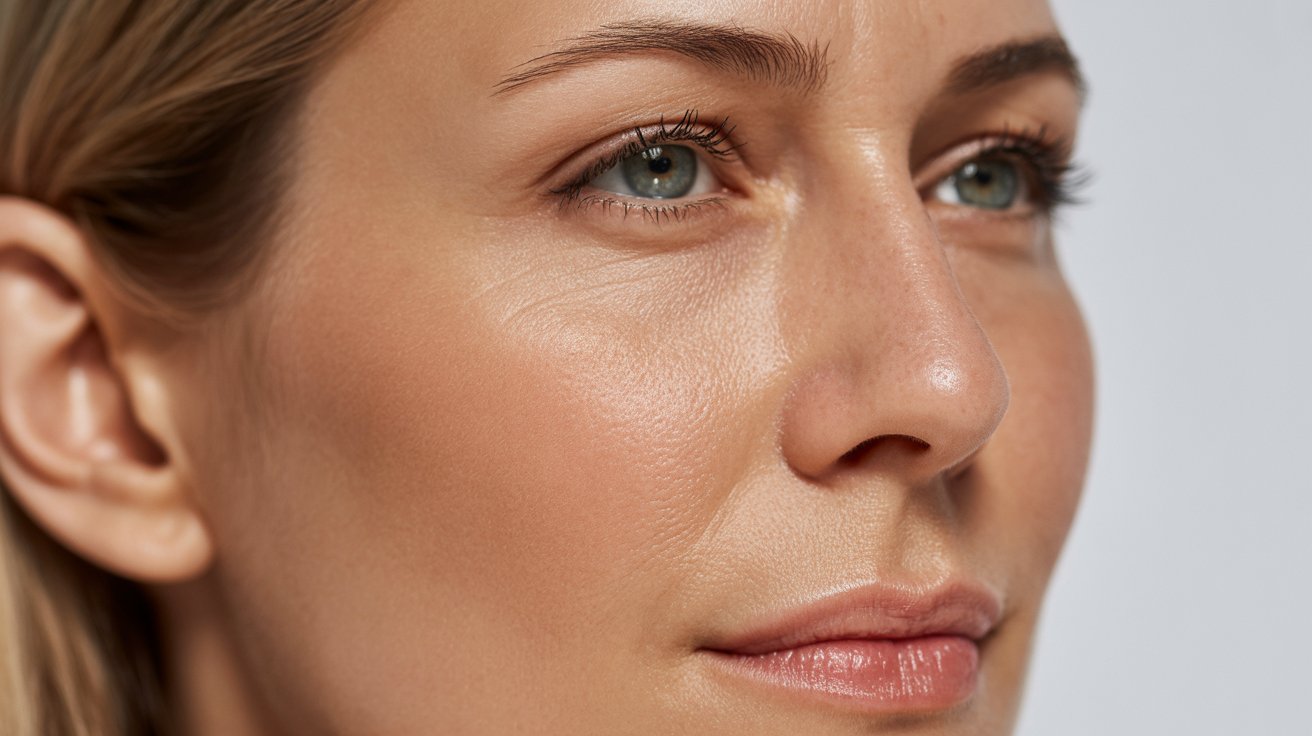
The smoothing effect makes shallow wrinkles less noticeable. When dead skin buildup is removed, the fresh layer underneath appears plumper and more youthful temporarily.
7. Safe for Most Skin Types (When Done Correctly)
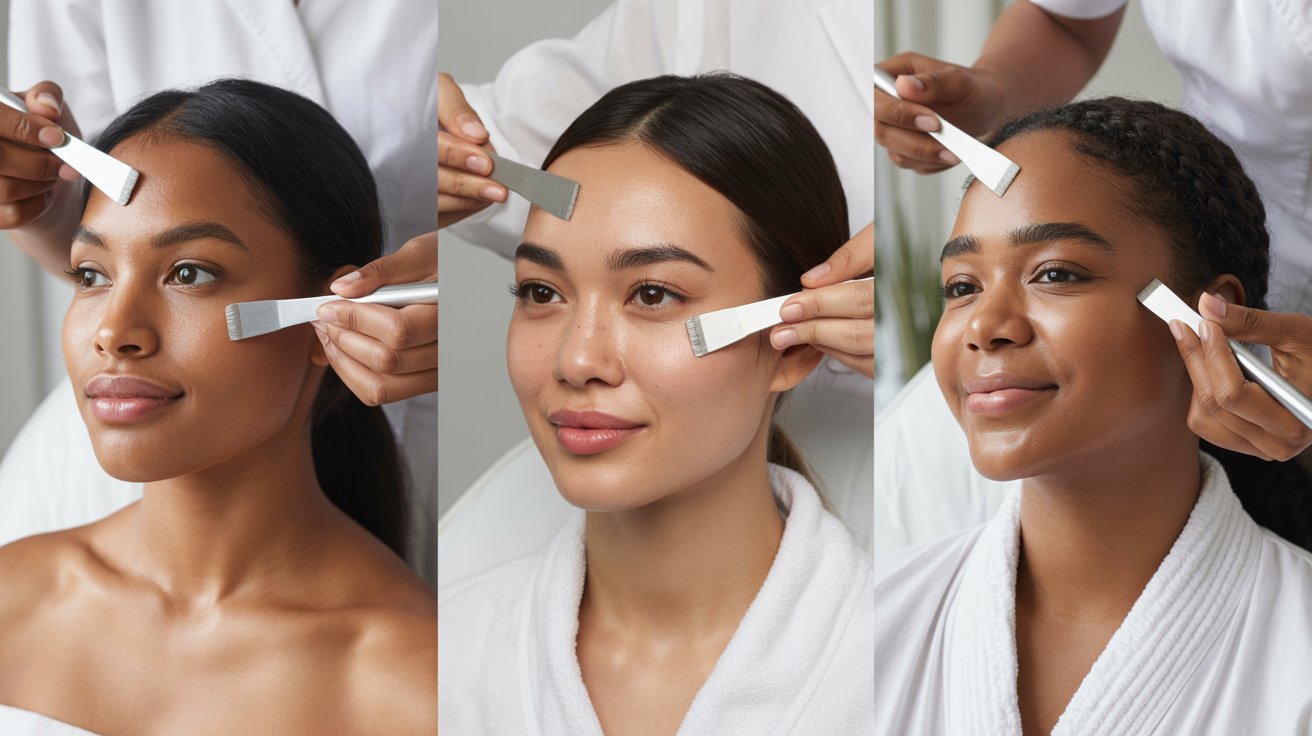
Dermaplaning works well for dry, normal, and combination skin when performed with proper technique. It’s gentler than many chemical peels for people who can’t tolerate acids.
Risks and Downsides of Dermaplaning
Now here’s what you need to watch out for before you book that appointment.
1. Risk of Cuts, Irritation, or Infection

Improper technique can cause nicks that become infected. Dermatology organizations such as the American Academy of Dermatology note that non-sterile tools increase bacteria exposure and infection risk. Professional treatments significantly reduce this risk.
2. Not Suitable for Active Acne
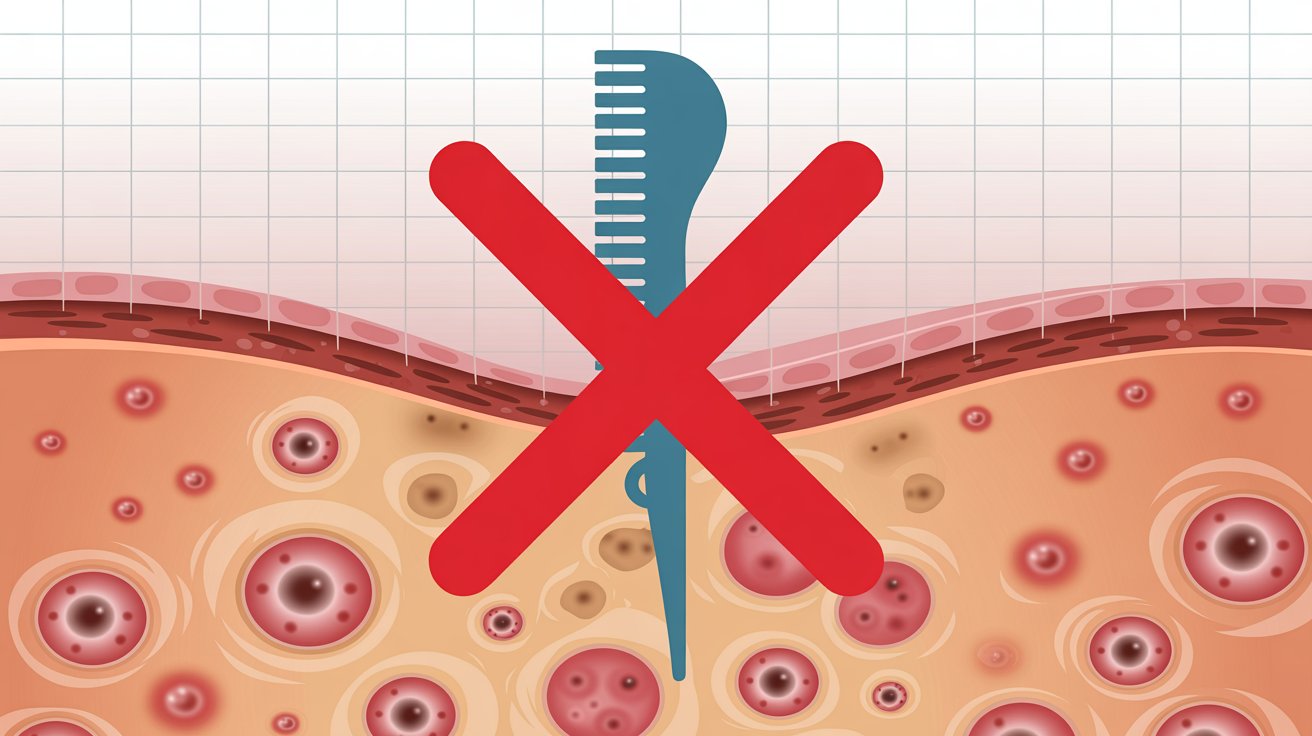
The blade can rupture pustules and spread P. acnes bacteria across the face. Dermatologists generally recommend avoiding this treatment during active breakouts or with inflammatory acne conditions.
3. Temporary Results Require Ongoing Treatments
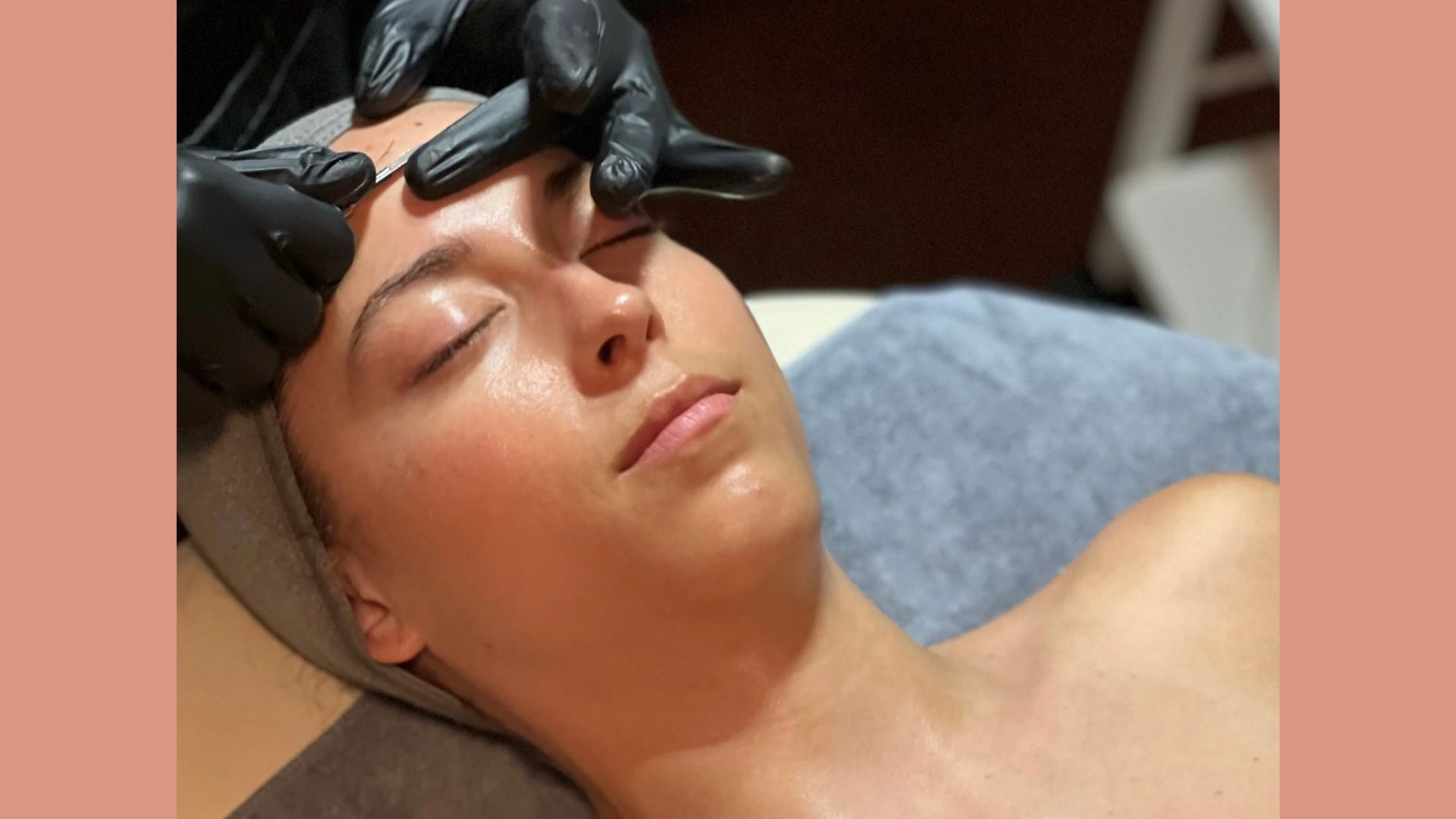
Skin naturally regenerates every 3-4 weeks. Results fade as new dead cells accumulate. Maintaining smooth skin requires monthly sessions, which adds up financially.
4. Possible Skin Sensitivity or Redness
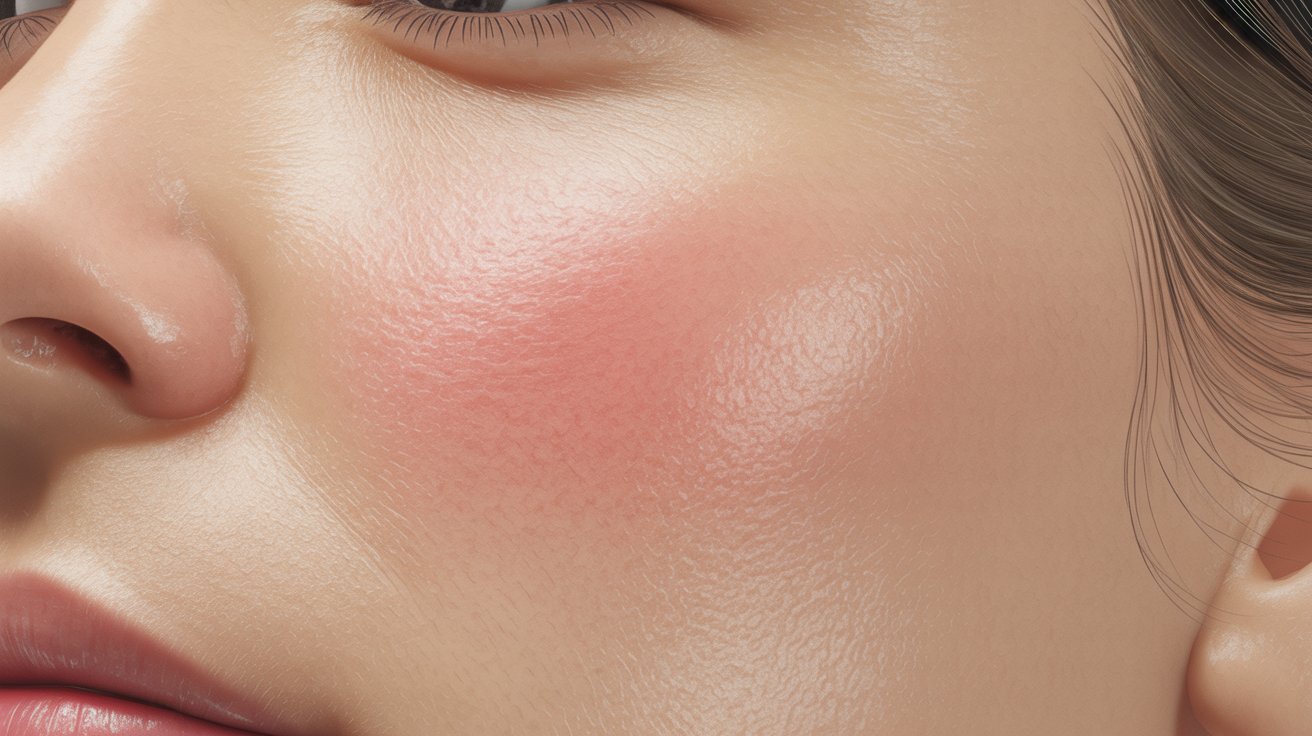
Temporary pink or red skin is common for 2-6 hours post-treatment. Some people experience tenderness for up to 48 hours, especially those with naturally sensitive skin.
5. Can Trigger Temporary Breakouts
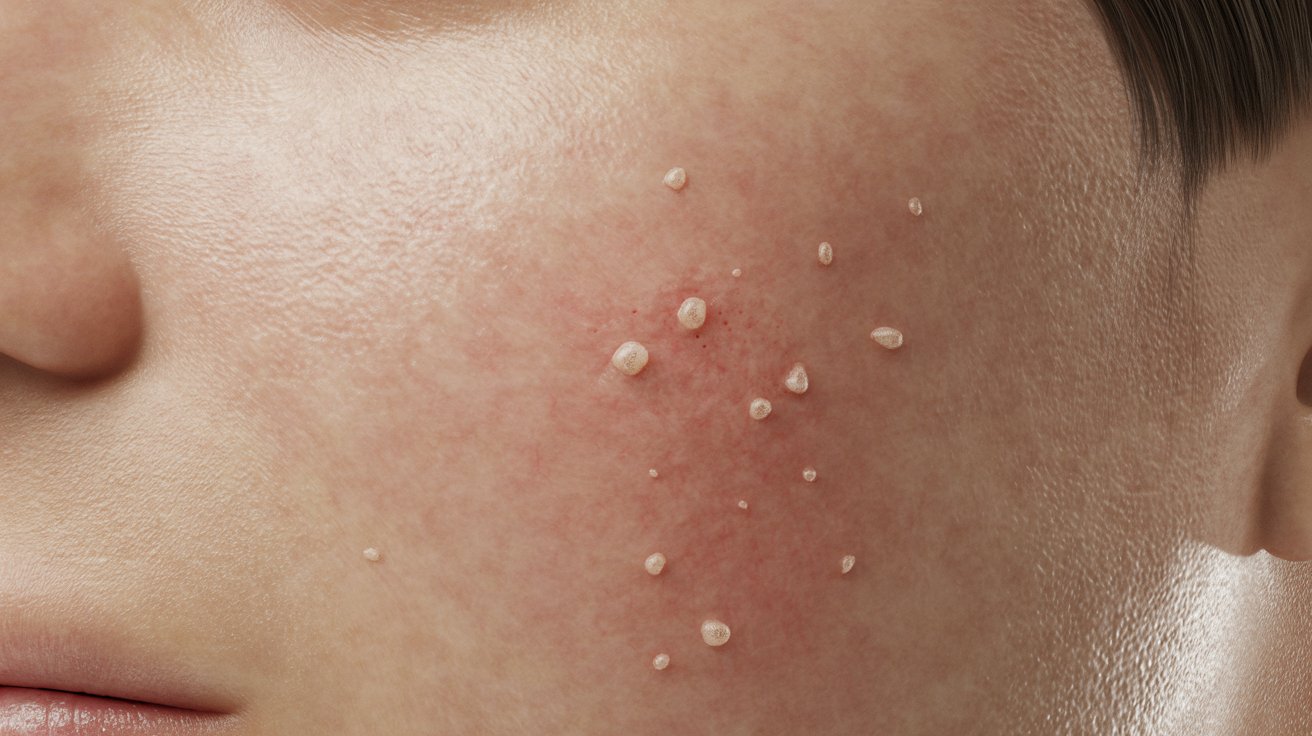
Newly exposed pores may overproduce sebum as they adjust. Some people experience small whiteheads 2-3 days after treatment. This irritation-related breakout typically resolves within a week.
6. Increased Sun Sensitivity
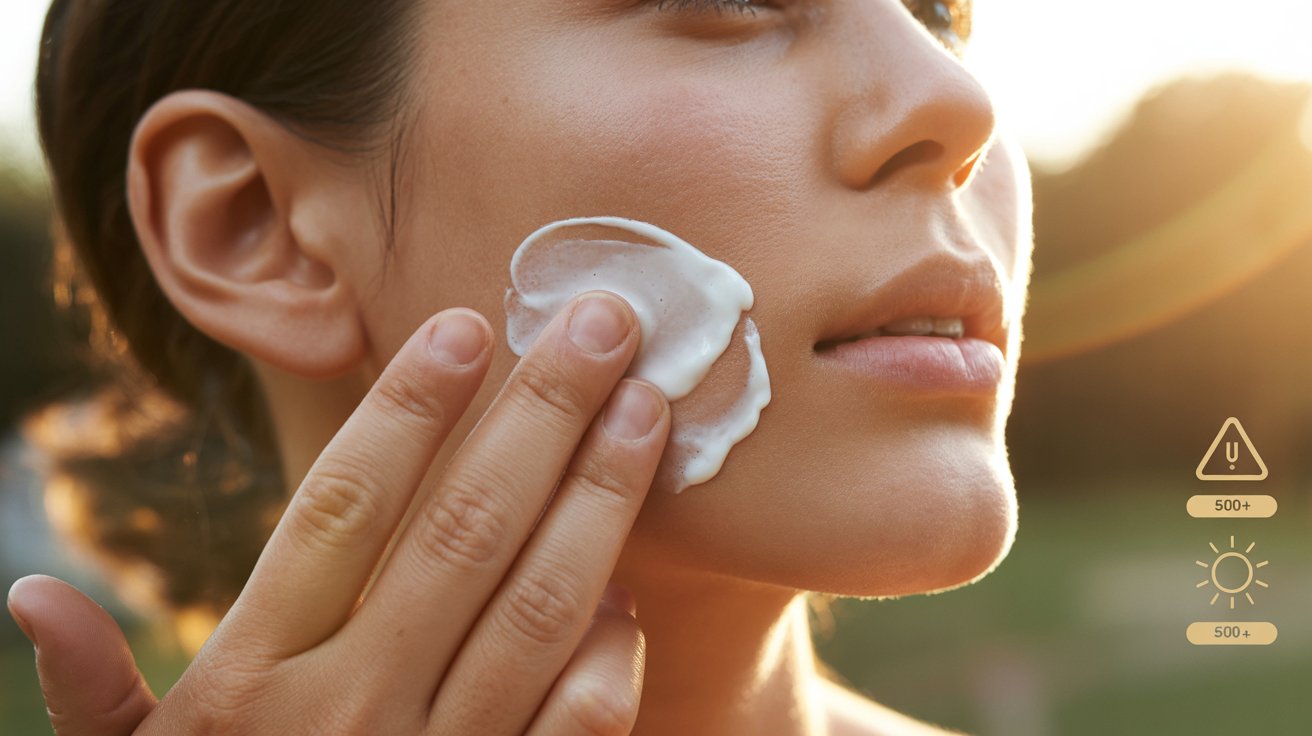
Removing the protective outer layer makes skin more vulnerable to UV damage. Freshly exfoliated skin shows increased susceptibility to sunburn. SPF 30+ is strongly recommended for at least one week post-treatment.
7. Cost of Professional Treatments

Sessions range from $75-$200 depending on location and provider credentials. Monthly treatments cost $900-$2,400 annually. Geographic factors affecting price include provider experience level, metropolitan area overhead, and bundled service packages.
Who Should Try Dermaplaning?
Not everyone benefits equally from this treatment, so here’s who makes the best candidate.
Best Candidates:
- Dry or normal skin types with dead cell buildup
- People with fine lines or dull complexion
- Those seeking instant results before events
- Anyone wanting better product absorption
Who Should Avoid It:
- Active acne, cystic acne, or rosacea sufferers
- Very sensitive skin or compromised skin barriers
- Active cold sores or skin infections
- People currently using Accutane (wait 6 months post-treatment)
Many dermatologists recommend professional dermaplaning for beginners to reduce injury risk and ensure proper technique.
Patch testing is advised for anyone with skin sensitivities before full-face application.
Dermaplaning vs Other Exfoliation Methods
Understanding how this manual exfoliation stacks up against other options helps you choose what’s right for your skin.
Chemical Exfoliants (AHAs/BHAs): Dissolve dead cells and work deeper into pores. Take 3-7 days to show results but don’t remove hair.
Physical Scrubs: Use abrasive particles to buff skin. Cheaper but can cause micro-tears if too aggressive. No hair removal.
Microdermabrasion: Uses crystals or diamond tips for exfoliation. Similar smoothing effect but doesn’t address peach fuzz. Typically more expensive than dermaplaning.
This facial exfoliation method provides the only combination of instant dead cell removal plus hair removal.
Many people alternate between dermaplaning and chemical exfoliants for balanced skincare.
At-Home vs Professional Dermaplaning: What’s Worth It?
The choice between DIY and professional treatment depends on your budget, skill level, and risk tolerance.
|
Factor |
Professional |
At-Home |
|
Cost per session |
$75-$200 |
$10-$30 (tool) |
|
Safety |
Sterile surgical blades, trained technique |
Higher risk of cuts/infection |
|
Results |
Consistent, thorough |
Variable, learning curve |
|
Results duration |
3-4 weeks |
2-3 weeks (technique dependent) |
|
Downtime |
None |
None |
|
Skill required |
None (provider does it) |
Moderate to high |
|
Best for |
First-timers, monthly maintenance |
Experienced users, budget-conscious |
Professional treatments use medical-grade scalpels at precise angles. At-home tools vary in quality and require proper technique training.
How Often Should You Dermaplane?
Dermatologists typically recommend every 3-4 weeks to match the skin’s natural cell turnover cycle. More frequent sessions can compromise the skin barrier and cause irritation.
Signs you’re ready for another session:
- Skin feels rough or bumpy again
- Makeup doesn’t apply smoothly
- Peach fuzz is visible
- Products aren’t absorbing as well
Avoid dermaplaning more than once every 3 weeks. Your skin needs time to regenerate its protective barrier between treatments.
Side Effects and Safety Tips
Knowing what to expect and how to protect yourself makes this physical exfoliation treatment much safer.
Common Side Effects:
- Temporary redness (2-6 hours)
- Mild sensitivity (24-48 hours)
- Small whiteheads from temporary irritation
Safety Protocol:
- Use only sterile, single-use blades
- Work in bright lighting
- Pull skin taut while working
- Use 45-degree angle with light pressure
- Avoid active breakouts, moles, or irritated areas
- Apply hydrating serum immediately after
- Skip retinol and acids for 2-3 days post-treatment
The infection risk comes primarily from reusing blades or working on unclean skin. Proper hygiene greatly reduces complications.
Expert Tips for Best Results
- Cleanse thoroughly before starting. Work on completely dry skin for proper blade glide.
- Move in the direction of hair growth to prevent ingrown hairs.
- After treatment, apply hyaluronic acid or ceramide serum while skin is still receptive.
- Avoid active ingredients like retinol, vitamin C, and strong acids for 48-72 hours to prevent irritation.
- Wear broad-spectrum SPF 30+ daily. Reapply every 2 hours if outdoors.
- The removed skin layer makes UV protection critical for preventing hyperpigmentation.
Common Myths About Dermaplaning Debunked
Let’s clear up the biggest misconceptions that stop people from trying this treatment.
Myth: Hair grows back thicker and darker. False.
Vellus hair structure is determined by genetics. Cutting it doesn’t change the follicle. It grows back at the same thickness and color.
Myth: It causes stubble like shaving. False.
Vellus hair is too fine to create noticeable stubble. It grows back soft, not coarse.
Myth: Skin becomes dependent on it. False.
Your natural exfoliation process continues normally. This treatment simply removes what would eventually shed on its own.
Final Thoughts
The pros and cons of dermaplaning come down to your skin type and expectations.
If you have dry, dull skin with fine lines, the immediate smoothness and glow make it worthwhile.
The treatment genuinely improves product absorption and makeup application. However, people with active acne should absolutely avoid it due to infection risks.
The temporary results mean committing to monthly sessions if you want lasting benefits. For occasional use before important events, dermaplaning delivers noticeable results.
As a long-term skincare solution, consider whether the ongoing cost and maintenance fit your routine.
Are you ready to try dermaplaning, or do the risks outweigh the benefits for your skin?
Frequently Asked Questions
Does dermaplaning make hair grow back thicker?
No, vellus hair is genetically determined and grows back unchanged. The blunt tip from cutting may feel different initially.
How long do the pros and cons of dermaplaning last?
Benefits last 3-4 weeks before regrowth. Sun sensitivity persists for about one week post-treatment.
Is dermaplaning safe for sensitive skin?
Proceed cautiously. Those with rosacea or eczema should consult a dermatologist first to avoid triggering inflammation.
What’s the difference between at-home and professional dermaplaning?
Professionals use sterile surgical blades with proper technique. At-home tools are cheaper but riskier if used incorrectly.
Can I dermaplane if I have acne?
No, avoid it with active breakouts. The blade spreads bacteria and can rupture pustules, worsening acne significantly.