Why Your Skincare Routine Isn’t Working (Even If You’re Using the Right Products)


If your skincare routine looks sensible on paper but your skin still feels irritated, dull, congested, or unpredictable, the problem may not be the products themselves. The frustrating truth is that product quality is rarely the limiting factor. More often, the problem is invisible — and it has nothing to do with what’s on your shelf.
Your Skin Barrier May Already Be Compromised
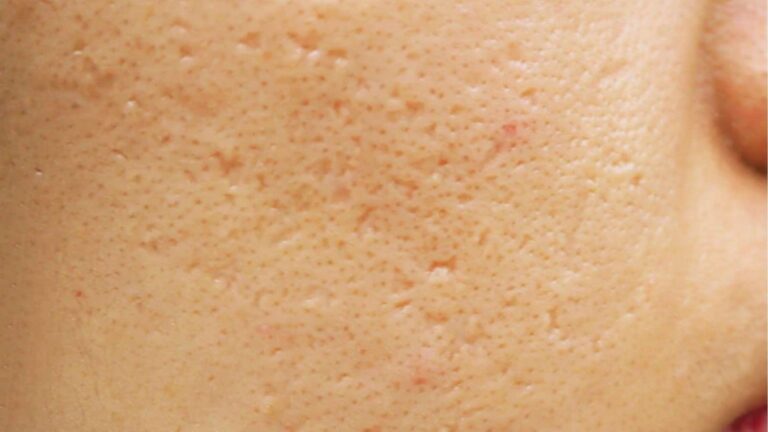
The skin barrier, or stratum corneum, is the outermost layer of skin that shields against harmful substances while holding moisture inside. Its integrity depends on lipids — cholesterol, ceramides, and fatty acids — that act as mortar between skin cells. When those lipids are depleted, everything else stops working as intended.
Excessive routines that mix acids, peels, scrubs, and retinoids without structure confuse and irritate the skin, worsening sensitivity rather than resolving it. Dermatologists consistently note that barrier damage is one of the most common underlying causes of sensitive skin and flare-ups. Many people arrive at this point after over-exfoliation, frequent use of AHAs, retinol, harsh cleansers, or external factors like UV exposure, harsh weather, and hot water.
The cruel irony is that the routine you built to fix your skin may be the very thing breaking it.
The Layering Problem No One Talks About
Even excellent products become ineffective — or counterproductive — when applied in the wrong order. The stratum corneum is a tightly organized barrier whose primary function is to keep things out. Water-based products with small molecular sizes penetrate more readily, while oil-based products interact with the lipid matrix. Applying an oil-based product first creates a hydrophobic barrier that blocks the absorption of subsequent water-based ingredients.
pH conflicts compound the problem. Vitamin C functions optimally in an acidic environment, while retinol prefers a neutral to slightly alkaline one. Used together, they can neutralize each other’s effectiveness and increase irritation dramatically.
This is where independent verification matters. Just as consumers researching real money online casino payment methods rely on professional online review platforms for structured, trustworthy guidance before committing, skincare users benefit from dermatology-backed resources rather than social media trends when building a layering sequence. The principle is the same: informed decisions prevent costly mistakes.
Lifestyle Is Doing more Damage than You Think
No serum corrects what your daily habits are constantly undoing. Chronic stress raises cortisol levels, increasing oil production and triggering acne, eczema, or psoriasis flare-ups. It also slows wound healing and impairs the skin’s barrier function. Meanwhile, lack of sleep and chronic stress reduce ceramide production — the compounds that keep the barrier intact and moisture locked in.
Diet operates on a slower but equally significant timeline. High-sugar foods spike blood sugar, trigger inflammation, and accelerate the breakdown of collagen and elastin through a process called glycation. These are not marginal effects — they are biological processes that no topical product can fully counteract while the trigger remains active.
The Consistency Trap: Too Little and Too Much
Consistency is essential, but the concept cuts both ways:
- Abandoning products too soon: A fresh skin cell takes about 28 days to travel from the basal layer to the surface and shed. Improvements happen gradually, under the surface, as new cells form. Because roughly three full turnover cycles are needed to see visible results, meaningful changes typically take about three months of uninterrupted use. Switching products after two weeks means you never gave any of them a real chance.
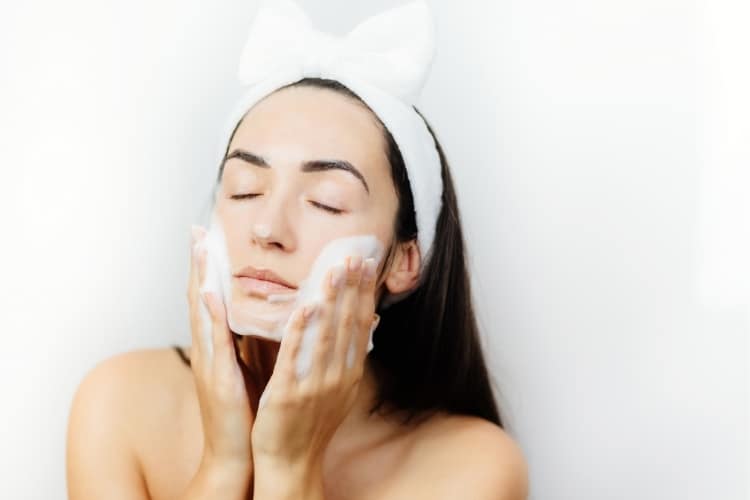
- Staying rigid when your skin signals distress: Sticking mechanically to a fixed routine when products start to sting or cause redness accelerates the damage. When the barrier is compromised, even beneficial actives become irritants. Dermatologists often recommend returning to a minimal routine focused on cleansing, hydration, and protection.
What Skin Biology Actually Expects
Skin is a living organ governed by its own repair cycles, hormonal environment, and structural biology — not a surface that passively receives whatever you apply. Repeated exposure to inciting triggers — frequent washing, skin irritants, harsh cleansers, and hot showers — can override the skin’s self-repair mechanisms when exposure is frequent and sustained. Each disruption compounds the last.
The goal is not to do more, but to create conditions in which the skin can do its own work.
What to Address First: A Summary

| Root Cause | What It Disrupts | What It Requires |
|---|---|---|
| Skin barrier damage | Moisture retention, absorption | Simplification, barrier-first ingredients |
| Incorrect layering | Active ingredient efficacy, pH stability | Water before oil, lowest pH first |
| Sleep and stress | Ceramide production, cortisol balance | Consistent sleep, stress reduction |
| Poor diet | Collagen integrity, inflammation | Reduced sugar, adequate omega-3 intake |
| Quitting products too early | Visible results across cell cycles | Minimum 8–12 weeks of consistent use |
| Ignoring distress signals | Accelerated barrier damage | Routine reduction when irritation appears |
Skincare works when the conditions for it to work are already in place. Products are the final step in a sequence that begins well before you unscrew a cap — and until those earlier steps are addressed, even the best formulations have very little to act on.