Botox for Smile Lines: What to Know Before Treatment


I used to think smile lines were just part of getting older. Then I learned there’s actually something you can do about them.
You might be wondering if Botox really works for those creases around your mouth.
The answer isn’t as simple as yes or no. There’s a lot to know before you book that appointment.
I’m going to share what actually happens, what works, and what doesn’t.
Let’s get into it.
What Are Smile Lines?

Smile lines are also called nasolabial folds. These are the creases that run from the sides of your nose down to the corners of your mouth.
They’re completely normal and actually show you’ve lived a life full of smiles and expressions.
These lines form because of several factors working together. Your skin loses collagen as you age, which makes it less firm.
Repeated facial movements over the years create permanent creases in your skin.
The lines start out as dynamic wrinkles that only appear when you smile. Over time, they become static wrinkles that stay visible even when your face is relaxed.
Gravity also plays a role by pulling facial tissues downward.
Some people develop deeper smile lines than others. This depends on genetics, sun exposure, and lifestyle habits like smoking.
How Botox Works on Smile Lines

Botox works by temporarily relaxing the muscles in your face. It contains a purified protein that blocks the nerve signals telling your muscles to contract.
When those muscles can’t contract as strongly, the skin above them appears smoother.
Here’s something important to understand. Botox works best on dynamic wrinkles caused by muscle movement.
Smile lines are often a mix of dynamic and static components, which means Botox alone might not completely eliminate them.
The treatment can soften the appearance of these lines significantly. You’ll notice less pronounced creases when you smile and talk.
Your face will still move naturally, just with fewer deep folds forming.
Many doctors combine Botox with dermal fillers for smile lines. The Botox relaxes the muscles while fillers add volume beneath the skin.
This combination approach often gives better results than either treatment alone.
The Botox Treatment Process
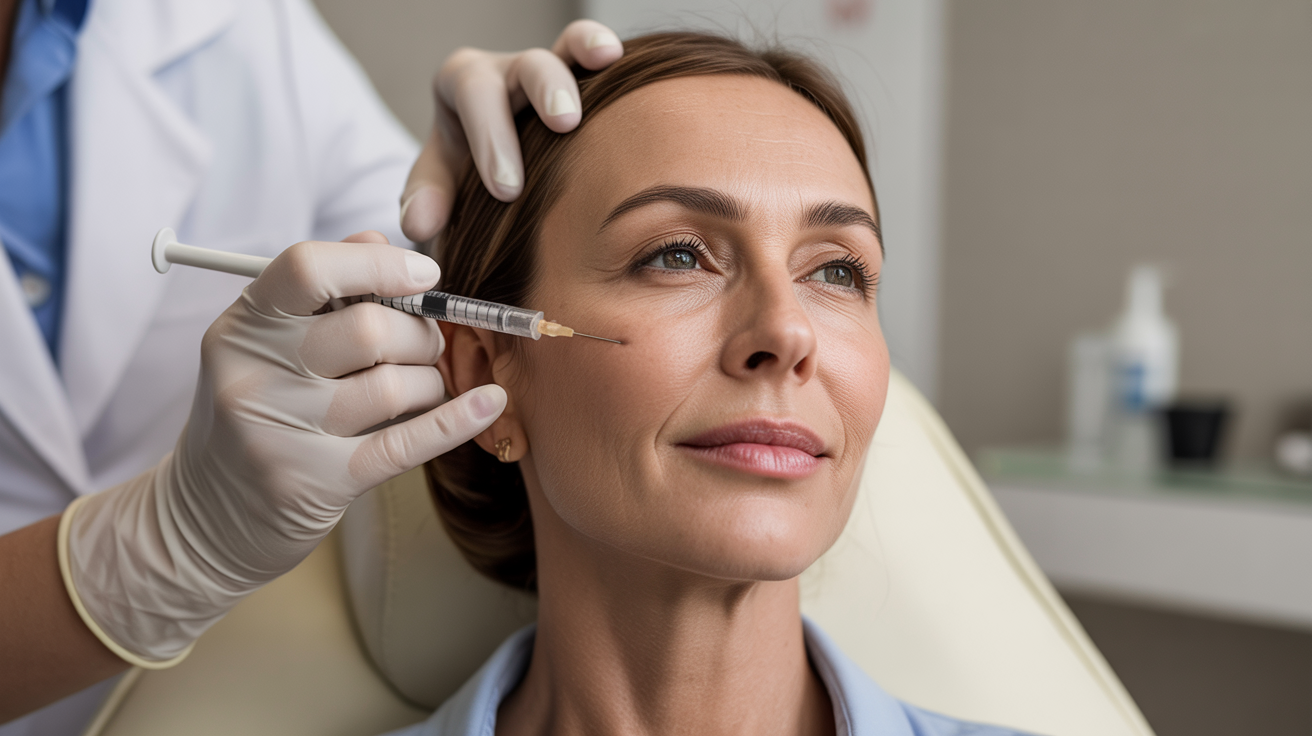
Getting Botox for smile lines is straightforward and quick. Most appointments take less than 30 minutes from start to finish.
What Happens During Your Appointment
Your appointment starts with a consultation about your concerns and goals.
The doctor will examine your face and discuss what Botox can realistically achieve for your smile lines. You’ll review your medical history and sign consent forms.
Next comes the preparation phase. The injector cleans your face thoroughly to prevent infection.
Some offices offer numbing cream, though many people find the injections tolerable without it.
The actual injection process is quick. Your doctor uses a very fine needle to inject small amounts of Botox around your smile lines.
You might feel a slight pinch with each injection, but it’s usually not painful.
The entire procedure typically takes 10 to 15 minutes. Then you’re done and can go about your day.
After Your Treatment
You can leave the office immediately after getting Botox. There’s no downtime required for this procedure. Just follow a few simple guidelines to get the best results.
Don’t touch or massage the treated area for at least 4 hours. Avoid lying down flat for the first few hours after treatment.
Skip intense exercise for 24 hours, as increased blood flow might spread the Botox to unintended areas.
Results don’t appear instantly. You’ll start seeing changes within 3 to 6 days after treatment. Full results typically show up around the 2-week mark.
Some people experience minor redness or small bumps at injection sites. These usually disappear within a few hours. Light bruising is possible but typically fades quickly.
Benefits of Getting Botox for Smile Lines
Many people choose Botox for smile lines because it offers several advantages over other treatments. I’ve found that the convenience factor alone makes it appealing for busy schedules.
Here’s what makes Botox attractive:
- No surgery required: You avoid incisions, anesthesia, and lengthy recovery periods
- Quick appointments: Most sessions finish in 15 minutes or less
- Minimal downtime: You can return to work the same day
- Natural appearance: Professional treatment maintains your facial expressions
- Preventive benefits: Regular use may help prevent deeper lines from forming
- Reversible results: The effects are temporary, so changes aren’t permanent
- Lunchtime procedure: You can schedule it during a work break
The results look gradual and natural when done correctly. People will notice you look refreshed without being able to pinpoint exactly what changed.
That’s often the goal for many who try Botox for smile lines.
How Long Results Last and Maintenance

Botox for smile lines typically lasts between 3 and 6 months. Most people find their results last around 4 months on average. Your experience might vary based on several factors.
Your metabolism affects how quickly your body breaks down the Botox. People with faster metabolisms may see results fade sooner. The strength of your facial muscles also plays a role.
You’ll need repeat treatments to maintain your results. As the Botox gradually wears off, you’ll notice the lines slowly returning. Many people schedule appointments every 3 to 4 months.
Some interesting news: results may last longer with continued use. Your muscles can become trained to contract less forcefully over time.
This means you might eventually need treatments less frequently.
Possible Side Effects and Safety

Botox has been used cosmetically for decades and has a strong safety record when administered properly. Millions of treatments happen each year with minimal complications.
Common minor side effects include:
- Temporary redness at injection sites lasting a few hours
- Small bruises that fade within a week
- Mild swelling around the treated area
- Slight headache on the day of treatment
- Numbness or tingling that resolves quickly
These side effects are typically mild and short-lived. Most people experience little to no discomfort after getting Botox for smile lines.
Ice packs can help with any swelling or tenderness.
Serious complications are rare but possible. These include allergic reactions, difficulty swallowing, or breathing problems.
Contact your doctor immediately if you experience any concerning symptoms. Choosing a qualified, experienced provider significantly reduces your risk of complications.
What to Consider Before Treatment

Not everyone is an ideal candidate for Botox. You should think through several factors before scheduling your appointment.
Important considerations include:
- Good overall health: No active skin infections or autoimmune conditions
- Realistic expectations: Understanding that results soften rather than eliminate lines
- Current medications: Some drugs can increase bruising risk
- Allergies: Any history of reactions to botulinum toxin products
- Pregnancy status: Treatment should wait if you’re pregnant or nursing
- Budget planning: Ongoing costs for maintenance treatments
Stop taking blood thinners, aspirin, and anti-inflammatory medications a week before treatment if your doctor approves.
Avoid alcohol for 24 hours before your appointment to minimize bruising.
Always choose a board-certified dermatologist or plastic surgeon for your injections. Experience matters significantly when treating the face.
Check credentials and ask to see before-and-after photos of previous patients.
Cost Considerations
Botox for smile lines is an investment that requires ongoing commitment.
Understanding the pricing structure helps you plan your budget and avoid unexpected costs.
| Cost Factor | Details |
|---|---|
| Price Range per Session | $300 to $600 |
| Pricing Method | By the unit or per area |
| Units Required | 10 to 30 units depending on line severity |
| Location Impact | Metropolitan areas charge more than smaller cities |
| Insurance Coverage | Not covered for cosmetic treatments (out-of-pocket expense) |
| Payment Options | Some offices offer payment plans or financing |
| Important Warning | Avoid suspiciously cheap Botox (may be diluted, expired, or counterfeit) |
Conclusion
Here’s what nobody tells you upfront: Botox for smile lines works differently than you might expect. The real question isn’t whether it works, but whether it’s the right choice for your specific situation.
Some people get great results. Others need a different approach entirely. Your best move? Talk to someone who knows faces inside and out.
Book a consultation with a board-certified professional. They’ll tell you what’s actually possible for your smile lines.
Frequently Asked Questions
Can I Get Botox If I’m Pregnant or Breastfeeding?
No, you should avoid Botox during pregnancy and breastfeeding. While serious complications haven’t been documented, not enough research exists on safety during these periods. Doctors recommend waiting until after you’ve finished nursing to get treatment.
Will Botox Make My Face Look Frozen?
No, proper Botox treatment maintains natural facial movement. The frozen look happens when too much product is used or injections are placed incorrectly. An experienced injector knows how to dose Botox for natural-looking results that preserve your expressions.
How Is Botox Different From Dermal Fillers?
Botox relaxes muscles to prevent wrinkle formation, while fillers add volume beneath the skin. Botox works best for dynamic lines caused by movement. Fillers address static wrinkles and lost facial volume. Many people benefit from using both treatments together.
Can I Wear Makeup After Getting Botox Injections?
Wait at least 4 hours before applying makeup after Botox. This gives the product time to settle into the injection sites. Use clean brushes and sponges to prevent infection at the tiny puncture points when you do apply cosmetics.
Does Getting Botox Around the Mouth Hurt?
Most people describe the sensation as a quick pinch or sting. The needles are very thin, and injections happen rapidly. Some providers offer numbing cream if you’re concerned about discomfort. Ice can also reduce sensitivity before treatment.