How To Use Apple Cider Vinegar on Hair: A Healthy Hair Guide


Tired of frizz, dryness, split ends, or scalp buildup constantly ruining your hair’s natural shine and leaving it looking lifeless?
In this guide, I’ll show you exactly how to use apple cider vinegar on hair to refresh your scalp, remove buildup, and boost softness.
From quick rinses to deep treatments, these methods are simple and adaptable to your hair type.
I’ve personally tried and tested each technique, so you can trust the results.
With clear steps, practical tips, and safe practices, you’ll learn ways to naturally restore your hair’s health and shine without complicated routines.
Let’s get started.
What Is Apple Cider Vinegar and Why Is It Good for Hair?
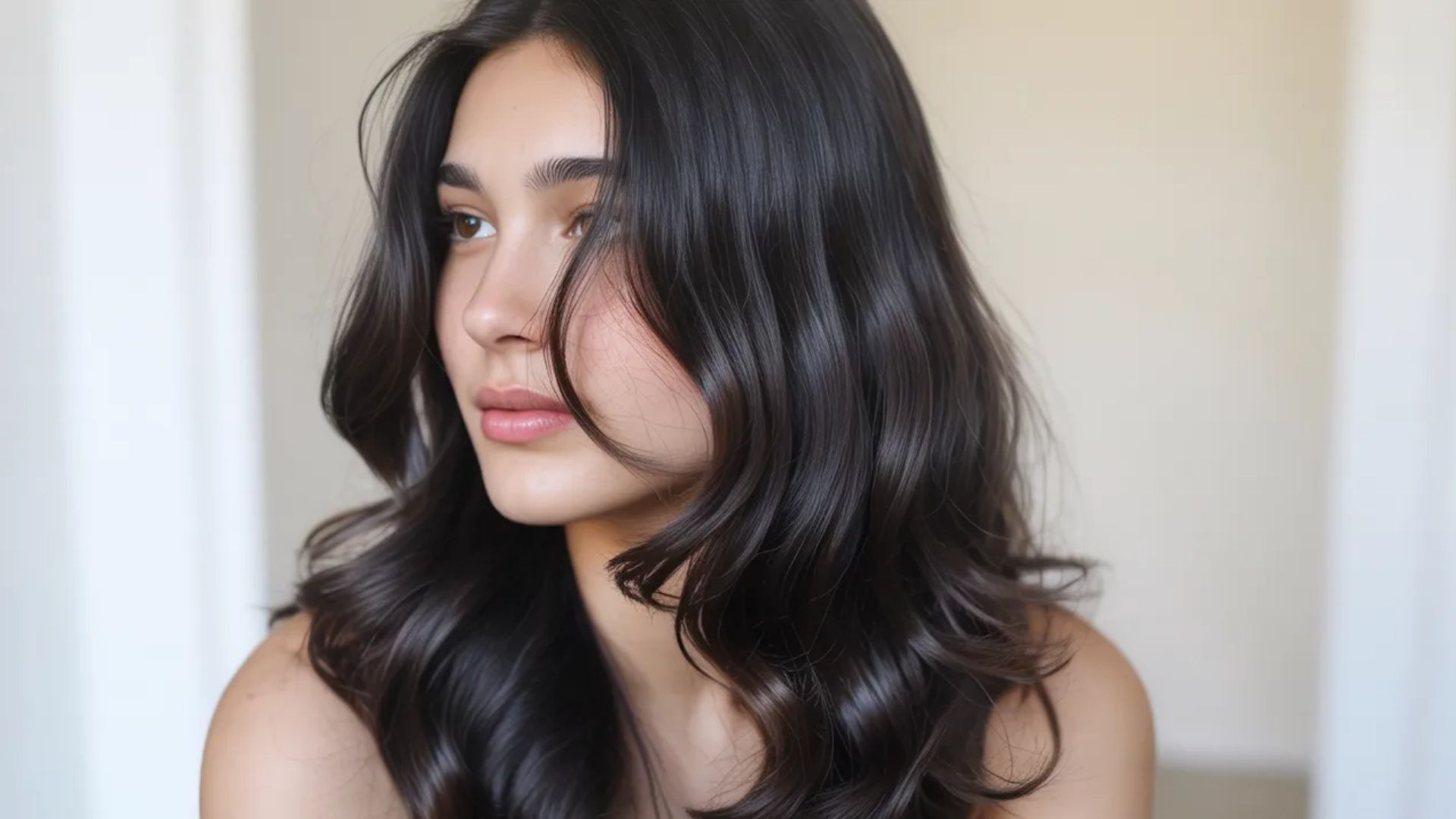
Apple cider vinegar (ACV) is a natural liquid made from fermented apples.
It comes in two forms: raw, unfiltered ACV, which contains “the mother” full of beneficial enzymes and bacteria, and filtered ACV, which is clearer but has fewer nutrients.
ACV is rich in acetic acid, vitamins, and minerals that can support hair health.
Using it on your hair helps balance the scalp’s pH, removes product buildup and excess oils, enhances shine and smoothness, and can reduce dandruff and itchiness, leaving your hair clean, healthy, and more manageable.
How to Use Apple Cider Vinegar on Hair: Step-by-Step Methods
Using apple cider vinegar on hair is simple and effective. It removes buildup, balances the scalp, and enhances natural shine for healthier, more manageable hair.
1. Apple Cider Vinegar Hair Rinse
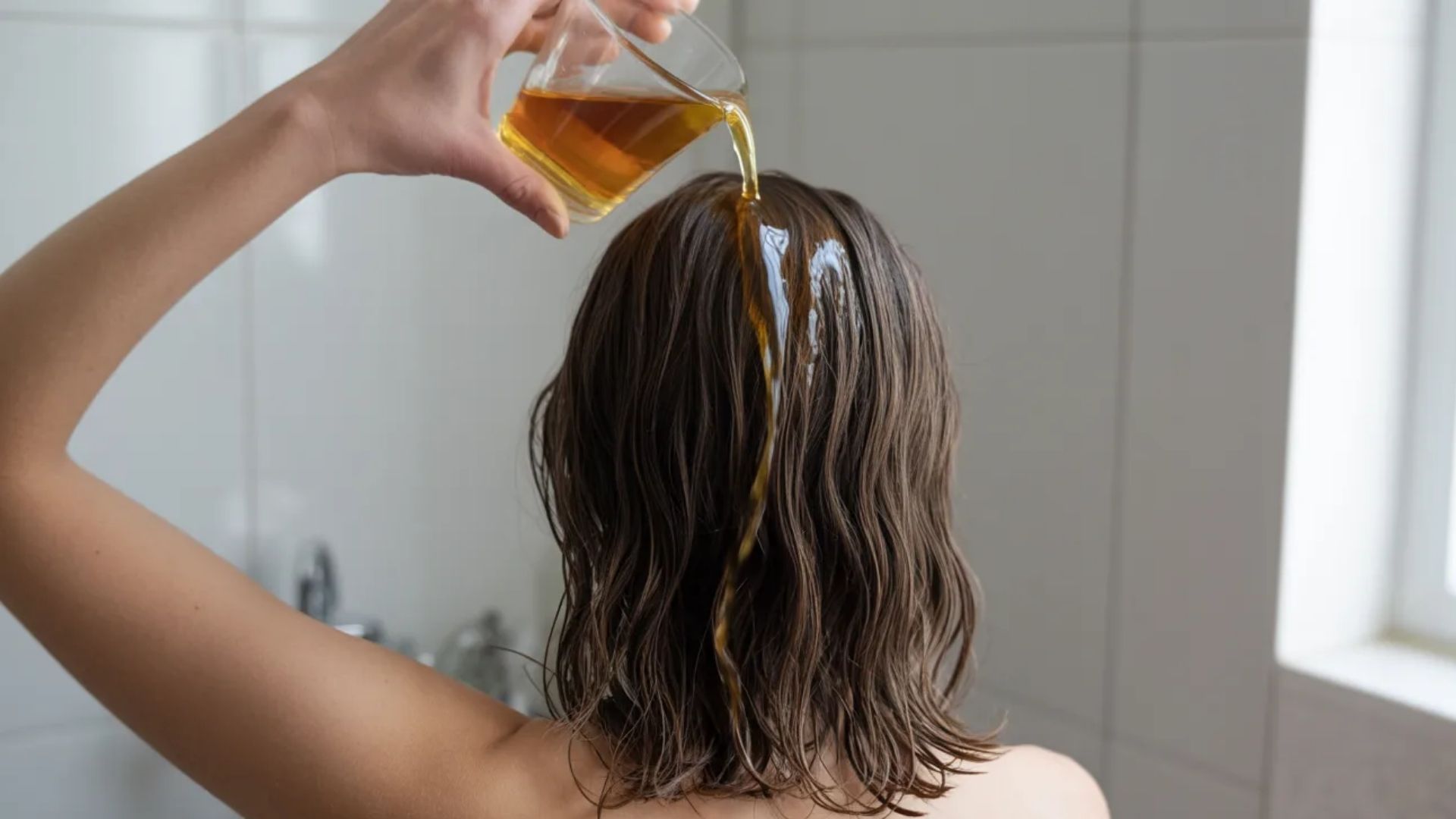
A simple ACV rinse refreshes hair and scalp quickly. It removes residue and clarifies the scalp, leaving hair soft, clean, and shiny without harsh chemicals or complicated steps.
Purpose: Quick scalp cleansing and shine enhancement.
This method gently removes product buildup and excess oils while balancing the scalp’s pH, giving hair a refreshed, smooth, and healthy appearance.
Ingredients Needed: Raw apple cider vinegar and water. Only two ingredients are needed.
Raw ACV with “the mother” provides natural enzymes and minerals that nourish the scalp and hair effectively.
Mixing Ratio: Mix 1 part ACV with 3–5 parts water.
Adjust based on hair type and sensitivity. Stronger mixtures work for oily hair, while diluted versions are better for dry or sensitive scalp.
Application: After shampooing, pour or spray over damp hair.
Massage gently into the scalp and hair for 1-2 minutes to evenly distribute the mixture and stimulate circulation.
Wait Time: Leave for 3-5 minutes, then rinse thoroughly.
This allows ACV to remove residue, balance pH, and enhance shine. Rinsing with cool water helps seal the hair cuticle.
2. ACV Spray for Daily Use
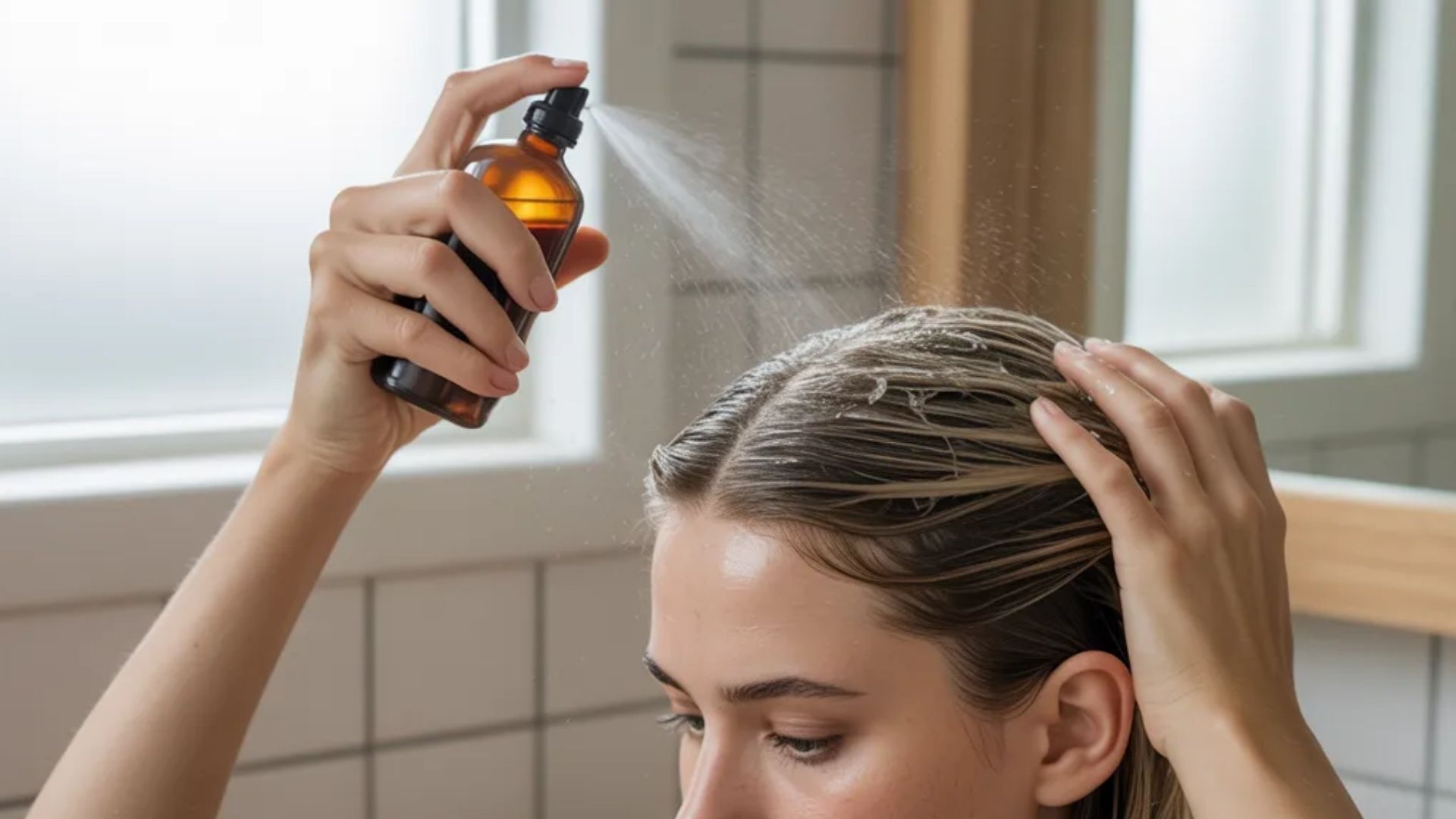
An ACV spray gently refreshes the scalp daily. It maintains hair cleanliness, controls oil, and adds a natural shine without the need for a full rinse or complicated routine.
Purpose: Light scalp balancing and oil control.
This method prevents buildup, regulates scalp oil, and keeps hair feeling light, fresh, and smooth throughout the day without stripping natural moisture.
Preparation: Dilute 1 part ACV with 5 parts water in a spray bottle. The solution is safe for frequent use and easy to apply, providing gentle scalp care and subtle hair shine.
Application: Spritz lightly on hair and scalp: Massage gently for even coverage. Focus on oily areas or spots with product residue to keep hair clean and balanced.
Benefits: Prevents buildup, controls oil, and refreshes hair.
Regular use helps maintain scalp health, reduces greasiness, and supports naturally shiny, manageable hair with minimal effort.
3. Deep ACV Hair Treatment
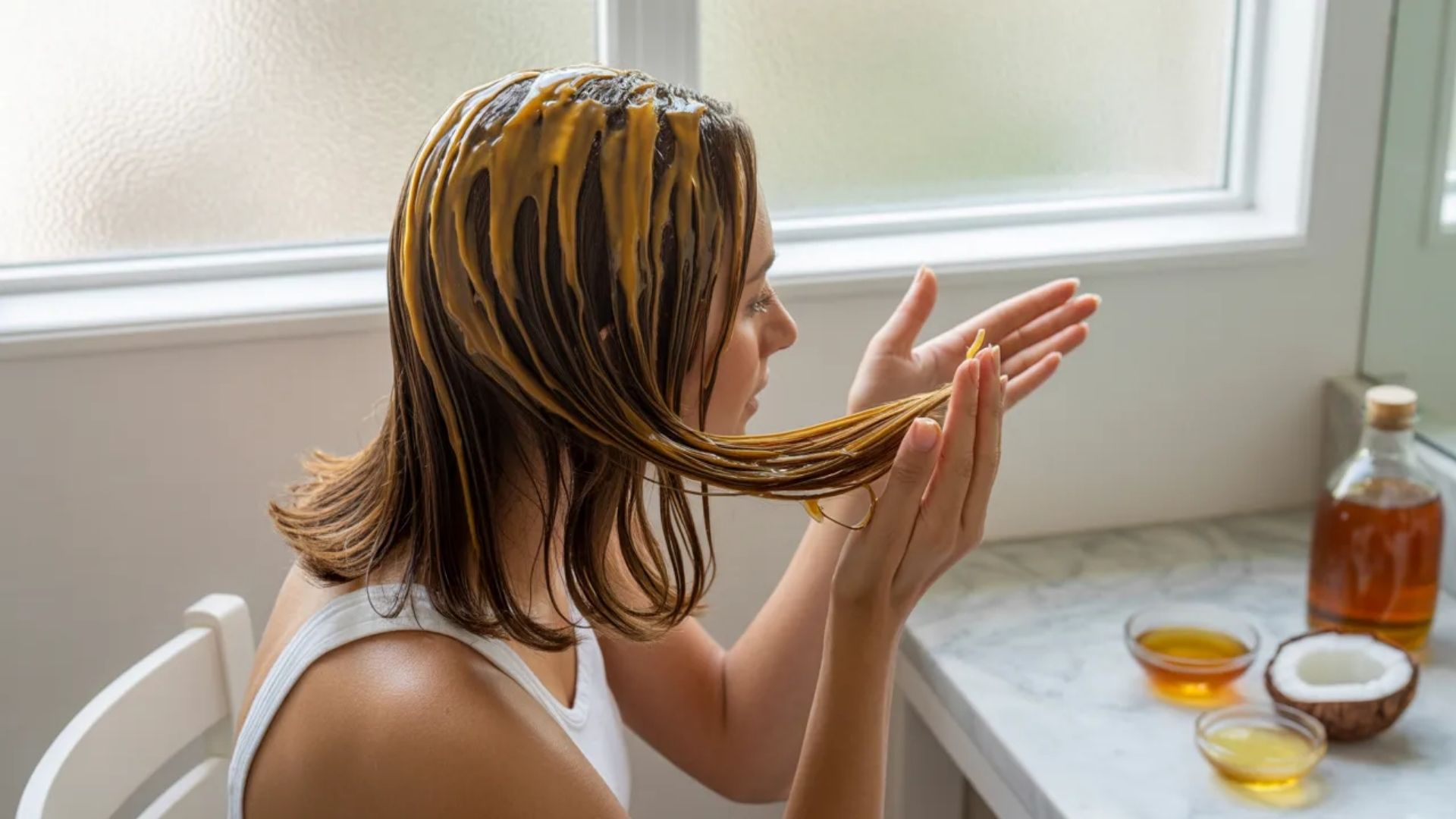
A deep ACV treatment nourishes and detoxifies hair. It strengthens strands, restores softness, and leaves hair shiny while supporting a healthy scalp environment over time.
Purpose: Intensive nourishment, shine, and detox.
This method cleanses, moisturizes, and strengthens hair deeply while balancing scalp pH and supporting healthier growth and softer, shinier strands.
Mixing: Combine ACV with honey or coconut/argan oil.
Adding natural oils or honey enhances moisture, reduces dryness, and helps protect hair from damage while the ACV clarifies and nourishes.
Application: Apply thoroughly from roots to ends. Ensure scalp and hair are fully coated. Massage gently to distribute evenly and stimulate blood flow for added scalp health.
Wait Time: Leave on for 10-20 minutes.
This allows the mixture to penetrate deeply, providing hydration, nourishment, and scalp detoxification while enhancing shine and softness.
Frequency: Use once every 1-2 weeks.
Regular but not excessive use ensures deep conditioning without over-stripping hair, keeping it healthy, shiny, and refreshed.
With these ACV methods, you can easily customize your hair care routine. A rinse, spray, or deep treatment will keep your hair clean, shiny, and healthy naturally.
DIY Apple Cider Vinegar Hair Treatments & Recipes
Apple cider vinegar can be combined with natural ingredients to clarify, nourish, and enhance shine while keeping the scalp healthy and hair soft.
Basic ACV Hair Rinse – 1:3 or 1:5 ACV-to-water ratio:
Mix one part raw ACV with 3–5 parts water. Pour over damp hair after shampooing, massage gently, leave 3–5 minutes, then rinse thoroughly.
ACV + Honey Hair Mask – Moisturizing and balancing scalp:
Combine one tablespoon of ACV with one tablespoon of honey. Apply to scalp and hair, leave 10-20 minutes, then rinse for soft, hydrated, and balanced hair.
ACV + Aloe Vera Rinse – Soothing for sensitive scalp: Mix one part ACV with 3–4 parts
water and 1-2 tablespoons aloe vera. Apply to damp hair, leave 5–10 minutes, then rinse to calm irritation.
ACV + Essential Oils (Lavender, Rosemary) – For shine, scalp stimulation, hair growth:
Mix one part ACV with 4-5 parts water and 3-5 drops of essential oil. Apply, leave 5-10 minutes, then rinse for shiny, healthy hair.
Using ACV for Different Hair Types

Apple cider vinegar can be adapted to suit different hair types, helping maintain scalp balance, reduce buildup, and enhance shine without causing damage.
Oily Hair: Use ACV rinses once a week or every ten days. Stronger concentrations help control excess oil, while gentle dilutions prevent scalp irritation.
Dry or Damaged Hair: Dilute ACV more than usual and combine with moisturizing ingredients like honey or oils. This prevents over-drying while still clarifying the scalp.
Curly or Natural Hair: Apply ACV rinses to damp hair and massage gently. It helps detangle, maintain curl definition, and reduce frizz without stripping natural moisture.
Color-Treated Hair: Test ACV on a small strand first and avoid overuse. Gentle rinses maintain shine while minimizing the risk of color fading or damage.
Tips and Precautions When Using Apple Cider Vinegar on Hair
Use these tips to apply apple cider vinegar safely to your hair:
- Do a patch test first to check for scalp sensitivity or allergic reactions.
- Avoid leaving ACV on the scalp longer than 15 minutes to prevent irritation.
- Rinse thoroughly after use to remove residue and prevent a lingering vinegar smell.
- Dilute properly according to your hair type and scalp sensitivity to avoid dryness.
- Avoid contact with the eyes, as ACV can cause stinging or irritation.
- Limit use on chemically treated or color-treated hair to prevent fading or damage
Following these precautions keeps your hair healthy and protected.
Troubleshooting Common Issues
These solutions help address common issues that can occur when using apple cider vinegar on hair.
| Issue | Solution |
|---|---|
| Hair feels dry or brittle | Dilute ACV more or use it with a conditioner to prevent dryness |
| Strong ACV smell | Rinse thoroughly and, optionally, mix ACV with a few drops of essential oils |
| Scalp irritation | Reduce frequency of use and check for allergies before applying again |
Following these tips ensures your ACV treatments are effective without causing dryness, irritation, or odor.
Final Thoughts
After trying different methods myself, I’ve learned how powerful a simple routine can be when you know how to use apple cider vinegar on hair properly.
It helps remove buildup, balances the scalp, and leaves strands soft, shiny, and manageable. With consistent care, even dry or frizzy hair can feel refreshed and healthier.
Small, thoughtful treatments make a real difference over time, creating a hair care routine that’s simple, effective, and nourishing.
Give your hair the attention it deserves and start finding ACV treatments today to see real results for yourself!
Frequently Asked Questions
Can ACV Help With Hair Growth?
ACV promotes a healthy scalp by balancing pH, removing buildup, and improving circulation, which can support existing hair growth but does not create new hair.
Can I Leave ACV In My Hair Overnight?
Leaving ACV in hair overnight is not recommended. Extended contact can irritate the scalp and dry out hair. Use for 3-20 minutes instead.
Can ACV Regrow Hair?
ACV cannot regrow hair. Its benefits strengthen existing hair, reduce scalp issues, and create a healthier environment for hair to thrive.
Can ACV Lighten Hair?
ACV is mildly acidic and may slightly enhance natural highlights over repeated use, especially in sunlight, but it will not significantly lighten hair.
Can ACV Be Used On Scalp Fungus Or Dandruff?
ACV helps restore scalp pH and reduce fungal growth, relieving dandruff and itchiness. Use diluted ACV 1-2 times per week for best results.