The Collagen Kitchen: Foods and Treatments That Build Beauty from Within


If you spend enough time around skincare conversations, you eventually notice something interesting. People talk less about miracle creams and more about what they’re eating. Or injecting. Or supplementing. Beauty has slowly moved from the bathroom shelf to the kitchen table.
Somewhere in the middle of all that, while researching a trusted source to buy Sculptra, I found myself reading studies about collagen production instead of skincare products. Funny how that happens. The deeper you look, the more you realize healthy-looking skin isn’t built from one product. It’s usually a collection of small choices that add up over time.
Why Collagen Matters More Than Most People Realize
Collagen is basically your body’s structural support system.
Your skin contains a lot of it. So do your joints, bones, tendons, and connective tissues. When you’re young, your body produces collagen pretty efficiently. Skin looks plump. Recovery feels easier. Everything seems to bounce back.
Then age happens.
By your mid-20s, collagen production gradually starts slowing down. Not dramatically at first. It’s subtle. Maybe your skin looks a little less firm. Maybe fine lines stick around longer than they used to.
According to the American Academy of Dermatology, collagen loss is one of the primary reasons skin becomes thinner and develops wrinkles with age.
And honestly, once you notice it, you can’t completely unsee it.
Food First: The Foundation Nobody Likes to Hear About
There’s something slightly disappointing about beauty nutrition.
Most people want a secret.
Instead, the answer is often chicken, fish, vegetables, fruit, and enough protein.
Not very exciting. Still true.
Bone Broth
Bone broth gets talked about constantly in wellness circles.
Sometimes too much, if we’re being honest.
It does contain amino acids and collagen-related compounds that may support connective tissue health. Is it magic? Probably not. Can it be part of a collagen-friendly diet? Sure.
The first time I tried homemade bone broth, I expected something life-changing. It tasted like… broth. Good broth, but still broth.
Fish
Fish provides protein and nutrients involved in collagen synthesis.
Research published in the journal Marine Drugs suggests marine collagen peptides may have positive effects on skin elasticity and hydration.
Salmon, sardines, and mackerel are especially interesting because they also provide omega-3 fatty acids, which may help support skin health.
That’s a nice two-for-one situation.
Chicken
Many collagen supplements are derived from chicken connective tissue for a reason.
Chicken naturally contains amino acids like glycine and proline, which are important building blocks for collagen production.
You don’t need fancy recipes either.
Roasted chicken. Soup. Grilled chicken breast. Simple works.
Eggs
Egg whites contain proline, one of the amino acids involved in collagen formation.
No, eggs don’t directly contain large amounts of collagen.
But they help provide materials your body uses during the process.
Sometimes nutrition works like that. Less dramatic. More practical.
The Vitamin C Connection
Here’s the part people often miss.
Your body cannot effectively build collagen without vitamin C.
You could consume collagen all day long, but without adequate vitamin C, production becomes less efficient.
That makes foods like these surprisingly important:
- Oranges
- Lemons
- Kiwi
- Strawberries
- Blueberries
- Bell peppers
- Tomatoes
- Guava
A review published in Nutrients noted that vitamin C plays an essential role in collagen synthesis and skin function.
In other words, your morning fruit bowl might be doing more for your skin than you realize.
The Quiet Heroes: Minerals That Help Build Better Skin
Everybody talks about protein.
Fewer people talk about zinc and copper. Maybe they should.
These minerals support collagen formation and tissue repair.
Some excellent sources include:
- Cashews
- Pumpkin seeds
- Lentils
- Chickpeas
- Beans
- Shellfish
I went through a phase where I obsessively tracked protein intake but completely ignored micronutrients. Looking back, that was probably missing half the picture.
Maybe more than half.
Expert Insight
Dr. Nicholas Perricone, dermatologist and nutrition researcher, has long emphasized that inflammation and nutrient deficiencies can accelerate visible skin aging, while nutrient-rich diets support healthier skin structure over time.
That doesn’t mean food stops aging.
Nothing does. It simply means your skin reflects what’s happening internally more than most people think.
Foods That May Work Against Collagen
Now for the less fun section.
Some foods can contribute to processes that damage collagen.
The biggest culprits?
Excess Sugar
High sugar intake contributes to glycation, a process where sugar molecules attach to proteins like collagen and make them less flexible.
That’s not ideal for skin firmness.
Refined Carbohydrates
White bread, pastries, sugary snacks, and heavily processed foods may increase inflammation in some individuals.
Again, not catastrophic.
Just something to be aware of. You don’t need perfection. You probably don’t need to swear off birthday cake forever.
Balance matters more than extremes.
Pro Tip
Instead of focusing on what to eliminate, focus on what to add.
Adding more berries, vegetables, fish, and protein-rich meals often improves overall nutrition naturally without creating a restrictive diet.
Collagen Supplements: Helpful or Overhyped?
This is where opinions get interesting.
Some people swear collagen supplements transformed their skin.
Others notice nothing.
Research sits somewhere in the middle. A 2023 meta-analysis reviewing multiple clinical studies found that oral collagen supplementation may improve skin hydration and elasticity in certain populations.
That’s encouraging.
But it doesn’t mean every collagen powder automatically works.
Quality matters. Consistency matters. Your overall diet matters too.
Personally, I think supplements make the most sense when they complement healthy eating rather than replace it.
A scoop of collagen in coffee won’t cancel out weeks of poor nutrition. Unfortunately.
Beauty Treatments That Support Collagen Production
Food helps provide building blocks.
Certain aesthetic treatments encourage your body to produce more collagen. Different approach. Same goal.
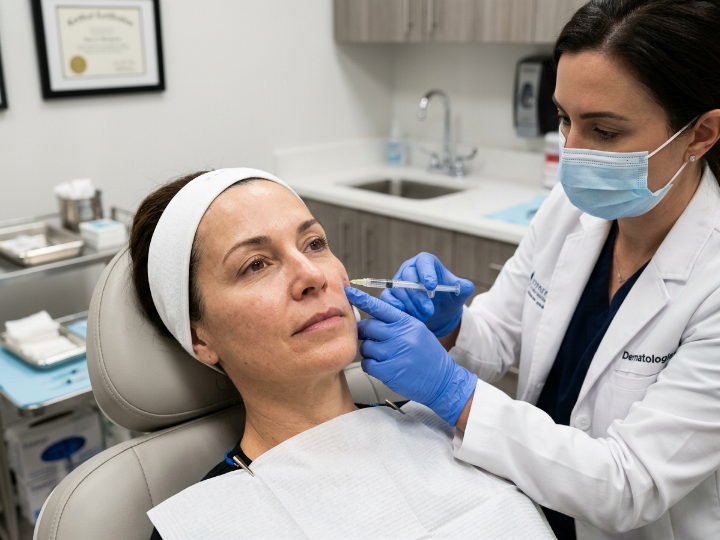
Sculptra
Unlike traditional fillers that simply add volume, Sculptra works by stimulating collagen production over time.
Results appear gradually, which some people actually prefer because changes tend to look natural.
You don’t wake up looking dramatically different overnight.
You slowly look refreshed.
Microneedling
Microneedling creates controlled micro-injuries in the skin.
Sounds intimidating.
It’s actually a well-established treatment designed to trigger healing responses and collagen formation.
Many people notice improvements in texture, acne scars, and fine lines.
Radiofrequency Treatments
Radiofrequency devices use heat energy to stimulate collagen remodeling beneath the skin’s surface.
Results vary, but these treatments have become increasingly popular among people looking for non-surgical options.
Expert Insight
According to the American Society for Dermatologic Surgery, collagen-stimulating procedures can help improve skin firmness and texture when performed appropriately and with realistic expectations.
The keyword here is realistic. No treatment stops aging. No treatment should promise that.
Building a Practical “Collagen Kitchen”
If you’re trying to support healthy skin from within, you don’t need a complicated routine.
A typical collagen-supportive day might include:
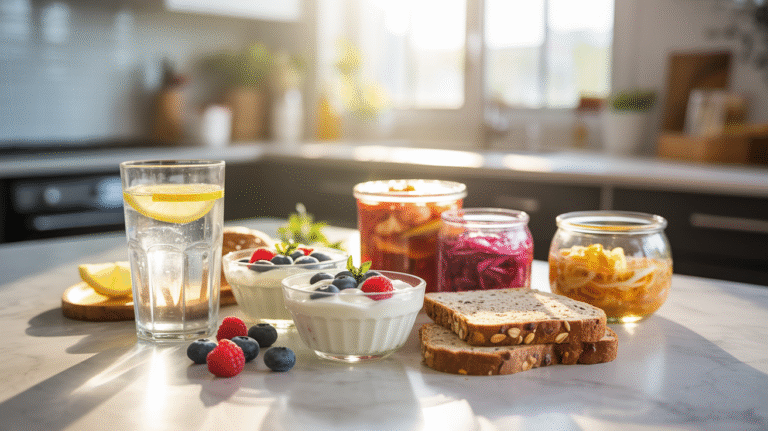
Breakfast
- Eggs
- Berries
- Greek yogurt
Lunch
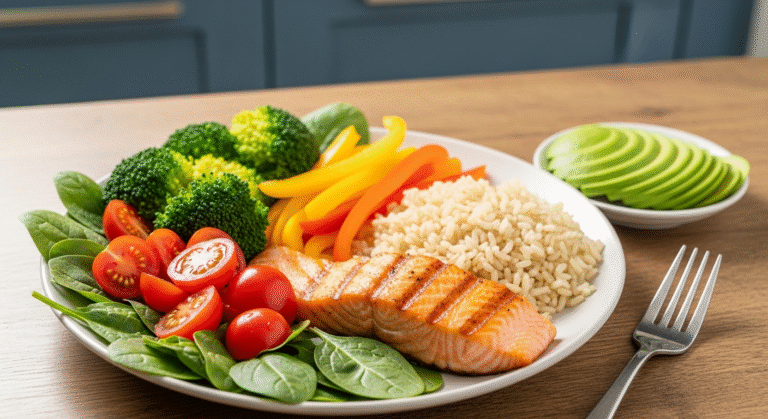
- Grilled salmon
- Mixed greens
- Tomatoes
- Bell peppers
Snack
- Cashews
- Fruit
Dinner
- Chicken
- Beans
- Roasted vegetables
Nothing trendy.
Nothing particularly Instagram-worthy.
Just nutrient-dense food that gives your body what it needs.
Pro Tip
Think weekly, not daily.
One imperfect meal means almost nothing. Consistent eating patterns matter far more than individual food choices.
That’s surprisingly freeing once you realize it.
Final Thoughts
The idea of building beauty from within sounds a little cliché at first. I thought so too. Then you start looking at the science, the nutrition research, and the way collagen actually functions in the body, and it begins to make sense.
Your skin is constantly rebuilding itself. Constantly responding to what you eat, how you sleep, how stressed you are, and yes, sometimes the treatments you choose.
There isn’t one magical collagen food. There isn’t one perfect procedure.
It’s usually a combination of things. More fish. More colorful produce. Enough protein. Less sugar. Maybe a collagen-stimulating treatment if it fits your goals.
Small decisions. Repeated often. That’s probably the closest thing to a beauty secret you’ll find.