The Seasonal Refresh: How to Pair Your Skincare Routine with Modern Aesthetic Tweaks

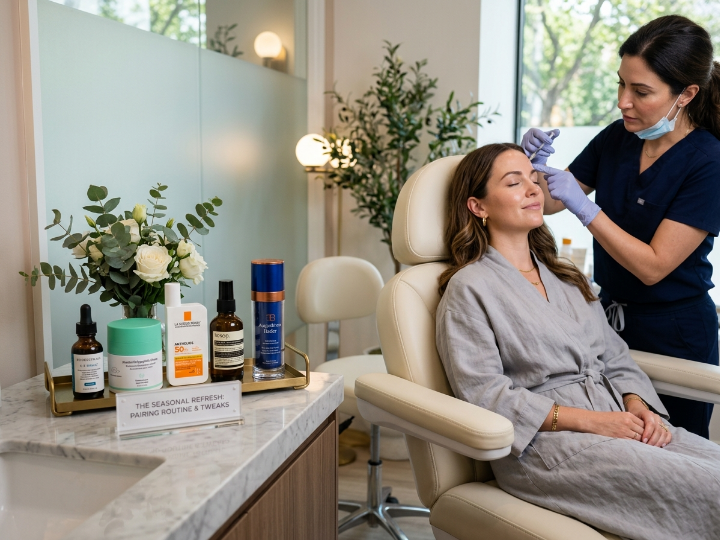
Every season seems to bring a new skincare trend, a new treatment, or some viral video claiming to be the secret to flawless skin. And honestly? It gets a little exhausting. Still, there is something appealing about a seasonal reset. The weather changes, your habits shift, and your skin often decides to do its own thing. Somewhere in the middle of figuring all that out, many people start looking for a trusted place to buy dermal fillers or explore subtle aesthetic treatments that complement their skincare efforts rather than replace them.
The trick, I think, is realizing that skincare and aesthetic treatments are not competing teams. They work better together when approached thoughtfully.
Your Skin Changes More Than You Realize
I used to assume my skin stayed basically the same year-round. Dry skin was dry skin. Oily skin was oily skin.
Well, actually… that’s not how it works.
Temperature, humidity, UV exposure, indoor heating, air conditioning, and even seasonal stress levels can influence your skin barrier. You might notice extra oil production during summer and increased dryness during winter. Sometimes your favorite moisturizer suddenly feels too heavy. Other times it feels like it disappeared five minutes after application.
According to the American Academy of Dermatology, environmental changes can significantly affect skin hydration and barrier function, making seasonal adjustments to skincare routines beneficial rather than optional.
That sounds obvious, but many of us keep using exactly the same products all year and then wonder why our skin seems annoyed.
Spring: Focus on Recovery and Brightness
Spring often feels like a reset button.
After months of cold weather, central heating, and heavier creams, your skin may look a little dull or uneven. This is usually the time when people start reaching for exfoliating products again.
Not aggressively, though.
I’ve seen people get excited about spring skincare and immediately use three acids, a scrub, and a retinol in the same week. Their skin rarely thanks them for it.
A gentler approach tends to work better:
- Introduce mild chemical exfoliation
- Increase antioxidant protection
- Switch to lighter moisturizers if needed
- Prioritize daily sunscreen
This season can also be a good time for subtle aesthetic treatments focused on skin quality rather than dramatic changes.
Light chemical peels, skin boosters, and hydration-focused procedures often fit naturally into a spring refresh plan because they target texture and radiance while allowing plenty of recovery time before summer.
Summer: Less Can Be More
Summer is funny because people often try to do more when they should probably do less.
Higher temperatures usually mean increased oil production and more sweating. Heavy products that worked beautifully in January may suddenly feel suffocating.
A simpler routine often wins:
- Gentle cleanser
- Lightweight moisturizer
- Vitamin C serum
- Broad-spectrum SPF
That’s it for many people.
The other consideration is timing aesthetic procedures carefully. Certain treatments can increase sun sensitivity, which becomes more challenging during months when you’re spending more time outdoors.
The American Society for Dermatologic Surgery consistently emphasizes the importance of sun protection after cosmetic treatments because UV exposure can interfere with healing and affect outcomes.
Honestly, this is one area where patience matters. A lot.
Where Modern Aesthetic Tweaks Actually Fit
Let’s talk about the part people sometimes whisper about.
Injectables.
Laser treatments.
Skin boosters.
Microneedling.
The first time I saw someone’s filler results years ago, I honestly thought it looked fake. Very obvious. Very overdone.
Then I learned something important.
The best aesthetic work is often invisible.
You notice the person looks rested. Fresher. Maybe healthier. You don’t necessarily know why.
That shift in aesthetic medicine has been fascinating to watch. Many modern treatments focus on enhancement rather than transformation.
Dr. Doris Day, a board-certified dermatologist frequently cited in aesthetic medicine research, has noted that successful cosmetic procedures should support natural facial harmony rather than create obvious alterations.
That idea resonates with me because it takes some pressure off. You don’t need to look like somebody else. You’re simply trying to look like yourself on a good day.
Pro Tip
If you’re considering an aesthetic treatment, stabilize your skincare routine first.
Adding multiple new products while also trying a cosmetic procedure makes it difficult to know what’s helping and what’s causing irritation.
Give your skin consistency before introducing something new.
Autumn: The Repair Season
Many skincare professionals consider autumn one of the best times for corrective treatments.
It makes sense.
Sun exposure typically decreases. Temperatures become milder. Recovery can be easier.
This is often when people revisit:
- Retinoids
- Professional peels
- Microneedling sessions
- Pigmentation-focused treatments
Research published in the Journal of Cosmetic Dermatology has repeatedly shown that collagen-stimulating treatments can improve skin texture and elasticity over time, particularly when combined with consistent skincare maintenance.
The key phrase there is “over time.”
Not overnight.
Social media sometimes makes skin improvement look immediate, but real skin remodeling takes months.
That’s probably one of the least exciting truths in aesthetics… and one of the most important.
Winter: Protect the Barrier at All Costs
Winter skin can become surprisingly fragile.
Cold air outside.
Dry heated air inside.
Hot showers (which everyone secretly enjoys too much).
It’s a perfect recipe for dehydration.
This is usually the season when barrier support becomes the priority.
Think:
- Ceramides
- Hyaluronic acid
- Richer moisturizers
- Gentle cleansers
- Reduced exfoliation frequency
Some aesthetic treatments also pair well with winter because sun exposure tends to be lower.
That said, more treatment isn’t always better.
I’ve noticed a pattern among skincare enthusiasts. Sometimes we get excited and start stacking products, treatments, and devices all at once.
Then our skin rebels.
Then we spend three months repairing the damage.
Not exactly the goal.
The Social Media Problem Nobody Talks About Enough
Can we talk about filters for a second?
Because they quietly changed expectations.
You scroll for ten minutes and suddenly every pore seems unacceptable. Every line looks like a crisis.
But real skin has texture.
Real skin has movement.
Real skin reflects light differently depending on the day, your sleep, your hydration, and probably twenty other things nobody can fully control.
The Skin Health Alliance and many dermatology experts continue to stress that healthy skin should be the primary goal, not perfection.
That distinction matters.
Healthy skin and flawless skin are not the same thing.
One is achievable.
The other mostly exists on screens.
Pro Tip
Before booking any aesthetic treatment, ask yourself one simple question:
“Am I trying to fix an actual concern or am I reacting to a photo?”
You’d be surprised how often the answer changes your decision.
Building a Seasonal Strategy That Actually Works
The most effective approach usually isn’t dramatic.
It’s consistent.
Think of aesthetic treatments as occasional support and medical-grade skincare as the foundation.
Your seasonal refresh might look something like this:
Spring
- Brightening ingredients
- Light exfoliation
- Hydration treatments
Summer
- Strong sun protection
- Lightweight skincare
- Maintenance-focused approach
Autumn
- Corrective treatments
- Retinoid reintroduction
- Collagen support
Winter
- Barrier repair
- Deep hydration
- Protective skincare
Simple doesn’t sound exciting, but it tends to produce the most reliable results.
And honestly, that’s probably what most people want anyway.
Final Thoughts
A seasonal refresh isn’t about chasing every new trend or completely reinventing your appearance every few months. It’s more about paying attention. Your skin changes. Your environment changes. Your needs change.
Good skincare creates the foundation, while modern aesthetic tweaks can provide targeted support when chosen thoughtfully. The combination works best when expectations stay realistic and your focus remains on skin health rather than perfection.
Because the goal isn’t to look filtered, frozen, or transformed. It’s to look like yourself… maybe a little brighter, a little healthier, and a little more confident when you catch your reflection unexpectedly.