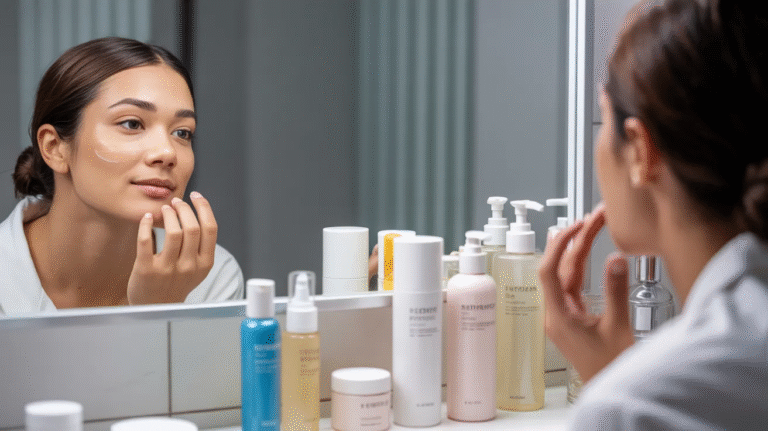
Glacial Water & “Glass Skin”: The Mineral Secret to Poreless Clarity

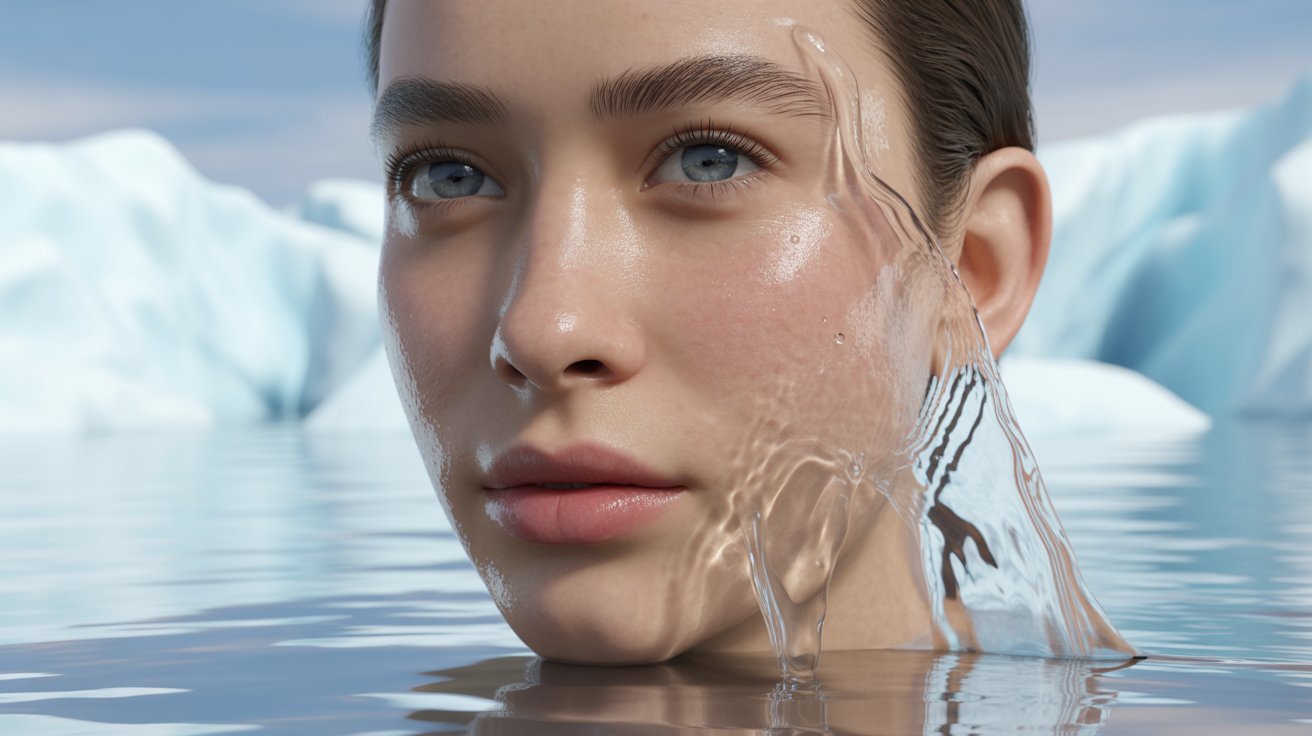
The term “glass skin” is everywhere and on every skincare product on the shelves, from toners to face mists and most K-beauty products. Glass skin is about having almost reflective, poreless clarity, which is why people keep reaching for almost any product that promises deep hydration and a smoother skin surface.
That’s how glacial water became a sought-after component of modern skincare routines. But before you try it for yourself, it’s worth understanding the science behind what gives skin that luminous, glassy quality.
Glass Skin Is About Light
Glass skin isn’t about shrinking your pores for a flawless, photo-finish look. It’s more about how light moves across your face.
When your skin is well-hydrated, and the surface texture is nice and even, light reflects off of it beautifully. Dehydration or a compromised skin barrier both work against that effect, but if you address these skin concerns, your skin will be one step closer to being gorgeously glassy.
Why Glacial Water Is So Popular
Glacial water forms over thousands of years as snow starts to melt and filter through mineral-rich rocks. That’s why its composition is so different from the water that comes out of your tap.
As it moves through mountains, it picks up minerals like calcium and magnesium, potassium, and silica.
Magnesium can help calm inflammation on your skin that shows up as acne or rosacea, while calcium helps to support a brighter complexion. Silica has been found to naturally plump up your skin, and potassium maintains your skin’s hydration.
With all of these benefits, it’s fair to wonder whether getting closer to the source could do even more for your skin than a bottled product ever could.
How the Environment Influences Your Routine
Glacial water isn’t a shortcut to glass skin, and it won’t undo a skincare routine that’s working against you. But, with the right combinations of well-chosen moisturizers and emollients, it can enhance the hydrating properties of your skincare products.
That’s the key to glass skin: Hydration. And you need to layer it properly while protecting your skin barrier instead of repeatedly stripping it with exfoliants and other harsh products.
Why Alaska Is Great For Your Skin
Some environments feel different on your skin, and anywhere with glaciers is a good example of that. This is particularly true for Alaska, where the air is cleaner and the humidity sits at a level that many skin types respond well to.
There are a lot of skincare products that try to capture the feeling of glacial water in a bottle, but going on an Alaskan cruise and being up close and personal with tidewater glaciers is a totally different experience.
Whether the environment will visibly change your skin is individual. Still, the conditions are perfect, and if you’re on a cruise holiday anyway, it can’t hurt to try!
Protecting Your Skin After Your Cruise
Getting close to a glacier doesn’t guarantee you’ll walk off the ship with a permanent glow. Flight cabin air is dehydrating, and the climate changes between heated interiors and freezing outdoor temperatures can put stress on your skin barrier. Not to mention that people tend to drink far less water when they travel.
The best way to hold onto whatever progress your skin has made is to have a solid travel skincare routine in place before you go. That way, you can keep up with it during (and after) your cruise.
How to Get the Glacial Glow Anywhere
To get glass skin anywhere, there are a few things you should add to your routine. Barrier-supporting ingredients like ceramides and niacinamide keep moisture locked in and irritants out, while layering a humectant under an occlusive gives your skin the hydration it needs to stay plump.
Of course, you don’t need to be near a glacier to get glass skin, but it does help. And you can get a much-needed vacation out of the deal!