Is SPF 30 Enough? Expert Sunscreen Guide

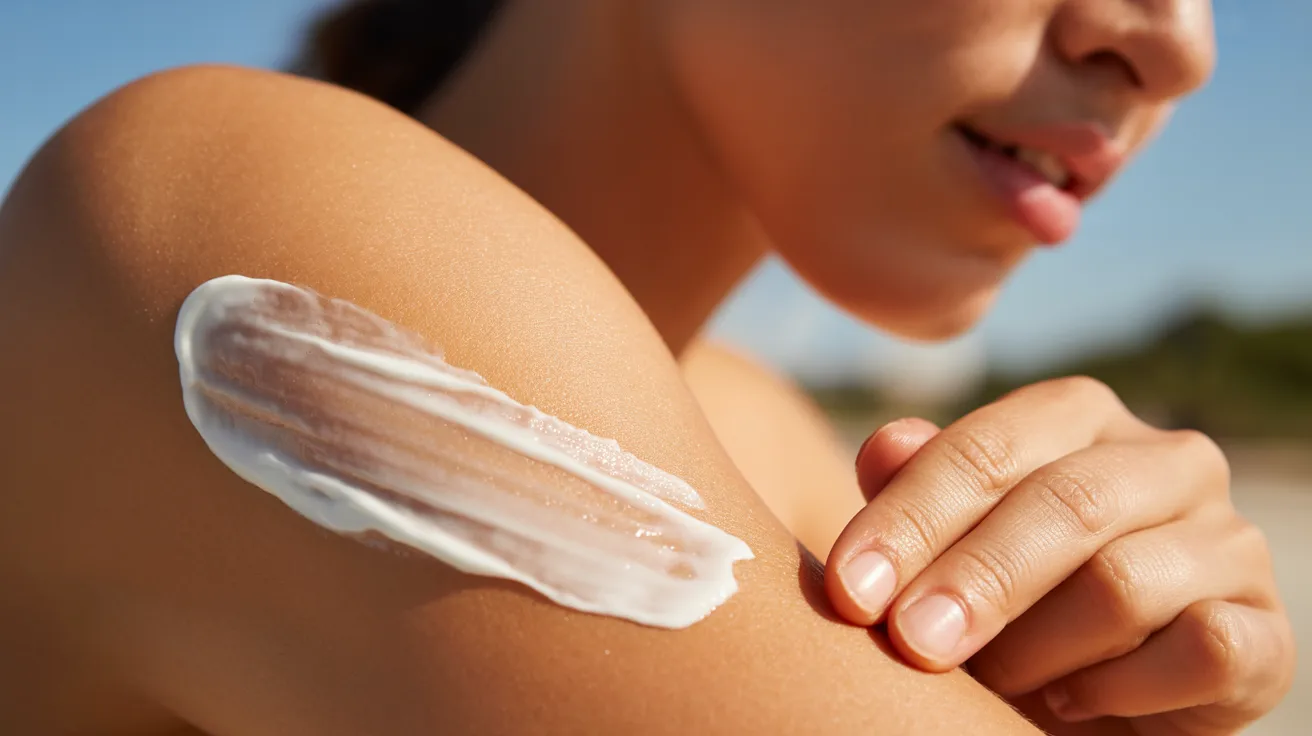
Is SPF 30 enough? I get this question a lot, and honestly, I asked it myself before I really understood how sunscreen works.
The short answer? It depends on what you’re doing and where you’re going.
In this guide, I’ll break down how SPF actually works, when SPF 30 is enough for daily and outdoor use, what different skin tones need, how SPF 30 compares to SPF 50, and tips to get the most out of your sunscreen.
I’ve spent years researching skin protection, and I’ll give you clear, honest answers so you stop second-guessing your sunscreen choice.
Understanding SPF and How Sunscreen Works
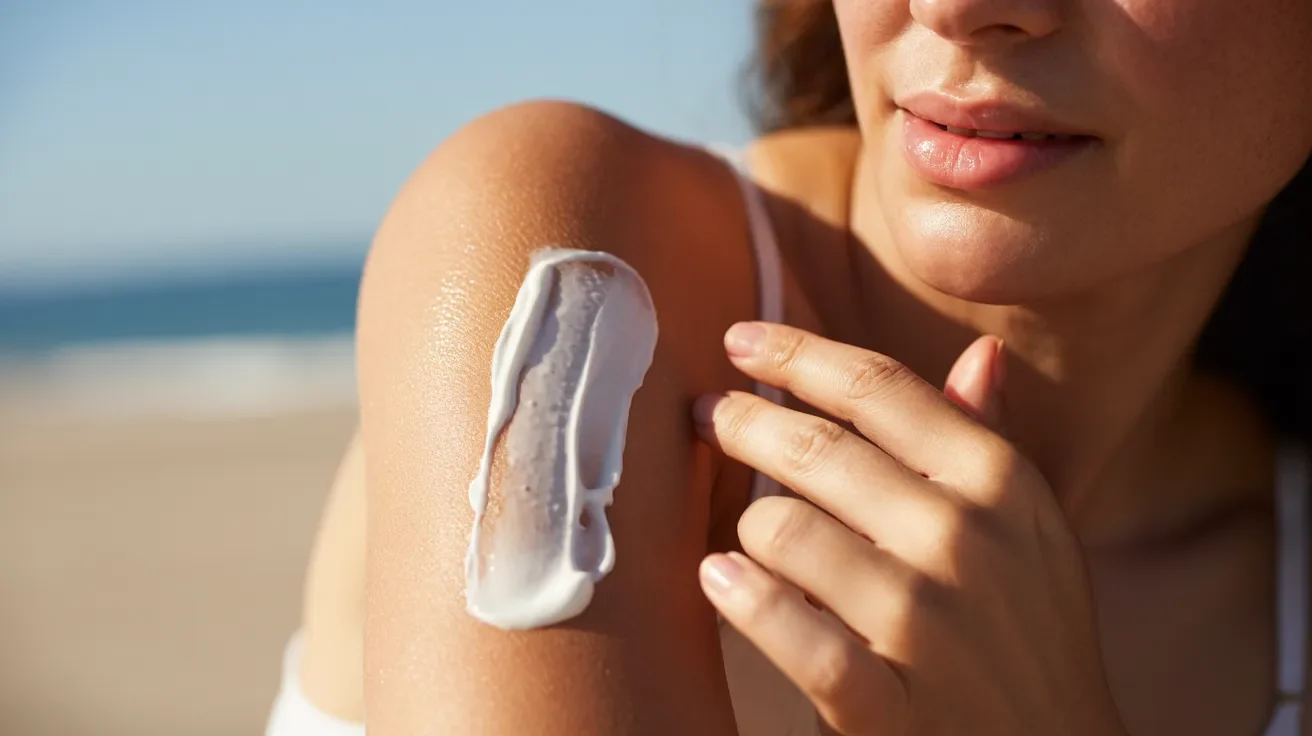
SPF stands for Sun Protection Factor. SPF 30 blocks about 97% of UVB rays, while SPF 50 blocks around 98%. The difference sounds small, but it adds up over long hours in the sun.
No sunscreen blocks 100% of UV rays. UVB rays cause sunburn, but UVA rays go deeper and cause aging and long-term damage. Both raise your skin cancer risk.
SPF only measures UVB protection, which many people don’t know. A broad-spectrum sunscreen covers both types of rays. If your label doesn’t say “broad-spectrum,” you’re not fully protected. Always check before buying.
Is SPF 30 Enough for Daily Use?
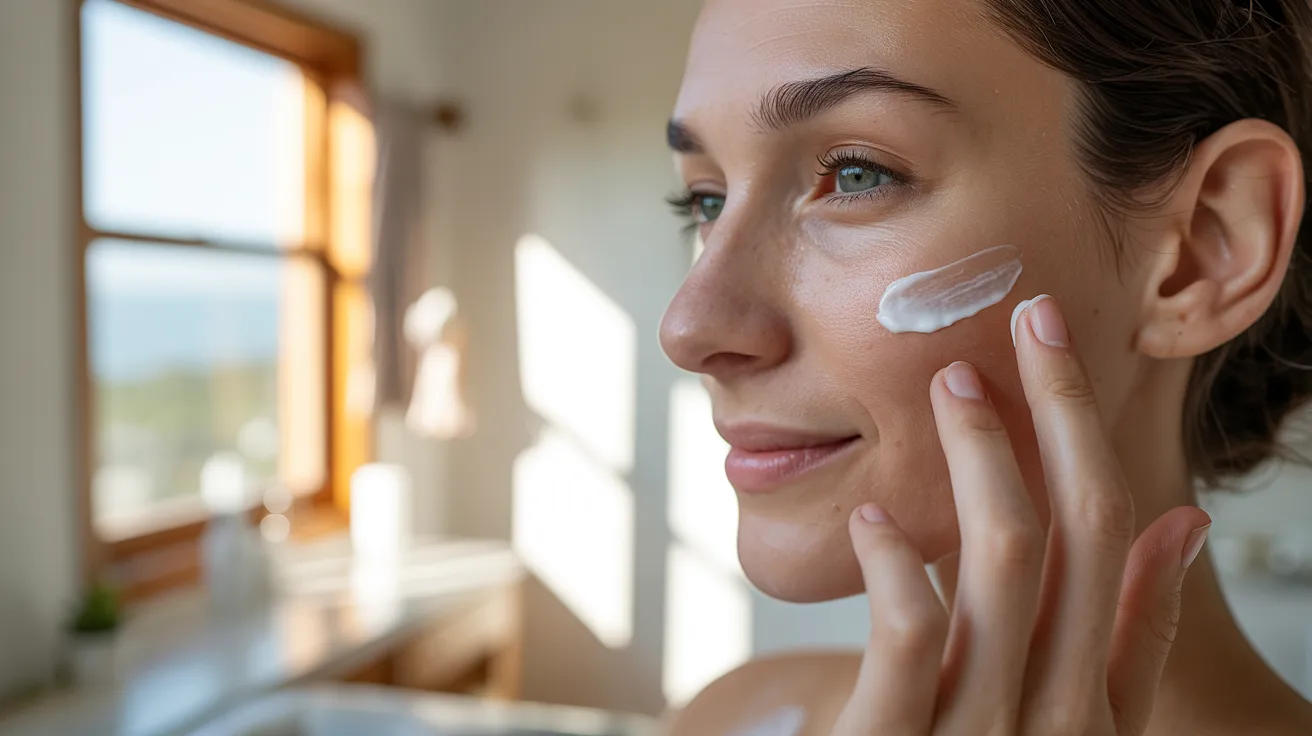
For most people going about their day, SPF 30 can do a solid job if used correctly.
When SPF 30 Is Enough for Everyday Protection
If you’re spending most of your time indoors, commuting, or running quick errands, SPF 30 is generally fine. You’re not getting heavy sun exposure in those situations.
The key word here is correct use. Even SPF 30 fails when people apply too little or skip reapplication.
Is SPF 30 Enough for Face and Indoor Exposure
For daily face protection, SPF 30 works well. Most dermatologists recommend it as a minimum for everyday use. If you sit near a window at work, UVA rays still reach you through glass.
So yes, wearing SPF 30 on your face every day is a smart habit, even if you’re mostly inside.
Common Mistakes That Reduce Protection
People often get less protection than they think. Here’s why:
- Applying too little sunscreen
- Missing spots like the ears, neck, and hands
- Not reapplying after 2 hours
- Skipping sunscreen on cloudy days
These mistakes cut your actual protection significantly, even with a higher SPF.
Is SPF 30 Enough for Beach and Outdoor Activities?
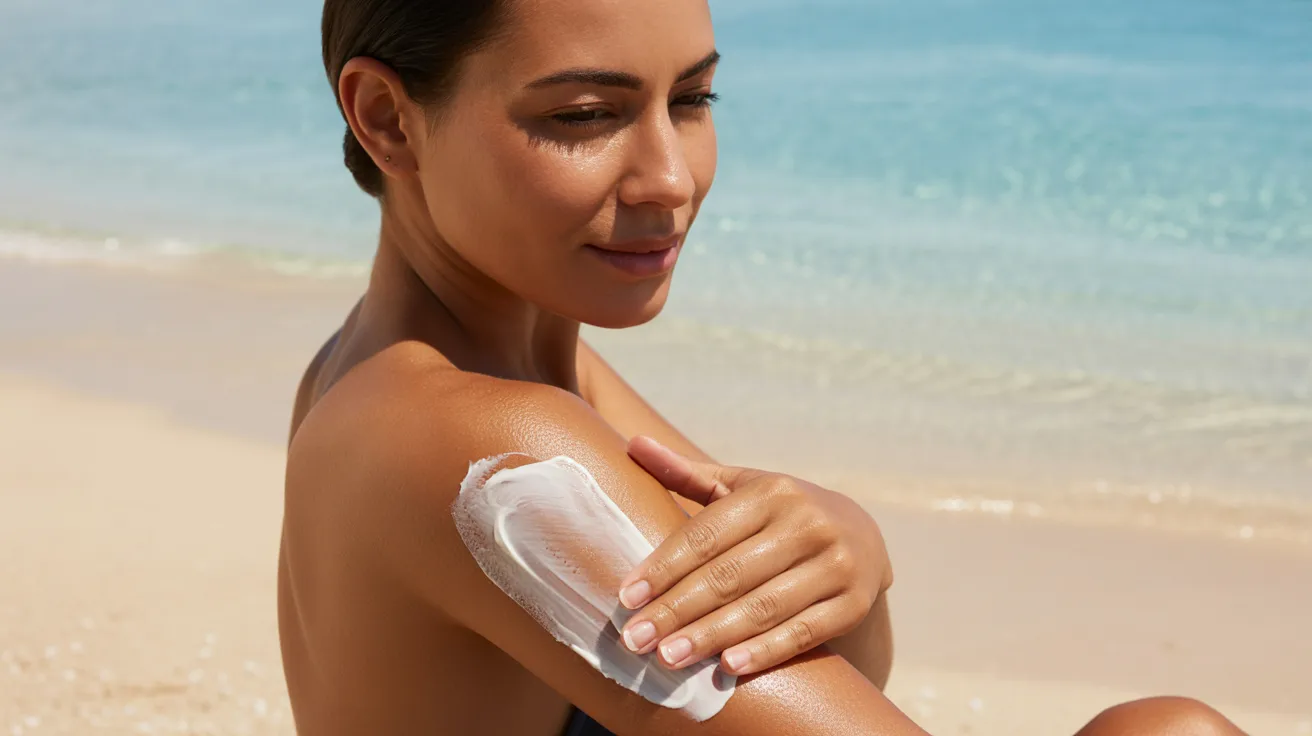
Spending long hours outside changes things. Here’s what you need to know before heading to the beach.
Why SPF 30 May Not Be Enough in Strong Sun
At the beach, you’re dealing with direct sunlight for hours. Sand and water reflect UV rays, which increases your exposure. In this case, SPF 30 may not give you enough protection.
Most skin experts suggest SPF 50 or higher for beach days.
Impact of UV Index, Heat, and Sweating
The UV index tells you how strong the sun’s rays are that day. A UV index of 8 or above is very high. On those days, SPF 30 wears down faster, especially if you’re sweating.
Sweat, water, and rubbing all reduce how well sunscreen works. Even water-resistant formulas need to be reapplied every 80 minutes when swimming.
When to Choose SPF 50 or Higher
Go for SPF 50+ when,
- You’re at the beach or pool
- The UV index is 8 or higher
- You have fair or sensitive skin
- You’re doing sports or outdoor work for long hours
SPF 50 gives you a bit more buffer in those high-exposure moments.
Is SPF 30 Enough for All Skin Types and Tones?

Skin tone and type both affect how much sun protection you actually need.
SPF Needs for Different Skin Types
Fair skin burns faster and needs strong daily protection. Oily skin does well with lightweight, non-comedogenic formulas. Dry skin benefits from sunscreens with added moisturizers.
Sensitive skin should look for mineral sunscreens with zinc oxide or titanium dioxide.
Does Brown Skin Need High SPF?
This is a common question. Is SPF 30 enough for brown skin? The answer is yes, SPF 30 is a good starting point. Darker skin tones have more melanin, which gives some natural protection. But that does not mean sun damage isn’t happening.
Brown and darker skin tones are still at risk for sun damage, skin cancer, and hyperpigmentation. SPF 30 daily is the minimum. SPF 50 is better for extended outdoor time.
Sun Damage and Hyperpigmentation Risks
Hyperpigmentation, dark spots, and uneven skin tone are more common in brown skin when exposed to UV rays without protection. Sunscreen helps prevent these issues from getting worse.
Skipping sunscreen because you have darker skin is a myth worth dropping.
SPF 30 vs SPF 50: Which One Should You Choose?
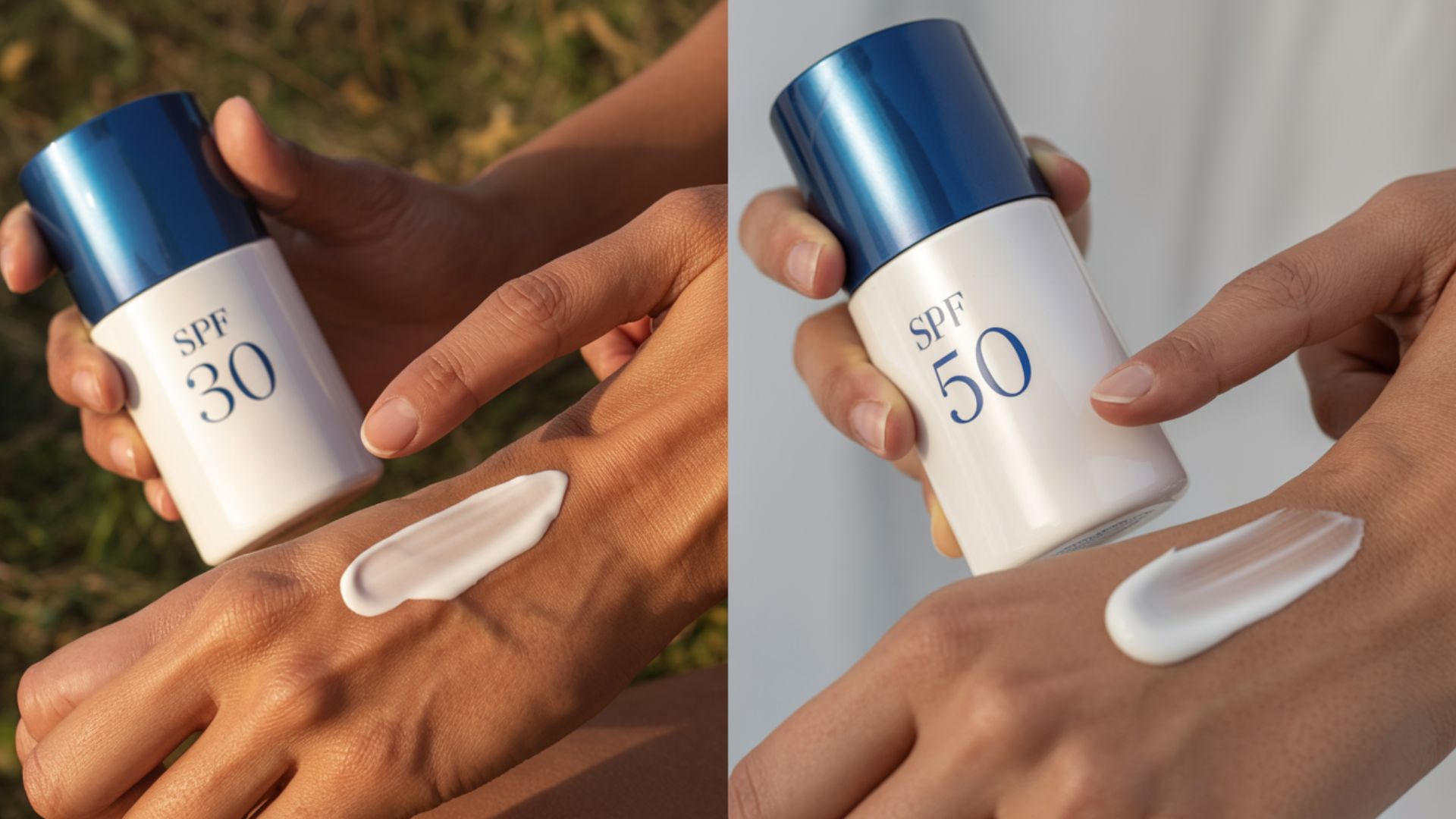
Trying to decide between SPF 30 and SPF 50? Here’s a clear breakdown to help you choose.
Protection Difference Between SPF 30 and 50
SPF 30 blocks 97% of UVB rays. SPF 50 blocks 98%. That 1% difference might not seem like much. But over hours of sun exposure, it adds up.
For daily indoor use, SPF 30 is fine. For outdoor activities, SPF 50 gives extra coverage.
Real-Life Effectiveness vs Lab Claims
Lab tests apply sunscreen in larger amounts than most people use in real life. This means the protection you get in practice is usually lower than what the label says.
Applying enough sunscreen and reapplying it regularly matters more than choosing a higher SPF number.
Pros and Cons of Higher SPF
SPF 50 pros:
- More protection for fair skin
- Better for long outdoor hours
- Helpful on high UV index days
SPF 50 cons:
- Thicker texture in some formulas
- Can feel heavier on oily skin
- May give a false sense of security, leading to less reapplication
Tips to Make SPF 30 More Effective
Small changes in how you apply sunscreen can make a big difference in how well it actually protects you.
- Most people apply only 25-50% of the sunscreen they actually need, so use a nickel-sized amount for your face and about one ounce for your full body.
- Apply sunscreen 15-30 minutes before stepping outside for the best results.
- Reapply every 2 hours, or every 80 minutes if you’re swimming or sweating.
- Match your sunscreen to your skin type, gel for oily, cream for dry, mineral for sensitive, and tinted for darker skin tones.
- Pair sunscreen with a wide-brimmed hat and UV-protective sunglasses for stronger coverage.
- Wear lightweight long-sleeve clothing when the sun is strongest, between 10 AM and 4 PM.
- Stay in the shade during peak hours whenever you can.
Conclusion
So, is SPF 30 enough? For most daily situations, yes. It works well if you apply it correctly and reapply it on time. But for beach days or long outdoor hours, I’d personally reach for SPF 50.
I made the switch after getting more sun damage than I expected on what felt like a mild day. Don’t wait for a burn to take it seriously.
Start using sunscreen consistently, pick the right one for your skin, and build it into your daily routine. Got questions? Drop them in the comments below!
Frequently Asked Questions
Is SPF 30 enough for everyday use?
Yes, SPF 30 is enough for most everyday situations like commuting and indoor work. Apply it correctly and reapply every 2 hours if you’re outside.
Is SPF 30 enough for the beach?
Not really. Beach exposure involves strong reflected UV rays, water, and long hours in the sun. SPF 50 or higher is a better choice for beach days.
Is SPF 30 enough for brown skin?
SPF 30 is a good minimum for brown skin. Darker skin tones still face UV damage, hyperpigmentation, and skin cancer risk, so daily sunscreen is important.
Does SPF 30 protect against UVA rays?
Only if it says “broad-spectrum” on the label. SPF measures UVB protection only. Always choose a broad-spectrum formula for full coverage.
How often should I reapply SPF 30?
Reapply every 2 hours when outdoors. If you’re swimming or sweating, reapply every 80 minutes for proper protection.