What Causes Crepey Skin and How to Prevent It

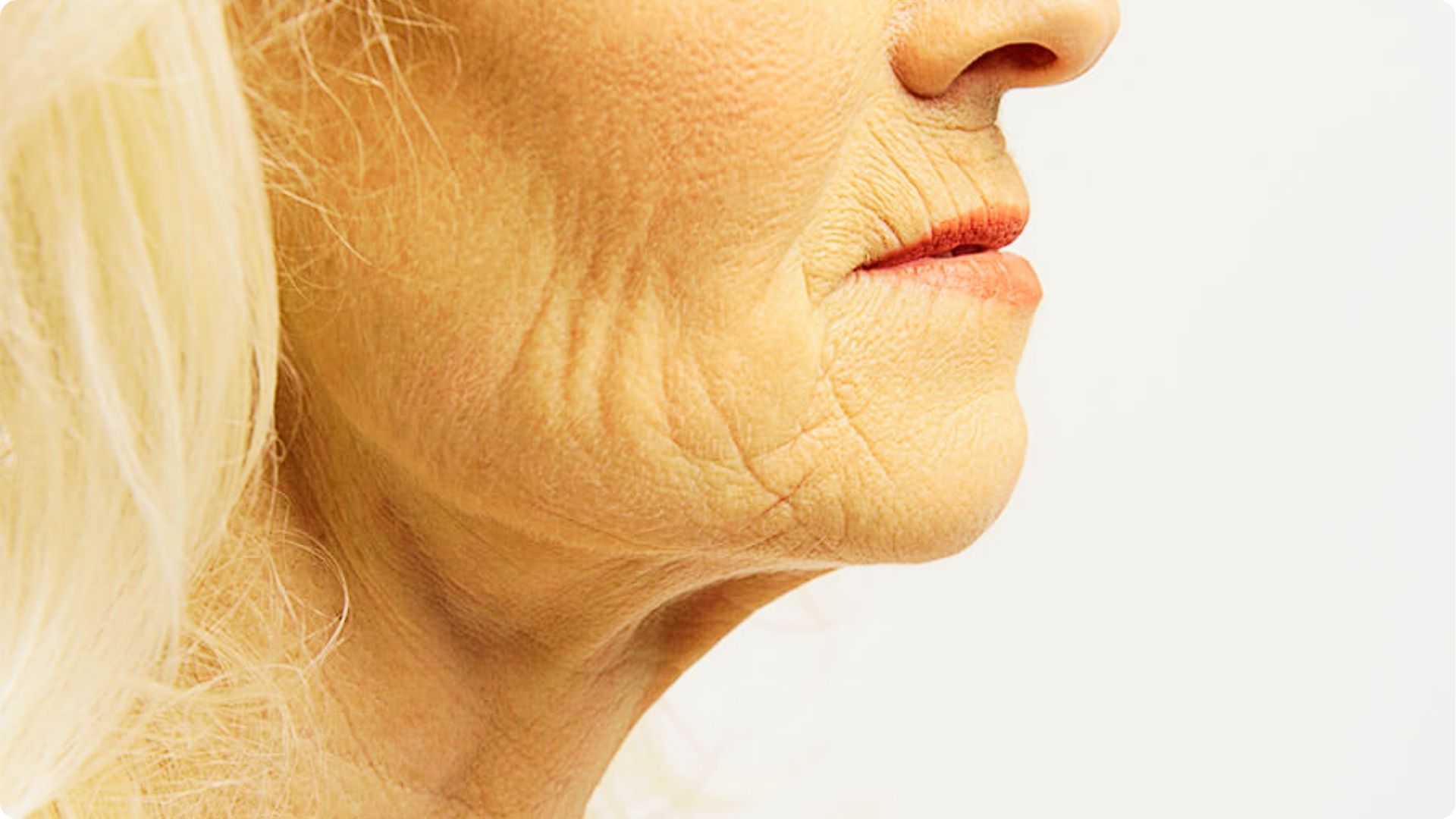
Crepey skin is frustrating. It looks thin, loose, and wrinkled like crepe paper. And once it shows up, it feels impossible to fix.
But here’s the truth: understanding why it happens is the first step to actually doing something about it.
With over a decade of researching skin health and aging, I know what works and what doesn’t.
In this article, I’ll walk you through the real causes of crepey skin, the habits silently making it worse, and simple, proven ways to prevent and treat it.
No fluff. No false promises. Just clear, helpful information you can start using today.
What Is Crepey Skin?
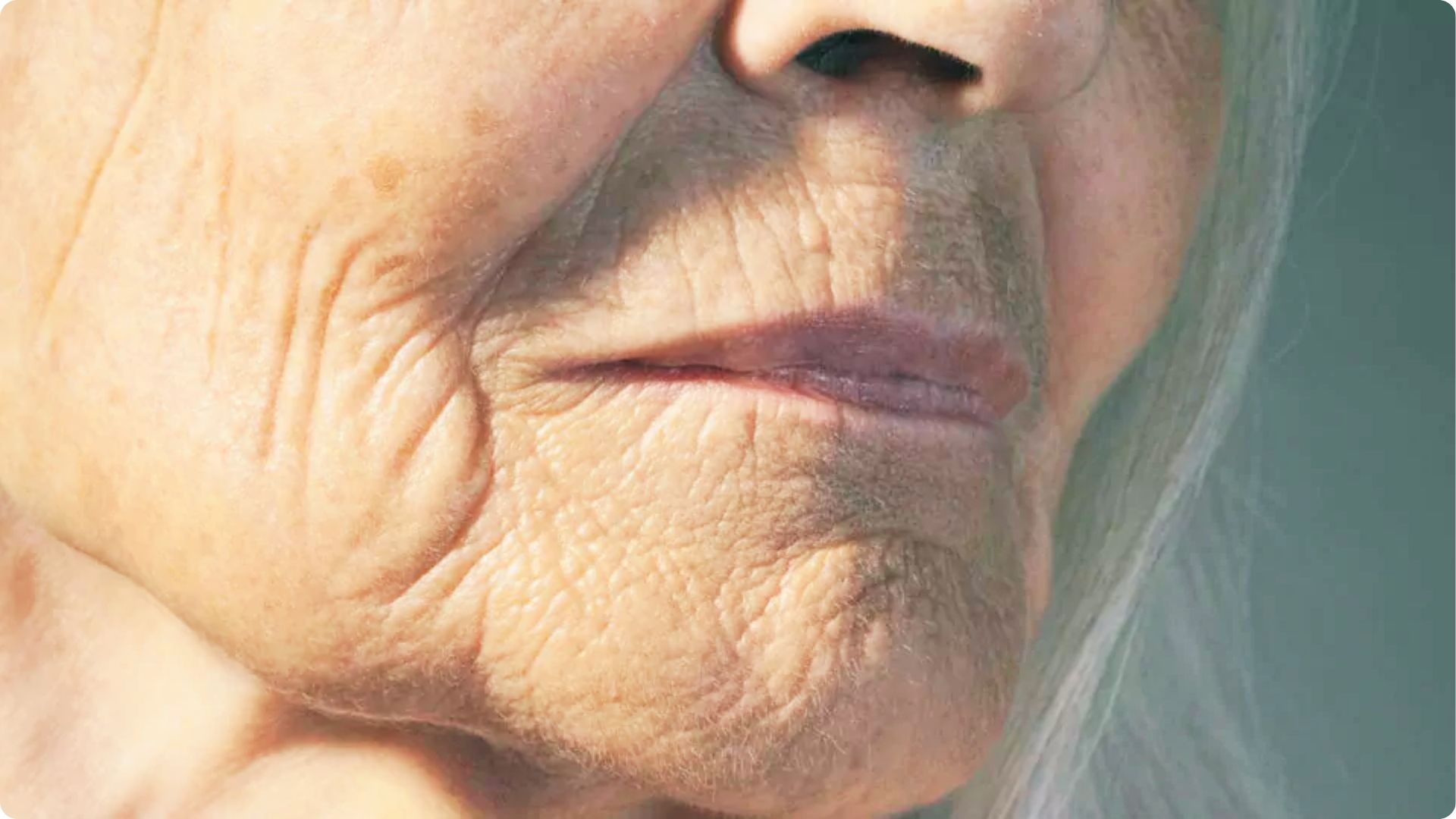
Crepey skin refers to skin that has become thin, loose, and finely wrinkled in a way that resembles crepe paper.
Unlike typical wrinkles that form from repeated facial expressions, crepey skin develops across broader areas of the body due to the gradual breakdown of collagen and elastin, the structural proteins responsible for keeping skin firm and flexible.
It often feels soft but lacks resilience and does not bounce back when touched or stretched.
The condition becomes significantly more common with age and is influenced by sun damage, dehydration, genetics, and lifestyle factors accumulated over many years.
What Causes Crepey Skin and How to Get Rid of It?

Getting rid of crepey skin takes a combination of realistic expectations, consistent habits, and the right treatments.
Can Crepey Skin Be Reversed?
Crepey skin cannot be fully reversed, but its appearance can be meaningfully reduced through targeted ingredients, professional treatments, and lifestyle changes.
Topical products alone cannot undo structural changes, but a combined approach produces visible improvement.
What Improves Crepey Skin the Most?
Retinoids have the strongest evidence for improving texture by stimulating collagen production, while professional treatments like fractional laser and radiofrequency deliver more significant results.
Daily sun protection remains the single most important step to prevent further deterioration.
Combining Prevention With Treatment
Using retinoids and SPF together while addressing dehydration, nutrition, and sleep creates a comprehensive approach that works from multiple angles simultaneously.
Prevention and active treatment produce significantly better results together than either does alone.
How Long It Takes To See Skin Improvements
Topical treatments typically require eight to twelve weeks of consistent use before visible changes appear, while professional treatments may work faster but often need multiple sessions.
Lifestyle improvements like better hydration and quitting smoking can show early skin quality changes within a few weeks.
How to Prevent Crepey Skin Naturally
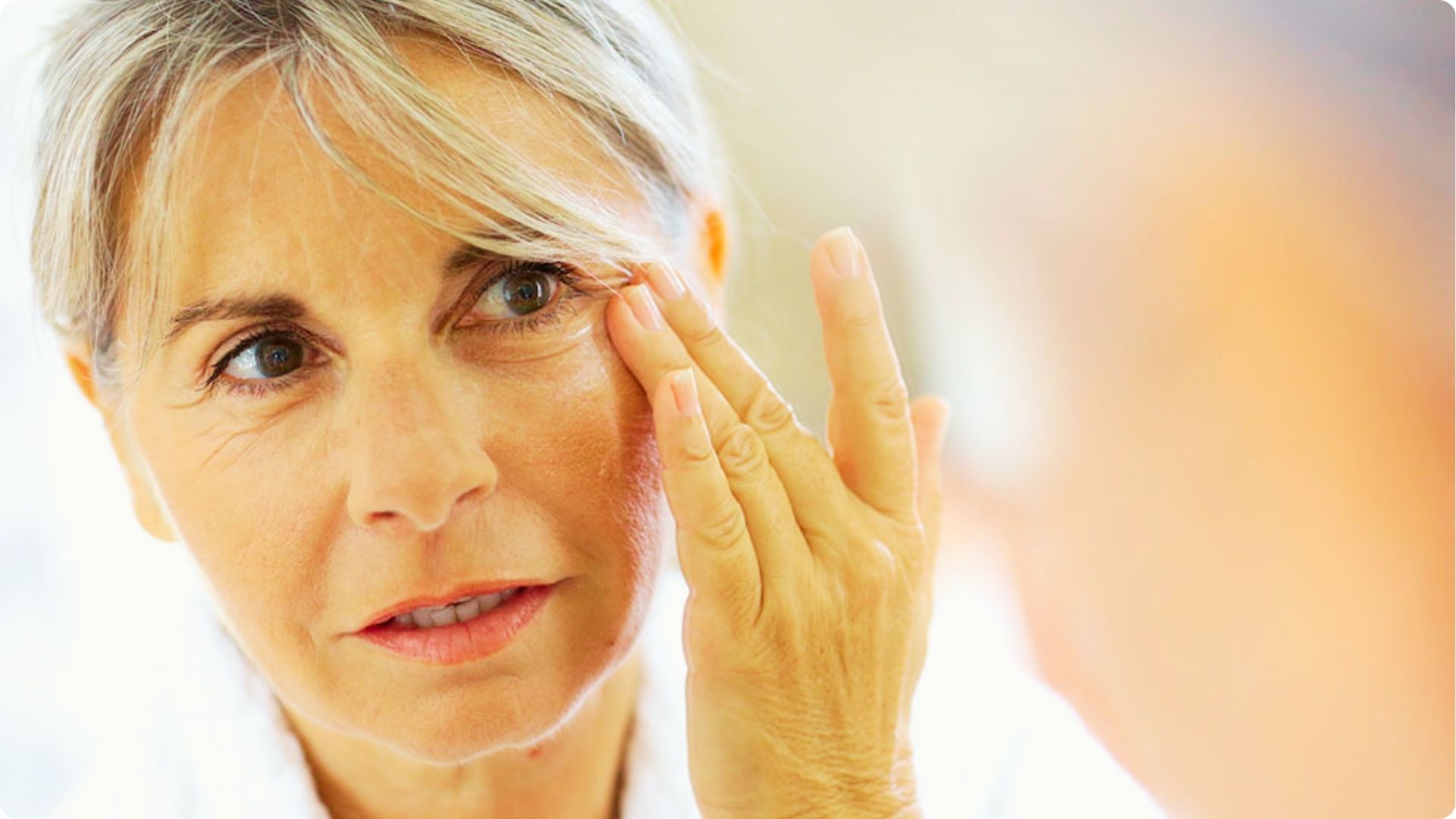
The most effective approach to crepey skin is preventing it from worsening, starting with daily habits that protect the skin’s structure.
Wear SPF 30+ Sunscreen Every Day
UV damage is cumulative and irreversible, and every unprotected day adds to the total burden on the skin’s structure.
Applying broad-spectrum SPF 30 or higher to all exposed skin daily, regardless of season or weather, is the single most effective preventive habit.
Avoid Tanning Beds and Excessive Sun Exposure
Tanning beds expose the skin to concentrated UV radiation far beyond natural sunlight, causing accelerated collagen breakdown and earlier crepey skin.
Limiting outdoor exposure during peak hours and consistently seeking shade produce meaningful long-term results.
Moisturize Skin Consistently
Well-hydrated skin reflects light better, appears smoother, and resists the visible effects of crepey texture more effectively than chronically dry skin.
Applying a good moisturizer morning and night, particularly after bathing, supports the skin barrier and reduces daily water loss.
Eat Foods That Support Collagen Production
Collagen production requires vitamin C, zinc, copper, and amino acids found in citrus fruits, leafy greens, eggs, fish, nuts, seeds, and bone broth.
A whole-food diet that regularly includes these nutrients provides the internal building blocks skin needs to maintain its structure.
Best Skincare Ingredients for Crepey Skin
The right ingredients can make a real difference in how crepey skin looks and feels over time.
Retinoids for Collagen Production
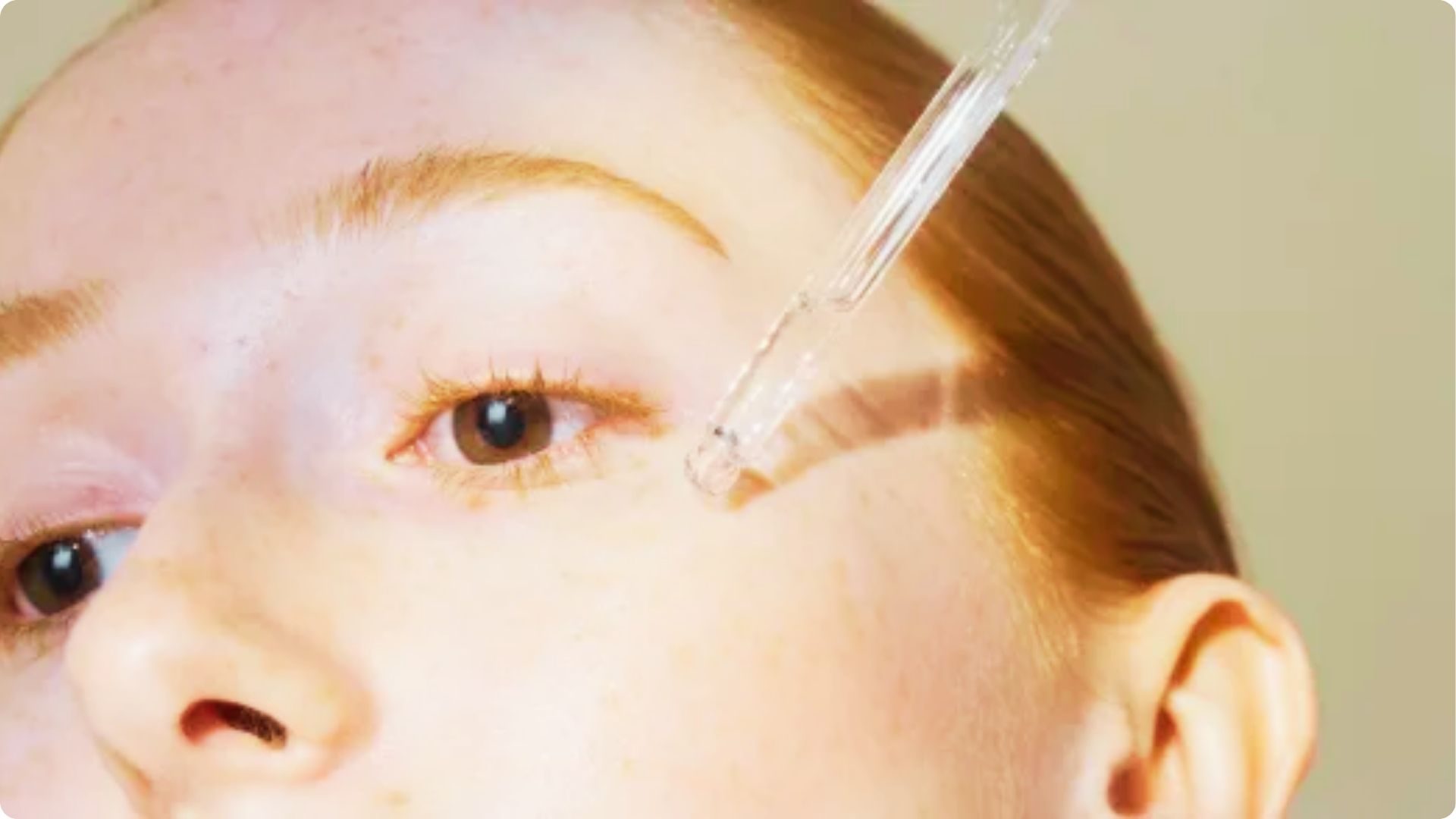
Retinoids are one of the most studied ingredients for aging skin. They work by speeding up cell turnover and supporting collagen production over time.
Consistent use helps reduce the appearance of fine lines and improves overall skin texture.
Hyaluronic Acid for Deep Hydration

Hyaluronic acid pulls moisture into the skin and helps it stay there longer. It works on multiple layers of the skin, making it effective for dry and crepey areas.
Regular use plumps the skin and reduces the tight, thin feeling that comes with dehydration.
Vitamin C for Brightening and Protection
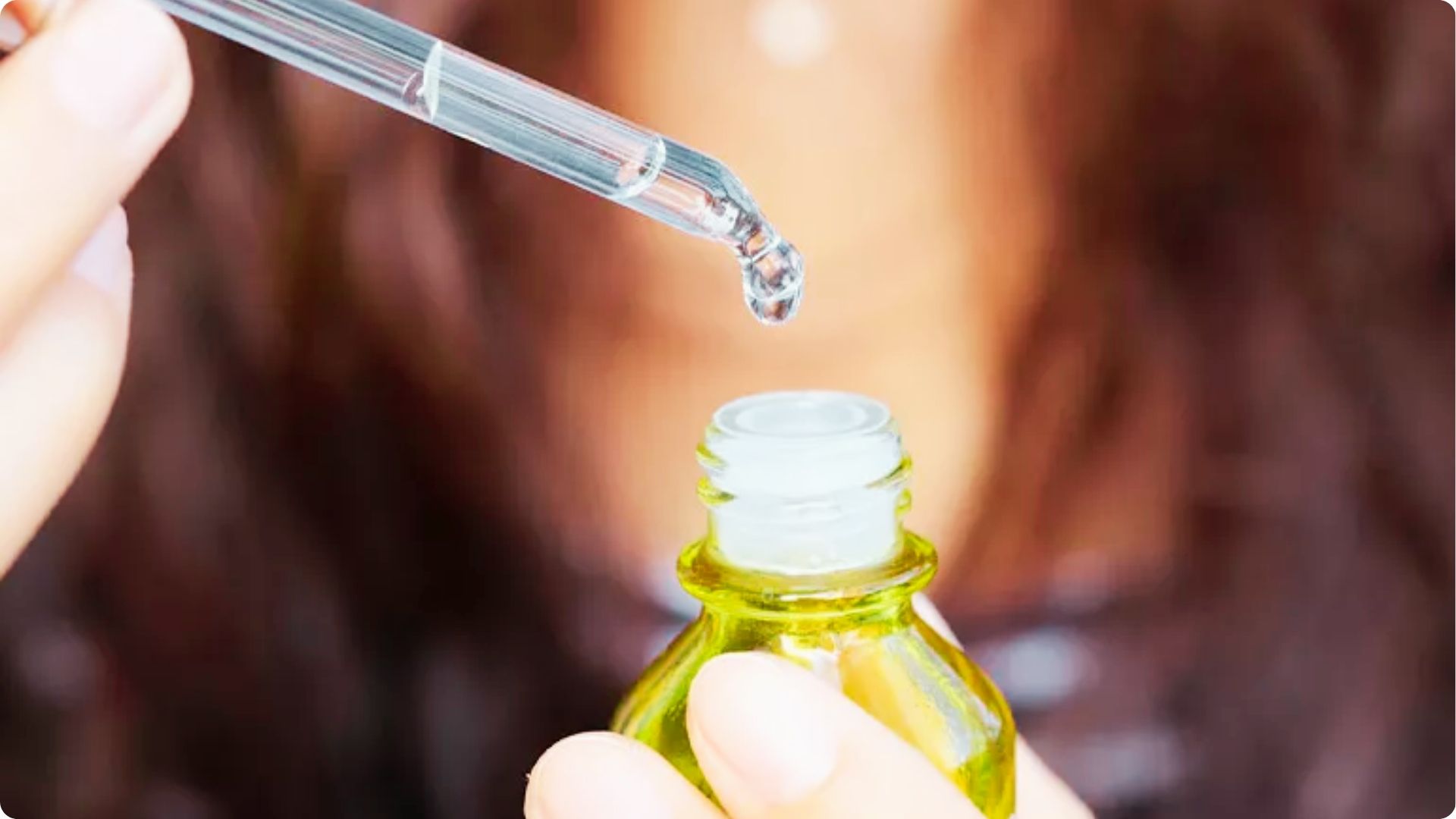
Vitamin C is a powerful antioxidant that protects skin from daily environmental damage. It also helps fade discoloration and supports the skin’s natural collagen production.
Using it in the morning under sunscreen gives your skin both protection and a brighter appearance.
Niacinamide for Smoother Skin Texture
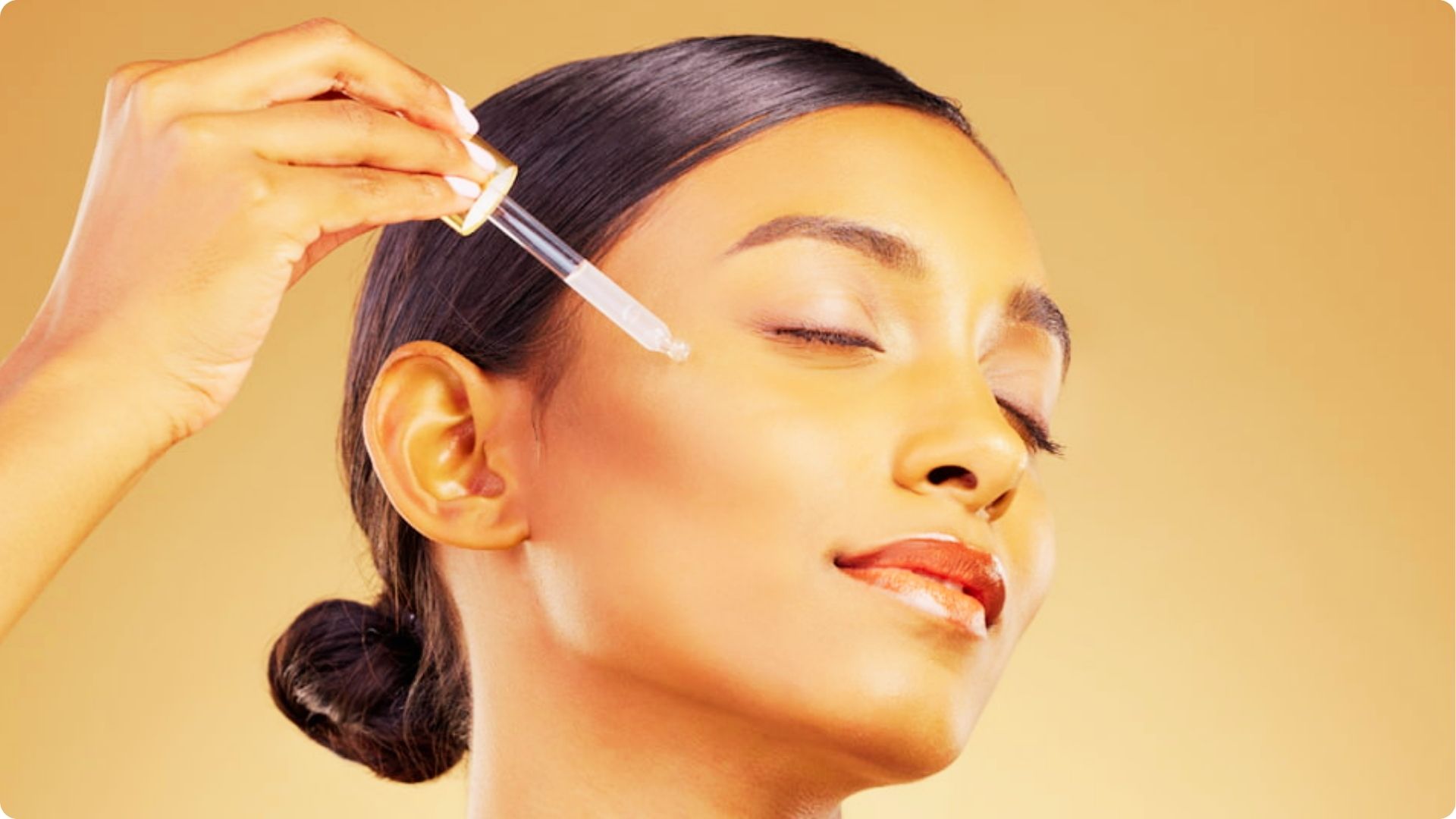
Niacinamide is a form of vitamin B3 that improves skin texture and reduces the appearance of pores. It also helps control inflammation and supports an even skin tone over time.
It works well alongside other active ingredients without causing irritation.
When To See a Dermatologist for Crepey Skin

There are clear signs that indicate when professional guidance would be more beneficial than continuing with at-home care alone.
Signs That At-Home Treatments Are Not Enough
If three to six months of consistent skincare has not produced meaningful improvement, a dermatologist can offer a more targeted and effective plan.
Significant laxity, rapid skin changes, or widespread crepey texture across multiple areas are all reasons to seek professional evaluation sooner.
How Dermatologists Diagnose Skin Aging
A dermatologist evaluates laxity, texture changes, pigmentation, and barrier condition alongside your sun history, lifestyle, medications, and family background.
This full assessment allows them to recommend the most appropriate treatment path for your specific skin.
Tips for Keeping Skin Firm and Healthy as You Age
Small, consistent habits practiced daily make a far greater difference to skin firmness over time than any single product or treatment ever can.
- Apply broad-spectrum SPF 30 or higher every single day, regardless of season or cloud cover
- Moisturize morning and night with ceramide or hyaluronic acid products to maintain a healthy skin barrier
- Use a retinoid in your evening routine consistently to support collagen production over time
- Eat a whole-food diet rich in vitamin C, protein, and healthy fats to nourish skin from within
- Prioritize sleep, manage stress, and avoid smoking or excess alcohol to protect skin health at its foundation
Conclusion
Crepey skin develops from a combination of aging, UV damage, collagen loss, dehydration, and lifestyle habits that accumulate over many years.
While it cannot be fully reversed, its appearance can be significantly improved and its progression meaningfully slowed.
Daily sunscreen, consistent moisturizing, a retinoid-based routine, and a health-supporting lifestyle give your skin the best possible foundation.
If at-home efforts are not delivering results, a dermatologist can guide you toward professional treatments that work. Start with one habit today, stay consistent, and your skin will respond over time.
Frequently Asked Questions
What causes crepey skin the most?
Loss of collagen and elastin with age is the main cause. Sun exposure speeds this process up significantly.
Can crepey skin be reversed naturally?
It cannot be fully reversed but consistent care and the right ingredients can visibly improve its appearance.
What causes crepey skin on arms and legs?
Thinner skin in these areas combined with sun exposure, dehydration, and aging leads to firmness loss and crepey texture.
What skincare ingredients help crepey skin?
Retinoids, hyaluronic acid, ceramides, and AHAs work best by supporting collagen, moisture, and cell renewal.
What is the best way to prevent crepey skin?
Daily sunscreen is the most effective step. Staying hydrated and moisturized also helps keep skin firm longer.