The Toxin-Free Home Wellness Routine You Are Completely Overlooking

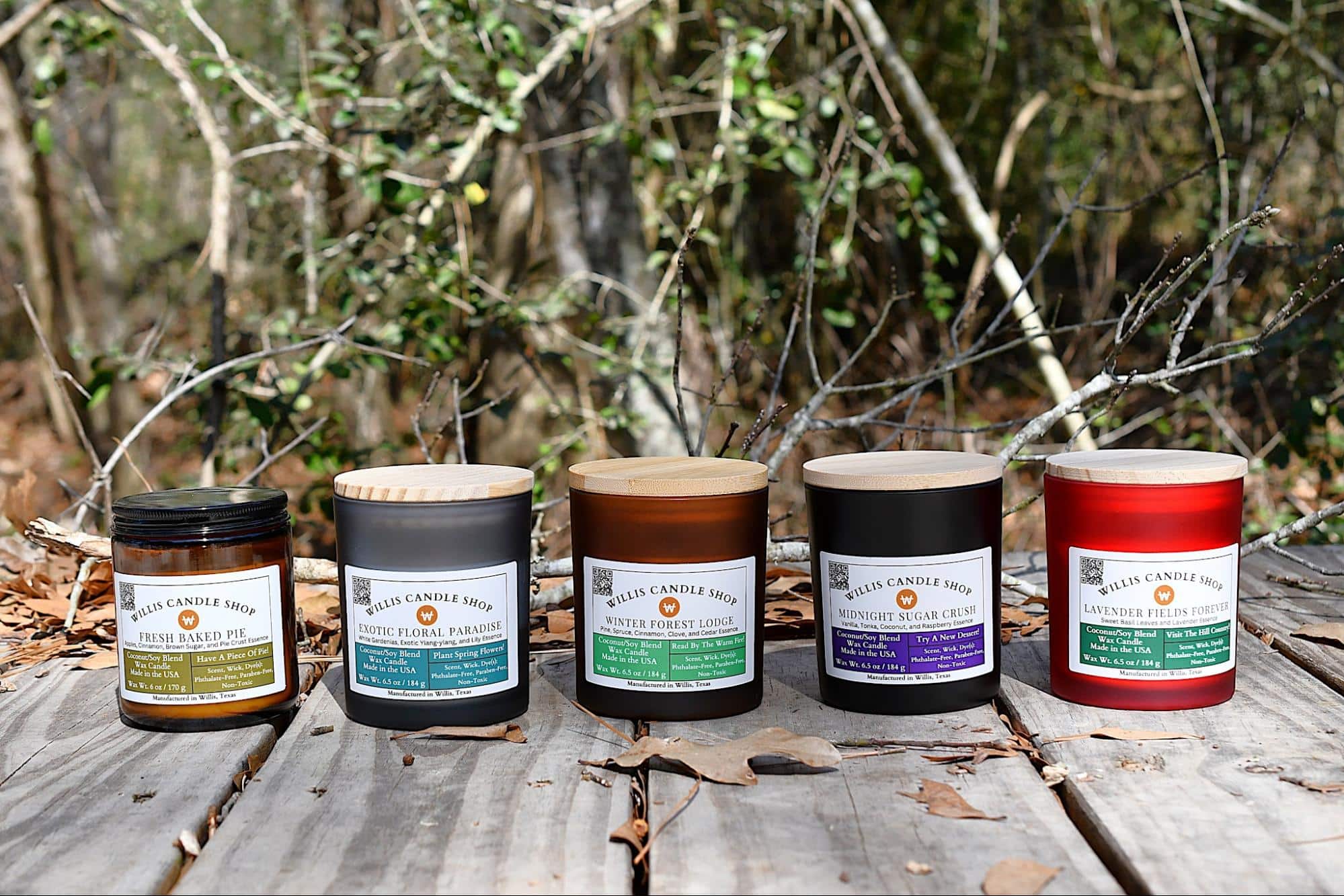
You obsess over organic produce, track your indoor humidity, filter your drinking water, and curate a non-toxic skincare routine down to the last syllable of its ingredient deck. Yet, the moment you want to unwind after a long week, you strike a match and light a mass-market candle without a second thought. Walk into any high-end wellness kitchen in Los Angeles or a meticulously designed eco-conscious apartment in New York, and you will see shelves lined with adaptogenic powders and clean botanical cleansers right next to petroleum-based home fragrance products that release unmonitored particulate matter. Real home wellness is not just about what you put into your body or smear onto your skin; it is about the invisible air you breathe inside your private sanctuary. That is precisely why evaluating the material science of your home fragrance belongs on every wellness checklist, right beside your air purifier and your chemical-free cleaning supplies. True clean living requires looking beyond clever marketing buzzwords and examining what is actually happening at the tip of a burning wick.
Key Takeaways
- Home fragrance is a vital component of indoor air wellness, yet it is frequently overlooked in routine non-toxic living audits.
- Traditional paraffin wax is a petroleum byproduct that can release trace volatile organic compounds and soot under high-heat combustion.
- Pure botanical essential oils face a thermal paradox when exposed to a 2,500-degree Fahrenheit flame, making them poorly suited for direct candle combustion.
- Advanced eco-friendly coconut-soy-beeswax matrices paired with lab-tested, phthalate-free fragrance oils offer a cleaner, safer, and more stable burn profile.
- Ingredient literacy and proper wick maintenance are essential habits for maintaining a truly breathable and toxin-free indoor habitat.
Why Does Indoor Air Wellness Stop at the Candle Jar?
Modern wellness culture has done an extraordinary job of teaching us to question our environment. We read labels on laundry detergents, investigate the off-gassing of new furniture, and invest heavily in high-efficiency particulate air filters. However, when it comes to home fragrance, a romanticized halo effect often replaces scientific scrutiny. We assume that because a product makes a room smell like a pristine pine forest or a field of lavender, it must be inherently safe for our respiratory systems. Unfortunately, the regulatory landscape for home fragrance products is surprisingly lax, leaving consumers to navigate a complex labyrinth of proprietary blends, ambiguous marketing terms, and hidden chemical trade-offs.
Consider how much time we spend indoors, particularly during colder months when windows remain tightly sealed against weather extremes. During these periods, our homes act as closed ecological systems. Every aerosol spray, cleaning solvent, and burning candle contributes directly to the indoor particulate load. If you are intentional about reducing your chemical exposure, bringing a carefully curated fall and winter candle collection into your living space should prompt the same level of material curiosity that you apply to your organic groceries or clean cosmetics. True wellness demands total transparency from the products we invite into our most intimate spaces.
What Are the Hidden Realities of Petroleum Paraffin Wax?
To understand why upgrading your home fragrance routine matters, we have to look at the historical baseline of the commercial candle industry: petroleum paraffin. For generations, paraffin has reigned supreme as the default wax for mass-market candle production. Born as a heavy hydrocarbon fraction left over at the absolute bottom of the barrel during crude oil distillation, paraffin became popular because it is cheap, globally abundant, and exceptionally capable of holding heavy synthetic fragrance loads. For large-scale manufacturers, paraffin represents maximized profit margins and predictable industrial handling.
However, from an indoor air quality perspective, burning a refined petroleum derivative introduces notable trade-offs. When paraffin undergoes high-temperature thermal combustion, it can release fine black carbon particulate matter—commonly known as soot—alongside trace volatile organic compounds (VOCs) such as benzene and toluene. While extensive industry evaluations indicate that standard household emissions generally stay below acute toxicity thresholds, introducing petrochemical combustion residues into a tightly sealed residential environment runs entirely counter to a genuine non-toxic lifestyle. For wellness-conscious homeowners, moving away from petroleum-derived paraffin is a simple, logical step toward optimizing indoor air purity.
What Is the Essential Oil Paradox in Candle Making?
In direct reaction to the known drawbacks of petroleum products, the holistic wellness community naturally gravitated toward the opposite extreme: 100% pure, organic botanical essential oils. To anyone striving for an earth-friendly, natural lifestyle, a candle scented exclusively with unadulterated lavender, eucalyptus, or citrus essential oils sounds like the ultimate expression of wholesome living. After all, botanical extracts are celebrated across natural skincare, cosmetics, and aromatherapy for their wonderful therapeutic and healing properties. There is a widespread cultural belief that if a substance comes straight from nature and carries an organic label, it must be universally safe and flawless under any circumstances.
Yet, translating this organic philosophy directly into the physics of candle manufacturing reveals a fascinating, highly technical chemical paradox. Pure botanical essential oils are highly complex chemical constituents that nature optimized specifically for topical skin absorption or low-temperature ultrasonic room diffusion—environments completely devoid of extreme thermal stress. Historically and practically, essential oils are meant to be used in body lotions, facial creams, shampoos, conditioners, and personal perfumes where they never face high heat. When these delicate, natural plant molecules encounter the volatile, 2,500-degree Fahrenheit thermal spike of a burning candle wick, they suffer immediate molecular breakdown. Instead of diffusing a stable, pristine botanical aroma, overheated plant compounds decompose rapidly into unpredictable gaseous byproducts, acrid burnt notes, or altered molecules that can irritate sensitive respiratory systems. Essential oils belong in your skincare routine, not in the direct path of a high-heat flame.
How Do Advanced Eco-Friendly Matrices and Lab-Tested Scents Solve This?
To overcome both the ecological compromises of petroleum paraffin and the thermal instability of organic essential oils, the advanced eco-friendly candle sector has embraced an innovative, multi-component engineering approach. Rather than relying on a single raw ingredient, master artisans develop sophisticated composite wax matrices—combining renewable soy wax, organic coconut wax, and raw structural beeswax. This hybrid methodology successfully resolves the physical limitations inherent in straight plant waxes, creating a clean-burning foundation that produces minimal soot and burns efficiently.
To complement these botanical wax bases, sustainable makers utilize lab-engineered synthetic and blended fragrance oils designed specifically for thermal resilience. Unlike delicate plant extracts that scorch and break down under intense heat, premium fragrance oils are meticulously formulated and tested in controlled laboratory environments to withstand high-temperature combustion safely. These engineered compounds remain stable within the liquid wax pool and evaporate cleanly at controlled rates when drawn up the wick, minimizing unwanted VOC emissions and avoiding harsh breakdown products. Whether you are enhancing your daily routine or selecting statement pieces from a specializedholiday and special event collection, choosing lab-tested, phthalate-free formulations ensures that your home remains both beautifully scented and strictly toxin-free.
FAQs About Clean Home Fragrance and Indoor Wellness
Are all soy candles completely non-toxic?
Not necessarily. While 100% pure soy wax is renewable and plant-based, many commercial candles labeled as “soy blends” contain a majority of petroleum paraffin to cut costs. Furthermore, fragrance purity and wick construction matter just as much as the base wax.
Why do essential oils smell burnt or acrid in some candles?
Because essential oils are thermally unstable. When exposed to a 2,500-degree Fahrenheit flame, delicate botanical compounds break down rapidly rather than vaporizing cleanly, resulting in an unpleasant scent profile and potential respiratory irritation.
How can I ensure my home fragrance routine is truly clean?
Practice active label literacy. Look for brands that explicitly disclose their wax ratios (such as coconut-soy-beeswax blends), use cotton or wood wicks, and certify that their fragrance oils are phthalate-free and formulated to strict safety standards.
Conclusion: Redefining Wellness From the Air Up
True health is holistic, encompassing every touchpoint of our daily routines—including the invisible air circulating in our homes. By looking past the romanticized marketing of petroleum paraffin and recognizing the true thermodynamic limits of essential oils, we can make empowered, scientifically grounded choices. Embracing advanced eco-friendly botanical wax matrices and lab-tested, clean fragrance oils transforms home fragrance from a hidden indoor pollutant into a seamless extension of a truly non-toxic, wellness-driven lifestyle.