Dutch vs French Braid: What’s the Real Difference?

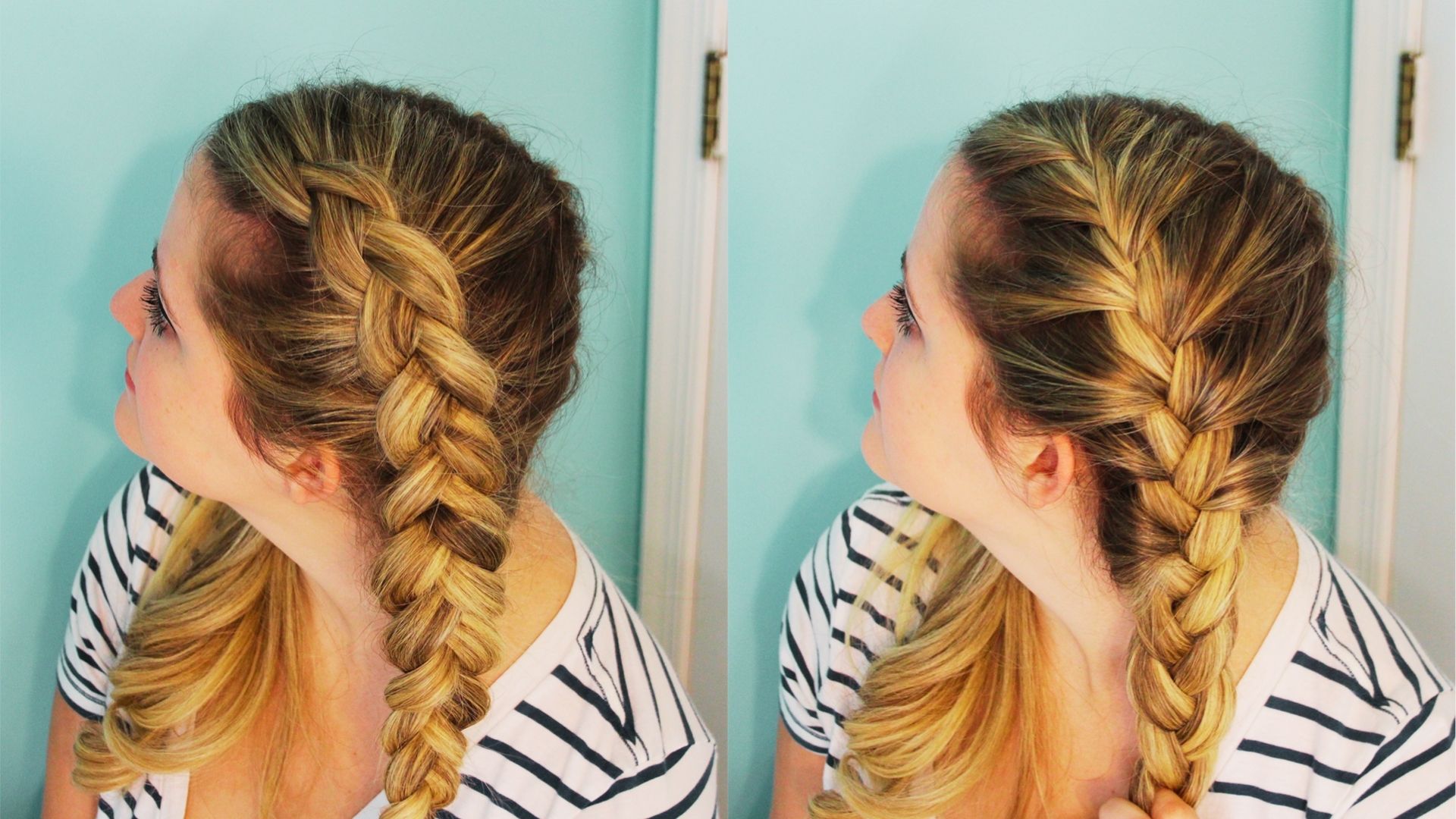
I used to think a Dutch braid and a French braid were basically the same thing. They look so similar at first glance. But once I actually tried both, I realized the difference is bigger than I expected.
It all comes down to one small step. Over or under. That’s it.
And that one change affects everything. The way the braid looks, how much volume it adds, and which hair types it works best for.
In this post, I’ll break down both styles clearly so you can figure out which one actually works for you.
Dutch vs French Braid Overview
Dutch and French braids look similar but work differently. One sits flat, the other stands out.
What Is a French Braid?
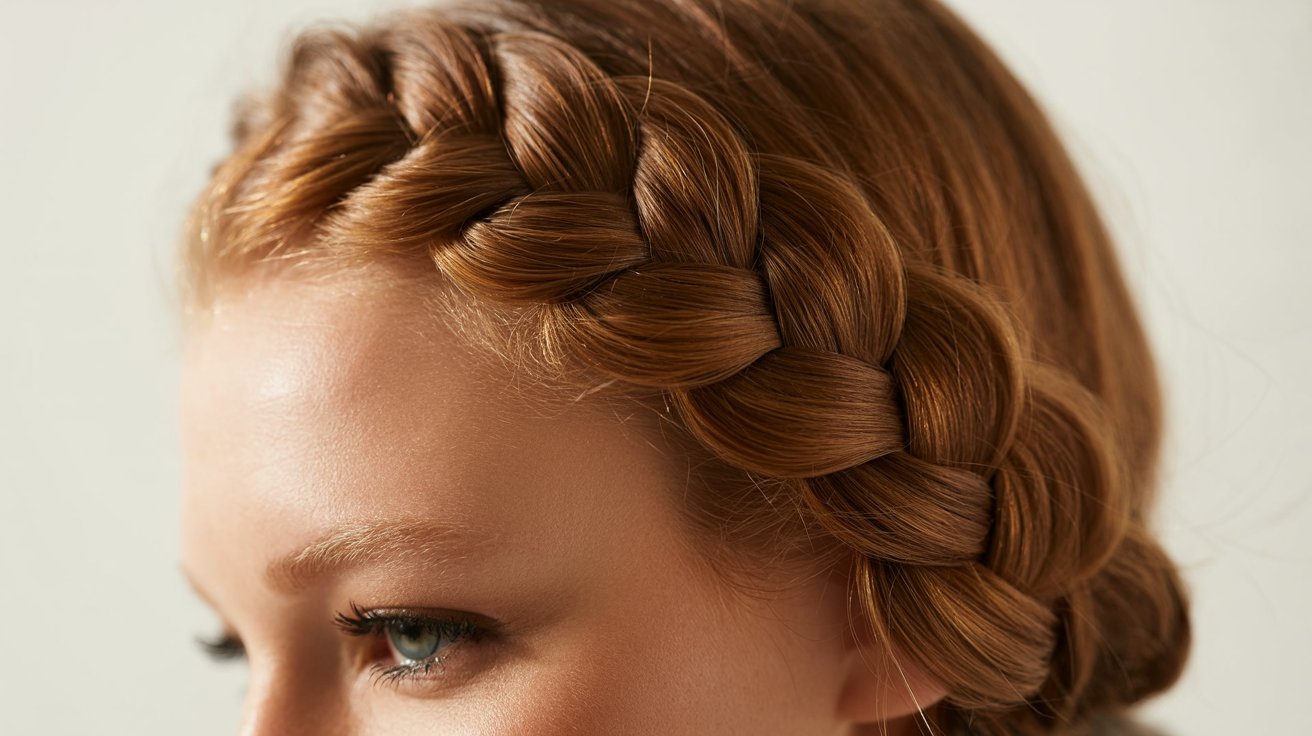
A French braid is a classic style where the side sections cross over the middle strand. This technique keeps the braid flat against the scalp.
The result is a smooth, neat look that sits close to the head. It has a clean finish that works well for both casual and formal settings.
What Is a Dutch Braid?
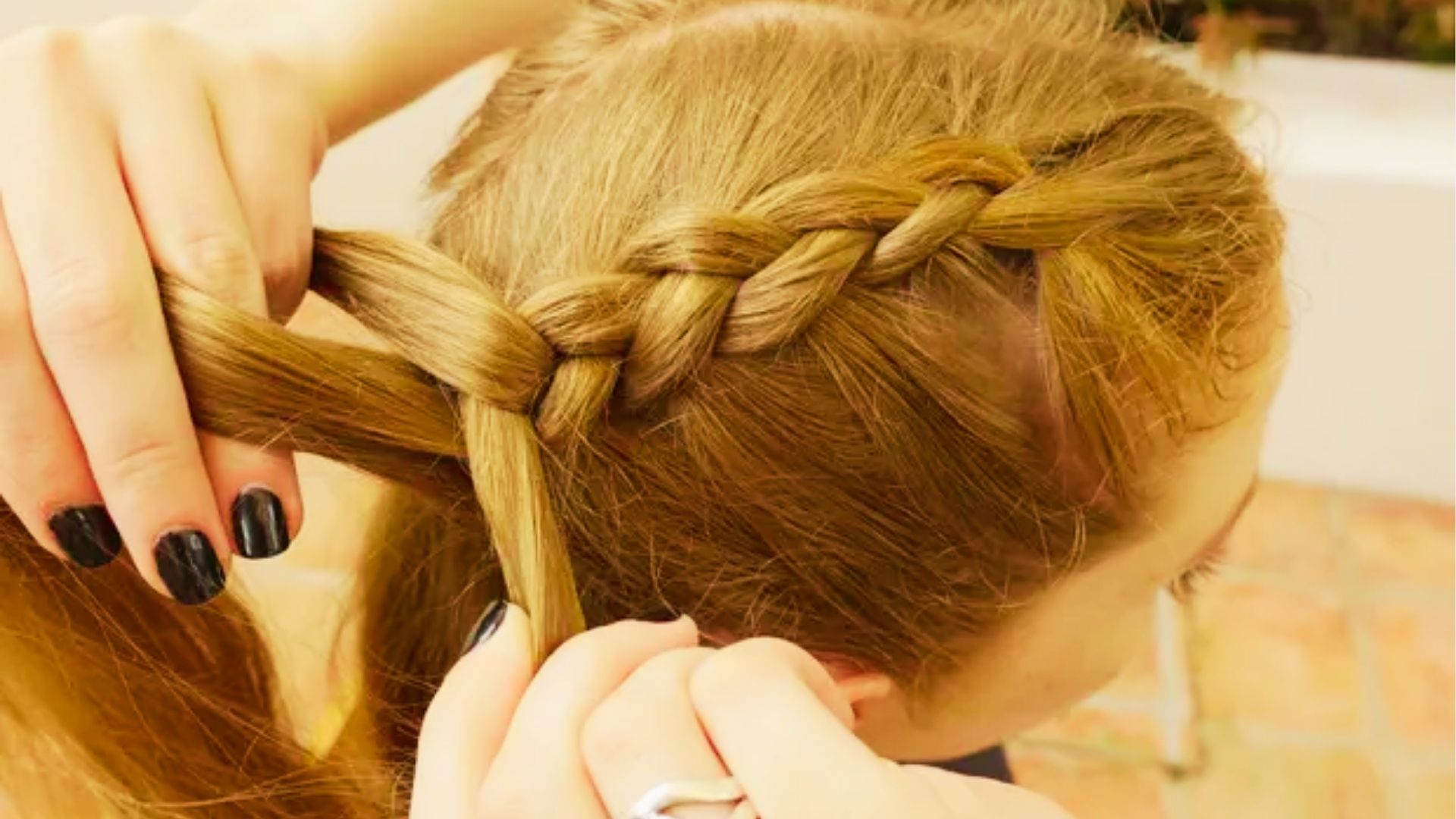
A Dutch braid works the opposite way. Here, the side sections cross under the middle strand instead of over it.
This small change makes a big difference. The braid sits on top of the hair and gives a raised, 3D effect. It looks fuller and bolder compared to a French braid.
Dutch Braid vs French Braid Comparison Table
Not sure which braid suits you? This quick table breaks down the key differences side by side.
|
Feature |
French Braid |
Dutch Braid |
|
Technique |
Strands cross over |
Strands cross under |
|
Appearance |
Flat against the head |
Raised and 3D |
|
Volume |
Sleek and smooth |
Fuller and thicker |
|
Difficulty |
Easier for beginners |
Slightly harder |
|
Best For |
Classic everyday styles |
Trendy bold styles |
|
Common Name |
Traditional braid |
Inside-out braid |
Dutch Braid vs French Braid: Key Differences
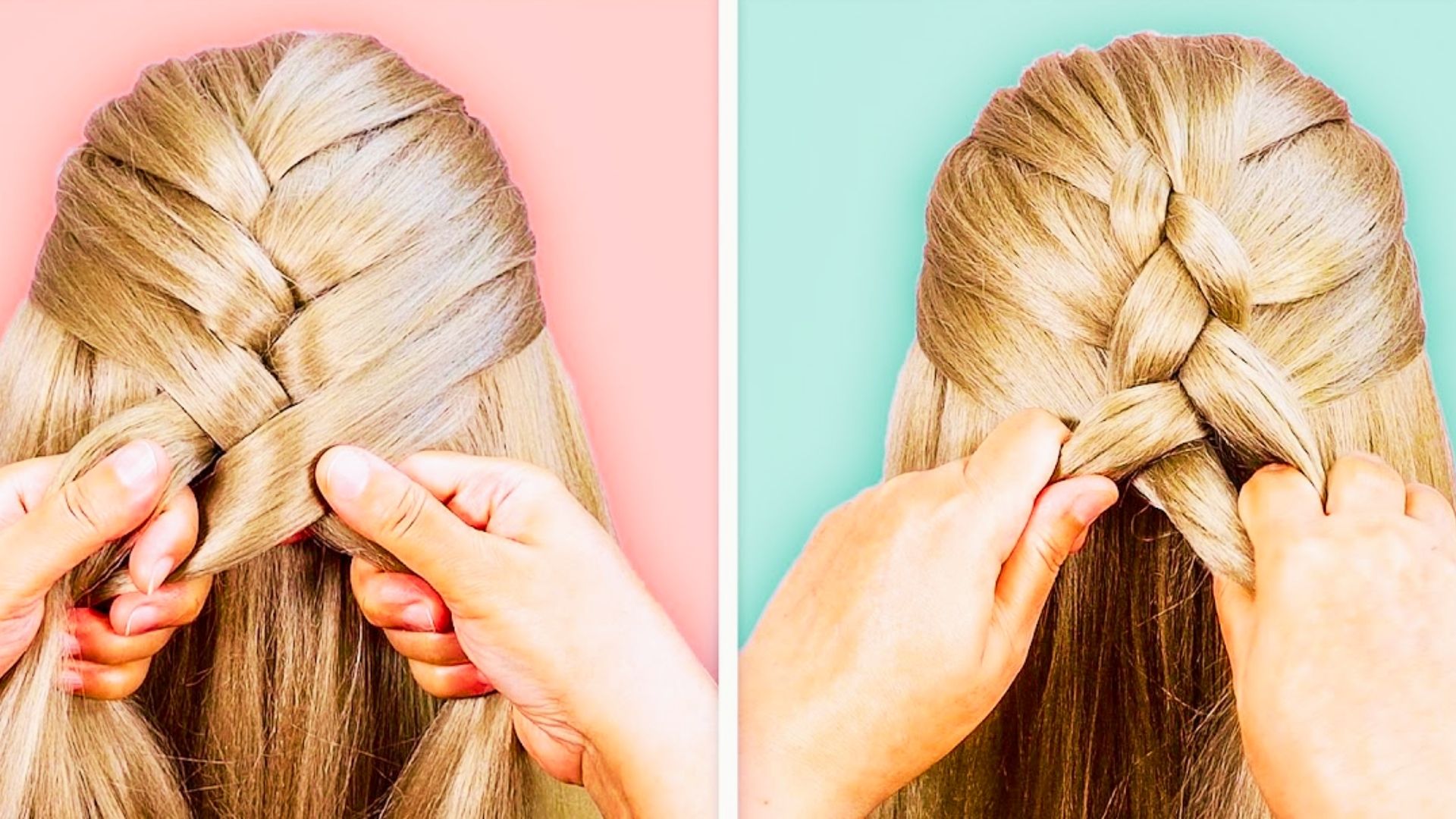
Same braid family, but the technique, look, and volume set them completely apart.
Braiding Technique Comparison
The only real difference is how you cross the sections. A French braid uses the overhand method. A Dutch braid uses the underhand method.
That one small switch changes the entire look of the braid.
Appearance Differences
A French braid blends into the hair and sits close to the scalp. A Dutch braid sits on top and stands out more. One looks seamless and subtle.
The other looks bold and well-defined.
Volume and Texture Comparison
French braids look sleek and polished. They suit clean, neat styles well. Dutch braids add more body and texture to the hair.
They work great for fuller, bolder looks and give the hair a lifted, voluminous finish.
Best Hair Types for Dutch and French Braids
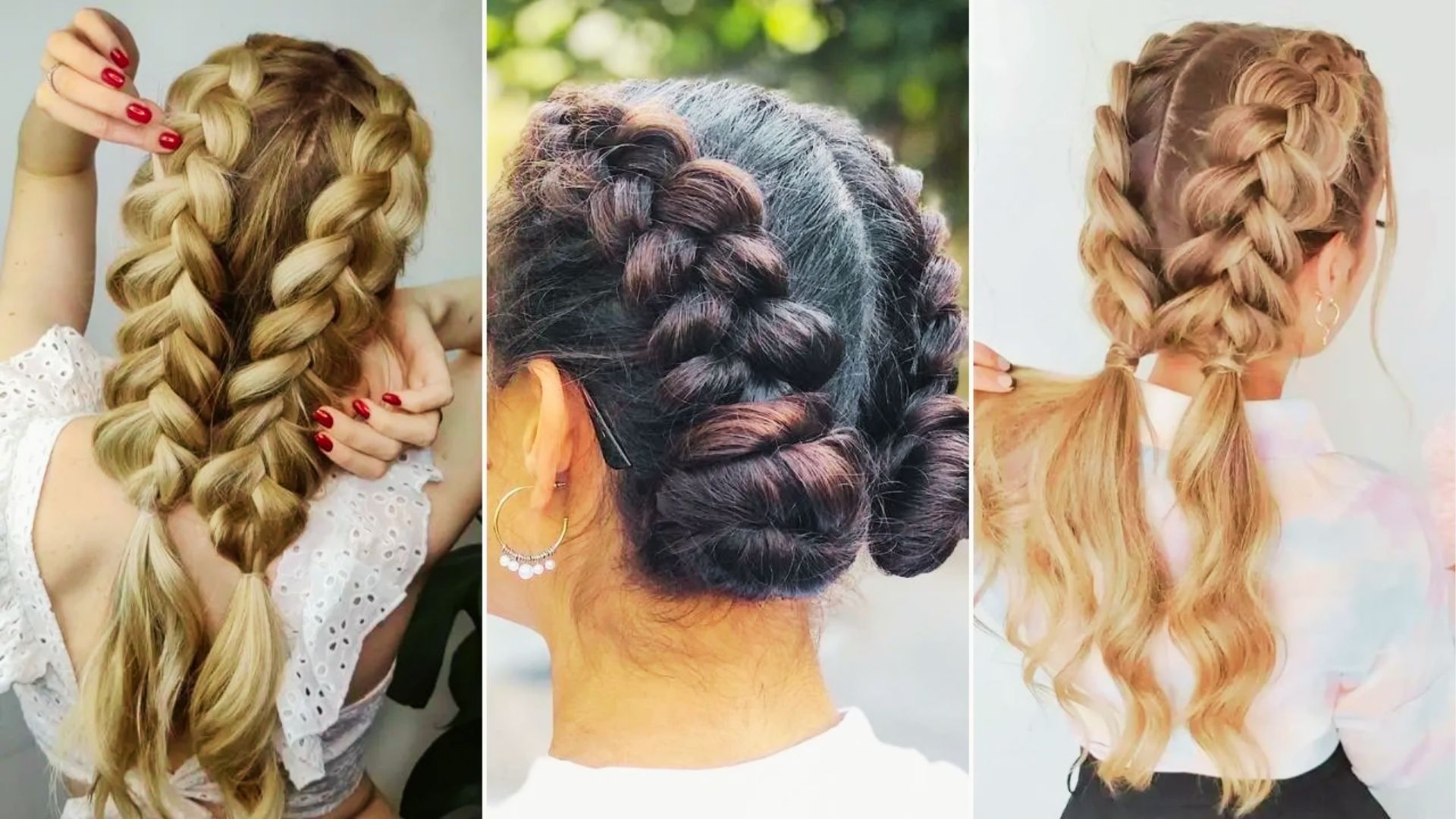
Every hair type can rock a braid. It just comes down to knowing which style works best for you.
1. Fine Hair
Dutch braids are great for fine hair. They create the illusion of thicker, fuller hair. French braids work well too. They give a softer, lighter finish without adding too much bulk.
2. Thick Hair
Both styles hold up well on thick hair. Dutch braids work especially well here. They bring out the natural volume and make the braid look even more full and defined.
3. Curly and Textured Hair
Braids are a solid choice for curly and textured hair. They help keep tangles and frizz under control. Using a smoothing cream before braiding gives better definition and keeps the style looking neat.
How To French Braid Hair Step by Step
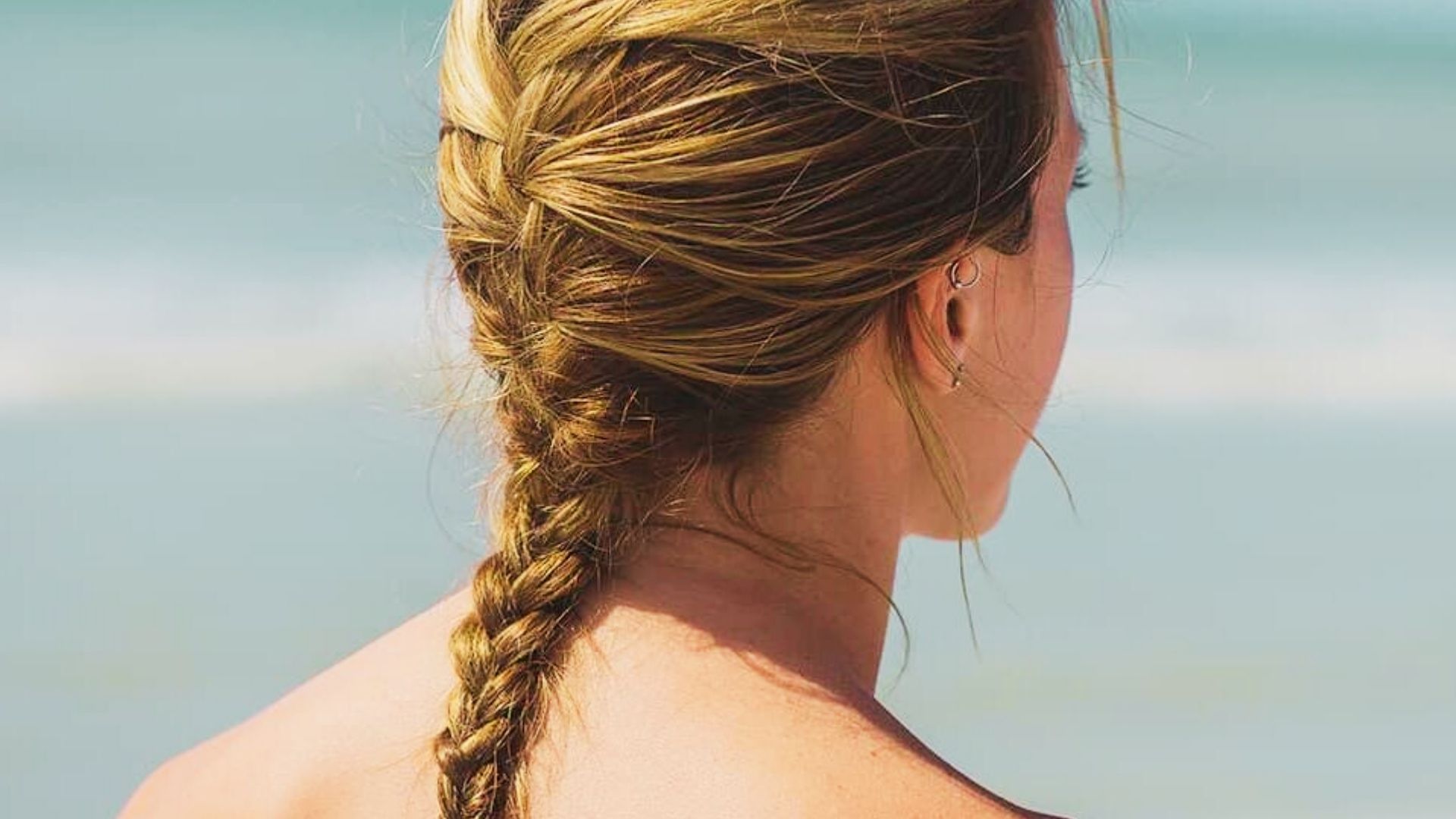
French braiding is easier than it looks. Once you get the basics down, it becomes second nature.
Tools You Need Before Braiding
Before you start, keep these on hand:
- Hairbrush to detangle and smooth the hair
- Hair elastics to secure the braid at the end
- Bobby pins to tuck away any loose strands
- Texture spray (optional) to add grip and hold
Easy French Braid Tutorial for Beginners
- Brush your hair well and remove all tangles
- Take a section of hair at the crown of your head
- Split it into three equal strands
- Cross the outer strands over the middle one
- Before each crossover, add a small section of hair from the sides
- Keep braiding down toward the nape of your neck
- Continue to the ends and secure with a hair elastic
Common French Braid Mistakes
A few things can throw off your braid.
Watch out for these:
- Uneven sections make the braid look lopsided
- Loose tension causes the braid to fall apart quickly
- Skipping hair on one side makes it look unbalanced
How To Dutch Braid Hair Step by Step
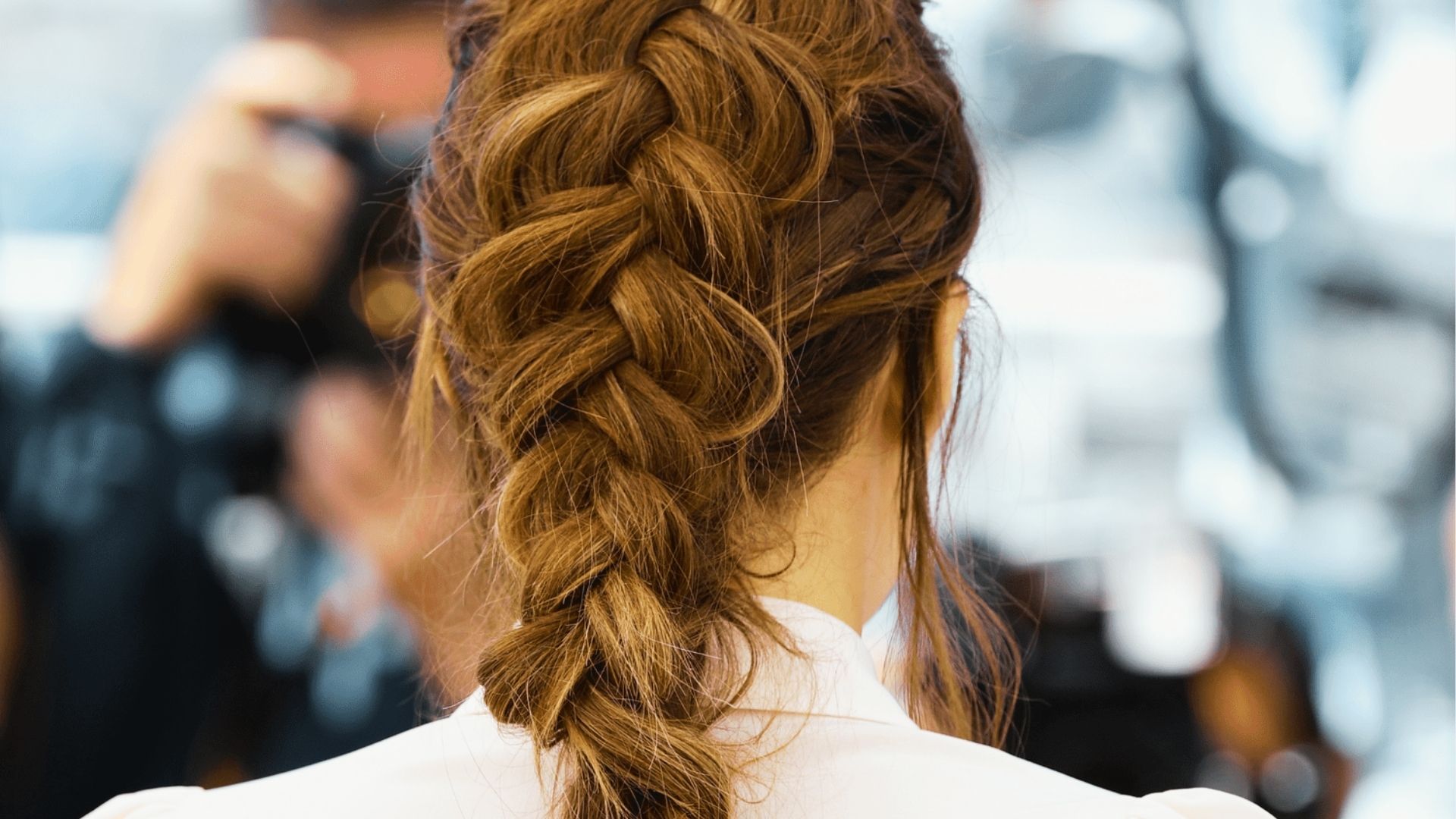
Dutch braiding is all about going under instead of over. Once you get that flip, the rest comes naturally.
Dutch Braid Tutorial for Beginners
- Start with clean, well-brushed hair
- Separate the top section into three equal parts
- Cross the outer strands under the middle strand
- Before each crossover, add a small section of hair from the sides
- Keep working down toward the nape of your neck
- Once you run out of hair to add, finish with a regular three-strand braid
- Secure the end tightly with a hair elastic
Tips for a Fuller Dutch Braid
Want your Dutch braid to look bigger and bolder?
Try these:
- Pull the sections outward gently after braiding to loosen and puff it up
- Use a texture spray before braiding for better grip and hold
- Keep the tension even throughout so the braid stays consistent from top to bottom
How To Make Braids Last Longer
Start with dry or slightly textured hair. Heavy conditioners make hair too slippery to hold a braid well. A little dry shampoo adds grip and keeps the style in place longer.
At night, wrap your hair in a satin bonnet or scarf. This cuts down on frizz while you sleep. Pin down any loose pieces with bobby pins. In the morning, use a lightweight styling cream to smooth the edges and freshen up the look.
Conclusion
Both braids are worth learning. They are not complicated once you practice a few times.
Go with a French braid when you want a sleek, timeless look. It works well for school, work, or any day you want your hair neat and out of the way.
Pick a Dutch braid when you want more volume and a bolder finish. It adds texture and makes thin hair look much fuller.
Honestly, learning both gives you way more options. Some days call for clean and simple. Other days, you want your hair to do the talking.
Frequently Asked Questions
What is the main difference between a Dutch and French braid?
A French braid crosses sections over the middle strand. A Dutch braid crosses them under, which makes it sit on top of the hair.
Which braid is easier for beginners?
A French braid is generally easier to start with. The overhand technique feels more natural for most people learning for the first time.
Can I do a Dutch or French braid on short hair?
Yes, both styles work on shorter hair. You may need some bobby pins to secure any sections that slip out while braiding.
Which braid lasts longer throughout the day?
A Dutch braid tends to hold longer due to its tighter, raised structure. Using texture spray before braiding helps both styles stay in place better.
Is a Dutch braid the same as an inside-out braid?
Yes, a Dutch braid is often called an inside-out braid. It uses the same three-strand method but crosses sections under instead of over.