Highlights vs Balayage Brunette: What’s the Difference?

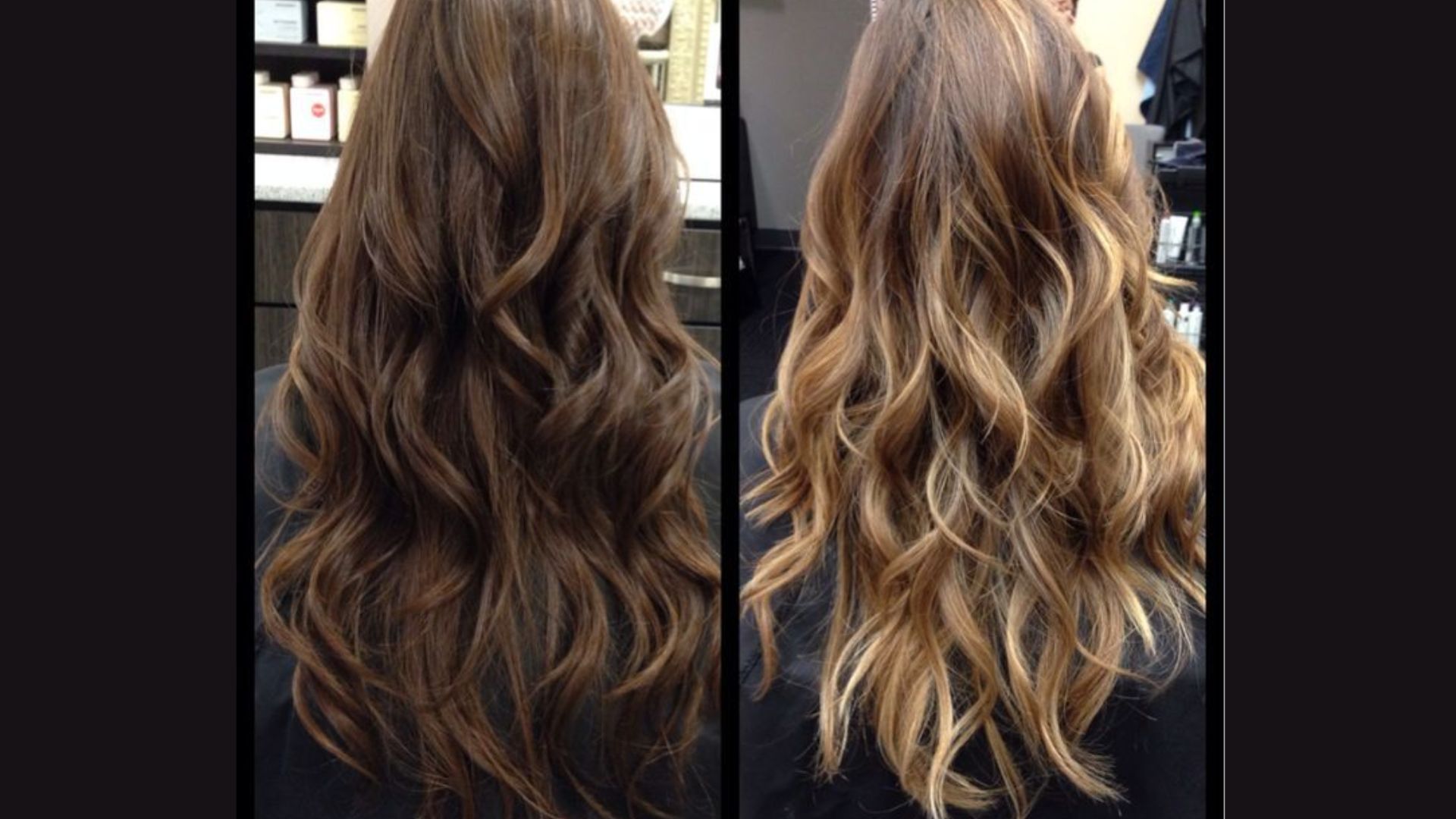
Choosing between highlights vs balayage brunette can feel confusing. You want your hair to look good, but you’re not sure which technique fits your lifestyle. I’ve been there too.
This article breaks down everything you need to know. I’ll explain how each method works, what they look like on dark hair, and which one matches your needs. We’ll cover application techniques, maintenance schedules, costs, and styling options.
You’ll also learn if you can combine both methods. By the end, you’ll know exactly which coloring technique is right for your brunette hair. Let’s figure this out together.
What Are the Highlights of Brunette Hair?
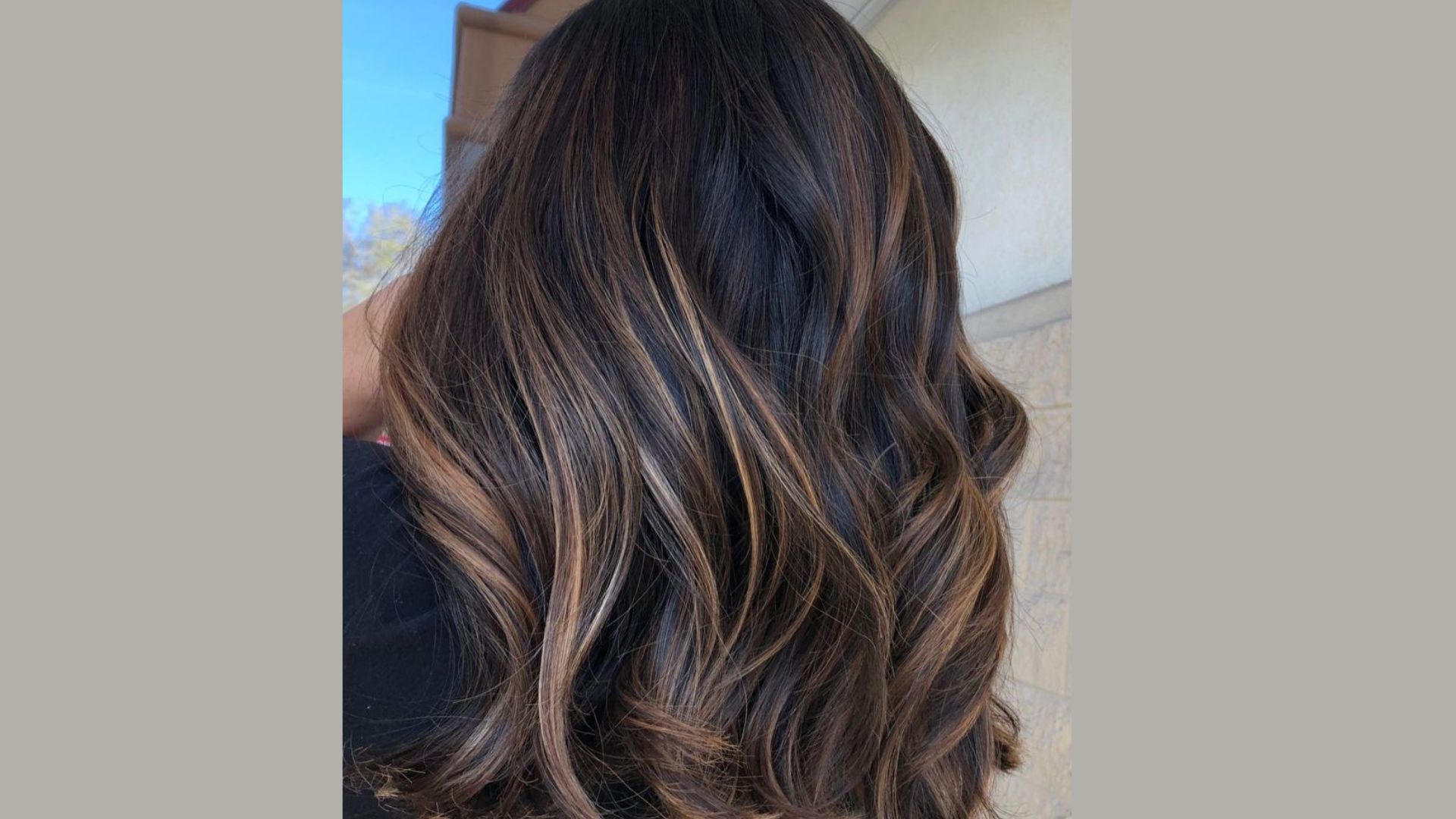
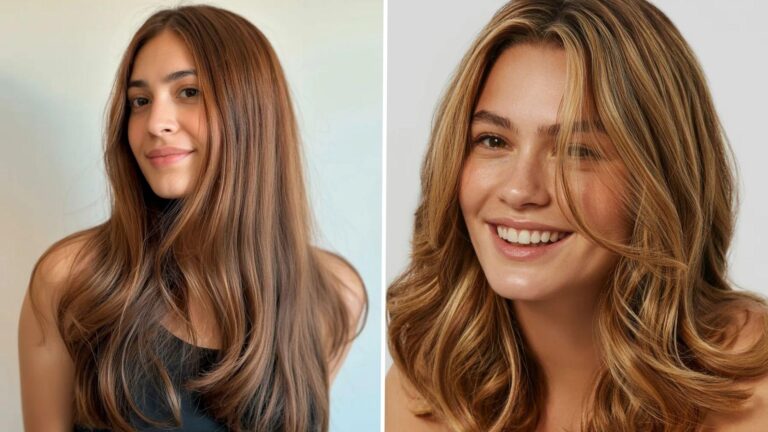
Highlights add lighter strands throughout your hair using precise foil placement. This technique creates noticeable contrast against your natural brunette base. The color lifts from root to tip, giving you defined brightness.
Your colorist sections your hair into small pieces, applies lightener, and then wraps each section in foil. The foil traps heat and helps the color process evenly. You’ll see bright, defined pieces throughout your hair with clear separation between light and dark strands.
Full highlights cover your entire head for maximum brightness. Partial highlights focus on top layers and face-framing areas. Babylights are super fine highlights that mimic natural sunlight. Lowlights add darker tones between highlights for extra depth.
What Is Balayage on Brunette Hair?
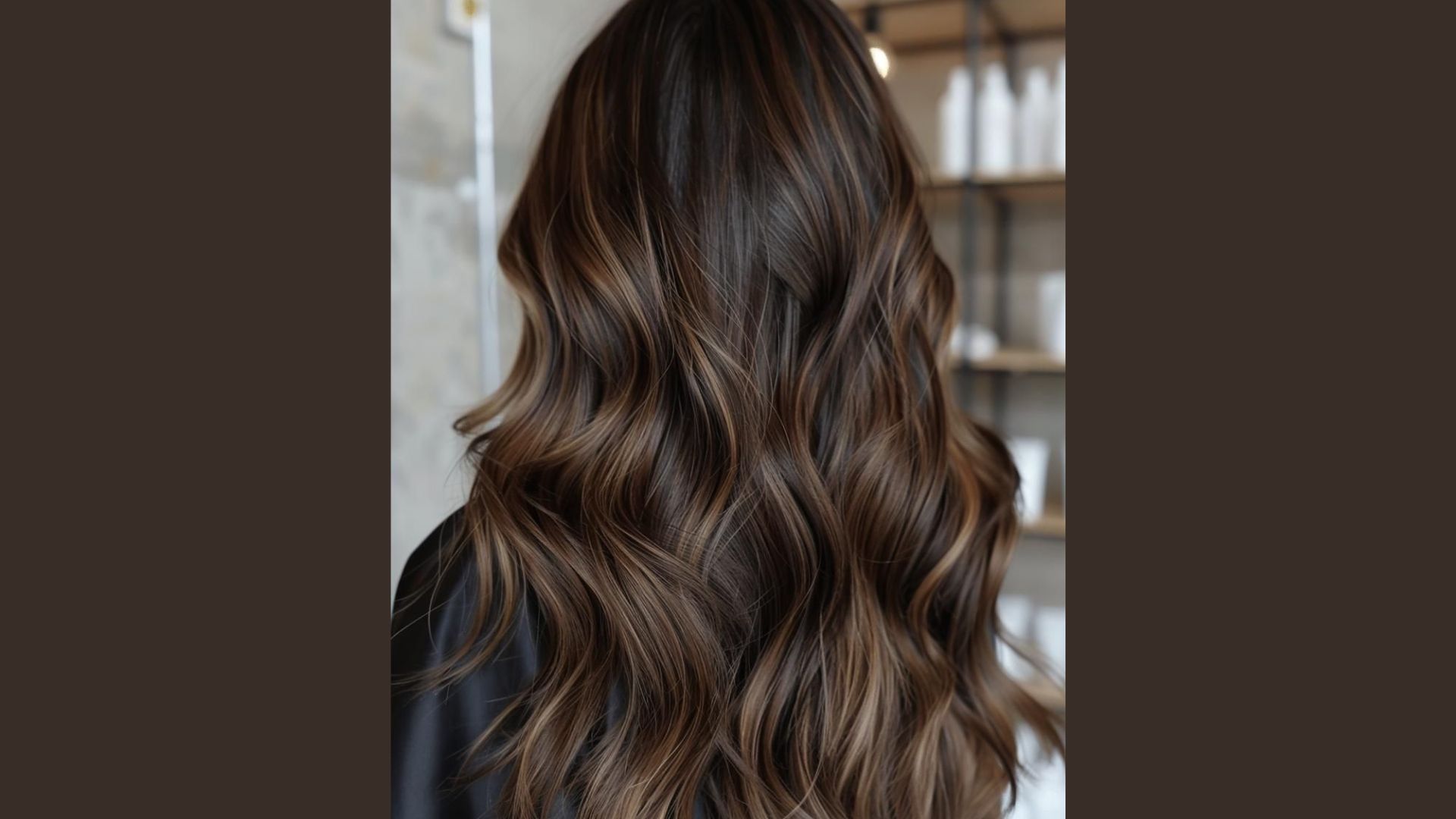
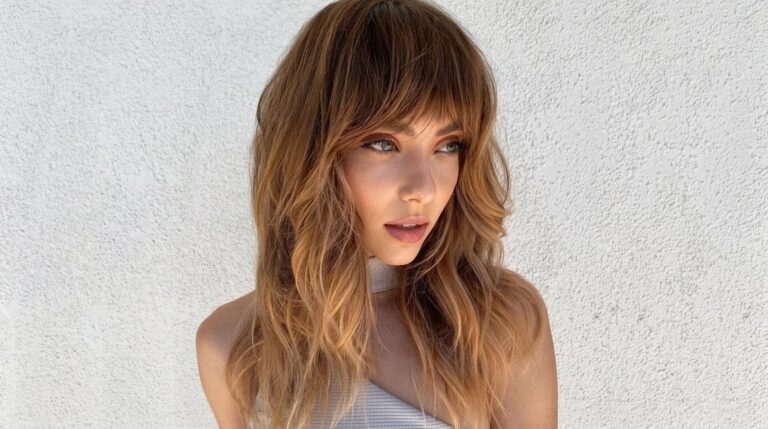
Balayage means painting color directly onto your hair without foils. A colorist sweeps lightener from mid-lengths to ends, creating a soft, gradual transition that looks natural and sun-kissed.
Your stylist hand-paints lightener onto selected sections, starting below your roots and concentrating on the ends. The freehand method allows custom placement based on your haircut and face shape. Balayage creates soft, blended color with darker roots that gradually lighten toward the ends.
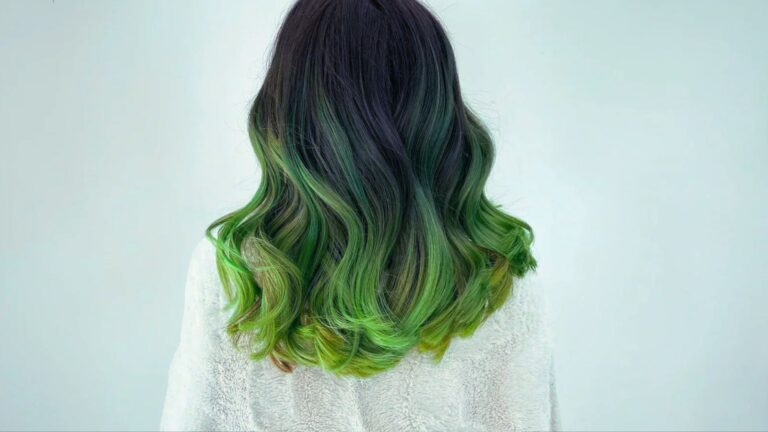
Partial balayage lightens top sections and face-framing areas. Face-framing balayage brightens your hairline and cheekbones. Reverse balayage adds darker tones to deepen your base. Soft caramel or chocolate balayage uses warm tones that look natural on brunette hair.
Highlights vs Balayage Brunette: Key Differences
Both techniques lighten brunette hair, but they work differently. Understanding these differences helps you choose the right option.
| Factor | Highlights | Balayage |
|---|---|---|
| Application Technique | Uses foils and precise sectioning. A colorist divides hair into small pieces, applies color, and wraps each piece in foil. | Skips foils entirely. A stylist paints color onto hair freehand with more control over placement and blending. |
| Overall Look and Finish | Creates bold, structured brightness with clear contrast between light and dark strands. Result looks polished and uniform. | Gives a natural, lived-in look. Color blends softly with the base and appears more organic and less “done.” |
| Maintenance and Grow-Out | Shows regrowth more obviously on brunette hair. Needs touch-ups every six to eight weeks as the line between new growth and highlighted hair becomes visible quickly. | Grows out gracefully since roots stay darker and regrowth blends naturally. Can wait three to four months between appointments. |
| Cost and Time Commitment | Takes two to three hours for the full application. Initial cost ranges from moderate to high, depending on the salon. | Often costs more upfront because it requires advanced skill. An appointment takes two to four hours but saves money long-term with fewer salon visits. |
Pros and Cons: Highlights vs Balayage for Brunettes
Both techniques have their strengths and weaknesses depending on your hair goals and lifestyle needs.
| Factor | Highlights | Balayage |
|---|---|---|
| Brightness and Impact | Creates high contrast and noticeable brightness with dramatic lighting that’s immediately visible. Perfect for big color changes. | Offers a subtle dimension rather than a bold contrast. Less dramatic lighting in one session if you want major brightness immediately. |
| Gray Coverage | Effective for gray coverage. The foil technique covers grays thoroughly with consistent color throughout. | Not specifically designed for gray coverage. Better suited for adding dimension than covering grays completely. |
| Lightening Speed | Faster lightning for dark hair. Foils trap heat, which helps lift stubborn brunette pigment. You can go lighter in fewer sessions. | Slower lightning process. May require multiple sessions to achieve significant brightness on very dark hair. |
| Maintenance Frequency | More frequent salon visits are needed. Regrowth shows up quickly on dark hair. Touch-ups are required every six to eight weeks. | Low-maintenance color option. You can go months between appointments. Soft regrowth looks intentional, not neglected. |
| Regrowth Appearance | Visible regrowth. The line between your natural roots and highlighted hair is obvious and can look harsh as it grows out. | Softer regrowth on dark hair. Your natural roots blend seamlessly with the color. No harsh line of demarcation. |
| Customization | Uniform, structured application throughout. Less room for custom placement based on individual features. | Custom placement for face shape and haircut. A colorist can paint color exactly where it looks best with a personalized approach. |
| Cost | Initial cost ranges from moderate to high. More affordable per session, but it adds up with frequent touch-ups. | Higher upfront cost. Balayage requires skill and time. Expect to pay more than basic highlights initially, but saves money long-term. |
| Hair Health | Higher potential for dryness or damage. The lightening process from root to tip can stress your hair. Dark hair needs more processing to lift. | Gentler on hair since roots aren’t processed. However, still requires proper care as lightening occurs on mid-lengths and ends. |
| Stylist Skill Level | Most colorists can perform highlights. Standard technique taught in basic color training. | Requires an experienced colorist. Not all stylists can execute balayage well. You need someone with proper training and technique. |
Highlights vs Balayage Brunette: Which Should You Choose?
Your lifestyle and hair goals determine the best choice. Here’s how to decide.
Choose Highlights If You Want
A bold color change. Highlights give you maximum brightness and contrast. You’ll see a significant difference right away.
Uniform brightness from roots to ends. If you prefer a consistent color throughout your hair, highlights deliver that structured look.
Regular touch-ups. Some people enjoy frequent salon visits. If you like maintaining fresh color every few weeks, highlights work well.
Choose Balayage If You Prefer
A natural, lived-in look. Balayage mimics how the sun naturally lightens hair. The effect is subtle and organic.
Less frequent salon visits. Busy schedule? Balayage grows out gracefully. You can stretch appointments to three or four months.
Soft dimension on brunette hair. Balayage adds depth without harsh lines. It improves your natural color rather than changing it completely.
Can You Combine Highlights and Balayage on Brunettes?
Yes. Many colorists blend both techniques for customized results. Mixing foils with balayage for depth. Your stylist might use foils at your roots for lift, then paint balayage through the ends.
This combines the brightness of highlights with the softness of balayage. When combination techniques work best. If you want noticeable lightning that still looks natural, hybrid methods deliver. They’re great for brunettes who need extra lift at the roots but want blended ends.
This approach works well if you’re growing out previous highlights or want more dimension than one technique alone provides.
How to Maintain Highlights or Balayage on Brunette Hair?
Color-treated brunette hair needs proper care. Good maintenance keeps your color fresh and your hair healthy.
Best Haircare Products for Color-Treated Brunettes
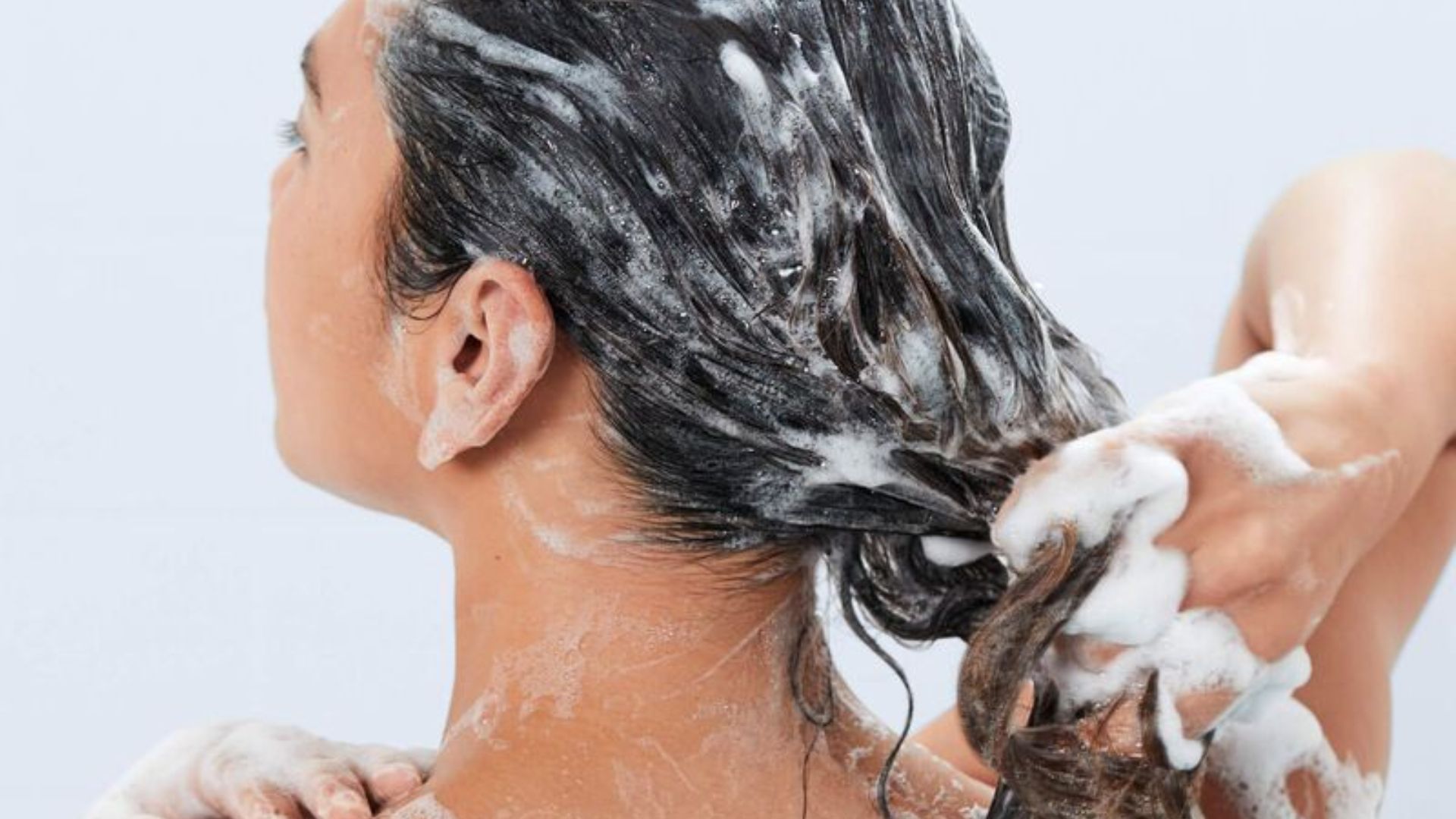
Sulfate-free shampoos protect your color from fading. Sulfates strip away the color molecules your hair just absorbed. Look for gentle, color-safe formulas.
Toning and moisturizing treatments keep your color balanced. Purple or blue toners neutralize unwanted warmth. Deep conditioning masks restore moisture that lightening removes. Use a toning treatment once a week. Apply a hydrating mask twice a week.
How Often to Refresh Color
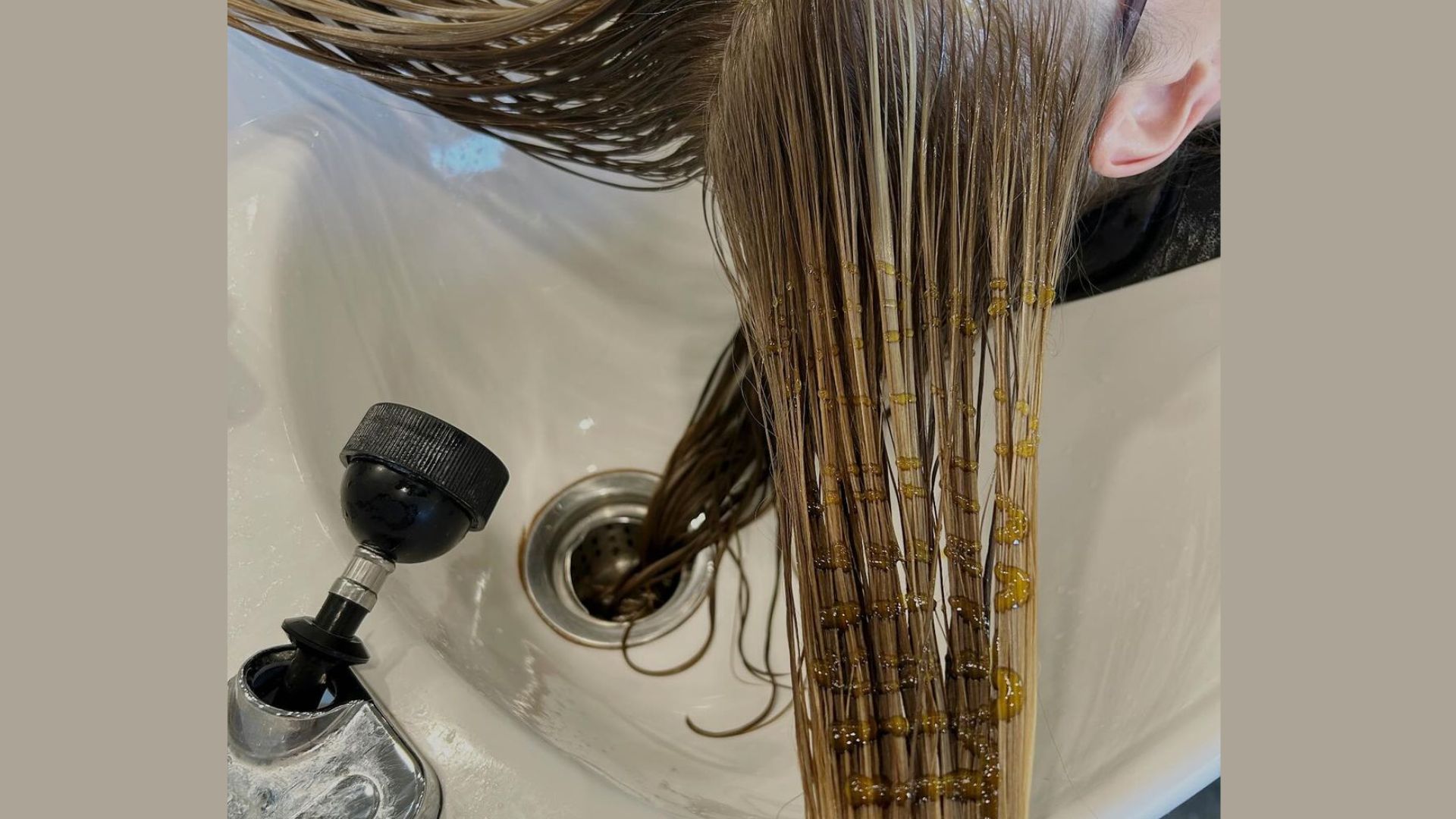
Glosses, toners, and touch-up schedules depend on your technique. For highlights, book root touch-ups every six to eight weeks. Add a gloss treatment at each visit to maintain shine.
For balayage, schedule a refresh every three to four months. Get a gloss or toner between full color appointments. This keeps your tone looking fresh without a complete redo. If you swim or spend time in the sun, you might need toners more often.
Conclusion
I remember struggling with this same choice for my own hair. Both highlights and balayage can look good on brunettes. It really comes down to your lifestyle and how bold you want to go.
Highlights give you that high-contrast, polished brightness. Balayage offers soft, low-maintenance dimension. Think about how often you can visit the salon and what look makes you feel confident. Talk to a professional colorist about your hair goals.
They’ll help you choose the best technique for your brunette base. Which method are you leaning toward? Drop a comment and share your hair color plans.
Frequently Asked Questions
How long do highlights last on brunette hair?
Highlights on brunettes need touch-ups every six to eight weeks. The regrowth becomes noticeable as your natural dark roots grow out. Regular maintenance keeps them looking fresh.
Is balayage more expensive than highlights for brunettes?
Balayage typically costs more initially because it requires advanced technique and more time. However, you save money long-term since you need fewer appointments throughout the year.
Can I do highlights or balayage at home on dark hair?
Lightening dark hair at home is risky. Brunette hair requires careful processing to avoid damage or uneven color. A professional colorist has the expertise to lift your color safely.
Which technique causes less damage to brunette hair?
Balayage generally causes less damage because it doesn’t process your roots. The technique focuses on mid-lengths and ends. However, both methods lighten hair, so proper care is needed.
How do I know if my hair is too dark for balayage?
Very dark brunette or black hair can receive balayage. It may require multiple sessions to achieve lighter tones. Consult with your colorist to create a realistic plan.