Why Your Skin Loves a Rich Night Cream


Skin faces continuous stress throughout the day, from ultraviolet exposure and dry air to cleansing, cosmetics, and facial movement. At night, fewer external demands let the outer barrier focus on moisture balance and repair. A richer moisturizer can reduce water loss, soften rough areas, and ease tightness before morning. With steady use, this final evening step helps maintain a smoother, calmer, more comfortable complexion.
Why Nighttime Matters
Sleep gives your skin several uninterrupted hours without makeup, outdoor exposure, or repeated washing. During this period, a protective moisturizer can remain against the surface and limit evaporation. A luxury night cream offers a concentrated final layer for dry areas, particularly when daytime lotions feel insufficient. Its denser consistency remains in place longer, helping preserve comfort while the body rests.
Moisture Loss Slows
Dryness develops when water escapes through the outermost layer faster than your body can replace it. Cold temperatures, heating systems, and frequent cleansing can accelerate this process. Emollients soften compacted surface cells, while occlusive ingredients create a light film that reduces evaporation. The result is a smoother feel and less visible flaking after several hours of undisturbed contact.
The Barrier Gains Support
The outer barrier consists largely of lipids and tightly arranged cells that help retain water and limit irritant entry. When this structure becomes compromised, stinging, scaling, and persistent tightness may occur. A rich moisturizer fills uneven spaces across the surface, reducing friction and improving flexibility. That support can be particularly useful after exposure to wind, cold, or aggressive cleansing products.
Dry Skin Needs More Cushion
Very dry complexions often require more than a thin lotion can provide. Lightweight formulas may absorb quickly, leaving cheeks, nasal folds, or the area around the mouth feeling exposed before dawn. A denser preparation provides extra emollient coverage in those zones. This cushion doesn’t need to feel greasy, as long as the amount matches the individual’s needs.
A Better Morning Texture
A well-moisturized complexion often feels less tight after waking. Rough flakes may become less apparent, and the surface can look more even beneath daytime cosmetics. These changes reflect improved water content within the outer layer rather than a permanent alteration in skin structure. A smoother texture also reduces the tendency for foundation to gather around dry patches.
Comfort Supports Consistency
Effective care depends partly on whether a routine feels pleasant enough to repeat. A nourishing moisturizer can provide a soft, cushioned finish that signals the close of evening cleansing. That sensory reward may encourage regular use, which generally matters more than occasional intensive application. Gentle pressing also limits unnecessary friction across areas already affected by dryness or sensitivity.
Rich Does Not Mean Heavy
A concentrated texture isn’t automatically oily or hard to wear. The final sensation depends on the proportion of oils, butters, humectants, and film-forming agents within the formula. A suitable amount should leave the surface comfortable rather than slick. Applying moisturizer over slightly damp skin may improve spreadability and help prevent excessive product use.
How to Apply It
Evening Application
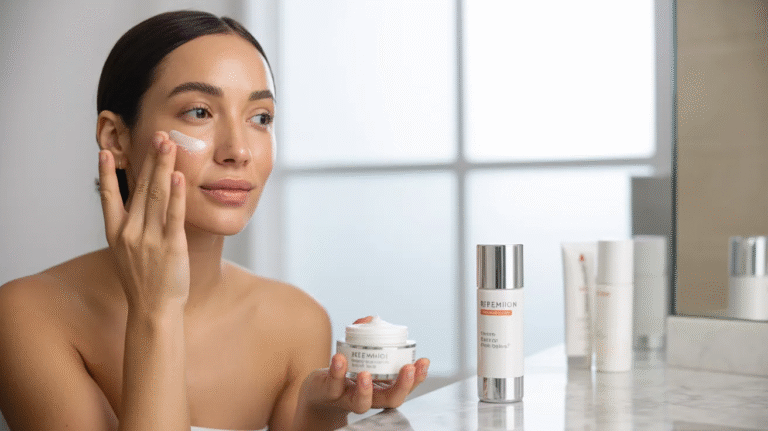
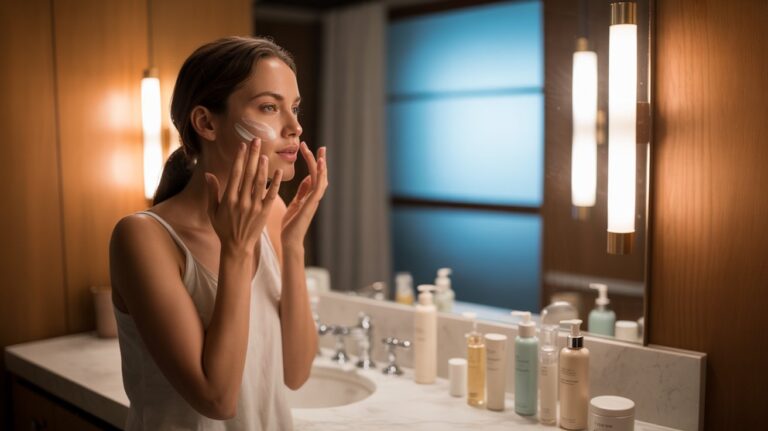
After cleansing, pat the face dry instead of rubbing. Warm a small amount between clean fingertips, then press it across the face and neck. Dry zones may receive a little extra attention, while the eye area should follow product-specific guidance. Allowing the layer to settle before bed reduces transfer onto pillows and keeps application controlled.
Choosing the Right Texture
Skin type offers a practical starting point for selecting an evening moisturizer. Normal or dry complexions may prefer a whipped, cushiony consistency, while combination types might favor lighter coverage across oilier regions. Dry and very dry individuals often benefit from richer formulas. Weather, indoor heating, and recent exfoliation can also affect how much nourishment the skin surface needs.
A Focused Night Ritual
An evening routine doesn’t need many layers. A practical sequence includes cleansing, applying a targeted serum when appropriate, then finishing with moisturizer. Each product serves a distinct purpose, which helps limit unnecessary buildup. A rich final layer can focus the routine on hydration, barrier support, and improved softness without adding complexity.
Consistency Brings Results
The outer barrier responds gradually to repeated care, so a single application cannot compensate for ongoing moisture loss. Regular evening use supplies dependable support through seasonal changes and daily cleansing. Possible benefits include softer texture, reduced tightness, and fewer visible dry flakes. Persistent redness, burning, or scaling may require assessment by a qualified medical professional.
Conclusion
A rich night moisturizer supports the outer barrier during several uninterrupted hours without environmental exposure. Its emollient and occlusive components can slow water loss, soften rough patches, and reduce overnight tightness. Dry or very dry complexions may see the greatest improvement, although colder weather can make richer care more valuable for many people. When used consistently, this final evening layer provides a practical foundation for softer, calmer mornings.