How Long Should I Leave Bleach in My Hair?

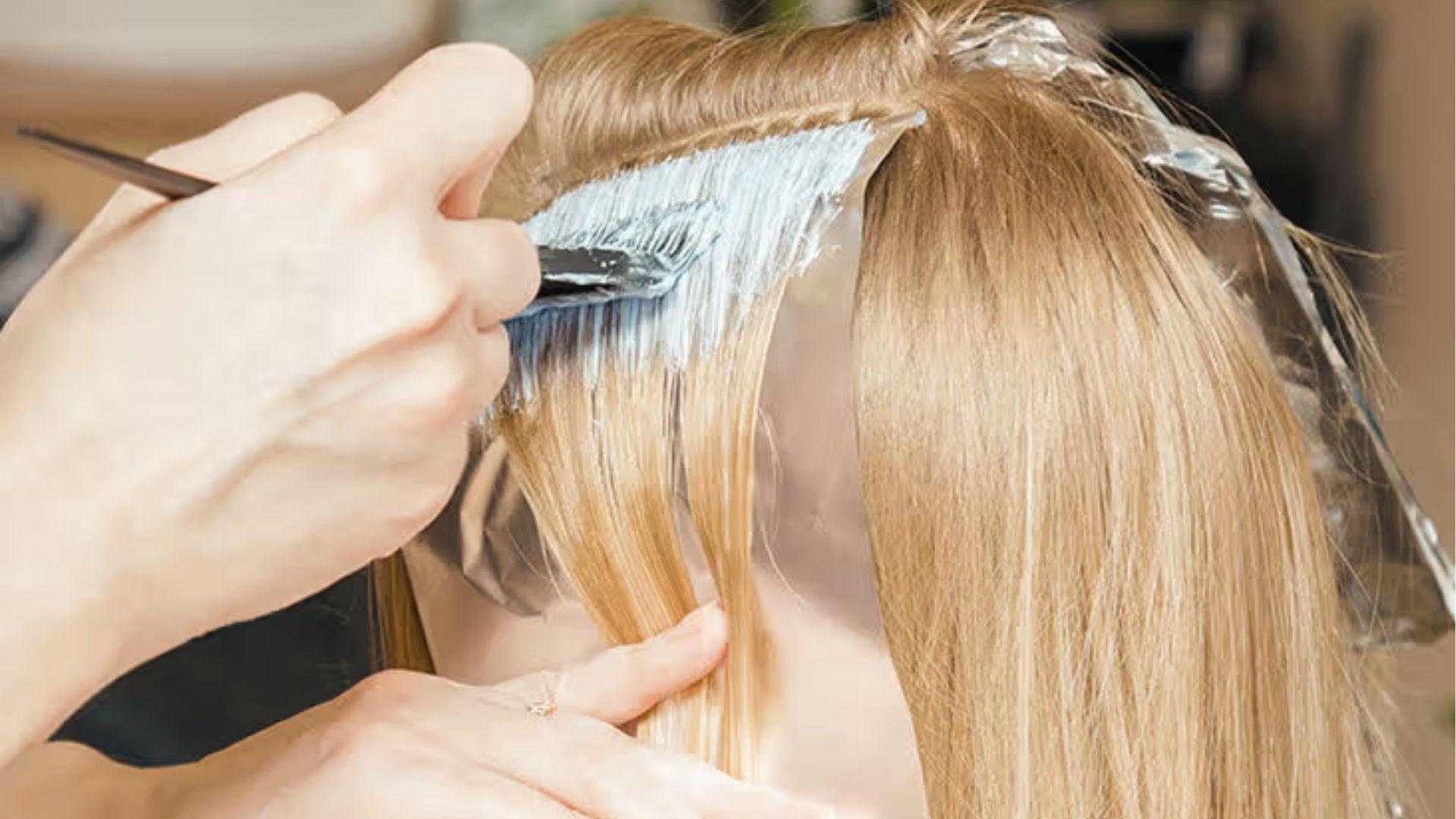
Getting the timing right when bleaching your hair can be the difference between achieving that light blonde you want and ending up with serious damage.
I've seen so many people leave bleach on too long, hoping for better results, only to deal with breakage and dryness afterward.
In this blog, I'll walk you through how long I should leave bleach in my hair based on your hair type, color, and goals.
You'll also learn, what factors affect bleach timing How to check if bleach is ready to rinse Signs your hair is overprocessing Tips for keeping bleached hair healthy
I've researched this topic closely and spoken with hair care experts to give you accurate, reliable guidance.
How Long Should I Leave Bleach in My Hair? (Quick Answer)
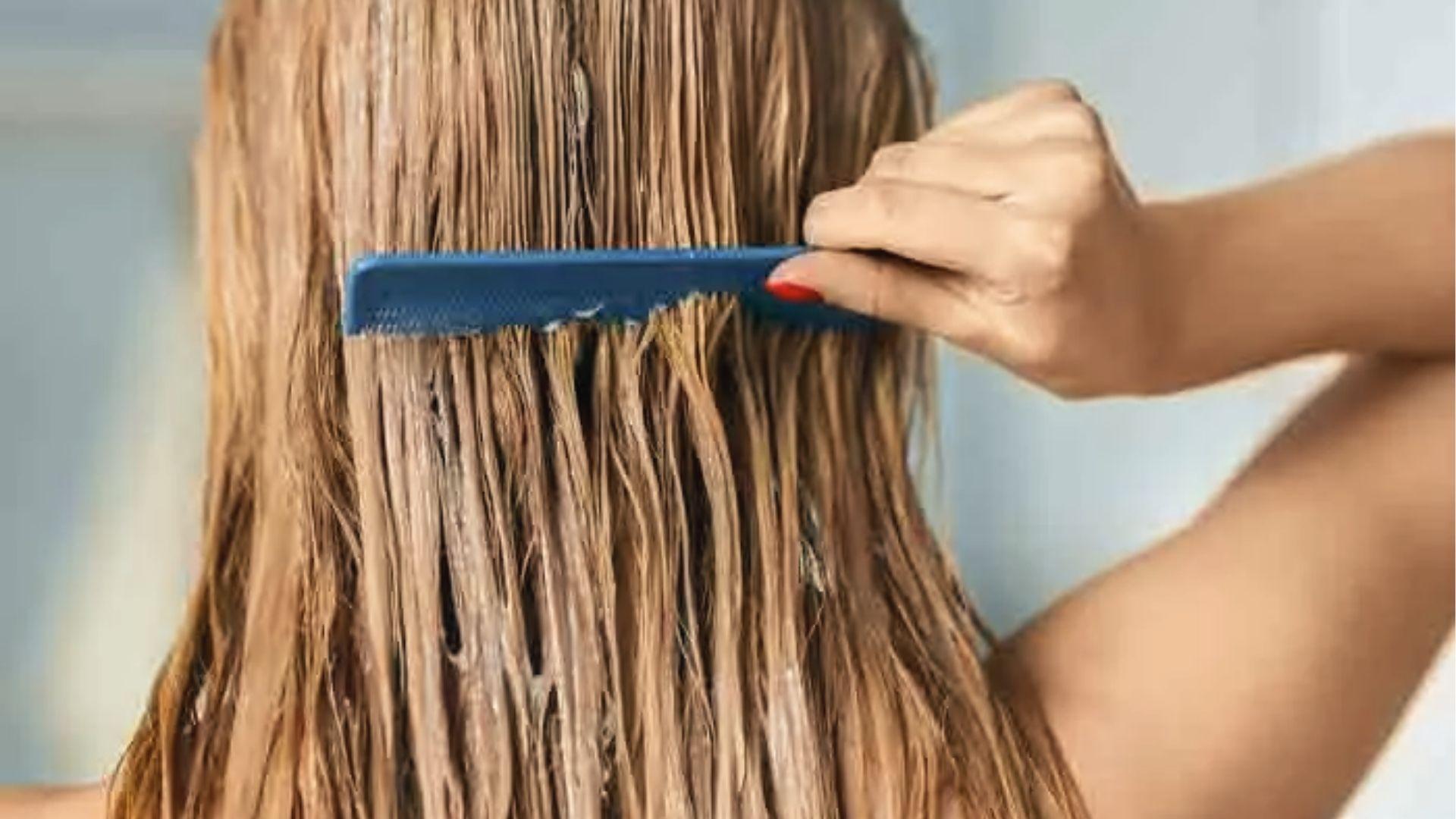
Bleach timing is not the same for everyone. Dark hair like black or very dark brown needs 30 to 45 minutes, while blonde or light brown hair only needs 15 to 30 minutes since it lifts much faster.
For highlights wrapped in foil, 20 to 35 minutes is usually enough. The maximum safe limit is 45 minutes, no matter your hair type.
Going past that breaks down your hair structure instead of lifting it further. Your starting color, texture, and developer strength all affect how fast bleach works on your hair.
Factors That Affect How Long Bleach Should Stay on Hair
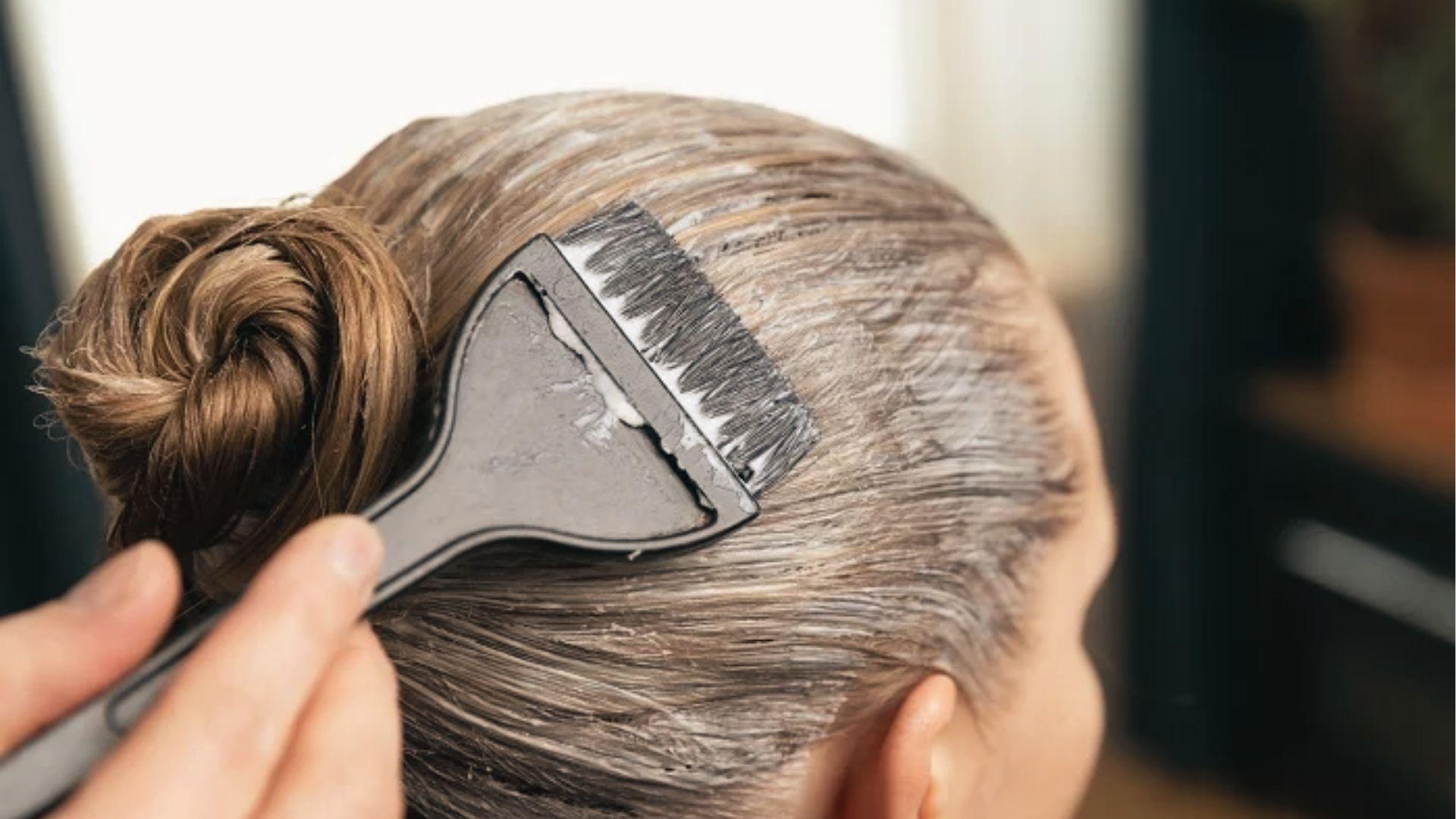
Several things influence how fast bleach works and how long it should stay on your hair.
Your Natural Hair Color
The darker your natural color, the longer bleach needs to work. Black hair may need the full 45 minutes just to reach an orange or yellow stage.
Light brown hair may be ready in 20 to 25 minutes.
Fine vs Coarse Hair Texture
Fine hair processes faster because the bleach penetrates the hair shaft quickly. Coarse hair has a thicker structure and may take longer to lift.
If you have fine hair, always start checking at the 15-minute mark.
Virgin Hair vs Color-Treated Hair
Virgin hair, which has never been chemically processed, tends to respond more predictably to bleach. Color-treated hair is already compromised. It may lift unevenly or faster in certain spots.
Be especially careful if your hair has been previously dyed dark. The bleach can react differently to artificial color versus natural pigment.
Developer Strength and Bleach Formula
A 20-volume developer lifts gently and is great for already-light hair. A 30-volume developer is more powerful and works faster on dark hair.
A 40-volume developer is the strongest and should only be used with experience.
Higher volume developers mean shorter processing times. Using 40-volume does not mean you can leave bleach on for the same time as 20-volume.
Desired Blonde Shade and Lifting Level
A warm golden blonde requires less lifting than a cool platinum blonde. The lighter you want to go, the more lift you need.
But that does not mean longer bleach time in one session. Sometimes it means multiple sessions.
How to Tell When Bleach Is Ready to Rinse Out
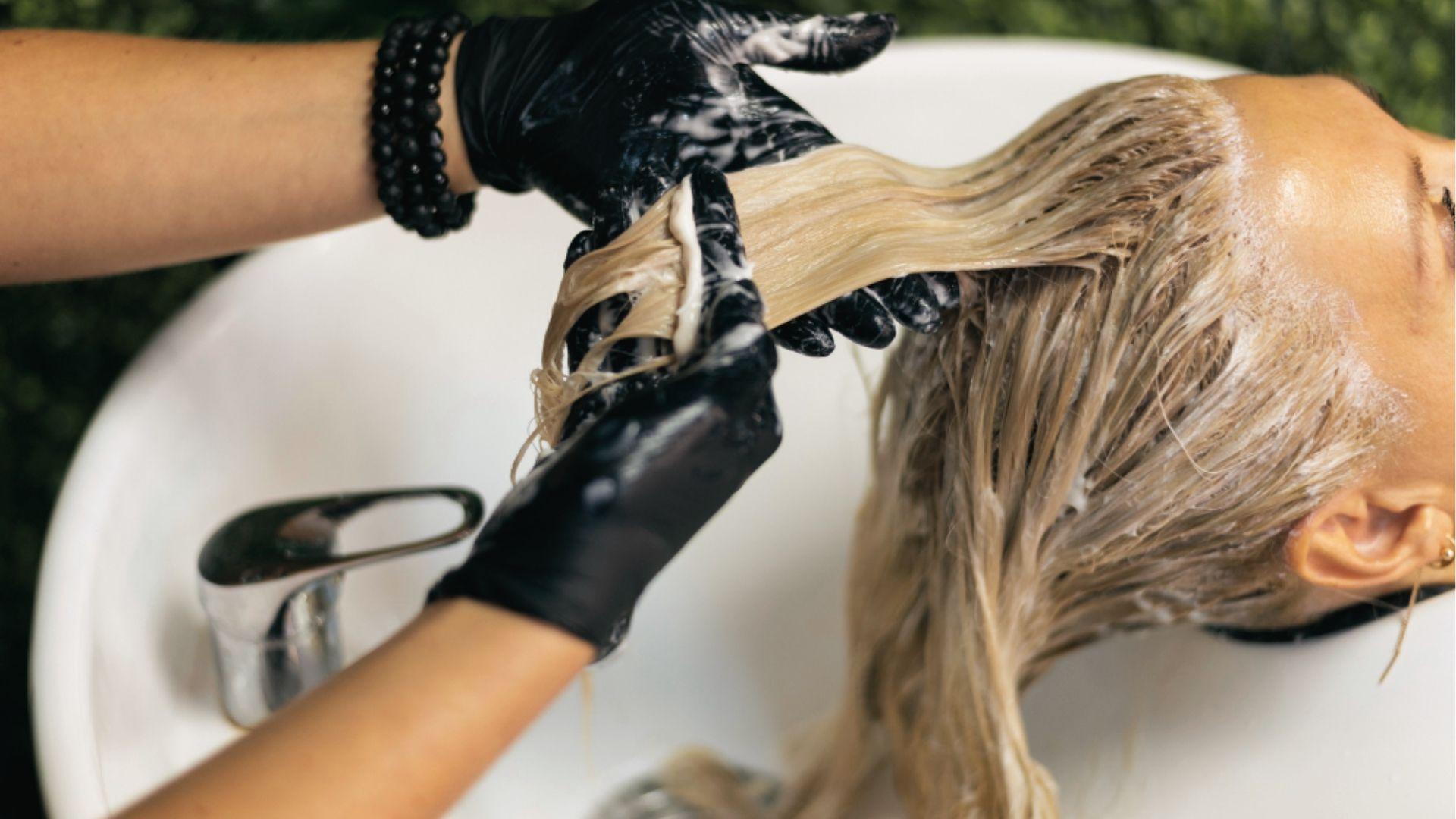
Checking your hair regularly during bleaching helps prevent damage and gives you better results.
Understanding Orange, Yellow, and Pale Yellow Stages
Hair goes through stages as it lifts:
Orange means you are mid-way through lifting. Yellow means you are getting close. Pale yellow means you are nearly at the lightest point bleach can take you.
Each stage can take different amounts of time depending on your starting color.
What Level 9 and Level 10 Blonde Look Like
Level 9 is a light blonde with a slight yellow tone. Level 10 is the lightest blonde, almost white. If you are aiming for platinum, you want to reach level 10 before rinsing, then use a toner.
Why You Should Check Hair Every 10 Minutes
Do not set a timer and walk away. Check a small strand every 10 minutes. Wipe off a bit of bleach with a damp cloth to see the true color underneath.
This is the most reliable way to avoid overprocessing.
Signs Your Hair Is Overprocessing
Watch for these warning signs:
The hair starts to feel mushy or stretchy when wet. The strand breaks easily when you pull on it. There is an unusual smell that is stronger than normal.
If you notice any of these, rinse immediately.
What Happens If You Leave Bleach on Too Long?
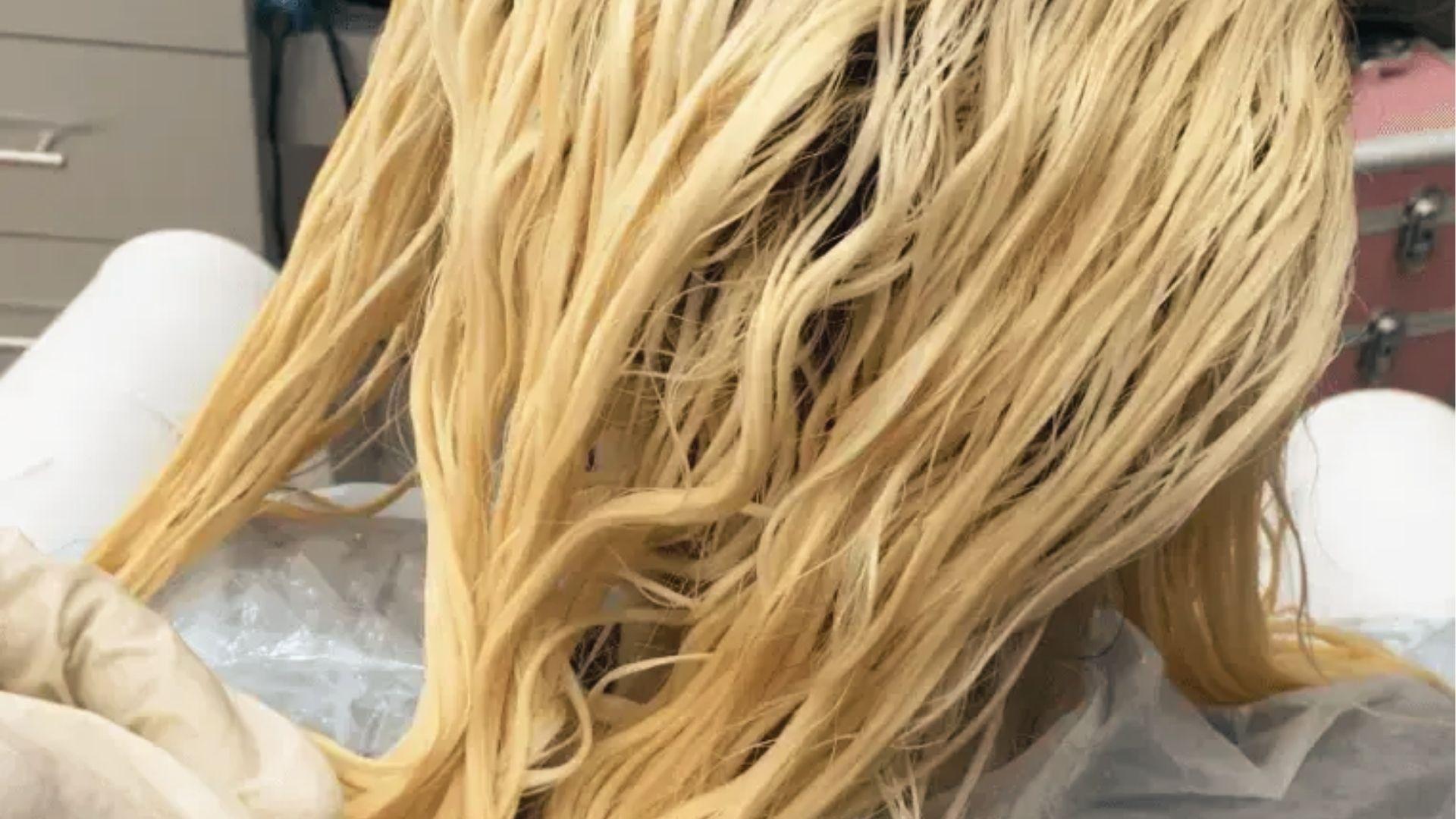
Overprocessing has real consequences that can last long after your bleaching session.
Hair Breakage and Dryness
Bleach strips moisture from the hair along with color. The longer it sits, the more moisture is removed. This leads to dry, brittle strands that break easily.
Stretchy or Gummy Hair Texture
When hair feels like rubber when wet, it has been overprocessed. This is called hygral fatigue or elasticity damage. The protein bonds in the hair have been broken down too much.
This type of damage is very hard to repair.
Scalp Irritation and Chemical Burns
Bleach is a chemical, and it can irritate or burn the scalp if left on too long. This is especially true with higher-volume developers. You may notice redness, soreness, or even scabbing afterward.
Why Bleach Damage Can Become Permanent
Unlike dryness that can be treated with conditioner, structural damage from overprocessing can be permanent. The cortex of the hair, which gives it strength and shape, can be permanently altered.
How to Bleach Hair Safely at Home
Following a few simple steps can make a big difference in how your hair responds to bleach.
Do a Strand and Patch Test First
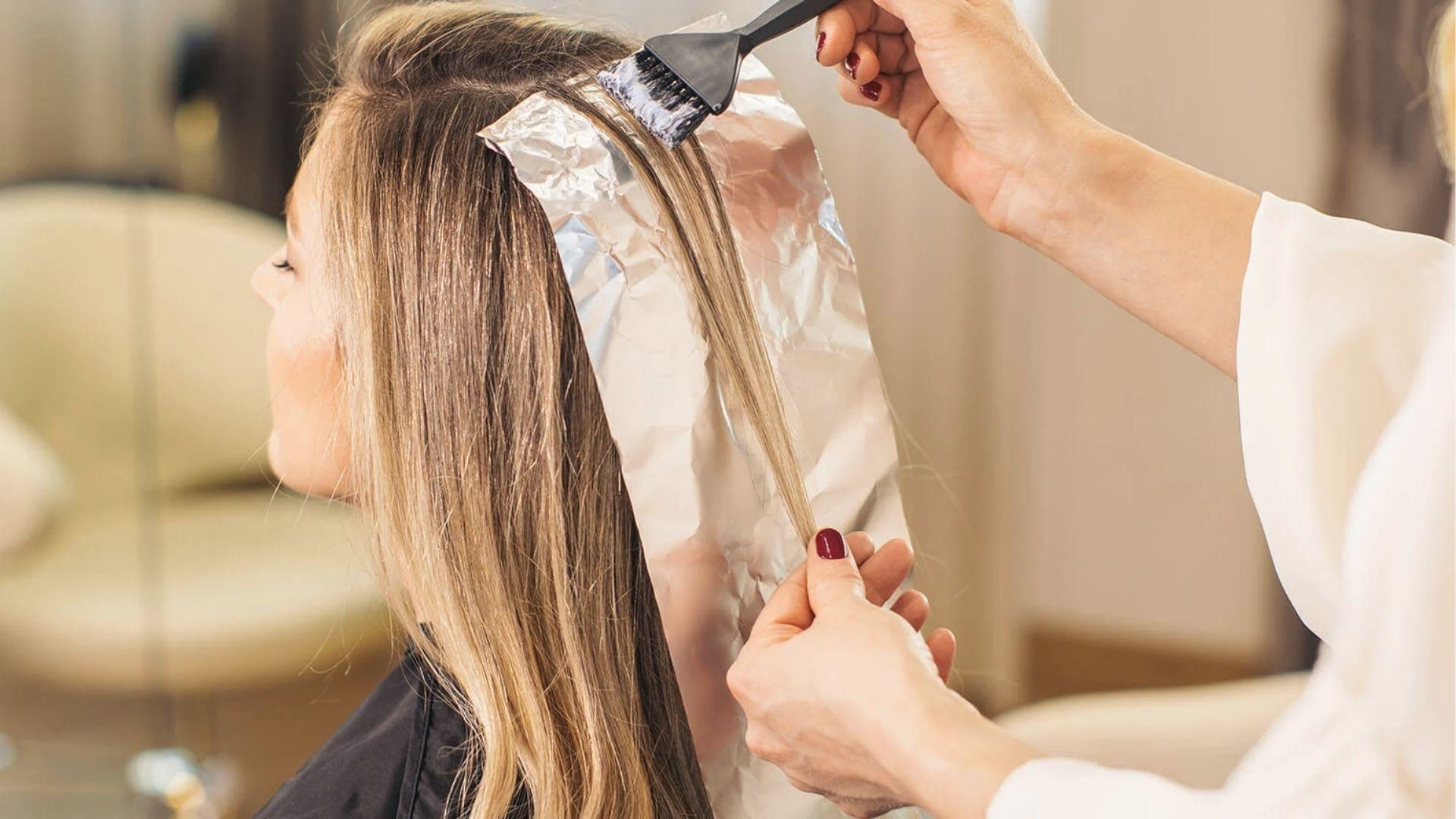
Before applying bleach all over, test a small section of hair. This shows you how long your hair needs to process. It also tells you if you are sensitive to the product.
Do a patch test on your skin 24 to 48 hours before bleaching to check for allergic reactions.
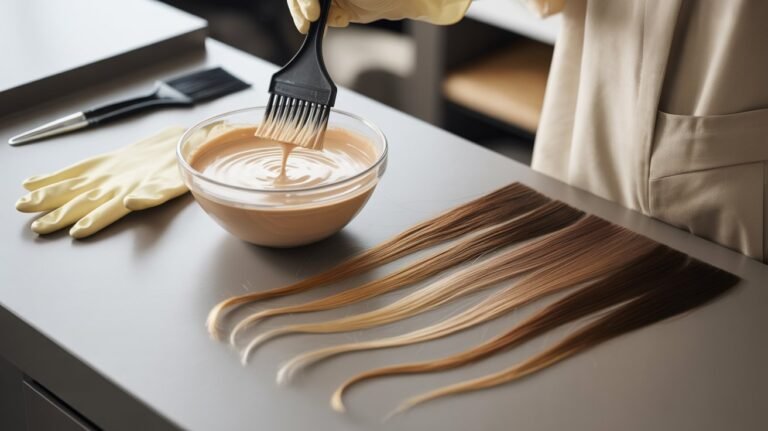
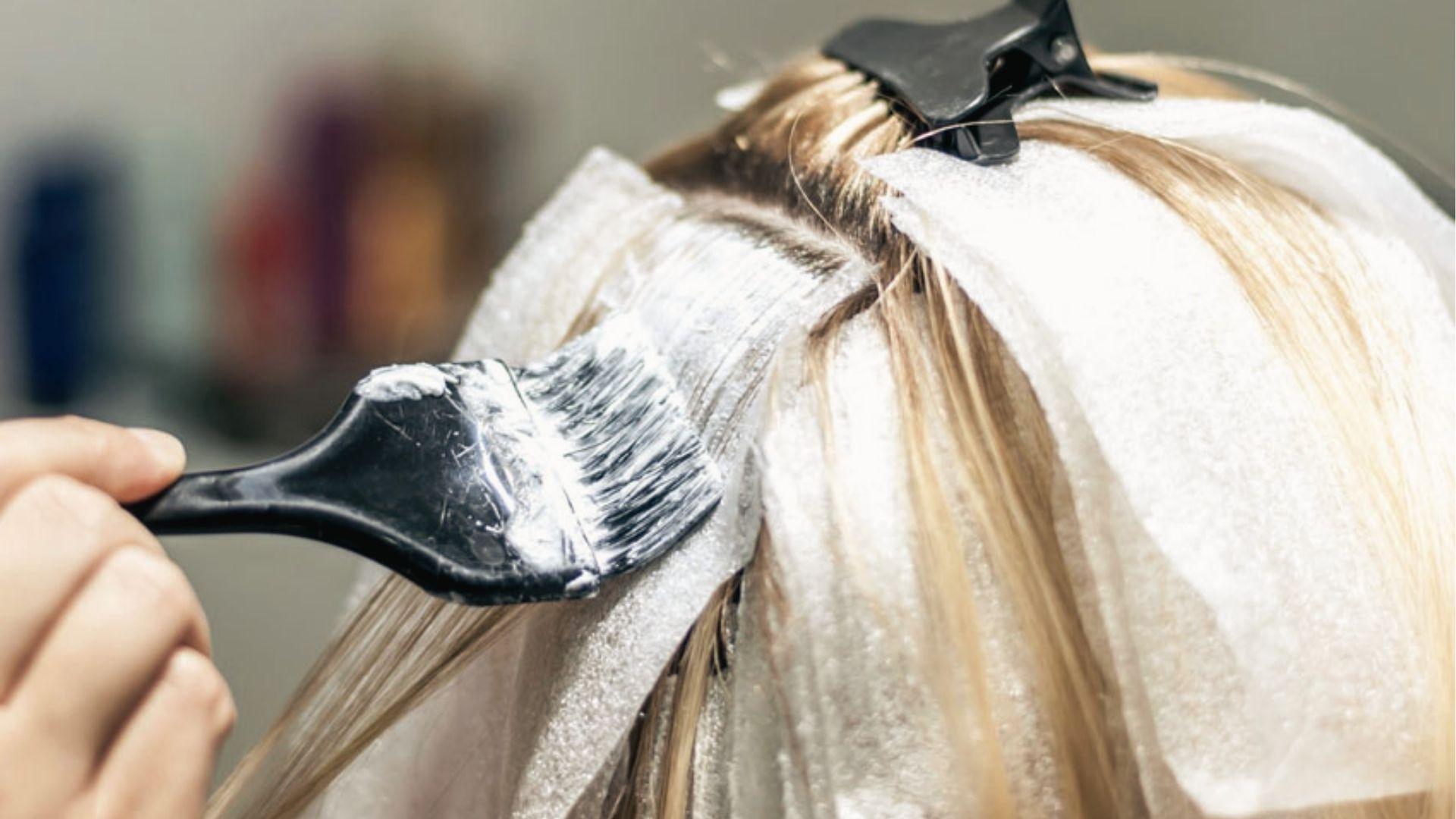
How to Apply Bleach Evenly
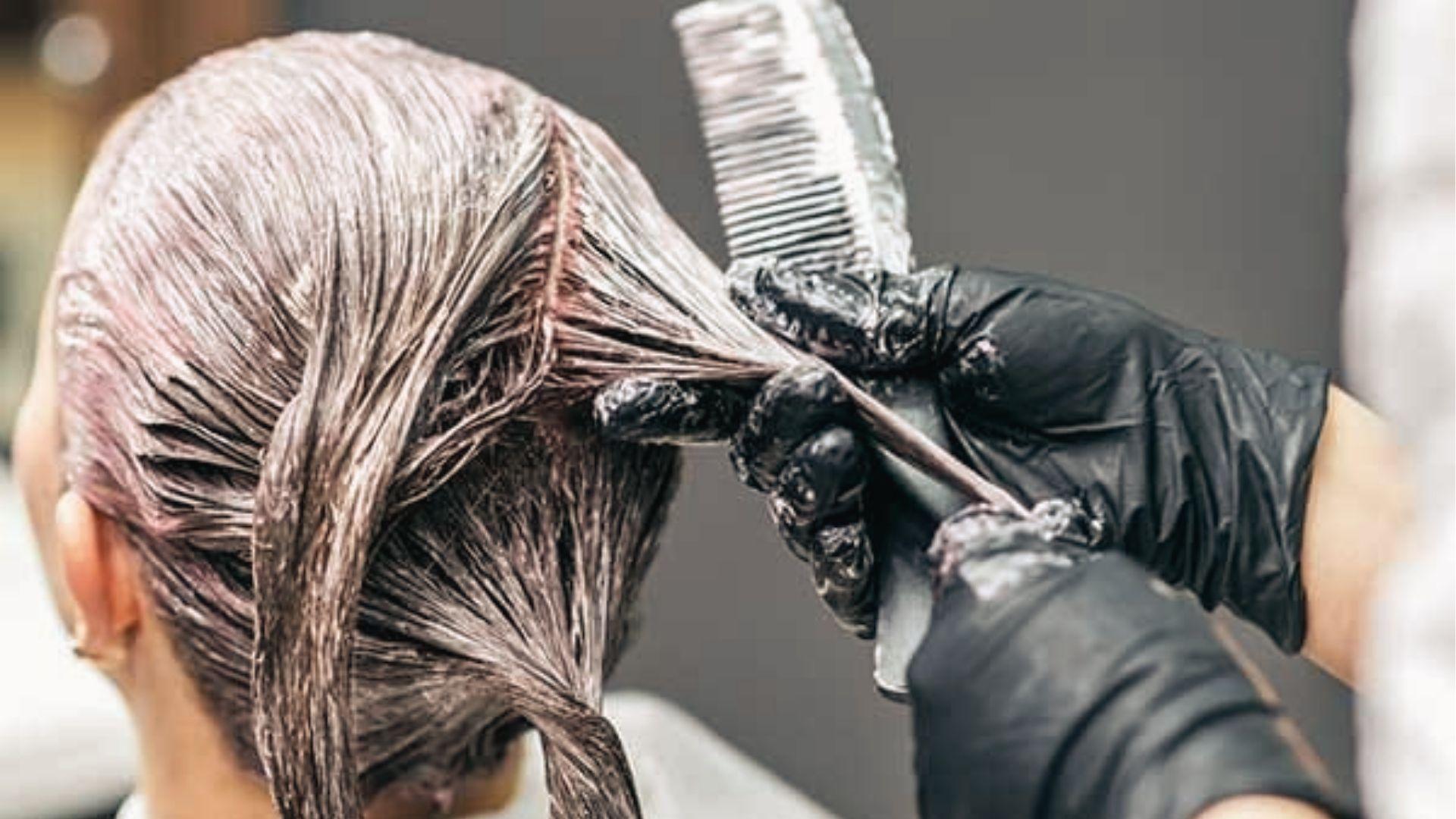
Start from the ends and work toward the roots. Roots process faster due to body heat. Apply root bleach last or at a separate time if doing a full-head application.
Use a brush and work in even sections to avoid patchy results.
What to Do If Your Hair Turns Orange
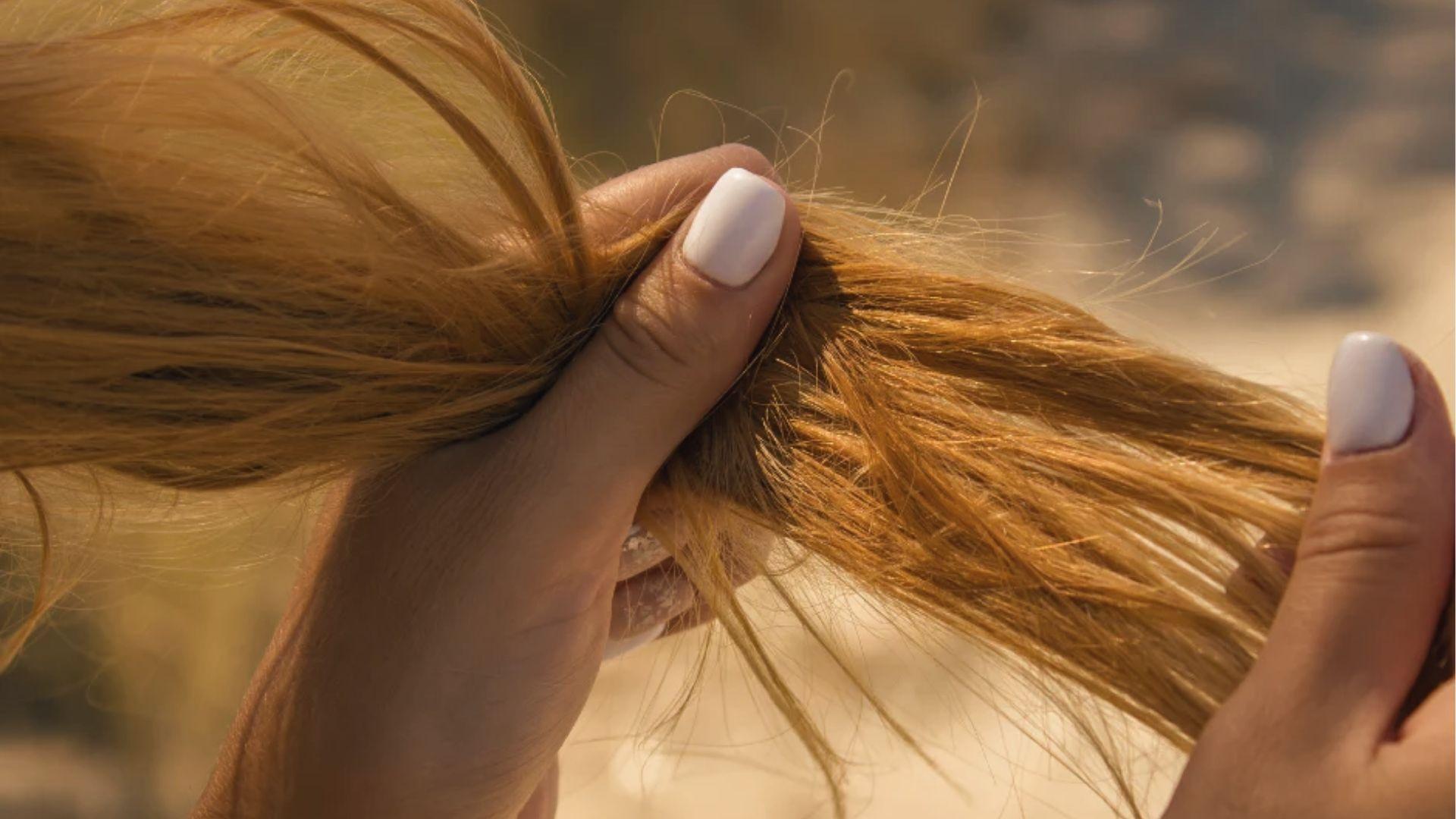
Orange hair means the bleach lifted your natural pigment partway. You have two options.
Use a toner designed for orange tones if you want a warm result. Or wait a few weeks and do a second bleach session to lift further.
When to Reapply Fresh Bleach Mixture
Bleach powder activates when mixed with developer. After about 30 to 40 minutes, it starts to lose effectiveness.
If you need to bleach again, always mix a fresh batch. Never reuse old bleach mixture.
Tips to Keep Bleached Hair Healthy
Taking care of your hair after bleaching is just as important as the bleaching process itself.
- Use purple shampoo once or twice a week for 2 to 5 minutes to cancel yellow tones, and apply a toner after bleaching to reduce brassiness.
- Deep condition your hair within a day of bleaching and keep doing it weekly to restore moisture and strength.
- Avoid heat tools like flat irons and curling irons for at least a week after bleaching to prevent extra breakage.
- Wait 4 to 6 weeks before bleaching again to give your hair enough time to recover.
- Use protein treatments during the weeks between bleaching sessions to help rebuild and maintain hair strength.
Conclusion
I know how exciting it is to go lighter, and I know how easy it is to think a little more time means a better result. It does not.
Checking your hair every 10 minutes and rinsing on time is what gets you healthy, light hair.
If you try any of these tips, I would love to hear how it went. Drop a comment below and share your experience.
And if this helped you, share it with a friend who is thinking about bleaching their hair too.
Frequently Asked Questions
How Long Should I Leave Bleach in My Hair Safely?
The safe range is 15 to 45 minutes depending on your hair type and starting color. Never go past 45 minutes. Check your hair every 10 minutes during the process.
Does Bleach Stop Working After It Dries?
Yes. Once bleach dries out, it stops lifting. Dry bleach can also stick to the hair and cause damage without producing results. Always rinse before it fully dries.
Can I Leave Bleach on for an Hour?
No. Leaving bleach on for an hour is not safe. It does not give better results and significantly increases the risk of breakage, scalp burns, and permanent damage.
Why Is My Hair Still Orange After Bleaching?
Orange hair means the bleach lifted your natural pigment partway. You likely need a second bleaching session or a blue or purple-based toner to counteract the warm tones.
Should Bleach Burn or Itch on the Scalp?
A mild tingling sensation is common. But burning or severe itching is a sign of irritation or an allergic reaction. Rinse the bleach off immediately if you feel strong burning or pain.