How Apartment Hunting Stress Affects Your Skin (And How to Avoid It)

Searching for an apartment in a competitive market like NYC can wear you (and your skin) down fast. While you refresh listings at midnight and race to schedule viewings before someone else snags them, you struggle to maintain your sleep schedule and eat whatever takes the least time to prepare.
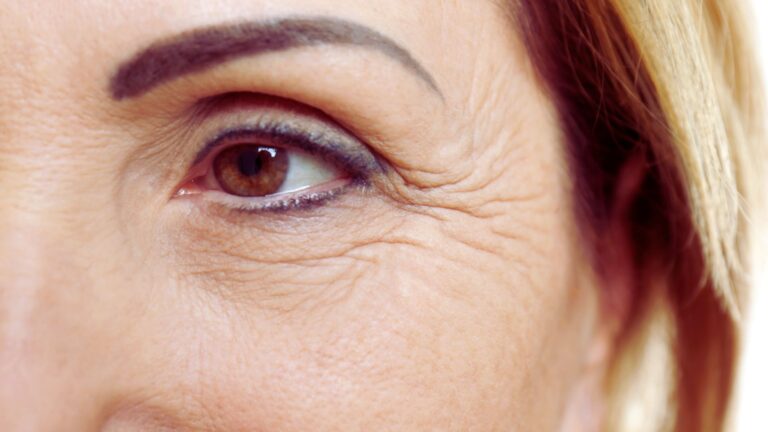
A few weeks into the search, you notice your skin starting to react. You’re seeing breakouts in unusual spots, dullness that doesn’t surrender to highlighter, dryness, redness, or general sensitivity. Apartment hunting isn’t usually listed as a skincare problem, but the stress it creates has measurable effects on your face. Read on to understand why this happens and how to protect your skin while searching.
Stress Hormones Trigger Breakouts and Inflammation
When you’re stressed, your body releases cortisol, a hormone that increases oil production in your skin. That extra oil mixes with dead skin cells and bacteria, which is how stress-related breakouts start. You may notice pimples along your jawline, chin, or forehead, especially during weeks when you’re juggling viewings, application fees, and back-and-forth messages with landlords who never respond.
Cortisol also slows down skin healing. A pimple that would normally clear up in a few days can linger for weeks, and any existing skin conditions, such as eczema, rosacea, or psoriasis, can flare up during high-stress periods. If you already have sensitive skin, an apartment search that drags on for a month or two can leave your face looking worse than it has in years.
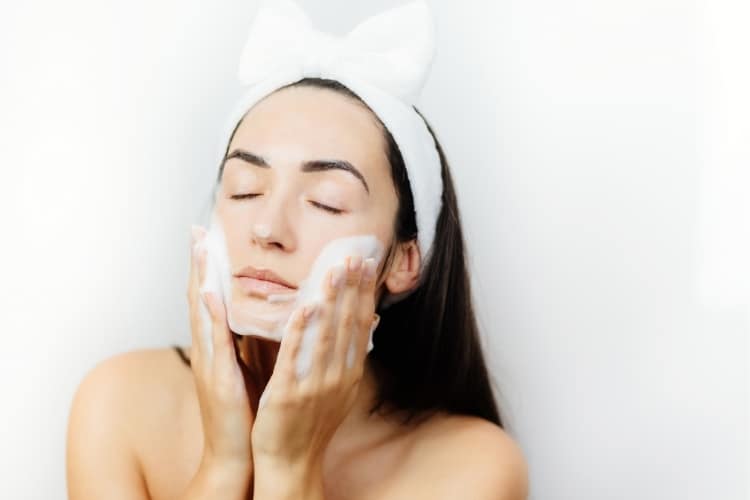
The fix is treating your skin gently during this high-pressure period. Avoid picking at breakouts, stick to a simple cleanser and moisturizer, and skip any new active ingredients like retinol or strong exfoliants until your skin calms down.
Your Face Reacts to Inadequate Sleep Within Days
Your skin repairs itself during sleep. Even a few nights of poor rest will result in facial dark circles, puffiness, dullness, and a duller overall tone.
When you’re sleep-deprived, your skin’s barrier function weakens, which means moisture escapes more easily and irritants get in more easily. That’s why your skin may feel dry and tight even if you haven’t changed your routine, or why a moisturizer that usually works starts to sting.
Try to protect at least six to seven hours of sleep during your search, even if it means setting alerts for new listings to check in the morning. A consistent sleep schedule does more for your skin than most overnight masks.
A Faster Search Saves Your Skin from the Effects of Stress
The longer the apartment search drags on, the longer your skin marinates in the stress. One way to shorten the timeline is to use a platform built specifically for room searches rather than relying on general listing sites, where you spend hours filtering through irrelevant results and fake listings.
SpareRoom is one option that helps cut down the search time by letting you filter listings based on what you actually need: budget, move-in date, neighborhood, and roommate preferences. If you’re browsing listings on SpareRoom with the aim of finding a place in Brooklyn, for example, you can narrow down results to areas like Williamsburg, Bed-Stuy, or Park Slope. Then, review profiles of the people already living in each apartment before you reach out.
That filtering saves you from spending an entire weekend on viewings that were never going to work, and the structured profiles on SpareRoom give you a sense of whether you’d actually get along with the people in the apartment before you commit to seeing it in person. A shorter search means fewer late nights, fewer skipped meals, and less cortisol running through your system. Your skin benefits from that more than any product you could buy.
What You Eat During the Search Affects Your Skin Too
When you’re running between viewings or stuck in front of your laptop comparing listings, meals become an afterthought. You grab takeout, skip breakfast, or eat whatever’s closest. Diets heavy in sugar, refined carbs, and processed food can worsen acne and inflammation, especially during stressful periods when your skin is already vulnerable.
You don’t need to overhaul your diet during a chaotic search, but you can make a few helpful changes. Keep water within reach throughout the day so dehydration doesn’t add to your skin’s stress. Add foods rich in omega-3 fatty acids, such as salmon, walnuts, or chia seeds, which support skin barrier function. Cut back on the late-night sugar if you can, since blood sugar spikes can contribute to breakouts and inflammation.
Take Care of Your Skin While You’re Still Searching
Even if your search takes a few weeks, you can keep your skin from getting worse by sticking to a simple routine and being patient. Cleanse twice a day with a gentle, non-stripping cleanser. Moisturize morning and night. Use sunscreen during the day, especially if you’re walking around for viewings in direct sun.
Skip the urge to try new products during a stressful period. Your skin is already reacting to internal stress, and adding a new active ingredient on top of that can trigger more irritation. Save the experimentation for after you’ve signed a lease and your routine has settled.
Final Thoughts
Apartment hunting stress doesn’t last forever, and neither do its effects on your skin. Once you’ve signed a lease and your routine settles, your skin will start to recover within a few weeks. In the meantime, protect your sleep where you can, eat foods that support skin health, keep your skincare routine simple, and use search tools that shorten the timeline.