Going From Blonde to Brown: Guide for Rich & Healthy Hair


Thinking about going from blonde to brown, but worried it might turn patchy or dull?
I’ve been through this process myself and learned that achieving a rich, even brown involves more than just picking a box dye.
In this guide, I’ll share practical steps, from assessing your current blonde to choosing the right brown shade and maintaining it long-term.
Drawing from my hands-on experience and tips, you’ll get insights on safe home techniques, professional options, and gradual methods that protect your hair and make the color last.
Let’s get started.
What Happens When You Go From Blonde to Brown?
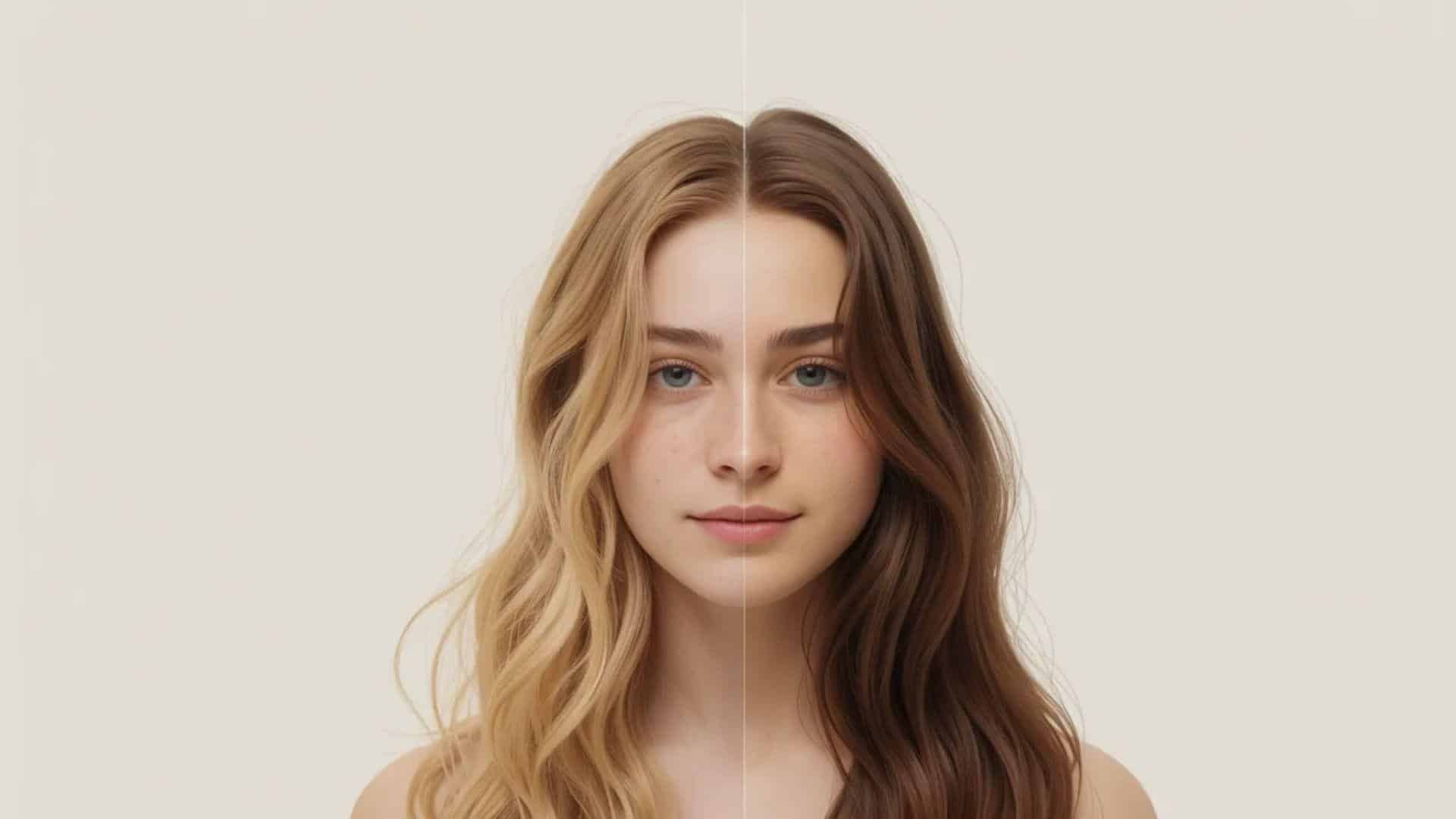
When you go from blonde to brown, your hair needs more than just a new color.
Blonde hair has most of its natural pigment stripped away, which means it lacks the underlying red, orange, and yellow tones that brown hair naturally has.
If you apply brown dye directly to very light blonde hair, it can sometimes turn muddy, gray, or even green because the missing pigments aren’t there to balance the new color.
That’s why many stylists use a process called “filling” before darkening. Filling adds back the warm tones that your hair lost, creating a base for the brown dye to sit on evenly.
People with slightly darker blonde hair or minimal damage might not need extra prep, but very light or heavily bleached hair almost always requires filling to avoid uneven results.
Step-by-Step: Going From Blonde to Brown
Changing your hair from blonde to brown at home is possible if you follow a clear and careful process. Each step prepares your hair for an even and long-lasting color.
Step 1: Assess Your Starting Blonde
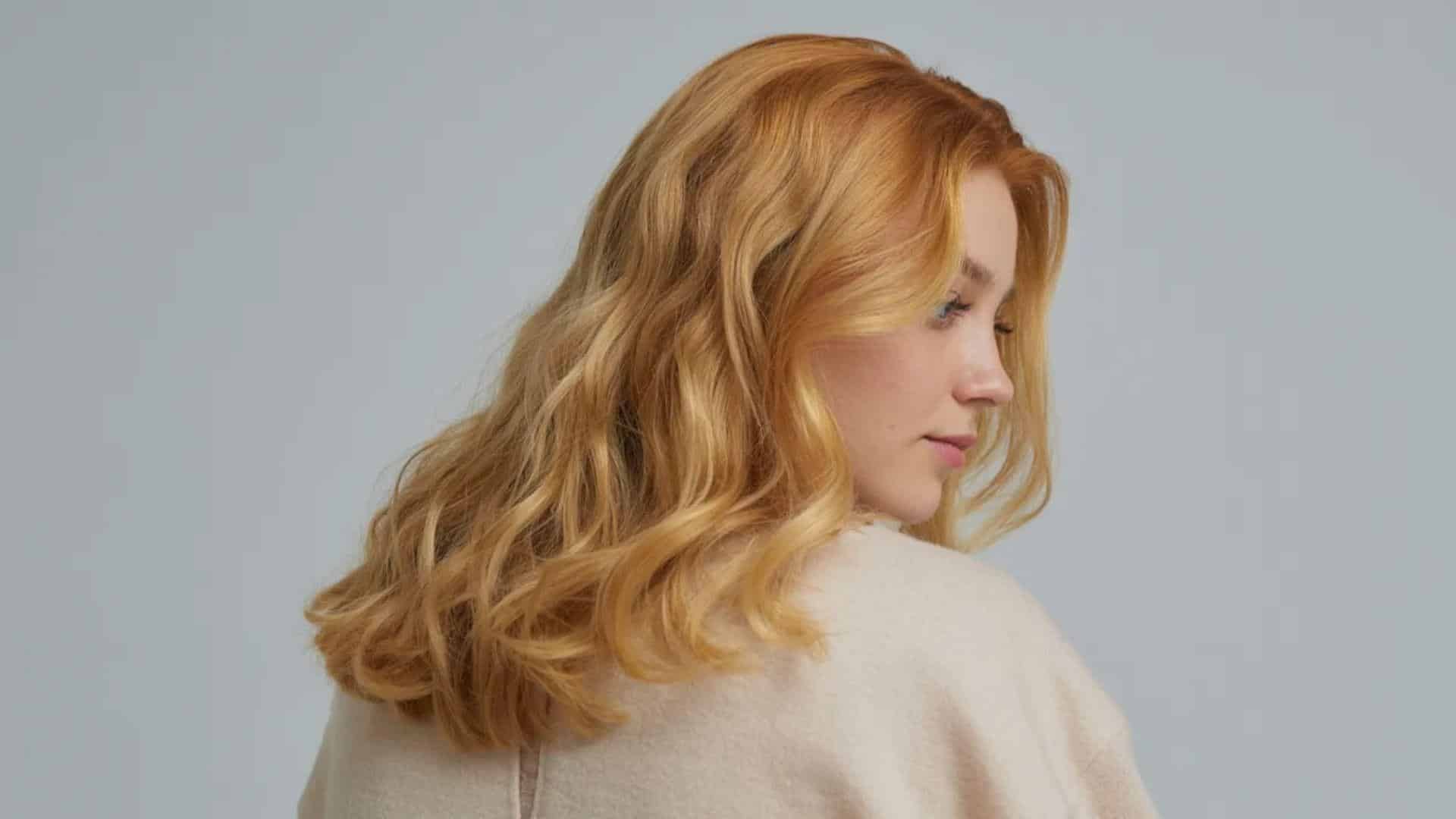
Before starting, know the exact shade of your blonde hair and check its condition. This will help you plan the best approach.
- Identify whether your hair is platinum, golden, or highlighted. This determines the brown shades and filler you need
- Check for damage or high porosity. Fragile or over-processed hair may need extra care or gentler products before coloring
Step 2: Fill the Hair
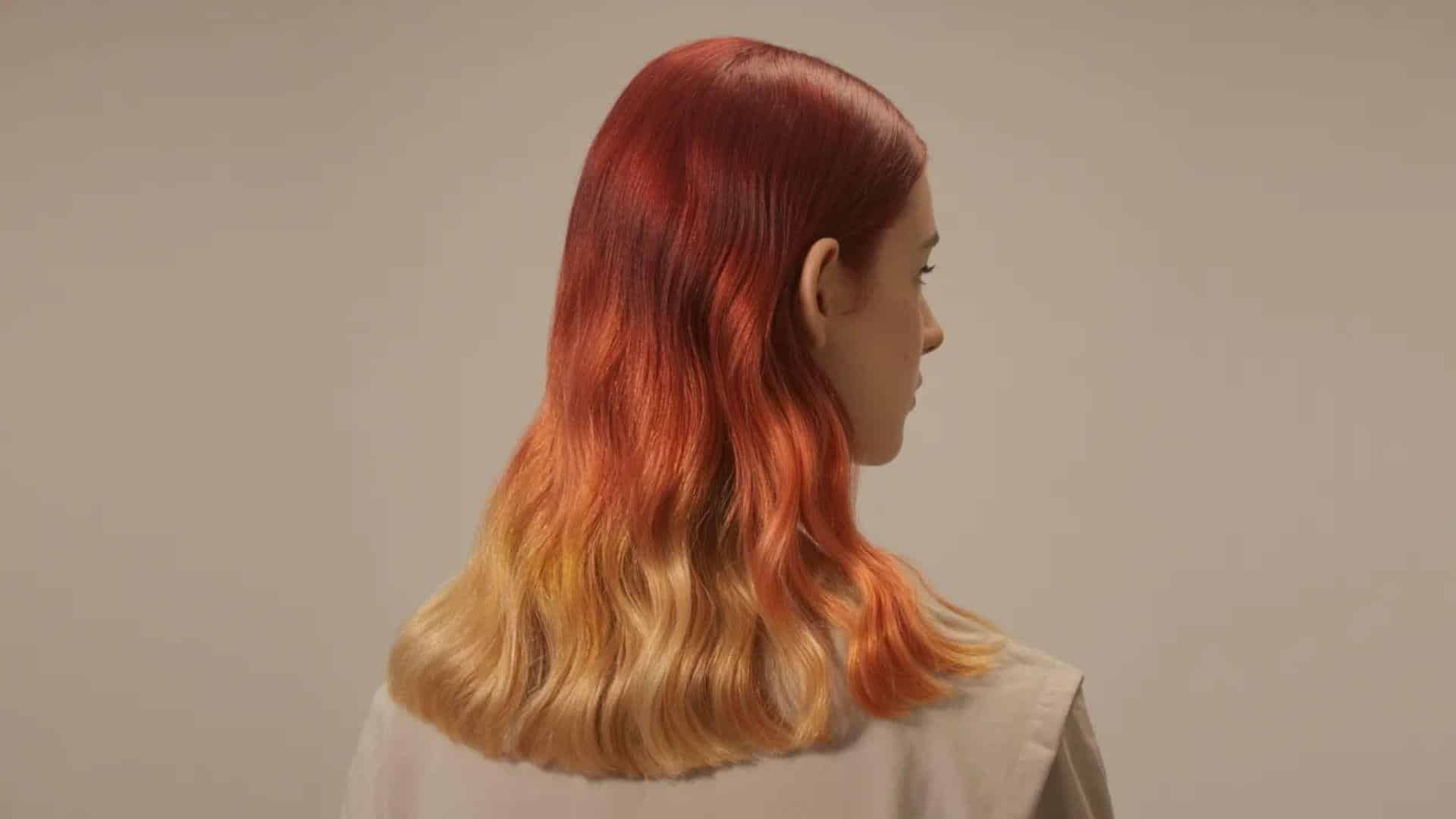
Filling adds back the pigments that your hair lost while blonde. This step ensures the brown color looks even and prevents green or muddy tones.
- Mix a filler using warm tones such as copper, red, or gold according to your current blonde level
- Choose demi-permanent for longer-lasting fill or semi-permanent if your hair is delicate
- Apply the filler evenly from roots to ends so every strand is coated
- Leave the filler on for the recommended time. Hair may appear warmer than expected, which is normal and prepares the base for brown
Step 3: Apply the Desired Brown Shade
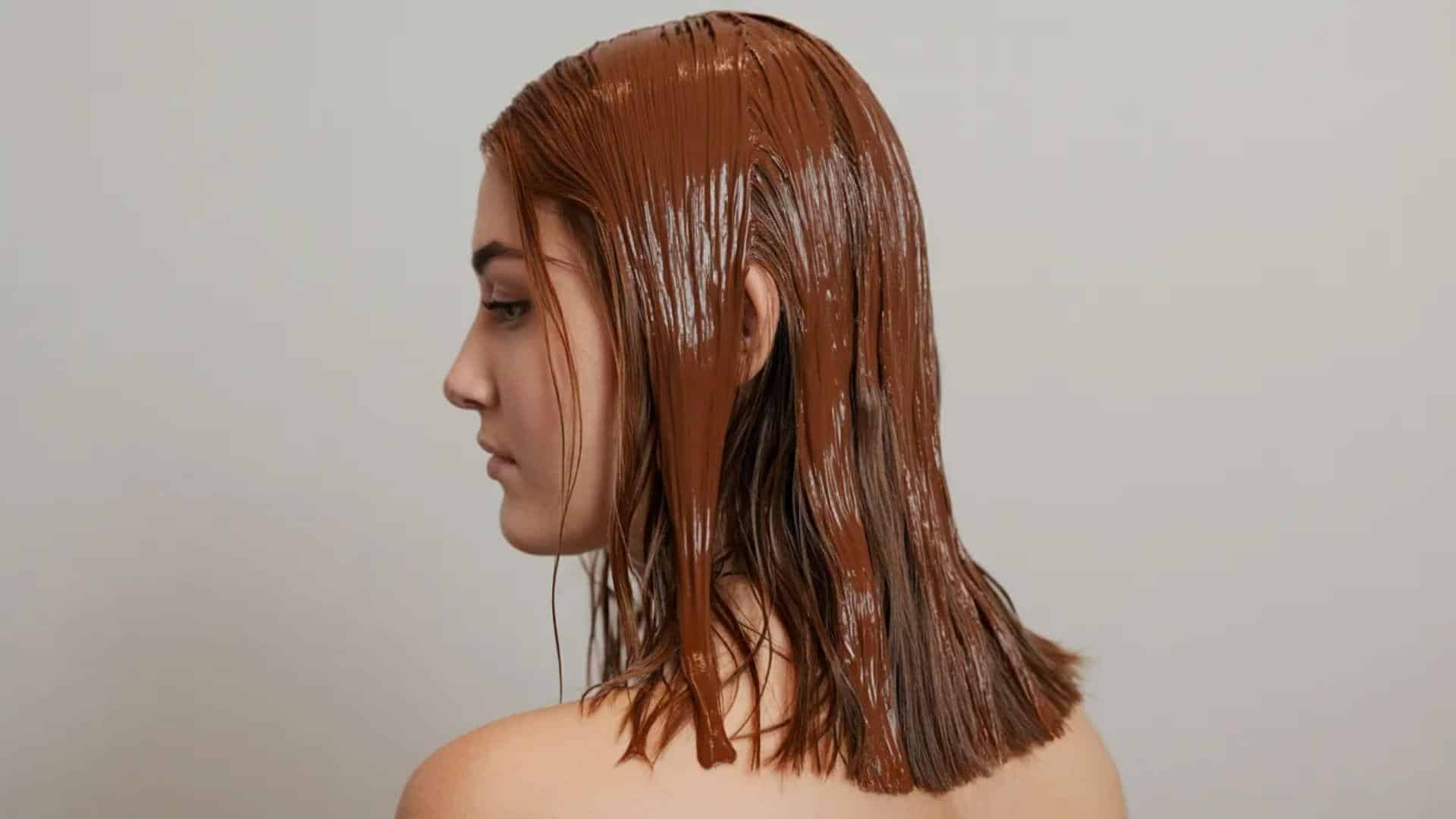
After filling, it is time to apply the brown color. This step deposits new pigment evenly across your hair.
- Select the brown shade that matches your desired look, whether light, medium, or dark
- Apply the color in sections, starting from the roots and moving toward the ends
- Warm or neutral browns work best because they blend with the filler and prevent green tones
- Ensure the color is evenly spread and leave it on for the recommended time to achieve full coverage
Step 4: Rinse, Condition, and Seal the Color

After coloring, proper aftercare helps maintain the shade and keeps hair healthy.
- Rinse thoroughly with lukewarm water until the water runs clear
- Apply a deep conditioner to restore moisture and protect the hair cuticle
- Gently towel-dry or use a cool water rinse to seal the cuticle and lock in color and shine
Following these steps carefully will help you achieve an even, natural-looking brown from blonde while keeping your hair healthy.
Choosing the Right Brown Shade for Your Skin Tone
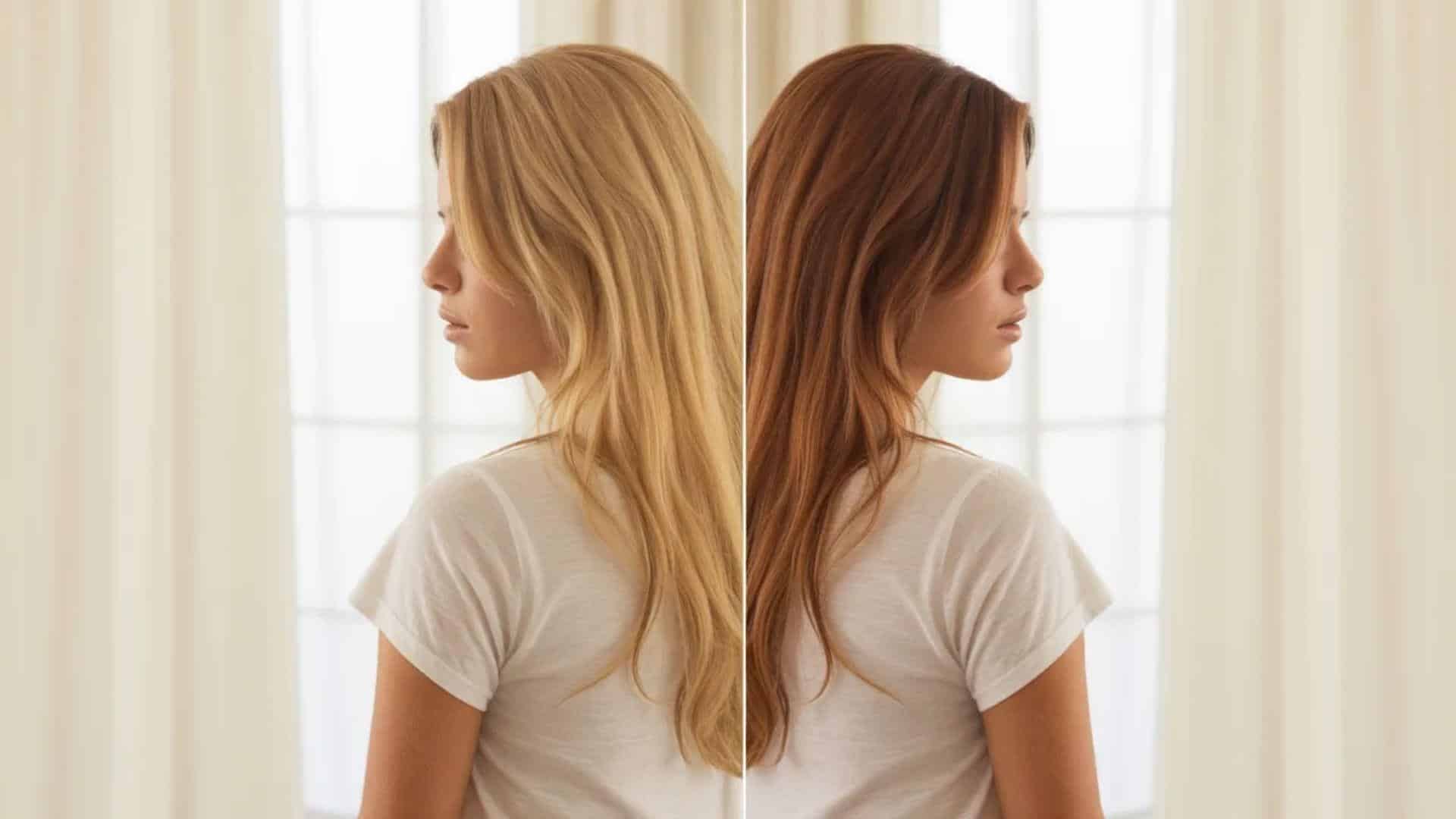
Choosing the right brown shade for your skin tone affects how natural and flattering your hair looks.
Brown dyes come in warm, cool, and neutral tones. Warm browns have red or golden hints, cool browns are ashy, and neutral browns sit in between.
Match the hair color’s undertones with your skin, warm or yellow undertones suit warm or golden browns, while pink or cool undertones pair well with ash or neutral browns.
Some popular brown shade categories include:
Light brown: A softer, natural-looking brown that works well for fair skin or as a gentle transition from blonde.
Chocolate brown: A rich, medium brown with subtle warmth that complements most skin tones.
Ash brown: A cooler brown that can reduce brassiness and suits cooler skin tones.
Golden brown: A warm brown with hints of gold, adding brightness and depth to the hair while keeping it natural.
Going From Blonde to Brown at Home vs Salon
Choosing home or salon coloring depends on your hair and the shade change.
| Factor | At-Home Coloring | Salon Coloring |
| Hair condition | Works best if hair is not heavily damaged | Professionals handle all hair types, including fragile or over-processed hair |
| Shade change | Best for small or slight darkening from blonde | Can manage major color changes like platinum to dark brown |
| Filler requirement | Requires a filler shade before applying brown | Custom filler mix applied by professionals for even results |
| Risk of uneven color | Patchiness and uneven tones are possible | Experts use sectioning and tonal correction to prevent uneven color |
| Time and effort | Faster but may need multiple attempts | Takes 2 to 5 hours, depending on hair and color complexity |
| Recommended for | Simple blonde to brown transitions | Platinum hair, multiple bleach sessions, or uneven base |
From my experience, home work for small changes, but salons give the best results for major transitions.
Gradual Transition Options (Low-Risk Methods)
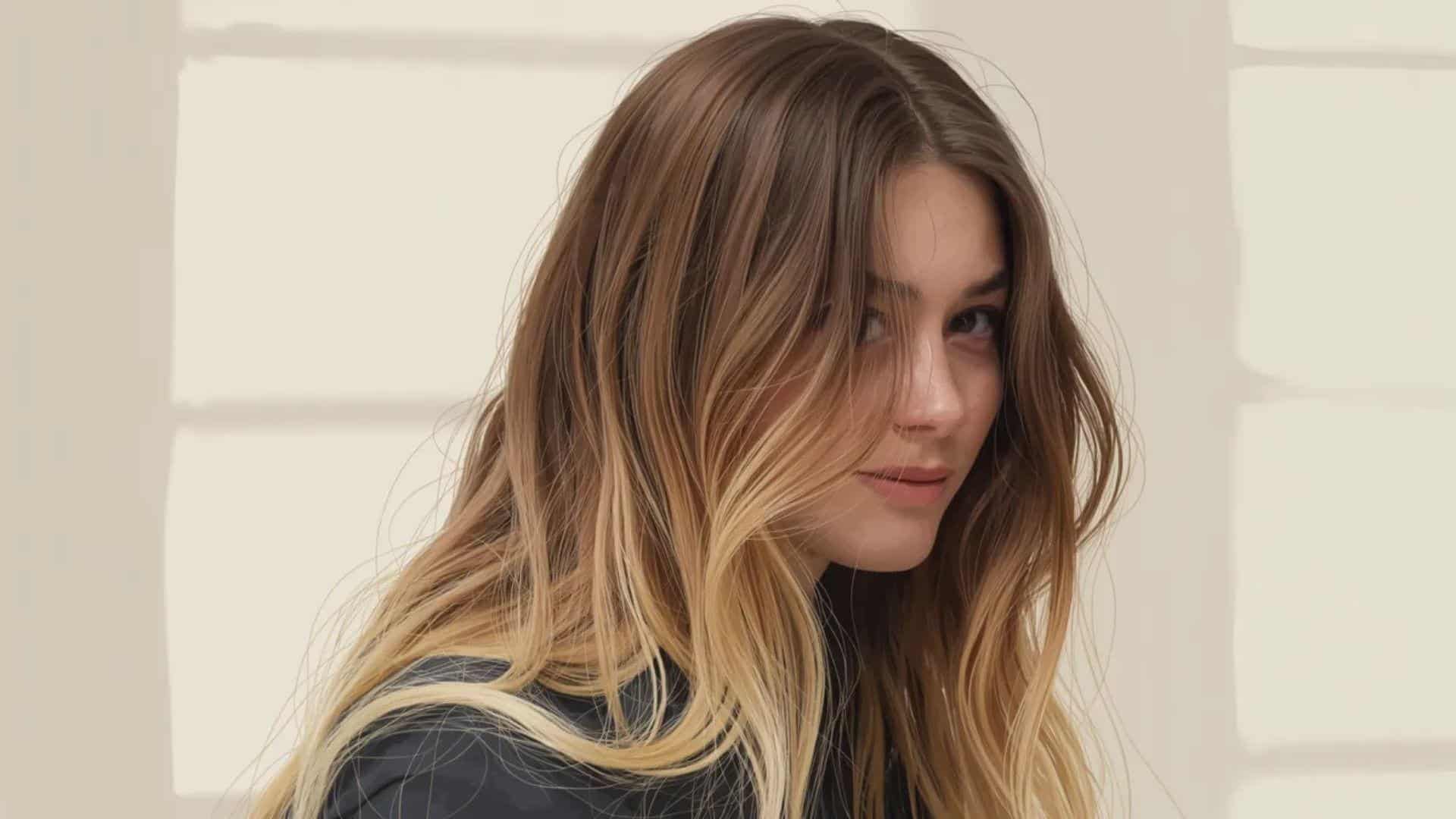
If you want to go from blonde to brown without a big jump, gradual methods can make the process easier and safer for your hair.
Lowlights: Lowlights add strands of brown throughout your blonde hair. This gives depth and dimension without fully committing to a dark color.
Reverse Balayage: Reverse balayage blends brown softly into blonde. The result is a natural-looking transition that grows out smoothly and avoids harsh lines.
Step-Down Coloring: Step-down coloring moves gradually from dark blonde to light brown, then to a deeper brown. Each stage helps the color stick better and keeps the hair healthy.
Gradual steps keep hair healthy and create a natural-looking brown.
Why does blonde hair turn green or Muddy When Dyed Brown?

When blonde hair is dyed brown, it can sometimes turn green or muddy. This happens because blonde hair has lost the underlying pigments like red, orange, and gold.
Using ash or cool brown dyes can make the problem worse, and highly porous hair tends to grab color unevenly, leading to patchy or dull results.
Quick Color Theory:
Brown is made from a mix of red, orange, and yellow tones, along with depth. Blonde hair has most of these pigments stripped away.
The solution is to refill the missing tones before applying brown so the color appears even and natural.
How Long Does the Color Last?
The longevity of brown color depends on the type of dye used and the condition of your hair.
Demi-permanent colors generally last a few weeks and fade gradually, while permanent colors last longer but may require touch-ups over time.
Previously bleached hair tends to fade faster because it is more porous and cannot hold pigment as well.
Brown shades on a blonde base may also fade quicker, especially if the hair was very light or over-processed, making regular maintenance important to keep the color looking even and fresh.
Common Mistakes to Avoid When Going From Blonde to Brown
Avoiding common mistakes makes the transition from blonde to brown smoother and keeps hair healthy.
| Common Mistake | How to Avoid |
| Skipping the filler step | Always apply a filler with warm tones before the brown dye |
| Choosing a shade that’s too dark | Pick a brown shade that matches your current hair level or go gradually darker |
| Ignoring undertones | Match the brown dye with your skin’s undertones to prevent clashing tones |
| Overprocessing damaged hair | Use gentle products and avoid multiple chemical treatments at once |
| Not doing a strand test | Test the color on a small section of hair before full application |
Following these tips helps achieve even, natural-looking color without surprises.
Maintenance After Going Brown
Proper maintenance keeps your brown color looking fresh and your hair healthy.
- Root touch-ups every 4 to 6 weeks help maintain an even color
- Use color-safe shampoos and conditioners to prevent fading
- Focus on hydration, especially for porous or previously bleached hair
- Avoid washing hair too frequently to preserve the color and moisture
Regular care and gentle routines help your brown hair stay vibrant and healthy for longer.
Final Thoughts
Going from blonde to brown takes more than applying a new color.
In my experience, the best results come from checking your hair’s condition and using a filler to restore lost pigments.
Gradual methods or professional guidance help prevent damage and ensure even color. Picking the right brown shade and maintaining it with color-safe care keeps it vibrant longer.
Following these steps personally helped me achieve a healthy, natural, and long-lasting brown without surprises.
Start your blonde to brown change today and enjoy hair that looks rich and polished!
Frequently Asked Questions
Can I Use Box Dye Instead of Professional Products At Home?
Box dyes can work for minor color changes, but they may not give even results on very light blonde or porous hair.
How Long Should I Wait Between Coloring Sessions?
It is best to wait at least 4 to 6 weeks to reduce damage and allow hair to recover before applying another color.
Can I Go From Blonde to Brown Without Fading Over Time?
Brown will naturally fade, especially on previously bleached hair, so regular touch-ups and proper care are needed to maintain the shade.
Will Changing From Blonde to Brown Affect My Hair Texture?
Hair may feel slightly drier after coloring, especially if it is porous, but using hydrating products helps maintain softness and smoothness.
Can I Add Highlights After Going Brown?
Yes, highlights can be added after your brown color has settled, but it’s safer to wait at least a few weeks and use gentle techniques to avoid breakage.