Why Does My Skin Keep Breaking Out? 9 Everyday Triggers to Consider

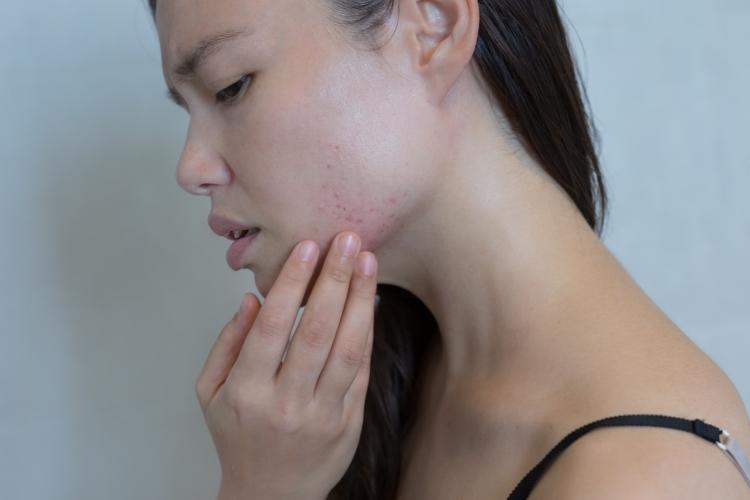
Just when you think your skin has settled down, another spot appears. Sound familiar? Breakouts can feel unpredictable, particularly when you already cleanse your face and pay attention to what you put on your skin.
Acne has more than one possible trigger, so finding the cause often means looking beyond the most obvious culprit. Your skincare routine matters, but hormones, stress, everyday habits, and even your hair products can play a part. If you keep asking, “Why am I breaking out?”, these nine triggers are worth considering.
1. Your Skincare Routine Is Working Against You
When spots appear, it’s tempting to fight back with more products. You might cleanse more often, add another exfoliant, or start several acne treatments at once. Unfortunately, an overloaded routine can leave skin dry and irritated without addressing the cause of the breakout.
Take a closer look at what you use each day. Rich creams, oily formulas, and certain makeup products may contribute to blocked pores in acne-prone skin. Look for products labelled non-comedogenic and introduce new formulas individually rather than changing your entire routine overnight.
It also helps to keep things simple while you work out what your skin needs. A gentle cleanser, suitable moisturiser, and daily sunscreen provide a sensible foundation. From there, you can decide whether you need a targeted acne treatment.
If over-the-counter skincare isn’t helping, professional advice may be a better next step than buying yet another serum. An online pharmacy such as Curely can provide convenient access to professional acne support without relying solely on trial and error. Persistent or severe acne requires assessment by an appropriate healthcare professional.
2. Your Hormones Are Changing
Sometimes the causes of breakouts have little to do with the beauty products on your bathroom shelf. Hormonal changes can affect the amount of oil your skin produces, making blocked pores and spots more likely.
You may notice breakouts around your period, during pregnancy, after changing hormonal contraception, or at other points when hormone levels fluctuate. Hormonal acne commonly affects the lower face, including the chin and jawline, although spots can develop elsewhere too.
Keeping a simple skin diary can help you spot a pattern. Note when breakouts appear, where they develop, and any changes happening around the same time.
3. You Keep Touching Your Face
Think about how often your hands reach your face during an ordinary day. You might rest your chin on your palm at your desk, rub your forehead while concentrating, or pick at a spot without noticing.
Touching and picking can irritate already-inflamed skin. Squeezing spots can also damage the surrounding tissue and increase the chance of lingering marks or scarring.
You don’t need to become afraid of touching your face. Instead, notice unconscious habits and resist the urge to investigate every bump with your fingers.
4. Your Phone and Pillowcase Need Cleaning
Some breakout triggers are hiding in plain sight. Anything that regularly touches your face can collect oil, sweat, makeup, skincare residue, and general grime.
Your phone is a good example, particularly if you regularly hold it against your cheek. Pillowcases also sit against your skin for several hours each night.
Clean your phone screen regularly and change your pillowcase often, especially if you sweat heavily at night or have oily hair. Don’t forget makeup brushes and reusable face cloths either. Regularly cleaning these everyday items is a straightforward habit that doesn’t require adding another product to your routine.
5. Your Hair Products Are Reaching Your Skin
Your face cream isn’t the only beauty product that touches your skin. Conditioner, styling creams, hair oils, pomades, and sprays can end up on your forehead, temples, neck, and back.
If spots tend to gather around your hairline, consider whether a hair product could be contributing. Keep styling products away from facial skin where possible and rinse conditioner thoroughly in the shower.
It’s also worth washing your face after rinsing your hair rather than before. That way, you can remove any residue left behind.
6. Stress Is Showing Up on Your Skin
A stressful week can disrupt more than your mood. Stress can affect hormones and inflammation, which may worsen acne for some people. It can also change your habits.
When you’re overwhelmed, you might sleep less, touch your face more, skip your usual evening cleanse, or reach for different foods. Suddenly, several potential triggers arrive at once.
Instead of treating stress as the sole explanation for every spot, look at the bigger picture. Regular sleep, movement, downtime, and a manageable skincare routine can all make hectic periods easier on you and your skin.
7. Sweat Is Sitting on Your Skin
Exercise is good for your general health, but sweat mixed with oil, makeup, and friction can spell trouble for acne-prone areas.
Try removing heavy makeup before a workout and changing out of sweaty clothing afterward. Cleanse your face gently once you’ve finished rather than leaving sweat to dry for hours.
Pay attention to anything that rubs repeatedly against the same area. Tight hats, helmet straps, headbands, and sports equipment can create friction and trap sweat against the skin.
8. Your Diet May Play a Role
Food and acne are complicated, and blaming one snack for a breakout the next morning oversimplifies the issue. Diet may influence acne for some people, but individual responses vary.
Instead of cutting out entire food groups because of something you saw online, look for repeatable patterns. A food diary may help if you consistently notice changes after particular foods.
If you plan to make major dietary changes, especially removing nutritionally important foods, speak to a qualified healthcare professional or dietitian first.
9. You Keep Changing Treatments Too Quickly
A new spot can make a skincare routine feel like a failure, but switching products constantly makes it difficult to tell what actually suits your skin. It can also expose your face to several potentially irritating ingredients in quick succession.
Give suitable products time to work as directed, unless you develop significant irritation or another concerning reaction. Introduce one new product at a time so you have a better chance of identifying what your skin likes, and what it doesn’t.
For painful, persistent, widespread, or scarring acne, seek professional advice rather than continuing an endless cycle of home experiments.
Final Thoughts
Breakouts aren’t always caused by one obvious mistake. Your skincare products, hormones, hair routine, stress levels, hygiene habits, sweat, and other day-to-day factors can overlap, which is why finding a trigger sometimes takes patience.
Start by looking for patterns rather than changing everything at once. Simplify your routine, keep items that touch your face clean, avoid picking spots, and make changes one at a time. If your acne keeps returning, becomes painful, or starts leaving scars, professional advice can help you move from guessing at the cause to finding an appropriate treatment plan.