How Better Testing Leads to Better Skincare Products

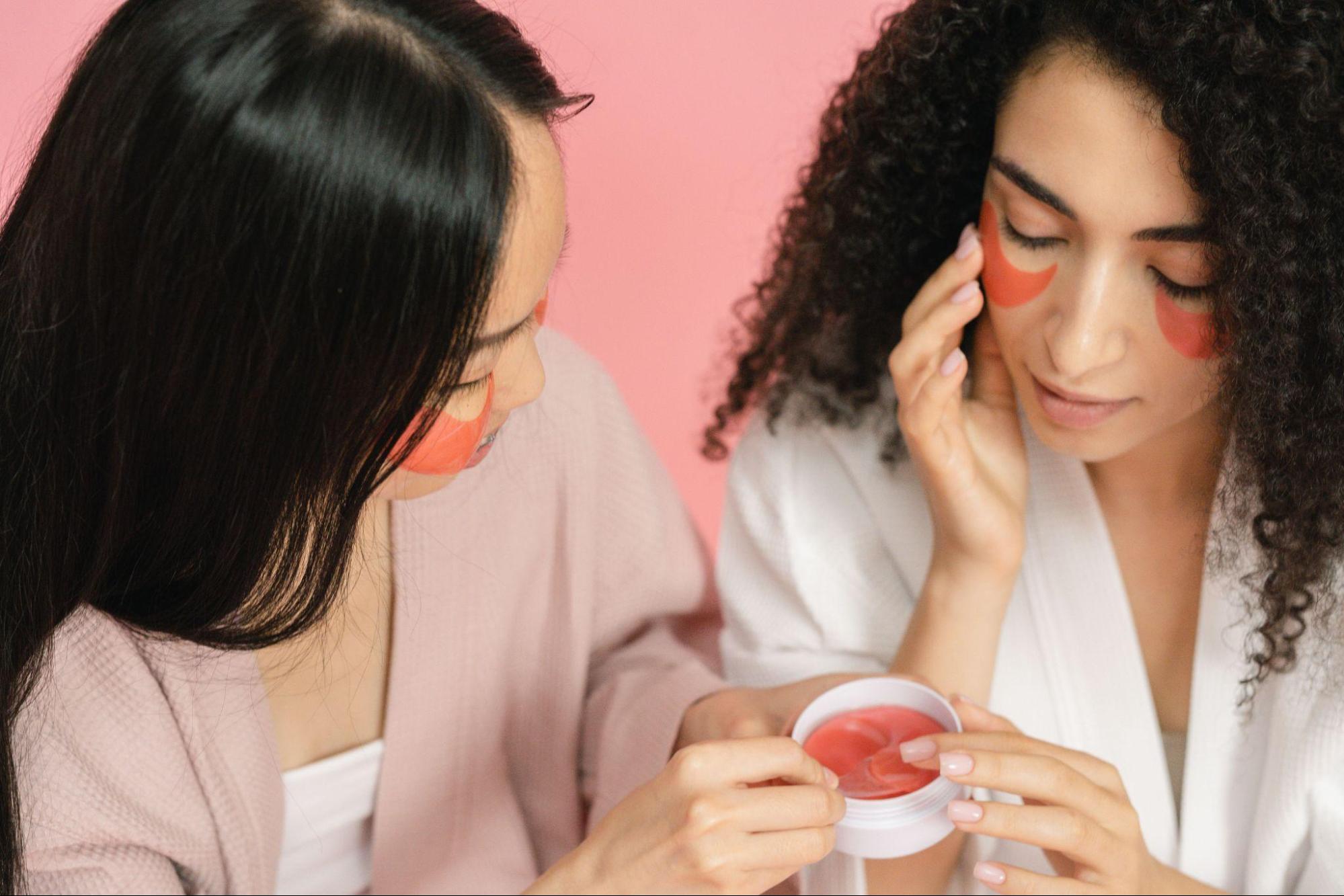
Walk down any skincare aisle. Bright packaging shouts promises. Reduces wrinkles. Brightens skin. Firms and lifts. These claims sound great. But are they true? In the past, nobody really knew. Companies relied on small tests. A few volunteers tried a cream. They gave their opinions. That was weak evidence.
The modern world demands more. Consumers want proof. Regulators want safety data. Smart companies now invest in serious testing. Better testing leads to real results. It separates marketing hype from genuine improvement.
The Old Way Was Not Great
Old testing methods had huge gaps. A company might test a moisturizer on ten people. Those people looked in a mirror. They said, My skin feels softer. That was considered data. This approach is deeply flawed.
Human memory is unreliable. A person cannot remember exactly how dry their skin felt two weeks ago. Placebo effects are real. Someone wants the product to work. Their brain convinces them it did. Real science requires objective measurements. It needs numbers that do not lie. It needs instruments, not opinions.
Enter the Modern Testing Lab
Today’s skincare testing looks like serious science. A lab grows living human skin cells in dishes. These cells behave like real skin. A researcher applies a new serum. Then instruments measure real changes. How much water did the skin retain? Did collagen production increase? Was there any irritation? These questions get clear, numerical answers.
Behind this work, laboratory automation systems handle the repetitive tasks. They dispense exact amounts of product onto each skin sample. They run the same measurements at precise time intervals. They collect and organize thousands of data points. This automation removes human error. It delivers trustworthy results.
Measuring Hydration for Real
Hydration is a classic skincare claim. Old testing asked, Does your skin feel less dry? New testing uses a corneometer. This device measures the electrical properties of the skin’s surface. Hydrated skin conducts electricity differently than dry skin. The number is objective. A product either increases hydration by fifteen percent or it does not. No arguing. No wishful thinking.
Automated systems run these tests on dozens of samples simultaneously. The results show statistical significance. A company knows exactly how well their product performs. The consumer gets honest information.
The Wrinkle Question
Wrinkle reduction is harder to measure. A person’s eye is not reliable. Lighting changes. Mood changes. Hope changes perception. Advanced testing uses high-resolution cameras and specialized software.
A 3D camera maps every line and crease on a volunteer’s face. The same camera takes another image eight weeks later. The software overlays the two images. It calculates exactly how much wrinkle depth decreased. No human judgment involved. The numbers tell the story. This level of precision was impossible fifteen years ago. Now it is standard practice in serious labs.
Safety Testing Gets Smarter
Nobody wants a cream that burns their face. Safety testing used to rely on animal trials. Rabbits and guinea pigs suffered. The results were not even that reliable. Animal skin differs from human skin. Modern testing uses lab-grown human skin equivalents. These are real human cells arranged in layers. They look and behave like real skin.
A company applies a new ingredient. The system measures things like cell death, inflammation, and barrier damage. Automated plate readers scan ninety-six samples at once. The data is faster, cheaper, and more human-relevant. No animals get hurt. Everyone wins.
The Stability Challenge
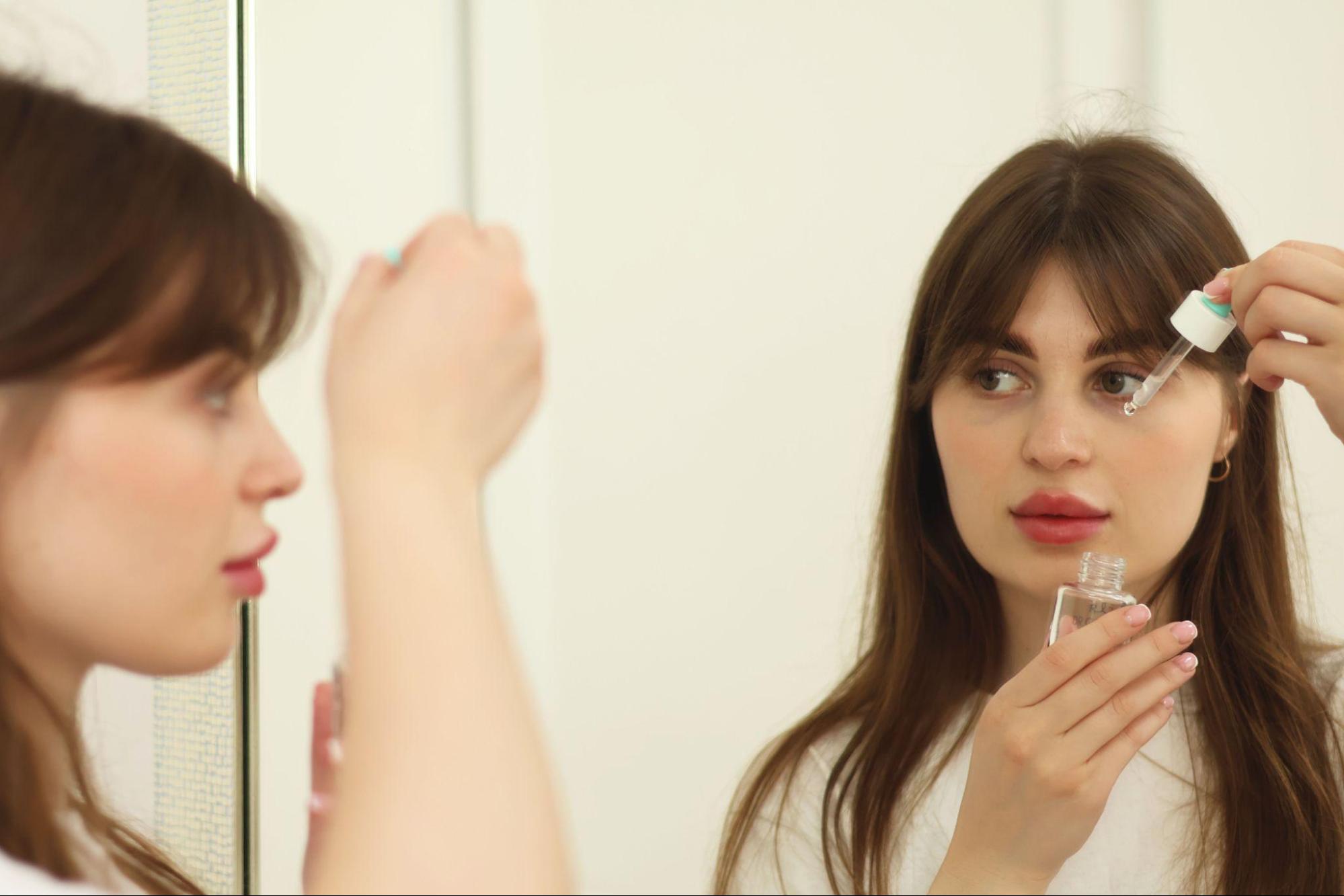
A skincare product must survive on a shelf. It goes through hot warehouses and cold delivery trucks. It sits in a steamy bathroom. The formula must stay stable through all of this. Old stability testing was a mess. A technician checked samples every month. They wrote notes by hand.
Modern automated systems handle stability studies perfectly. A robotic arm pulls samples from temperature-controlled chambers. It tests each one automatically. The system tracks changes in color, smell, pH, and viscosity. If something starts to degrade, the company knows immediately. This prevents bad products from reaching store shelves.
From Lab to Label
Better testing changes what appears on product labels. A company can say: increases hydration by twenty-four percent after one hour. That claim has data behind it. The Federal Trade Commission watches for false advertising.
Solid testing protects companies from legal trouble. It also builds consumer trust. A brand that shares real numbers stands out. The era of vague promises is ending. Customers are smarter now. They read ingredient lists. They look for evidence. Brands that invest in serious testing win their loyalty. Brands that fake it get exposed.
The Future of Skincare Testing
The field keeps advancing. New devices measure skin elasticity and firmness with laser precision. Artificial intelligence analyzes thousands of volunteer images to spot subtle changes. Some labs use skin on a chip technology. These tiny devices mimic the complex biology of real skin. They can test hundreds of formulations in a single day. The pace of progress is exciting.
Better testing means better products. Better products mean happier customers. The skincare industry is finally becoming a real science. That is good news for every person who wants healthy, glowing skin. No hype required. Just honest results.