Acne on Jawline Meaning & Why It Happens


Acne on jawline meaning goes beyond simple breakouts. Your skin is telling you something important. I’ve helped countless people decode their jawline acne, and I’m here to help you too.
In this article, you’ll learn what causes these stubborn bumps, why they differ between men and women, and what cystic acne on jawline meaning reveals about your health.
We’ll cover hormonal triggers, lifestyle factors, proven treatments, and prevention tips that actually work.
With over a decade of skincare experience, I know how frustrating jawline acne can be. Let’s get to the root of the problem together.
Understanding Acne on Jawline Meaning
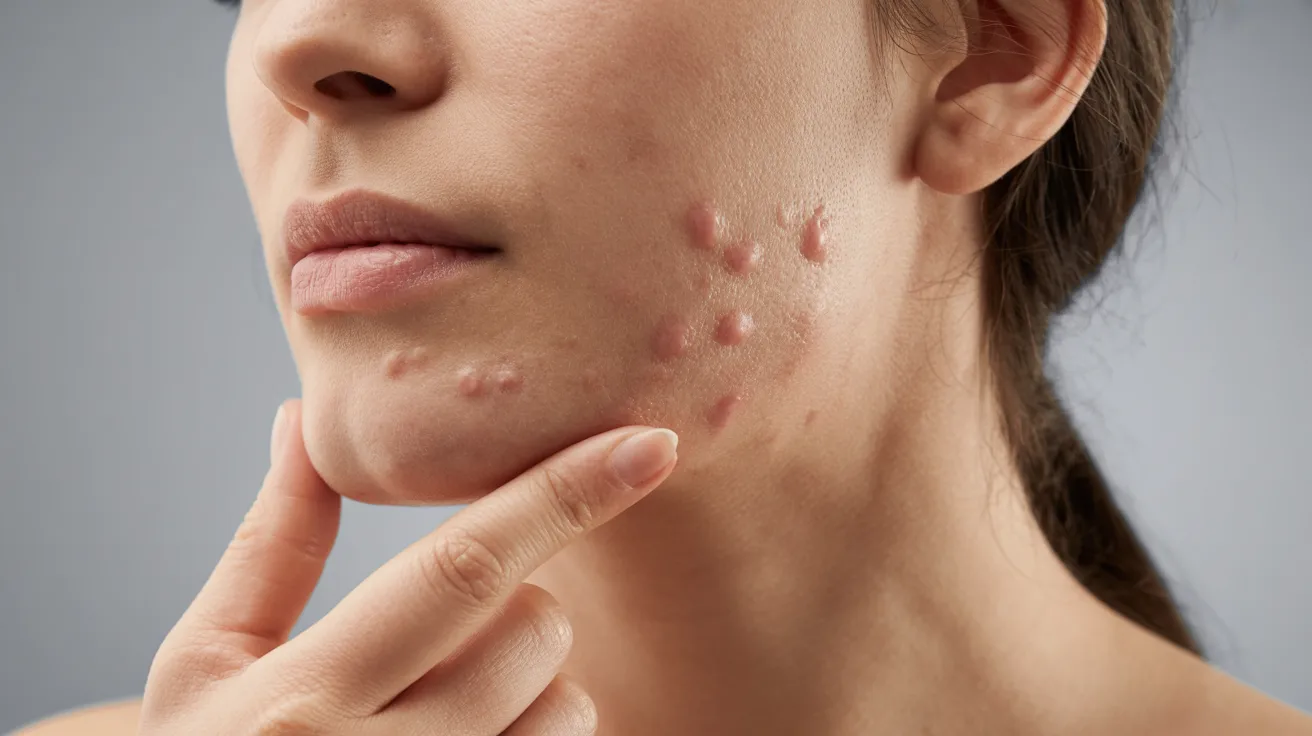
Acne on the jawline often points to hormonal imbalance. Your jawline, chin, and neck form what doctors call the “hormonal zone.” This area responds directly to androgens like testosterone.
Both men and women have these hormones. When androgens spike, they tell your oil glands to produce more sebum.
Too much oil clogs your pores. Dead skin cells get trapped inside. Bacteria multiply and inflammation follows.
Persistent jawline breakouts can signal insulin resistance, high stress hormones, PCOS in women, or testosterone fluctuations in men. Your body uses skin as a warning system.
Acne on Jawline Meaning Female Hormonal Causes Explained

For women, acne on the jawline usually connects to the menstrual cycle or reproductive health. Female hormones fluctuate throughout the month. Your skin shows these changes clearly.
Breakouts Before Period
Many women get jawline acne 7-10 days before their period. Estrogen drops while progesterone rises. This hormone shift increases oil production. Your pores can’t keep up. The result is painful bumps along your jaw.
PCOS and Jawline Acne
Polycystic ovary syndrome affects 1 in 10 women. PCOS causes excess androgens. These male hormones create deep, cystic breakouts. The acne clusters around your jawline and chin. It doesn’t respond well to regular acne products.
Pregnancy and Birth Control Changes
Pregnancy changes everything. Some women get clear skin. Others develop terrible jawline acne. Birth control pills affect hormones too. Starting or stopping the pill can trigger breakouts. Your skin needs time to adjust.
Signs Your Acne Is Hormone-Related
Your acne is probably hormonal if it appears monthly, forms deep cysts, stays around your lower face, or resists typical treatments. Track your breakouts with your cycle. The pattern will become clear.
Acne on Jawline Meaning Men Testosterone & Lifestyle Triggers
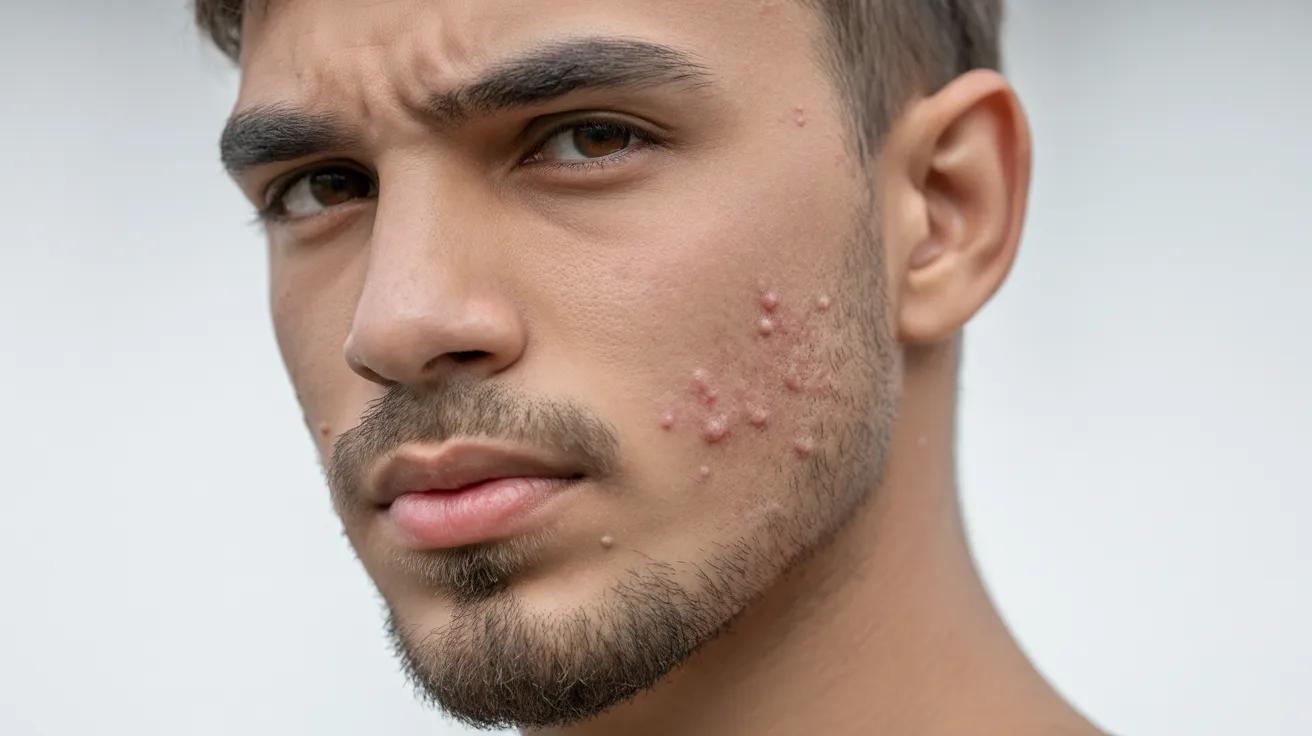
Acne on the jawline meaning male often relates to testosterone levels and daily habits. Men produce more sebum naturally. Their skin is thicker and oilier. This creates perfect conditions for acne.
Acne on Jawline Meaning Male and High Testosterone
High testosterone isn’t always bad. But it does increase oil production. Men with naturally high levels often struggle with jawline acne. Genetics play a big role here. Some men just produce more oil than others.
Beard Area Acne and Shaving Irritation
Shaving causes major problems. Razors can push bacteria into your skin. Ingrown hairs create bumps that look like acne. Dirty razors make things worse. Your beard area becomes inflamed and irritated.
Steroid Use and Supplement-Related Breakouts
Anabolic steroids cause severe acne. Bodybuilding supplements with hormones do too. Even protein powders with added ingredients can trigger breakouts. The acne appears suddenly and spreads fast. It’s often cystic and painful.
Stress and Poor Sleep in Men
Men often ignore stress management. Lack of sleep raises cortisol. High cortisol increases oil production. Poor diet adds to the problem. Your jawline shows the effects first.
Cystic Acne on Jawline Meaning Why It’s Deep and Painful
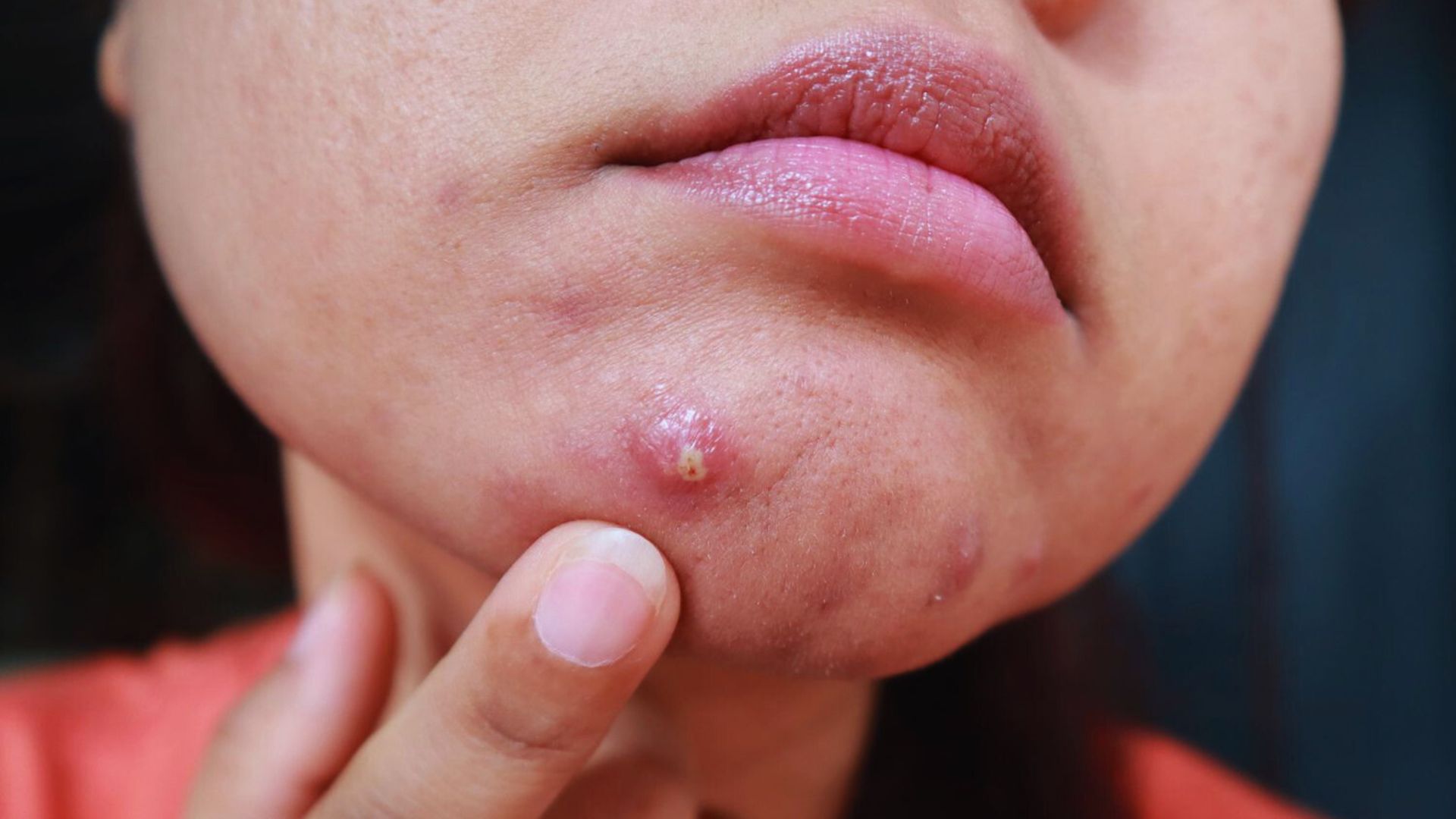
Cystic acne on the jawline indicates deep infection beneath your skin. These aren’t normal pimples. They form large, painful lumps. The inflammation goes far below the surface.
What Makes Cystic Acne Different
Cystic acne develops deep in your pores. Normal acne stays near the surface. Cysts feel like hard knots under your skin. They hurt when you touch them. They can last for weeks or months.
Why Hormonal Acne Turns Cystic
Hormone surges create the worst inflammation. Your immune system attacks the trapped bacteria. Pus and fluid build up deep inside. The infection spreads to surrounding tissue. This is why cysts grow so large.
Risk of Scarring and Inflammation
Cystic acne almost always scars. The damage goes too deep to heal perfectly. Dark marks remain for months. Indented scars can be permanent. Early treatment prevents lasting damage.
When Cystic Jawline Acne Needs Medical Care
See a doctor if you have more than a few cysts, they keep coming back, or they’re extremely painful. Don’t wait until scarring starts. Prescription medication works much better than store products. Your dermatologist has stronger options.
Main Causes of Acne on Jawline
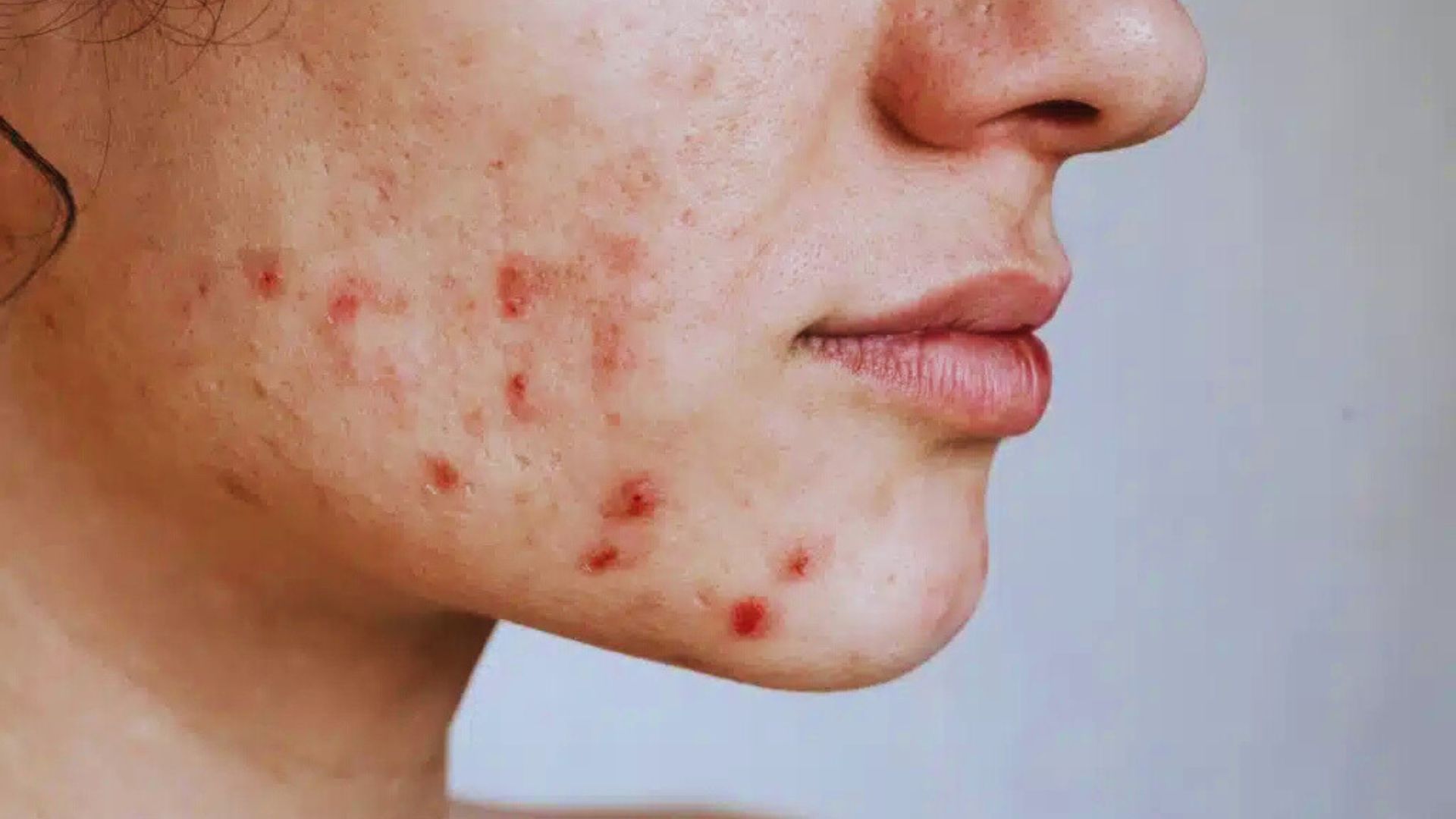
Understanding all the causes helps you prevent future acne. Hormones aren’t the only problem. Your daily habits matter too.
Excess Sebum and Clogged Pores
Too much oil is the foundation of all acne. Your sebaceous glands produce sebum naturally. Stress, hormones, and genetics affect how much. When sebum mixes with dead skin cells, pores get blocked. Bacteria thrive in this environment.
Insulin Resistance and High-Sugar Diet
Sugar spikes your insulin levels. High insulin increases androgen production. More androgens mean more oil. Your skin becomes inflamed easily. Reducing sugar often improves jawline acne quickly.
Comedogenic Skincare and Makeup
Heavy products clog pores without you knowing. Foundation settles along your jawline. Thick moisturizers trap oil and bacteria. Always check if products are non-comedogenic. This label means they won’t block pores.
Friction (Helmets, Chin Straps, Instruments)
Anything rubbing your jawline can cause acne. Motorcycle helmets create constant pressure. Violin and viola players get breakouts from their instruments. Sports equipment with chin straps causes problems too. This is called acne mechanica.
Medications That Trigger Jawline Acne
Some medications make acne worse. Steroids are obvious culprits. But lithium, certain antidepressants, and epilepsy drugs can too. Never stop medication without asking your doctor. They might have alternatives.
How to Treat Acne on Jawline
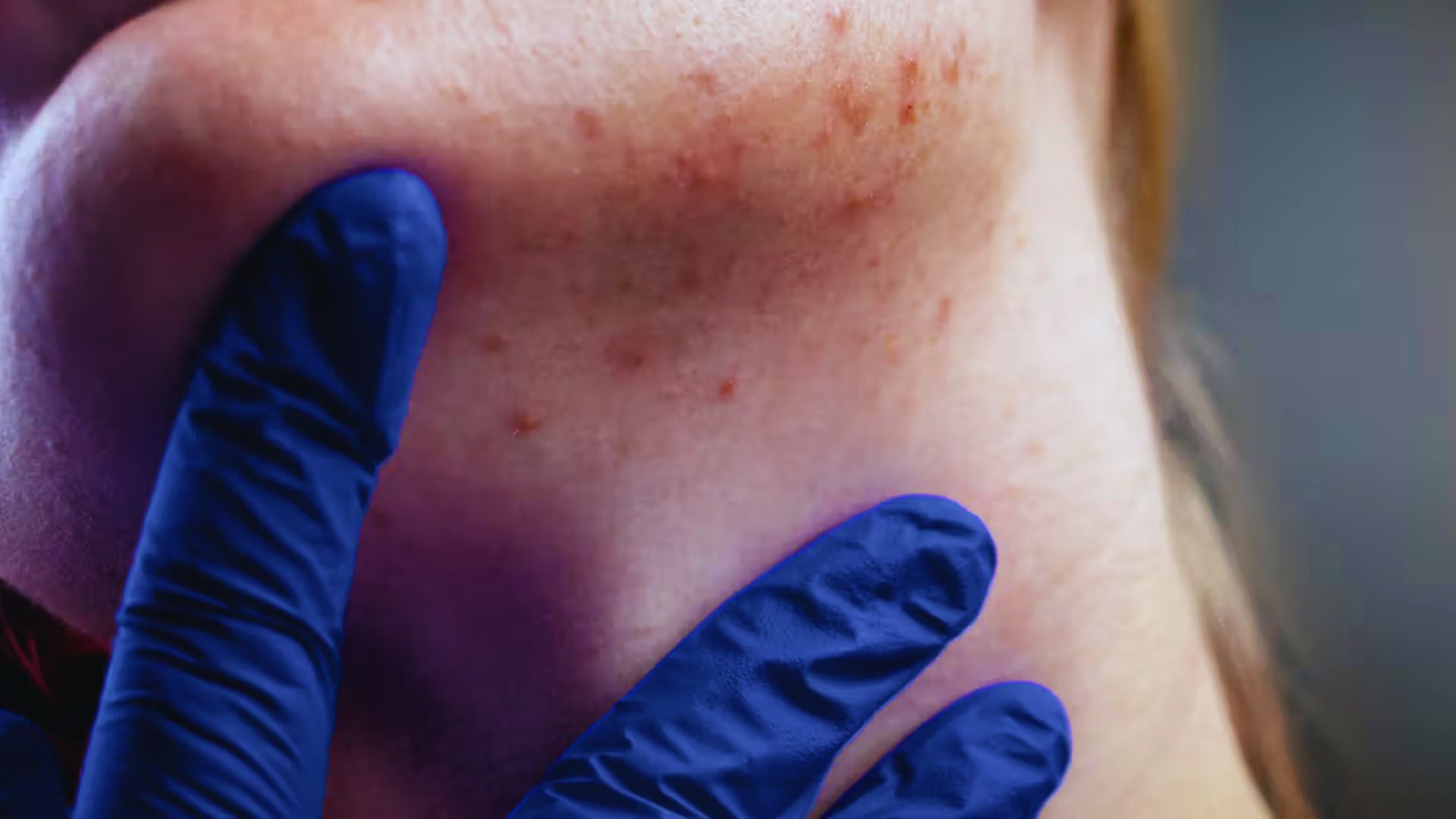
Effective treatment depends on acne severity and underlying causes. Start gentle and increase intensity if needed.
At-Home Treatments for Mild Breakouts
Gentle cleansing twice daily removes excess oil without irritating skin. Use lukewarm water and a mild cleanser. Pat dry with a clean towel. OTC ingredients that work include benzoyl peroxide, salicylic acid, and retinoids. Start with low percentages so your skin can adjust. Never pick or pop your acne. This pushes bacteria deeper and causes scarring.
Prescription Treatments for Hormonal Acne
Topical retinoids like tretinoin clear pores and reduce inflammation. Results take 8-12 weeks. Oral antibiotics like doxycycline kill acne bacteria from inside. Birth control pills regulate female hormones and reduce androgen levels.
Spironolactone blocks androgens directly and works well for women with hormonal acne. Isotretinoin treats severe cystic acne by shrinking oil glands permanently. The treatment lasts 4-6 months with close monitoring.
In-Office Dermatology Procedures
Chemical peels remove dead skin cells and unclog pores. You’ll need multiple sessions for best results. Light therapy kills acne bacteria with special wavelengths.
Blue light targets bacteria while red light reduces inflammation. Corticosteroid injections shrink large cysts fast. Swelling goes down within 24-48 hours after injection.
Tips to Prevent Jawline Acne Naturally
You can reduce breakouts significantly with lifestyle changes. These work alongside any treatment you’re using.
- Eat low-glycemic foods like whole grains and berries instead of sugar and white bread
- Add omega-3 fatty acids from fish or flaxseed and reduce dairy products
- Get 7-8 hours of sleep nightly and practice daily stress management
- Use non-comedogenic skincare products that won’t clog pores
- Wash makeup brushes weekly and replace razor blades regularly
- Keep your hands away from your face and avoid touching your jawline
- Don’t scrub acne harshly gentle cleansing works better
Conclusion
Your jawline is speaking. Listen to what it’s saying. I’ve dealt with hormonal acne myself, and I know how defeating it feels. But acne on the jawline isn’t a mystery anymore.
You now understand the hormonal connection, gender differences, and why some acne turns cystic. Remember, early treatment stops scarring before it starts. Be patient with your skin.
Results take time. If your breakouts won’t quit after trying these methods, see a dermatologist. You deserve clear, healthy skin. Share this with someone fighting the same battle.
Frequently Asked Questions
What does acne on my jawline mean?
Jawline acne usually means hormonal imbalance. Your oil glands respond to androgens like testosterone, especially before periods or due to stress.
Why do I only get acne on my jawline?
Your jawline has hormone-sensitive oil glands that react to changes like PCOS, menstrual cycles, or testosterone fluctuations.
How do I stop hormonal acne on my jawline?
Balance hormones through diet, stress management, and sleep. Use salicylic acid or benzoyl peroxide, or ask about prescription options.
Is cystic acne on the jawline serious?
Yes, it causes deep inflammation and permanent scarring. See a dermatologist since over-the-counter products rarely work.
Can men get hormonal jawline acne?
Yes. Men get it from testosterone fluctuations, stress, poor sleep, steroid use, or shaving irritation.