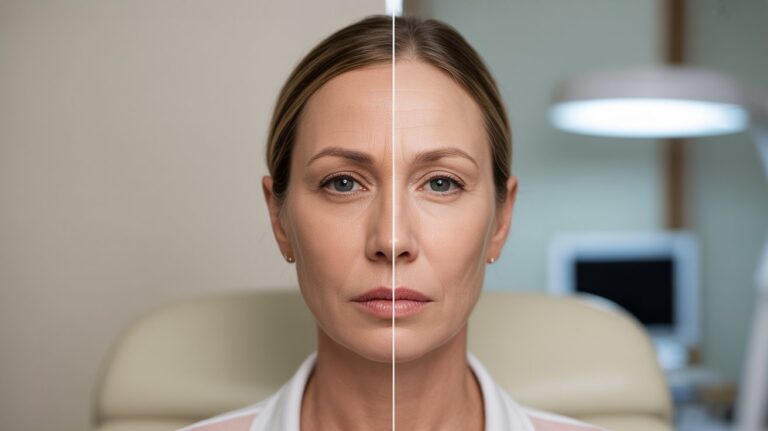
Filler for Marionette Lines: Results, Examples & FAQs


I know how frustrating it can be when you look in the mirror and see lines running from your mouth corners down to your chin.
These marionette lines can make us look sad or older than we really are. Trust me, you’re not alone in wanting to do something about them.
That’s where fillers come in. They help soften these lines and bring back that youthful look you’re after.
I’m here to walk you through everything: real before-and-after photos, what the treatment actually involves, and answers to questions you might have.
Let’s figure out if this is right for you.
What Are Marionette Lines?
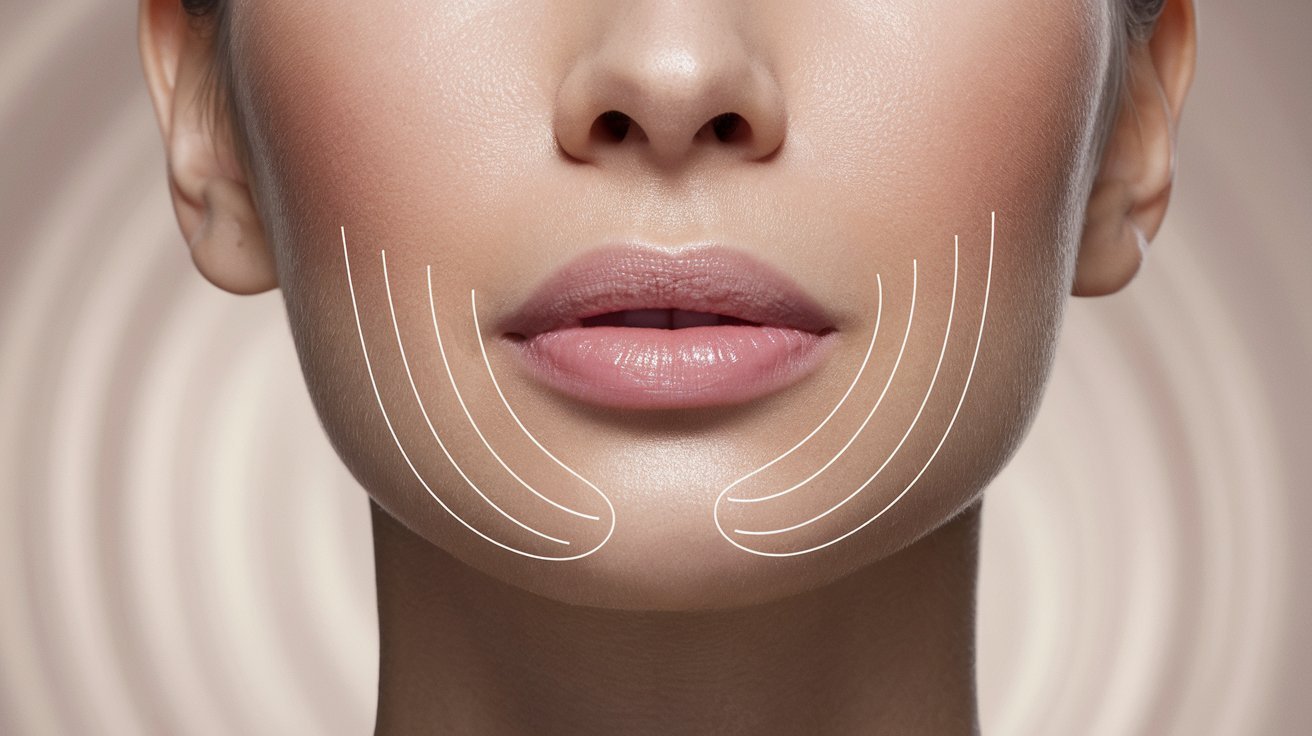
Marionette lines are vertical creases from your mouth corners to your chin that can make you look sad or older.
Causes of Marionette Lines
As we get older, our skin produces less collagen. This protein keeps our skin firm and plump. When collagen levels drop, the skin around your mouth and chin starts to sag.
Every time you talk, smile, or frown, your facial muscles move. Over years of use, these movements create grooves in your skin. Some people are more prone to marionette lines because of their genetics.
Gravity also plays a role. As skin loses its firmness, it starts to droop downward. The area around your mouth and chin is particularly vulnerable to this sagging.
Why Treat Marionette Lines?
Treating marionette lines can make your face look more balanced and youthful. When these lines are softened, your whole face appears more refreshed and approachable.
When you feel good about how you look, it shows. Many people find that reducing their marionette lines helps them feel more comfortable and confident.
Addressing these lines early can help prevent them from getting deeper. The sooner you treat them, the easier they are to manage.
How Fillers Work for Marionette Lines
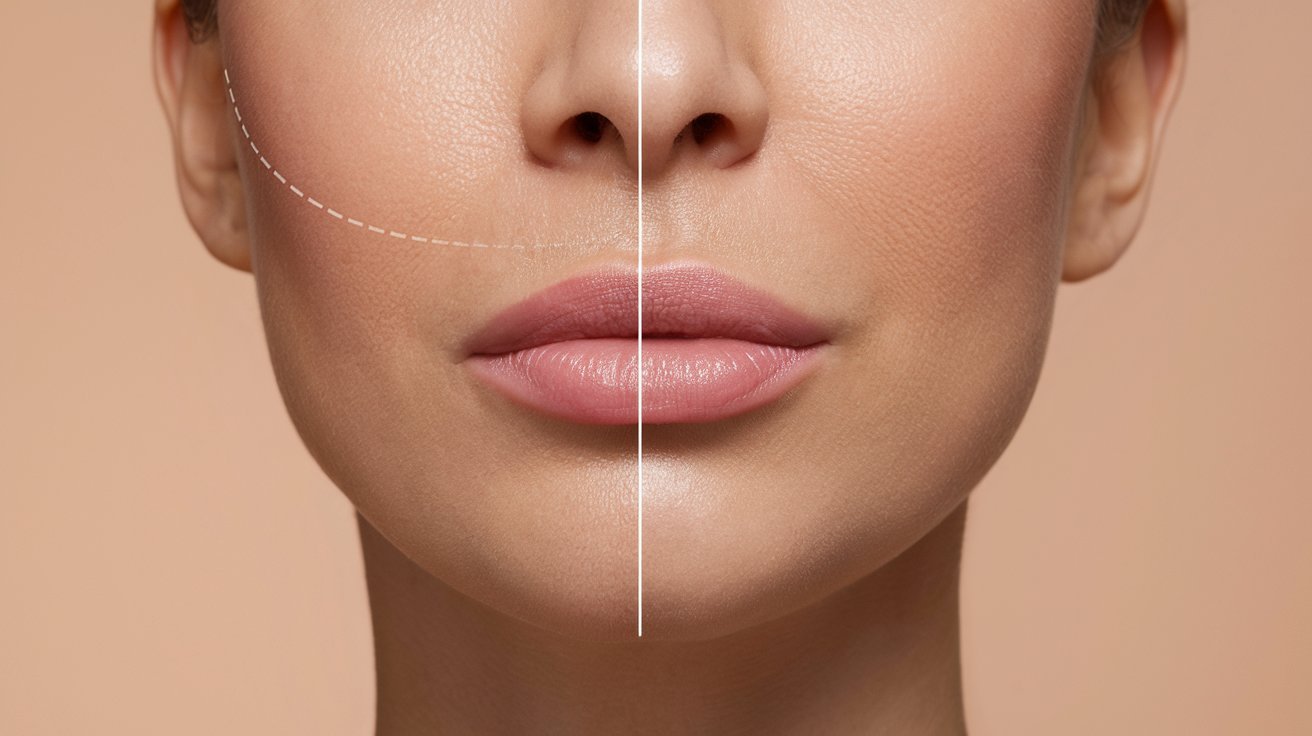
Dermal fillers add volume under your skin to smooth out marionette lines and give you a more youthful appearance quickly.
Mechanism of Dermal Fillers
Fillers work by injecting a gel-like substance beneath your skin. This adds volume to the areas that have lost fullness over time. The added volume helps smooth out lines and wrinkles around your mouth and chin.
The procedure is minimally invasive, meaning you don’t need surgery. Results are temporary, which gives you flexibility to adjust your treatment over time. Most people see immediate improvement after their appointment.
Popular Types of Fillers
Fillers come in various types, each designed for specific purposes like smoothing wrinkles, adding volume, or contouring facial features and lips.
Hyaluronic Acid (Juvederm, Restylane)
These fillers use a substance that naturally occurs in your body. They give you a natural look and feel.
The best part? If you don’t like the results, they can be reversed. This makes them a safe choice for first-timers.
Calcium Hydroxylapatite (Radiesse)
This filler does double duty. It fills in lines right away and also stimulates your skin to produce more collagen.
The results last longer than hyaluronic acid fillers, making it a good option if you want less frequent touch-ups.
Polylactic Acid
This type works gradually to improve your skin texture. Instead of immediate volume, it encourages your body to build collagen over time.
You’ll see improvement develop slowly over several weeks or months.
Expected Duration of Results
Most filler results last between 6 to 24 months. The exact duration depends on which type of filler you choose and your lifestyle habits. Things like smoking, sun exposure, and how active you are can affect how long your results last.
You’ll need maintenance treatments to keep your results. Think of it like getting your hair colored. Regular touch-ups help you maintain the look you want over time.
Visual Examples of Filler Results
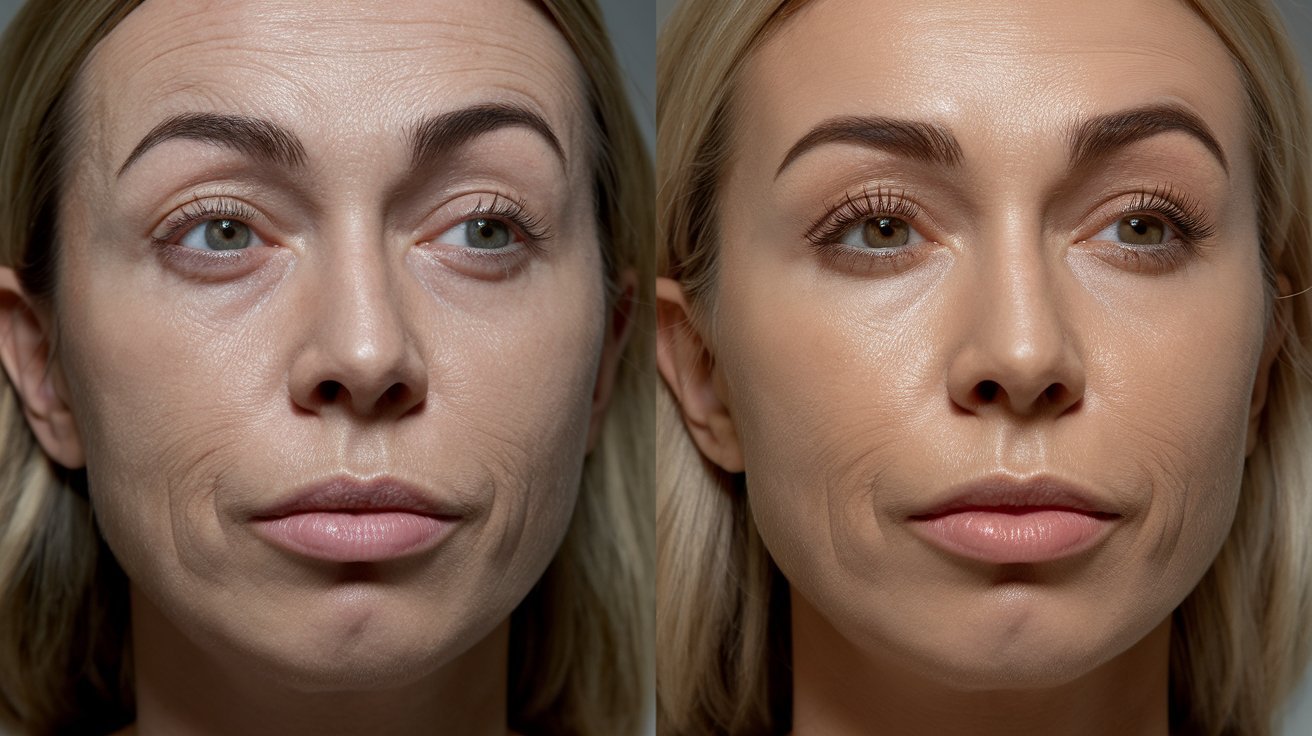
Seeing real results helps you understand what filler treatments can do for marionette lines and set realistic expectations for your own experience.
Before and After Images
Before photos show noticeable marionette lines running from the mouth corners down to the chin. These lines often make people look tired, sad, or unhappy even when they’re feeling fine. The deep creases can add years to your appearance and affect how others perceive your mood.
After photos tell a different story. The lines appear softer and less deep. The mouth area looks lifted and more youthful. Most patients look refreshed and approachable after their treatment.
Keep in mind that results vary from person to person. Your skin type, age, and line severity all affect your outcome.
Common Questions About Fillers

Got questions about filler treatments? Here are the answers to what most people want to know before getting started.
How many syringes are needed?
The number of syringes depends on how deep your lines are and your facial structure. Most people need 1 to 3 syringes per treatment session.
Your practitioner will assess your lines during consultation and recommend the right amount for you.
Do fillers completely remove marionette lines?
Fillers reduce the appearance of marionette lines but don’t erase them permanently. Results are temporary and fade over time.
If you have very deep lines, you might need repeated treatments or a combination of therapies to get the best results.
How long do results last?
Results typically last 6 to 24 months. The exact duration depends on the type of filler you choose, your metabolism, and your lifestyle.
Factors like sun exposure and smoking can make fillers break down faster.
Are there side effects?
Most side effects are mild and temporary. You might experience swelling, redness, or bruising at the injection site. These usually go away within a few days.
Rare complications can happen. Some people experience asymmetry if the filler isn’t placed evenly. Overfilling can create a puffy appearance that some call “pillow face.” Choosing an experienced practitioner reduces these risks.
Can fillers be combined with other treatments?
Yes, fillers work well with other treatments. Botox can relax the muscles around your mouth to prevent new lines from forming. Laser therapy can improve your overall skin texture and tone.
Combination treatments often give better results than fillers alone. Your practitioner can create a customized plan based on your specific concerns and goals.
How muchā do fillers cost?
The average cost per syringe ranges from $600 to $1,000. Your total cost depends on how many syringes you need and which type of filler you choose.
Premium fillers or those that last longer typically cost more. Many practices offer payment plans to make treatment more affordable.
Tips for Optimal Results
Follow these simple tips to get the best results from your filler treatment and make them last longer.
- Choose a licensed, experienced injector like a board-certified dermatologist or plastic surgeon who specializes in facial fillers. An experienced professional knows the right placement and amount for natural-looking results.
- Avoid sun exposure for at least 24 hours after your appointment and stay out of direct sunlight. Sun exposure can increase swelling and affect how well the filler settles.
- Stay hydrated by drinking plenty of water to keep your skin plump and healthy. Hyaluronic acid fillers work better when your body is well-hydrated.
- Use gentle skincare products and avoid harsh exfoliants or retinoids for a few days after treatment. Stick to mild cleansers and moisturizers until your skin fully recovers.
- Schedule touch-ups as recommended by your practitioner and don’t wait until your filler completely fades. Regular maintenance helps you keep consistent results over time.
Conclusion
If you’re tired of looking at those marionette lines every time you check the mirror, fillers offer a real solution without surgery.
I’ve walked you through what works, shown you actual results, and answered the questions most people have before treatment.
Now you have the information you need to make a smart choice. The next step is finding a qualified injector who can look at your specific concerns and create a plan that works for you.
Remember, the best results come from working with someone who truly understands facial anatomy and listens to what you want.
Frequently Asked Questions
How painful is the filler injection for marionette lines?
Most people feel only mild discomfort during the injection. Many fillers contain lidocaine, a numbing agent, which makes the process more comfortable and reduces any pain.
Can I go back to work immediately after getting fillers?
Yes, you can return to work right after your appointment. You might have some minor swelling or redness, but it’s usually not very noticeable and fades quickly.
Will people notice I got fillers done?
When done correctly by an experienced injector, fillers look natural and subtle. People will notice you look more refreshed, but they won’t be able to tell you had work done.
Can fillers make my marionette lines worse?
If placed incorrectly or if too much filler is used, it can create an unnatural appearance. This is why choosing a qualified, experienced injector is so important for getting good results.
At what age should I start considering fillers for marionette lines?
There’s no specific age to start treatment. Some people in their 30s notice early lines, while others wait until their 40s or 50s when lines become more visible and bothersome.