What is Microblading? Meaning, Process & Benefits

If you’ve been wondering what is microblading, this guide will help you understand it in a simple way.
Many people search for this because they want fuller, natural-looking eyebrows without daily makeup.
In this article, you’ll learn the meaning of microblading, how the process works step by step, and the key benefits it offers.
We’ll also help you understand if it’s the right choice for you and what to expect before and after the procedure.
This guide is made to clear your doubts and make things easy to understand. We’ve shared beauty insights based on real procedures and common client experiences.
What is Microblading?
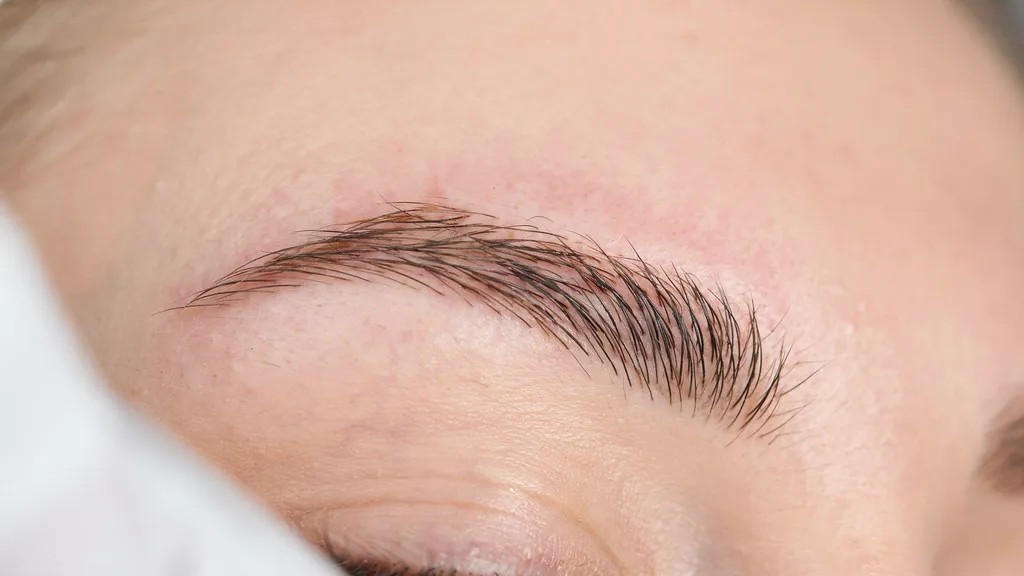
Microblading is a semi-permanent eyebrow technique used to create fuller and more defined brows. It involves drawing tiny hair-like strokes using pigment to match your natural eyebrow.
Unlike traditional eyebrow tattooing, which goes deeper into the skin and often looks solid or blocky, microblading stays closer to the surface and gives a softer, more natural finish.
It fades over time instead of staying permanent. People who choose microblading are usually those with thin, uneven, or over-plucked eyebrows.
It is also popular among those who want a low-maintenance beauty routine. Many choose it to save time on daily makeup while still having well-shaped brows that look natural and balanced.
How Does Microblading Work?
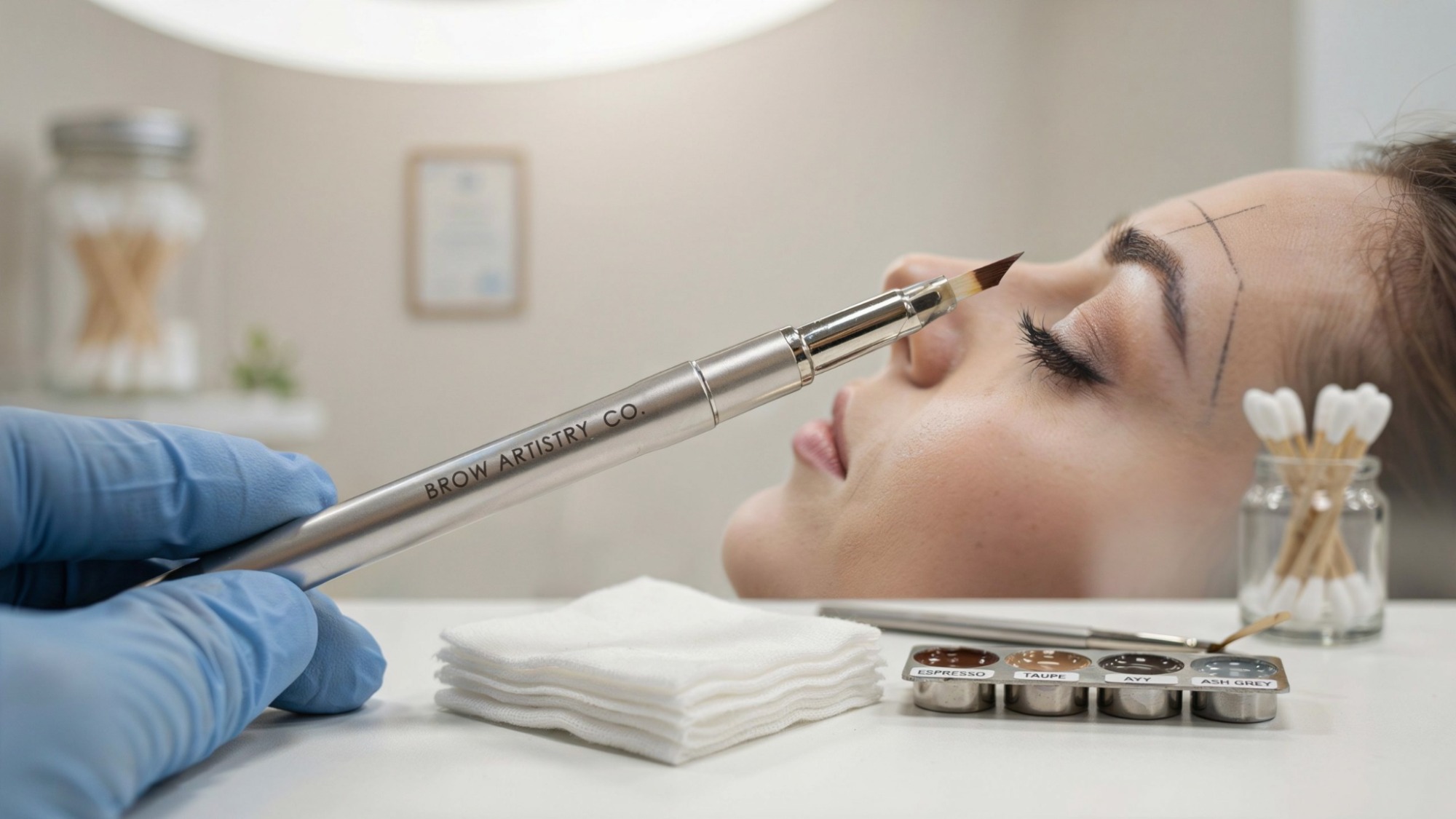
Microblading works using a small manual tool with ultra-fine blades that deposit pigment into the upper layer of the skin.
The technician carefully creates hair-like strokes that follow the natural direction of your eyebrow hairs. This helps the brows look realistic instead of drawn on.
The pigment is not placed deeply, which is why the results are considered semi-permanent and gradually fade over time.
Before starting, the brow shape is mapped to suit your face, and numbing cream is applied to reduce discomfort. The artist then builds the strokes slowly for even coverage.
The goal is to improve your natural brows while keeping the look soft, balanced, and natural-looking.
Step-by-Step Microblading Process
The microblading process is done in careful stages to ensure your eyebrows look natural, even, and suited to your face shape. Each step is planned to give safe, clean, and long-lasting results.
Consultation and Brow Mapping
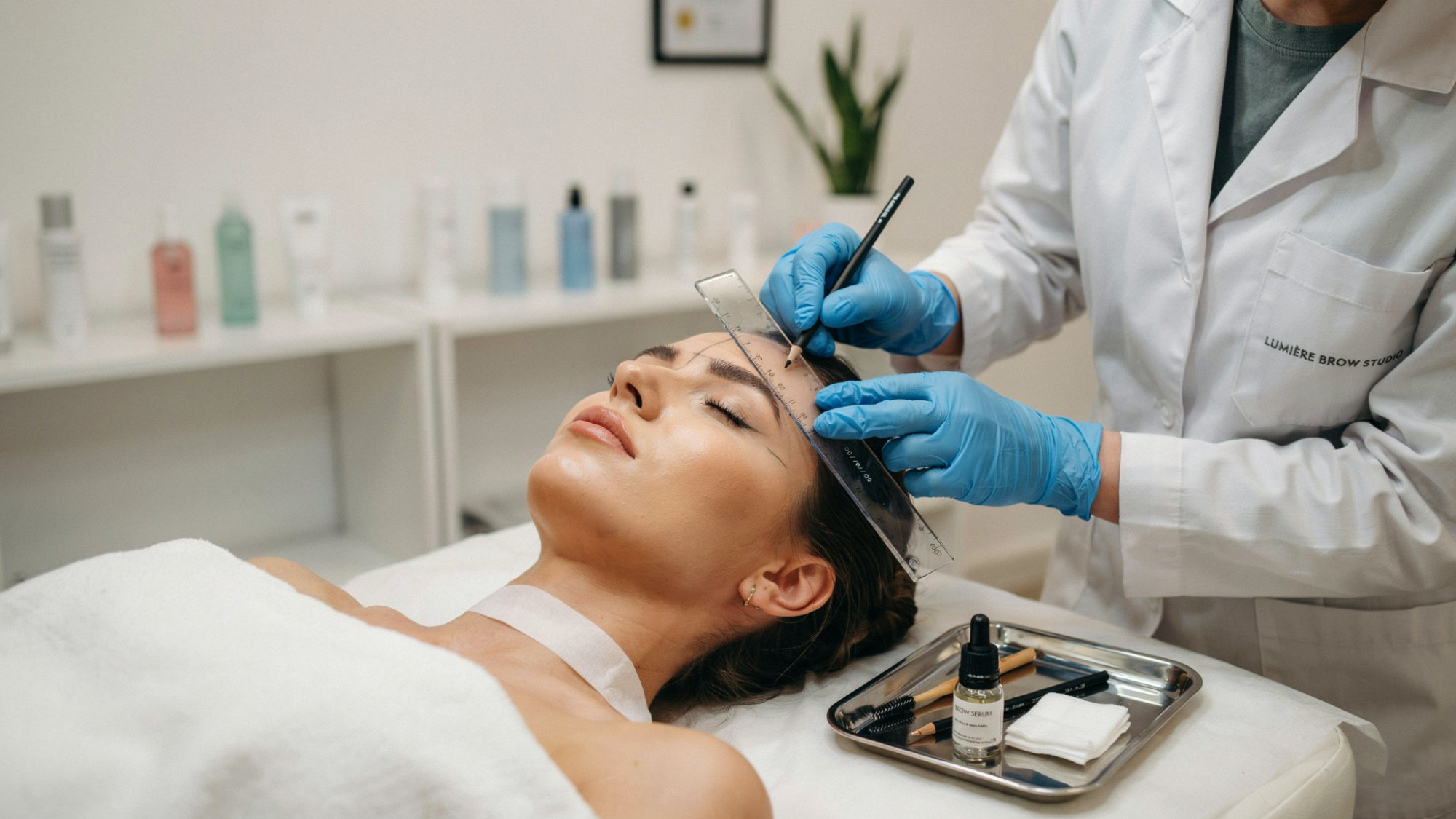
First, the artist studies your face shape, skin tone, and natural brow pattern to understand what will suit you best. They also discuss your expectations and any concerns you may have.
Using special tools like rulers and mapping pencils, they outline the ideal brow shape for symmetry and balance.
This step is very important because it sets the base for the final look. It also helps you visualize how your new brows will appear before the actual procedure begins.
Choosing Pigment Color And Shape Design
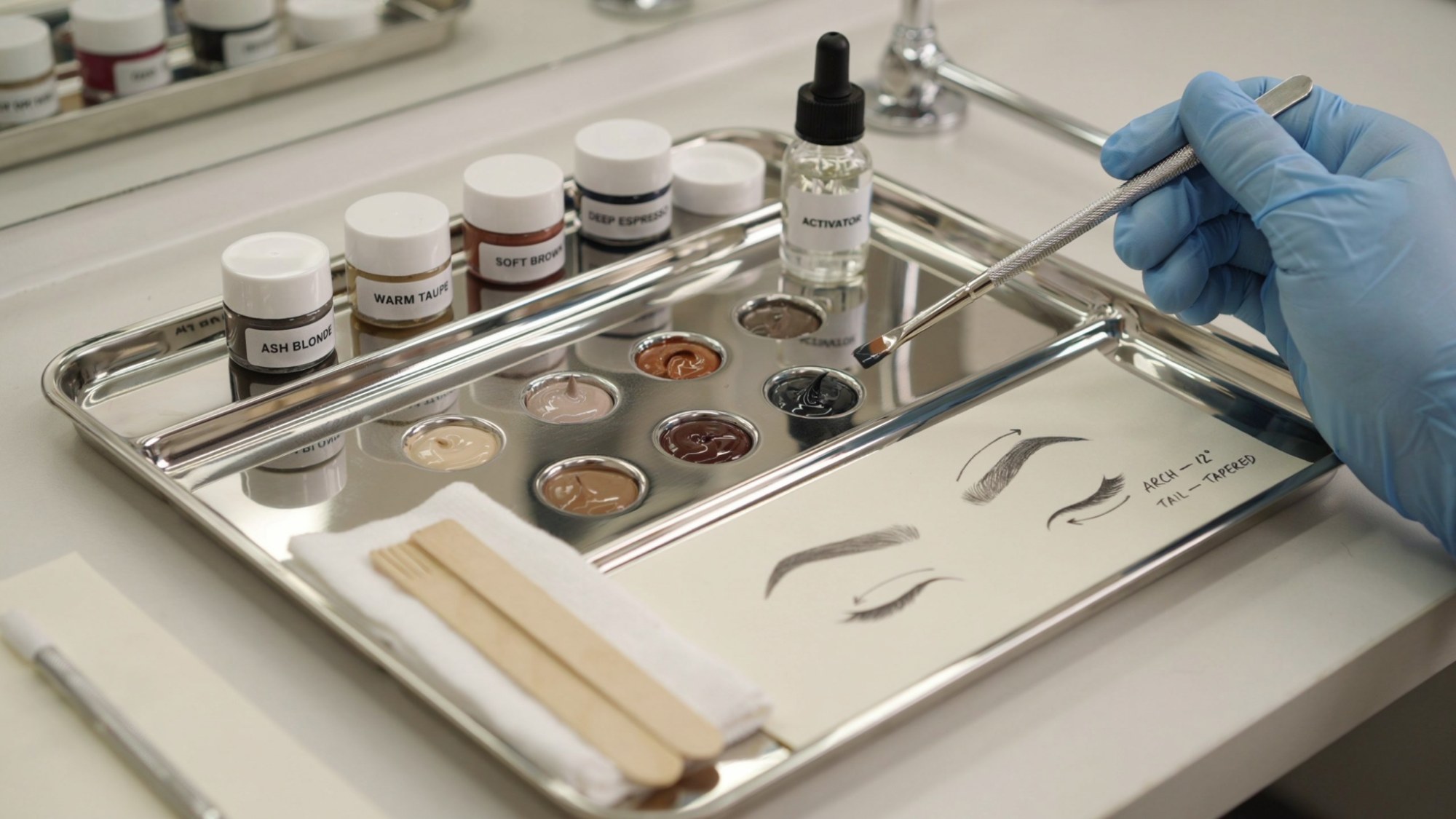
Next, a pigment shade is carefully chosen to match your natural hair color and skin undertone. The goal is to avoid harsh or artificial-looking brows.
The artist may mix different pigments to get a more natural result. Along with color selection, the brow shape is refined again, including the arch, length, and thickness.
Small adjustments are made so the brows improve your facial features instead of overpowering them. You may also approve the final design before moving forward.
Numbing The Area
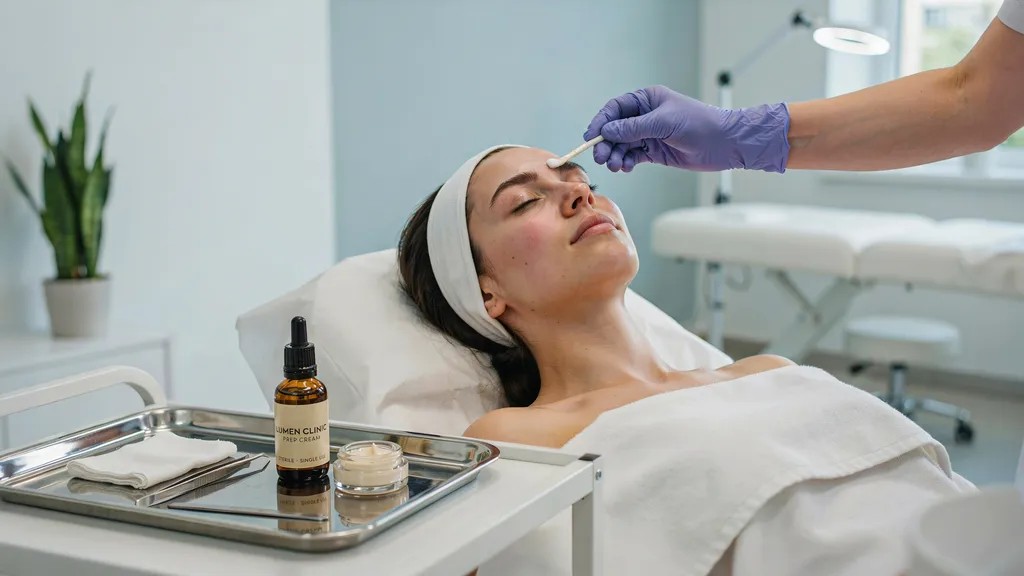
Before starting the procedure, a numbing cream is applied to the eyebrow area to minimize discomfort. It usually takes 15–20 minutes to fully take effect.
During this time, the skin becomes less sensitive, making the process more comfortable. Some artists may reapply numbing gel during the session if needed.
This step is important because it helps reduce pain and allows the artist to work with better precision while keeping you relaxed throughout the procedure.
Creating Hair-Like Strokes
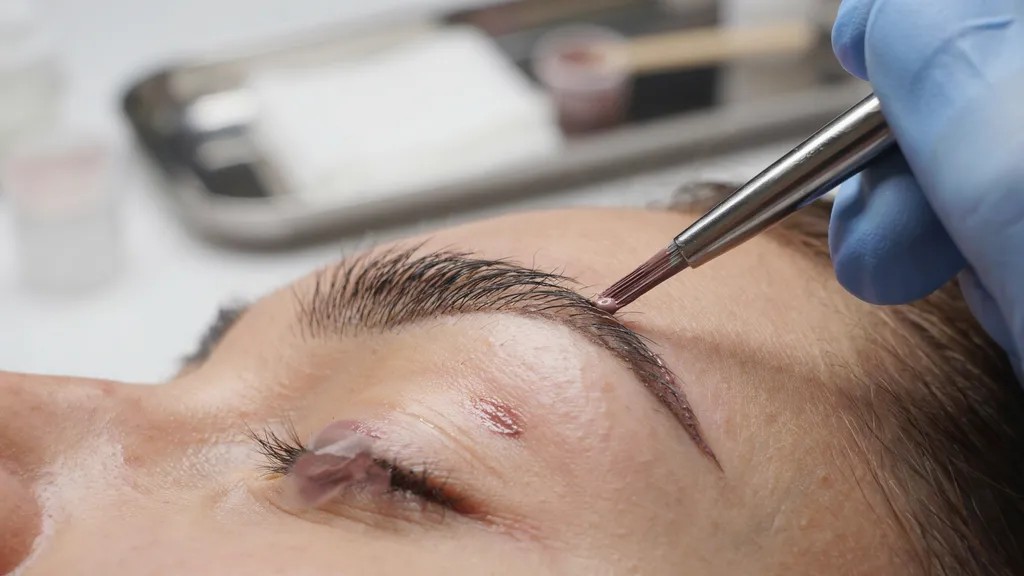
This is the main part of the process. The artist uses a handheld microblading tool with fine needles to create tiny, hair-like cuts in the skin.
Pigment is then placed into these strokes to mimic natural eyebrow hairs. The strokes are drawn in the direction of your natural hair growth for a realistic finish.
This step is done slowly and carefully to build shape, density, and definition. The artist works in sections to ensure both brows remain even and balanced.
Final Touch-Up Session
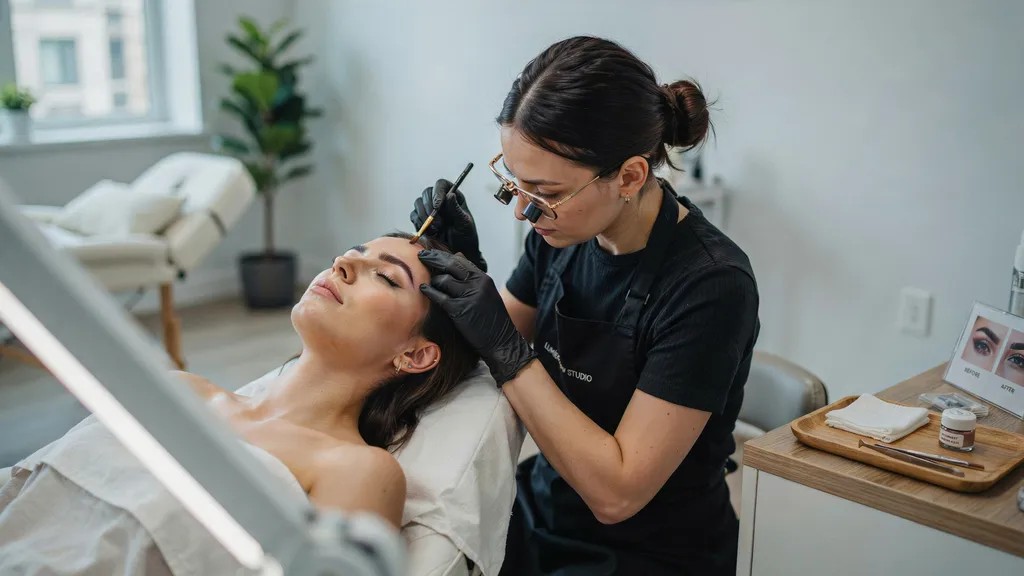
After the initial session, your brows go through a healing process where some pigment may fade or appear uneven.
A follow-up appointment, usually after 4–6 weeks, is scheduled to perfect the results. During this session, the artist fills in faded areas, adjusts shape if needed, and improves color depth.
This step ensures both brows look symmetrical, polished, and long-lasting. It also helps lock in the final look for better retention over time.
Benefits of Microblading
Microblading offers several advantages for those looking to improve their eyebrows in a simple, natural way.
- Natural-looking fuller eyebrows: Creates soft, hair-like strokes for a realistic brow appearance.
- Saves daily makeup time:Reduces or removes the need for filling in brows every morning.
- Long-lasting results (1–3 years):Stays visible for months and fades gradually over time.
- Customizable shape and color:Designed to match your face shape and natural brow tone.
- Boosts confidence and facial symmetry:Helps improve overall facial balance and improves self-image.
Who is a Good Candidate for Microblading?
Microblading is a good option for people who want fuller, more defined eyebrows without daily makeup. It works best for those with thin or sparse brows who struggle to fill them in every day.
It is also helpful for people who have lost eyebrow hair due to over-plucking, aging, or medical conditions that cause hair thinning.
Many individuals who prefer a simple and low-maintenance beauty routine also choose microblading to save time and effort.
However, it is important to have healthy skin around the eyebrow area for the best results.
People with certain skin conditions or very oily skin may need to consult a professional before the procedure to ensure good pigment retention and even results.
Aftercare Tips
Proper aftercare is very important to ensure safe healing and long-lasting microblading results.
- Avoid water and makeup on brows initially: Keep the area dry for the first few days to prevent pigment loss and infection.
- Healing process and scabbing phase: Expect light scabbing or flaking as the skin heals naturally without picking or scratching.
- Importance of follow-up session: A touch-up visit helps fix faded areas and improves shape and color balance.
- Long-term care for lasting results: Avoid heavy sun exposure and use gentle skincare to maintain brow color and definition.
Conclusion
Now that you understand what is microblading, the process, and its benefits, it may feel easier to decide if it fits your needs.
If you’ve been thinking about fuller brows, imagine how much simpler your daily routine could become with them already shaped.
Many people feel more confident after choosing this option, and your experience could be similar. I’ve seen how small changes in brows can completely lift a face and reduce daily effort.
If this guide helped you, feel free to share your thoughts or try more beauty guides for deeper understanding.
Frequently Asked Questions
Is microblading painful?
Most people feel only mild discomfort during the process. A numbing cream is used to make the procedure more comfortable.
How long does microblading last?
It usually lasts between 1 to 3 years depending on skin type. Touch-ups help maintain shape and color over time.
Does microblading look natural?
Yes, it is designed to create soft, hair-like strokes. When done properly, it blends with your natural eyebrows.
How long is the healing process?
Healing generally takes about 2 to 4 weeks. The brows may look darker at first and then soften.
Can everyone get microblading done?
Not everyone is an ideal candidate for this procedure. A consultation helps check skin type and suitability.