What Not to Do Before Botox for Smoother Results?

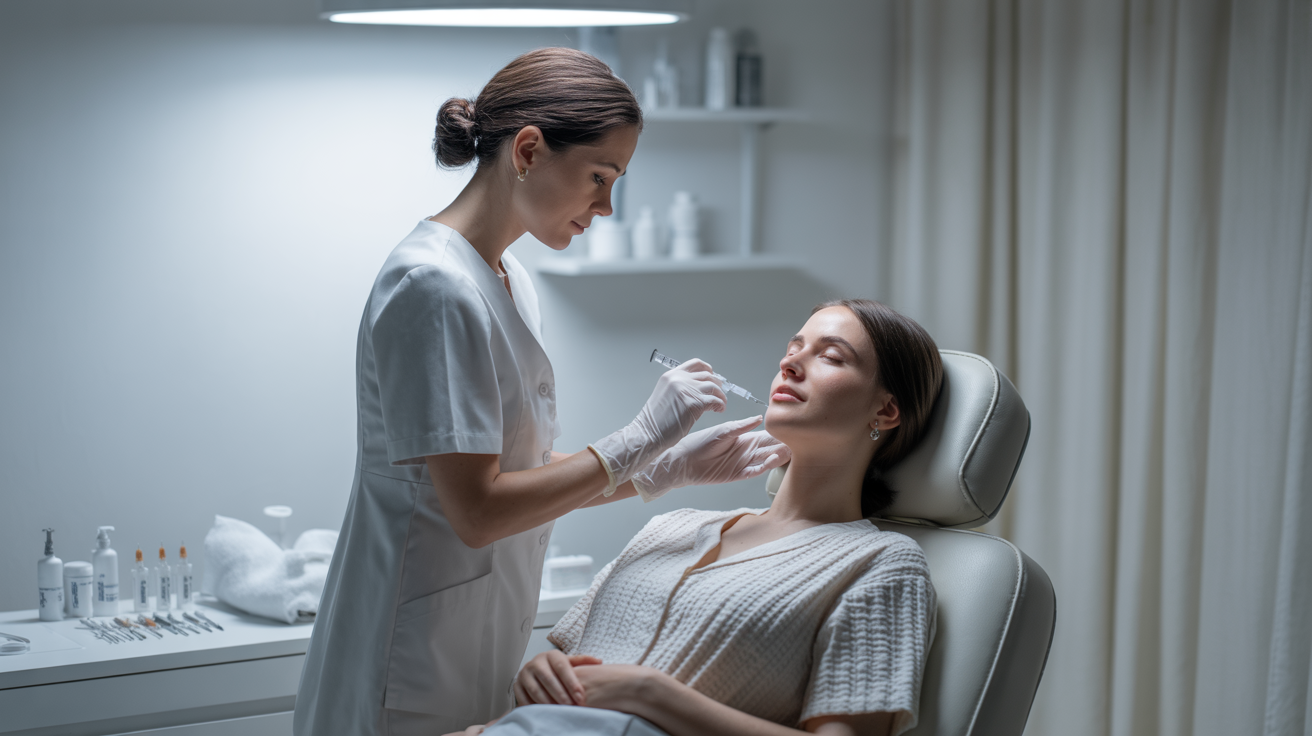
I showed up to my first Botox appointment after taking ibuprofen for a headache. Big mistake. The bruising lasted over a week and I had a wedding to attend.
Preparing properly makes a huge difference in your results.
What not to do before botox matters just as much as the treatment itself. Avoiding certain things helps minimize bruising, swelling, and other side effects.
This guide covers all the don’ts you need to follow before your appointment. I learned these lessons through trial and error so you don’t have to.
Let’s talk about setting yourself up for the best possible results.
Things to Avoid Before Your Botox Appointment
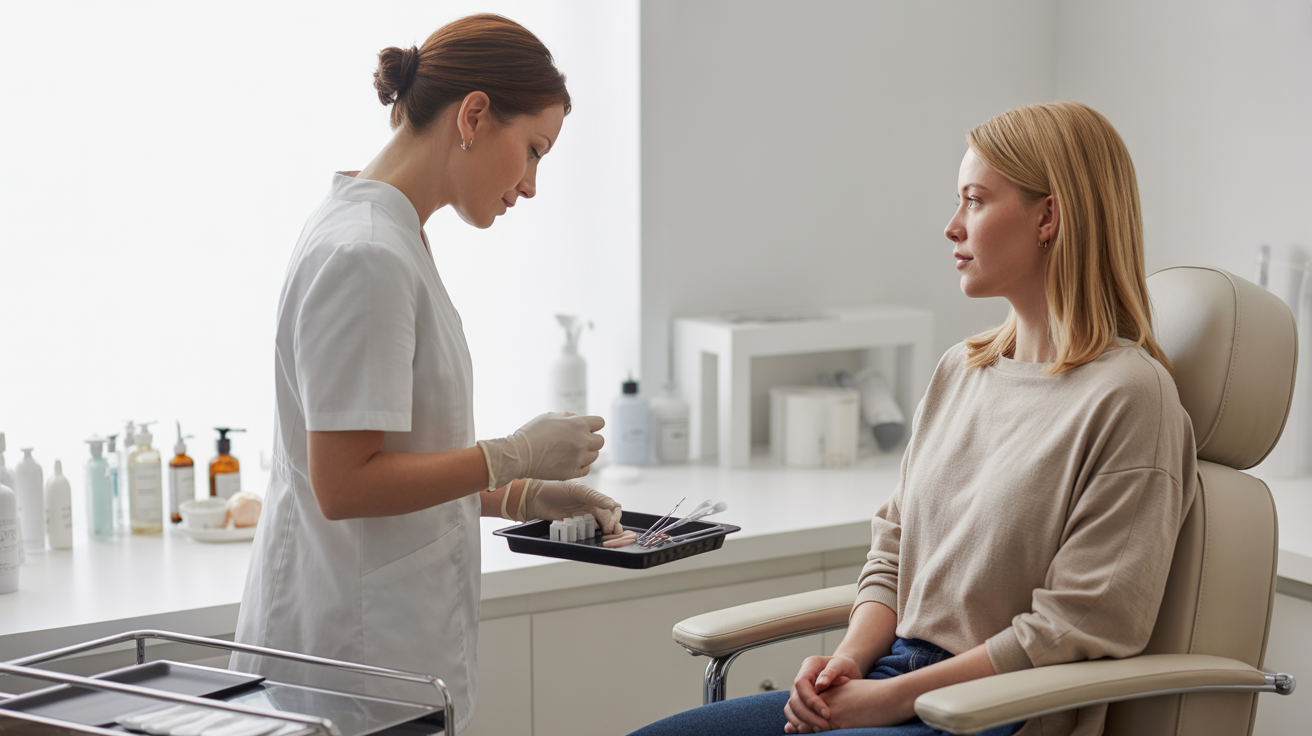
Knowing what not to do before botox prevents complications and gives you better outcomes. Here are the most important things to skip before your treatment.
Skip Blood-Thinning Medications and Supplements
Stop taking NSAIDs 3 to 5 days before your appointment. This includes aspirin, ibuprofen (Advil), and naproxen (Aleve). I keep a reminder in my phone now.
Avoid fish oil supplements during this time too. They thin your blood more than you’d think. Pause vitamin E if you’re taking it regularly.
Why does this matter? These products increase your bruising risk significantly. Even minor needle punctures can cause visible bruises when your blood is thinner.
Exception here: don’t stop prescription blood thinners without talking to your doctor first. Those medications serve important health purposes. Your injector and doctor can coordinate on timing.
Use Tylenol (acetaminophen) instead for pain relief if needed. It doesn’t affect blood clotting the way NSAIDs do.
Say No to Alcohol
Avoid drinking alcohol 24 to 48 hours before your treatment. I skip my usual wine the night before appointments now.
Alcohol thins your blood naturally. It has the same effect as those supplements I just mentioned. Your blood vessels become more fragile temporarily.
This increases your chance of bruising and swelling at injection sites. The effects last longer than you might expect. Stay hydrated with water instead during this period.
Pause Your Retinol Products
Stop using retinol products 2 days before your appointment. This includes prescription tretinoin and over-the-counter retinol serums.
Retinoids make your skin significantly more sensitive. They thin the outer layer and increase reactivity to treatments. This can increase redness and irritation after injections.
Resume using retinol 2 days after your treatment once injection sites heal. Your skin needs that buffer time on both sides.
Don’t Ignore Cold Sore History
Tell your provider if you get cold sores around your mouth. This information really matters for treatment planning.
Injections near your lips can trigger outbreaks in people prone to them. The needle trauma activates dormant virus. Your provider may prescribe antiviral medication as prevention.
Start the medication a day or two before your appointment. This gives it time to work in your system.
Reschedule if you have an active breakout or any skin irritation. Treating compromised skin risks infection and poor healing.
Why These Pre-Treatment Steps Matter
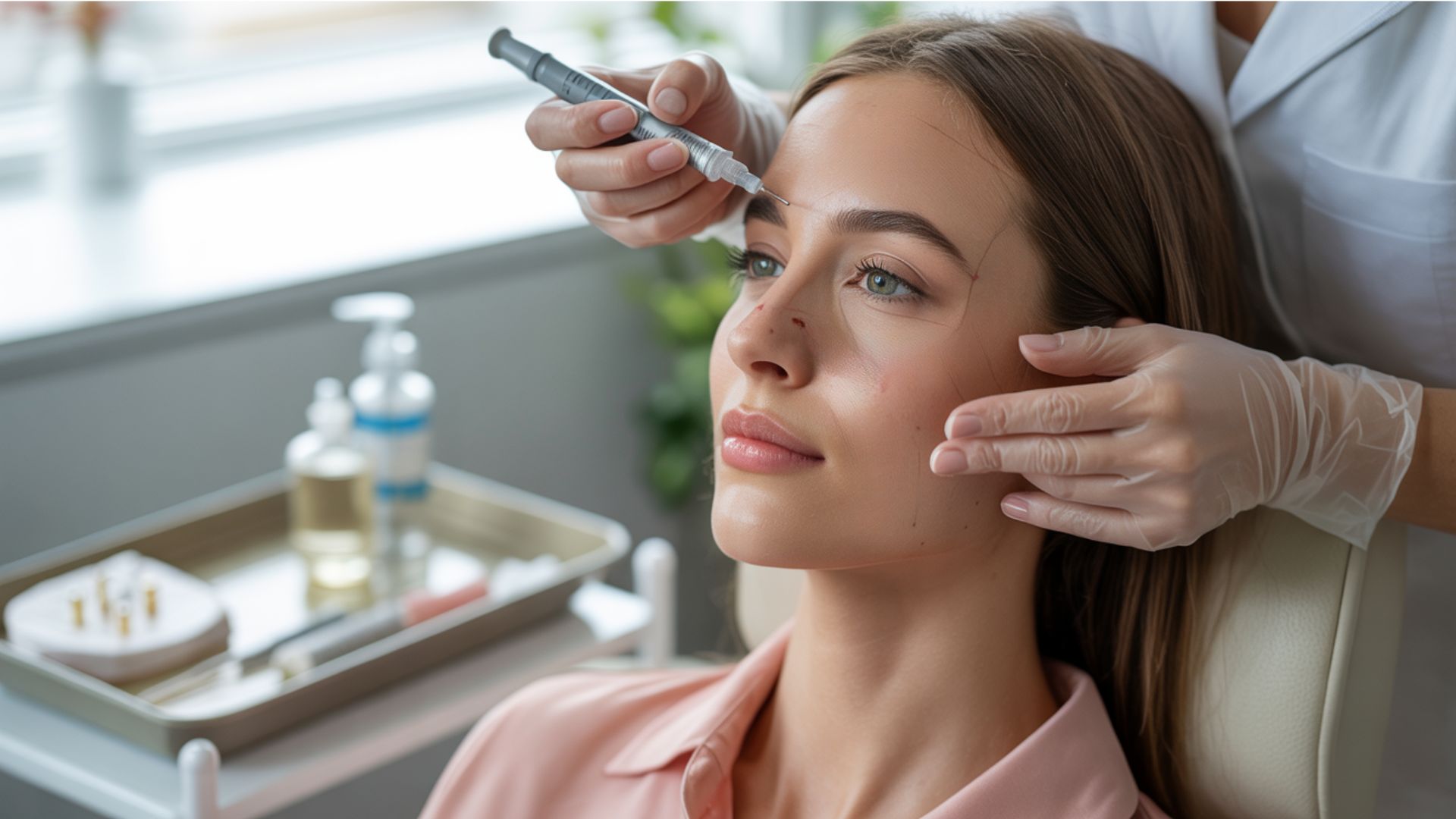
Understanding what not to do before botox makes more sense when you know the reasons behind these rules. Let me explain why preparation affects your results.
Understanding Bruising and Swelling Risks
Needles affect small blood vessels under your skin surface. Even skilled injectors can’t avoid every tiny vessel. It’s just part of the injection process.
Blood thinners make these vessels more fragile and prone to leaking. When blood leaks under your skin, you see bruising.
The more your blood is thinned, the worse potential bruising becomes.
Bruising is temporary but can be prevented with proper prep. Most bruises resolve in 7 to 10 days naturally. But who wants to deal with that if you can avoid it?
This affects your confidence if you have events coming up. I learned this lesson before that wedding I mentioned. Now I plan better.
Protecting Sensitive Skin
Retinol increases your skin sensitivity by thinning the outer protective layer. This makes your skin react more strongly to injections.
You might see more redness or feel more discomfort during treatment.
Alcohol dehydrates your skin from the inside out. Dehydrated skin doesn’t heal as well or as quickly. It’s also more prone to irritation.
Healthy, well-hydrated skin responds better to treatment overall. Better healing means better results that show up faster. Your skin recovers quickly when it’s in good condition.
Timing Your Botox Treatment Right

Strategic scheduling prevents stress and disappointment. What not to do before botox includes rushing into treatment without considering timing.
Follow these timing guidelines:
- Schedule 4 weeks before big events like weddings, photos, or vacations
- Allow 4-7 days for results to show fully
- Give yourself buffer time for any potential bruising to resolve
- Plan around your menstrual cycle (skin is more sensitive during your period)
- Consider your work schedule if you’re concerned about visible marks
- Don’t rush the process by booking too close to important dates
I always book at least three weeks before anything important. This gives results time to settle and any side effects time to resolve. The peace of mind is worth it.
What to Do on Treatment Day
Your appointment day matters just as much as the days before. Here’s how to prepare the morning of your treatment.
Eat a good breakfast before your appointment. Low blood sugar can make you feel dizzy or lightheaded during injections. I always have protein and complex carbs.
Arrive with a clean, makeup-free face. Your injector needs to see your natural skin and movement patterns. They’ll clean your skin again, but starting fresh helps.
Wear comfortable clothing you won’t mind sitting in. The appointment itself is quick, but you might wait a bit. Comfort reduces stress.
Come well-hydrated by drinking water throughout the morning. Hydrated skin responds better to injections. Bring your medication list including supplements you take regularly.
Plan for a 30 to 45 minute appointment time including paperwork and consultation. Save heavy workouts for the next day instead of before your appointment.
Setting Yourself Up for Success
Proper preparation goes beyond just avoiding certain things. What not to do before botox is only half the equation. Here’s how to maximize your results.
Choose an experienced, certified injector you trust. Their skill level affects your outcomes more than any preparation step. Don’t just pick based on price.
Ask questions during your consultation about anything you don’t understand. No question is too basic or silly. Good injectors want informed patients.
Mention all medications and supplements you take regularly. Even things that seem unrelated might matter. Share your complete medical history including allergies and past reactions.
Follow all pre-treatment instructions your provider gives you. They might have additional guidelines beyond what I’ve mentioned here. Their specific instructions take priority.
Keep realistic expectations about results. Botox works gradually over several days. You won’t look dramatically different immediately after treatment.
Conclusion
What not to do before botox? Avoid blood thinners, alcohol, and retinol for the best results. Skip NSAIDs, fish oil, and vitamin E supplements in the days leading up to treatment.
Proper preparation makes a real difference in how your skin responds. Most side effects like bruising are preventable with smart planning.
Follow your provider’s specific instructions carefully.
Your results depend partly on how well you prepare. Taking these steps seriously sets you up for smooth, successful treatment.
Ready for Botox? Schedule your consultation with a qualified injector and follow these pre-treatment guidelines for optimal results and minimal side effects.
Frequently Asked Questions
Can I Work Out the Morning of My Botox Appointment?
Light activity like walking is fine, but save intense workouts for the next day. Exercise increases blood flow and can raise bruising risk. Heavy lifting or cardio right before treatment isn’t ideal for best results.
Will Taking Vitamins Affect My Treatment Results?
Vitamin E and fish oil increase bruising, so pause those. General multivitamins are typically fine to continue. Tell your provider about all supplements you take so they can advise on specific ones that matter.
How Long Should I Stop Using Skincare With Acids?
Pause AHAs and BHAs 2 days before treatment, similar to retinol guidance. These acids increase skin sensitivity and can cause more irritation. Resume gentle use 2 days after your appointment once skin calms.
Is It Safe to Get Botox While Taking Antibiotics?
Generally safe, but inform your provider about any medications you’re taking. Certain antibiotics can interact with Botox or affect healing. Your injector needs this information to plan treatment appropriately and safely.
Should I Reschedule If I Have a Minor Headache?
Depends on whether you took NSAIDs for it. Tylenol is fine, but ibuprofen means you should reschedule. Also reschedule if you feel sick, have active skin issues, or aren’t feeling your best overall.