Brow Lift Scars: Locations, Types & What to Expect

A brow lift can smooth your forehead and raise drooping eyebrows. But I know lift scars are a real concern when you’re considering this surgery.
Every brow lift leaves some type of scar, though the location and visibility depend heavily on which technique your surgeon uses. In this guide, I’ll walk you through exactly where lift scars appear with each procedure type.
You’ll learn what these scars look like during healing, which techniques hide them best, and how to care for them properly. I want you to feel confident about your choice by understanding what to expect from start to finish.
We’ll cover six different brow lift methods, scar healing timelines, and practical ways to minimize visible scarring.
Understanding Brow Lift Scars
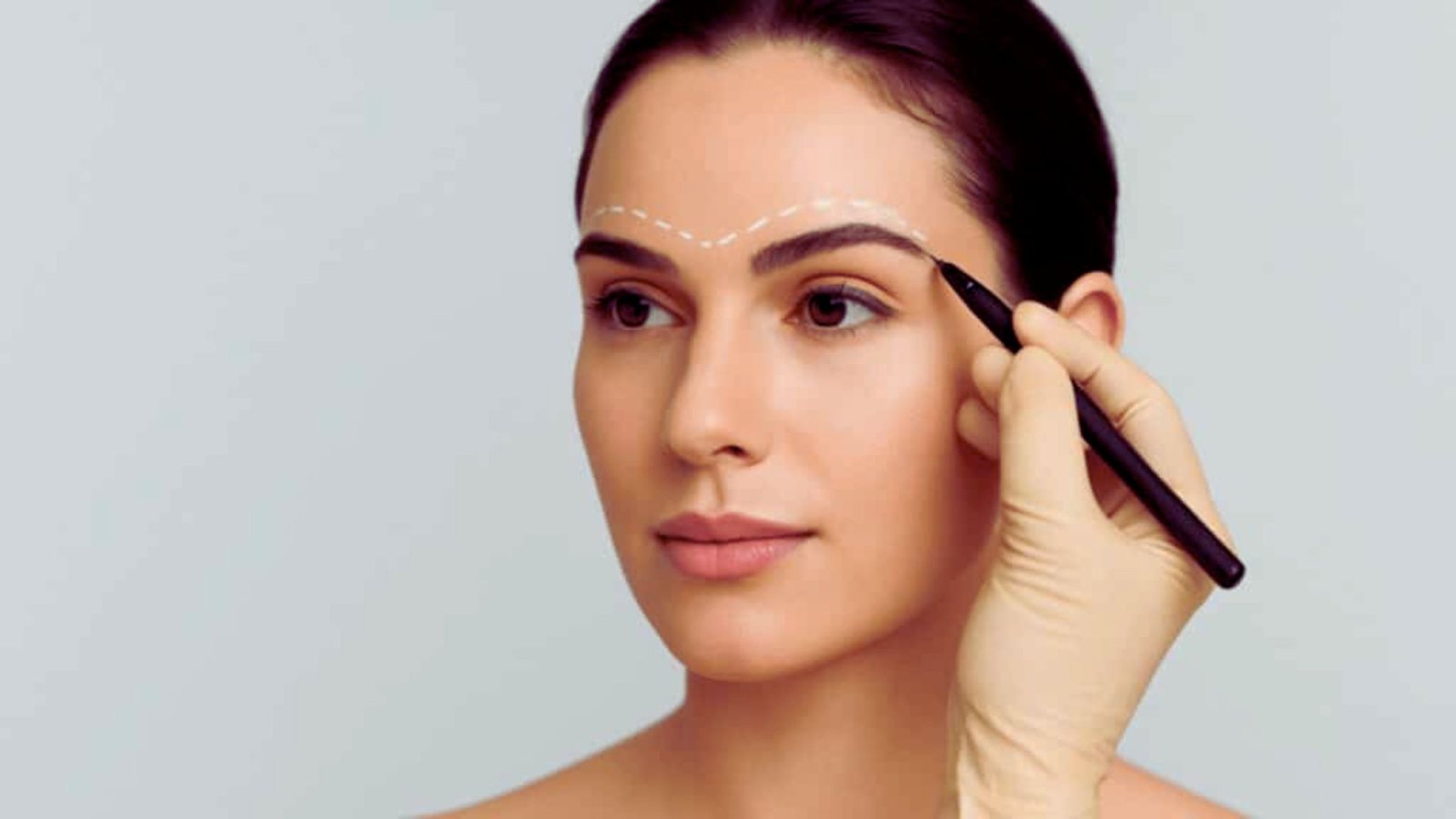
Every surgical brow lift creates scars. Your surgeon makes incisions to lift tissue, triggering your body’s healing response.
Several factors determine scar visibility. Surgical technique matters most. Endoscopic lifts use tiny incisions that heal into small dots. Traditional coronal lifts require longer cuts but hide them under hair.
Incision placement is crucial. Scars hidden in your hairline or natural creases fade better than those on exposed skin. Your healing ability and skin type affect results. Some people form raised or darker scars while others heal with barely visible lines.
Surgeon skill makes a difference through careful incision placement and advanced closure techniques. Scars stay more visible when placed on exposed areas or when tension pulls on healing tissue.
Types of Brow Lift Procedures and Scar Locations

Each brow lift technique uses different incision placements, which directly affects where your scars will appear and how visible they’ll be.
Direct Brow Lift
Your surgeon makes cuts just above each eyebrow. The incision follows the natural curve of your brow.
Who needs this approach: Patients wanting dramatic lifting results, older individuals with significant sagging, or anyone with uneven brows that need correction.
The benefits: Your surgeon gets precise control over brow shape. Recovery time is shorter than other methods. Results appear quickly.
The downside: Scars sit right above your eyebrows on exposed skin. They’re the most visible of all brow lift scars, especially in the first months after surgery.
Mid-Forehead Lift
Incisions go horizontally across your forehead, placed within existing wrinkle lines or creases.
Who needs this approach: Bald patients or men with receding hairlines. People with deep natural forehead lines that can camouflage the scars.
The benefits: Scars blend into your existing wrinkles. This method works well for fixing significant forehead sagging.
The downside: You must have prominent forehead creases for this to work. Without deep lines, the scars will be obvious.
Pretricheal Brow Lift
The incision runs along your hairline or slightly in front of it. It extends from temple to temple.
Who needs this approach: Anyone with a high hairline or long forehead. Patients who want to avoid raising their hairline further.
The benefits: Hair grows through and around the incision, hiding the scar. Your forehead length actually decreases. The scar sits right at the border between skin and hair.
The downside: Thin hair or future hair loss can expose the scar. If your hairline recedes over time, the scar becomes more visible.
Coronal Brow Lift
Your surgeon makes one long incision that runs ear to ear across the top of your scalp. The cut sits several inches behind your hairline.
The benefits: Hair completely hides the scar. You get a uniform lift across your entire brow. This traditional method has been used successfully for decades.
The downside: Your hairline moves back slightly, making your forehead taller. The lift effect is less dramatic near the actual brows since the incision sits farther back.
Endoscopic Brow Lift
Four to six tiny incisions (about half an inch each) go behind your hairline. Your surgeon inserts a small camera and special tools through these openings.
The benefits: Minimal scarring since cuts are so small. Recovery happens faster. Less bleeding and swelling occur. Scars heal into barely visible dots.
The downside: Limited lifting power for severe drooping. Not suitable if you need significant correction.
Temporal Brow Lift
Small incisions are placed at the outer edges of your hairline near your temples. Sometimes called a lateral brow lift.
The benefits: Focuses specifically on lifting the outer portions of your eyebrows. Less invasive than full brow lifts. Minimal scarring in discreet locations.
The downside: Doesn’t address the center of your brows. Won’t help with forehead wrinkles or central sagging.
What Brow Lift Scars Look Like Over Time

Brow lift scars change dramatically as they heal, becoming less noticeable with each passing month.
Immediately After Surgery
Your scars will look their worst right after the procedure. Expect red or pink lines that appear raised above the surrounding skin. Swelling makes the area puffy and distorted.
Most surgeons apply bandages to protect the fresh incisions. You might see bruising around the scar sites. The skin feels tight and uncomfortable.
Weeks to Months After Surgery
Around week two, your scars start to change. The raised texture begins flattening out. Redness fades gradually to pink, then to a lighter shade.
By month three, scars blend better with your natural skin tone. Swelling subsides almost completely. You can style your hair normally again, which helps hide hairline scars.
Long-Term Appearance
Full results take six months to one year to appear. By this point, most scars have faded significantly.
Endoscopic and temporal lift scars usually become almost invisible. They look like small dots or tiny lines hidden in your hair. Hairline scars blend well if you have good hair coverage. They appear as thin white or pale pink lines that hair conceals.
Even direct brow lift scars improve dramatically, though they remain the most noticeable type. Many patients can cover them with makeup or eyebrow styling if needed.
Minimizing Brow Lift Scarring
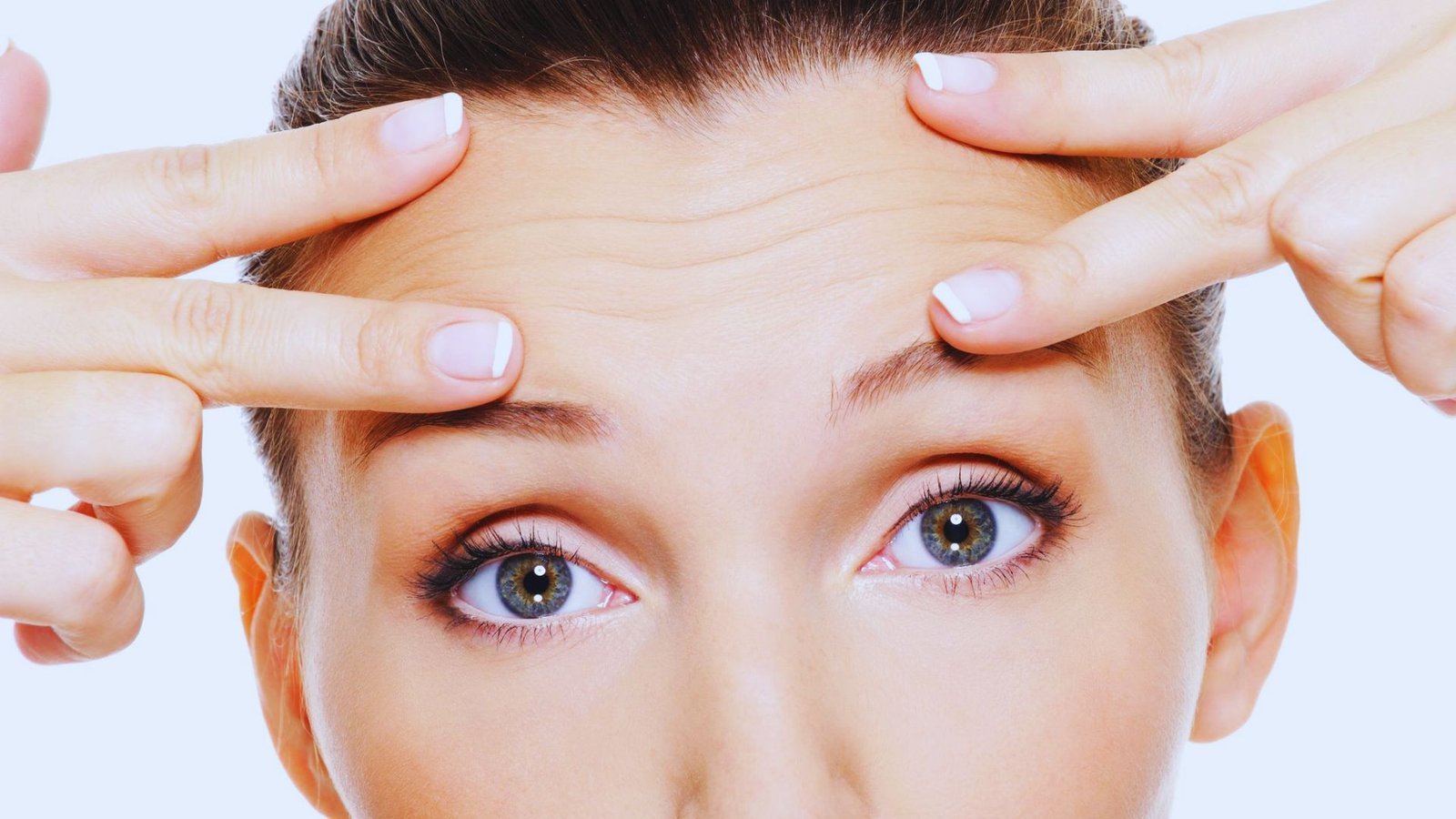
Modern surgeons use several methods to reduce scarring. PRF injections strengthen healing tissue and boost healing speed. Special PDS sutures reduce tension to prevent wide, raised scars. Antimicrobial sprays prevent infection for cleaner healing.
Your actions after surgery impact scar healing. Apply sunscreen daily with SPF 30 or higher for at least six months. Use silicone gels or sheets to flatten raised scars and reduce redness.
Keep incisions clean and dry. Follow your surgeon’s instructions. Don’t pick at scabs. Avoid strenuous activity and sleep with your head elevated for the first few weeks.
Non-Surgical Brow Lift Options

Botox offers a scar-free alternative to surgical brow lifts. Your doctor injects small amounts of botulinum toxin into specific muscles around your eyebrows and forehead.
The Botox relaxes muscles that pull your brows downward. This allows the lifting muscles to work unopposed, raising your eyebrows naturally. No incisions mean absolutely no scarring.
Results appear within a few days and reach full effect in two weeks. Your brows lift subtly, and forehead lines soften.
The trade-off is temporary results. Botox wears off after three to four months. You need repeat treatments to maintain the lifted appearance. Costs add up over time with ongoing injections.
Botox works best for mild drooping and prevention. It won’t fix severe sagging that needs surgical correction.
Choosing the Right Surgeon
Your surgeon’s experience directly affects your scarring outcomes. An experienced facial plastic surgeon knows where to place incisions for best healing and least visibility.
Board certification indicates rigorous training. Look for certification in plastic surgery or facial plastic surgery specifically. A thorough consultation matches the right procedure to your anatomy.
Your hairline position, skin quality, and degree of sagging all factor into which technique gives you the best results.
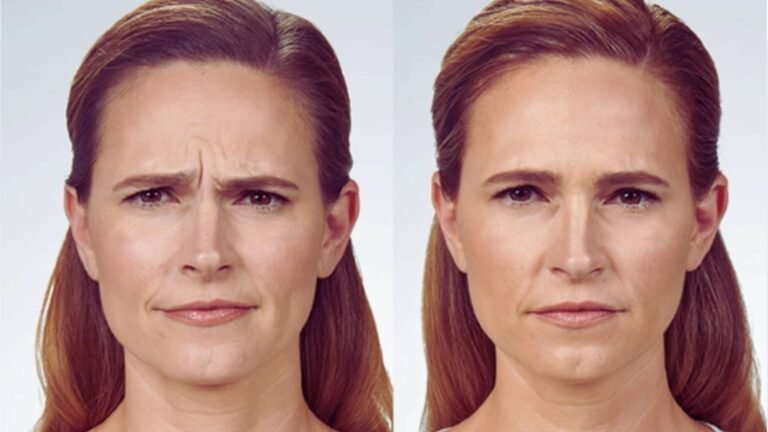
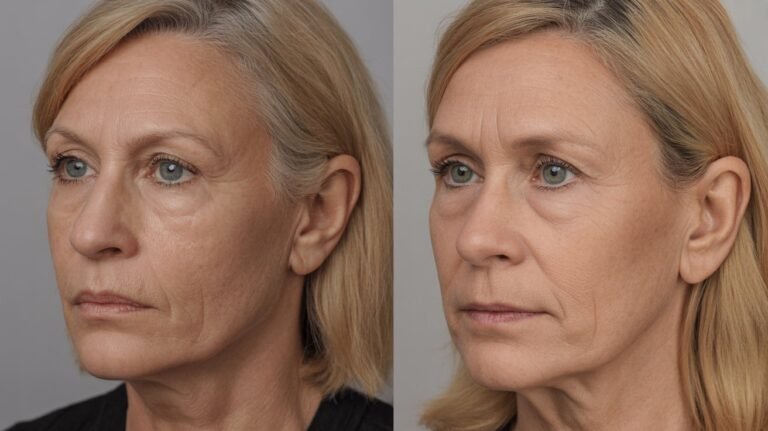
Ask to see before and after photos. Pay attention to scar visibility in the after images. Don’t hesitate to get a second opinion. You deserve complete confidence in your surgeon and surgical plan.
Conclusion
I’ve been researching cosmetic procedures for years, and brow lift scarring is one of the most common concerns I hear about.
The good news is that scar location varies greatly by technique, and many modern methods hide them completely in your hairline.
Remember that healing takes patience. Your scars will look worse right after surgery but improve dramatically over the following months. With proper care and an experienced surgeon, most patients end up very satisfied with how subtle their scars become.
Ready to take the next step? Schedule a consultation with a qualified facial plastic surgeon to discuss which brow lift technique suits your needs and anatomy best.
Frequently Asked Questions
How long do brow lift scars take to fade?
Most scars improve within six months. Full fading takes up to one year. Redness and raised texture decrease most in the first three months.
Can you completely hide brow lift scars?
Endoscopic and hairline techniques hide scars very well once healed. Hair conceals most incisions. Direct brow lift scars fade considerably and can be covered with makeup.
Do brow lift scars hurt after surgery?
Initial discomfort is normal but mild. Most patients feel tightness rather than sharp pain. Pain medication helps, and discomfort resolves within the first week.
Will my hair grow back over brow lift scars?
Hair typically grows through hairline incisions. Some temporary hair loss near incisions is normal. Regrowth happens within 3-6 months in most cases.
Can I get a brow lift if I’m prone to bad scarring?
Yes, but discuss concerns with your surgeon first. They can choose hidden incision placements. PRF treatments and careful aftercare help achieve good results.