Cystic Acne Treatment: What to Do When Regular Acne Products Aren’t Working

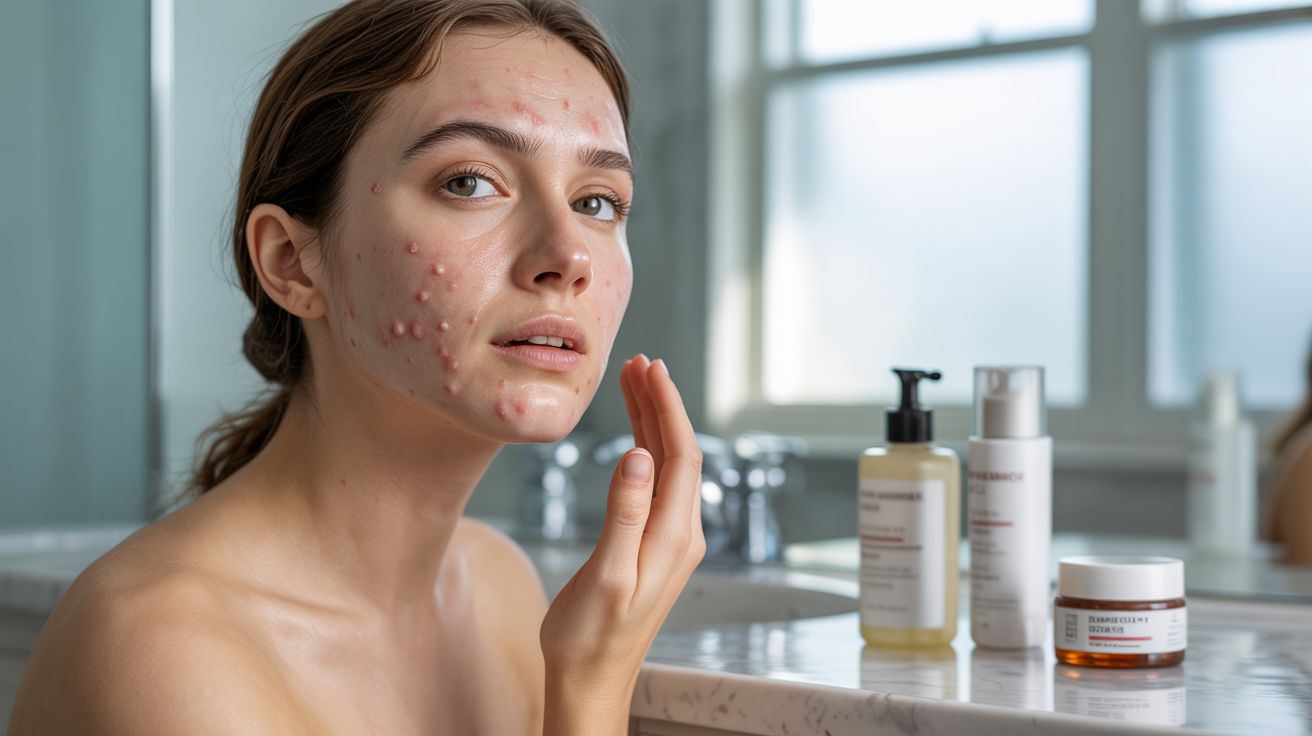
Cystic acne can make an otherwise sensible skin care routine feel useless. Unlike a small whitehead or occasional clogged pore, cystic acne develops deeper within the skin and can cause large, tender bumps that linger for days or weeks. Drugstore cleansers, spot treatments and acne patches may help with surface-level blemishes, but deeper inflammation often requires a different strategy. Understanding why these breakouts behave differently can help you stop cycling through products and start looking for treatment that addresses the underlying problem.
Recognize When Skin Needs More
Most people try over-the-counter products first, and that is a reasonable place to begin. Ingredients such as benzoyl peroxide and salicylic acid can help manage mild to moderate acne by targeting bacteria, excess oil and clogged pores. Cystic acne, however, forms deeper beneath the skin, where topical products may have a harder time producing enough improvement on their own.
If deep, painful blemishes keep returning despite consistent skin care, seeking medical guidance may save time and reduce unnecessary irritation from constantly changing products. Telehealth has also changed how people access dermatologic care, giving people the option to get effective acne treatment online andprofessional guidance without waiting weeks for a traditional office appointment.
A clinician can assess the pattern and severity of breakouts, review treatments you have already tried and consider whether prescription treatment makes sense. Getting professional input can be particularly helpful when acne leaves persistent discoloration or scars.
Understand Why Cysts Develop
Acne begins when hair follicles become clogged with oil and dead skin cells. Bacteria and inflammation can then contribute to the development of pimples. With cystic acne, inflammation occurs deeper within the skin, which helps explain why these blemishes can feel sore and remain noticeable much longer than ordinary pimples.
Hormones can also influence oil production, which is one reason deep breakouts sometimes appear around puberty, menstrual cycles or other periods of hormonal change. Genetics may affect acne susceptibility as well. Stress does not automatically cause cystic acne, but it can coincide with worsening breakouts for some people.
Recognizing these factors matters because aggressive cleansing cannot scrub away a process happening beneath the skin. Washing repeatedly, using harsh exfoliants or applying several strong products at once can damage the skin barrier without addressing the deeper inflammation. A gentler routine paired with appropriate treatment usually makes more sense than declaring war on your face twice a day.
Explore Prescription Treatment Options
When nonprescription products fall short, clinicians have several prescription options to consider. Topical retinoids can help prevent clogged pores and are widely used in acne treatment. Prescription topical medications may also target bacteria or inflammation. Depending on the severity and pattern of acne, a clinician may recommend oral medication.
There is no universal answer for what works best because treatment depends on factors such as acne severity, medical history, other medications and previous treatment response. Some people benefit from combining treatments that address different parts of acne development rather than relying on a single product.
Isotretinoin may be considered for severe nodular or cystic acne, particularly when other approaches have not provided adequate improvement or when there is a substantial risk of scarring. It requires medical supervision because it carries significant precautions and potential side effects. Hormonal treatments may also be appropriate for certain patients. A clinician can explain the benefits, limitations and safety considerations associated with each approach.
Protect Skin During Treatment
More treatment is not necessarily better treatment. Once prescription acne medication enters the routine, piling on scrubs, acids, drying masks and multiple spot treatments can leave skin red, flaky and uncomfortable. Irritation can also make it harder to stick with a treatment long enough to determine whether it is helping.
A simple routine often works well alongside medical treatment. Use a gentle cleanser, apply medications according to instructions and follow with a noncomedogenic moisturizer. Daily sunscreen matters because some acne treatments can make skin more sensitive to sunlight, and sun exposure can make post-acne discoloration more noticeable.
Avoid squeezing or picking at cysts, even when they feel impossible to ignore. Deep blemishes rarely respond well to pressure, and manipulating them can increase inflammation and raise the likelihood of discoloration or scarring. Acne patches may discourage touching, but they generally cannot reach a cyst located deep beneath the skin.
Give Treatment Enough Time
Acne treatment rarely produces dramatic results overnight. Many therapies require several weeks of consistent use before meaningful improvement becomes apparent. Some treatments can initially cause dryness, peeling or temporary changes in breakouts, which makes following the clinician’s instructions especially important.
Track progress over weeks rather than inspecting your skin for changes every morning. If acne continues to worsen, causes significant pain, produces scars or fails to improve after an appropriate treatment period, contact your clinician. Treatment plans can be adjusted based on how your skin responds.
Cystic acne can be stubborn, but persistent breakouts do not mean you need a stronger drugstore shelf. When regular products stop helping, professional evaluation can identify treatments designed for deeper, inflammatory acne and help protect the skin from lasting scars.