Non-Invasive Cosmetic Procedures: A Complete Guide


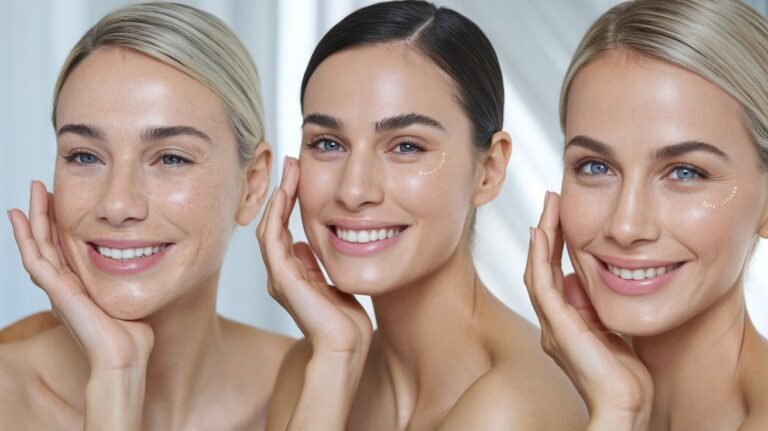
Looking to refresh your appearance without going under the knife? Non-invasive cosmetic procedures might be what you need.
I’m here to walk you through everything about these treatments, from how they work to what they actually cost.
You’ll learn about the most popular options, what to expect during recovery, and how to pick a qualified provider.
This guide covers injectables, laser treatments, and regenerative methods that can help you look and feel better. I’ll also share practical tips on safety, budgeting, and whether these procedures are right for you.
Let’s make sense of your options together.
How Non-Invasive Cosmetic Procedures Work?
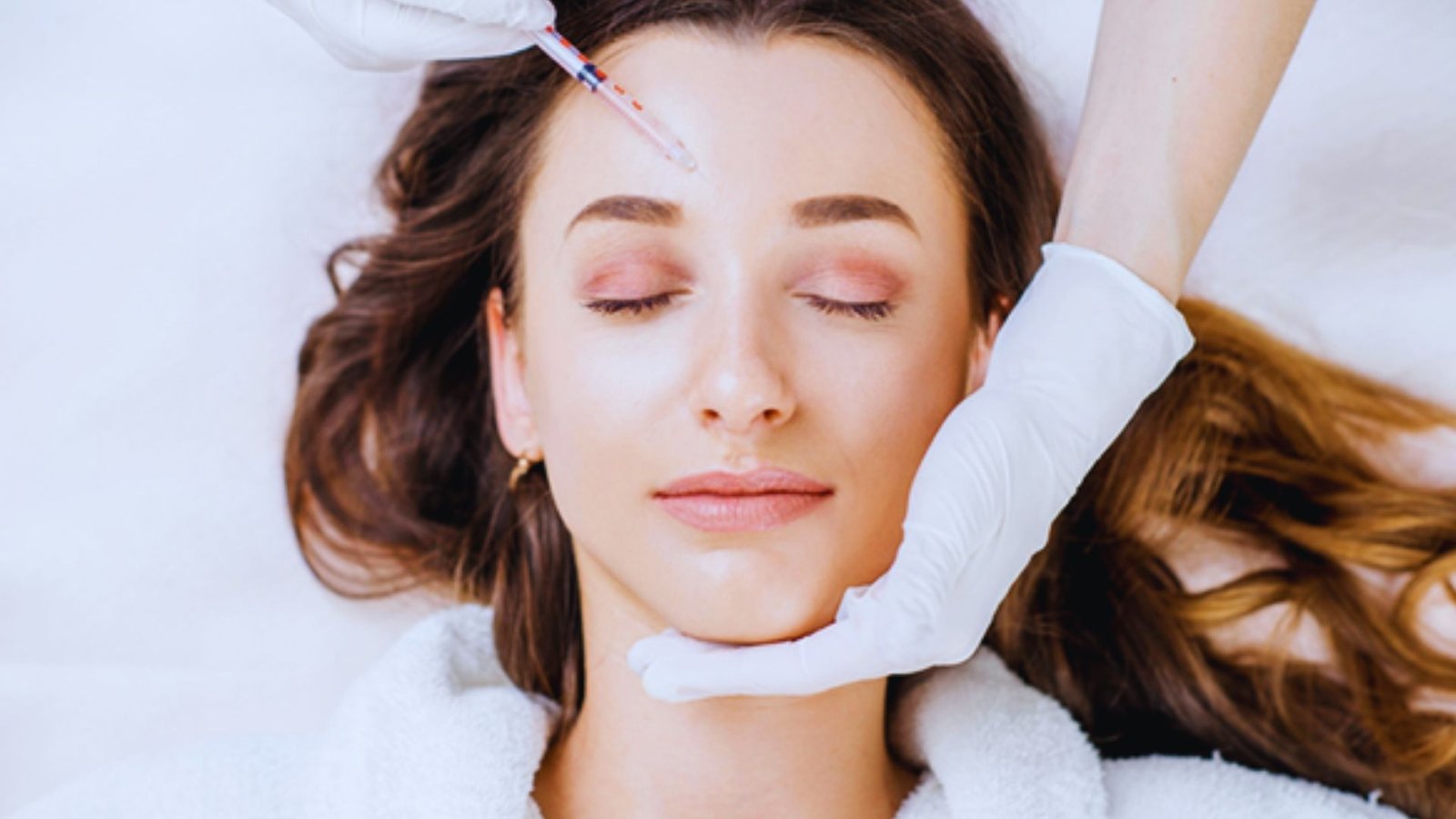
These treatments use injectables, lasers, and regenerative methods to improve skin without surgery or long recovery times.
Non-invasive cosmetic procedures target specific concerns without cutting into your skin. Injectables like Botox and fillers relax wrinkles or add volume in 15 to 30 minutes.
Laser and energy-based treatments heat deeper skin layers to trigger collagen production during 30-minute to hour-long sessions.
Regenerative treatments like PRP and microneedling use your own cells to activate natural repair, with results developing over several months.
Benefits of Non-Invasive Cosmetic Procedures
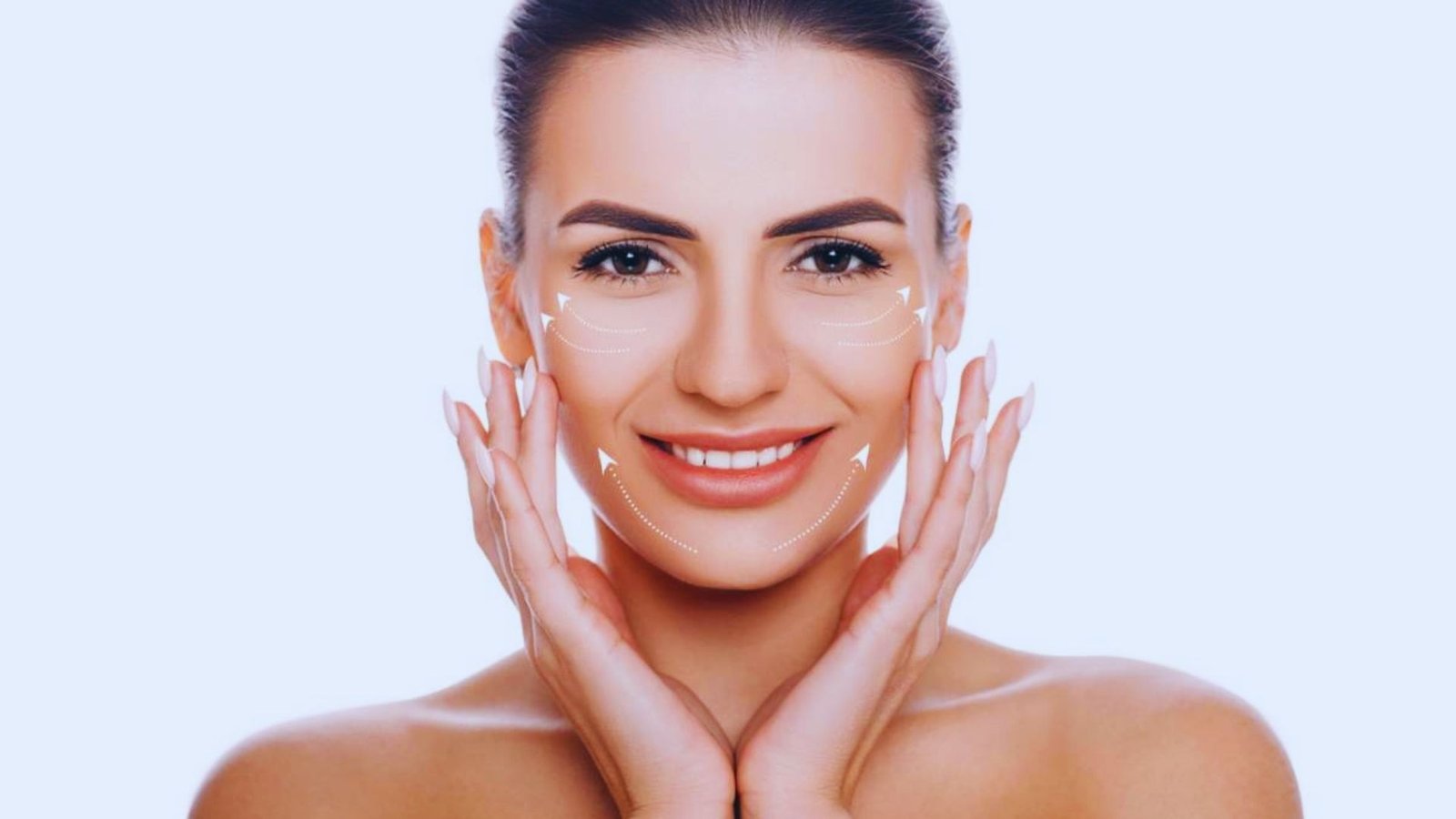
People choose non-invasive procedures for good reasons. They provide real benefits without the commitment of surgery.
Natural-looking results without surgery
These procedures give you subtle improvements that don’t look obvious. You’ll still look like yourself, just refreshed. Friends might notice you look well-rested but won’t necessarily know why.
Surgical procedures can sometimes create dramatic changes. Non-invasive options work more gently. They preserve your natural features while addressing specific concerns.
You can also adjust your treatment plan over time. If you want more improvement later, you can schedule additional sessions. This gradual approach helps you stay in control.
Minimal downtime and faster recovery
Most people return to work the same day or the next day. You won’t need weeks off to heal. This makes these treatments practical for busy schedules.
Surgical procedures often require extended time away from activities. You might face restrictions on exercise, driving, or other tasks. Non-invasive treatments rarely come with those limitations.
Some procedures cause temporary redness or swelling. These side effects usually fade within hours or a few days. Serious complications are rare when you work with trained providers.
Lower risk compared to surgical procedures
Surgery carries risks like infection, scarring, and anesthesia complications. Non-invasive procedures avoid most of these concerns. The treatments don’t require general anesthesia or hospital stays.
You won’t have surgical incisions that need to heal. This means no stitches to remove and no visible scars. The risk of complications drops significantly.
That said, all medical procedures carry some level of risk. Working with qualified providers helps keep those risks low. We’ll cover how to choose the right professional later in this guide.
Popular Types of Non-Invasive Cosmetic Procedures
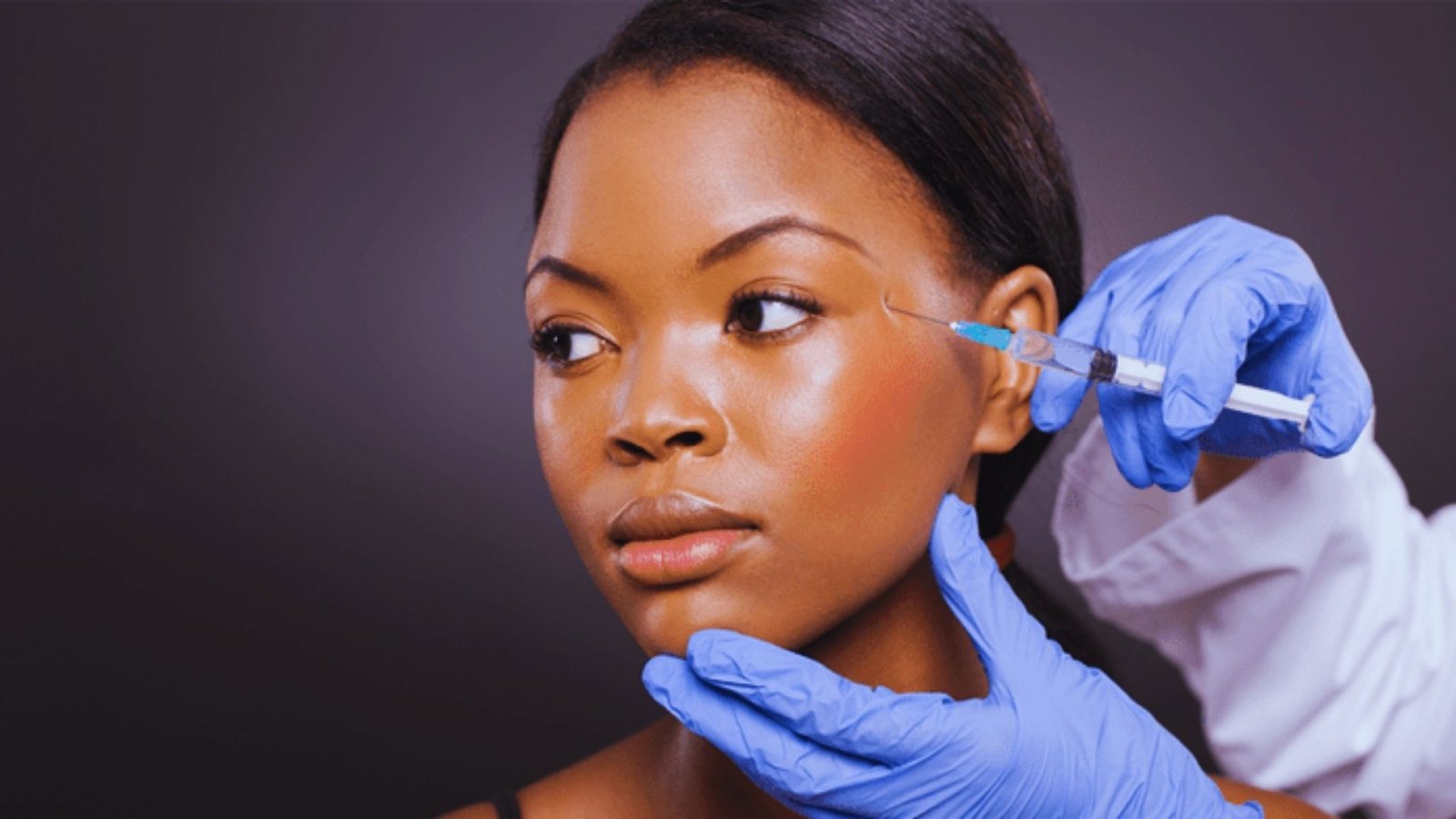
Several procedures have become go-to options for people wanting improvement without surgery.
Botox and wrinkle-relaxing injections
Botox temporarily relaxes muscles that create lines when you make facial expressions. Similar products include Dysport and Xeomin. These injections target forehead lines, crow’s feet, and frown lines.
The treatment takes about 10 minutes. Results appear within a few days and last three to four months. Many people schedule appointments every three to six months to maintain results.
Dermal fillers for volume and contour
Fillers add volume to areas that have thinned with age. Common brands include Juvederm, Restylane, and Sculptra. They can plump lips, fill hollow cheeks, and smooth lines around your mouth.
Most fillers use hyaluronic acid, a substance naturally found in your body. Results appear immediately and last six months to two years, depending on the product and area treated.
Laser skin resurfacing and skin tightening
Laser resurfacing removes the outer layer of damaged skin and stimulates collagen growth. Different lasers target wrinkles, sun damage, or scars. Skin tightening treatments use laser or radiofrequency energy to firm loose skin.
Popular options include Thermage, Ultherapy, and fractional lasers. Recovery ranges from a few days of redness to about a week of peeling. Results improve over several months.
Regenerative treatments using your body’s own cells
PRP therapy involves drawing your blood, processing it, and injecting the platelet-rich portion back into your skin. The growth factors stimulate healing and collagen production. Microneedling creates controlled micro-injuries with tiny needles.
Your skin responds by producing new collagen and elastin. These treatments work well for improving skin texture, reducing fine lines, and fading acne scars. You typically need three to six sessions spaced a month apart.
Who Is a Good Candidate for Non-Invasive Cosmetic Procedures?
Most adults can benefit from these treatments, whether they’re preventing signs of aging or correcting existing concerns.
You don’t need to fit a specific profile to consider these procedures. People in their late 20s through their 70s regularly choose these treatments.
Younger adults often start with preventative care, while older adults focus on correcting existing concerns.
Age alone doesn’t determine candidacy. Your skin condition, health status, and goals matter more. Preventative treatments slow aging before major changes occur.
Corrective treatments address existing issues like wrinkles and volume loss. Some people combine both approaches for the best results.
What to Expect During and After Treatment?
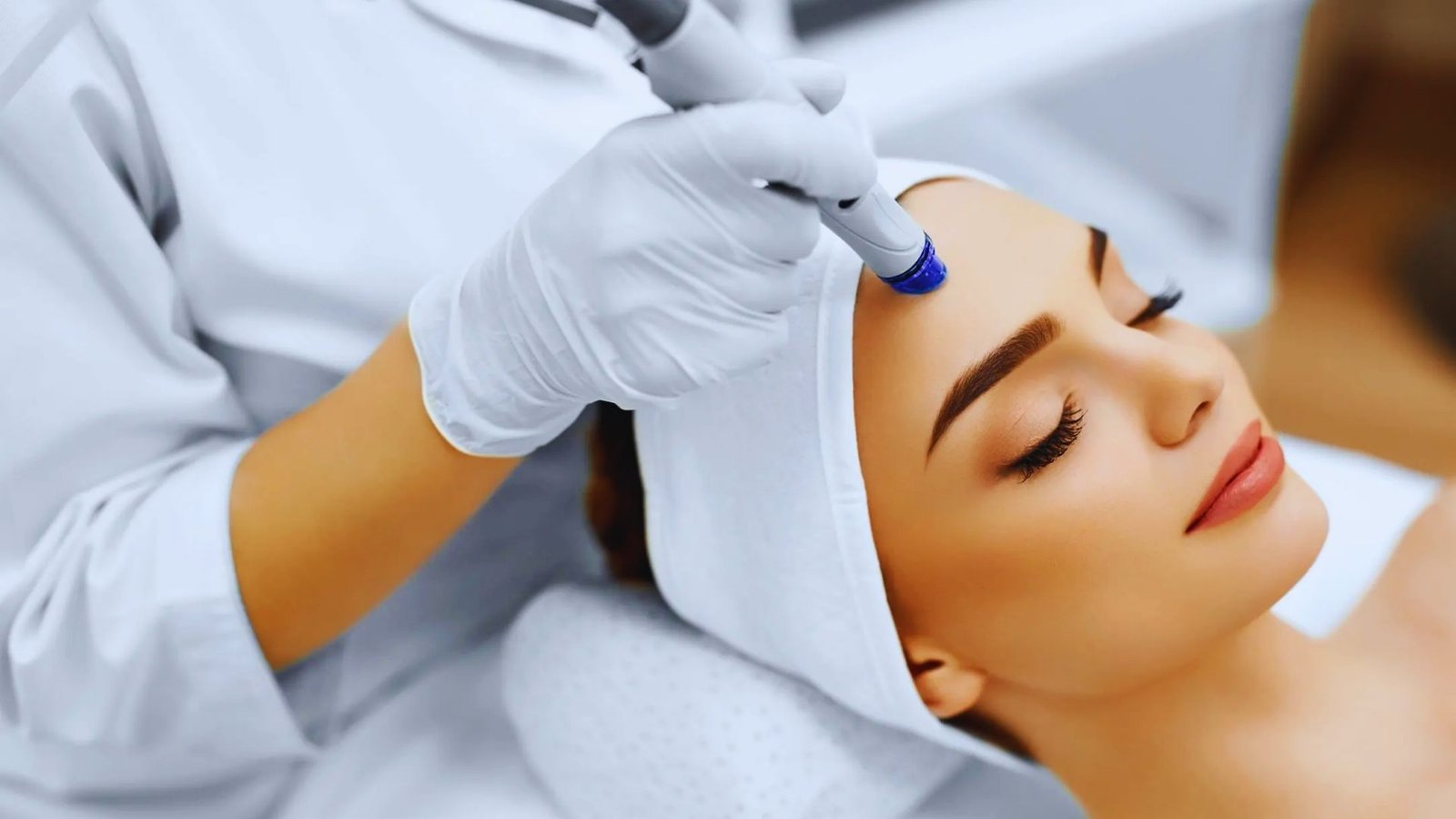
Expect thorough consultations, quick procedures, and manageable recovery with temporary side effects that resolve within days to weeks.
Your first visit includes a detailed consultation where the provider examines your skin and discusses treatment options, costs, and expected outcomes. Good providers take photos and review your medical history.
Most procedures cause redness and swelling that fade within hours to days. Bruising may occur with injectables. Laser procedures can cause peeling or tightness for several days.
Results vary by treatment. Botox lasts three to four months. Fillers last from six months to two years. Laser treatments last a year or more.
Your lifestyle affects longevity. Regular maintenance helps maintain consistent results.
Safety and Considerations Before Treatment
Taking time to research and prepare protects both your health and your wallet.
- Work only with licensed medical professionals like dermatologists, plastic surgeons, or trained nurse practitioners. Check credentials, read reviews, and visit the facility before committing.
- Ask about the provider’s training, products used, and request before-and-after photos. Discuss all potential risks, side effects, and policies on corrections or touch-ups.
- Every procedure carries some risk, including bruising, swelling, and discomfort. Serious complications like infection are rare but possible. Understand warning signs to watch for after treatment.
- Get clear cost information upfront. Sessions range from a few hundred to several thousand dollars. Ask about what’s included, payment plans, and financing options.
- Trust your gut and get everything in writing. Seek second opinions if needed before proceeding with any treatment.
Cost and Budgeting for Non-Invasive Cosmetic Procedures
Financial planning matters when considering these treatments. Prices can add up with ongoing maintenance.
Geographic location, provider experience, and procedure complexity affect pricing. Major cities cost more than smaller towns. Treating multiple areas costs more than single area. Brand names also influence prices, but higher costs don’t always mean better results.
Most providers require payment up front. Some offer package deals for multiple sessions, which can save money. Many accept credit cards and health savings accounts. Some partner with financing companies for payment plans.
Consider building these costs into your annual budget if you plan ongoing treatments. Remember that insurance typically won’t cover these elective procedures.
Conclusion
I’ve seen how non-invasive cosmetic procedures can help people feel better about their appearance without major surgery. The right treatment depends on your specific needs and goals.
Take time to research providers, ask questions, and understand all costs involved. Start with a consultation to see what options make sense for you. Remember that maintaining results usually means planning for ongoing treatments.
If you found this helpful, leave a comment about which procedure interests you most. I’d love to hear about your experience or answer any questions you still have.
Frequently Asked Questions
Are non-invasive cosmetic procedures painful?
Most treatments cause only minor discomfort. Providers use numbing cream or ice to help. You might feel slight pinching or warmth, but it’s generally tolerable.
How quickly will I see results from treatment?
Results vary by procedure. Fillers work immediately while Botox takes 3-7 days. Laser and regenerative treatments show improvement gradually over weeks or months.
Can I combine multiple procedures at once?
Yes, many people combine treatments for better results. Common pairs include Botox with fillers or laser with PRP. Your provider will recommend safe combinations.
What should I avoid after getting treatment?
Avoid exercise, alcohol, and sun exposure for 24-48 hours. Don’t touch treated areas unless told to. Follow your provider’s specific aftercare instructions.
How do I know if a provider is qualified?
Check for medical licenses and cosmetic procedure training. Look for board certifications and patient reviews. Schedule consultations with multiple providers before deciding.