Do You Dermaplane on Dry Skin? Best Practice Guide

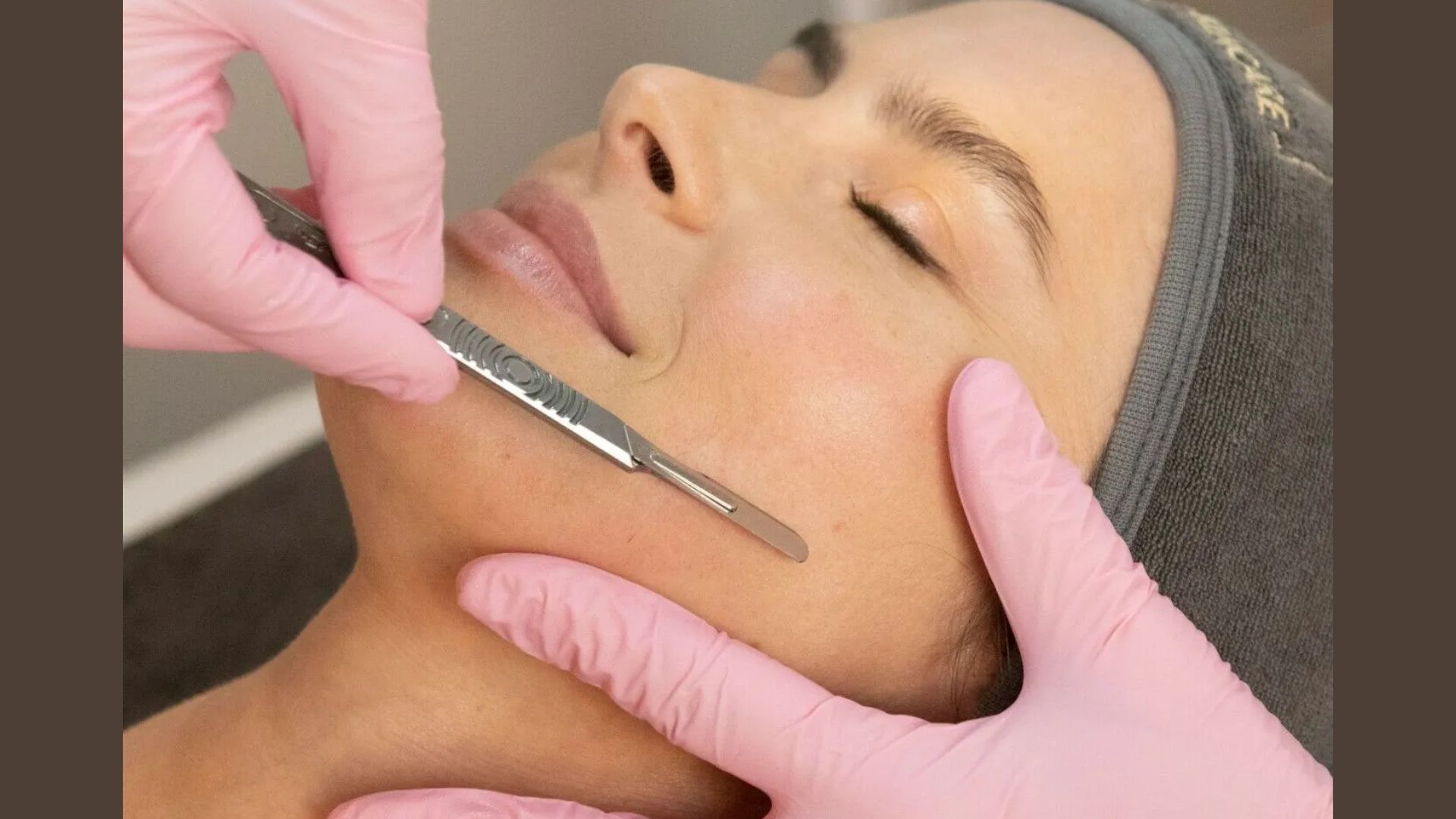
If you’re wondering whether you should dermaplane on dry skin, you’re asking the right question. The answer is yes, and I’m here to explain exactly why that matters.
I’ve been dermaplaning for years, and I’ve learned through trial and error what works best.
In this guide, I’ll walk you through the correct way to prep your skin, why dry skin is actually the safest option, and how to avoid the common mistakes.
You’ll also learn when to skip dermaplaning altogether and how to care for your skin afterward. After reading this, you’ll know exactly how to get smooth, glowing results at home.
Let’s get started.
What Is Dermaplaning? (Quick Beginner Explanation)
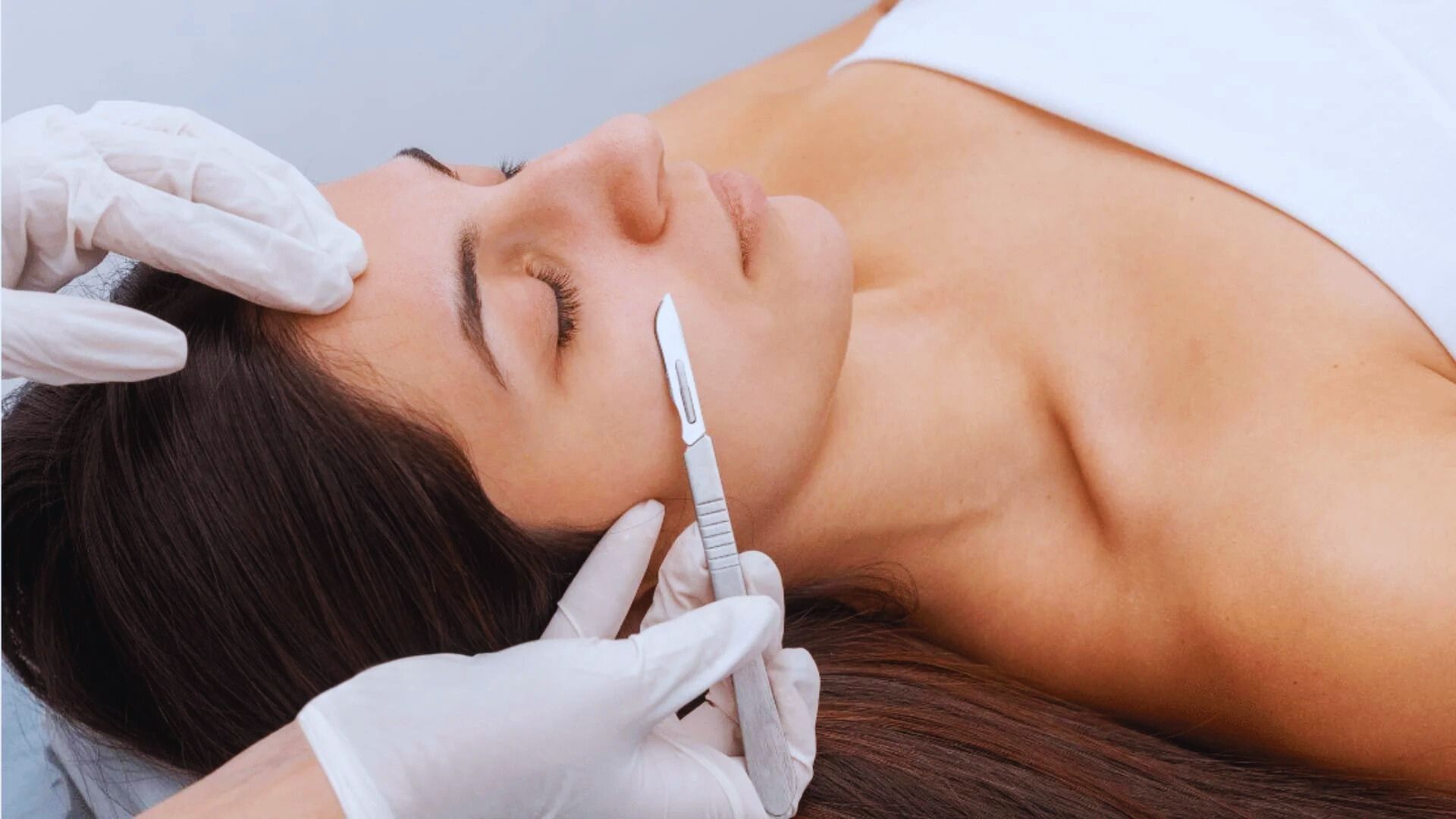
Dermaplaning is a physical exfoliation method where you use a sterile blade to gently scrape off dead skin cells and peach fuzz from your face.
The blade sits at a 45-degree angle against your skin. You use light, feathery strokes to remove the top layer of buildup.
This reveals fresher skin underneath. Your face looks brighter immediately. Makeup goes on smoother too.
It’s not the same as shaving your face with a regular razor. Dermaplaning uses a surgical-grade scalpel designed specifically for this purpose.
Do You Dermaplane on Dry Skin? (Direct Answer)
Yes, dermaplaning should be performed on completely dry skin.
Wet or damp skin changes the way the blade glides. It becomes harder to control. You’re more likely to cut yourself.
Dry skin gives you the grip and resistance you need. The blade removes exactly what you want it to remove without slipping.
Professional estheticians and licensed dermatologists perform dermaplaning on dry skin for this exact reason.
Why You Should Dermaplane on Dry Skin (Dermatologist Reasons)
According to board-certified dermatologists and professional esthetician guidelines, dermaplaning is typically performed on clean, dry skin for several clinical reasons.
Better Precision and Control
Dry skin creates the right amount of friction. When your skin is dry, you can feel exactly where the blade is going. You have complete control over each stroke.
The blade doesn’t skip or slide unpredictably. It moves where you direct it.
Wet skin is slippery. You lose that tactile feedback. Your strokes become uneven.
Reduced Risk of Cuts and Injury
Wet skin stretches and moves under the blade. That movement increases your chance of nicking yourself.
Dry skin stays firm. It doesn’t shift around as much.
Water also makes it harder to see what you’re doing. You need clear visibility to work safely.
More Effective Exfoliation
The blade needs to catch on dead skin cells to remove them. Dry skin allows the blade to grip those cells properly.
When skin is wet, dead cells become soft and pliable. They’re harder to lift away cleanly.
You end up doing multiple passes to get the same result. That’s more irritation for less benefit.
Prevents Product Interference
Any moisture on your skin can interfere with the blade’s movement.
Water, toner, oils, serums – they all create a barrier that reduces effectiveness and safety.
Do Dermatologists Recommend Dermaplaning on Dry Skin?
Yes, most dermatologists and licensed estheticians recommend dermaplaning on dry skin. The dry method is considered the professional standard in medical spas and dermatology offices.
Dermatologists point to three main reasons: safety, effectiveness, and predictability.
Some people ask about using prep solutions or oils.
Dermatologists generally advise against oils during the actual blading process. If a prep solution is used, skin must be completely dry before starting.
Is Dermaplaning With Oil Safe?
No, dermaplaning with oil is not recommended by most skincare professionals.
Oil creates too much slip on the skin surface. The blade can’t grip properly. You lose all control over the blade’s movement.
This increases your risk of cuts significantly. The blade can catch suddenly or skip areas.
Oil also prevents effective exfoliation. Dead skin cells need friction to be removed.
You can cleanse with oil before, but skin must be completely dry and oil-free when you blade.
When You Should NOT Dermaplane
Dry skin is the recommended method, but there are times when you shouldn’t dermaplane at all.
- Don’t do it if you have active acne. The blade can spread bacteria and make breakouts worse.
- Skip it if you have open wounds, cuts, or severely irritated skin. Sunburned skin is off-limits too.
- If you have active cold sores or any skin infection, don’t dermaplane. You’ll spread the infection.
- People with rosacea should be cautious. The physical scraping can trigger flare-ups.
- Very sensitive skin might not tolerate dermaplaning well. Test a small area first.
How to Properly Prepare Skin Before Dermaplaning
Preparation makes all the difference.
Step 1: Cleanse and fully dry the skin
Start with a gentle cleanser to remove all makeup, oil, and dirt. Rinse thoroughly with lukewarm water.
Pat your face completely dry with a clean towel. Wait a few minutes after drying. Sometimes skin feels dry but still has surface moisture.
Your skin should feel tight and matte before you start.
Step 2: Optional prep products (alcohol-free toner, skin prep solution)
Some people like using a skin prep solution first. This isn’t required, but it can help remove any last traces of oil or residue.
Just make sure whatever you use has time to fully evaporate before you blade.
Step 3: Tools you need
You need a dermaplaning blade or tool. Don’t use a regular razor. Single-use sterile blades work best.
You’ll also want good lighting and a magnifying mirror. Keep a clean towel nearby and your post-care products ready.
Step 4: Patch testing
If this is your first time, test the blade on a small area like your jawline.
Wait 24 hours. If there’s no redness or irritation, you’re good to go.
Step-by-Step: How to Dermaplane Safely at Home
Here’s exactly how to do it safely.
- Cleanse and dry skin completely: Double check that your skin is totally dry.
- Hold skin taut: Use your free hand to pull your skin tight. This creates a flat surface for the blade to glide across.
- Use gentle downward strokes: Hold the blade at a 45-degree angle against your skin. Use light, feathery strokes going down. Never go up or sideways. If it’s tugging, your angle is wrong or you’re pressing too hard. Do short strokes, about one to two inches each.
- Avoid sensitive areas: Don’t blade near your eyes or on your eyelids. Skip your nose if it’s bumpy or has active acne. Be extra gentle around your upper lip and chin.
- Apply soothing skincare after: Rinse your face with cool water. Pat dry gently. Apply a hydrating serum immediately. Follow with a gentle moisturizer. Use SPF during the day.
Dry vs Damp vs Oiled Skin for Dermaplaning (Comparison)
Here’s a quick breakdown of what happens with each method so you can see why dry skin is preferred.
|
Skin Condition |
Blade Control |
Safety Level |
Exfoliation Effectiveness |
Verdict |
|
Dry Skin |
Full control and precision. You can feel exactly where the blade moves. |
Safest option. Skin stays firm and doesn’t shift under the blade. |
Highly effective. Blade grips dead skin cells properly for thorough removal. |
This is the recommended method by professionals. |
|
Damp Skin |
Poor control. Blade skips and slides unpredictably across wet surfaces. |
Risky. Slippery skin increases the chance of cuts and nicks. |
Uneven and inconsistent. You’ll miss areas or have to repeat strokes. |
Not recommended. Too risky and ineffective. |
|
Oiled Skin |
Zero control. Too much slip means blade glides without catching anything. |
High risk. You’re sliding a sharp blade with no grip or feedback. |
Completely ineffective. Blade can’t grip dead cells to remove them. |
Avoid this method. Oil prevents proper exfoliation. |
The choice is clear when you see it laid out like this.
Dermaplaning Risks and Safety Considerations
Like any skincare procedure involving a blade, dermaplaning carries some risks you should know about.
Infection risk exists if you use dirty tools or touch your face with unwashed hands. Use sterile blades and practice good hygiene.
Skin barrier damage can happen if you dermaplane too frequently or press too hard. This leads to sensitivity and increased moisture loss.
Hyperpigmentation may develop if you dermaplane and then expose unprotected skin to sun. Wear SPF after dermaplaning.
Cuts and nicks can occur if the blade angle is wrong or skin is wet. This is why the dry skin method is so important.
Breakouts might happen if bacteria spreads from active acne or if you use dirty tools.
Most risks are preventable with proper technique, clean tools, and appropriate aftercare. If you have concerns, consult a dermatologist first.
Common Dermaplaning Mistakes That Damage Skin
- Using a dull blade makes you tug and pull at your skin. Use fresh, sharp blades.
- Pressing too hard is another big one. You don’t need pressure. Let the blade do the work.
- Going over the same area repeatedly causes irritation. Two passes maximum per section.
- Dermaplaning too often damages your skin barrier. Wait three to four weeks between sessions.
- Using the wrong angle makes the blade ineffective or dangerous. Keep it at 45 degrees.
Benefits of Dermaplaning on Properly Prepped Dry Skin
When you do it right, the results are worth it.
- Your skin looks immediately brighter and smoother. Makeup applies flawlessly. Foundation doesn’t cake or settle into fine lines.
- Skincare absorbs better. Serums and moisturizers can actually penetrate.
- Fine lines look less noticeable. The exfoliation creates a more even surface.
Who Should Avoid Dermaplaning Completely?
If you have thick, coarse facial hair, dermaplaning might not work well. The blade is designed for peach fuzz.
People with very thin or fragile skin should skip it. Anyone with a bleeding disorder should avoid dermaplaning.
If you’re on blood thinners, talk to your doctor first.
People with certain skin conditions like eczema or psoriasis should consult a dermatologist.
Expert Tips for Safer Dermaplaning Results
- Invest in quality blades. Cheap ones dull quickly and increase injury risk.
- Work in good lighting. You need to see every detail.
- Go slow. Rushing leads to mistakes.
- Keep your blade clean during the process. Wipe it on a tissue between strokes.
- Store unused blades properly. Keep them sealed and sterile.
- Take breaks if your hand gets tired. A shaky hand is a dangerous hand.
- Listen to your skin. If something hurts or feels wrong, stop immediately.
Conclusion
Dermaplaning is typically performed on dry skin for good reason.
Wet or oiled skin creates safety and effectiveness problems. Dry skin gives you the control professionals rely on for safe results.
The dermatology consensus supports the dry method for both safety and effectiveness. Start with clean, completely dry skin, use the right tools, and take your time.
Your skin will thank you with that smooth, glowing look that makes all the effort worth it. Remember to wait between sessions and protect your skin with SPF.
Be aware of the risks and follow proper technique to avoid complications.
Have you tried dermaplaning before, or will this be your first time?
Frequently Asked Questions
Can I dermaplane if I have dry skin type?
Yes. Having a dry skin type doesn’t prevent dermaplaning. “Dry skin” refers to the skin being completely dry during the procedure, not your skin type. Moisturize well afterward.
How often should I dermaplane my face?
Dermaplane every three to four weeks. Your skin needs time to regenerate between sessions. More frequent dermaplaning can damage your skin barrier and cause irritation.
Will my facial hair grow back thicker after dermaplaning?
No. Dermaplaning does not change your hair texture or thickness. The hair grows back exactly the same as before. This is a common myth with no scientific basis.
Can I dermaplane and use retinol on the same day?
No. Avoid retinol for 48 hours after dermaplaning. Your skin is sensitive after exfoliation, and retinol can cause excessive irritation. Wait before reintroducing strong actives.
Is dermaplaning better than chemical exfoliation?
They work differently and both have benefits. Dermaplaning provides immediate physical exfoliation and removes hair. Chemical exfoliants penetrate deeper over time. Many people use both on alternating schedules.