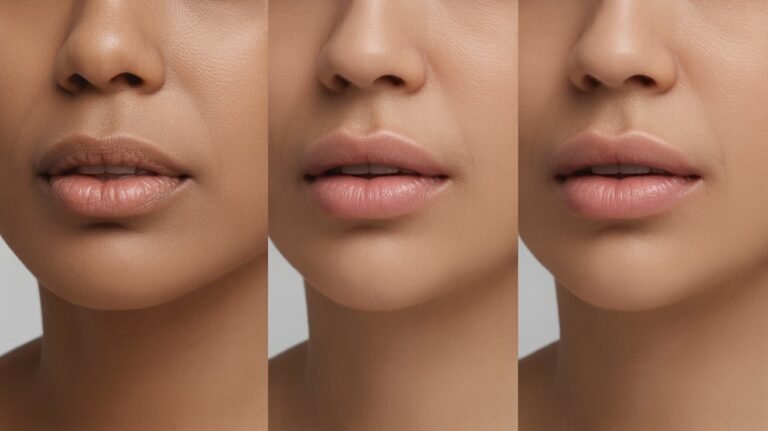
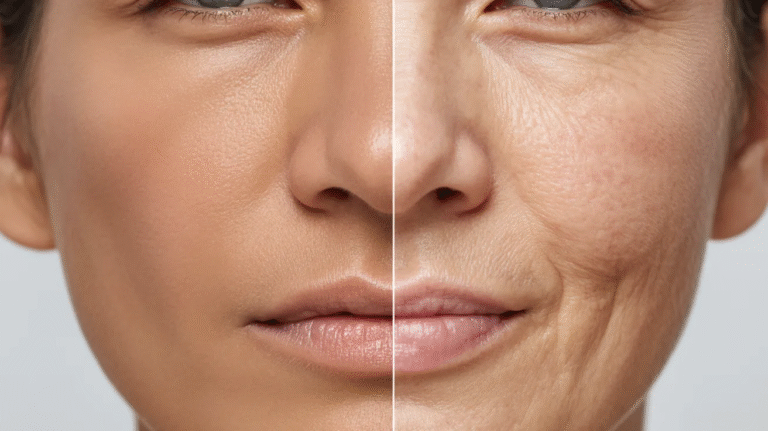
Is It Normal to Break Out After a Facial? What to Do

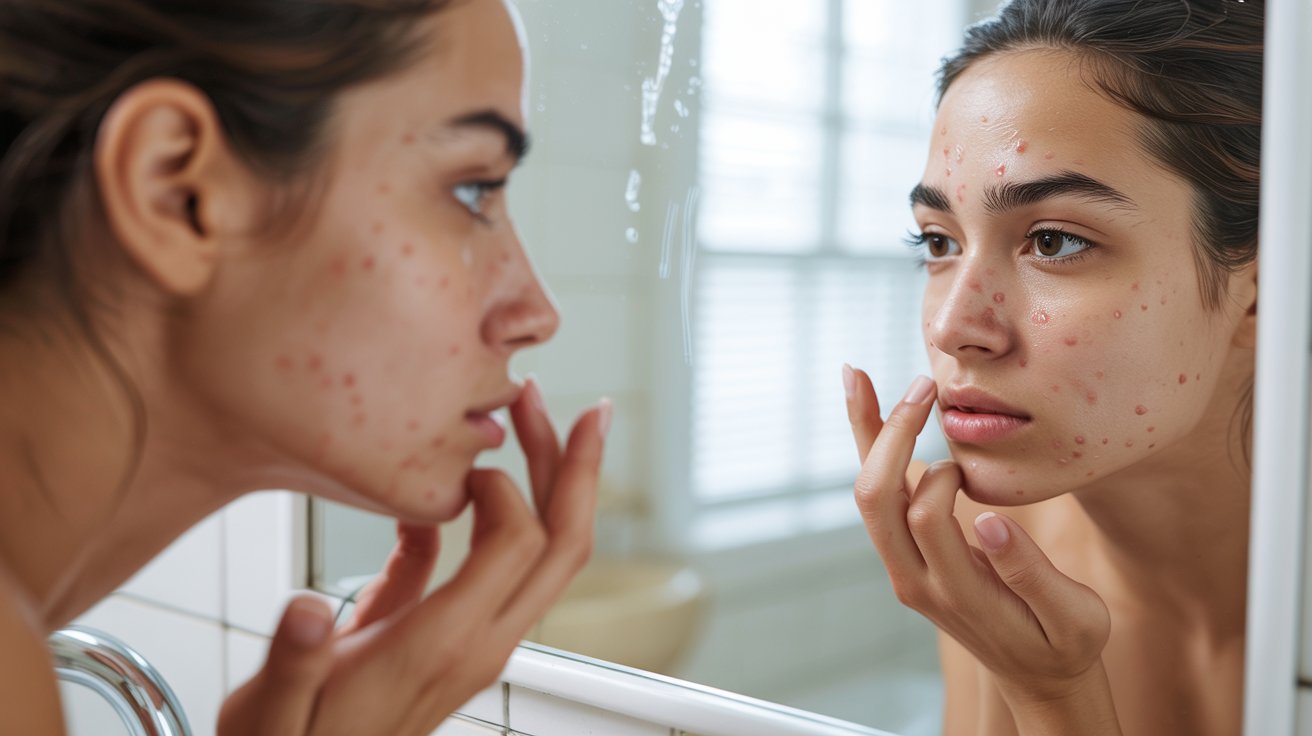
You just got a facial. Your skin was supposed to look fresh and clear. Instead, you woke up with new pimples staring back at you. I have been there, and I know how defeating that feels.
So, is it normal to break out after a facial? Yes, it often is.
But not always for the same reason. In this blog, I will cover why it happens, how to tell purging from a real reaction, what to do next, and when to call a dermatologist.
This article summarizes common guidance shared by dermatologists and licensed estheticians. You will leave with clear answers and a simple action plan.
Let’s get started.
Is It Normal to Break Out After a Facial? (What You Need to Know)
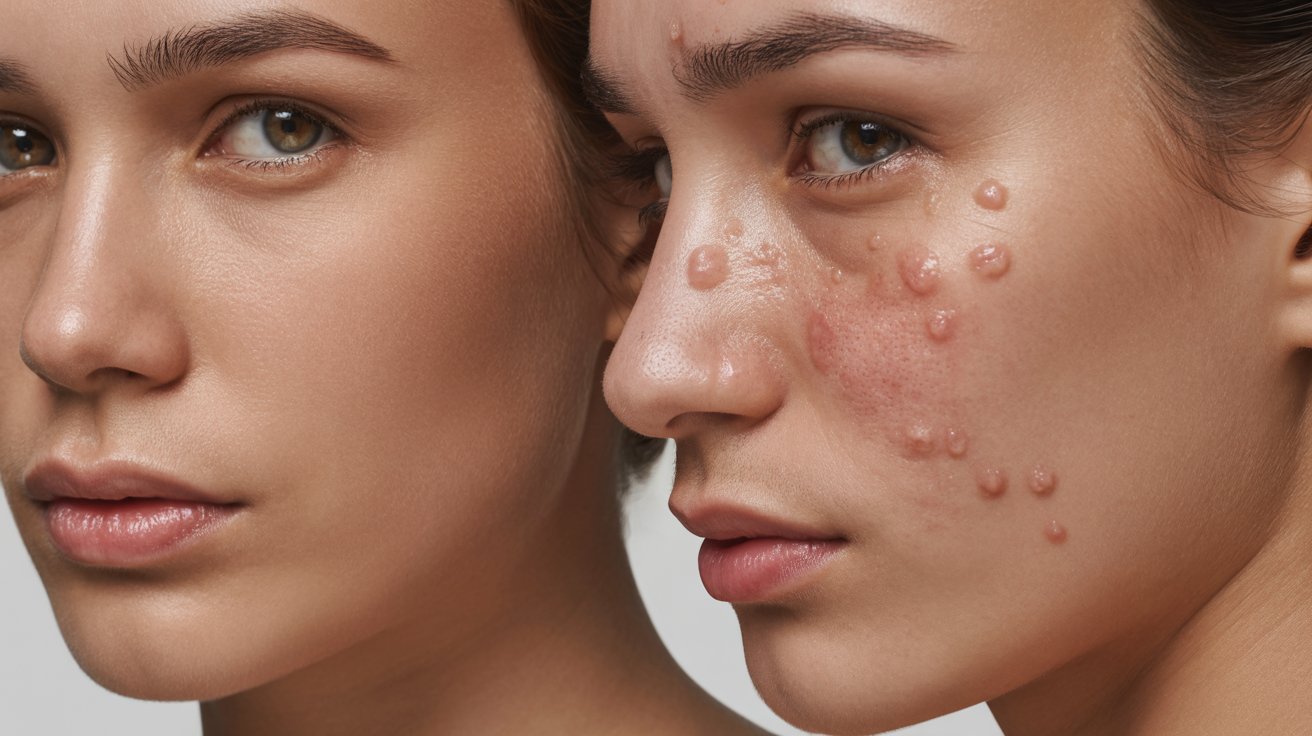
Yes, it is normal to break out after a facial. Dermatologists and licensed estheticians both recognize this as a common post-treatment response.
Your skin goes through a lot during a facial. It gets steamed, exfoliated, extracted, and layered with multiple products. That triggers activity deep in your pores.
Some people see a few small pimples. Others see more. Both responses can be completely normal, depending on the cause.
The key is knowing why it happened. That changes everything about how you handle it.
Why Do You Break Out After a Facial?
There are a few reasons this happens.
Skin Purging (Deep Cleaning Effect)
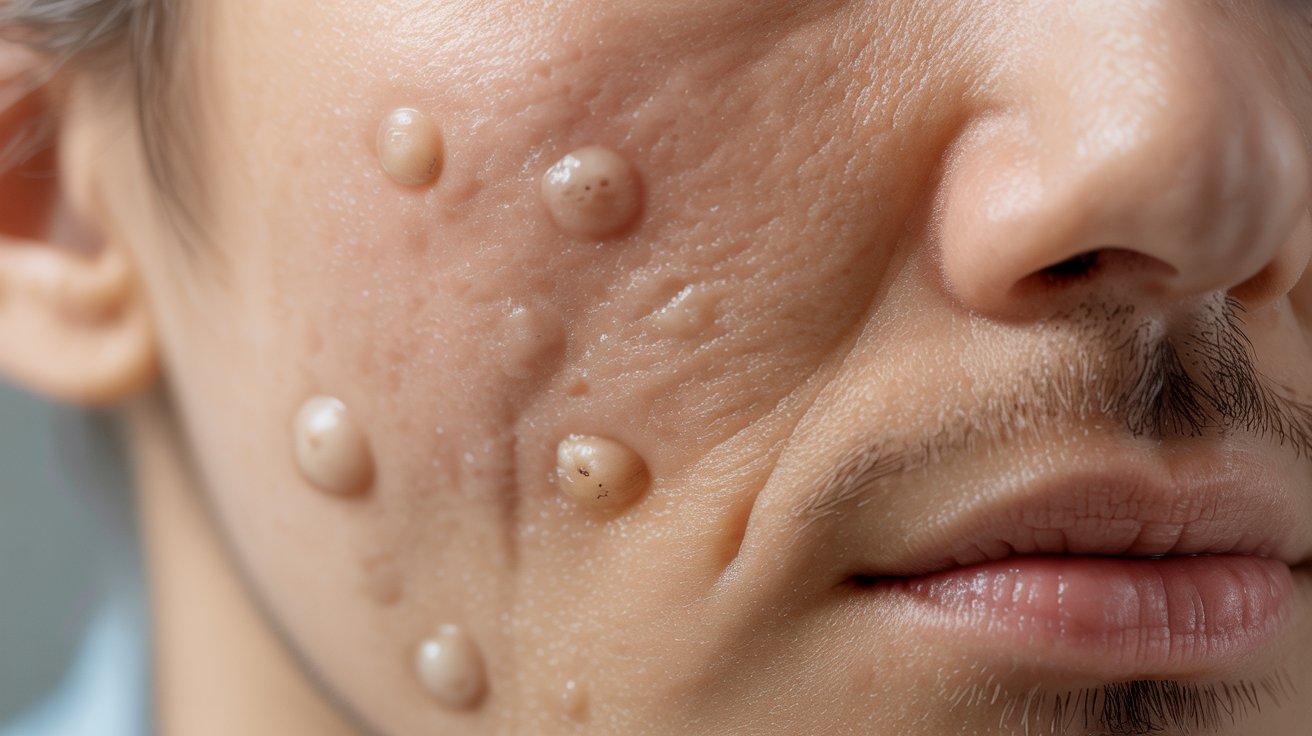
A facial speeds up your skin’s cell turnover rate. This pushes trapped sebum, dead cells, and debris up to the surface.
It can show up as whiteheads or small pimples, usually in your normal acne zones. This is often purging. It can be a sign your skin is clearing itself out, but not always.
In some cases, it may still be irritation from the treatment.
Purging typically settles within one to two weeks, though in some cases it can last up to four weeks, especially after stronger exfoliation treatments.
Product Reaction or Sensitivity

Some ingredients used during facials do not suit every skin type.
A serum, acid, or mask that works for one person can trigger irritation in another. If you break out in spots you normally do not, a product reaction is likely the cause.
Bacteria or Hygiene Issues
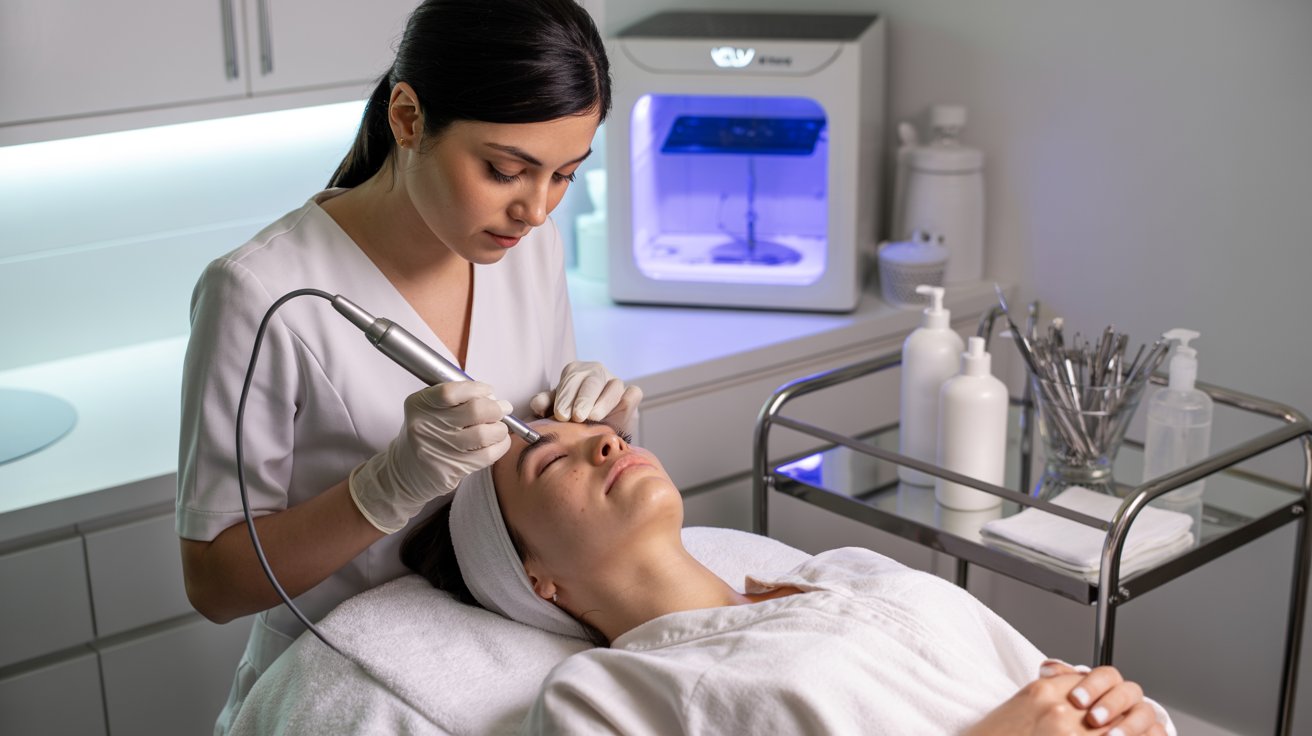
If tools or hands used during the facial were not properly sanitized, bacteria can transfer onto your skin.
This often shows up as breakouts in unusual areas. It is one reason hygiene standards at your spa or clinic matter a lot.
Over-Exfoliation or Aggressive Treatment
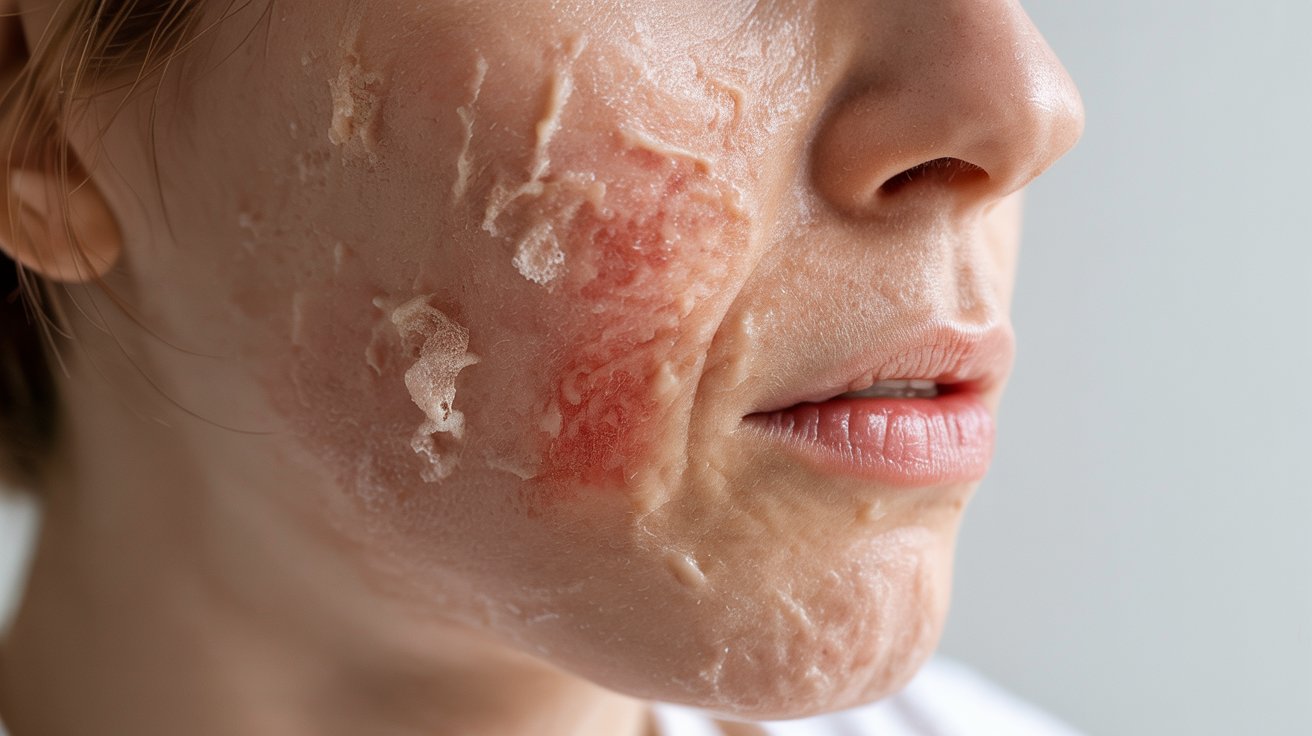
Too much exfoliation strips your skin barrier. When the barrier is damaged, your skin loses moisture and becomes more vulnerable to bacteria.
This can trigger inflammation and breakouts. A deep peel or harsh extraction session can push your skin past its limit.
Skin Type Mismatch
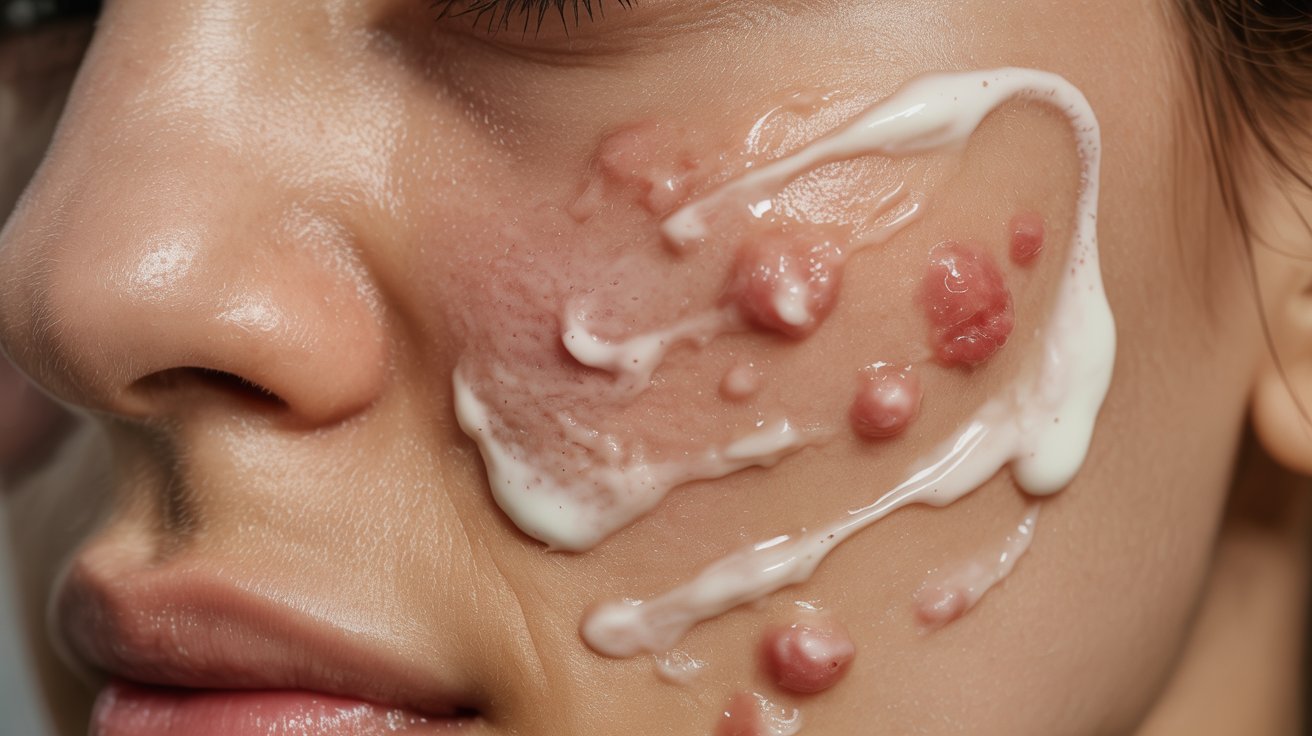
Not every facial suits every skin type. Heavy oils or rich products used on acne-prone skin can clog pores fast.
Getting a treatment matched to your skin type directly affects how your skin responds.
Fungal Acne or Folliculitis
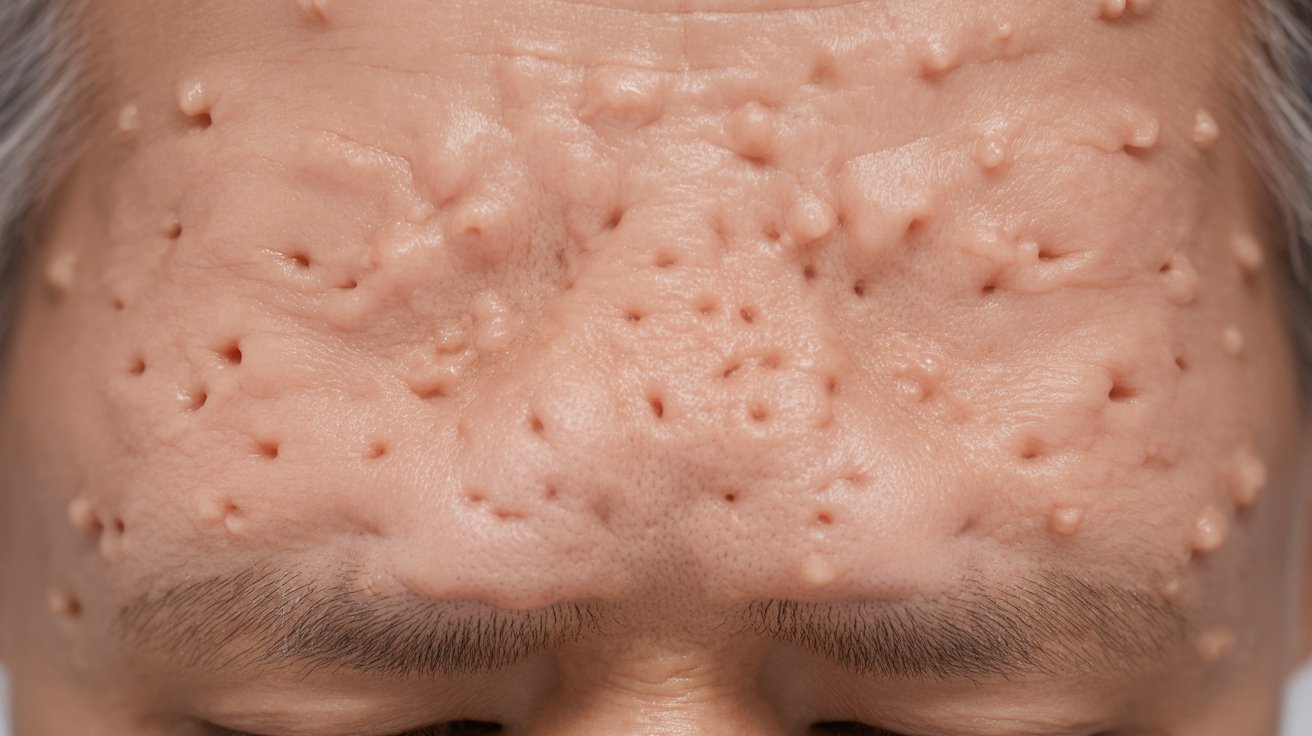
This one often gets missed. Sometimes what looks like a post-facial breakout is not acne at all. It could be fungal acne (Malassezia folliculitis) or bacterial folliculitis.
Facials can trigger this in a few ways. The heat and steam during treatment create a warm, moist environment where yeast and bacteria can thrive.
Occlusive products used during the facial can also trap that environment against the skin, encouraging overgrowth.
The result looks like small, uniform bumps, often on the forehead or cheeks. They do not respond to regular acne treatments.
If your breakout looks unusual or is not clearing, see a dermatologist for a proper diagnosis.
Skin Purging vs Breakout: How to Tell the Difference
This is where most people get confused. Here is a simple comparison:
| Factor | Skin Purging | Regular Breakout |
|---|---|---|
|
Cause |
Accelerated cell turnover from treatment |
Product reaction, bacteria, or clogged pores |
|
Timing |
Shows up within a few days |
Appears one to two weeks after the facial |
|
Location |
Same spots where you normally break out |
New or unusual areas of the face |
|
Duration |
Clears up within two to four weeks |
Lasts longer than four weeks |
|
Type of pimples |
Small whiteheads or surface-level pimples |
Larger, inflamed, or cystic pimples |
If it looks like purging and stays in your usual breakout zones, give your skin time. If it is in new spots and not clearing within a month, something else is likely going on.
Post-Facial Skin Timeline: What to Expect
Let’s have a quick look at the timeline of post-facial skin:
- Day 1 to 3: Mild redness, sensitivity, and tightness are normal. Your skin is in recovery mode.
- Day 3 to 7: You may see purging begin. Small pimples or whiteheads in your usual acne areas are common.
- Week 1 to 2: Purging should start to ease. Keep your routine gentle.
- Week 2 to 4: Most reactions fully settle by this point.
- Beyond 4 weeks: If breakouts are still active or getting worse, see a professional.
Is It Normal or Not? A Clear Breakdown
Normal post-facial responses include mild pimples or whiteheads in your usual breakout zones, light redness or sensitivity for one to three days, and surface-level congestion that clears within two to four weeks.
Not normal responses include severe inflammation or a spreading rash, deep cystic pimples that were not there before, signs of infection like swelling or oozing, uniform small bumps that itch and do not come to a head, and anything that gets worse by the day instead of better.
If your skin falls into the second group, stop treating it at home and see a dermatologist.
What to Do If You Break Out After a Facial
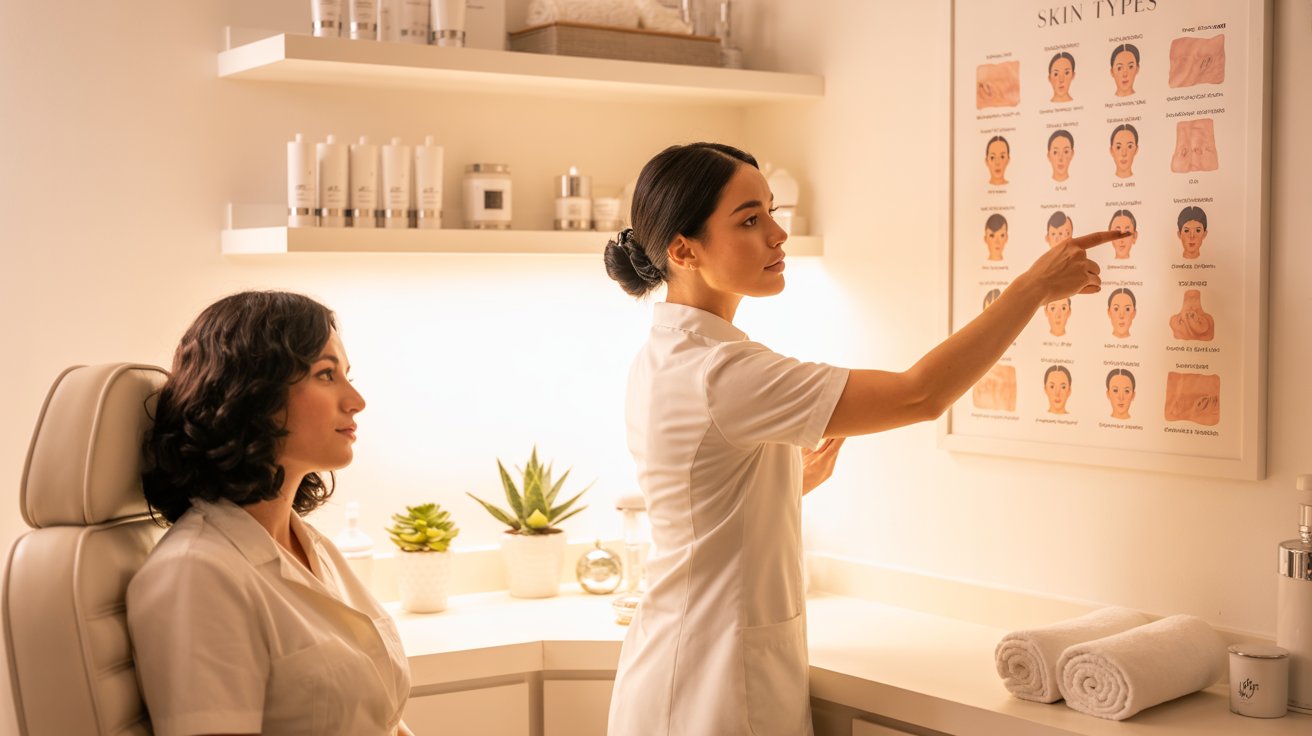
Here are the steps I personally follow when this happens.
Do this:
- Use a gentle, fragrance-free cleanser twice a day.
- Apply a simple, non-comedogenic moisturizer.
- Use SPF every morning without skipping.
- Apply a spot treatment with salicylic acid or niacinamide directly on pimples only.
- Use products with ceramides, centella asiatica, or aloe vera to help repair your skin barrier.
Do not do this:
- Do not pick or pop any pimples.
- Do not use harsh scrubs or exfoliants.
- Do not try new products while your skin is reacting.
- Do not wear heavy makeup for at least 24 hours post-facial.
- Do not wash your face with hot water.
Repairing Your Skin Barrier
If your skin feels tight, dry, or stings after the facial, your barrier may be damaged. A weakened barrier lets bacteria in and moisture out, which creates ideal conditions for breakouts.
Use a ceramide-based moisturizer or a dedicated barrier cream to help it recover. Keep your routine short and consistent until your skin stabilizes.
How to Prevent Breakouts After Future Facials
Follow the following steps to prevent the breakouts:
Choose the Right Facial for Your Skin Type
Ask your esthetician specifically what the facial involves before you book. For acne-prone or oily skin, look for treatments focused on deep cleansing and oil control. Avoid facials that use rich, occlusive products on congestion-prone skin.
Communicate With Your Esthetician
Tell them your full skin history before the session starts. Mention previous breakouts after treatments, ingredient sensitivities, and current products you use. A good esthetician will adjust their approach based on what you share.
Ask About Ingredients and Sensitive Skin Options
If you have reactive skin, ask whether products can be tested on a small area before full application. You can also ask your esthetician to use low-comedogenic products and to avoid heavily occlusive ingredients. This simple conversation can prevent a lot of post-facial issues.
Avoid Facials Before Important Events
Book your facial at least seven to ten days before any big event. If your skin does purge or react mildly, it will have time to settle before you need to look your best.
Follow Proper Aftercare
Stick to a minimal routine for 48 to 72 hours after the facial. Wear sunscreen. Avoid heat, sweat, and heavy products. Your skin is more vulnerable right after treatment and needs time to recover properly.
When Should You See a Dermatologist?
See a dermatologist if your breakout lasts more than four weeks, if you have cystic or painful pimples that were not present before, if you notice signs of infection like swelling or oozing, or if your skin gets significantly worse after every facial you try.
A dermatologist can assess your skin properly, rule out infections like folliculitis, and give you a plan that fits your actual skin type.
The American Academy of Dermatology recommends professional consultation any time a skin reaction does not resolve on its own within a reasonable time.
Conclusion
Breaking out after a facial is common, and in most cases it is nothing to panic about. I have dealt with it myself and learned that understanding the cause makes a real difference.
Most of the time it is purging or a mild reaction that clears within a few weeks. Keep your routine simple, protect your skin barrier, and resist the urge to pick.
If your skin keeps reacting badly after every facial, that is a clear signal to speak with a dermatologist rather than simply switching spas.
With the right approach, facials can support healthier skin over time.
Have you ever broken out after a facial and figured out what caused it?
Frequently Asked Questions
Can you break out after a facial even with clean skin?
Yes. Even well-maintained skin can break out after a facial due to purging or a product reaction. Clean skin does not make you immune to post-treatment sensitivity.
Is it normal to break out after a facial if you have dry skin?
It can happen. Dry skin can react to active ingredients or exfoliation used during the treatment, and a compromised barrier from over-exfoliation is especially common in dry skin types.
How do I know if my post-facial breakout is fungal and not regular acne?
Fungal breakouts often appear as small, uniform bumps that itch slightly and do not come to a head. They usually do not respond to standard acne treatments. A dermatologist can confirm this with a proper skin assessment.
Should I tell my esthetician if I break out after a facial?
Yes, always. Sharing your reaction gives them the information they need to adjust products and techniques for your next session, which reduces the chance of it happening again.
Can I wear sunscreen after breaking out post-facial?
Yes, and you should. Use a lightweight, non-comedogenic mineral sunscreen. Skipping SPF after a facial can worsen irritation, especially when your skin is already sensitive or inflamed.