Why Do Acrylic Nails Burn During Application? Full Guide

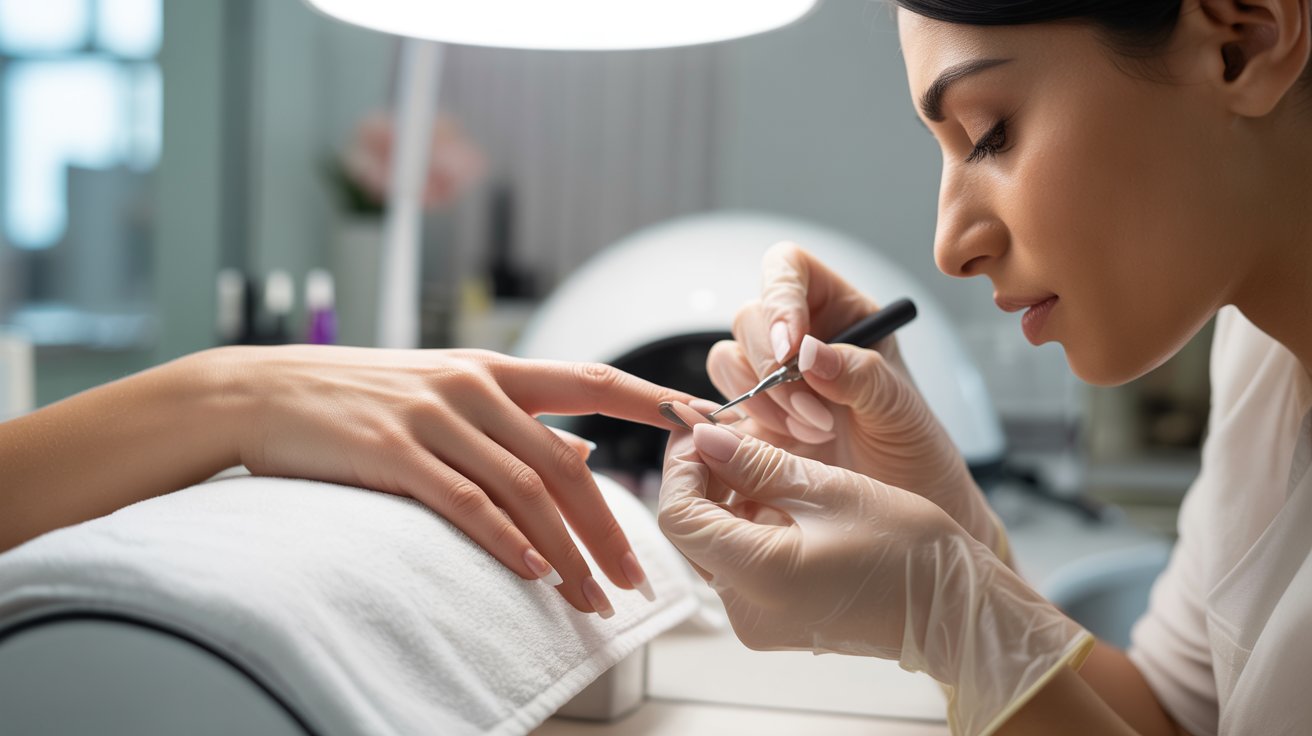
Acrylic burns because the liquid monomer and powder polymer create an exothermic chemical reaction that releases heat during curing.
When applied too thick or on thin nails, this heat becomes intense and uncomfortable.
You’re here because you’ve felt that sharp burning sensation during an acrylic application, and you want real answers.
This guide explains why acrylic nails burn, what triggers the heat, and how to prevent it from happening again.
We’ll cover the chemistry behind the reaction, common application mistakes, warning signs, and safety tips.
As someone who has worked with acrylics for years and researched the science behind nail products, this information comes from hands-on experience.
Let’s get started.
What Is Acrylic Burn?
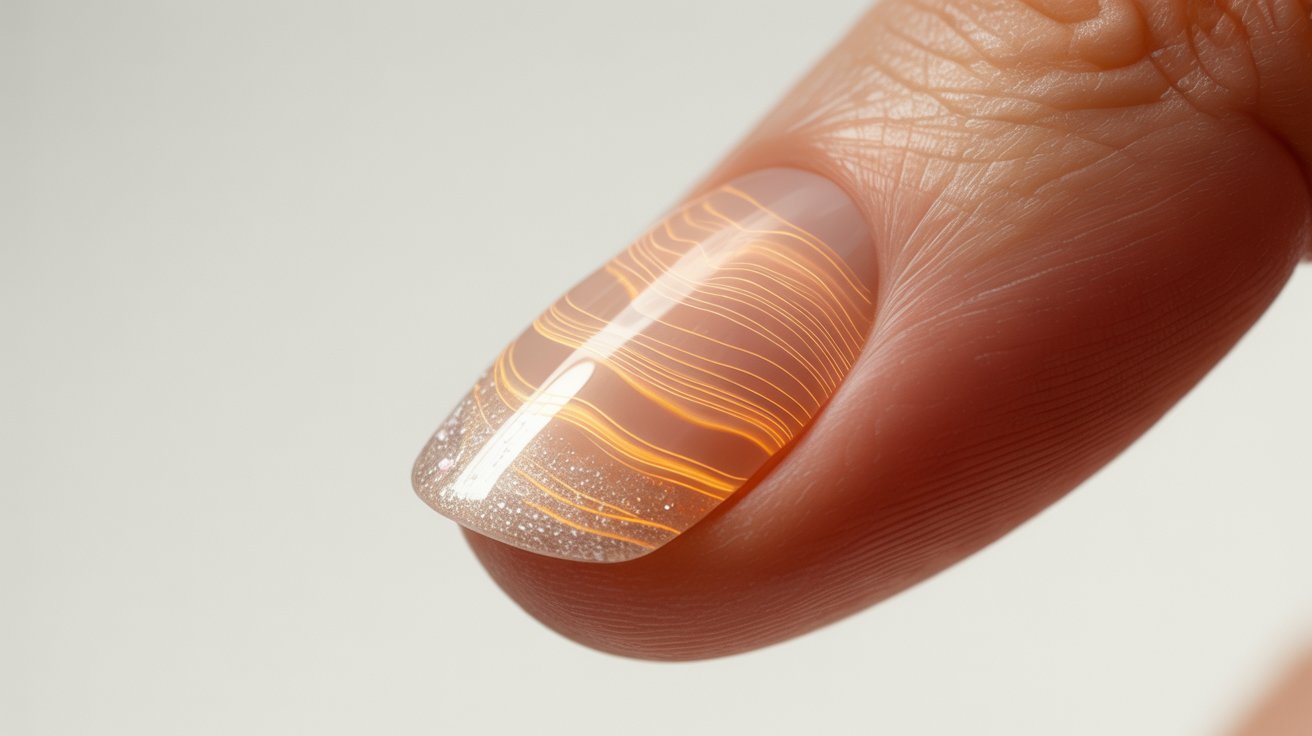
Acrylic burn is the hot or burning sensation felt when acrylic product cures on your natural nail.
The heat comes from polymerization, a chemical process where liquid and powder bond together to form a solid.
Simply put, the product hardens by creating heat while turning from liquid to solid.
This isn’t a thermal burn like touching a hot surface. Instead, the sensation results from heat generated by molecular bonding happening directly on your nail plate.
The intensity ranges from mild warmth to sharp, uncomfortable heat. Most people feel it within seconds of application and it typically lasts 10 to 30 seconds.
Quick Answer: Why Do Acrylic Nails Burn?
Acrylic nails burn because a heat-producing chemical reaction occurs when the liquid and powder harden together.
Burning becomes intense when the product is applied too thick, nails are thin, or the mixture cures too quickly.
Main causes include:
- Heat from the chemical curing reaction
- Product applied too thick
- Over-filed or naturally thin nails
- Incorrect liquid-to-powder ratio
- Fast-setting or low-quality products
- Direct skin contact with chemicals
Why Do Acrylic Nails Burn? (Main Causes Explained)
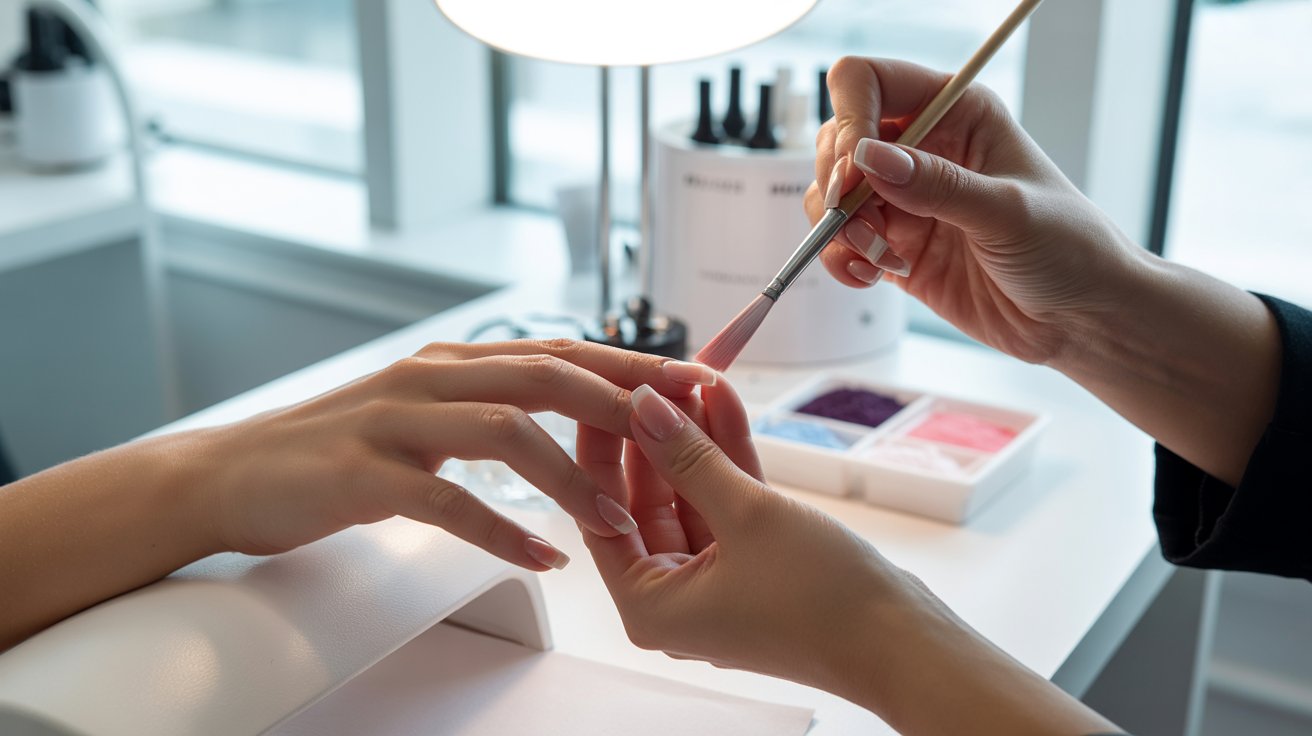
Understanding what triggers the heat helps you prevent it from happening again.
1. Exothermic Chemical Reaction (Primary Cause)
When acrylic liquid and powder mix, they undergo polymerization. Simply put, this means the molecules bond together to harden. This bonding process releases energy as heat.
In normal conditions, this heat dissipates naturally. Problems occur when heat builds faster than it can escape. The reaction speeds up in warmer environments, creating more heat in less time.
2. Product Applied Too Thick
Thick acrylic layers concentrate the reaction in one area. Heat becomes trapped with nowhere to go.
Thin, controlled layers allow heat to spread across the nail surface and into the air. Thick globs create hot spots that transfer directly to the nail bed below.
3. Over-Filed or Thin Nail Plate
Your natural nail acts as insulation between the chemical reaction and sensitive tissue underneath. When filed too aggressively, this protective barrier thins.
The American Academy of Dermatology states that repeated trauma and chemical exposure can weaken nails and increase sensitivity during cosmetic treatments.
Some people naturally have thin nails, making them more susceptible to burning sensations regardless of application technique.
4. Incorrect Monomer-to-Polymer Ratio
The liquid-to-powder ratio controls reaction speed. Too much powder creates a dry mixture that cures rapidly, generating concentrated heat.
Professional formulations specify exact ratios for optimal curing. Deviating from these changes how fast the product hardens and how much heat it produces.
5. Fast-Setting Monomers or Low-Quality Products
Some acrylic systems use monomers that cure faster than standard formulas.
Higher concentrations of certain chemicals like EMA (ethyl methacrylate) can accelerate the hardening process.
Faster curing means more heat produced in less time. Budget products often use harsh formulations that react unpredictably.
6. Direct Skin Contact With Chemicals
Acrylic monomer is a skin sensitizer.
When liquid product or uncured mixture touches skin, it causes immediate irritation or burning. The cuticle area and sidewalls are particularly vulnerable.
Why Do Nails Burn During Acrylic Application Under Lamps?
Traditional acrylic systems cure through air exposure, not light. They don’t require UV or LED lamps.
If you experience burning under a lamp, you’re likely using gel polish over acrylics, hard gel extensions, or polygel (an acrylic-gel hybrid).
These products cure when light triggers the hardening reaction, which also generates heat. The burning mechanism differs from traditional acrylic but feels similar.
Acrylic vs Gel vs Dip Powder: Heat Comparison
Different nail systems produce varying amounts of heat during application:
| Nail System | How It Cures | Heat Level |
|---|---|---|
| Acrylic | Air chemical reaction | Medium-high |
| Gel | UV/LED curing | High if thick |
| Dip Powder | Air drying layers | Low |
| Polygel | Hybrid curing | Medium |
Acrylic generates heat through air-activated polymerization. Heat level depends on application thickness and product ratio.
Gel produces heat through light-activated curing. Thicker gel layers under lamps can create intense burning, especially with LED lights.
Dip powder creates minimal heat since it air-dries in thin layers without chemical mixing. This makes it gentler for sensitive nails.
Polygel combines both methods but typically produces less heat than traditional acrylic due to slower curing.
If acrylic consistently burns, these alternatives might work better for your nails.
Is the Acrylic Nail Burning Sensation Normal or Dangerous?
Brief, mild warmth during application is expected. The reaction naturally produces some heat.
Concerning signs include sharp pain instead of warmth, burning lasting over 60 seconds, throbbing after application ends, or visible nail damage.
Repeated intense heat exposure can damage the nail matrix, the growth center beneath your cuticle.
While occasional mild warmth is harmless, consistent painful burning signals a problem.
Signs You’re Experiencing an Acrylic Burn
Know what to watch for so you can respond quickly and protect your nails.
- Sudden intense heat during application that feels sharp rather than warm.
- Persistent sensitivity or throbbing after the product fully cures.
- Redness, swelling, or inflammation around the nail area.
- White patches on the nail plate indicating heat damage.
- Product lifting within days due to compromised nail adhesion.
What to Do If Acrylic Burns Your Nails or Skin
Stop application immediately. Remove the product before it fully cures if burning is severe.
Cool the area with cold water or ice wrapped in cloth. This halts the reaction and reduces irritation.
For DIY applications, soak off the acrylic using acetone. For salon services, inform your technician right away.
If skin contacts the chemicals, wash thoroughly with soap and water. Monitor for allergic reaction signs like persistent redness or swelling.
Don’t apply additional products until your nails recover.
How Your Nails Recover After Burning
Surface sensitivity should improve within 2-3 weeks as the immediate trauma heals. Full nail replacement takes 3-6 months since nails grow about 3mm per month.
During recovery, nails may feel temporarily weak or sensitive. This improves as a healthy nail replaces damaged areas from the base outward.
Support healing by keeping nails moisturized, avoiding harsh chemicals, and giving them a break from enhancements.
Some people use biotin supplements to support nail strength, though results vary depending on individual health and diet.
If visible damage or pain persists beyond 2-3 weeks, consult a dermatologist. Severe burns may require professional treatment.
How to Prevent Acrylic Nails From Burning
These tips work whether you’re a client, DIY user, or professional nail technician.
For Nail Clients
- Select experienced, licensed nail technicians who understand proper application.
- Communicate immediately if you feel discomfort. Good technicians adjust based on your feedback.
- Ensure proper nail preparation without excessive filing.
- Avoid appointments on extremely hot days when possible.
For DIY Users
- Work in a temperature-controlled space. Aim for 68-72°F for optimal curing.
- Master the correct liquid-to-powder ratio. The bead should be smooth and workable.
- Apply thin layers, building gradually.
- Practice on nail tips before working on natural nails.
For Nail Technicians
- Assess nail plate thickness before application.
- Use professional-grade products with consistent formulations.
- Perfect your bead size and application speed.
- Monitor room temperature and adjust ratios seasonally.
- Observe client reactions during application.
Acrylic Burn vs Allergic Reaction: Key Differences
Acrylic burning occurs during application. Its immediate heat from the hardening reaction. The sensation peaks quickly and subsides as curing completes.
Allergic reactions develop gradually. Symptoms appear hours to days post-application. They include persistent itching, rash-like bumps, redness, and swelling that worsens over time.
Burning can happen once due to application error. Allergies worsen with repeated exposure.
If you suspect an allergy, discontinue acrylic use and consult a dermatologist.
Can Acrylic Burns Cause Permanent Nail Damage?
Most acrylic burns heal completely without lasting effects. Temporary sensitivity resolves as new nail grows.
Severe or repeated heat damage can harm the nail matrix. This may cause permanent ridges, irregular texture, discoloration, or altered growth patterns.
Prevention is far easier than treating damaged nails. If you experience repeated burning, identify and correct the cause.
Expert Safety Advice for Acrylic Application
Following these guidelines keeps your nails healthy while you enjoy acrylics.
- Patch test new products before full application. Apply to one nail and wait 48 hours.
- Never ignore pain signals. Discomfort indicates your body’s protective response.
- Give nails regular breaks between acrylic sets. Continuous wear stresses the nail plate.
- Maintain nail and cuticle health with regular moisturizing.
- Consider alternative systems if acrylic consistently causes problems.
- Stay informed about the products contacting your nails.
Conclusion
Now you know why acrylic nails burn and what you can do about it.
That burning sensation comes from chemical reactions, application mistakes, or sensitivity issues. You’re not imagining it, and you don’t have to accept it as normal.
I’ve walked you through the causes, from exothermic reactions to thick application and thin nail plates.
You’ve learned how to spot the warning signs and what to do if burning happens. Most importantly, you know how to prevent it from ruining your next nail appointment.
Take care of your nails. Use quality products. Work with skilled technicians who listen to your concerns. Your nail health matters more than any manicure.
Give your nails time to recover if you’ve experienced burning. They’ll thank you for it.
What will you do differently next time you get acrylics?
Frequently Asked Questions
How long should acrylic nails burn during application?
Mild warmth lasting 10-30 seconds is normal. Burning beyond 60 seconds indicates a problem.
Can you apply acrylic on burned nails?
No. Wait for complete recovery before reapplication to avoid additional damage.
Does acrylic burn more on natural nails or tips?
Natural nails burn more because heat transfers directly to the nail bed underneath.
Why do my nails only burn sometimes with acrylic?
Variables like temperature, ratios, application thickness, and nail condition change between appointments.
Is it normal for acrylic to feel hot during curing?
Yes. Brief warmth from the chemical reaction is expected and harmless.