Can You Put a Pimple Patch on an Ingrown Hair? Does It Work?

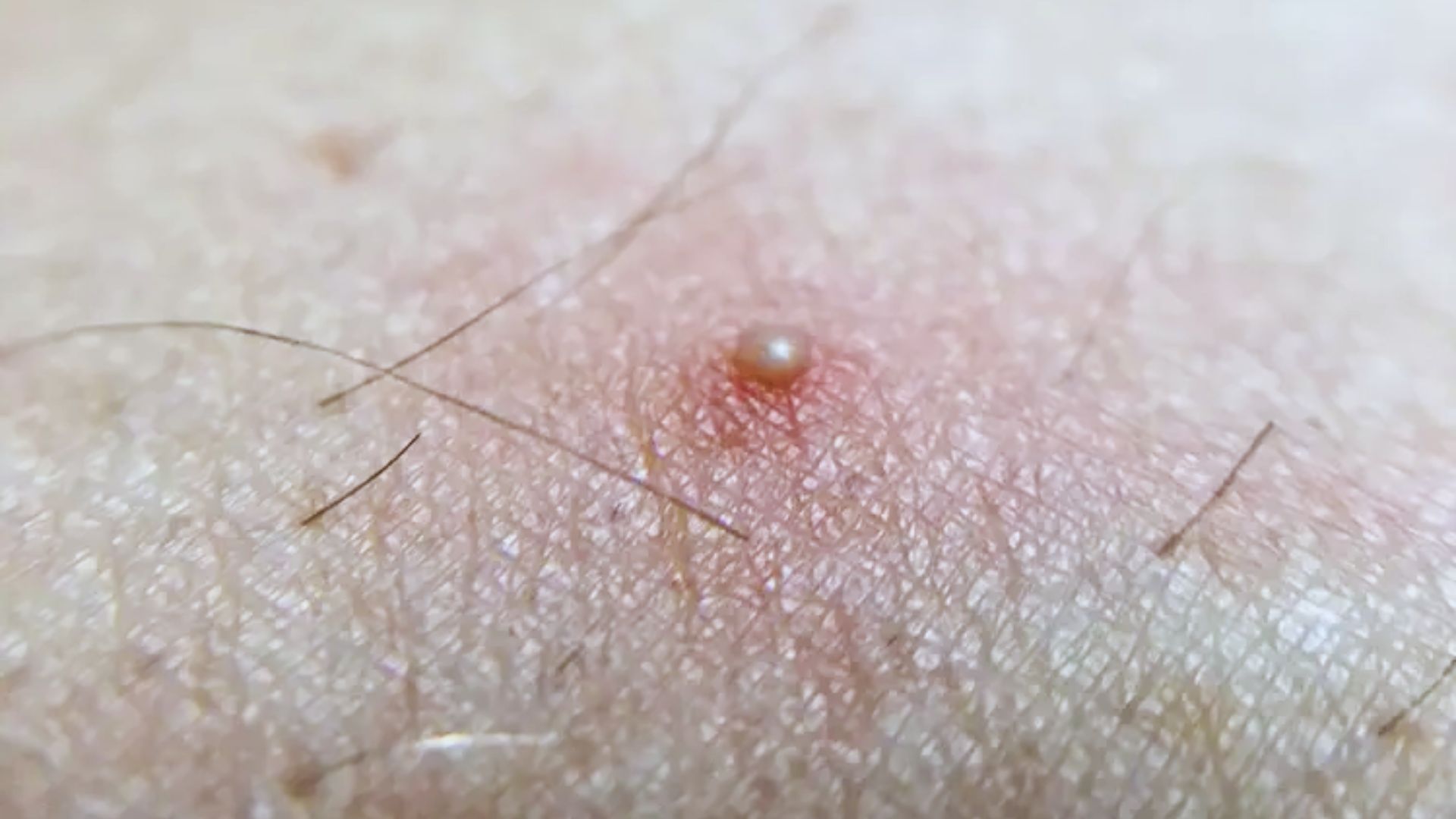
I’ve dealt with ingrown hairs for years, and I know how frustrating those red, painful bumps can be.
You might be wondering: can a pimple patch actually help?Here’s what I found.
Pimple patches can work on inflamed ingrown hairs, but they won’t solve every case. They absorb fluid, protect the area, and calm irritation.
However, they can’t pull out deeply trapped hair.In this article, I’ll explain when pimple patches help, when they don’t, and what steps actually work.
I’ve tested different methods myself, so you’ll get practical advice that makes sense.
Let’s fix this problem together.
Quick Answer: Does It Work?
ALT: cant generate
Pimple patches can help with certain ingrown hairs. They work best when there’s inflammation, fluid, or swelling.
Here’s what they can and can’t do:
What works:
- Helps with inflamed, fluid-filled bumps
- Protects skin and reduces irritation
- Supports healing environment
What doesn’t work:
- Does not remove trapped hair
- Less effective for deep or hard ingrown hairs
- Won’t help if there is no inflammation
When You Can Use a Pimple Patch
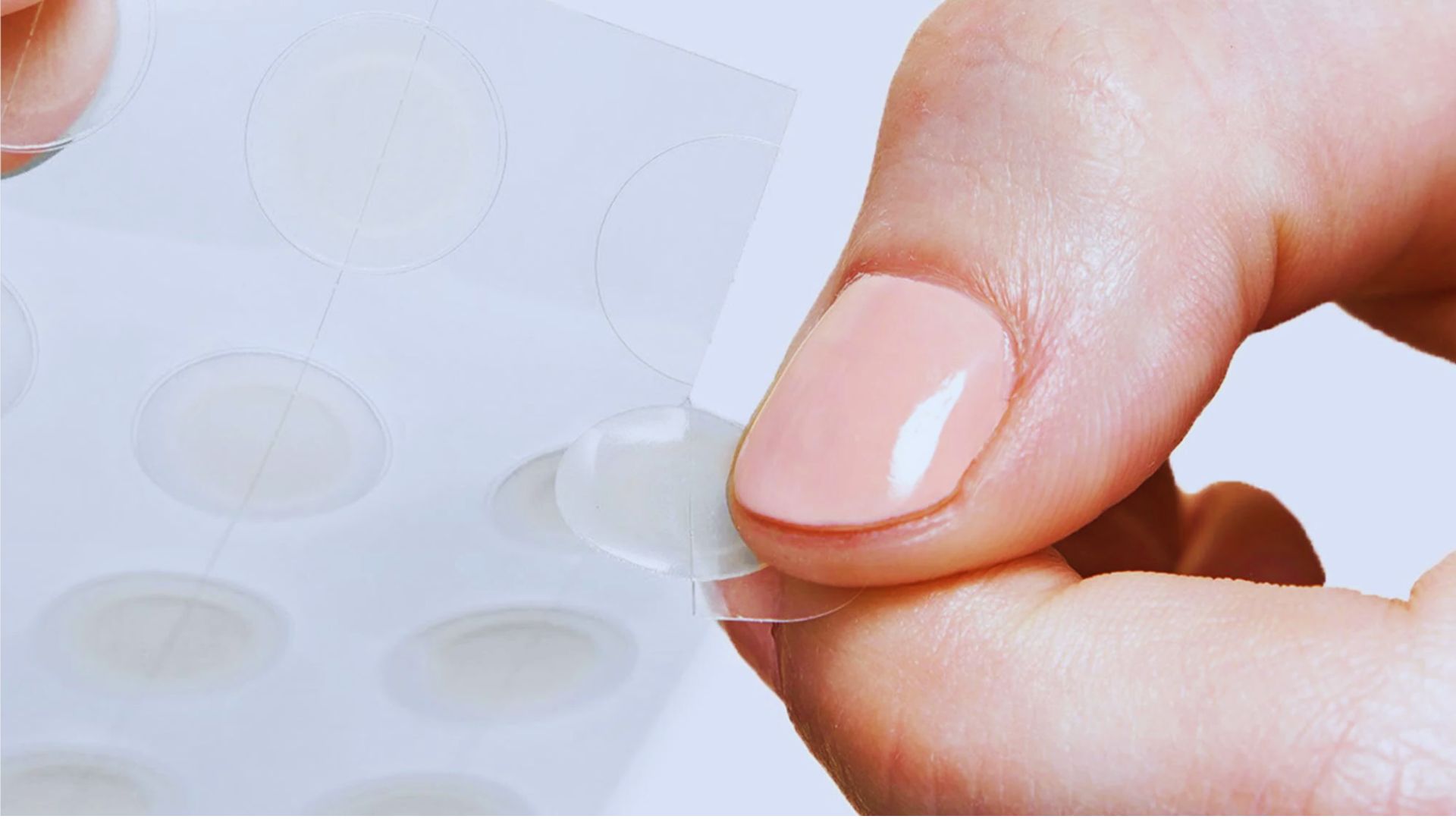
ALT: A person holds a paper displaying white circular pimple patches for skincare usePimple
patches work in specific situations. Not every ingrown hair needs one. Understanding when to use them saves time and frustration.
Situations Where It Helps
You should reach for a pimple patch when you see these signs:
Red, swollen, or irritated ingrown hair. The patch calms the inflammation and keeps the area clean.
Small bump with pus or fluid. The hydrocolloid material absorbs moisture and flattens the bump.
To prevent picking or friction. The patch acts like a shield. It stops your fingers and clothing from making things worse.
Situations Where It Won’t Help
Skip the patch in these cases:
Hair deeply trapped under skin. The patch sits on the surface. It can’t reach hair that’s stuck far below.
Hard bump with no fluid. If the bump feels solid and dry, there’s nothing for the patch to absorb.
No irritation, only trapped hair. A calm bump without redness or swelling won’t benefit from a patch.
How Pimple Patches Help Ingrown Hairs
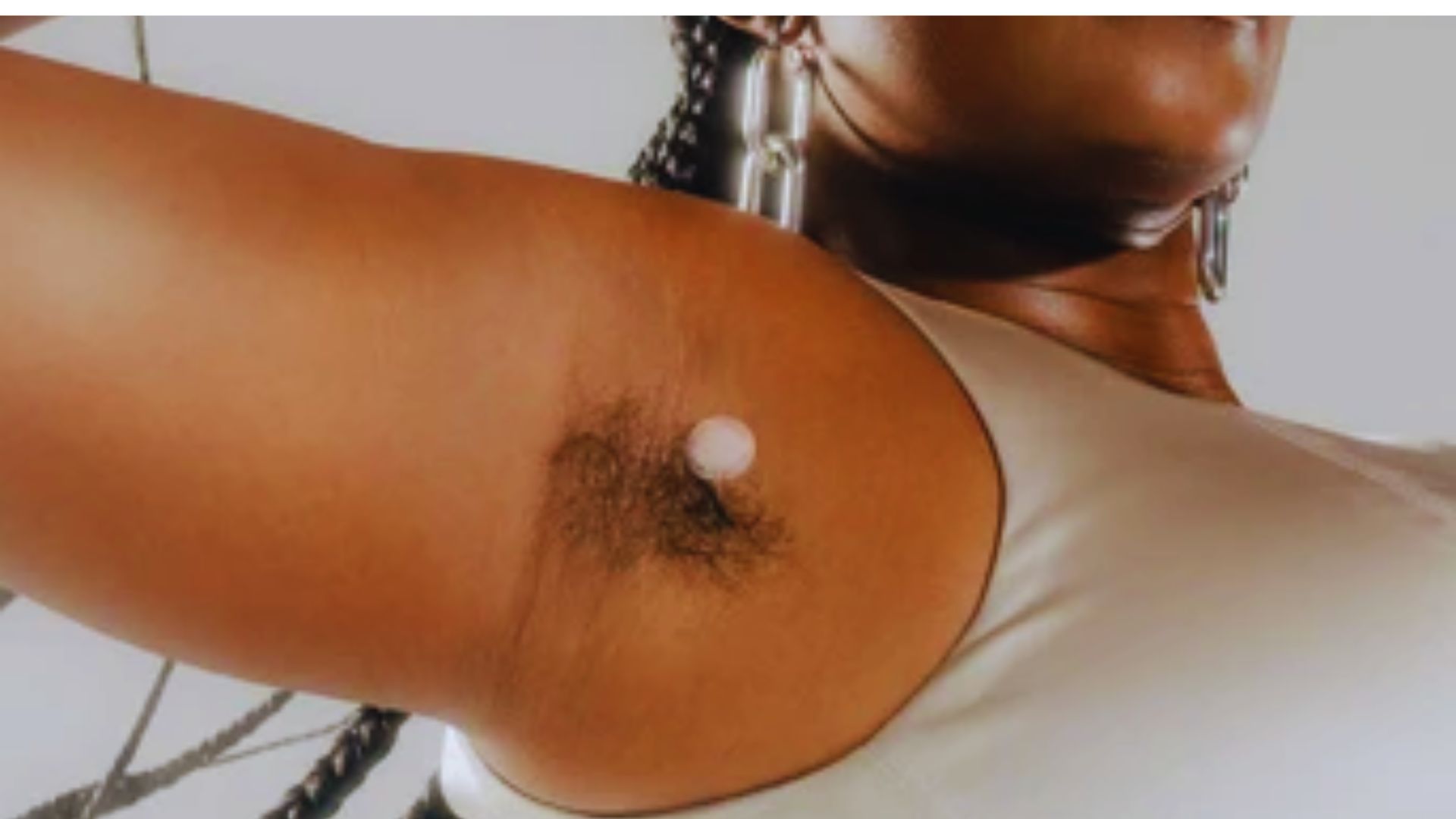
ALT: A woman with ingrown hair in armpit, showcasing a pimple patcher product for skincare treatment.
Pimple patches create the right conditions for healing. They don’t perform magic, but they support your skin’s natural process.
What They Do
Absorb fluid and reduce swelling. The hydrocolloid pulls out moisture from the bump. This makes it smaller and less noticeable.
Protect from bacteria and friction. Once applied, the patch forms a barrier. Dirt stays out. Your hands stay off.
Create a moist healing environment. Your skin heals better when it’s slightly damp. The patch maintains this balance.
What They Don’t Do
Be realistic about limitations.
Do not extract or release the hair. The patch can’t physically pull the hair out. That requires different methods.
Do not treat the root cause. Patches address symptoms, not prevention. You need better grooming habits to stop future ingrown hairs.
How to Use a Pimple Patch on an Ingrown Hair
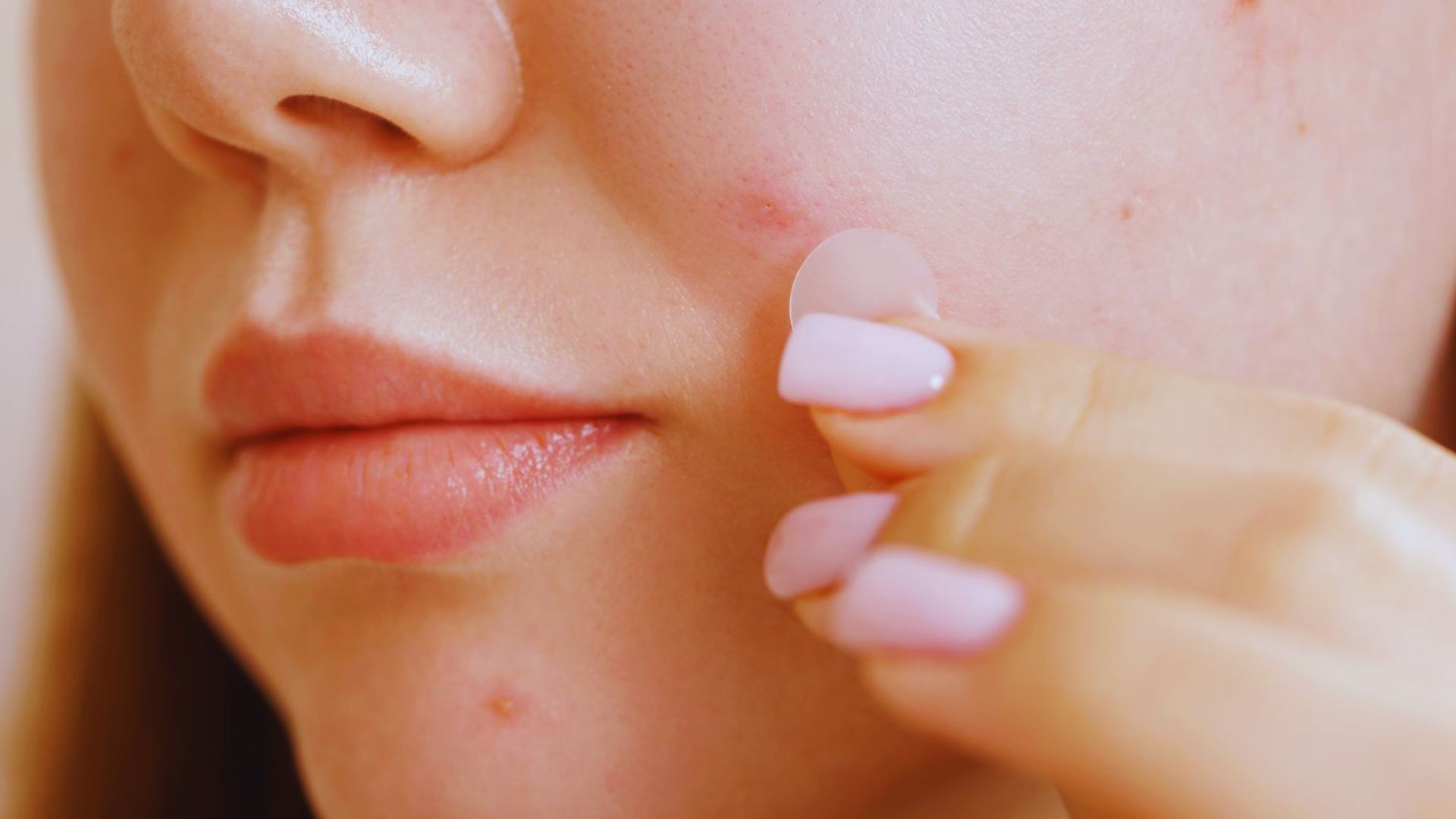
ALT: A woman with acne on her face, showcasing a pimple patcher product for skincare treatment.
Proper application makes all the difference. I learned this through trial and error. Follow these steps for best results.
Steps to Follow
Clean and dry the area. Wash with gentle soap and pat completely dry. Any moisture reduces how well the patch sticks.
Apply patch over the bump. Center it on the raised area. Press gently for a few seconds to seal the edges.
Leave for several hours or overnight. I usually apply mine before bed. The patch works while you sleep.
Replace if needed. Change it when it turns white or starts peeling. Some bumps need multiple patches over a few days.
What to Avoid
Picking or squeezing. I know the temptation is strong. Resist it. You’ll only make inflammation worse.
Using on open or infected skin. If the skin is broken or oozing, see a doctor first. Patches aren’t meant for active infections.
Applying over strong active treatments. Don’t layer patches on top of retinoids or benzoyl peroxide. The combination can irritate your skin.
When to Avoid Using a Pimple Patch
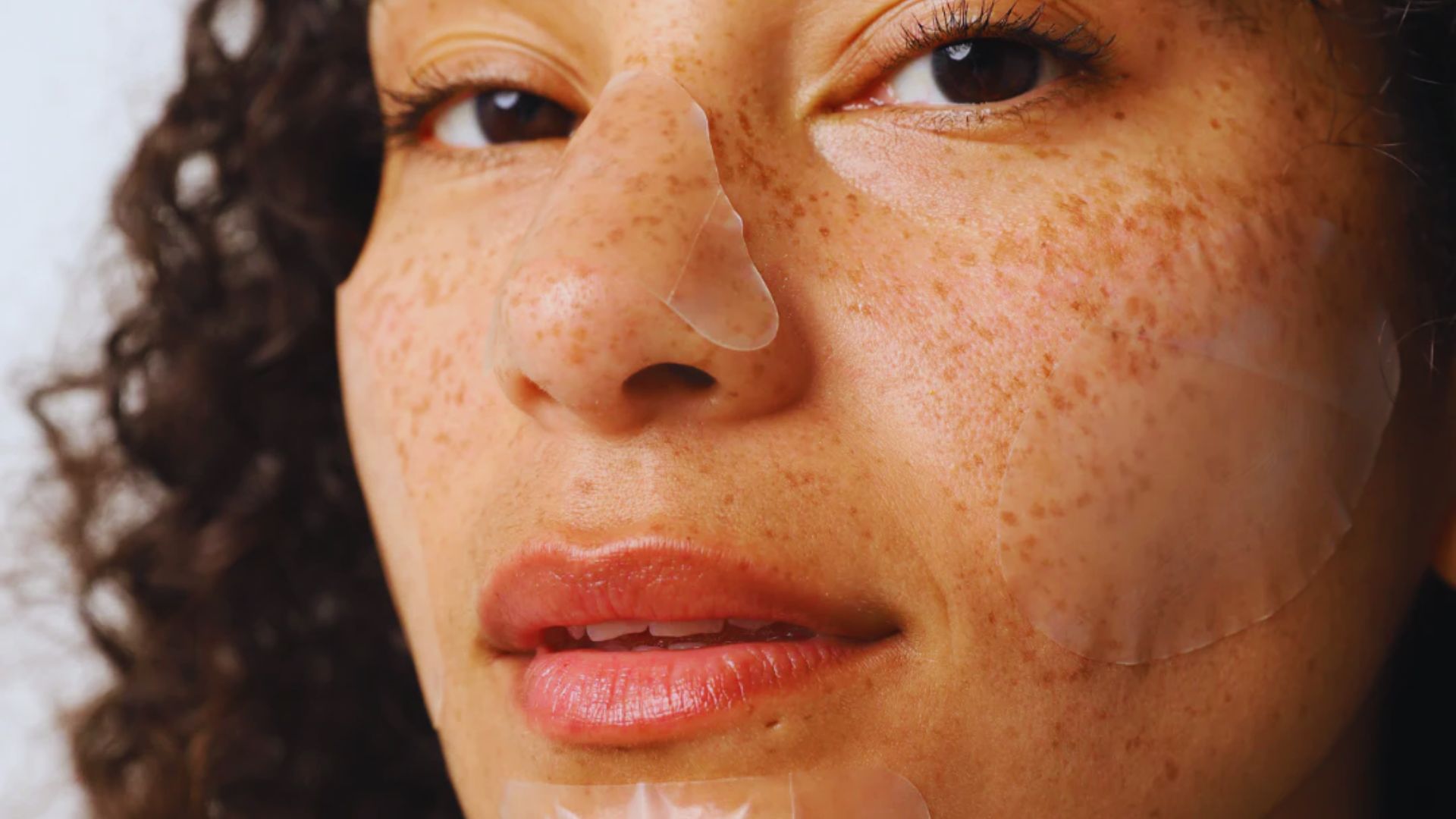
ALT: Can’t generate
Some situations call for medical attention instead. Knowing when to stop trying home remedies is important.
Warning Signs
Watch for these red flags:
Severe pain or infection. If the area throbs or feels hot, you might have an infection. Don’t mess around with that.
Spreading redness or swelling. A small red bump is normal. A large red area that grows is not.
No improvement after a few days. If you’ve used patches for three to four days without change, try something else. Continuing won’t help.
Better Options for Treating Ingrown Hairs
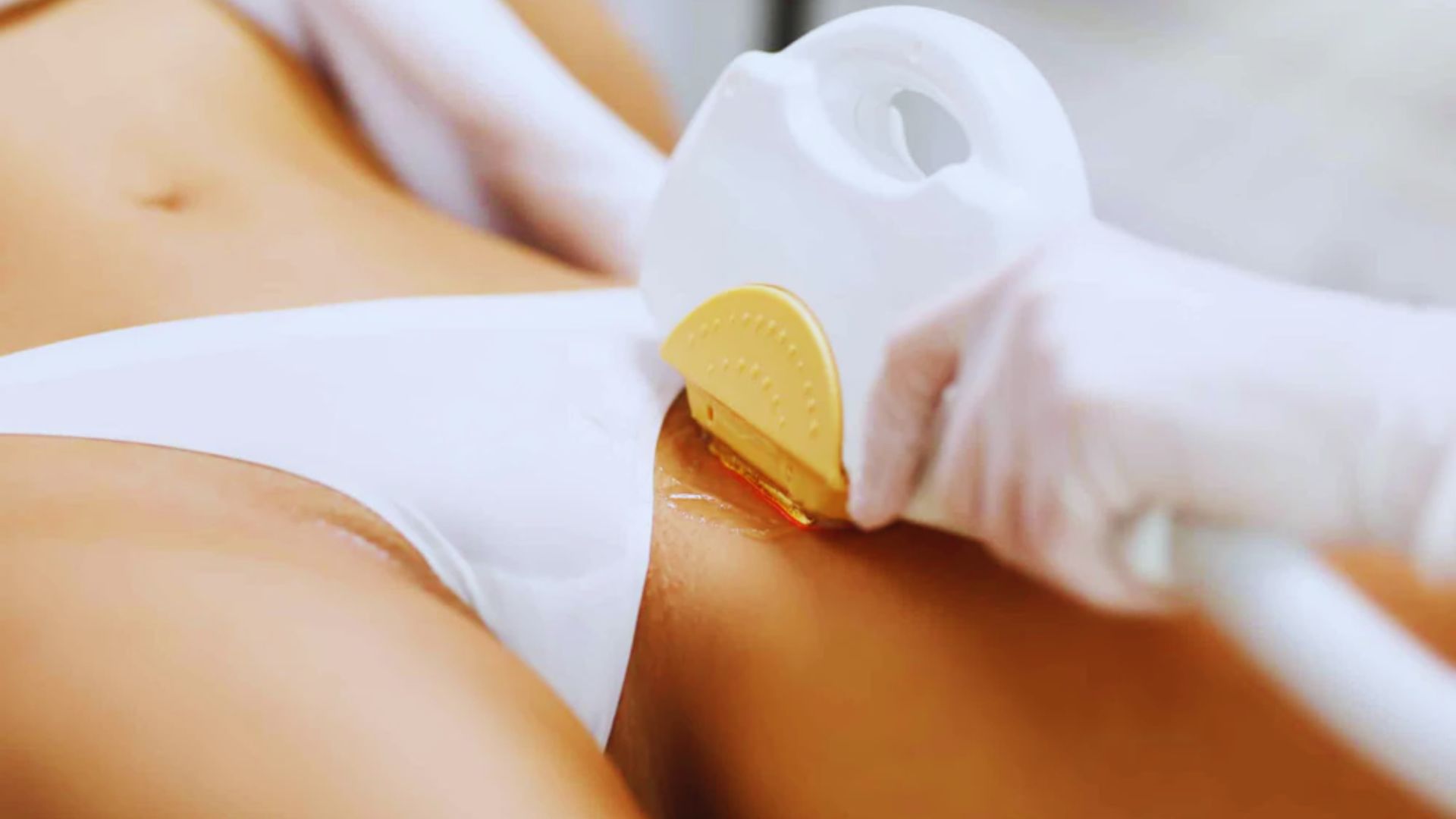
ALT: A woman undergoing body waxing treatment, focusing on ingrown hair removal for smoother skin.
Pimple patches are one tool, not the only solution. I’ve found other methods that work even better for stubborn cases.
Helpful Alternatives
Warm compress to help hair surface. Soak a clean cloth in warm water. Hold it on the bump for 10 minutes.
Do this twice daily. The warmth softens skin and encourages the hair to break through.
Gentle exfoliation with salicylic or glycolic acid. These acids dissolve dead skin cells that trap hair.
Use products with 2% salicylic acid or 5% glycolic acid. Apply once or twice a week.
Proper shaving and moisturizing habits. Shave in the direction of hair growth. Use a sharp, clean razor. Moisturize right after. Prevention beats treatment every time.
Specialized ingrown hair treatments. Products with salicylic acid, witch hazel, or tea tree oil target ingrown hairs specifically. They work better than regular patches for this problem.
Conclusion
Pimple patches help some ingrown hairs, but not all. I use them when I see redness and swelling. They calm the bump and keep me from picking at it.
For deeper or harder bumps, I switch to warm compresses and exfoliation. That combination works better.
Start with what you have. If the patch doesn’t help after two days, try another method. Your skin will tell you what works.
Have you tried pimple patches on ingrown hairs? Drop a comment below and share what worked for you.
Frequently Asked Questions
Can I use a pimple patch on an infected ingrown hair?
No, don’t use patches on infected skin. If you see pus, spreading redness, or feel severe pain, see a doctor. Patches work on mild inflammation, not active infections.
How long should I leave a pimple patch on?
Leave the patch on for at least six to eight hours. I usually apply mine overnight. Replace it when it turns white or starts peeling off.
Will a pimple patch remove the trapped hair?
No, the patch can’t pull out the hair. It only absorbs fluid and reduces swelling. You need exfoliation or professional extraction to release trapped hair.
Can I put makeup over a pimple patch?
Yes, you can apply makeup over most patches. Make sure the patch is fully stuck down first. Light coverage works best to avoid edges lifting.
Are there specific patches for ingrown hairs?
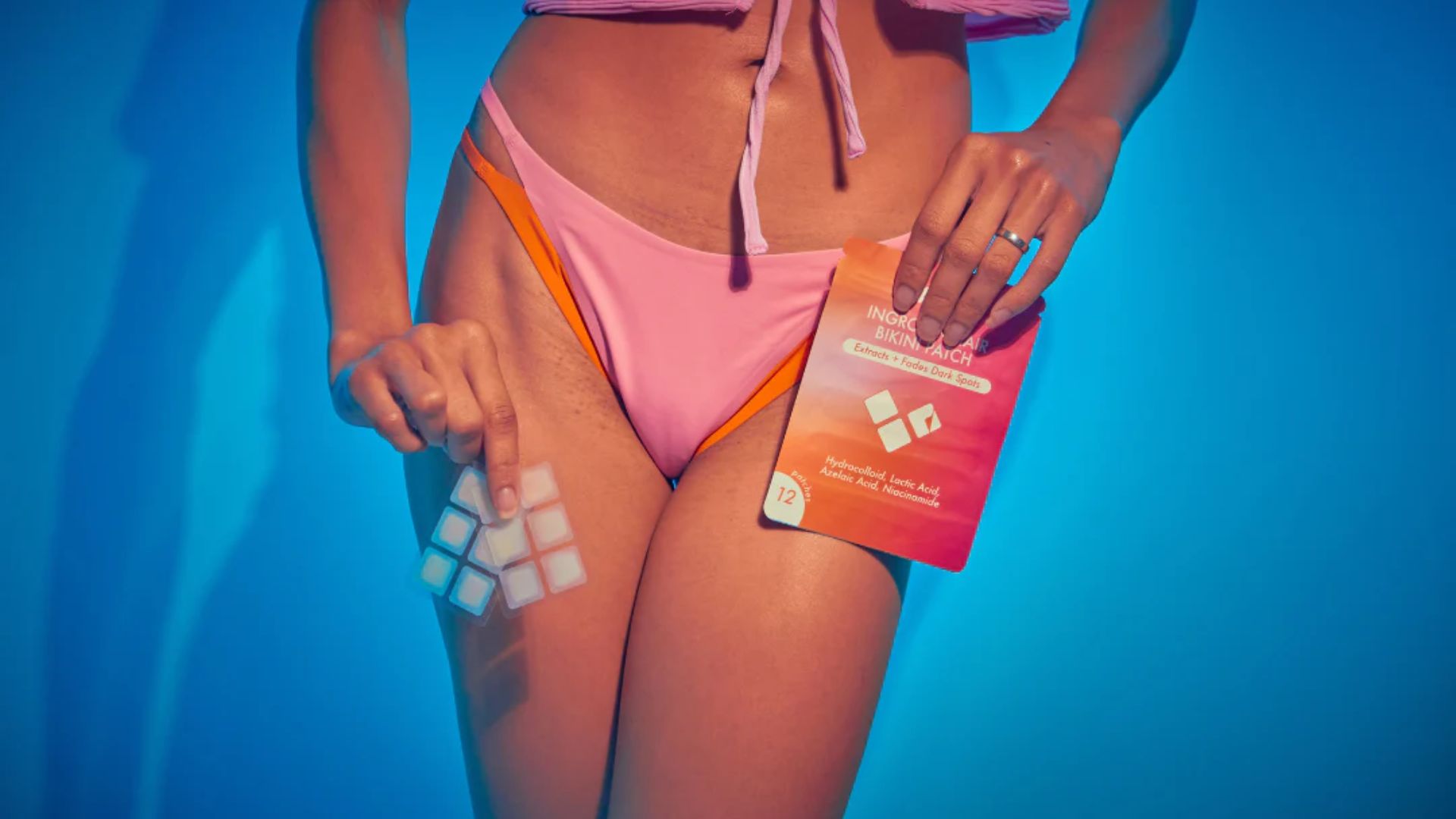
Some brands make patches for ingrown hairs, but regular hydrocolloid patches work fine. I’ve used both. The results are similar, so save your money on standard ones.