Cyst vs Pimple: How to Tell the Difference Fast


You’ve got a bump under your skin that won’t go away.
You’ve tried spot treatments. You’ve waited weeks. It’s still there, sitting under the surface like a stubborn guest who won’t leave.
Knowing the difference between a cyst and a pimple actually matters. They need completely different treatments.
I’m going to show you how to tell them apart. You’ll learn what each one looks like, how they feel, and most importantly, what to do about them.
Let’s figure out what you’re dealing with.
What Is a Cyst
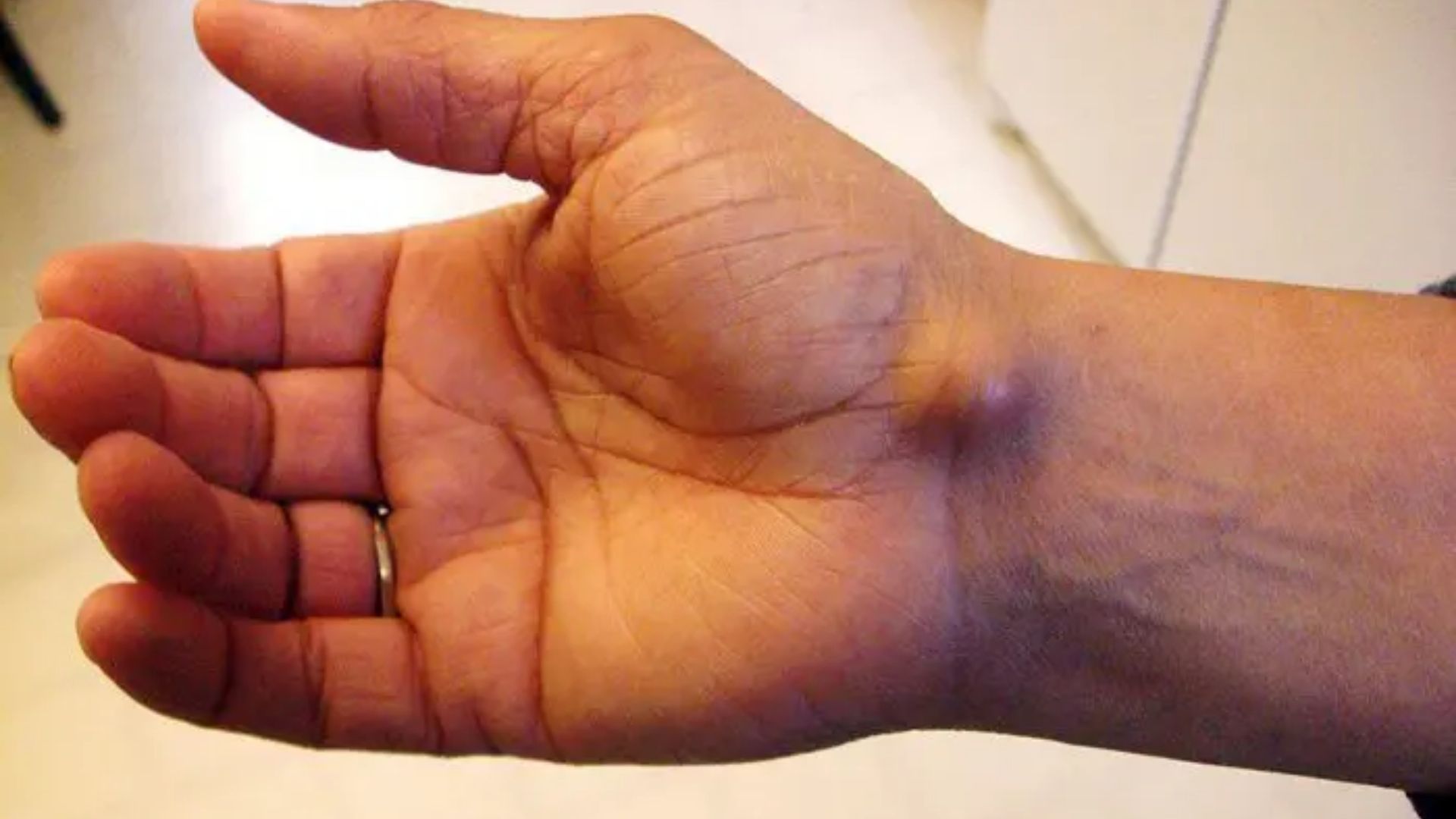
A cyst is a closed sac beneath your skin filled with fluid, keratin, or other material. It’s not just a big pimple.
Cysts form when glands get blocked or cells get trapped, creating a sac structure. This sac stays under your skin and doesn’t drain naturally.
Common types include epidermoid cysts, pilar cysts, and sebaceous cysts. They’re all slightly different but share similar characteristics.
Here’s the key point: cysts don’t resolve on their own like pimples do. The sac structure persists under your skin.
The cyst sac develops deep in your skin layers. It stays there because your body can’t break it down or push it out.
They can remain for months or even years without treatment. Time alone won’t make them disappear.
What Is a Pimple
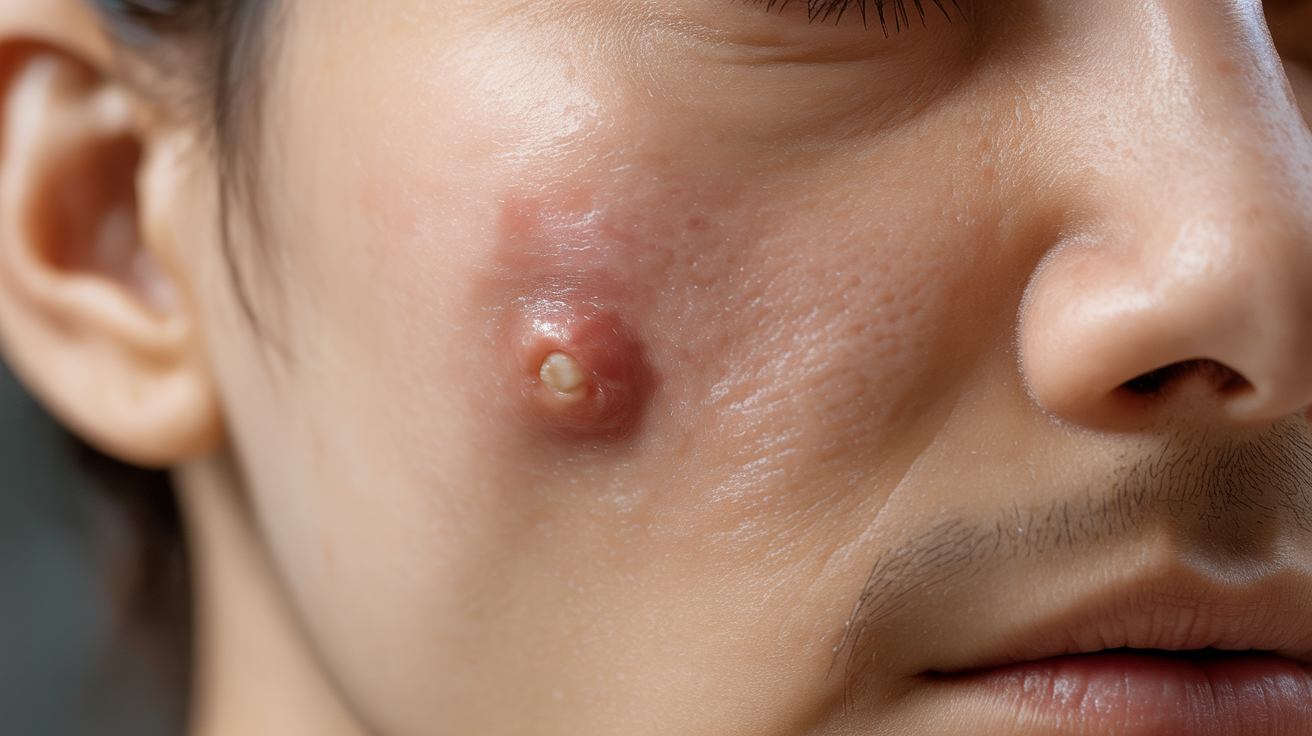
A pimple is an acne lesion caused by clogged pores filled with oil, bacteria, and dead skin cells. It happens in your hair follicles.
Pimples develop when oil production increases and pores get blocked. Bacteria multiply in the trapped oil, causing inflammation.
Different types include whiteheads, blackheads, papules, and pustules. Each looks slightly different but they’re all acne.
Cystic acne creates deep, painful bumps that people often confuse with true cysts. But cystic acne is still acne, not an actual cyst.
Key point: pimples typically resolve within days to weeks. Your body naturally pushes out the clogged material.
The inflammation goes down and the pore clears itself. Sometimes it leaves a temporary mark that fades over time.
Pimples most commonly affect teenagers and young adults. But adults get them too, especially women dealing with hormonal changes.
Key Characteristics of Cysts
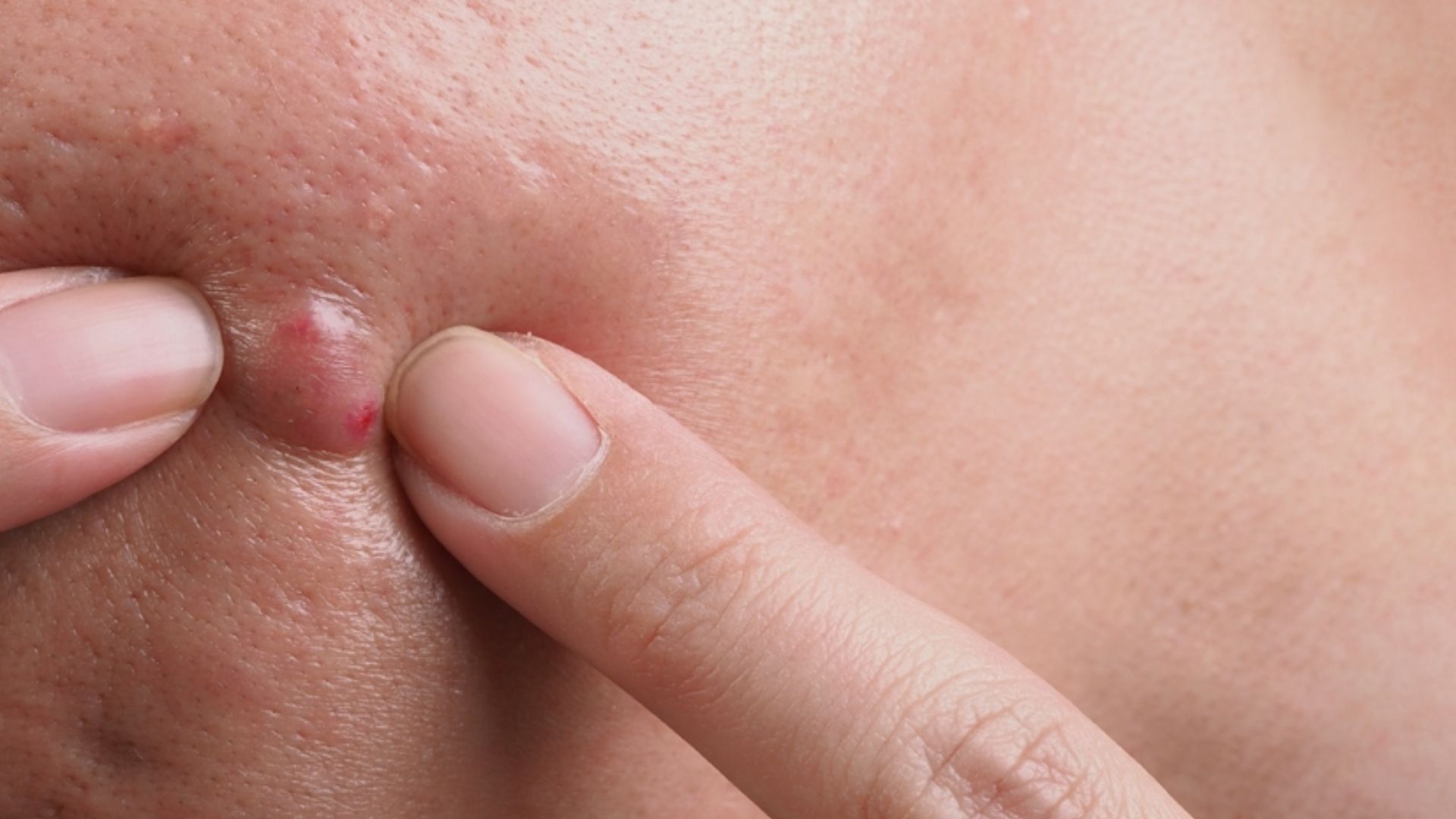
When you’re trying to understand cyst vs pimple differences, knowing what cysts look and feel like helps tremendously.
- Dome-shaped or round bumps sit beneath your skin surface rather than on top of it.
- Firm or rubbery texture when you touch them. They don’t feel soft like inflamed pimples.
- Usually skin-colored or slightly yellowish. They don’t look red and angry like pimples do.
- Medium to large size. Most cysts are bigger than typical pimples, though some start small.
- No visible head or opening on the surface. You can’t see where it might drain.
- Slow-growing over time. They don’t pop up overnight like pimples do.
- Can persist for months or years in the same spot without changing much.
- May grow larger gradually but the growth is slow and steady, not sudden.
- Generally painless unless infected or inflamed. Most of the time, they just sit there.
- Don’t come to a head like pustules. There’s no white center forming.
- May leak thick, foul-smelling material if they rupture or get damaged.
- Can become infected if broken open through squeezing or injury.
- Fluid or keratin discharge is possible but only if the cyst wall breaks.
These characteristics help you identify what you’re dealing with so you can get the right treatment.
Key Characteristics of Pimples
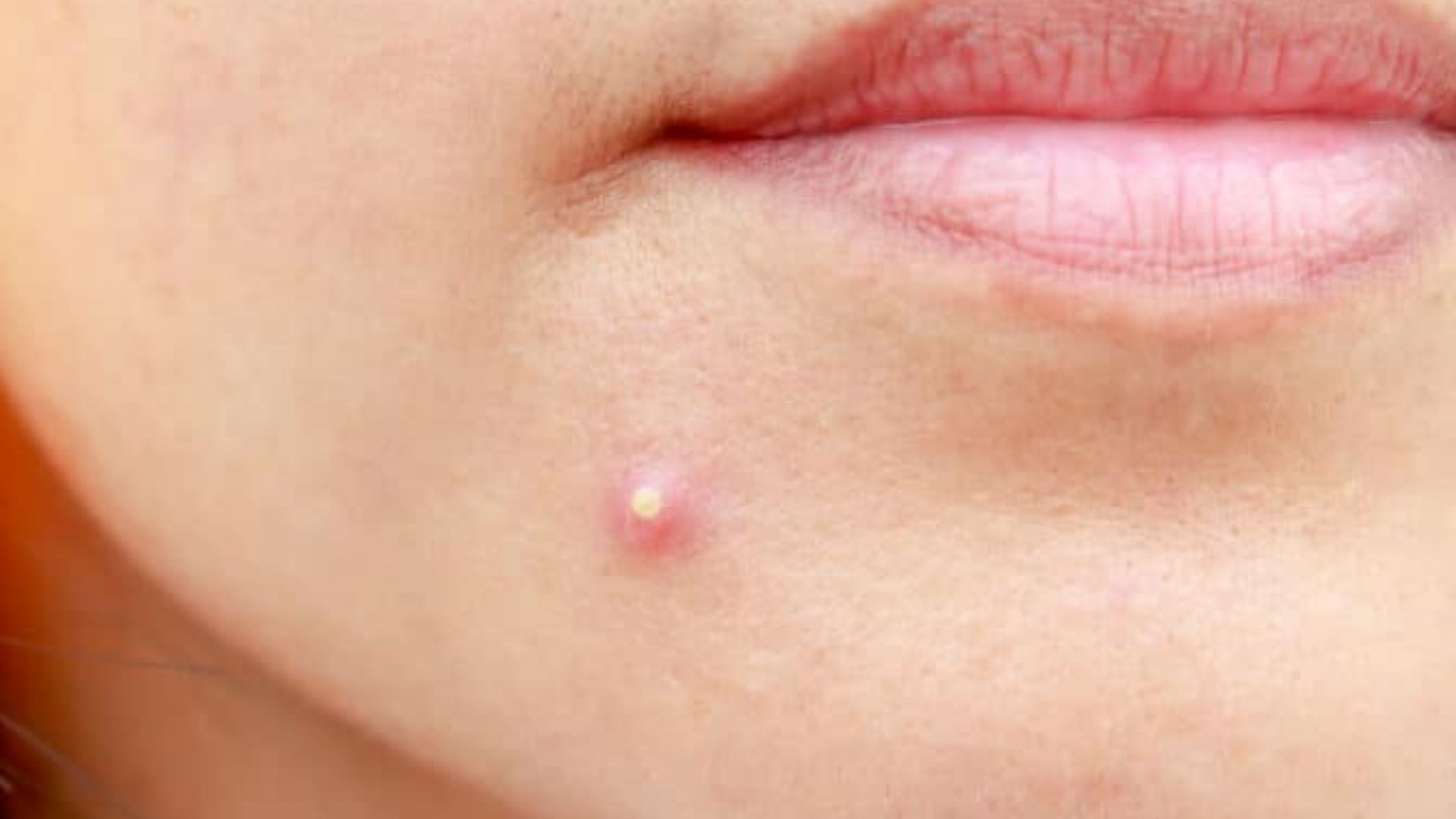
Pimples have distinct features that separate them from cysts.
Here’s what to look for:
- Raised bumps on the skin surface rather than deep underneath.
- Red and inflamed appearance that’s obviously irritated.
- Small to medium size. Most pimples are smaller than cysts.
- Soft texture when you touch them carefully.
- May have white or yellow pus visible at the center.
- Can develop a head that shows where the pore is blocked.
- Develop quickly within days. You wake up and there it is.
- Typically resolve within days to 2 weeks with or without treatment.
- May be tender or painful to touch because of the inflammation.
- Often appear in clusters or breakouts rather than as single bumps.
- Surface-level inflammation that you can see clearly.
- Release pus or sebum when they drain naturally or get popped.
- May crust over during healing as the inflammation dries up.
- Usually heal without major intervention. Your body handles it naturally.
- Can leave temporary marks that fade within weeks or months.
Understanding these differences makes the cyst vs pimple distinction much clearer when you’re examining your own skin.
How to Identify a Cyst
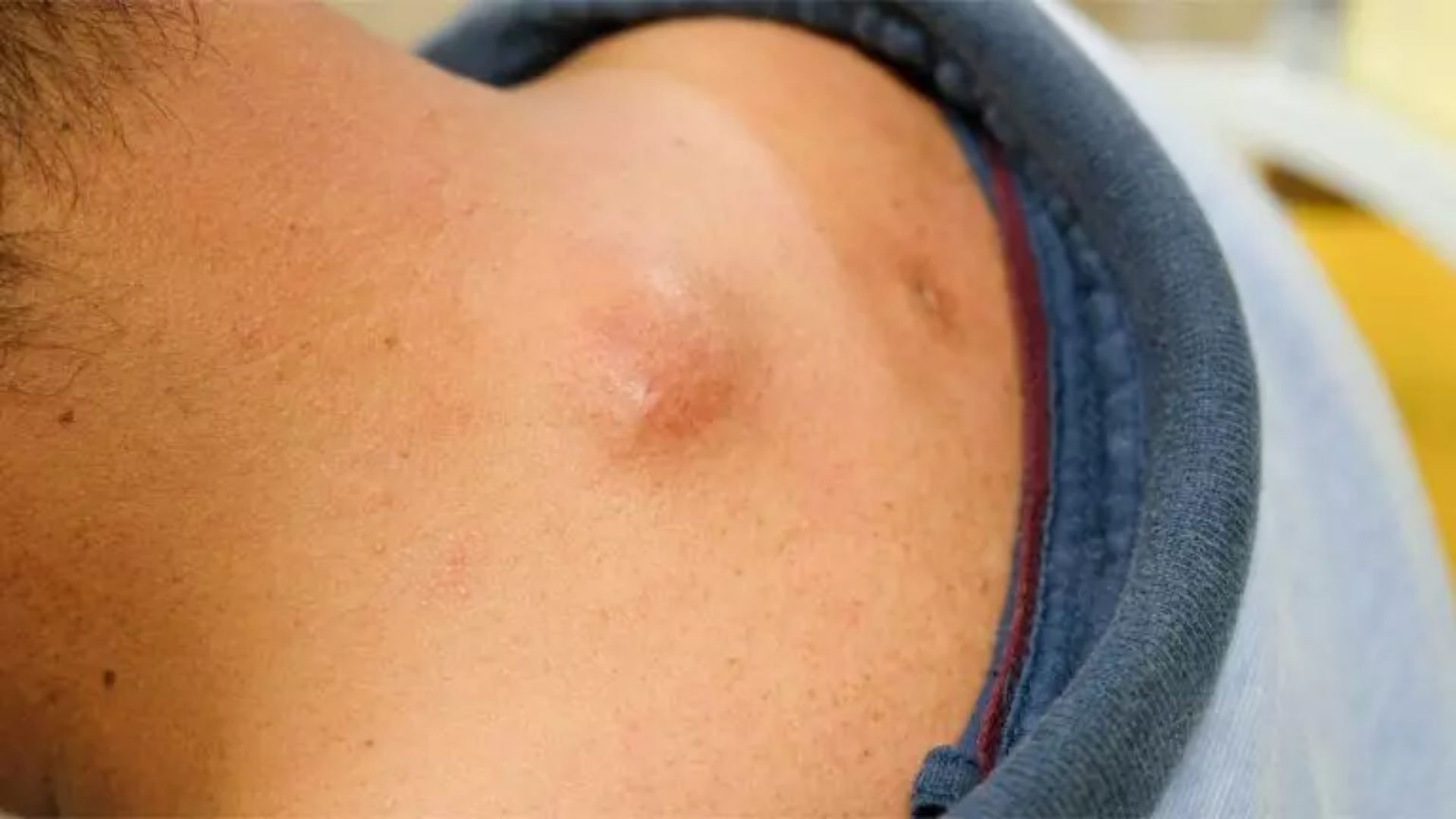
Learning to recognize cysts helps you avoid treating them like regular pimples.
Here’s what to check for:
- Feel for a firm, moveable lump beneath the skin. It should shift slightly when you press it.
- Check if it’s been present for weeks or months. Cysts don’t appear and disappear quickly.
- Notice if there’s no visible opening or head. The surface looks closed and smooth.
- Observe if it’s deep under the skin rather than sitting right at the surface.
- Look for a skin-colored appearance unless it’s gotten infected, which makes it red.
- Check if the same bump keeps returning in the exact same spot after drainage attempts.
- Notice if it feels rubbery or solid when you press on it gently.
- See if it’s painless in most cases. Pain usually means it’s infected or inflamed.
- Identify if it’s slow-growing or stable in size over weeks.
These signs point to a cyst rather than a pimple. When in doubt, see a dermatologist for confirmation.
How to Identify a Pimple
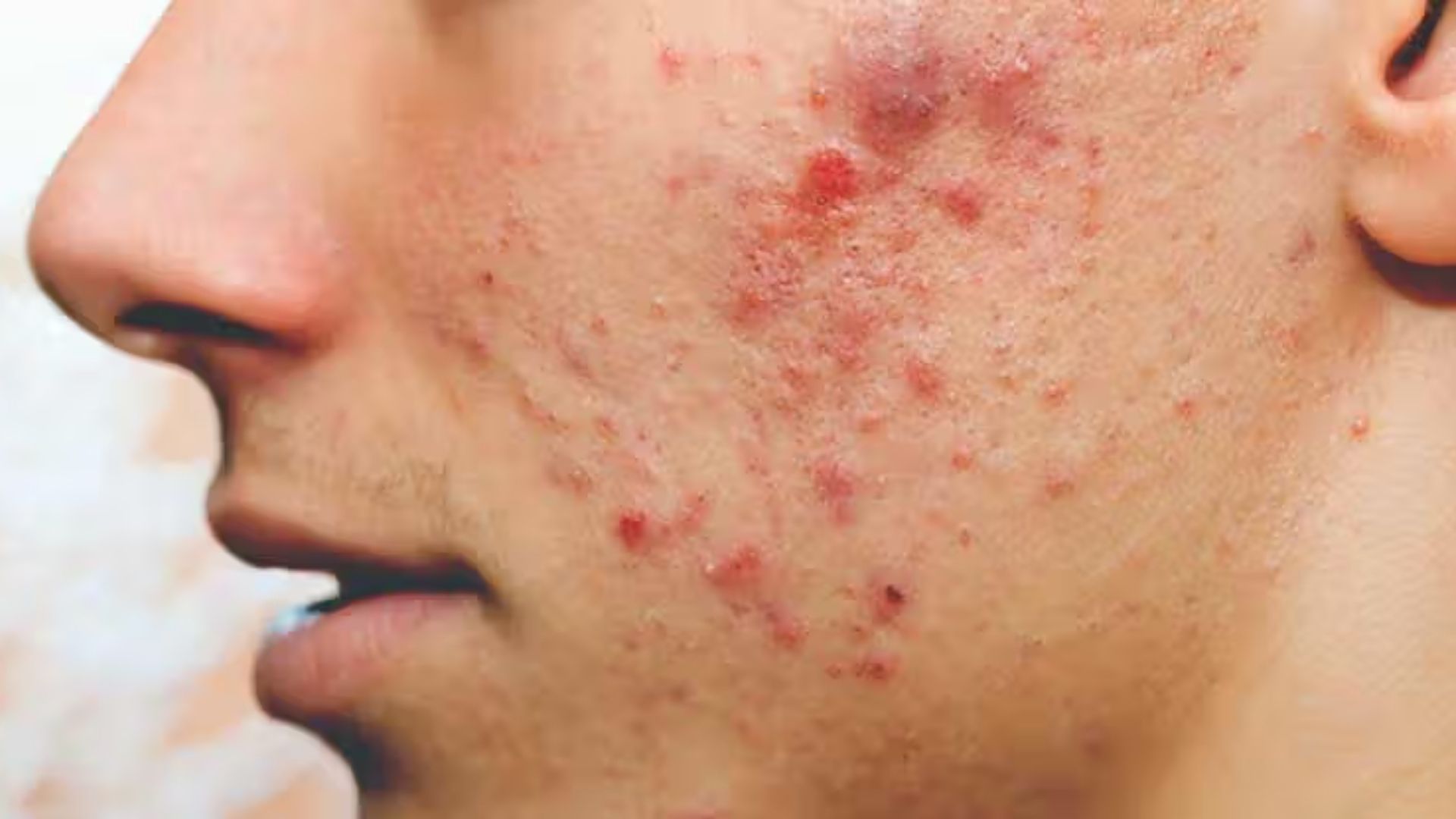
Pimples have telltale signs that make them easier to recognize.
Look for these characteristics:
- Look for redness and surface inflammation that’s clearly visible.
- Check if it developed within a few days. Pimples pop up fast.
- Notice if there’s a white or black head visible at the center.
- Observe if it’s tender or painful to touch. Inflamed pimples hurt.
- See if it’s in areas with more oil glands like your face, back, chest, or shoulders.
- Check if multiple similar bumps appeared around the same time during a breakout.
- Notice if it’s soft and raised above the skin surface.
- Identify if it responds to acne spot treatments like benzoyl peroxide or salicylic acid.
- See if it’s smaller and more superficial than a deep cyst would be.
When you understand cyst vs pimple identification, you stop wasting time on treatments that won’t work for what you actually have.
How Pimples Are Treated
Pimples respond well to at-home treatments. You have plenty of options.
Over-the-counter topical treatments work for most pimples. Benzoyl peroxide, salicylic acid, and sulfur products reduce inflammation.
Prescription medications help with stubborn acne. Antibiotics kill bacteria while retinoids prevent pores from clogging.
Lifestyle changes support clearer skin. Adjusting your diet, managing stress, and getting enough sleep all help.
Proper skincare routines prevent new pimples. Gentle cleansing, consistent moisturizing, and regular exfoliation make a difference.
Most pimples respond to at-home care. You don’t need medical procedures for regular acne.
How Cysts Require Medical Intervention
Cysts need professional treatment. Home remedies won’t remove the sac.
Surgical removal or drainage is necessary for permanent results. A dermatologist numbs the area and removes or drains the cyst.
The procedure happens in the office with local anesthesia. You stay awake but don’t feel pain.Removing the entire cyst sac is crucial. If any sac wall remains, the cyst grows back in the same spot.
DIY removal always leads to regrowth. You can’t remove the sac yourself no matter how careful you are.These are typically same-day procedures with minimal downtime. You go home right after and heal within days.
Proper removal prevents infection and stops the cyst from coming back. This is why understanding cyst vs pimple matters so much.
Helpful Tips for Managing Both Conditions
Whether you’re dealing with a cyst or pimple, some rules apply to both. Follow these guidelines.
- Never attempt to pop, squeeze, or drain either type at home. You’ll cause infection and scarring.
- Keep the area clean but avoid over-washing, which irritates skin.
- Don’t apply harsh products without knowing what you’re treating first.
- Use warm compresses for comfort but understand they won’t cure anything.
- Avoid touching or picking at bumps throughout the day.
- Track how long bumps have been present. This helps identify what they are.
- Take photos to monitor changes over time for comparison.
- Be patient with pimple healing processes. Most clear up within two weeks.
- Seek professional help when uncertain. Dermatologists can diagnose and treat both conditions properly.
These habits protect your skin regardless of what type of bump you’re dealing with.
When to See a Dermatologist
Some situations require professional evaluation. Don’t wait too long to get help.
- Any bump lasting more than 4 weeks needs checking. Pimples don’t stick around that long.
- Growing or increasingly painful bumps could indicate infection or other issues. Get them looked at soon.
- Recurring bumps in the same location suggest a cyst that needs proper removal. The sac is still there.
- Signs of infection include increasing redness, warmth, swelling, or thick drainage. These need immediate attention.
- If you’re uncertain about whether it’s a cyst or pimple, a dermatologist can tell you immediately. Don’t guess.
- A cyst in a visible or uncomfortable location affects your daily life. Get it removed for peace of mind.
- Multiple cysts developing at once might indicate an underlying condition. Professional evaluation helps.
- Severe or persistent acne that doesn’t respond to over-the-counter treatments needs prescription options.
- Any bumps affecting your confidence or daily activities deserve professional attention. You don’t have to live with them.
Conclusion
The main differences are clear: cysts are deep, firm, and long-lasting while pimples are surface-level, inflamed, and temporary.
Proper identification leads to proper treatment. You’ll save time and avoid frustration.
When you’re unsure about cyst vs pimple identification, consult a dermatologist. They can diagnose and treat properly.
Both conditions are completely treatable. You don’t have to live with either one.
Schedule an appointment if you’ve been dealing with a stubborn bump. Get the right treatment starting today.
Frequently Asked Questions
Can You Pop a Cyst Like You Would a Pimple?
No, never try to pop a cyst at home. Cysts have a sac structure deep under your skin that won’t drain like a pimple. Attempting to pop them causes infection, scarring, and makes the cyst come back. Only a dermatologist can properly remove a cyst.
Do Cysts Ever Disappear Without Medical Treatment?
Cysts rarely disappear on their own. The sac structure remains under your skin indefinitely unless surgically removed. While inflammation around a cyst might decrease temporarily, the actual cyst persists. Some very small cysts might eventually resolve, but most require professional removal for permanent results.
What Happens If You Ignore a Cyst for Too Long?
Ignoring a cyst usually means it stays exactly where it is indefinitely. It may grow slowly larger over time. The cyst can become infected if damaged or irritated, causing pain and swelling. Most cysts aren’t dangerous, but removal prevents infection and provides peace of mind.
Are Blackheads Considered the Same Thing as Cysts?
No, blackheads are completely different from cysts. Blackheads are open comedones where oil oxidizes and turns dark at the pore opening. They’re a mild form of acne that sits at the surface. Cysts are deep sacs under the skin. Blackheads respond to exfoliation while cysts need surgical removal.
How Can You Prevent Getting Cysts in the Future?
You can’t fully prevent cysts since they form from blocked glands or trapped cells. Keeping your skin clean helps reduce risk. Avoid skin trauma that can trigger cyst formation. If you’re prone to cysts, regular dermatologist visits catch them early. Genetics play a role, so prevention isn’t always possible.