Is Dermaplaning the Same as Shaving?

Have you ever run your hand across your face and felt that fuzzy texture? I get it.
Dealing with peach fuzz can be frustrating.
You’ve probably heard people talk about dermaplaning and shaving as ways to get rid of it. Maybe you’re thinking they’re the same thing. They’re not.
Using the wrong method could give you less than great results. I’ve been there, trying to figure out which option actually works.
That’s why I’m breaking down the real differences between these two methods. By the end, you’ll know exactly which one fits your skin needs.
Dermaplaning vs Shaving: Quick Comparison
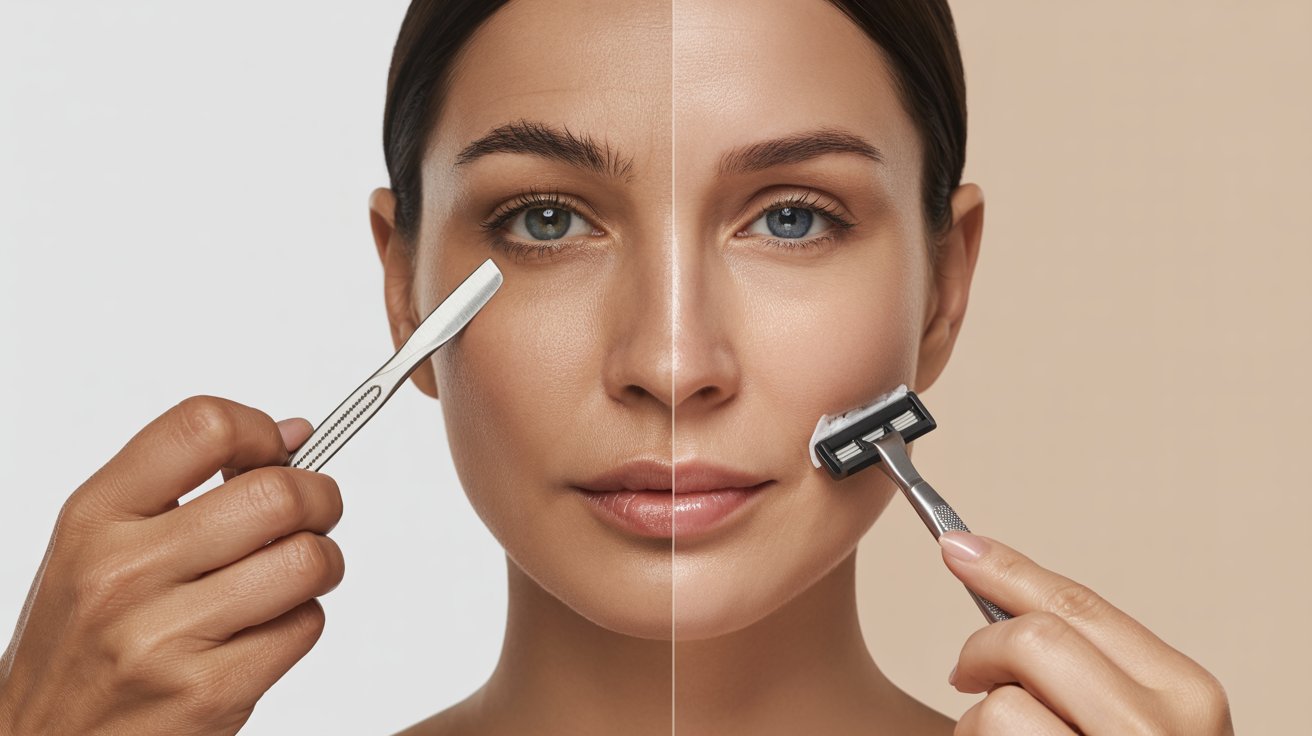
Dermaplaning exfoliates skin while removing hair using surgical tools. Shaving only cuts hair at the surface with standard razors for quick removal.
| Feature | Dermaplaning | Shaving |
| Purpose | Removes peach fuzz and exfoliates skin | Removes hair only |
| Tools | Surgical blade or sonic device | Razor |
| Performed By | Professional or at-home device | At home |
| Skin Benefits | Smoother, brighter skin with better product absorption | Minimal |
| Hair Growth Effect | No change in thickness or color | No change in thickness or color |
| Safety | Safe with professional or proper device | Safe at home |
| Frequency | Every 3-4 weeks | As needed |
What is Dermaplaning?
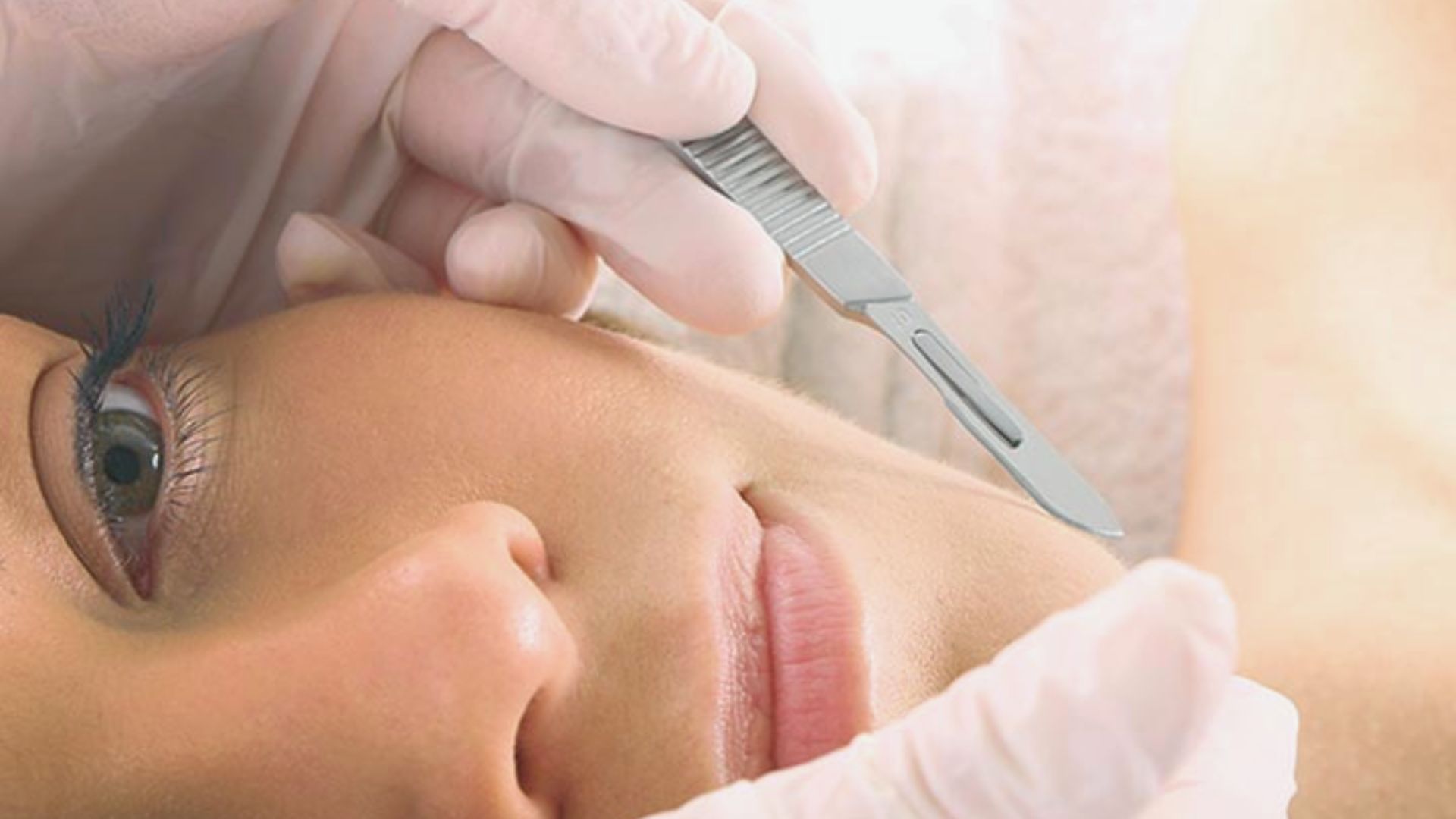
Dermaplaning is a professional skincare treatment that removes peach fuzz and dead skin cells at the same time. It’s more than just hair removal, it’s also deep exfoliation.
Traditional Dermaplaning
A licensed professional does this treatment at a dermatologist’s office or medical spa. They use a sterile surgical blade held at a 45-degree angle to gently scrape your skin.
The blade removes vellus hair (peach fuzz) and dead skin in one pass. Your face feels soft and looks brighter right after. Many people notice a natural glow.
Sonic Dermaplaning
These are at-home devices that use gentle vibrations instead of just a static blade. The sonic technology makes exfoliation safer and more precise.
The vibrations speed up cell renewal and boost blood flow to your face. Your skincare products also absorb better. You get med-spa quality results from home.
Benefits of Dermaplaning
- Smooths skin texture and adds radiance
- Helps serums and moisturizers penetrate deeper
- Reduces the appearance of fine lines, wrinkles, and minor scars
- Non-invasive with little to no downtime
- Face looks brighter and feels softer immediately
How Shaving Works

Shaving is a quick way to remove hair from your face, legs, or body. Most of us have done it at some point. But it works very differently than dermaplaning.
Traditional Shaving
When you shave, you use a razor to cut hair at the skin’s surface. The blade only removes visible hair. Nothing else comes off.
Shaving targets terminal hair. This is the thicker, darker hair on your legs, underarms, or face. The razor doesn’t exfoliate or remove dead skin. It’s just for hair removal.
Most people do this at home. It’s affordable and doesn’t need special training.
Effects on Skin
You’ve probably heard that shaving makes hair grow back thicker or darker. That’s a myth. Hair feels stubbly because the razor creates a blunt edge when it cuts.
The hair itself doesn’t change. It stays the same thickness and color. It just feels coarser as it grows out.
Shaving doesn’t improve your skin’s appearance. You won’t see better texture or brightness. Your face feels smoother temporarily because the hair is gone.
But there’s no glow or radiance boost like you get from exfoliation.
Dermaplaning vs Shaving: Key Differences
These two methods might look similar, but they work in very different ways.
Tools and Technique
Dermaplaning uses a surgical scalpel or sonic device. It removes both peach fuzz and dead skin cells in one pass.
Shaving uses a regular razor. It only cuts hair at the surface. No exfoliation happens.
Skin Benefits
Dermaplaning exfoliates your face and makes skin look refreshed. You’ll see brighter, smoother skin right away.
Shaving only removes hair. Your skin doesn’t get any extra treatment. No glow or improved texture.
Hair Growth Myths
Neither method changes how your hair grows. Your follicles stay the same.
Peach fuzz grows back normally after dermaplaning. It won’t be thicker, darker, or faster. That’s just a myth.
Terminal hair on your legs or face may feel thicker after shaving. That’s only because the razor creates a blunt tip. The hair itself hasn’t changed.
Professional vs At-Home Dermaplaning
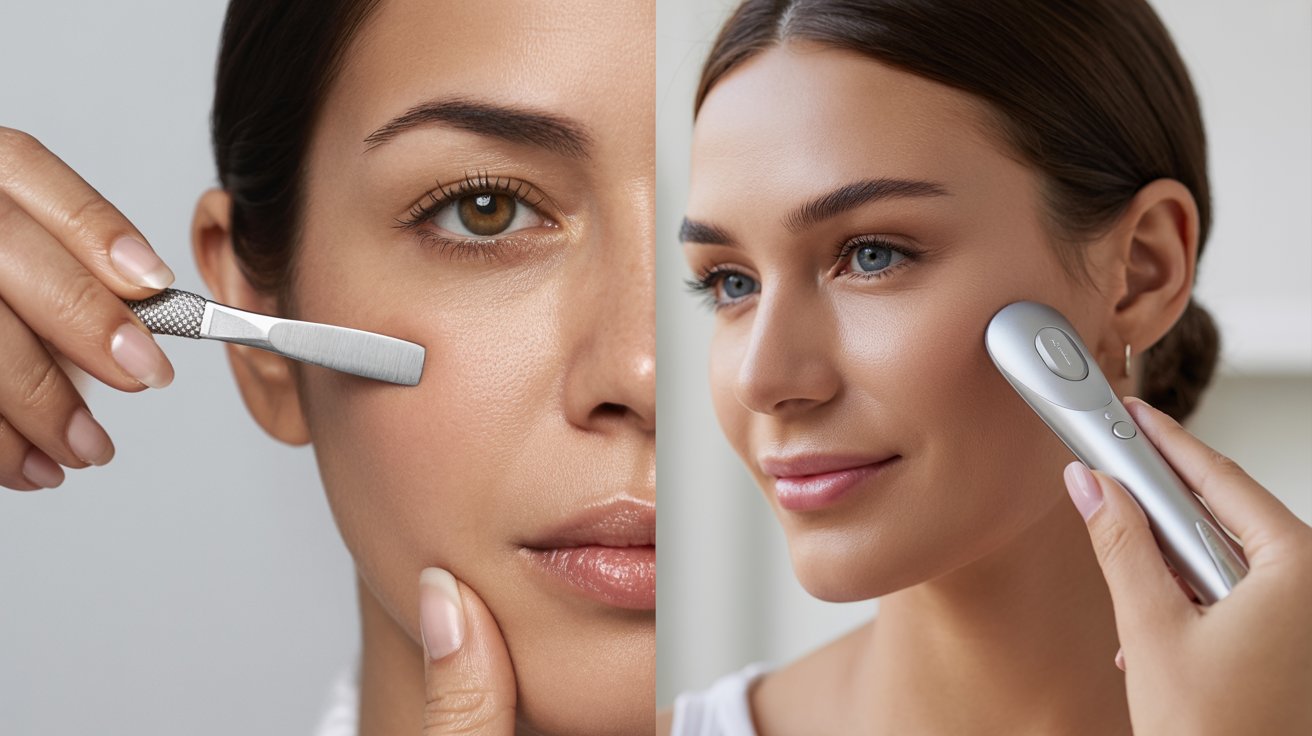
You have two options for dermaplaning. Each has its own advantages depending on your comfort level and budget.
Professional Dermaplaning
This treatment is done by an esthetician or dermatologist. They have the training to work precisely and safely on your face.
Professionals can remove dead skin, excess oils, and peach fuzz efficiently. Their experience means better results with less risk of nicks or irritation.
At-Home Sonic Dermaplaning Devices
These devices are designed for safe home use. They come with safety features like Microfine edges that protect your skin.
Clinical studies show these tools can reduce fine lines and dark spots. They also boost your skin’s radiance over time.
You get professional-level results without booking appointments or paying for multiple sessions.
Post-Dermaplaning Care

Your skin needs gentle care after dermaplaning. Stick to your regular skincare routine but keep it simple for the first day or two.
Apply a good moisturizer and your favorite serums. Your skin absorbs products better after treatment, so this is the perfect time to use them.
Skip harsh exfoliants for at least a week. Avoid retinol, acids, and anything that might irritate your freshly treated skin. Let your face recover before adding strong products back in.
Conclusion
Dermaplaning and shaving aren’t the same. Shaving only removes hair. Dermaplaning removes hair and exfoliates dead skin for brighter, smoother results.
Want the full benefits? See a professional or try a quality at-home sonic device. Both methods are safe, but dermaplaning does more for your skin’s texture and appearance.
Not sure which is right for you? Talk to a dermatologist or esthetician. They’ll help you pick the best option for your skin type and goals.
Frequently Asked Questions
Can I use a regular razor for dermaplaning at home?
No, regular razors aren’t designed for dermaplaning. They’re made for cutting hair, not exfoliating skin. Use a proper dermaplaning tool or sonic device for safe, effective results.
Does dermaplaning make hair grow back thicker?
No, this is a common myth. Dermaplaning doesn’t change your hair follicles or growth pattern. Peach fuzz grows back at the same rate, thickness, and color as before.
How often should I get dermaplaning done?
Most people do dermaplaning every 3 to 4 weeks. This matches your skin’s natural cell turnover cycle. Your esthetician can recommend the best schedule based on your skin type.
Is dermaplaning safe for sensitive skin?
Yes, when done correctly. Professional treatments or quality at-home devices are gentle enough for most skin types. Avoid dermaplaning if you have active acne, rosacea, or open wounds.
What’s the main difference between dermaplaning and shaving?
Dermaplaning removes dead skin cells and hair for exfoliation and smoothness. Shaving only cuts hair at the surface without any skin benefits. The tools and techniques are completely different.