Does Coconut Oil Help You Tan? Expert Answer


I've been asked this question more times than I can count. Does coconut oil help you tan? People reach for it at the beach, in the garden, before a pool day.
It smells great and feels good on skin. But does it actually work? I've spent years researching skincare and sun safety, so you're getting straight, honest answers here.
In this article, I'll walk you through how tanning works, what coconut oil really does to your skin in the sun, the risks you should know about, and safer ways to still get that glow.
No fluff. No guessing. Just clear, helpful information you can actually use.
How Tanning Actually Works
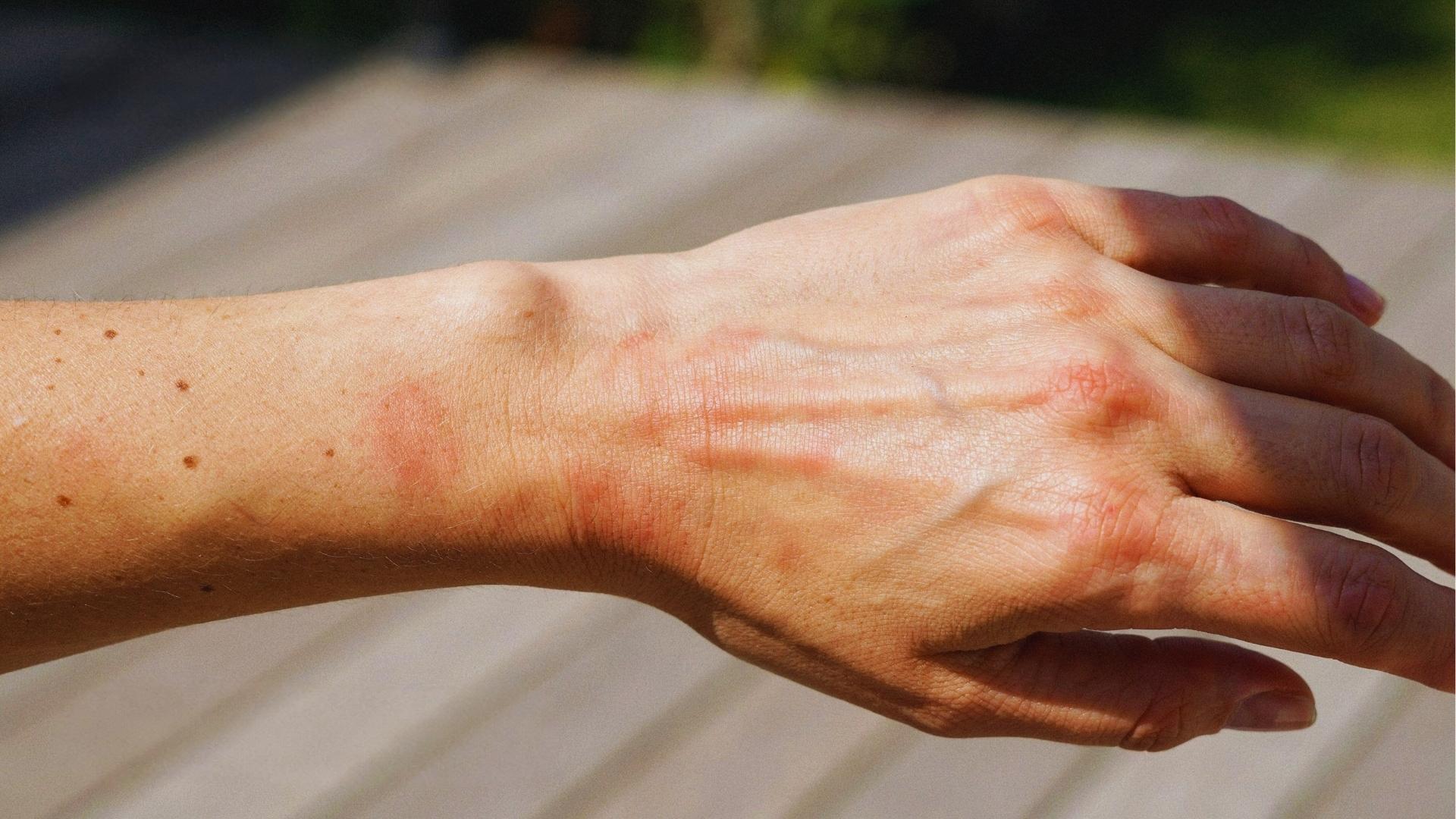
When UV rays hit your skin, your body produces melanin, the pigment that makes skin look darker. This is your body's natural defense against sun damage.
But there is a thin line between tanning and burning. A tan means your skin had time to respond. A burn means it got overwhelmed.
Both cause damage at the cellular level. Oils don't protect your skin from any of this. They amplify UV exposure instead.
When you apply oil before going out in the sun, your skin absorbs more radiation faster. People use them for quicker color, but faster tanning always means faster damage too.
Does Coconut Oil Help You Tan?
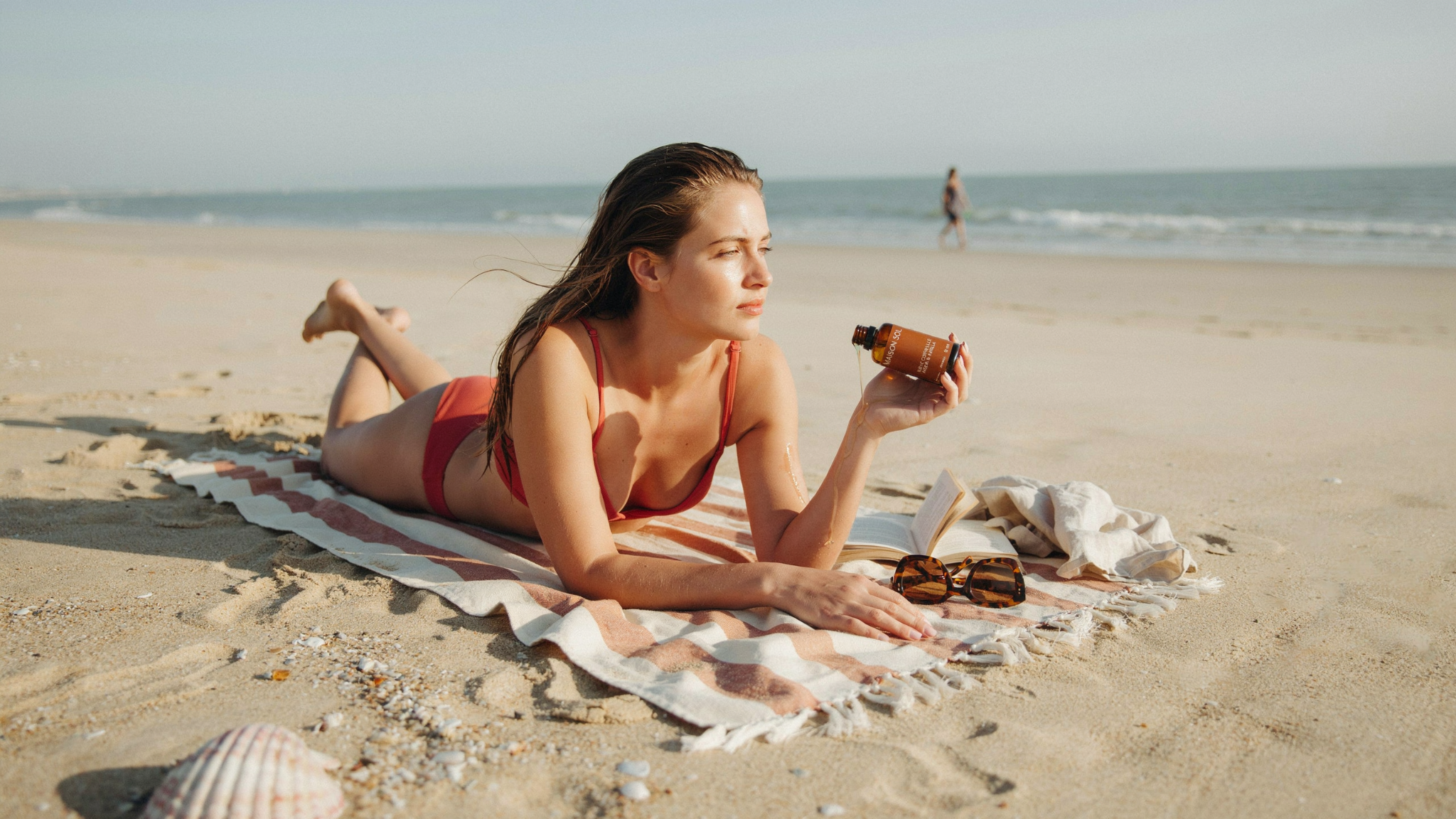
Coconut oil speeds up color but comes with serious tradeoffs you should know.
How Coconut Oil Affects UV Exposure
Yes, coconut oil does help you tan faster. It creates a reflective layer on the skin that concentrates UV rays. Think of it like a magnifying effect. Your skin absorbs more radiation in less time.
This leads to quicker color change. That part is real.
Does It Really Improve Tan Quality?
Not exactly. The glow you get after using coconut oil often comes from the oil itself moisturizing your skin. It makes skin look shiny and smooth. That's not the same as a deep, lasting tan.
Coconut oil does not trigger more melanin production. It just exposes your skin to more UV radiation faster. The result is a faster burn risk, not a better tan.
Coconut Oil SPF and Sun Protection Facts

Coconut oil offers almost no real sun protection despite what you may have heard.
What Is the SPF of Coconut Oil?
Studies show coconut oil has an SPF of around 4 to 8. That sounds like some protection. But in real-world sun exposure, it does very little.
Why This Protection Is Not Enough
An SPF of 4 to 8 blocks only a small fraction of UV rays. A standard SPF 30 sunscreen blocks about 97% of UVB rays. Coconut oil blocks far less than that.
If you're outside for 30 minutes to an hour, that low SPF won't protect you. You'll burn. You'll damage your skin. And you may not feel it until hours later.
Risks of Using Coconut Oil for Tanning
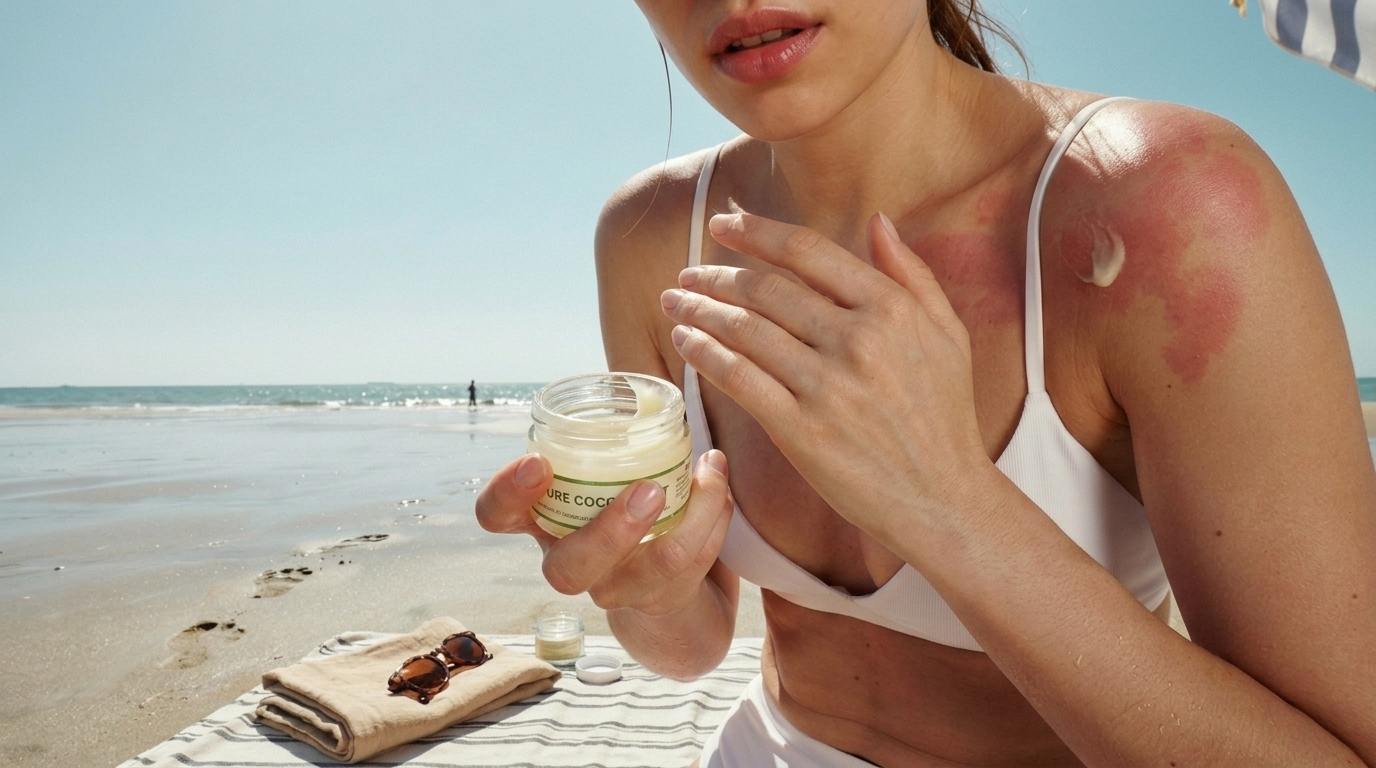
Using coconut oil as a tanning aid puts your skin at serious risk.
Higher Risk of Sunburn
Because coconut oil increases UV absorption, your skin burns much faster. Even on a cloudy day, UV rays are present.
Without real sun protection, a short time outside can leave you red, painful, and peeling.
Skin Damage and Premature Aging
UV damage adds up over time. Repeated sun exposure without protection breaks down collagen. This leads to wrinkles, dark spots, and uneven skin tone.
Coconut oil speeds up this process instead of slowing it down.
Increased Risk of Skin Cancer
This is the most serious point. UV radiation is the leading cause of skin cancer. Using a product that increases UV absorption raises your exposure risk.
Over time, this can contribute to melanoma and other skin cancers. It's not worth it.
Benefits of Coconut Oil for Skin (Beyond Tanning)
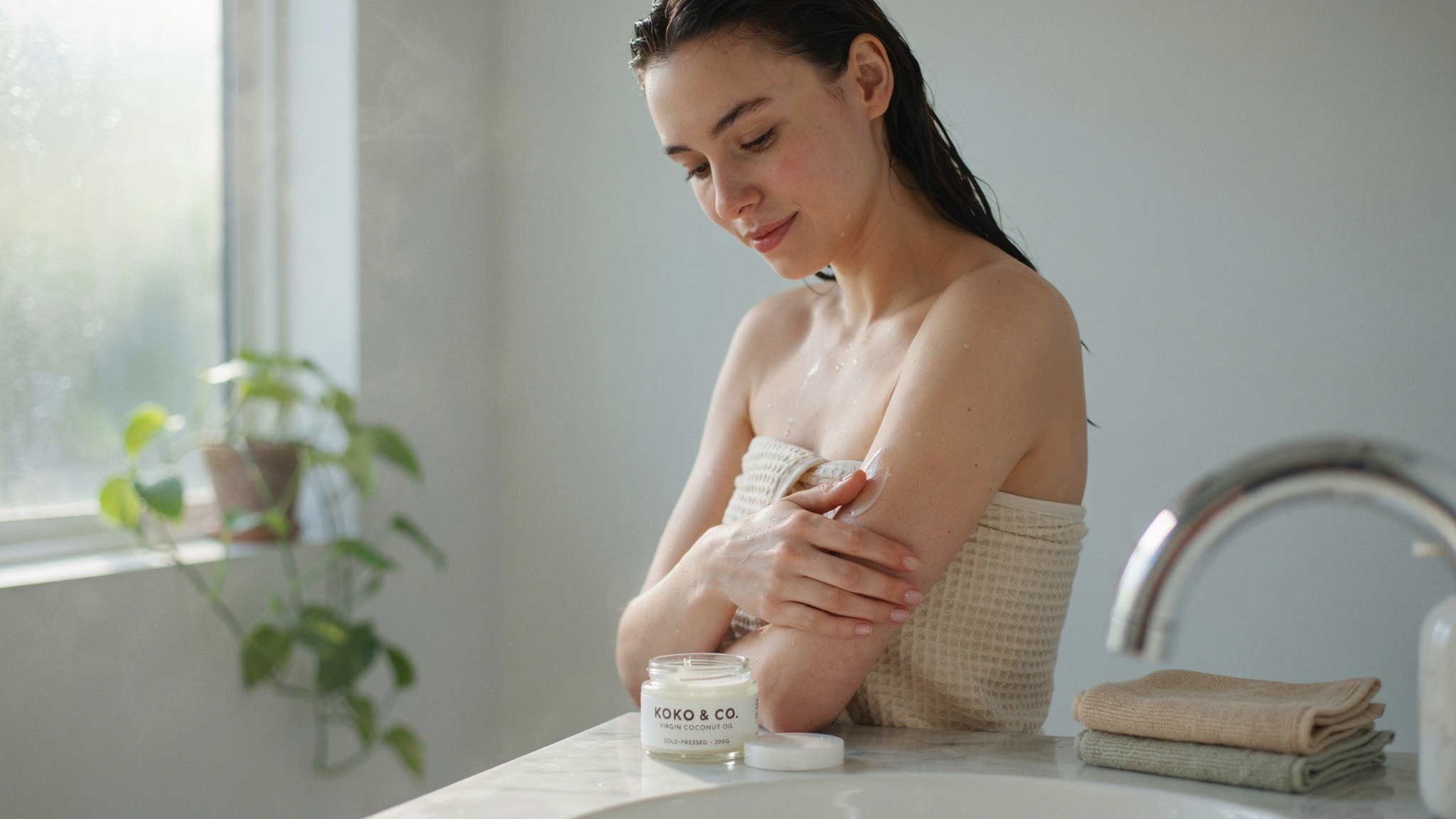
Coconut oil is genuinely good for your skin, just not as a sun protection product.
Deep Moisturization
Coconut oil is an excellent moisturizer. It helps lock in water and keeps skin hydrated for hours. Used at night or after a shower, it works well for dry or rough skin.
Improves Skin Softness and Glow
Regular use makes skin feel softer. It can also add a healthy-looking glow when used away from sun exposure. Many people use it as a body moisturizer with great results.
Supports Skin Barrier Health
Coconut oil contains fatty acids that support the skin's natural barrier. This can help reduce moisture loss and protect against environmental irritants.
It works best as part of a nighttime skincare routine.
Safer Ways to Get a Tan
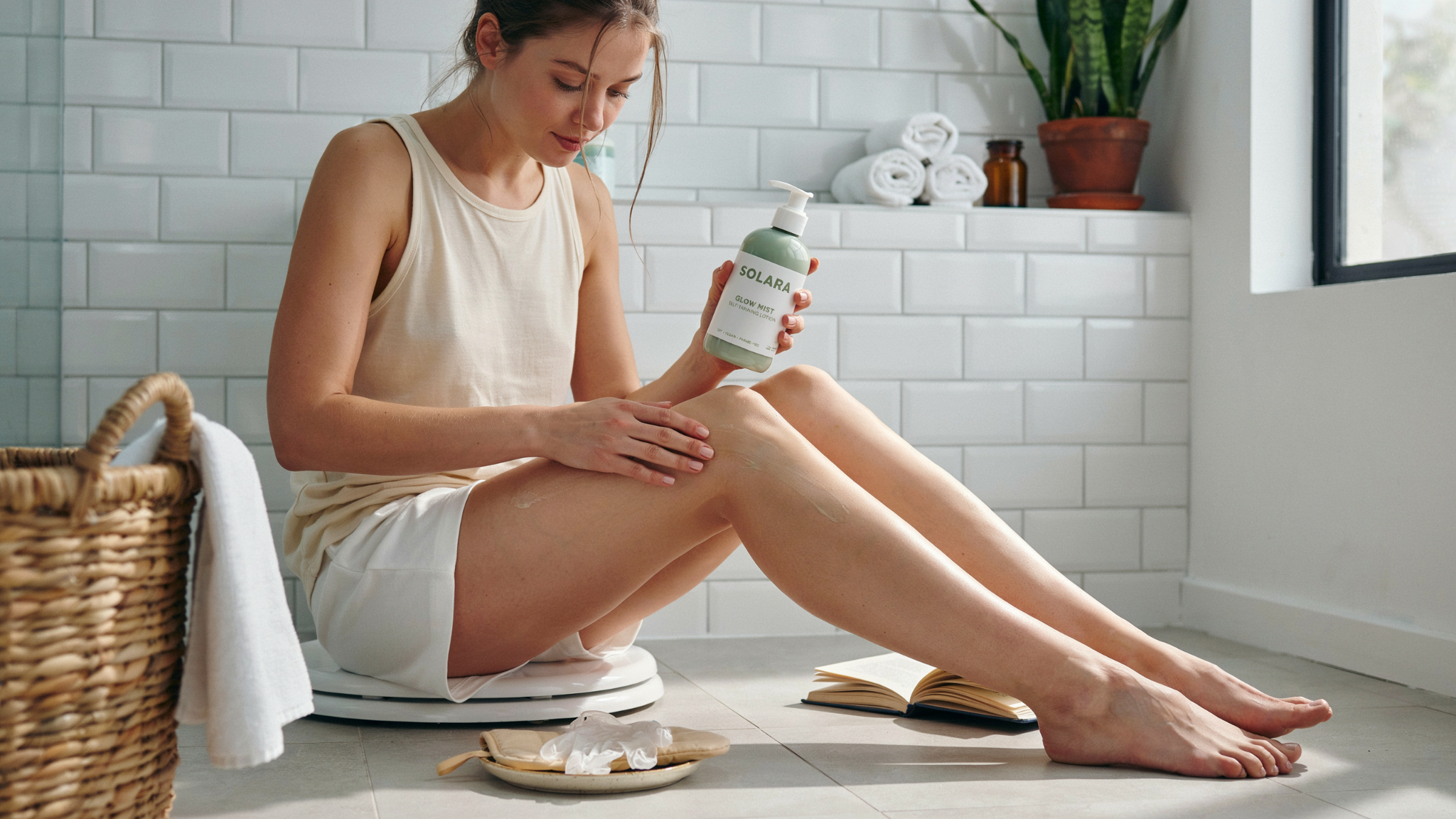
You can still get a sun-kissed look without putting your skin at risk.
Use Sunscreen with Tanning Products
Some tanning lotions are made to work with sunscreen. Look for products that include SPF 30 or higher. You can still get color while blocking most harmful rays.
Try Self-Tanners Instead
Self-tanners use an ingredient called DHA. DHA reacts with the outer layer of your skin to create a natural-looking color. No UV exposure needed. No damage. Just color.
These products have improved a lot. Many now look natural and last several days.
Gradual Tanning Methods
Gradual tanning lotions give a slow, buildable color. You apply them daily and the tan deepens over time. This gives you full control over how dark you go. No risk of burning. No sun damage.
Tips for Tanning Safely
Small habits can protect your skin every time you go outside.
- Always apply sunscreen before heading out, even for short trips. SPF 30 or higher with broad-spectrum coverage protects against both UVA and UVB rays.
- Keep sun sessions short and controlled. Aim for 15 to 20 minutes at a time, especially if you have fair or sensitive skin.
- Stay out of direct sun between 10 AM and 4 PM when UV radiation is at its strongest. Morning and late afternoon are much safer times to be outside.
- Reapply sunscreen every two hours without fail. Sweat, water, and friction all wear it down faster than you think.
- Never treat sunscreen as a one-time step. Consistent reapplication is what actually keeps your skin protected throughout the day.
Conclusion
Does coconut oil help you tan? Honestly, yes, it speeds things up. But the cost to your skin is not worth it. I used to think natural meant safe and learned that is not always true.
Your skin deserves better than a shortcut that raises your burn and damage risk. Go for self-tanners, use SPF, and protect what you have got.
Long-term skin health always wins over a quick result. Got a question or experience to share? Drop it in the comments. I would love to hear from you!
Frequently Asked Questions
Can I mix coconut oil with sunscreen for tanning?
Mixing coconut oil with sunscreen can reduce the sunscreen's effectiveness. It's better to apply sunscreen first, let it absorb, and skip the oil.
Does coconut oil make you tan faster in a tanning bed?
Yes, it increases UV absorption in tanning beds too. This raises the risk of burns and skin damage significantly, so it's not recommended.
How long should I stay in the sun with coconut oil?
There is no safe duration. Coconut oil provides minimal UV protection, so even short exposure can lead to sunburn or skin damage.
Is coconut oil good for skin after sun exposure?
Yes, applying it after sun exposure can help soothe and moisturize skin. Just don't use it as protection before or during sun exposure.
Does coconut oil remove tan from skin?
No, coconut oil does not remove a tan. It moisturizes skin and may make it look more even, but it does not fade or remove existing tanning.