Acne on Chin Meaning: Causes, Hormones & Treatments

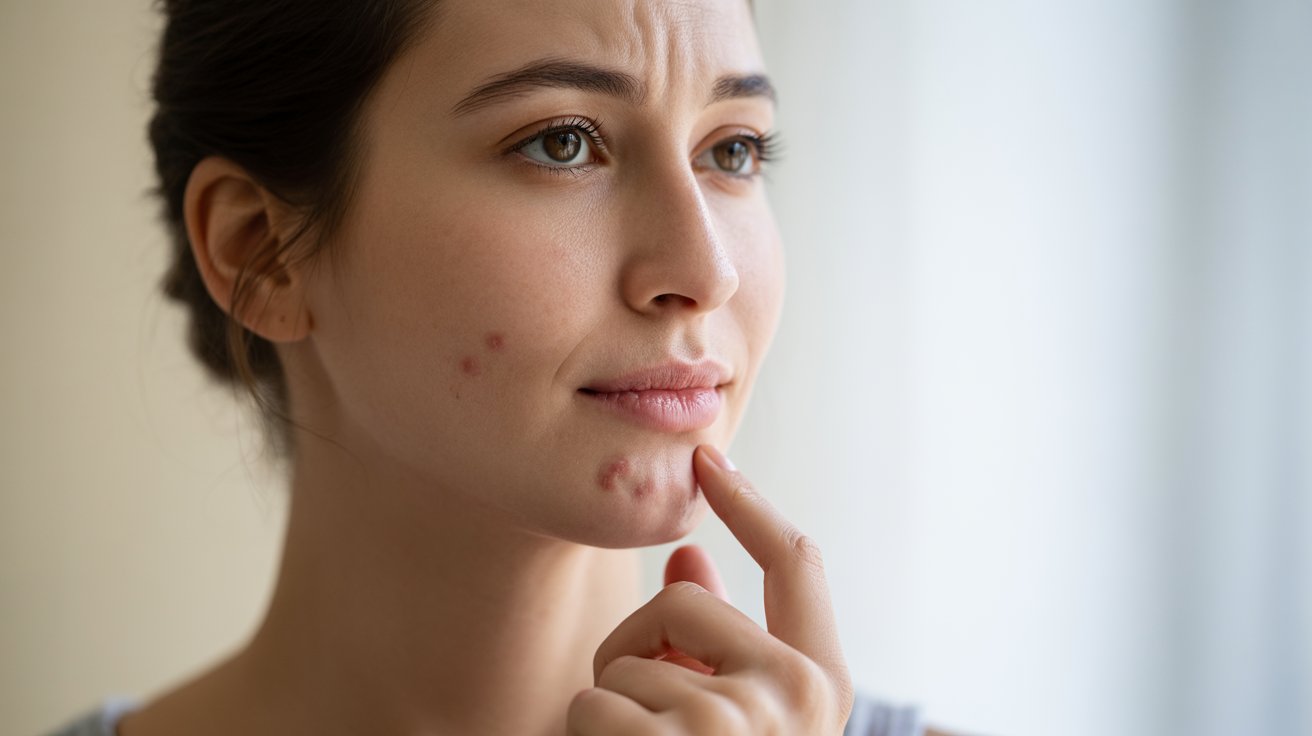
Ever looked in the mirror and wondered why your chin keeps breaking out? I get it.
Chin acne can be frustrating, especially when it keeps coming back no matter what you try.
You might be asking yourself, “What does this acne on my chin actually mean?” Well, your body is trying to tell you something.
It could be your hormones acting up, your daily habits, friction from your phone or mask, or even your skincare routine.
But here’s the thing: you have more control than you think.
Let me show you how.
What Does Acne on the Chin Mean?
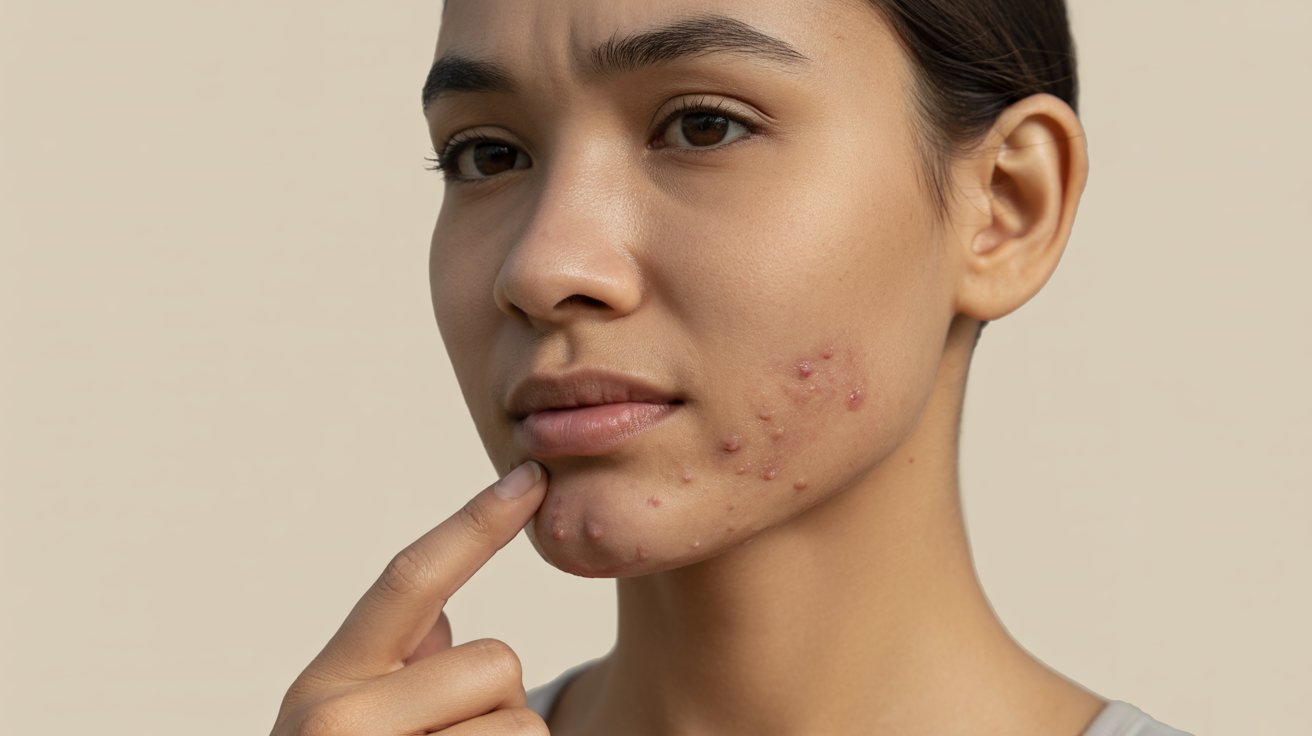
Chin acne often looks and feels different from breakouts on other parts of your face. It tends to appear on the lower face and jaw area.
These pimples are usually deeper, more painful, and cystic in nature. They also come back more often than regular acne. Many people wonder if chin acne signals a health problem.
While face mapping suggests it links to organs, there’s no strong scientific proof for this. The truth is simpler.
Chin acne typically happens because of excess oil production, hormonal changes, or skin irritation. It’s not usually a sign of something seriously wrong inside your body.
Main Causes of Acne on the Chin
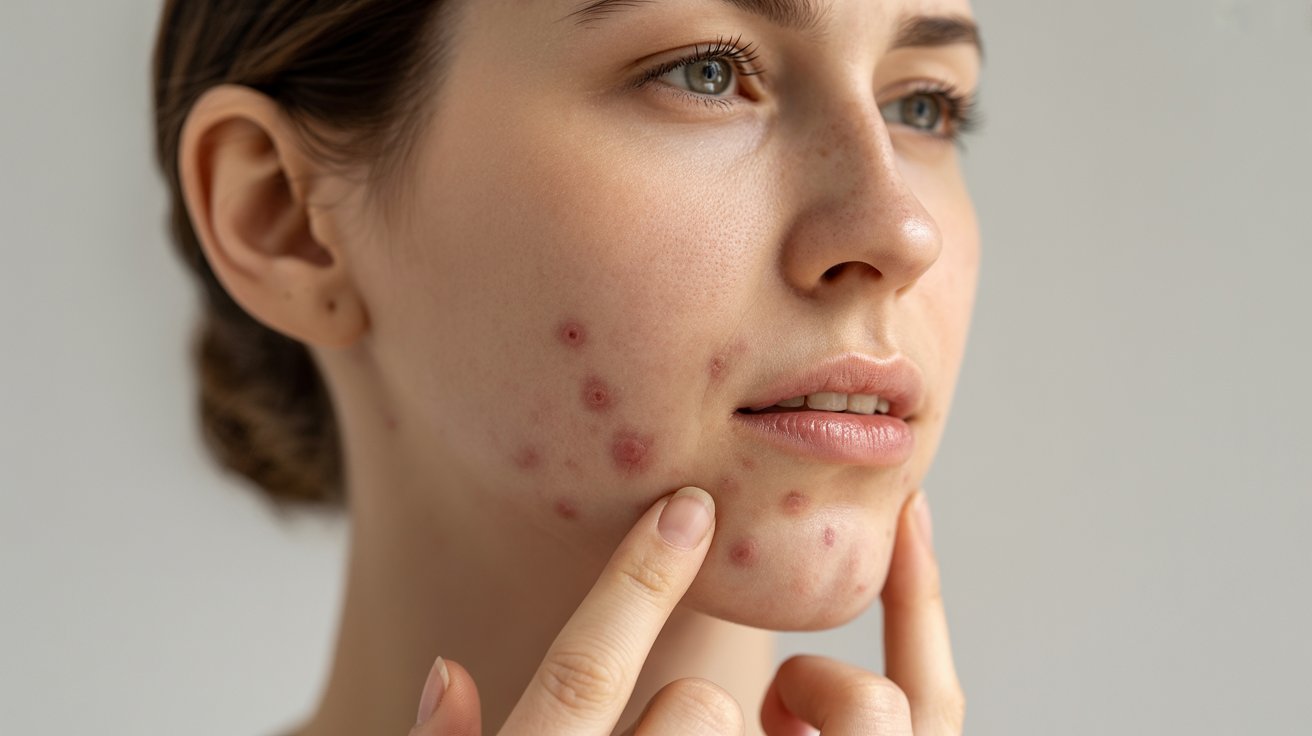
Chin acne doesn’t just happen randomly. Understanding what triggers your breakouts is the first step to getting clearer skin.
1. Hormonal Changes (Most Common Cause)
Hormones are the biggest trigger for chin acne. When androgens increase, they make your skin produce more oil.
This is why breakouts appear before your period, during pregnancy, or when you’re stressed.
You can tell it’s hormonal if your acne is cyclical, spreads along your jawline, and forms deep cystic bumps under your skin.
2. Excess Oil and Clogged Pores
Your chin produces a lot of sebum naturally. When oil mixes with dead skin cells, it clogs your pores and traps bacteria inside.
The lower part of your face has higher oil concentration, making your chin more breakout-prone.
3. Diet and Lifestyle Factors
What you eat affects your skin. High sugar foods spike your blood sugar and trigger acne. Some people react to dairy products.
Alcohol increases inflammation, and lack of sleep stresses your body. All these factors show up on your chin.
4. Touching Your Face or Friction
Resting your chin on your hands transfers bacteria to your skin. Your phone, face masks, and helmet straps create friction that blocks pores.
This is called acne mechanica, and it happens when repeated rubbing irritates your skin.
5. Skincare and Cosmetic Products
Some products contain comedogenic ingredients that clog pores. Heavy moisturizers and thick foundations can suffocate your skin.
If you don’t cleanse properly, makeup and oil sit on your chin overnight and cause breakouts.
6. Shaving and Hair Removal
Shaving can irritate your chin and cause razor bumps. You might also get folliculitis or ingrown hairs that look like pimples.
Using a dull razor or skipping proper shaving prep makes the problem worse.
Types of Chin Acne and What They Indicate
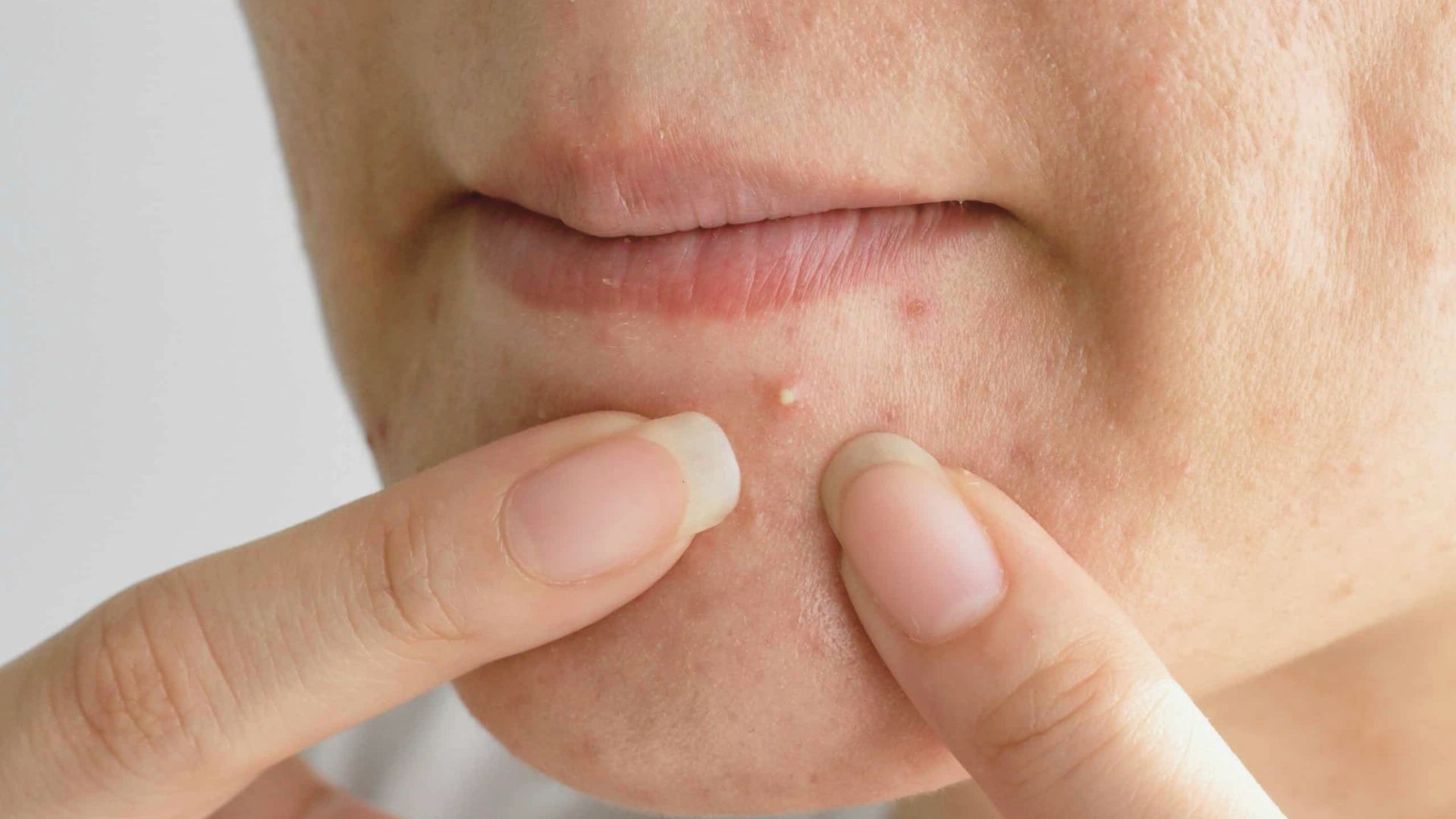
Different types of acne tell different stories about what’s happening with your skin. Knowing which type you have helps you treat it better.
1. Whiteheads and Blackheads
These are the mildest forms of acne. They happen when your pores get clogged but stay relatively small. Whiteheads are closed bumps filled with oil and dead skin.
Blackheads are open pores where the clog turns dark when exposed to air. If you’re getting these on your chin, it’s often because of the products you’re using. Heavy creams or makeup can be the culprit.
2. Inflamed Pimples
These are the red, swollen bumps that hurt when you touch them. Bacteria gets involved when your clogged pore becomes infected. The area around it gets inflamed and angry looking.
These pimples usually show up when something irritates your skin. Touching your face, friction from masks, or dirty phone screens can trigger them.
3. Cystic or Nodular Acne
This is the most severe type of chin acne. These breakouts form deep under your skin and feel like hard, painful lumps. They don’t come to a head like regular pimples.
Cystic acne is almost always linked to hormones. If you’re dealing with these deep bumps on your chin, hormonal imbalance is likely the main cause.
How to Treat Acne on the Chin

You don’t have to live with chin acne forever. There are many effective treatments that can help clear your skin and prevent future breakouts.
Over-the-Counter Treatments
You can find good acne fighters at your local drugstore. Benzoyl peroxide kills bacteria and reduces inflammation. Salicylic acid unclogs pores by removing dead skin cells.
Adapalene is a retinoid that prevents clogging. Hydrocolloid patches absorb pus and protect pimples from bacteria. Start with lower concentrations to see how your skin reacts.
Prescription Options
If drugstore products aren’t working, see a dermatologist. They can prescribe topical or oral antibiotics to fight bacteria and inflammation.
For hormonal acne, birth control pills or spironolactone balance your hormones. Stronger retinoids like tretinoin are also available and work faster than over-the-counter options.
Lifestyle Adjustments That Help
Treatment isn’t just about products. Eat a balanced diet with less sugar and processed foods. Manage your stress through exercise or meditation.
Get seven to eight hours of sleep each night. Practice good hygiene by washing your face twice daily and keeping your phone clean. Avoid touching your chin with dirty hands.
When to See a Dermatologist
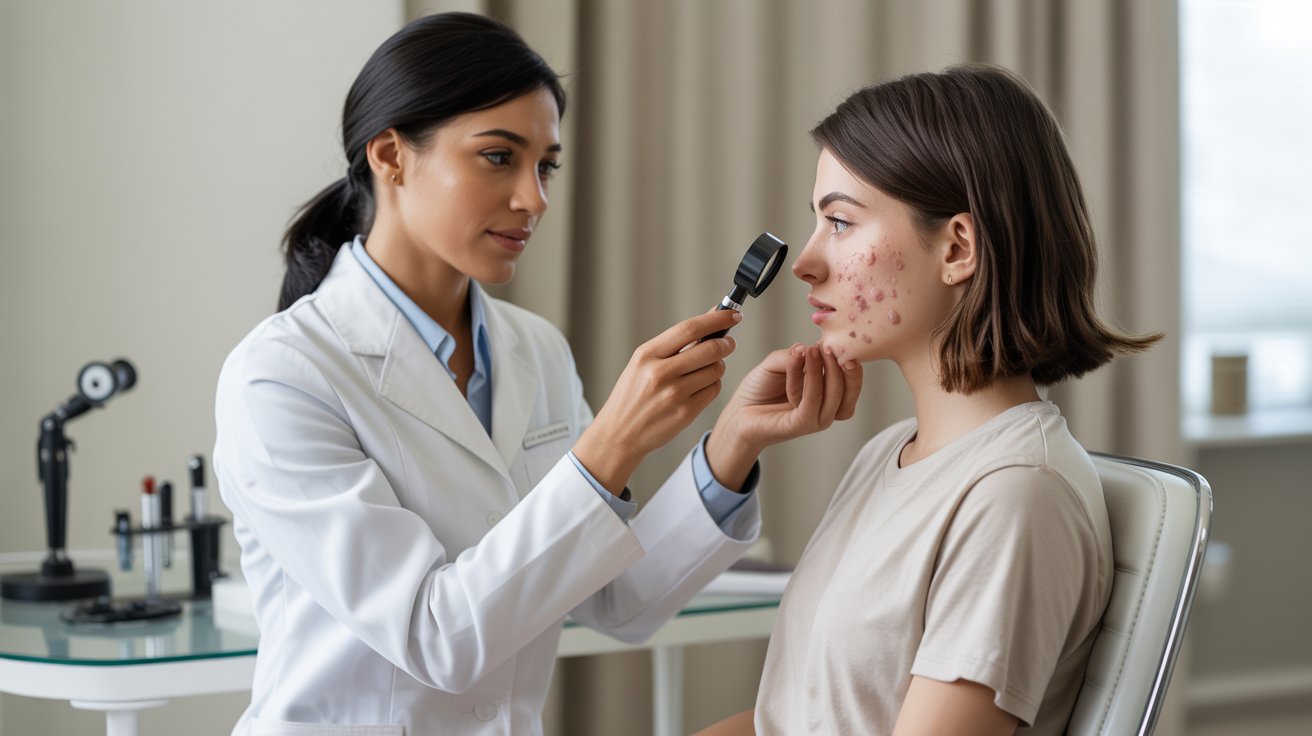
Sometimes chin acne needs professional attention. You should see a dermatologist if your breakouts last longer than six to eight weeks without improvement.
Painful cystic acne that forms deep under your skin requires medical treatment. If you notice scarring or dark marks developing, don’t wait. Early intervention prevents permanent damage.
When over-the-counter products stop working or never worked in the first place, it’s time to get expert help. A dermatologist can offer stronger treatments and find the root cause of your acne.
Conclusion
Dealing with chin acne can feel overwhelming, but you’re not alone in this. The good news is that it’s completely treatable once you identify what triggers your breakouts.
Stay consistent with your skincare routine and pay attention to how your skin responds. If you’ve tried everything and nothing works, reach out to a dermatologist. They’re there to help.
Remember, clearer skin is within your reach. Be patient with yourself and trust the process.
Your confidence will thank you later.
Frequently Asked Questions
What does acne on my chin mean?
Chin acne usually signals hormonal changes, excess oil production, or friction from touching your face. It can also result from your skincare products, diet, or lifestyle habits like stress and poor sleep.
Why does my chin acne keep coming back?
Recurring chin acne is often hormonal, especially if it appears around your menstrual cycle. It can also come back if you haven’t addressed the root cause like clogged pores, irritating products, or touching your face frequently.
How long does it take to clear chin acne?
Most chin acne improves within six to eight weeks with consistent treatment. Cystic or hormonal acne may take longer and might need prescription medication from a dermatologist for faster results.
Can toothpaste help chin acne?
No, toothpaste is not recommended for acne treatment. It can irritate your skin and make breakouts worse. Stick to proven acne treatments like benzoyl peroxide or salicylic acid instead.
Is chin acne a sign of PCOS?
Chin acne can be a symptom of PCOS, especially when combined with irregular periods and excess hair growth. However, not all chin acne means you have PCOS. See a doctor if you suspect hormonal issues.