
Best Body Composition Scanners Compared for Long-Term Progress Tracking

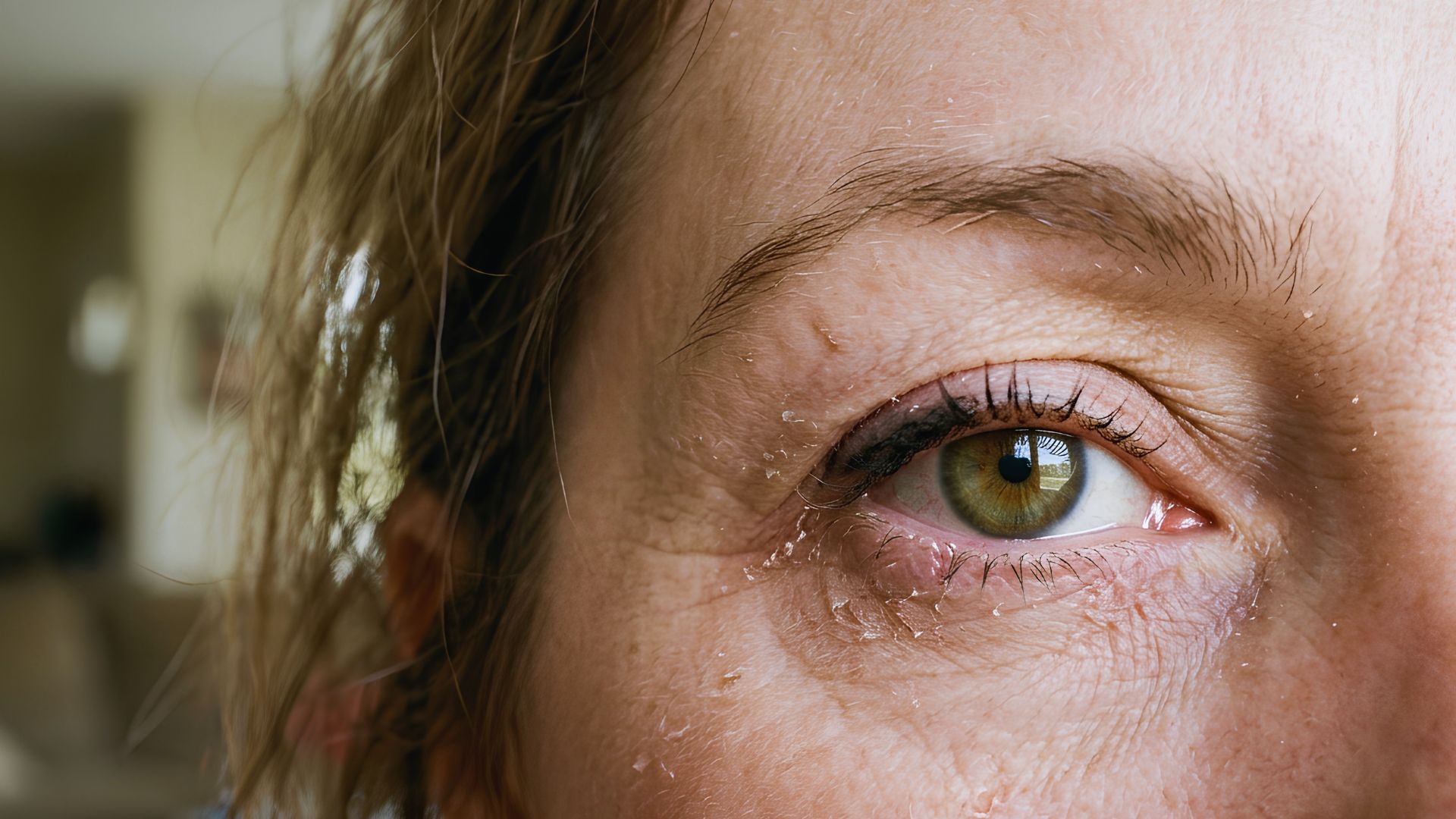
I know how annoying dry skin around the eyes can be. I have experienced that flaky, tight feeling first thing in the morning, and it can make the delicate eye area feel uncomfortable throughout the day.
Because the skin around the eyes is much thinner and more sensitive than the rest of the face, it tends to lose moisture more easily and react quickly to harsh products, changing weather, allergies, or lack of hydration.
Over the years, I have tested countless skincare remedies and learned which approaches actually help soothe irritation and restore the skin's moisture barrier.
In this guide, I will explain the most common causes of dry skin around the eyes, from everyday habits and environmental factors to underlying skin conditions that may require extra care.
What Is Dry Skin Around Eyes?

The skin near your eyes is fragile and requires special care. When it loses moisture, it can feel rough, itchy, and uncomfortable.
Because this area is constantly exposed to environmental factors, skincare products, and daily facial movements, it is often one of the first places to show signs of dryness and irritation.
Cold weather, low humidity, excessive rubbing, and harsh cleansers can all weaken the skin's natural moisture barrier.
Keeping the area hydrated with gentle, fragrance-free products and avoiding common irritants can help restore comfort and maintain healthy-looking skin.
What Causes Dry Skin Around Eyes?

Many daily habits and environmental factors can strip moisture from your skin without you even realizing it. Because the skin around the eyes is so delicate, it often shows signs of dryness before other areas of the face.
I have found a few main culprits that commonly contribute to dry skin around the eyes.
Aging and Loss of Natural Skin Oils
As we age, our bodies naturally produce less oil and collagen. This makes it harder for the skin to retain moisture and stay supple.
The eye area is especially vulnerable because it already has fewer oil glands than the rest of the face. As a result, dryness, fine lines, and a rough texture often become more noticeable over time.
Cold Weather and Environmental Factors
Harsh winds, cold temperatures, and indoor heating can all dry out the air and pull moisture from the skin. Low humidity levels make it difficult for the skin to maintain its natural hydration.
Spending time in air-conditioned environments or exposed to strong winds can further increase dryness, leaving the skin around the eyes feeling tight, flaky, and irritated.
Dehydration and Nutritional Deficiencies
Not drinking enough water can affect your skin's ability to stay hydrated and healthy. While dehydration alone may not be the only cause, it can make existing dryness worse.
In addition, deficiencies in nutrients such as vitamin D, vitamin A, iron, and zinc may contribute to dry, flaky skin. A balanced diet and proper hydration support overall skin health and can help reduce dryness.
Harsh Skincare Products and Overwashing
Using strong soaps, alcohol-based products, or aggressive exfoliants can damage the skin's protective barrier. When this barrier becomes weakened, moisture escapes more easily and irritation develops.
Washing your face too often or using hot water can make the dryness even worse. Choosing gentle, fragrance-free products and avoiding excessive cleansing can help protect the sensitive skin around the eyes and keep it hydrated.
Skin Conditions That Can Cause Dry Skin Around Eyes
While environmental factors and skincare habits can contribute, certain skin conditions can cause ongoing irritation, redness, and flaking that do not improve with basic moisturizers alone. Eczema (Atopic Dermatitis)

Eczema causes red, itchy patches that can develop on the eyelids and surrounding skin. The affected area may feel dry, irritated, and sensitive to touch. It often flares up due to stress, allergies, weather changes, or exposure to irritating products.
People with eczema may also have a history of asthma, hay fever, or other allergic conditions. Regular moisturizing and avoiding triggers are important parts of managing symptoms.
Contact Dermatitis

You might be allergic or sensitive to something your skin comes into contact with, such as makeup, face wash, sunscreen, or even nail polish transferred from your hands.
This condition, known as contact dermatitis, often causes a sudden rash along with redness, itching, swelling, and dry patches.
Symptoms usually improve once the triggering product is identified and removed, although severe reactions may require medical treatment.
Seborrheic Dermatitis
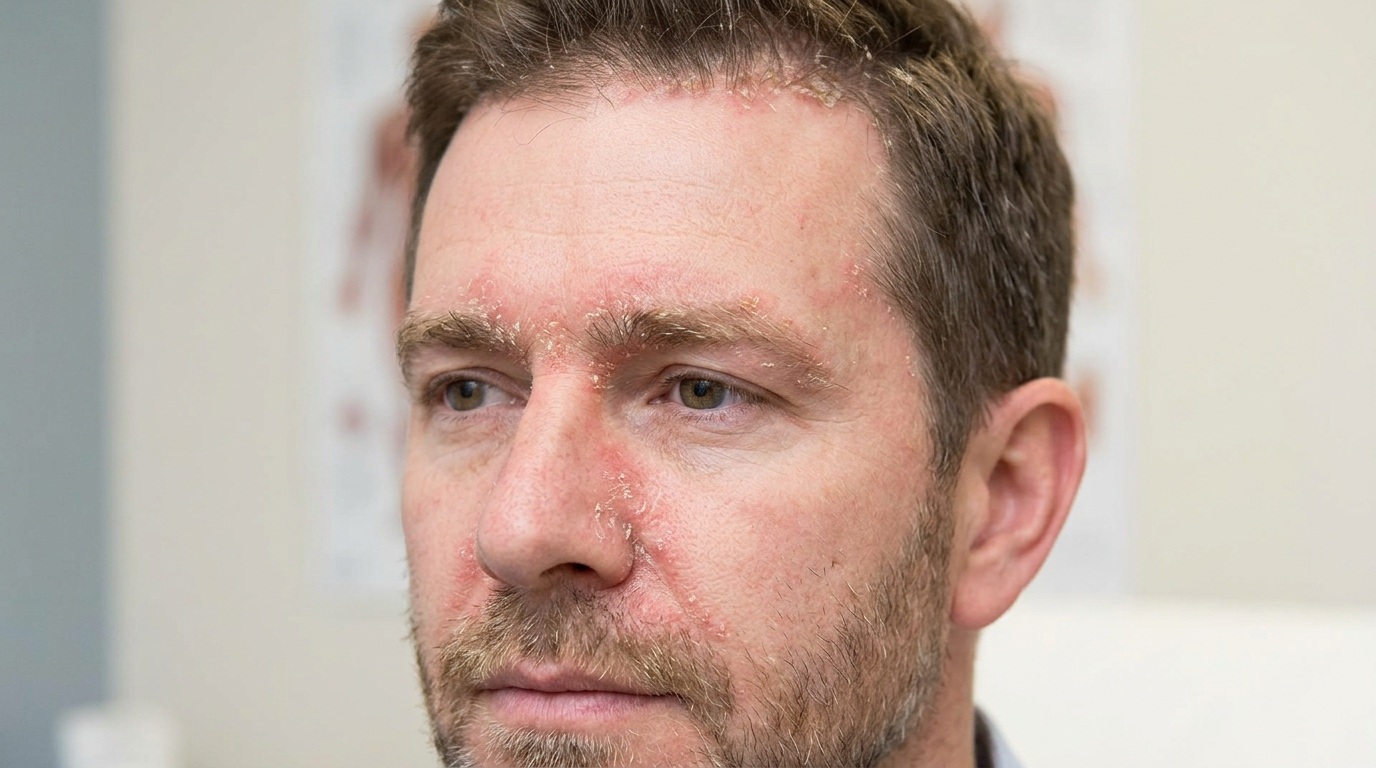
Seborrheic dermatitis creates stubborn, flaky scales and redness that often appear around the eyebrows, eyelids, sides of the nose, and hairline. It happens in areas where oil glands are most active and is linked to an overgrowth of a naturally occurring yeast on the skin.
The condition can come and go over time, with flare-ups often triggered by stress, fatigue, or cold weather. Specialized treatments are often needed to keep symptoms under control.
Psoriasis Around the Eyes

Though less common, psoriasis can affect the skin around the eyes and cause thick, scaly patches that may appear red, silvery, or inflamed.
The skin can become itchy, sore, and uncomfortable, especially during flare-ups.
Eye Conditions Linked to Dry Skin Around Eyes
Understanding these conditions can help you identify when the issue may be related to your eyes rather than your skincare routine.
Blepharitis

Blepharitis is an inflammation of the eyelids that often affects the area where the eyelashes grow. It can cause red, swollen, itchy, and irritated eyelids, along with a burning or gritty sensation in the eyes.
Some people also notice flaky skin or small crusts around the lash line, especially when they wake up in the morning. Without proper care, the inflammation can lead to ongoing irritation and dryness around the eyes.
Conjunctivitis (Pink Eye)

Conjunctivitis, commonly known as pink eye, is an inflammation of the membrane that covers the white part of the eye and the inner eyelid. It can be caused by viruses, bacteria, or allergies.
Symptoms often include redness, excessive tearing, discharge, and crusting around the eyes. The constant moisture and irritation can affect the surrounding skin, causing it to become dry, sensitive, and uncomfortable.
Dry Eye Syndrome and Related Irritation
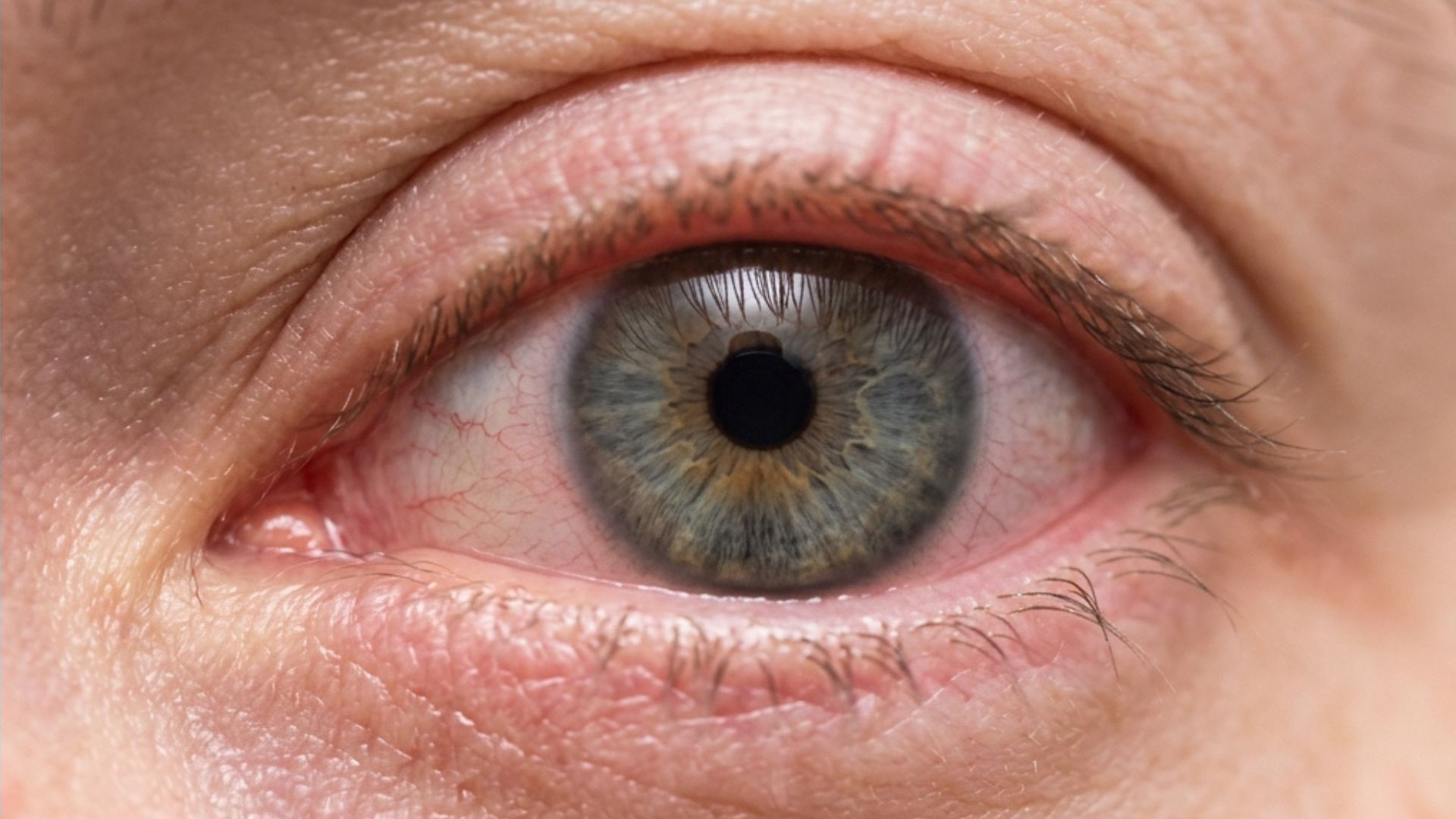
When your eyes do not produce enough tears or the tears evaporate too quickly, dry eye syndrome can develop.
This often causes burning, stinging, redness, and a feeling that something is stuck in the eye.
Symptoms That May Indicate an Underlying Condition
Simple dryness often improves with moisturizer, gentle skincare, and time. However, when symptoms persist or become more severe, they may point to an underlying skin or eye condition.
Paying attention to these warning signs can help you determine when it is time to seek professional advice rather than relying on home remedies alone.
Persistent Redness and Inflammation
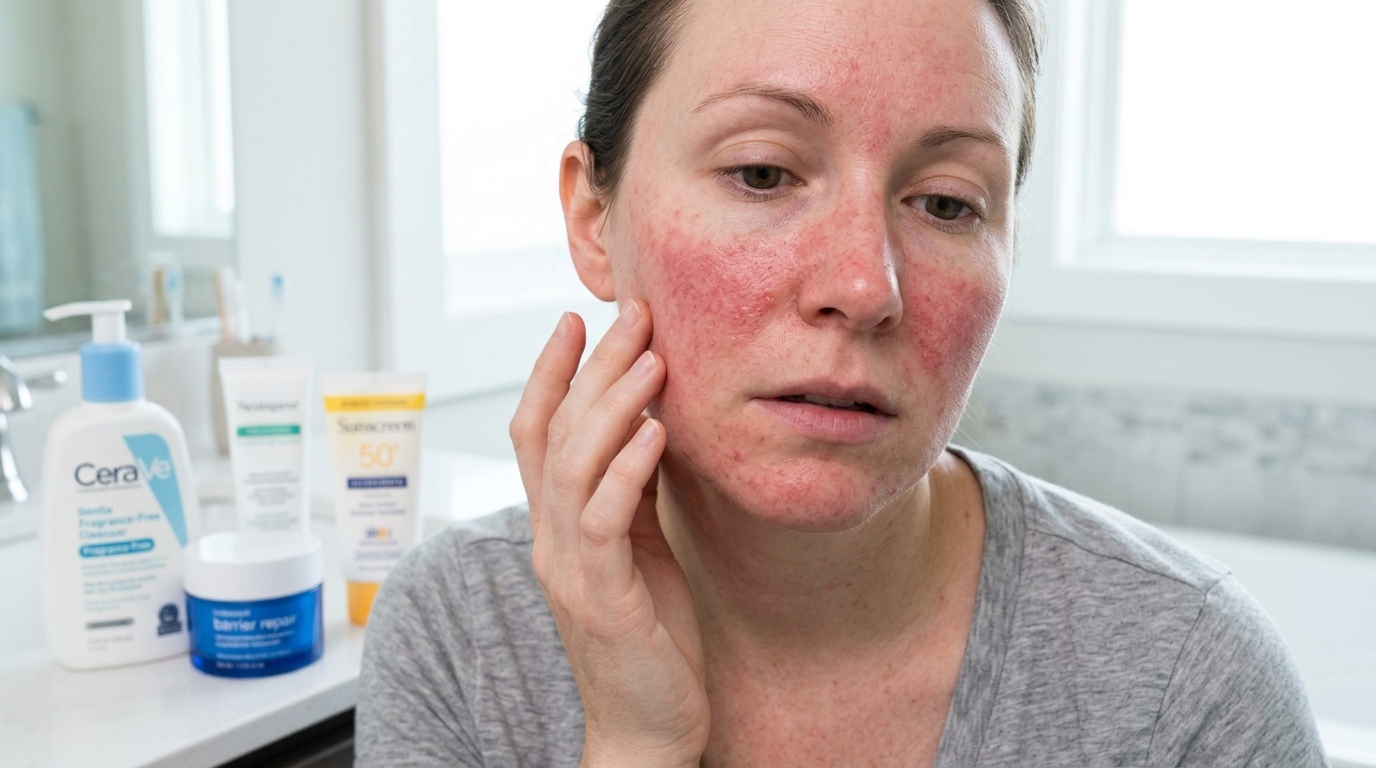
If the redness never fades or keeps returning despite proper skin care, it is probably not just a result of dry weather or temporary irritation.
Ongoing inflammation can be linked to conditions such as eczema, rosacea, contact dermatitis, or other skin disorders.
Itching, Burning, and Flaking

Occasional itching may happen when the skin is dry, but constant itching, burning, or flaking can indicate a deeper problem. These symptoms often occur when the skin barrier has become damaged or when an inflammatory condition is present.
The affected skin may become increasingly sensitive, making everyday products feel uncomfortable or irritating.
Swelling Around the Eyelids

Puffy, swollen eyelids often point to an allergy, infection, or inflammatory condition affecting the eye area. The swelling may appear suddenly or develop gradually over time.
Because the skin around the eyes is so delicate, even mild swelling can feel uncomfortable and should be monitored closely.
Crusting or Discharge Near the Eyes

Waking up with crusty eyes, sticky eyelashes, or noticeable discharge is a major warning sign that should not be ignored.
These symptoms can occur with conditions such as blepharitis, conjunctivitis, or other eye infections.
How to Treat Dry Skin Around Eyes
In many cases, simple changes to your skincare routine and environment can make a noticeable difference.
The key is to treat the delicate eye area gently and avoid anything that may cause further irritation.
Use Gentle, Fragrance-Free Cleansers

Stop using scented soaps and harsh facial cleansers that can strip away your skin's natural oils. Wash your face with lukewarm water instead of hot water, as heat can worsen dryness and irritation.
Choose a mild, fragrance-free cleanser designed for sensitive skin, and avoid scrubbing the eye area.
Apply it carefully with your ring finger, using light tapping motions rather than rubbing. Consistent moisturizing can help reduce flaking, soothe irritation, and improve the overall appearance of the skin.
Avoid Common Irritants and Allergens

Throw away old eye makeup and replace products that may be causing irritation. Stay away from harsh chemicals, strong fragrances, alcohol-based products, and anything that causes stinging or redness when applied.
If you suspect a specific product is triggering your symptoms, stop using it for a few weeks and monitor your skin for improvement.
Protect the Skin Barrier

A healthy skin barrier helps keep moisture in and irritants out. Use products that contain ceramides, niacinamide, or other barrier-supporting ingredients to strengthen and repair the skin.
Avoid excessive exfoliation and limit the use of strong active ingredients around the eyes. When the skin barrier is healthy, it is better able to resist dryness, redness, and environmental stress.
Use a Humidifier to Improve Moisture Levels

Put a humidifier in your bedroom or the room where you spend the most time.
It adds moisture back into the air, which can help prevent the skin from drying out, especially during winter or when indoor heating is running.
When to See a Doctor

Sometimes, home care is not enough. While mild dryness often improves with moisturizers and gentle skincare, persistent or worsening symptoms may indicate an underlying skin or eye condition.
Knowing when to seek professional help can prevent complications and ensure you receive the right treatment as early as possible.
Signs That Require Medical Attention
If your vision becomes blurry, sensitive to light, or otherwise changes, go to a clinic or contact a healthcare provider promptly.
Constant pain, severe itching, or swelling around the eyes also needs medical attention.
Treatment Options a Doctor May Recommend
A doctor might prescribe medicated creams or ointments to reduce inflammation and repair the skin barrier.
Depending on the cause, they may recommend treatments such as corticosteroids, calcineurin inhibitors, antifungal medications, or allergy treatments.
Quick Tips for Managing Dry Skin Around Eyes
If you want fast relief and healthier skin around your eyes, keep these simple tips in mind:
- Use a gentle, fragrance-free cleanser instead of harsh soaps.
- Wash your face with lukewarm water, not hot water.
- Apply a moisturizer or eye cream immediately after cleansing.
- Look for products containing ceramides, hyaluronic acid, and glycerin.
- Avoid rubbing or scratching the skin around your eyes.
Conclusion
I know dealing with dry skin around eyes is frustrating. I have been there, waking up with red, tight eyelids. But with patience and a gentle routine, your skin will heal.
My best advice is to stop rubbing your face and start using a thick, fragrance-free cream tonight. You have the power to fix this issue starting today.
I would love to hear what works for you. Please leave a comment below and share this post with friends who need help!
Frequently Asked Questions
What is the most common cause of dry skin around eyes?
The main cause is often a lack of moisture in the air or using harsh soaps. Rubbing your eyes too much also makes it worse.
Which moisturizer is best for dry skin around eyes?
A thick, fragrance-free cream with ceramides works best. Always pat it gently into the skin instead of rubbing.
Can allergies cause dry skin around eyes?
Yes, dust and pollen can irritate the thin skin. This leads to itching, redness, and severe flaking.
How long does it take for dry skin around eyes to heal?
With daily care, you should see relief in a few days. If it takes longer than two weeks, consult a doctor.
Does drinking water help with dry skin around eyes?
Drinking water keeps your whole body hydrated. This helps your skin stay soft and prevents future flaking.