How to Prevent Ingrown Hairs After Waxing Fast


Ingrown hairs after waxing are annoying. I know because I've dealt with them too. That red, bumpy skin days after a wax session is something nobody wants.
The good news? It's preventable.
In this blog, I'll walk you through exactly how to prevent ingrown hairs after waxing.
You'll learn what causes them, the best before-and-after care steps, ingredients that actually work, and common mistakes to stop making.
I've spent a lot of time researching and testing what works. Everything here is backed by real skincare knowledge.
Whether your skin is sensitive or prone to bumps, this guide covers it all. Let's get into it.
Understanding Ingrown Hairs After Waxing
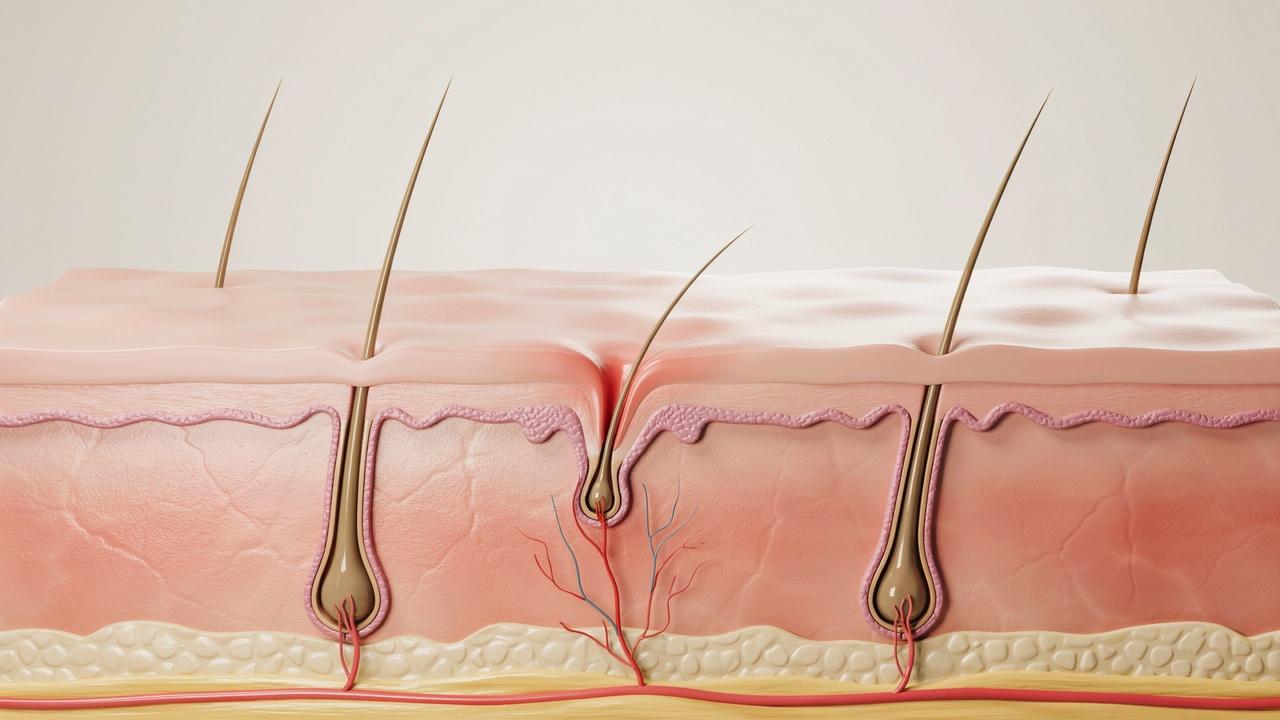
Ingrown hairs happen when a hair curls back into the skin instead of growing outward. After waxing, your skin is open and sensitive.
This makes it easier for hairs to grow sideways or get trapped beneath the surface.
Waxing removes hair from the root. When the hair grows back, it sometimes can't break through the skin properly. This leads to red bumps, inflammation, and sometimes pain.
Certain skin types are more prone to this. People with curly or coarse hair tend to get ingrown hairs more often.
Dry or rough skin also increases the risk because dead skin cells block the hair follicle.
How to Prevent Ingrown Hairs After Waxing
The right routine before and after your wax session makes a huge difference. These steps are simple, proven, and easy to follow.
Exfoliate Before Your Waxing Appointment

Exfoliating 24 to 48 hours before waxing clears away dead skin cells. This gives the wax a cleaner surface to grip and lets hairs come out more easily.
Use a gentle scrub or a chemical exfoliant like salicylic acid. Avoid harsh scrubs that can irritate your skin right before waxing.
Choose an Experienced Waxing Professional
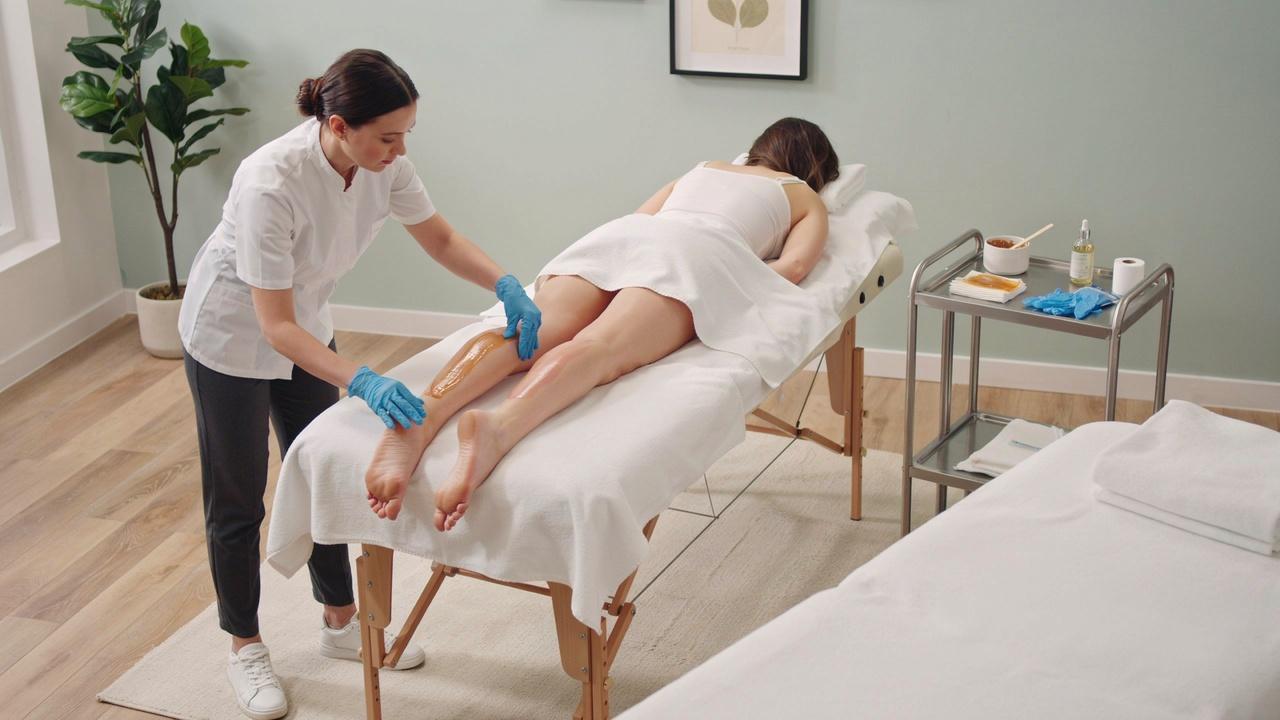
The person doing your wax matters. A skilled technician knows how to apply and remove wax correctly. Poor technique is one of the top causes of ingrown hairs.
Ask about their training and experience before booking. A good professional will also give you aftercare advice.
Wax in the Direction of Hair Growth

Wax should always be removed in the opposite direction of hair growth. But applying it correctly in the first place matters too.
Pulling wax the wrong way breaks the hair instead of removing it from the root, which raises the chance of ingrowns.
Keep Your Skin Clean Before and After Waxing
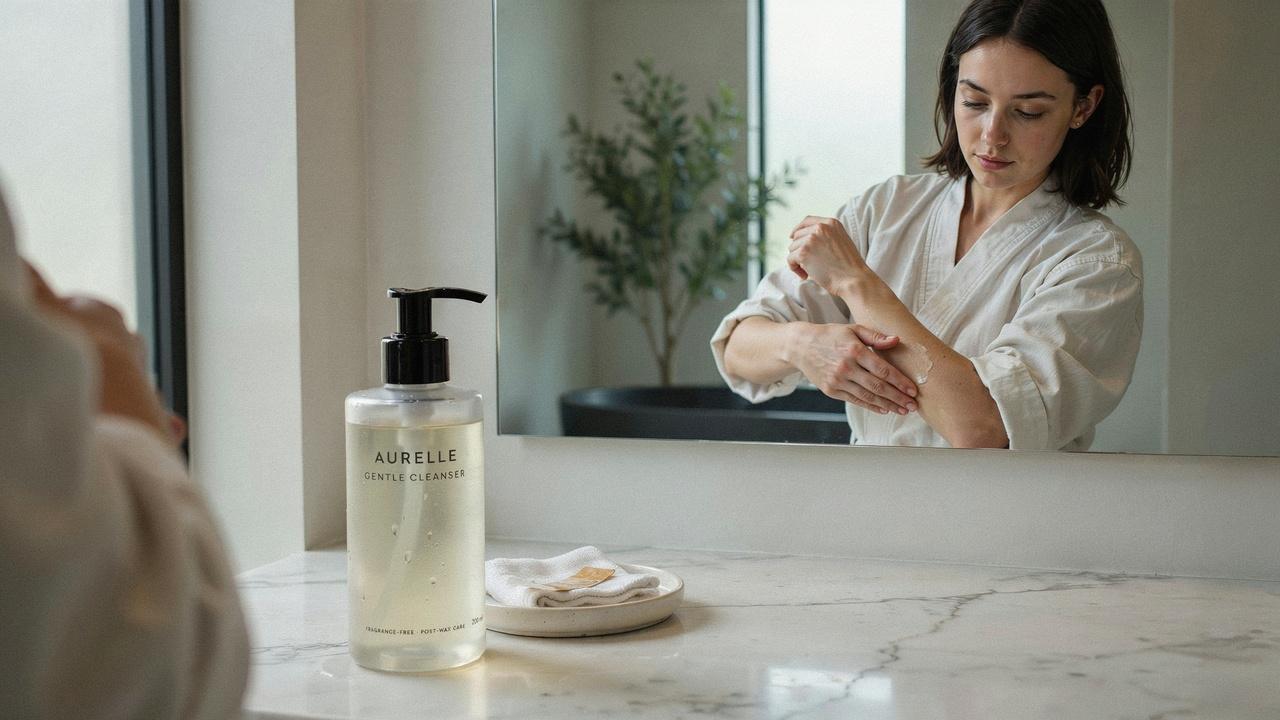
Dirt and oil on the skin can push bacteria into open follicles after waxing. Cleanse your skin gently before your appointment.
After waxing, use a mild, fragrance-free cleanser to keep the area fresh without irritating it.
Moisturize to Maintain a Healthy Skin Barrier
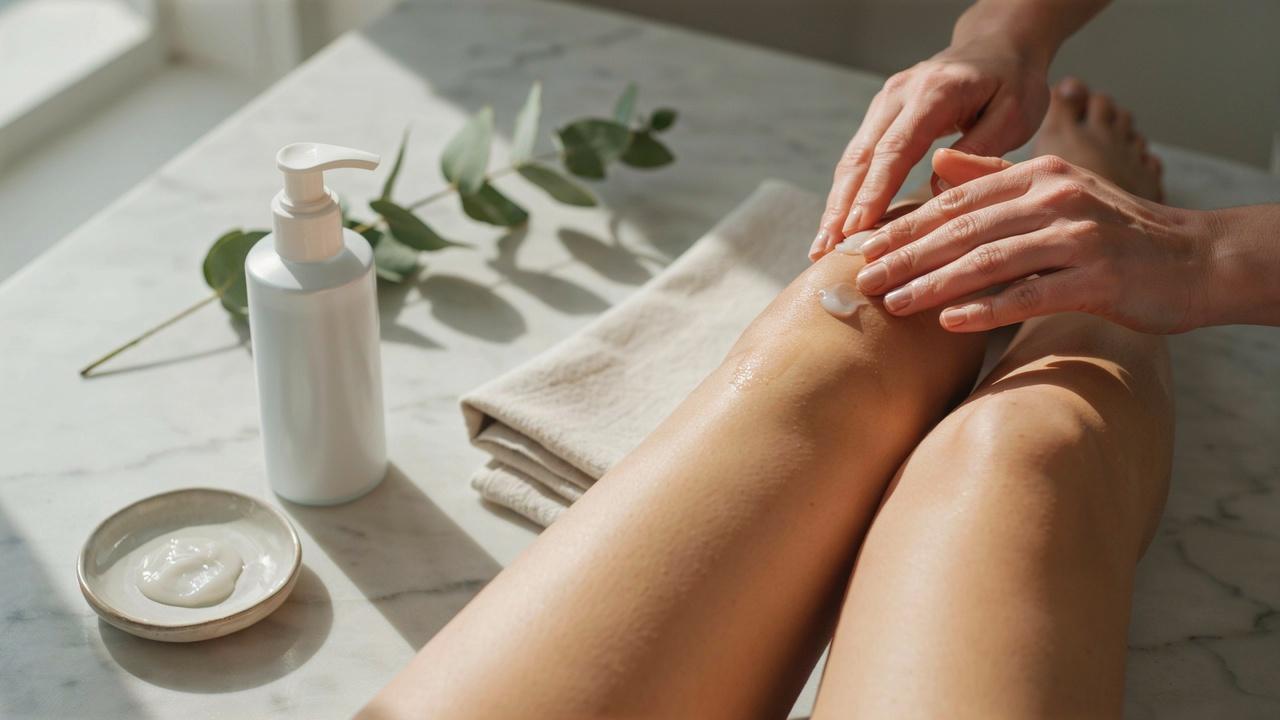
Dry skin is one of the biggest reasons ingrown hairs form. When skin is well-hydrated, hair can push through more easily.
Apply a gentle, non-comedogenic moisturizer after waxing once any redness settles down.
Avoid heavy creams or oils right after your session as they can clog pores.
Wear Loose-Fitting Clothing After Waxing

Tight clothing rubs against freshly waxed skin. This friction irritates the follicles and forces hair to grow in the wrong direction.
Wear soft, breathable fabrics like cotton for at least 24 hours after waxing.
Avoid Heat, Sweating, and Friction for 24 to 48 Hours

Hot showers, saunas, intense workouts, and sun exposure all stress freshly waxed skin. They open pores to bacteria and cause irritation that leads to ingrown hairs.
Keep it cool and calm for the first two days.
Skip Harsh or Fragranced Skincare Products

After waxing, your skin is more sensitive than usual. Products with strong fragrances, alcohol, or harsh chemicals can cause a reaction.
Stick to gentle, simple formulas until your skin fully calms down.
Use Targeted Ingrown Hair Prevention Products

There are serums and sprays made specifically to prevent ingrown hairs. Look for products with salicylic acid, glycolic acid, or witch hazel.
Apply them as directed, usually starting 48 hours after your wax.
Avoid Shaving Between Waxing Sessions
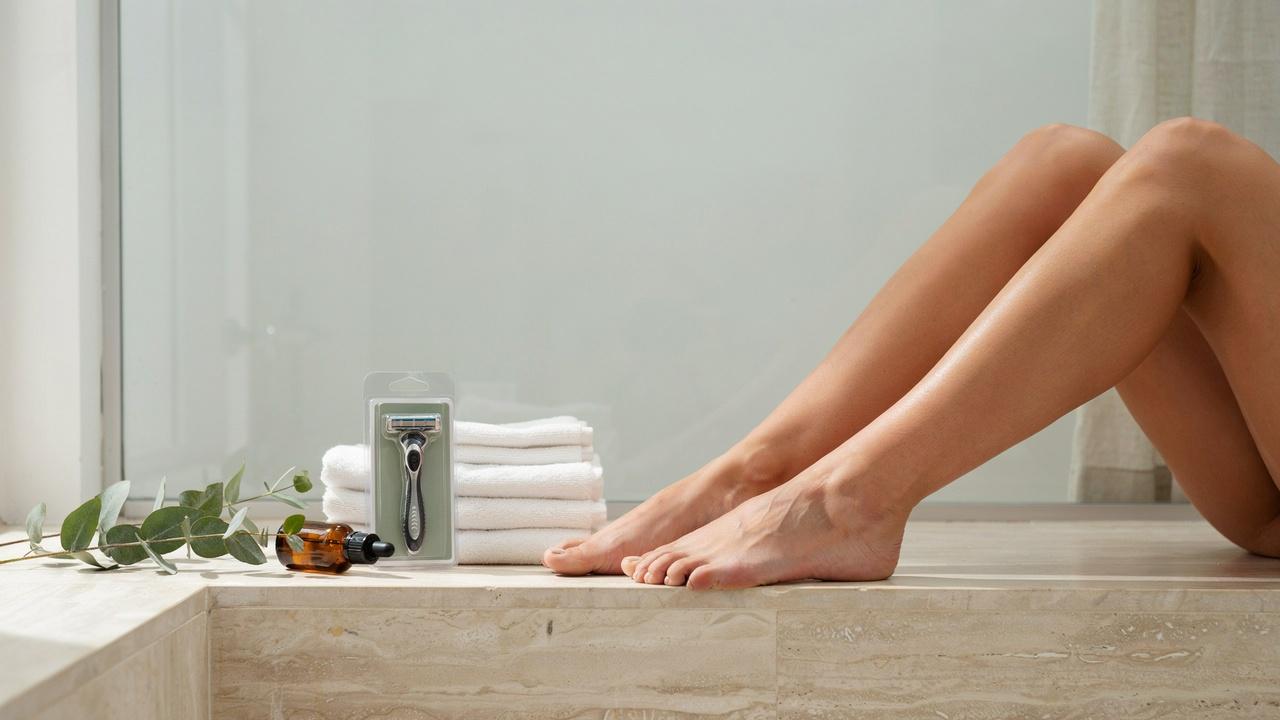
Shaving between wax appointments changes how your hair grows. The blunt tip created by shaving makes it harder for hair to break through the skin cleanly.
Stick to waxing on a consistent schedule instead.
Stay Consistent With Gentle Exfoliation
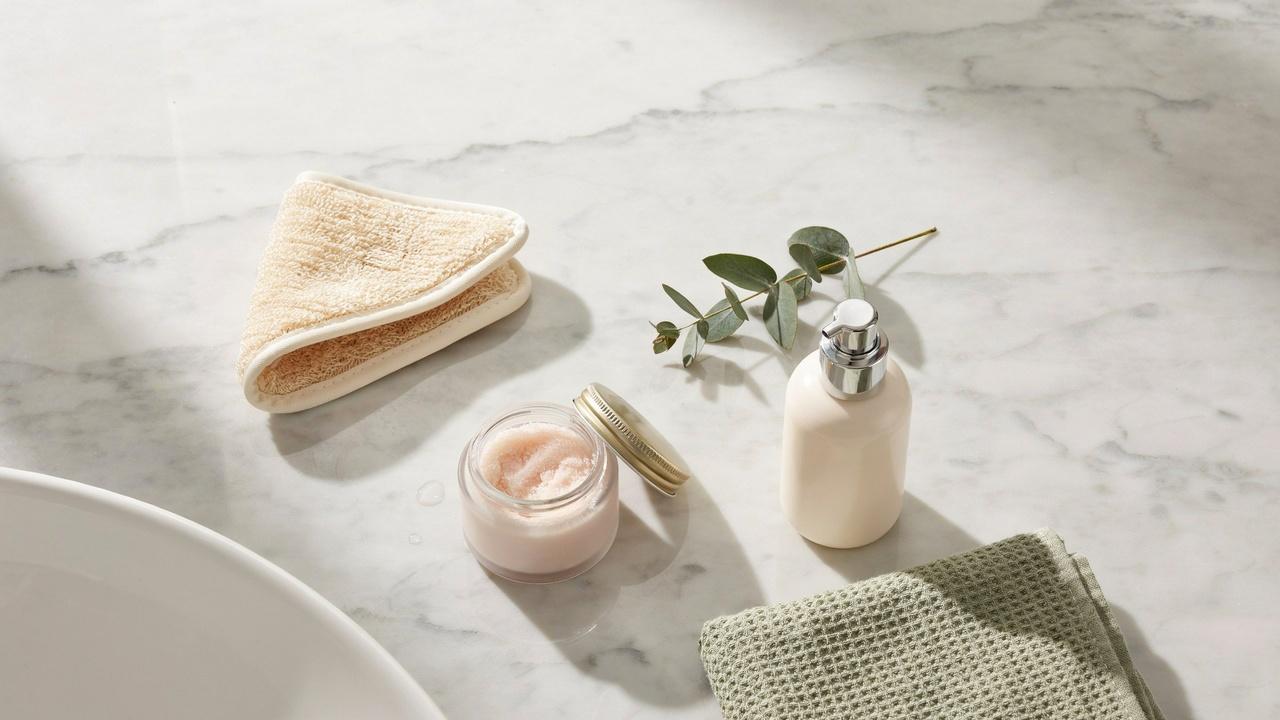
Exfoliate two to three times a week between wax sessions. This keeps dead skin from building up over hair follicles.
Use a soft washcloth, a gentle scrub, or a mild chemical exfoliant.
Consider Laser Hair Removal for Chronic Ingrown Hairs
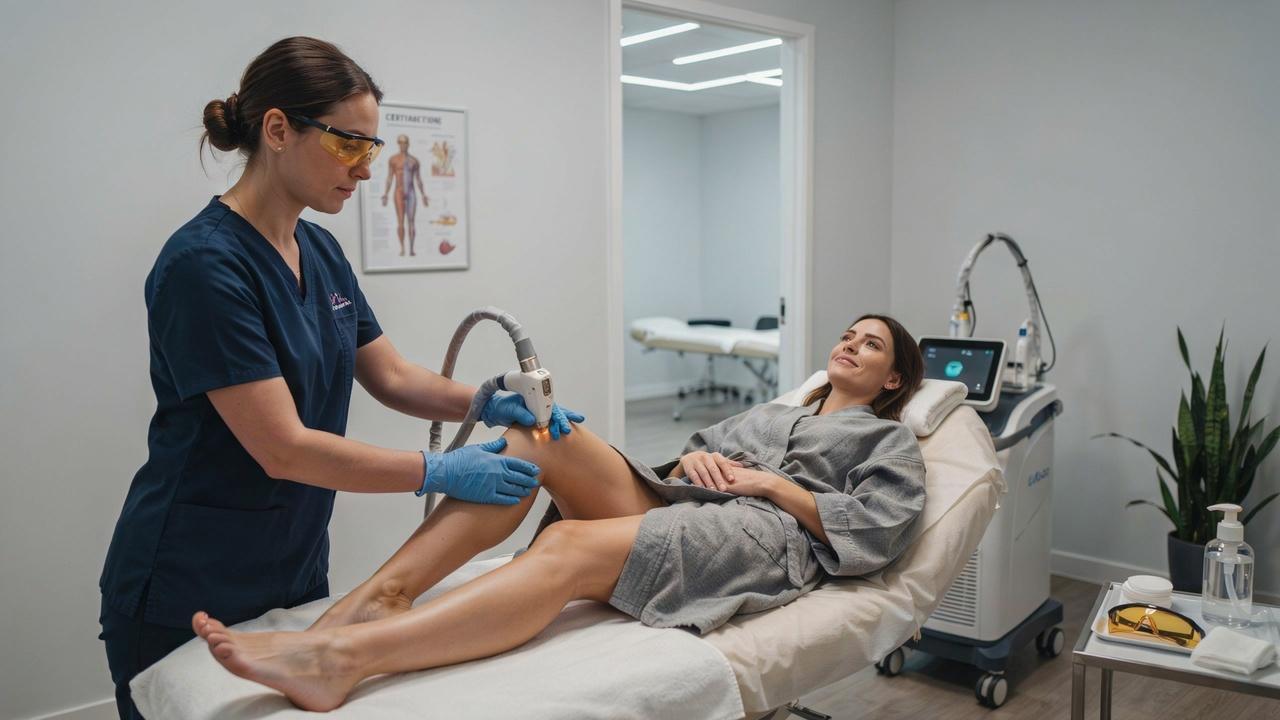
If you get ingrown hairs constantly no matter what you try, laser hair removal might be worth looking into.
It reduces hair growth over time, which significantly lowers the chance of ingrowns forming at all.
Important Aftercare Routine to Prevent Ingrown Hairs
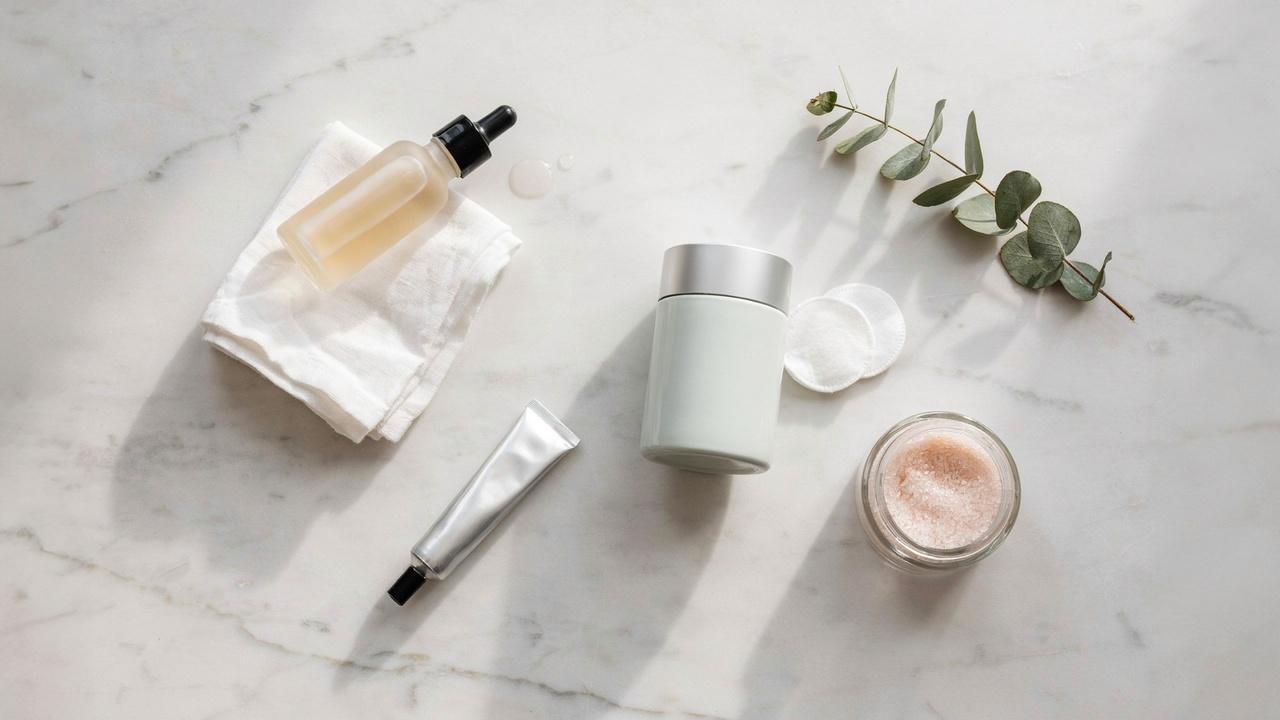
What you do after waxing is just as important as the wax itself. A clear plan helps your skin recover faster and stay bump-free.
First 24 Hours After Waxing
Your skin is most sensitive right after waxing, so treat it with extra care during this window.
- Avoid touching the waxed area with unwashed hands
- Skip hot showers and opt for lukewarm water
- Do not apply deodorant or perfume to waxed areas
- Wear loose, soft clothing
- Stay out of the sun and skip the gym
What to Do 24 to 48 Hours After Waxing
Once the initial redness settles, you can slowly reintroduce your skincare routine.
- Start applying a gentle ingrown hair serum
- Moisturize twice a day with a fragrance-free lotion
- Begin light exfoliation with a soft cloth if your skin feels calm
- Avoid tight clothing for at least another day
Weekly Skincare Routine for Smooth, Bump-Free Skin
Consistency is what keeps ingrown hairs and rough patches from coming back.
- Exfoliate two to three times a week
- Moisturize daily
- Use an ingrown hair prevention product every other day
- Check the skin for any early signs of trapped hairs and treat them early
What to Do If You Already Have an Ingrown Hair
Finding ingrown hair can be frustrating. The most important thing is to resist picking or squeezing it. That makes it worse and can cause scarring.
Soak the area with a warm compress for a few minutes. This softens the skin. Then apply a product with salicylic acid to help the hair work its way out.
If the hair is visible just under the skin, a sterilized needle can gently lift it. Do not dig into the skin. If it is deeply embedded or infected, see a dermatologist.
Best Ingredients and Products for Ingrown Hair Prevention
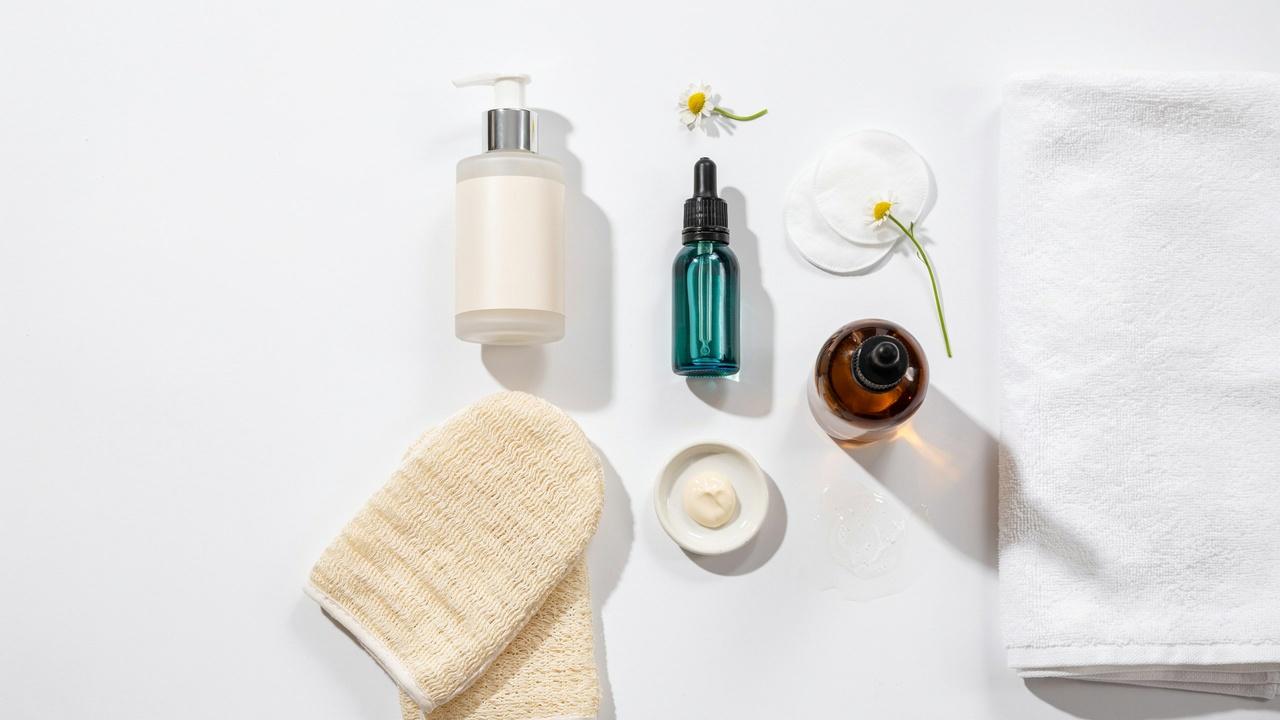
Knowing what to look for on a label helps you pick the right products.
Salicylic Acid
Salicylic acid goes into the pore and clears out dead skin and oil. It is one of the best ingredients for preventing ingrown hairs. Look for it in toners, serums, and body washes.
Glycolic Acid
Glycolic acid is an alpha hydroxy acid that exfoliates the top layer of skin. It speeds up cell turnover, which keeps hair follicles clear. Start with a low concentration if your skin is sensitive.
Lactic Acid
Lactic acid is gentler than glycolic acid and works well for sensitive skin. It exfoliates while also adding moisture to the skin, making it a good option after waxing.
Niacinamide
Niacinamide calms redness and inflammation. It also strengthens the skin barrier. Using it after waxing can reduce irritation and lower the risk of ingrowns forming.
Hydrating Barrier Creams and Lightweight Moisturizers
A good moisturizer keeps skin soft and smooth. When skin is hydrated, hair grows through more easily. Choose non-comedogenic options so you do not block the follicles you are trying to protect.
Common Mistakes That Increase the Risk of Ingrown Hairs
These mistakes can turn an honest attempt into something damaging.
- Skipping exfoliation before or after waxing
- Wearing tight clothes immediately after the session
- Using scented products on freshly waxed skin
- Shaving between wax appointments
- Picking at bumps or ingrown hairs
- Skipping moisturizer after waxing
- Not going to a trained professional
- Waiting too long between wax sessions so hair becomes coarser
Conclusion
I used to deal with ingrown hairs after every wax session, and it was genuinely frustrating. Once I started exfoliating regularly and switching to fragrance-free products, things changed a lot.
These steps are not complicated, but they do require consistency. If this guide helped you, I would love to hear about it. Drop a comment below and share what worked for you.
Pass this along to a friend dealing with the same issue.
Smooth, bump-free skin after waxing is absolutely possible when you know how to prevent ingrown hairs after waxing.
Frequently Asked Questions
How soon after waxing can I exfoliate to prevent ingrown hairs?
Wait at least 48 hours before exfoliating after waxing. Starting too early can irritate sensitive skin and cause more problems.
Can ingrown hairs after waxing cause permanent scarring?
Yes, if you pick or squeeze ingrown hairs repeatedly, it can lead to dark spots or scars. Treat them gently and let them heal on their own when possible.
Does the type of wax affect ingrown hair risk?
Hard wax tends to be gentler on the skin and is less likely to cause irritation that leads to ingrown hairs compared to soft wax strips.
How often should I wax to reduce ingrown hairs?
Waxing every four to six weeks keeps the hair cycle consistent. Regular waxing over time can actually make hairs finer and easier to remove cleanly.
Are ingrown hairs after waxing a sign of an infection?
Not always. Most ingrown hairs are just trapped hairs. However, if you notice swelling, pus, or significant pain, it could be infected and worth seeing a doctor.