How to Get Green Out of Blonde Hair Fast


Ever step out of the pool, catch your reflection, and notice your blonde hair has a strange green tint to it?
It happens more often than you'd think, and it's rarely as permanent as it looks in the moment. Chlorine, copper, and even hard water can all leave that unwanted green cast behind, especially on lightened hair.
This guide walks through exactly why it happens and how to get green out of blonde hair using simple remedies you likely already have at home, along with a few professional options if the tint runs deep.
Why Does Blonde Hair Turn Green?
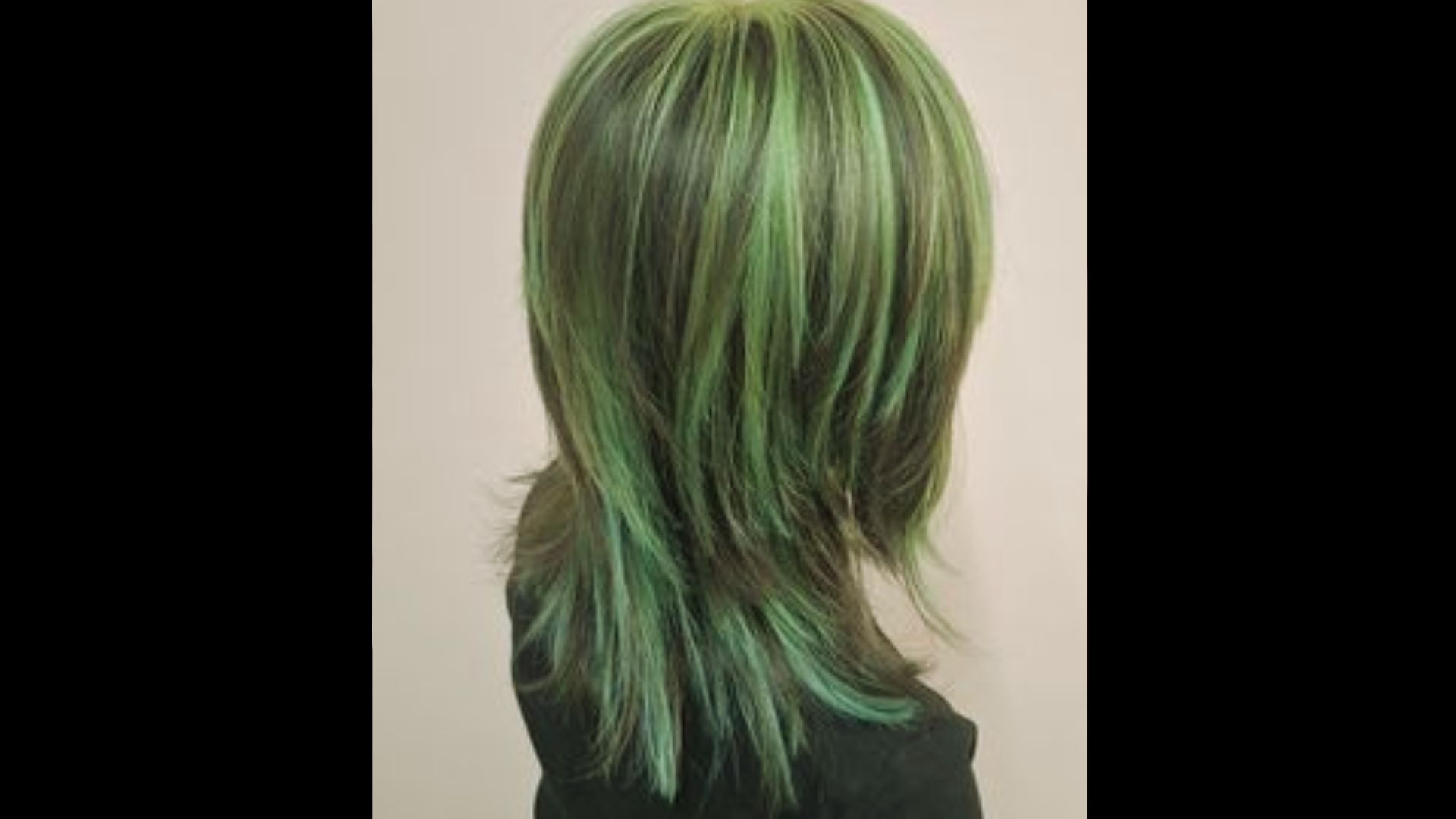
I remember the first time I noticed a strange green tint in my hair after a summer of swimming, and I panicked a little before I figured out what was actually going on.
Green hair usually comes down to one of two things, and knowing the difference helps you pick the right fix.
The most common cause is chlorine mixing with copper. Pool water often carries small traces of copper, either from the pipes or from certain algaecides added to keep the water clean.
Chlorine doesn't turn your hair green on its own, but it oxidizes that copper and makes it stick to your hair strands, especially if your hair is already lightened.
Blonde and lightened hair has a more porous, open cuticle, so it grabs onto that copper more easily than darker hair does.
Chlorine and copper aren't the only culprits, though. Hard water with a high mineral content can leave a similar green cast over time, even without a single trip to the pool.
Copper pipes at home can cause the same reaction every time you shower, even if you never touch a pool. Certain well water sources carry naturally high copper levels too.
Some people notice a green tinge after using specific hair dyes or toners, especially cool, ash-toned shades that don't carry enough warm pigment to balance out the blue and green undertones in your hair.
If you swim often, live in an area with hard water, or use well water at home, any of these can explain the green tone even if chlorine isn't involved at all.
How to Get Green Out of Blonde Hair

I've tried a handful of methods over the years, and each one works a little differently depending on how bad the green tint actually is.
1. Clarifying Shampoo
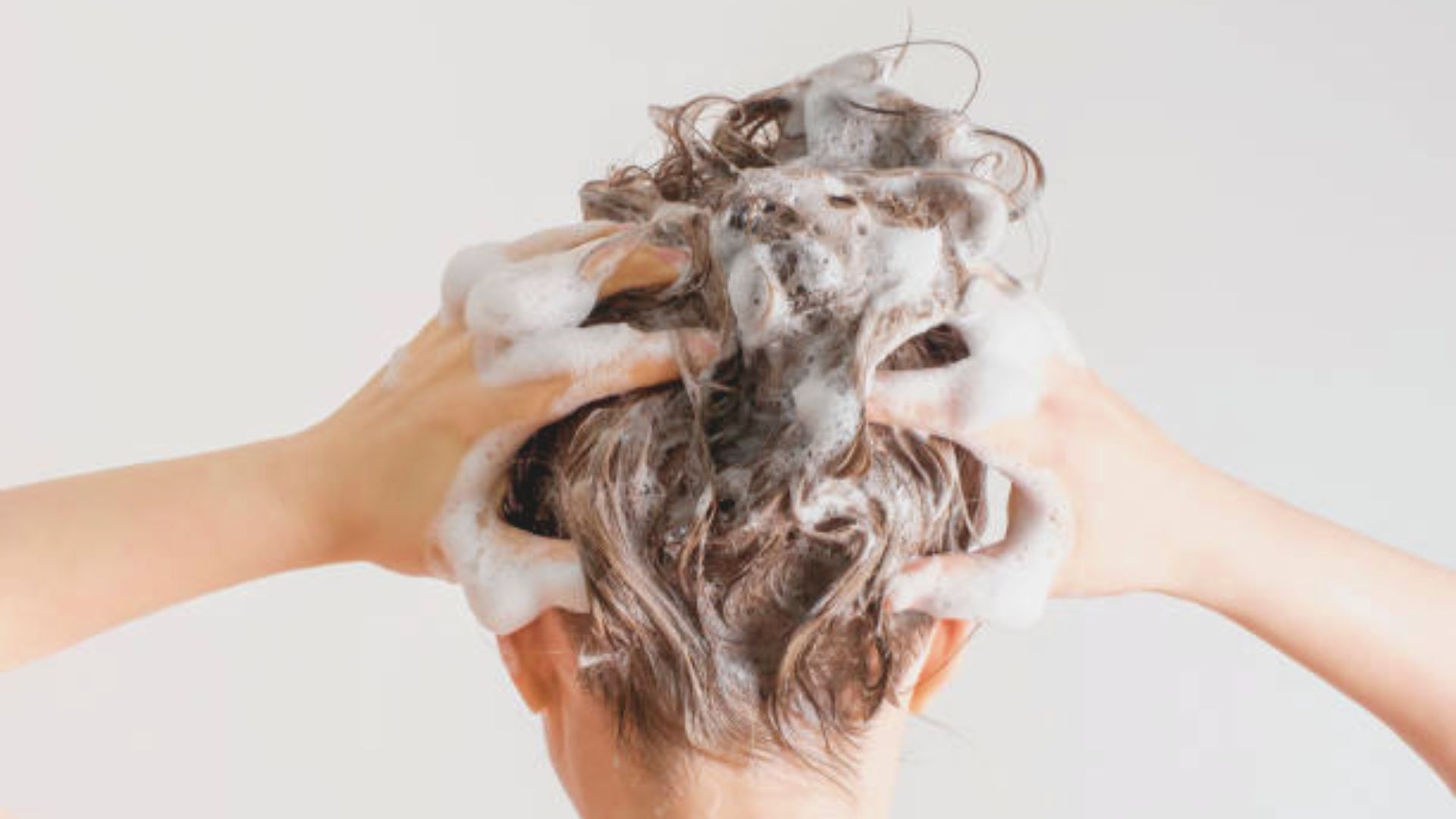
A clarifying shampoo is usually my first move. These shampoos use stronger cleansing agents than your regular shampoo, which helps strip buildup from your hair, including the copper causing the green tone.
Wash your hair with it two to three times in a row, since one wash rarely clears everything out. This method works best on light, freshly developed green tints.
2. Vitamin C Treatment

This is one of my favorite home remedies because it's gentle and cheap.
Crush up 8 to 10 vitamin C tablets into a fine powder, mix it with a small amount of warm water to form a paste, then work it through damp hair.
Leave it on for 20 to 30 minutes under a shower cap, then rinse and shampoo as usual. The acidity in vitamin C breaks down the copper buildup without damaging your hair the way harsher chemicals can.
3. Apple Cider Vinegar Rinse

If your hair feels sensitive or you want a gentler option than vitamin C, an apple cider vinegar rinse works well too.
Mix equal parts apple cider vinegar and water, then pour it through your hair after shampooing, focusing on the green areas.
The vinegar's acidity helps restore your hair's natural pH balance while breaking down the mineral buildup at the same time. Rinse thoroughly afterward so the smell doesn't linger.
4. Baking Soda Paste
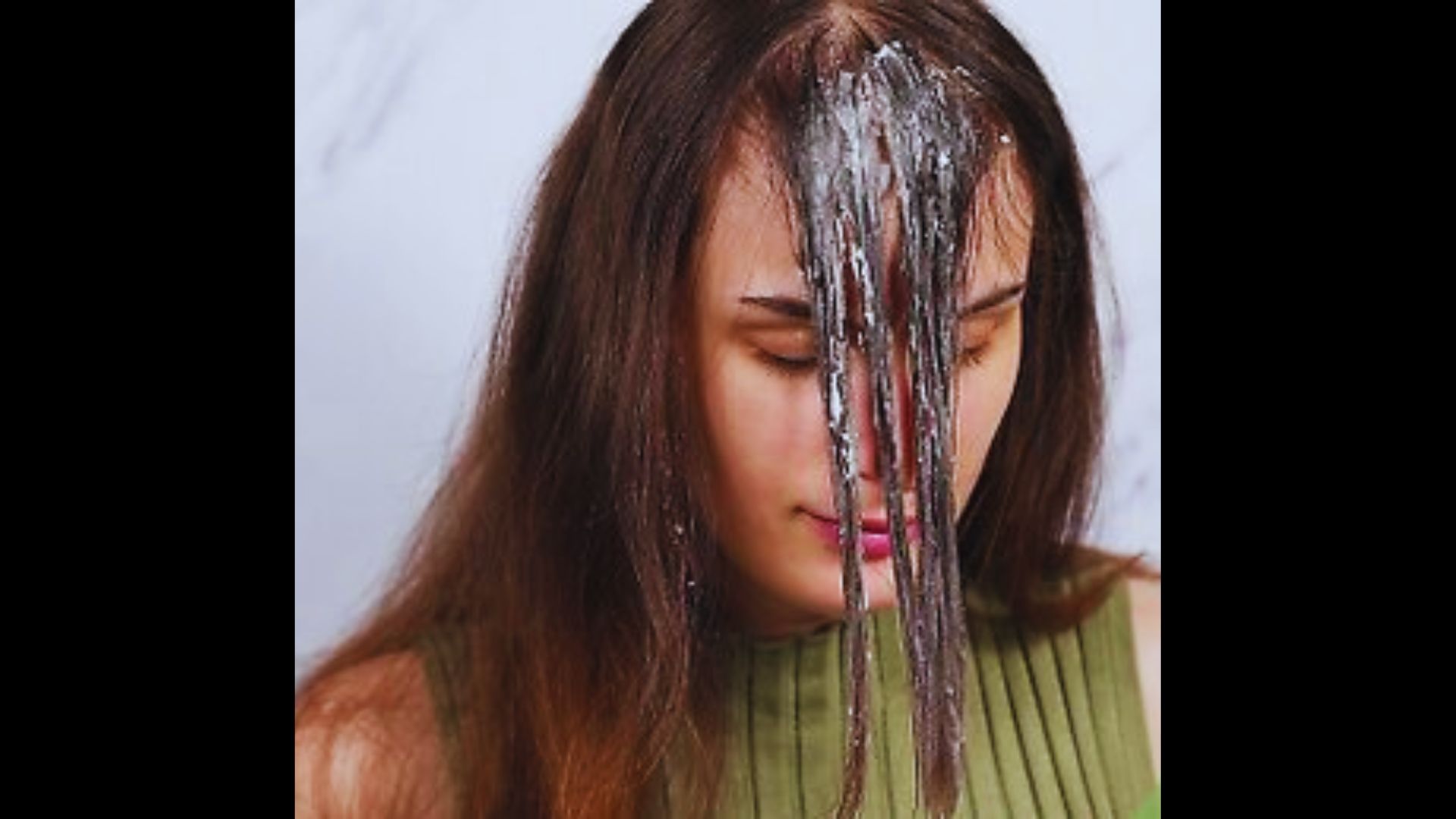
Baking soda works as a mild abrasive that helps lift mineral buildup from your hair shaft.
Mix baking soda with water until it forms a thick paste, then apply it to the affected areas and let it sit for about 10 minutes before rinsing thoroughly.
I only use this one occasionally, since baking soda can dry out your hair if you rely on it too often.
5. Tomato Ketchup Method

This sounds unusual, but it's a method hairstylists have recommended for years.
The red pigment in ketchup sits opposite green on the color wheel, which helps cancel out the tone visually while the acidity works on the copper buildup underneath.
Apply a generous layer of ketchup to dry hair, cover it with a shower cap, and leave it on for 30 to 45 minutes before rinsing and shampooing well to remove the smell.
6. Professional Chelating Treatment
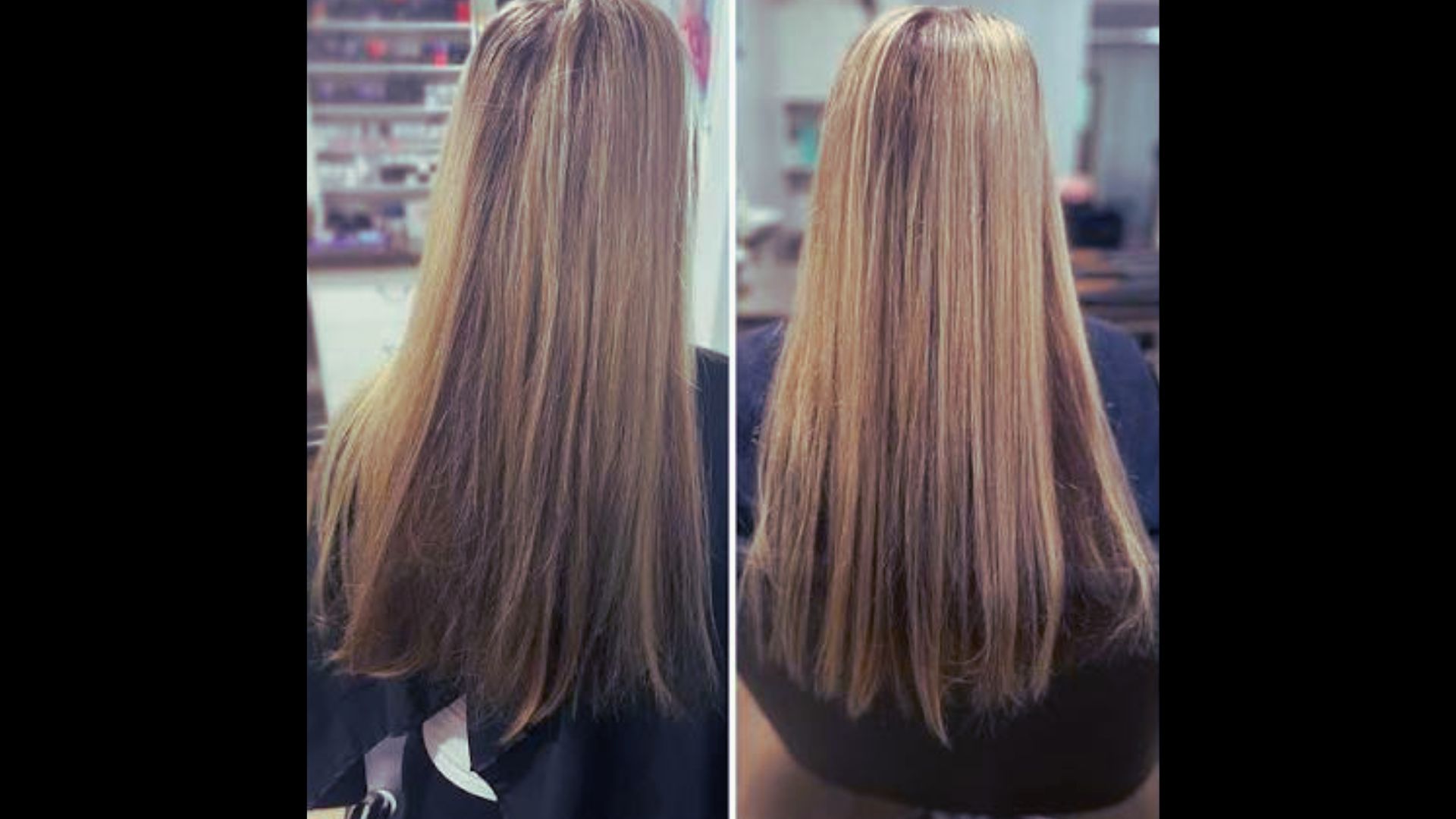
If your hair is severely green, a professional chelating treatment at a salon is usually your best option.
Most chelating shampoos and treatments rely on an ingredient called EDTA, which binds directly to copper and other metal ions so they rinse away instead of staying stuck to your hair.
Stylists use stronger chelating agents than anything sold over the counter, and they can adjust the treatment based on how deep the discoloration goes.
This costs more than a DIY fix, but it's the most reliable option for stubborn or severe green tones.
If you want to try a similar approach at home first, commercial swimmer's clarifying treatments made specifically for chlorine and copper buildup are worth a look before booking a salon visit.
7. Purple Shampoo (When It Helps and When It Doesn't)

Purple shampoo helps with yellow or brassy tones in blonde hair, but it doesn't do much for green.
Since purple and yellow sit opposite each other on the color wheel, purple shampoo can't cancel out a green tint the way it cancels out yellow.
Using it on green hair sometimes creates a muddy, grayish tone instead. Save purple shampoo for after you've already removed the green, when you're just maintaining your blonde tone.
Whatever method you choose, always follow up with a deep conditioner.
Clarifying shampoos, chelating treatments, and acidic rinses all strip moisture along with the green tone, so restoring hydration afterward keeps your hair from feeling dry or brittle.
Which Method Works Best?
The right treatment really depends on how much green you're dealing with, so here's how I'd approach each level.
For a light green tint, a clarifying shampoo used two to three times usually clears things up on its own. This level of discoloration responds well to gentle methods, so there's no need to reach for anything stronger.
For moderate discoloration, I'd combine a clarifying shampoo wash with either the vitamin C treatment, the apple cider vinegar rinse, or the ketchup method.
Using two milder treatments together often gets better results than relying on just one, without the risk of over-drying your hair.
For severe green hair, especially if it's been building up over weeks or months of regular swimming, a professional chelating treatment is worth the cost. DIY methods can help reduce the tone, but they may not fully clear out deep, long-term copper buildup on their own.
How Long Does It Take to Remove Green Hair?

Timing varies a lot depending on the treatment and how deep the green tone has set into your hair.
Clarifying shampoo often shows results within one wash session, though you may need two to three washes over a couple of days for a full fix.
The vitamin C, vinegar, and ketchup methods usually take one treatment to noticeably reduce the tone, with a second treatment a day or two later if any green remains.
Baking soda works at a similar pace, though I don't recommend repeating it more than once or twice a week. A professional chelating treatment typically clears green hair in a single salon visit.
A few factors affect how fast you'll see results. Hair that's been more heavily processed or lightened tends to hold onto copper more stubbornly, since it's more porous.
The length of time you've had the green tint also matters, since fresh discoloration lifts faster than buildup that's had weeks to set in.
If you still notice a tint after your first treatment, wait 24 to 48 hours before repeating it, since back-to-back treatments in the same day can leave your hair dry and brittle.
Common Mistakes to Avoid
I've made a few of these mistakes myself, so here's what to watch out for.
- Overusing DIY remedies: Repeating vitamin C, baking soda, or ketchup treatments too many times in a short window can strip your hair of moisture and leave it feeling straw-like.
- Mixing multiple treatments at once: Combining several strong methods in the same session, like baking soda followed immediately by a vitamin C treatment, can overwhelm your hair and cause more damage than it fixes.
- Bleaching immediately after chlorine exposure: Bleaching hair that still has copper buildup in it can cause an even more stubborn green reaction, since the bleach reacts with the leftover minerals. Always clear out the green first before applying any bleach or lightener.
How to Prevent Blonde Hair from Turning Green
A few simple habits can save you from dealing with green hair in the first place.
Before you swim, wet your hair thoroughly with clean tap water and apply a leave-in conditioner or hair oil. Saturating your hair with clean water first means it soaks up less pool water, since hair can only absorb so much liquid at once.
A swim cap adds an extra layer of protection, since it keeps pool water off your hair almost entirely, which matters most if you swim several times a week.
This simple step alone cuts down a lot of the copper and chlorine your hair picks up.
After swimming, rinse your hair right away with fresh water, ideally before it has a chance to dry with pool water still in it.
Follow up with a gentle shampoo the same day rather than waiting, since chlorine and copper are much easier to rinse out before they fully bond to your hair strands.
A few hair products can also help protect blonde hair over the long run. Swim-specific shampoos designed to remove chlorine and mineral buildup work well for regular swimmers. Leave-in conditioners with UV and chlorine protection add another layer of defense.
Keeping a bottle of clarifying shampoo on hand for a wash once a week during swim season also helps prevent buildup from accumulating in the first place. If your green tint keeps coming back even without swimming, a shower filter can cut down on the copper and mineral exposure coming from your own pipes at home.
Conclusion
Green tinted hair looks alarming at first, but it's one of the more fixable problems your blonde hair can run into.
Once you understand what's causing it, whether that's chlorine, copper, or hard water, you can pick the right method and get your color back on track.
Start with a gentle option like clarifying shampoo or a vitamin C treatment, and save the professional route for anything stubborn.
That's really the fastest way to get green out of blonde hair without causing more damage. If this guide helped you fix the problem, drop a comment with your results or share it with a friend who swims often too.
Frequently Asked Questions
Can green hair happen even if I don't swim in a pool?
Yes, hard water, well water, and certain hair products with high mineral content can all cause a green tint without any pool exposure at all.
Does hair color or box dye make green hair worse?
Yes, applying dye over copper buildup can lock the green tone in place, so it's best to clear it out fully before coloring your hair again.
Will a green tint eventually fade on its own?
It can fade slowly with regular washing, but it usually takes several weeks without treatment, compared to a few days with the right remedy.
Is swimmer's green hair more common in certain hair types?
Yes, finer, more porous hair and hair that's been chemically lightened tend to pick up green tones faster than thicker or unprocessed hair.