What Does Ash Mean in Hair Color & Why It Matters


Seen “ash” on hair color boxes and wondered what it actually means? You’re not alone. This confusing term can make or break your hair color results.
Ash tones are cool-toned colors that cancel out warmth and brassiness. This article explains exactly what ash means in hair color, how it works, and if it’s right for you.
We’ll cover the science behind ash tones, who should use them, common mistakes, and how to avoid green or gray disasters.
I’ve researched color theory and gathered insights from colorists who work with ash shades daily. My purpose is to help you choose the right hair color without expensive mistakes or regrets. No confusing salon jargon or vague descriptions.
If you’re fighting orange tones or just want a cooler blonde, you’ll understand exactly what ash does and how to use it correctly.
What Does Ash Mean in Hair Color?

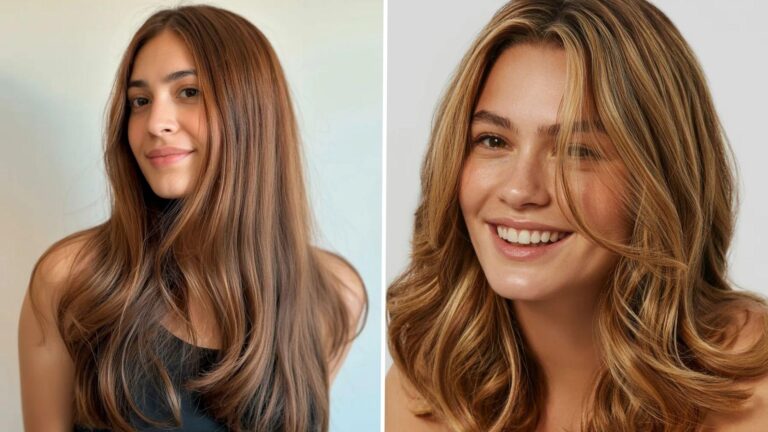
Ash isn’t actually a color. It’s a tone. Think of it as a filter that cools down your hair. When I say “ash brown” or “ash blonde,” I’m talking about brown or blonde hair with a cool, muted quality. It neutralizes warmth.
Gray, blue, or green undertones mixed into your base color. You know how some hair looks golden and sunny? Ash is the opposite. It’s what happens when you remove the red, orange, and yellow tones. Some people call it a “lack of warmth.” And honestly? That’s pretty accurate.
Warm tones are gold, copper, and red. Ash tones are their cool cousins. If warm hair reminds you of fire, ash hair reminds you of stone. It’s smoky. It’s neutral. It doesn’t have that brassy shine, and for many people, that’s exactly the point.
What Does Ash Look Like in Hair?

Ash hair has a certain vibe. It’s not shiny like golden blonde. It’s not warm like caramel brown. Instead, it looks smoky and cool, almost like there’s a filter on it.
Visual Characteristics of Ash Tones
The finish is what gives it away. Ash tones look matte and muted. They don’t catch the light the same way warm colors do.
- Reduced shine compared to golden or copper shades
- A smoky, almost dusty appearance
- Subtle grayish cast in natural light
- Silvery reflections when the sun hits it
- Cool, neutral finish that doesn’t lean warm
Think of it this way: if warm hair glows, ash hair whispers. It’s understated. Some people even mistake it for being “dull,” but that matte quality is intentional.
Common Ash Hair Color Shades
Ash works across multiple color levels. You can go light or dark. The cool undertones adapt to whatever base you choose.
Popular ash shades include:
- Ash blonde: Cool, beige-toned blonde
- Ash brown: Grayish-brown without red
- Platinum and silver ash: The iciest versions
- Beige-ash blends: A mix of warm and cool for balance
Ash blonde is probably the most requested. It’s that Scandinavian-inspired color you see everywhere.
Ash brown works fantastically if you want something low-maintenance. And platinum ash? That’s for the bold.
Why Is Ash Used in Hair Color?

Ash is a problem solver. Colorists use it to fix unwanted warmth and create balanced, professional-looking results. It’s not just about going cool, it’s about control.
Neutralizing Warm and Brassy Tones
Ash cancels out what you don’t want. When your hair turns orange after bleaching or yellow after a few weeks, ash steps in to neutralize it.
- Color wheel: Ash tones sit opposite warm tones and cancel them out
- Lightening process: Bleaching exposes orange and yellow, and ash tones them down
- Brassy fix: Ash-based toners change brassy blonde into cool, clean color
Creating Balanced, Natural-Looking Color
Too much warmth looks unfinished. That’s why colorists blend ash into formulas, even if you don’t want a fully cool result.
- Preventing brass: Keeps blonde from turning orange and brunette from going red
- Adding dimension: Mixing ash with warmth creates natural-looking, multidimensional color.
- Polished finish: Gives hair that salon-quality, intentional look instead of a DIY tone
Who Should Choose Ash Hair Color?

Ash isn’t for everyone. It works best when your natural coloring already leans cool. If you have warm or golden undertones, ash can wash you out.
Best Skin Tones for Ash Shades
Your undertones matter more than your skin color. Cool and neutral skin types look most natural with ash hair.
- Cool undertones: Pink, red, or blue undertones in your skin
- Fair complexions: Light to light-medium skin looks especially flattering
- Olive skin: Darker ash shades work if your undertones lean cool, not warm
Eye Colors That Pair Well with Ash
Certain eye colors pop against ash tones. The cool contrast makes your eyes stand out even more.
- Blue eyes: Ash improves the cool tones and creates a striking contrast
- Green eyes: The muted ash makes green appear brighter and more vivid
- Gray or hazel: Ash complements the multi-tonal nature of these eye colors
Can Hair Be Too Ashy?

Yes, you can overdo it. When hair gets too ashy, it doesn’t look cool and chic, as it looks dull, flat, or even muddy. Balance is everything.
Signs of Over-Ash Hair
You’ll know when you’ve crossed the line. Over-ashed hair loses its vibrancy and starts looking lifeless instead of refined.
- Dull appearance: Hair looks smoky, gray, or washed out instead of fresh
- Grayish or green: Blonde can turn an unwanted shade when over-toned
- Muddy brown: Brunette shades appear flat, ashy, and one-dimensional
Why Too Much Ash Happens?
It’s usually a toning mistake. Adding too many cool pigments tips the balance from “cool-toned” to “colorless.”
- Excessive pigments: Using too much ash dye or leaving toner on too long
- Wrong shade: Choosing a toner that’s too cool for your base color
- Product overuse: Purple shampoo and blue toners build up with repeated use
How to Fix Hair That Looks Too Ashy?

Ash is easier to fix than brass. You can add warmth back without bleaching or harsh chemicals. A simple gloss or toner does the trick.
- Add warmth: Use golden, copper, or honey-toned glosses to bring life back to dull, ashy color.
- Pigmented treatments: Color-depositing conditioners or rinses gently warm up the tone without full dye
- Easier fix: Removing ash is simpler than removing brass, as warm pigments layer over cool tones naturally.
How to Avoid Unwanted Ash in Hair Color?
Prevention beats correction every time. If you don’t want ashy hair, you need to be strategic about the products and shades you choose. Small adjustments make a big difference.
- Limit cool products: Don’t overuse purple shampoo, blue toners, or matte dyes, as they deposit ash pigments with every wash.
- Choose balanced shades: Neutral or beige blends give you coolness without going full ash. They’re softer and more forgiving.
- Professional formulation: Colorists know.How to balance cool and warm tones so you get dimension, not flatness
Conclusion
So, what does ash mean in hair color? It’s all about cool, muted tones that neutralize unwanted warmth and brassiness. If you’re going for icy blonde, silvery brown, or refined gray, ash shades give you that modern, polished look without orange or yellow undertones.
Now you understand how ash tones work and if they’re right for your hair goals. You can confidently chat with your colorist or choose the ideal box dye knowing exactly what to expect from the results.
Ready to try ash color or have more questions? Drop a comment below and share your experience or concerns. If this cleared things up for you, pass it along to friends who are always confused about hair color terminology. And for more hair color guides, look into our other articles for expert tips and advice.
Frequently Asked Questions
What does ash tone mean in hair color?
Ash refers to cool-toned hair colors with blue, green, or violet undertones that neutralize warmth. Ash shades appear muted and refined, eliminating brassy orange or yellow tones. They create silvery, smoky, or grayish hues across blonde, brown, and black color families.
Who should choose ash hair color?
Ash tones suit people with cool or neutral skin undertones, blue or green eyes, and those wanting to neutralize brassiness. It’s ideal if you prefer modern, edgy looks over warm, golden tones. However, very warm skin tones may find ash colors unflattering.
Will ash hair color turn my hair gray or green?
Ash color shouldn’t turn hair gray or green when applied correctly. However, over-toning or using ash on very porous, damaged, or previously colored hair can create unwanted green or muddy tones. Professional application and proper maintenance prevent these issues.
How do I maintain ash hair color at home?
Use purple or blue-toned shampoos weekly to neutralize brassiness. Wash with cool water, limit heat styling, and apply color-safe products. Avoid chlorine and sun exposure. Regular toning treatments every 4-6 weeks keep ash tones fresh and vibrant.
What’s the difference between ash and natural hair color?
Natural hair colors contain warm undertones (gold, red, orange), while ash colors are cool-toned with neutralizing pigments. Ash shades appear more muted and refined, whereas natural tones look warmer and richer. Ash actively counteracts the warmth that natural colors embrace.