How to Improve Skin Texture?


I know how frustrating it feels when you look in the mirror and notice rough patches, bumps, or dullness staring back at you.
You’re not alone in wanting smoother, healthier-looking skin.
I’ve learned that uneven texture happens for many reasons. Dead skin cells pile up, sun damage takes its toll, and our skin naturally changes as we age.
The good news? You can actually do something about it. Learning how to improve skin texture isn’t about expensive miracles or complicated routines.
In this post, I’ll walk you through daily routines that make a real difference and treatments that target stubborn texture issues.
Let’s get started.
What Makes Skin Texture Uneven?

Before you can fix rough or bumpy skin, it helps to know what causes it in the first place.
- Dead skin cells naturally build up on your surface layer. They create that dull, rough feeling when they don’t shed properly.
- Sun exposure does more damage than most people realize. UV rays break down the collagen and elastin that keep your skin smooth and firm.
- As we get older, our skin produces less collagen naturally. This makes fine lines and uneven patches more noticeable.
- If you’ve dealt with acne, those scars and dark marks can stick around long after the breakouts heal. Your pores might look larger than you’d like, especially if genetics gave you naturally oily skin.
- Some texture issues come from specific skin conditions. You might have tiny bumps called milia or small growths from overactive oil glands.
- Dryness plays a huge role too. When your skin lacks moisture, it feels rough and looks flaky.
Understanding these root causes helps you pick the right treatments. Once you know what’s creating texture problems, you can target them directly instead of guessing.
Expert-Recommended Products and Treatments to Smooth Texture
Once you have a solid daily routine, specific products and treatments can target stubborn texture issues more aggressively.
These options range from drugstore finds to professional procedures.
Chemical Exfoliants (AHAs/BHAs)
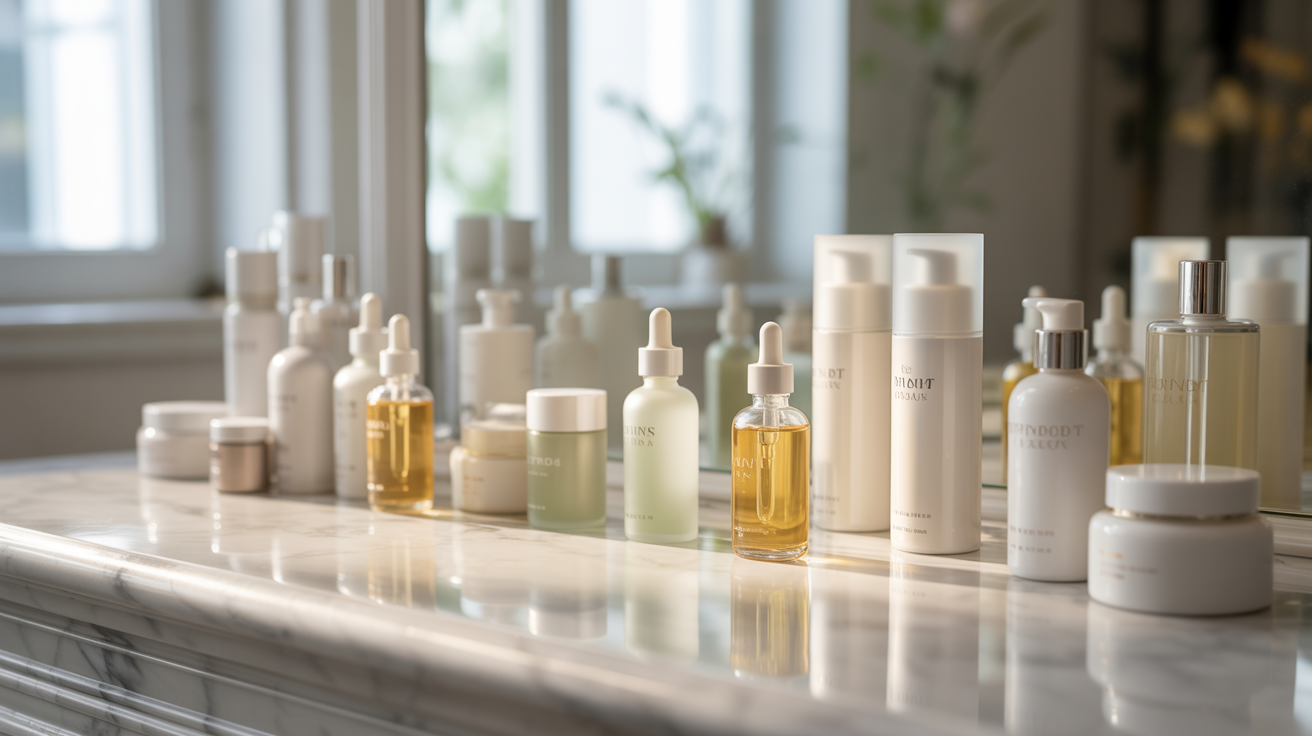
Chemical exfoliants dissolve the bonds holding dead skin cells together. They reveal fresher skin underneath without harsh scrubbing.
Lactic acid and salicylic acid are two powerhouse ingredients that gently resurface your skin.
Lactic acid works on the surface to brighten and smooth. Salicylic acid gets into pores to clear out oil and debris.
These acids work for almost every texture concern, especially if your skin looks dull or feels rough. Start with lower concentrations a few times per week.
I’ve found chemical exfoliants give more even results than physical scrubs. They don’t create micro-tears or irritation when used correctly.
Retinol/Retinoids
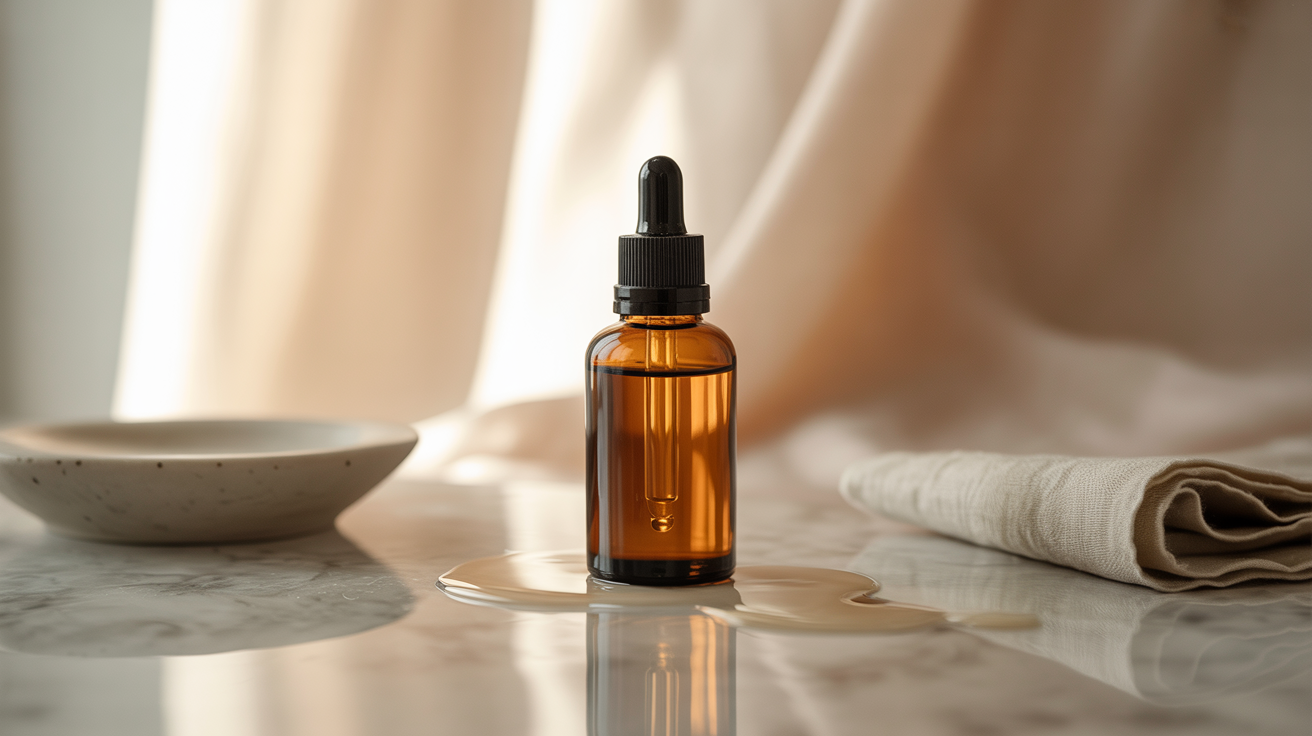
If you’re serious about learning how to improve skin texture, retinol needs to be in your routine.
This vitamin A derivative increases cell turnover dramatically and tells your skin to produce more collagen.
Over time, it smooths wrinkles, fades acne scars, and evens out rough patches. The results are worth the wait.
The key with retinol is starting slowly. Begin with a low concentration (0.25% or 0.5%) and use it twice a week at first.
Your skin might feel dry or slightly irritated initially. That’s normal as your skin adjusts. As you build tolerance, you can increase to nightly use and higher strengths.
Vitamin C Serums
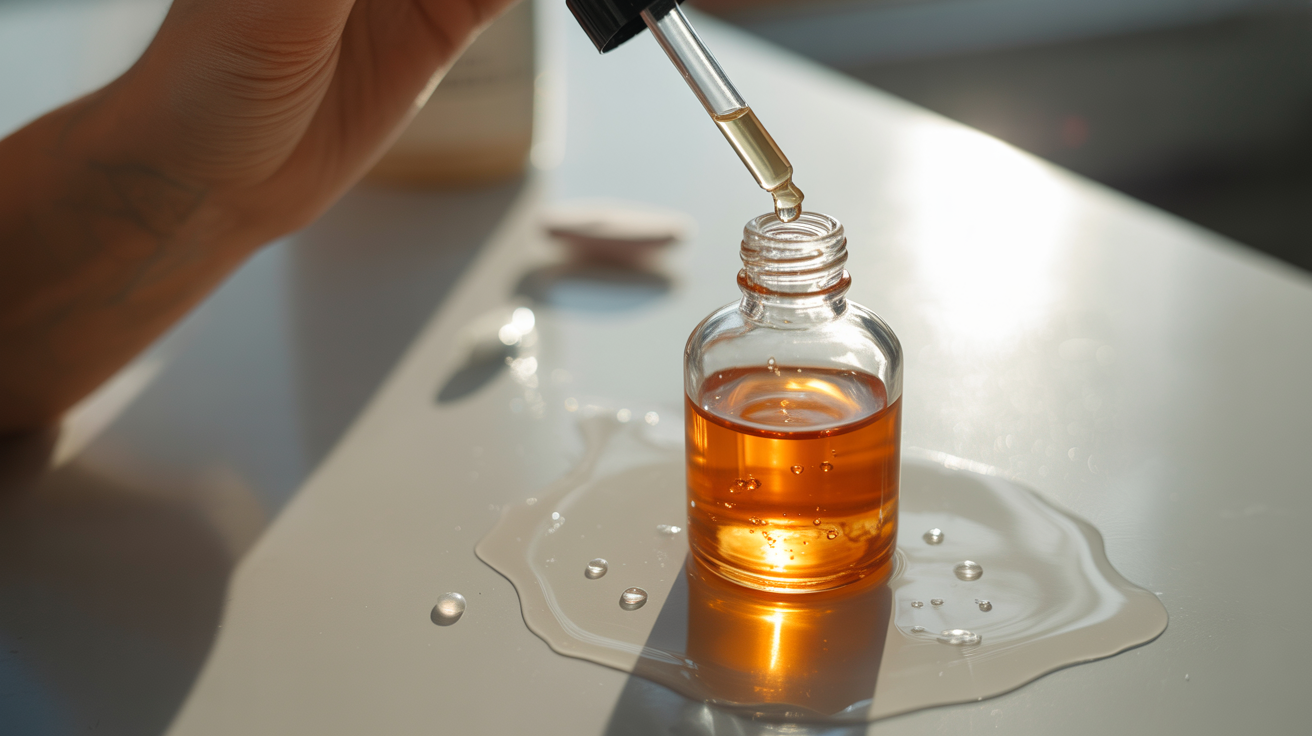
A good vitamin C serum does double duty. It protects your skin from damage while repairing existing issues.
This antioxidant fights free radicals from pollution and sun exposure before they can create texture problems. It also helps reduce dark spots and brings back that smooth, supple feeling.
I apply vitamin C every morning before sunscreen. The two work together to defend against environmental damage throughout the day.
Look for L-ascorbic acid in concentrations between 10-20% for best results. Store your vitamin C serum away from light and heat to keep it effective.
Exfoliating Peel Pads

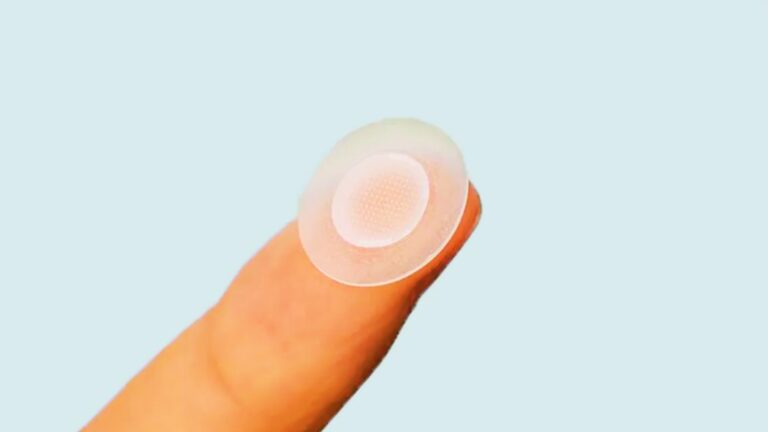
Pre-soaked peel pads make it super easy to exfoliate regularly. You don’t need to measure products or make a mess.
These convenient pads contain multiple acids in one treatment. Usually a mix of glycolic, lactic, and salicylic acids. They prevent dead cells from piling up and keep pores clear.
I use peel pads 3-4 times per week in the evening after cleansing. Swipe one across your face, let it absorb for a minute, then follow with your other products.
They’re especially helpful if you struggle with consistency. The quick application takes just seconds.
Professional Chemical Peels
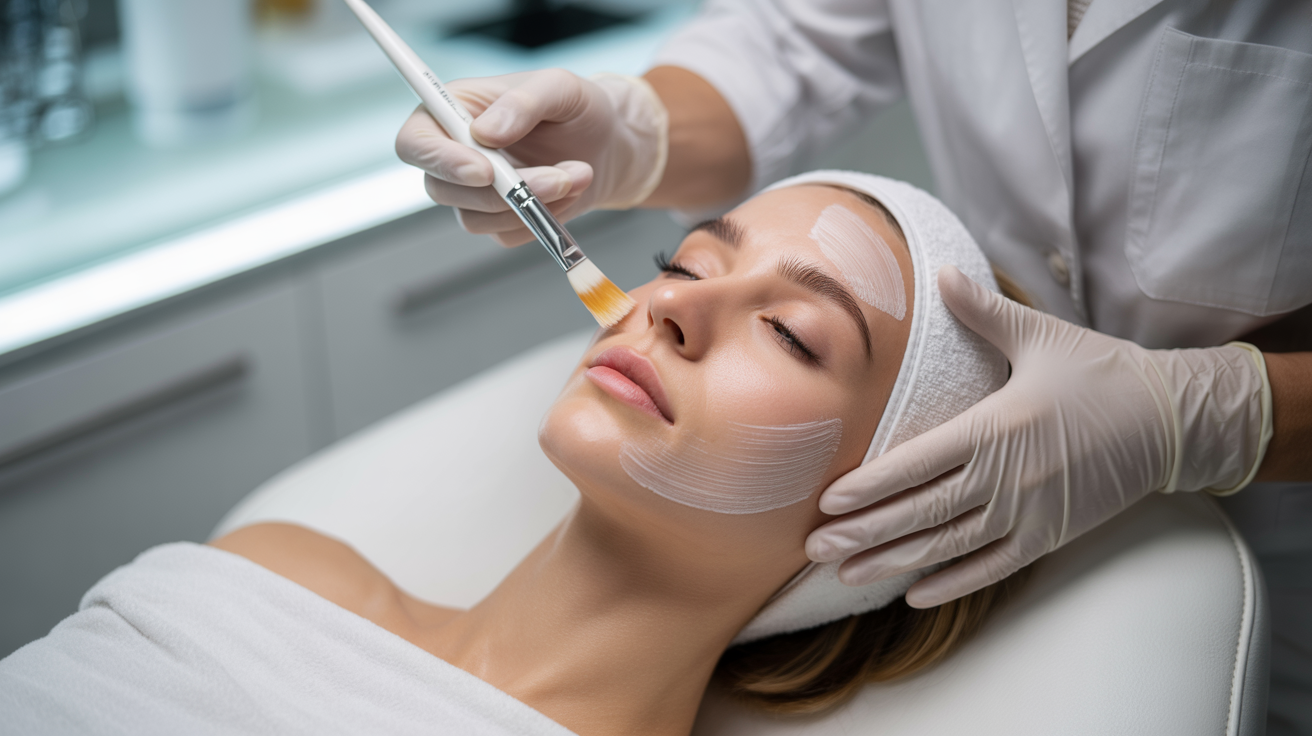
For faster, more dramatic improvements in texture, professional chemical peels offer stronger formulations than at-home products.
A dermatologist or esthetician applies concentrated acids that remove surface irregularities.
These treatments stimulate deeper collagen production too. Peels come in different strengths depending on your texture concerns.
Light peels might need multiple sessions but have minimal downtime. Medium peels work on deeper scars and wrinkles with about a week of flaking.
Your provider will help you choose the right strength and schedule treatments safely. I recommend scheduling them every few months for maintenance.
Microneedling Treatments
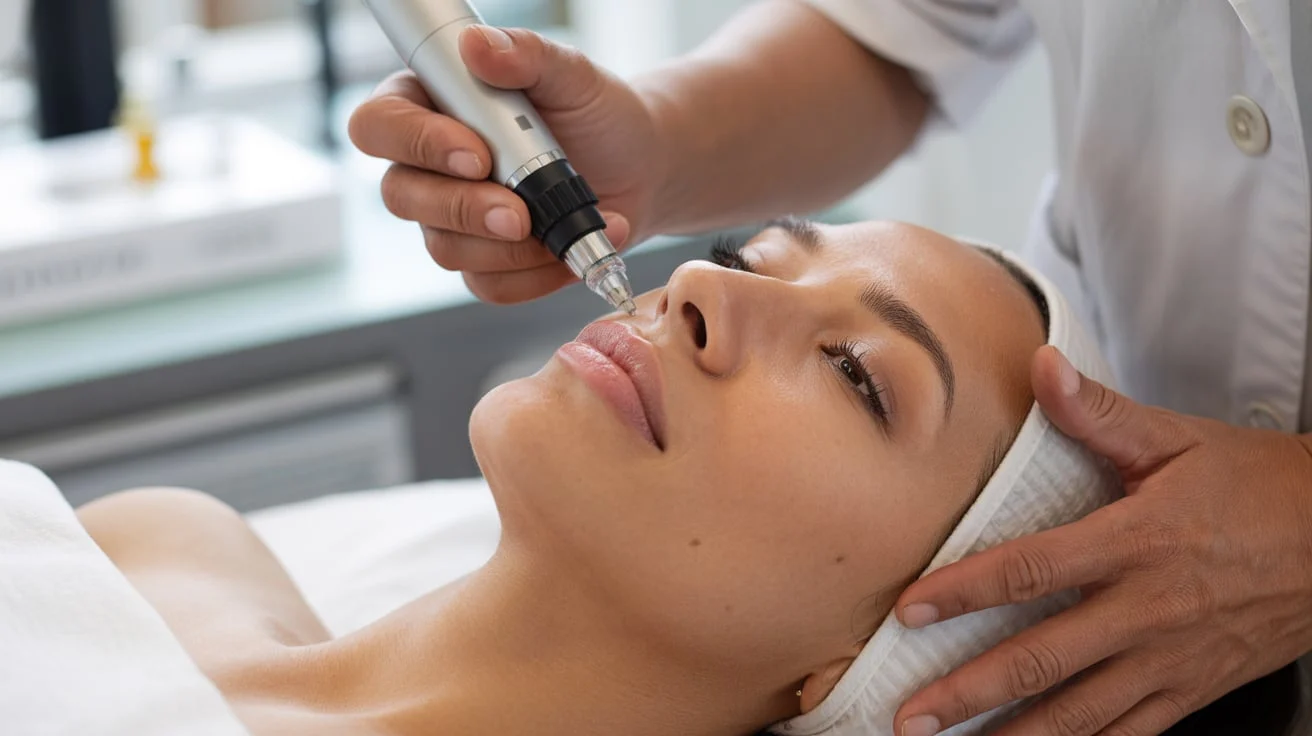
Microneedling sounds intimidating but it’s actually one of the most effective ways to smooth texture. It works especially well on acne scarring.
Tiny needles create controlled micro-injuries in your skin. This triggers your body to produce fresh collagen and elastin.
This natural healing process fills in scars and plumps up fine lines. Professional microneedling gives quicker, more noticeable results than at-home rollers.
Most people see improvement after 3-4 sessions spaced a month apart. Your skin might look red for a day or two afterward, but that’s the extent of the downtime.
Laser Resurfacing (Fractional)
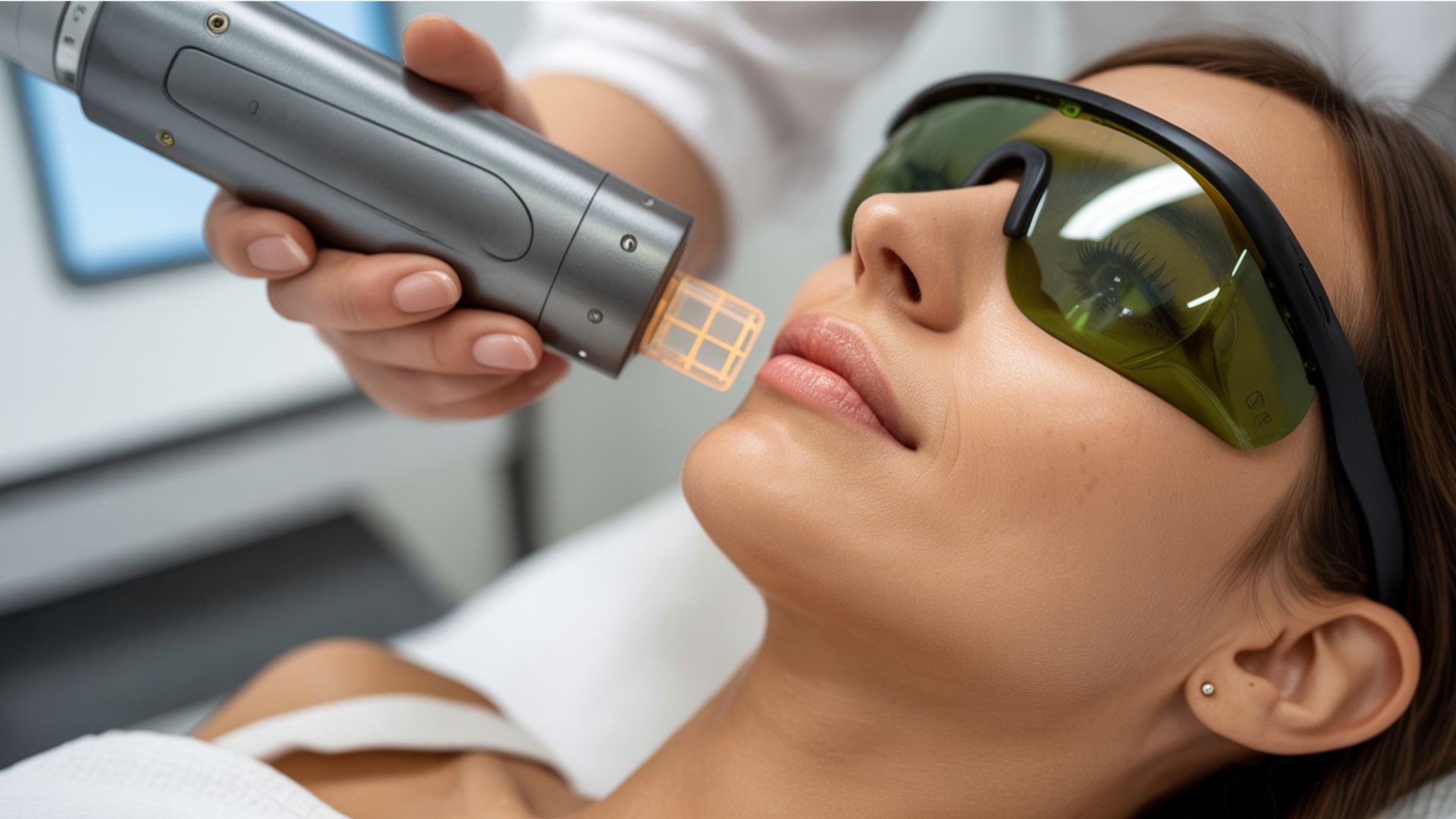
When you’re dealing with severe texture issues, fractional laser resurfacing might be your best option. Deep acne scars or significant sun damage respond well to this treatment.
These procedures target both the surface layer and deeper tissue. They promote substantial collagen remodeling over time.
Options like the Halo laser or Profractional Erbium can address stubborn concerns that other treatments can’t touch.
The results can be dramatic for texture problems that haven’t responded to other methods.
Laser resurfacing requires more recovery time than other procedures. Usually 5-7 days of redness and peeling.
Talk to a board-certified dermatologist about whether laser treatment makes sense for your specific concerns.
Simple Tips to Maintain Smooth Skin
Beyond products and treatments, daily habits play a huge role in how to improve skin texture and keep it that way. Small lifestyle adjustments add up to big differences over time.
- Stay hydrated by drinking plenty of water and using a good moisturizer. Your skin needs moisture from both inside and out to stay smooth.
- Run a humidifier if you live in a dry climate or blast the heat in winter. This prevents moisture loss from the air around you.
- Never skip sunscreen, even on cloudy days or when you’re staying inside. UV damage is the fastest way to create new texture problems and undo all your hard work. I treat SPF like brushing my teeth, it’s not optional.
- Avoid over-exfoliation at all costs. More isn’t always better, and too much exfoliation makes your skin produce extra oil to compensate. Stick to 2-3 times per week max.
- Choose physical scrubs carefully if you prefer them over chemical exfoliants. Look for ones with spherical particles only. Jagged particles create tiny tears that worsen texture.
- Schedule regular facials or light peels every 4-6 weeks for maintenance. Professional treatments keep your progress going strong.
- Manage lifestyle factors like sleep, stress, and diet. Get enough rest each night. Find healthy ways to handle stress. Eat foods rich in antioxidants like berries and leafy greens.
- Stop acne before it forms whenever possible. Preventing breakouts means preventing the scars that damage texture long-term.
- See a dermatologist if you have persistent texture issues that don’t improve with at-home care. Some concerns need professional diagnosis and prescription treatments.
Conclusion
I’ve seen firsthand how consistency with the right approach makes rough, uneven skin noticeably smoother over time.
The combination of a solid daily routine and targeted treatments really works. You just need patience to see it through.
Start with the basics: a gentle cleanser, a retinoid product, and daily sunscreen. These three alone will improve your texture significantly within a few months.
For stubborn concerns like deep scarring or severe sun damage, professional options can help you reach your goals faster.
Remember that smooth, healthy skin doesn’t happen overnight. But it’s absolutely within your reach when you stick with what works and listen to your skin.
Frequently Asked Questions
Can Diet Affect How My Skin Feels?
Yes, your diet directly impacts skin health. Drinking enough water keeps skin hydrated from within. Foods high in antioxidants like berries, nuts, and vegetables help repair damage and support collagen production. A balanced diet with healthy fats also maintains your skin’s moisture barrier.
How Long Does It Take to See Texture Improvements?
Most people notice changes within 4-6 weeks of consistent care. Retinol and chemical exfoliants typically show results in 6-8 weeks. Professional treatments like microneedling work faster, with visible improvements after 2-3 sessions. Deep texture issues may need 3-4 months of dedicated treatment.
Is It Safe to Combine Multiple Exfoliating Products?
Be careful when layering exfoliants. You can easily overdo it and cause irritation, redness, or increased oil production. If you use a retinoid at night, skip chemical exfoliants on those evenings. When introducing new acids, start with one product and add others slowly to test tolerance.
Will My Skin Texture Get Worse as I Age?
Texture naturally becomes less smooth with age as collagen and elastin production slows down. However, preventive measures make a huge difference. Daily sunscreen, retinol use, and regular exfoliation can minimize age-related texture changes. Starting good habits early gives you better results long-term.
Should I Choose Physical or Chemical Exfoliation?
Chemical exfoliants generally work better for most people. They provide even exfoliation without scrubbing. They’re ideal for sensitive skin or acne-prone types. Physical exfoliants work if you prefer the feeling of scrubbing, but choose gentle, round particles only. Many people get best results using both methods at different times.